
 English
 русский
 Español

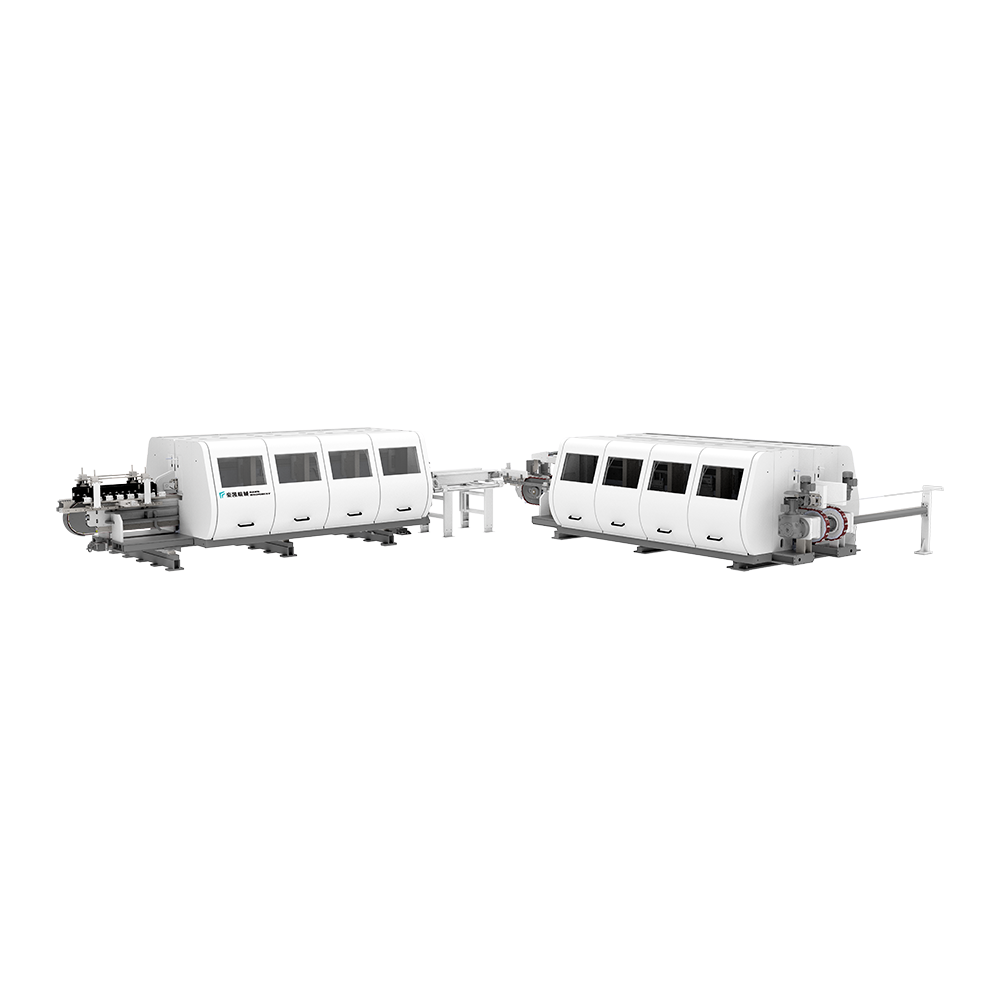
Floor slotting line (double end tenoner)
The product can slot the floor vertically and horizontally. The machine series c...
See DetailsContent
A double end tenoner machine is a woodworking machine designed to process both ends of a wooden workpiece simultaneously, cutting it to precise length while shaping tenons, grooves, or profiled edges in a single pass. Unlike a single-end tenoner, which requires flipping the workpiece to process the second end separately, a double end tenoning machine handles both ends at once using two synchronized processing heads positioned at opposite ends of the machine bed. This dramatically improves both speed and dimensional accuracy, since the workpiece length is controlled by the fixed distance between the two heads rather than by manual repositioning.
Inside a typical double end tenoner machine, the workpiece is clamped onto a moving track or chain conveyor that feeds it through a series of cutting units, including trimming saws, milling cutters, and sometimes sanding or profiling heads. As the workpiece travels through the machine, each processing station performs its designated task, resulting in a finished component with clean, squared ends and precisely cut joinery features ready for assembly.
Not every double end tenoner machine is built the same way, and manufacturers offer different configurations depending on production volume, precision requirements, and the complexity of the wood components being processed.
This entry-level configuration requires an operator to manually load the workpiece and set cutting parameters through mechanical adjustments. It remains a cost-effective option for smaller workshops with lower production volumes and simpler joinery requirements.
Featuring programmable controls and automated feeding systems, this type reduces manual intervention significantly, allowing operators to preset cutting dimensions and run continuous production cycles with minimal supervision, making it well-suited to mid-to-large furniture manufacturers.
A CNC double end tenoner integrates computer numerical control technology, allowing precise, repeatable cutting programs to be stored and recalled instantly for different product specifications. This type is favored by manufacturers who frequently switch between different door, window, or furniture component dimensions without lengthy machine reconfiguration.
Double end tenoner machines are widely used across several segments of the wood processing industry, particularly where consistent length and precise end-joinery are critical to product quality and assembly efficiency.
When evaluating different double end tenoner machine models, several technical specifications directly affect production quality, throughput speed, and long-term operating costs. The table below outlines the factors most worth comparing before making a purchase decision.
| Feature | Why It Matters |
| Number of Processing Units per Head | Determines how many operations (sawing, milling, sanding) can be completed in one pass |
| Feed Speed Range | Affects daily throughput and compatibility with different wood densities |
| Maximum Workpiece Length and Width | Must match the largest components your production requires |
| Control System Type | CNC controls allow faster changeovers between different product specifications |
| Dust and Chip Extraction System | Impacts workshop cleanliness, air quality, and operator safety |
Even well-built tenoning equipment can encounter operational issues, particularly when processing inconsistent wood stock or when maintenance schedules are neglected. Recognizing these problems early helps operators minimize scrap material and unplanned downtime.
Investing in a double end tenoner machine represents a significant capital expense, so it's worth conducting thorough due diligence before finalizing a purchase agreement with any manufacturer or distributor.
Request a live demonstration or test run using your actual wood species and typical workpiece dimensions, since cutting performance can vary significantly between softwoods, hardwoods, and engineered wood products. It's also worth confirming the availability of local technical support and spare parts, particularly for cutting tools and chain components that experience regular wear. Finally, consider your production growth projections carefully, since upgrading to a higher-capacity or CNC-equipped double end tenoning machine later often costs considerably more than investing in slightly more capable equipment from the start.
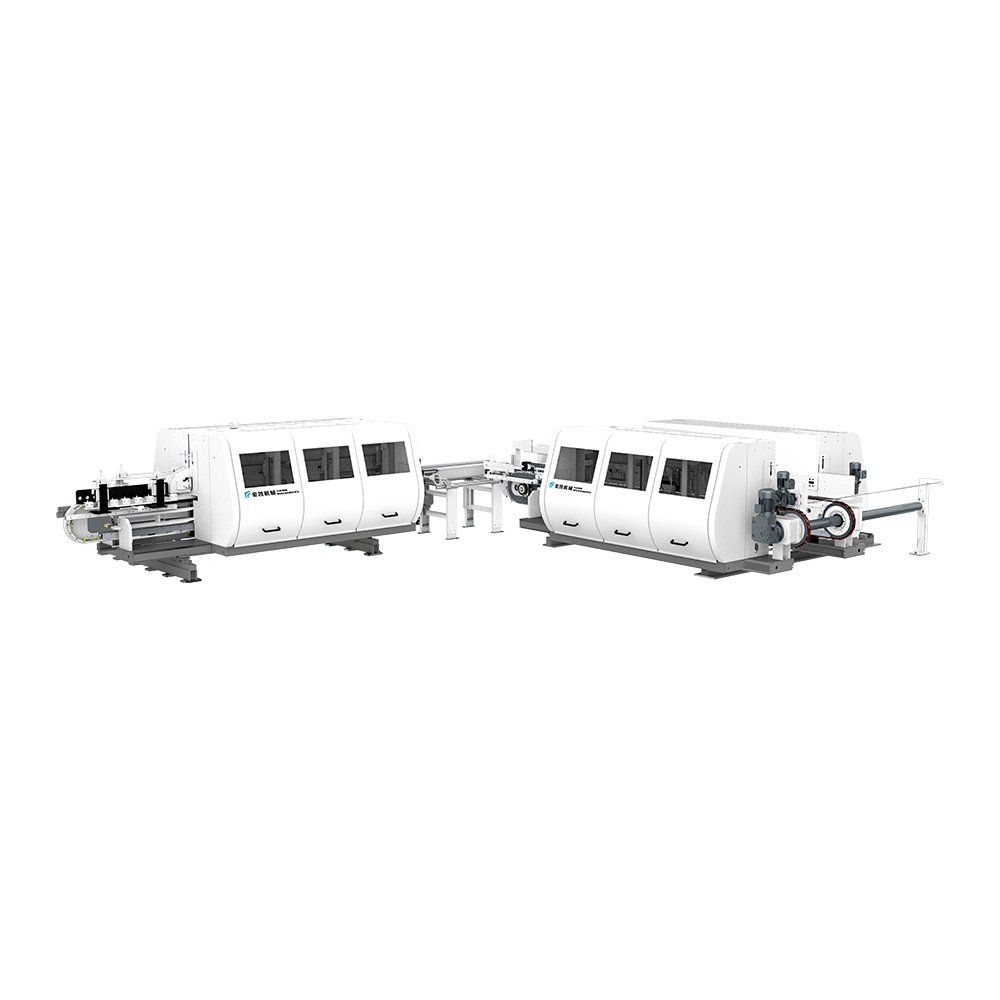
The product can slot the floor vertically and horizontally. The machine series c...
See Details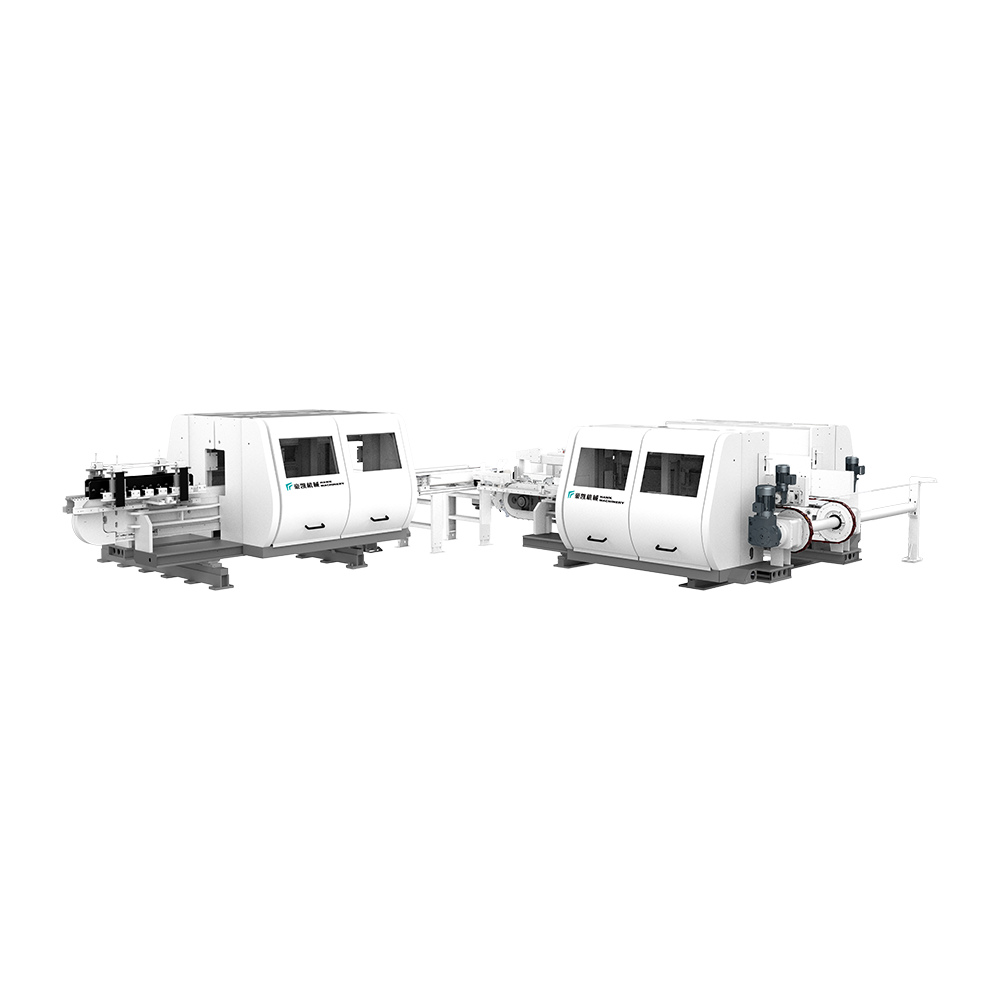
This equipment is suitable for trimming and chamfering LVT flooring. Equipped wi...
See Details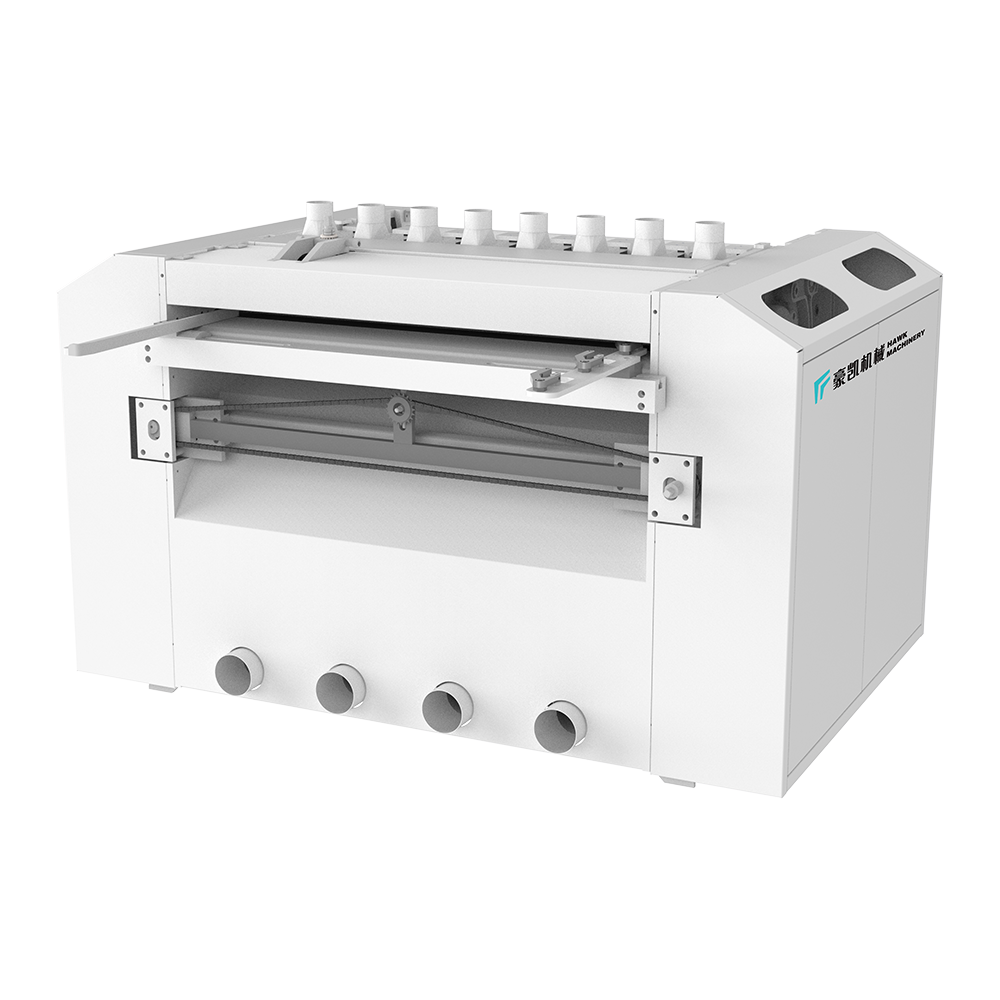
Different transmission sawing methods are suitable for different board processin...
See Details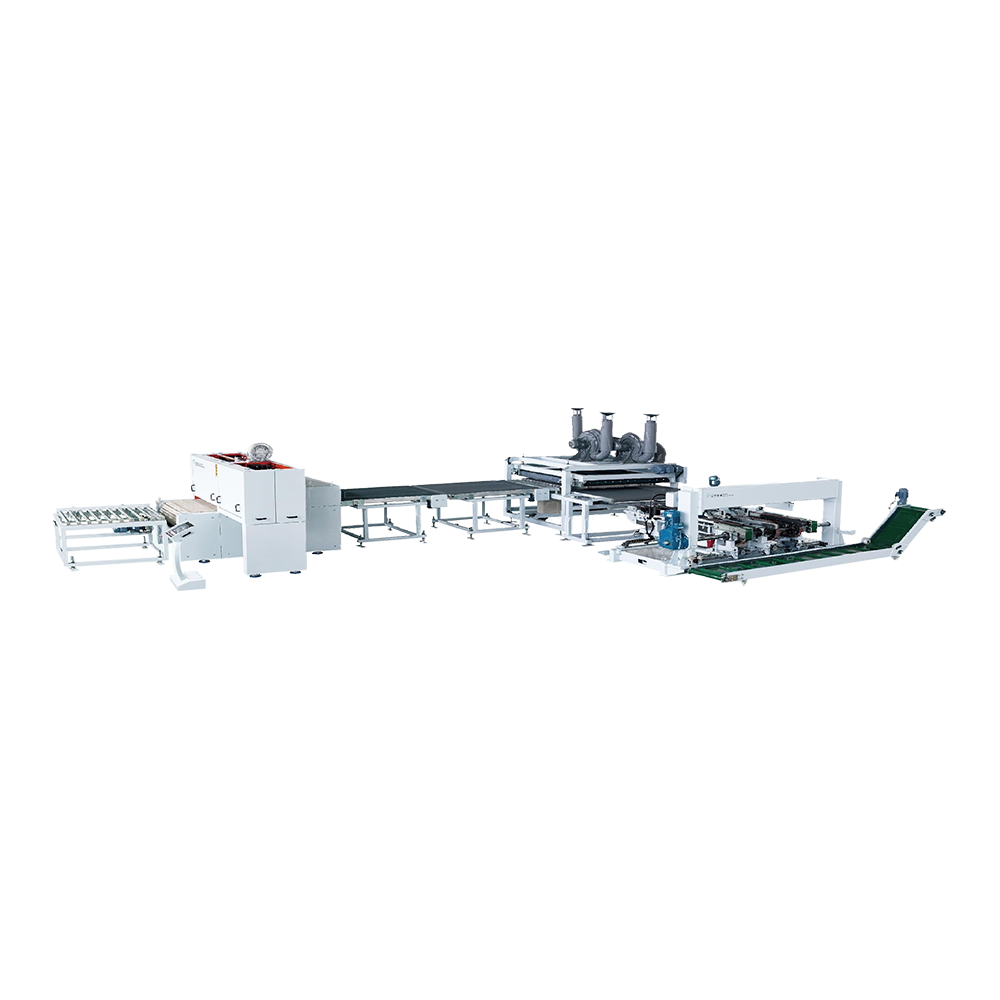
The feed speed of this equipment can reach 40 meters per minute, the whole frame...
See Details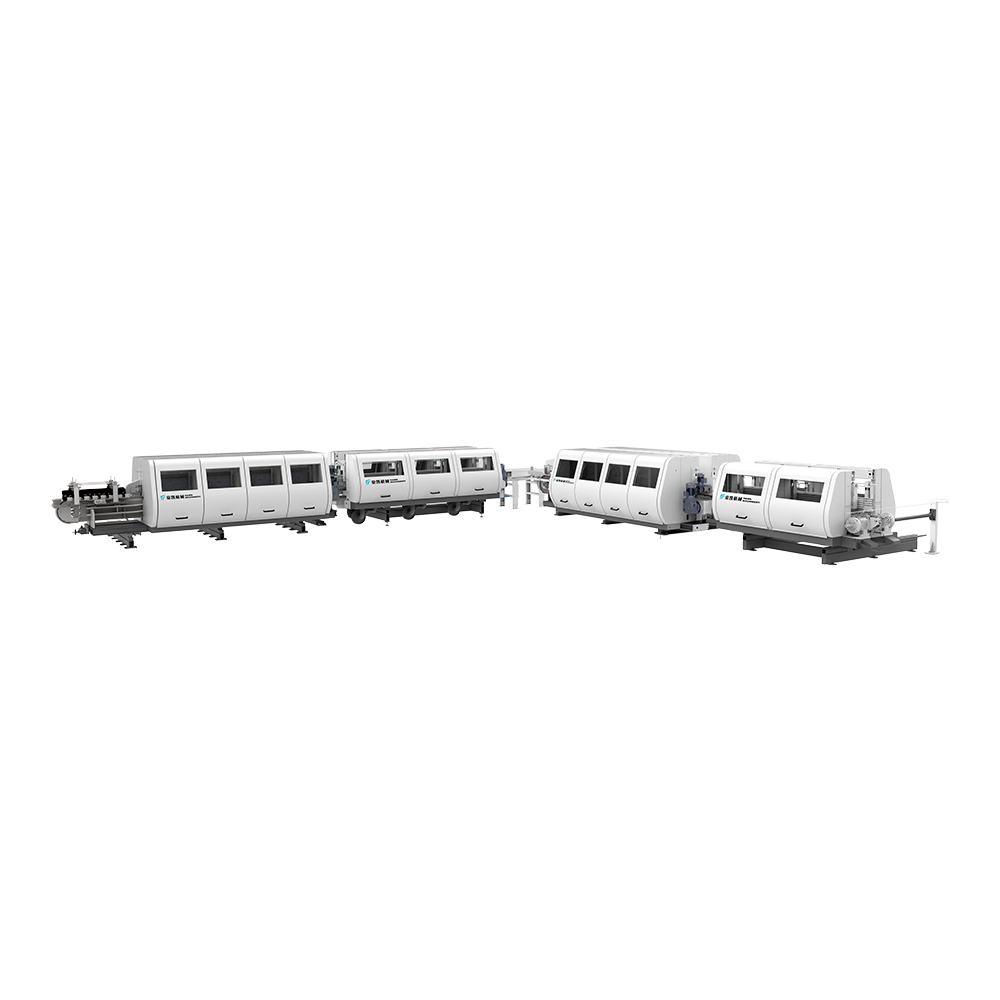
Suitable for edge coating of laminated, PVC, and WPC. Using water-based paint is...
See Details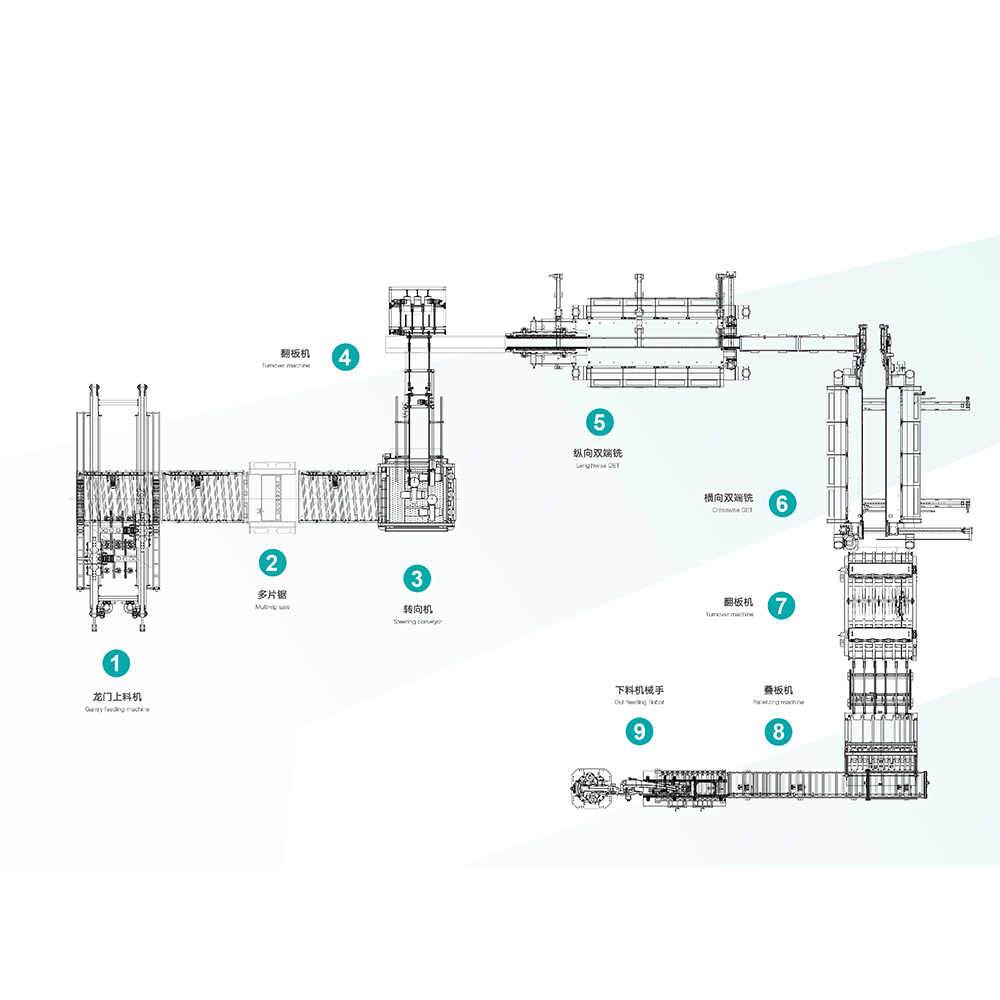
Hawk Machinery automatic feeding, cutting & slotting line, suitable for SPC,...
See Details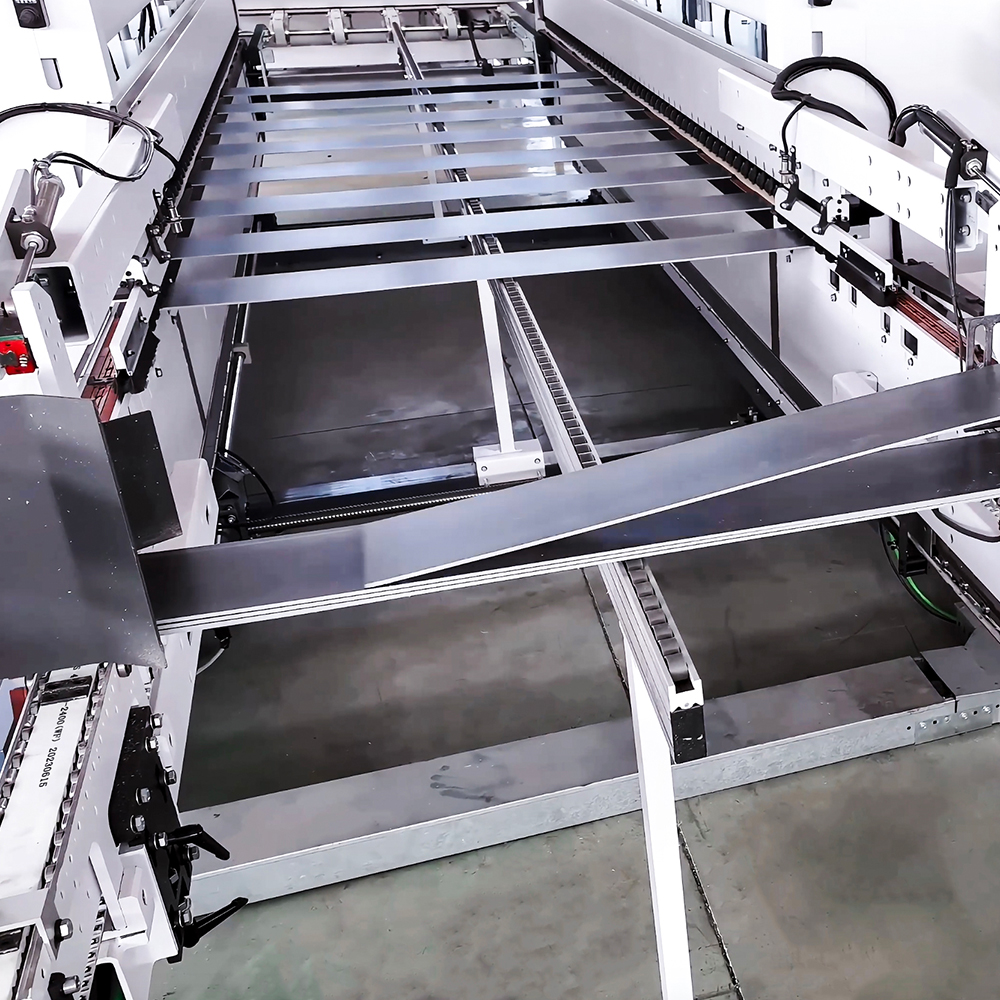
Integrated intelligent equipment integrates industrial intelligent Internet of g...
See Details
Contact info.
Boyi development area, changzhou city, jiangsu province, P. R. China
+86-0519-83319988
Don't hesitate to contact when you need us!
 Custom Floor Extrusion Machine Manufacturers