
 English
 русский
 Español

Floor slotting line (double end tenoner)
The product can slot the floor vertically and horizontally. The machine series c...
See DetailsContent
An SPC floor multi rip saw machine is production equipment used to cut wide SPC (Stone Plastic Composite) boards into multiple narrow planks in a single pass, using a series of parallel saw blades mounted on one cutting shaft. Instead of running a board through a single-blade saw multiple times to achieve the final plank width, a multi rip saw cuts several strips simultaneously, which significantly speeds up the sizing stage of SPC flooring production. This equipment is a standard fixture in SPC flooring factories, LVT manufacturing plants, and rigid core flooring production lines, where consistent plank width and clean edge quality directly affect how well finished flooring locks together during installation. For manufacturers scaling up plank production, the rip saw stage is often one of the biggest throughput bottlenecks if the equipment isn't matched properly to board specifications and production volume.
Understanding how a multi blade rip saw moves a board through the cutting process helps buyers identify which mechanical details matter most for consistent output quality.
SPC boards enter the machine through an infeed conveyor or roller system, where alignment guides position the board squarely before it reaches the saw blades. Proper alignment at this stage is critical, since even a slight skew entering the cutting zone results in uneven plank widths across the full board, which compounds into noticeable defects once planks are installed edge to edge.
As the board passes through the cutting head, multiple saw blades mounted at fixed intervals on a shared arbor cut the board into parallel strips in one continuous motion. Blade spacing is typically adjustable to accommodate different target plank widths, and the precision of this spacing directly determines how consistent the finished plank dimensions are from the first cut to the last.
SPC material generates fine dust during cutting, so most multi rip saw machines integrate a dust extraction system directly at the cutting head to keep the work area clear and prevent debris from affecting cut quality. Some lines also include an inline edge cleanup or deburring stage immediately after cutting to remove rough edges before planks move to the next production step.
Equipment quality differences between suppliers often show up as cutting precision drift or frequent blade wear rather than anything visible during an initial demo. Buyers comparing SPC plank cutting machine options should pay close attention to the following components.
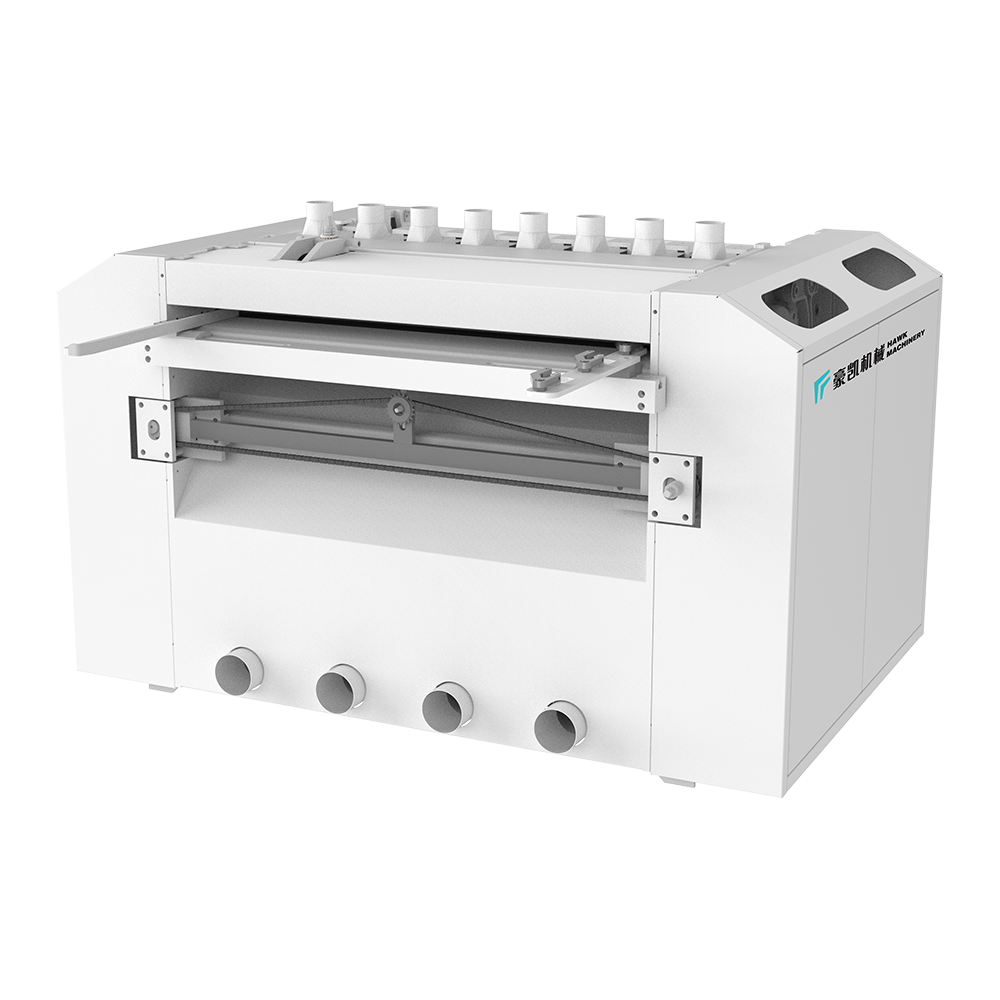
Multi rip saw machines vary considerably in cutting capacity depending on blade count, feed speed, and board size compatibility. The table below outlines general configuration types to help with initial equipment planning.
| Configuration Type | Typical Blade Count | Best Suited For |
| Small-Scale Line | 4–6 blades | Small workshops, low-volume custom plank sizes |
| Mid-Size Production Line | 8–12 blades | Regional flooring manufacturers with standard plank ranges |
| Full Industrial Line | 14+ blades | Large-scale manufacturers supplying export or high-volume retail markets |
Because SPC material is mineral-filled and more abrasive than solid wood, blade wear tends to progress faster than on standard woodworking saws, making maintenance discipline especially important for this type of equipment. Operators who follow a structured maintenance routine generally avoid the gradual width drift that often gets mistaken for a machine calibration issue.
Since an SPC floor multi rip saw machine is a significant investment within the broader flooring production line, it's worth pressing suppliers for specific, verifiable answers rather than relying on general marketing claims.
Selecting the right SPC floor multi rip saw machine comes down to matching blade configuration, cutting precision, and feed system reliability to your actual board specifications and production volume, rather than focusing solely on blade count or headline throughput figures. Buyers who carefully evaluate feed alignment accuracy, blade durability, and supplier technical support tend to avoid the dimensional inconsistencies and downtime that come from mismatched equipment decisions. Since plank width consistency directly affects installation quality for the end customer, getting the rip saw stage right has a ripple effect across the entire SPC flooring production process.
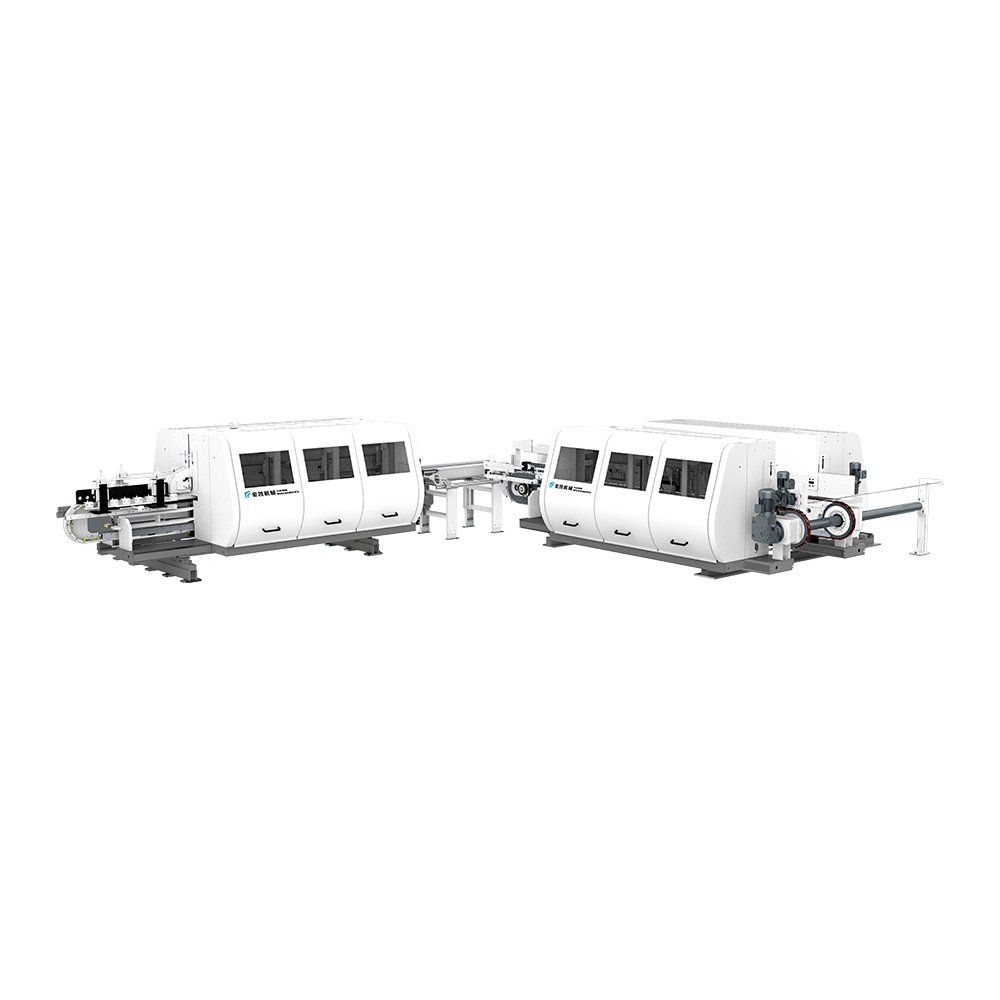
The product can slot the floor vertically and horizontally. The machine series c...
See Details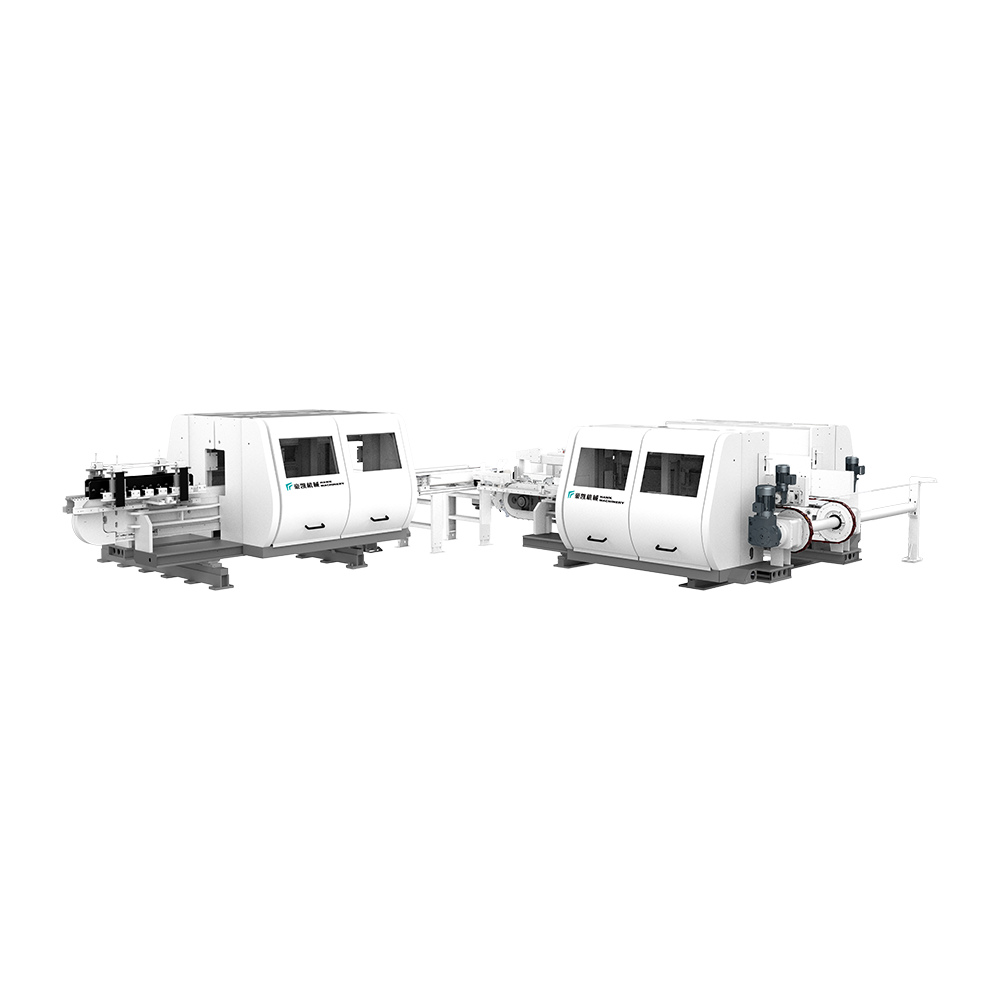
This equipment is suitable for trimming and chamfering LVT flooring. Equipped wi...
See Details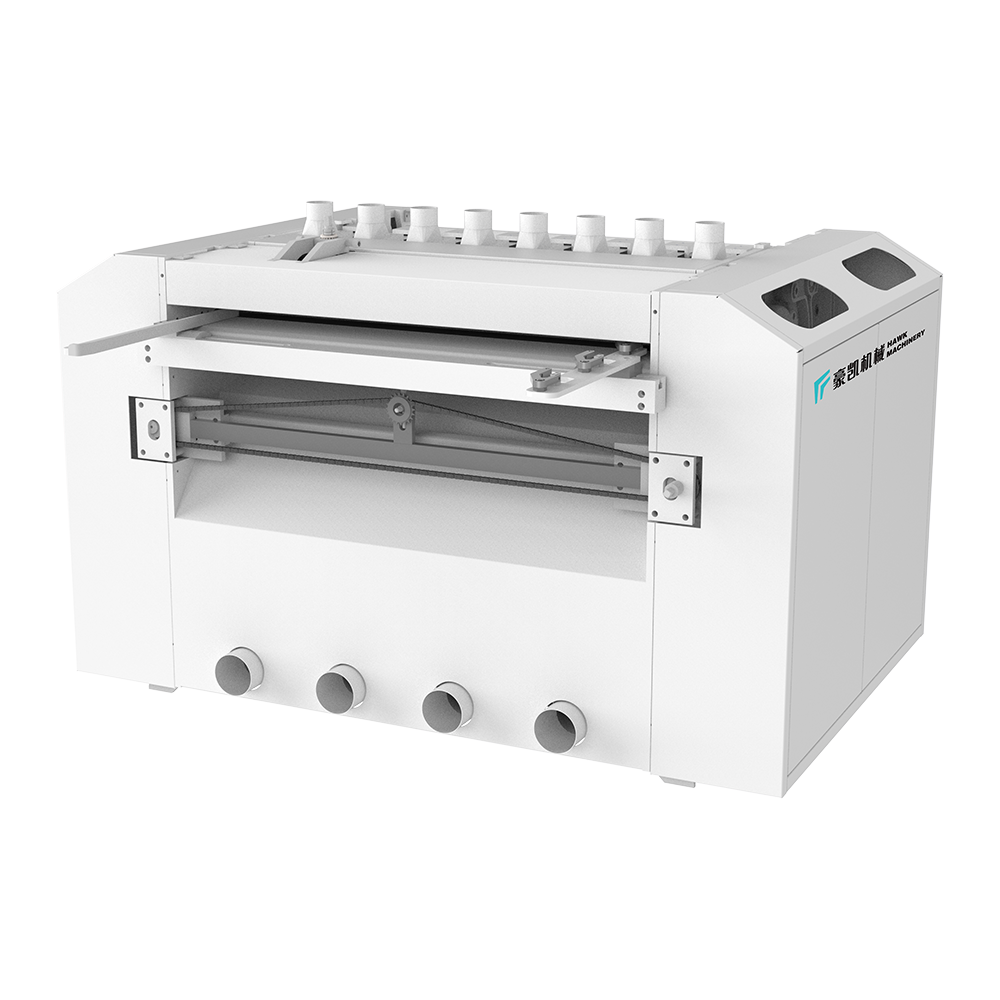
Different transmission sawing methods are suitable for different board processin...
See Details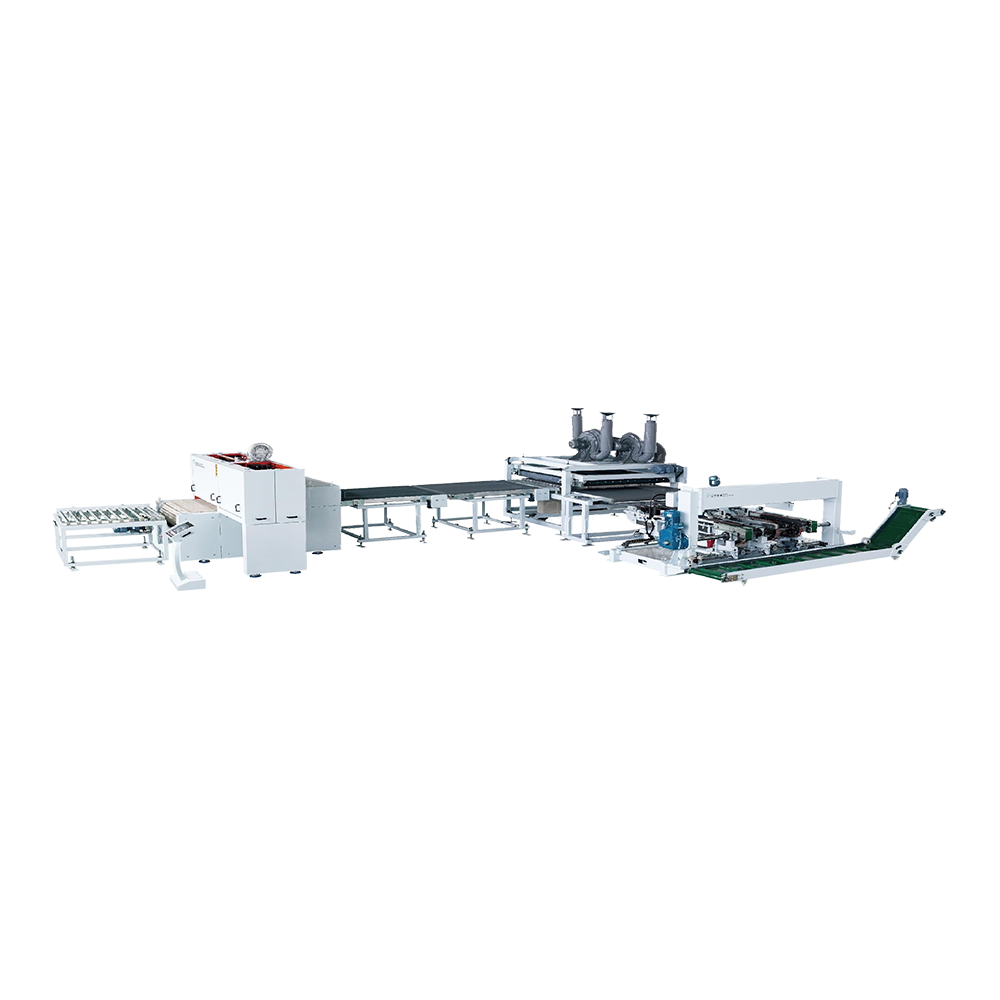
The feed speed of this equipment can reach 40 meters per minute, the whole frame...
See Details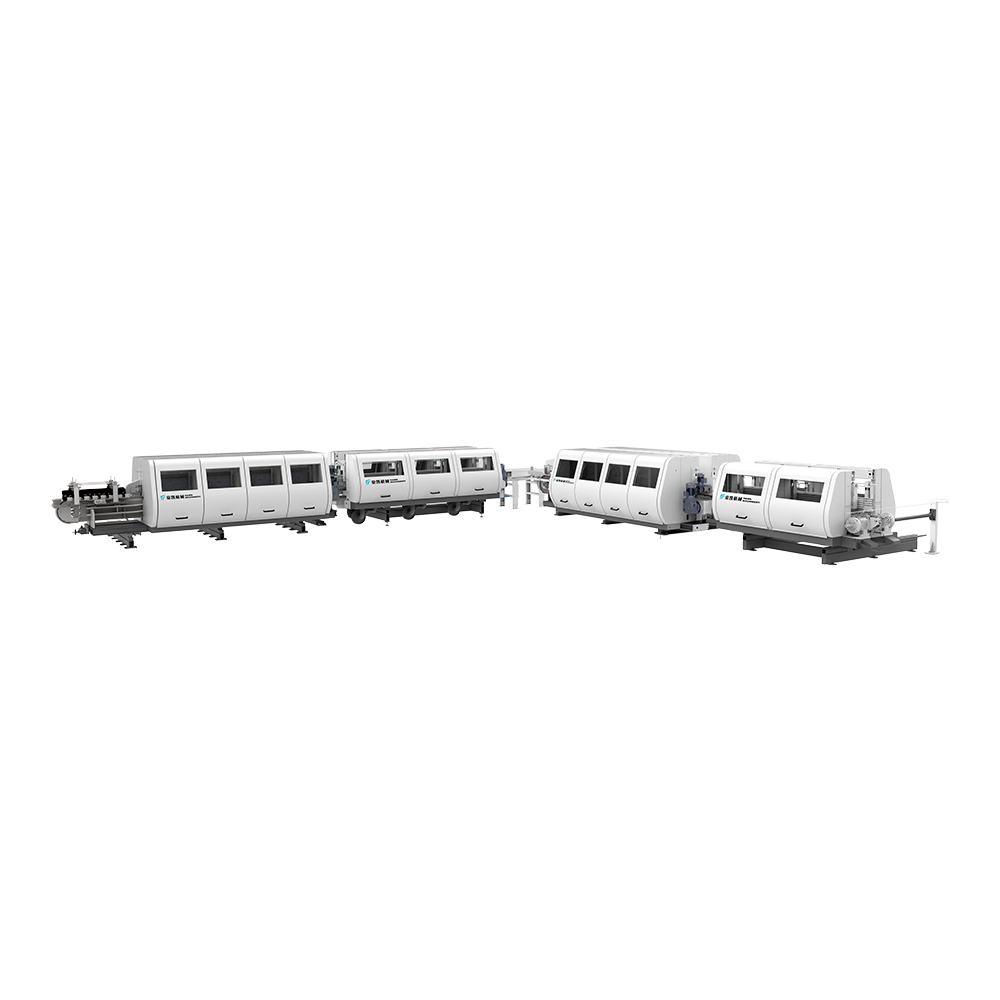
Suitable for edge coating of laminated, PVC, and WPC. Using water-based paint is...
See Details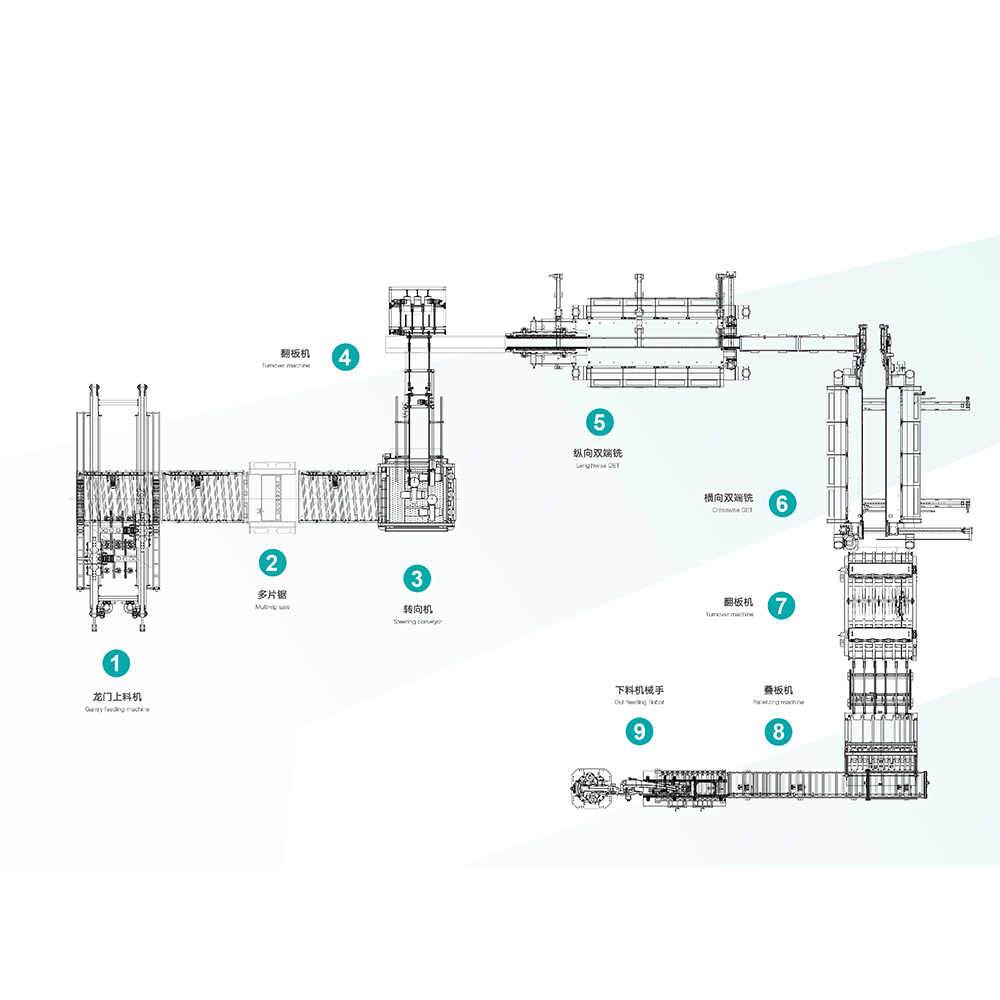
Hawk Machinery automatic feeding, cutting & slotting line, suitable for SPC,...
See Details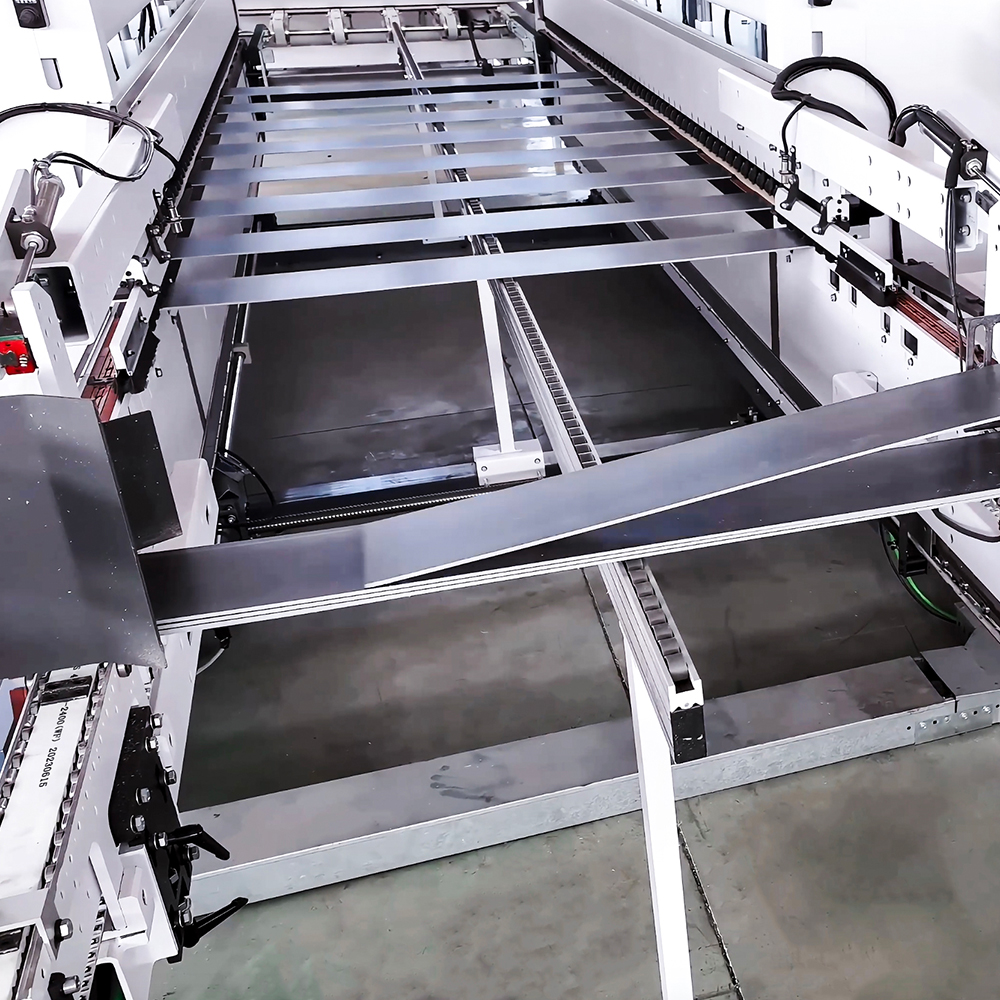
Integrated intelligent equipment integrates industrial intelligent Internet of g...
See Details
Contact info.
Boyi development area, changzhou city, jiangsu province, P. R. China
+86-0519-83319988
Don't hesitate to contact when you need us!
 Custom Floor Extrusion Machine Manufacturers