
 English
 русский
 Español

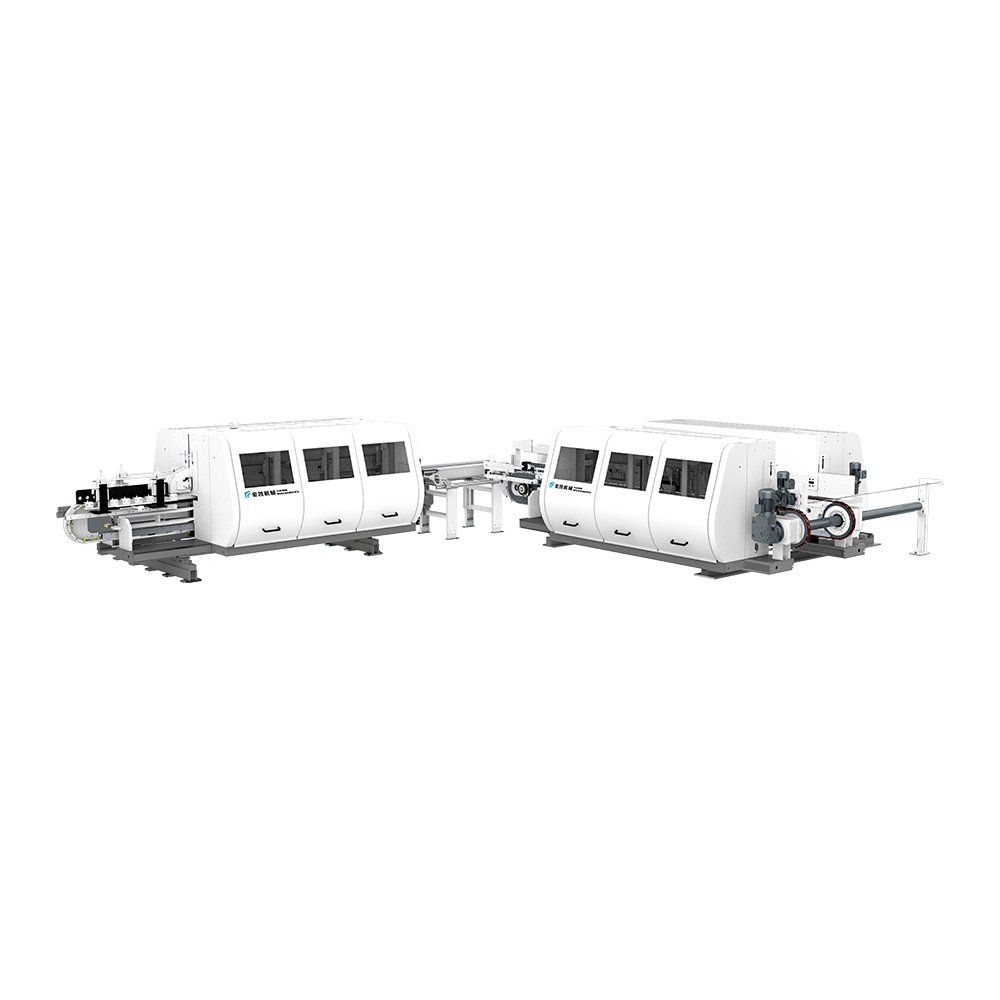
Floor slotting line (double end tenoner)
The product can slot the floor vertically and horizontally. The machine series c...
See DetailsContent
A floor extrusion machine is an industrial manufacturing system that continuously shapes raw polymer materials — primarily PVC, SPC, WPC, or composite formulations — into finished or semi-finished flooring panels, tiles, and planks through a process of heat, pressure, and die-forming. The machine takes solid raw materials in pellet, powder, or granule form, melts and homogenizes them inside a heated barrel using one or more rotating screws, and forces the molten material through a precisely engineered flat die. As the material exits the die, it takes on the cross-sectional profile of the intended flooring product and is then cooled, calibrated, embossed, and cut to length in a continuous inline process.
The flooring products produced by extrusion lines span a wide range of today's most popular resilient flooring categories: luxury vinyl tile (LVT), stone plastic composite (SPC) flooring, wood plastic composite (WPC) flooring, rigid core vinyl planks, traditional PVC sheet flooring, and multilayer composite floor panels. Floor extrusion lines are the backbone of the global resilient flooring industry, and understanding how they work — and what separates a good line from a poorly engineered one — is essential for any flooring manufacturer, investor, or procurement specialist evaluating production equipment.
A complete flooring extrusion line is not a single machine but a series of coordinated stations, each performing a specific function. Understanding the full sequence helps in evaluating line specifications and identifying potential production bottlenecks.
The process begins at the feeding station, where raw materials — PVC resin, calcium carbonate (for SPC), plasticizers, stabilizers, lubricants, colorants, and other additives — are dosed by weight or volume into a high-speed mixer. The mixer blends these components at controlled temperatures (typically a hot mix stage followed by a cool mix stage) to produce a homogeneous dry blend or compound. Accurate, consistent dosing at this stage is critical: even small deviations in formulation can cause density variations, color inconsistency, or dimensional instability in the finished flooring.
The blended material is fed into the extruder's hopper and conveyed forward by the rotating screw inside the heated barrel. The screw geometry — its diameter, length-to-diameter (L/D) ratio, compression ratio, and flight design — determines how efficiently the material melts and how uniformly it's mixed before reaching the die. For SPC and WPC floor formulations with high filler loadings (often 60–70% calcium carbonate by weight), the shear and mixing demands are significantly higher than for standard PVC, making screw design a critical variable. The molten material is then pushed through a wide, flat sheet die calibrated to produce the precise width and thickness of the flooring core. Die temperature uniformity — typically controlled by multiple independently adjustable heating zones — directly affects thickness consistency across the full panel width.
Immediately after exiting the die, the extrudate enters a calibration unit — a series of precision-machined metal plates or rollers that fix the panel's final dimensions while it's still in a semi-molten, pliable state. Water cooling channels within the calibration unit rapidly lower the material temperature to lock in the geometry. After the calibrator, the panel passes through a water tank or air-cooling conveyor for further temperature reduction. Insufficient cooling length or uneven water flow at this stage can cause internal stress, warping, or dimensional drift in the finished product.
For multilayer flooring products like LVT and SPC, additional functional layers are laminated onto the core in-line during production. A decorative printed film (the design layer) and a transparent wear layer are bonded to the top surface of the core under heat and pressure using lamination rollers. Immediately after lamination, an embossing roller — engraved with a wood grain, stone, or tile texture pattern — presses the surface while still warm to create a three-dimensional texture. The quality and depth of the emboss, along with its registration to the printed design below (emboss-in-register, or EIR), is one of the most critical factors in the aesthetic quality of the finished flooring.
Many production lines include an inline UV coating station that applies and instantly cures a surface protection coating — typically a UV-cured polyurethane or acrylic — on top of the wear layer. This coating dramatically improves scratch resistance, chemical resistance, and cleanability of the finished floor. After coating, the continuous panel is conveyed to a cross-cut saw or guillotine that cuts it to the specified plank or tile length. Precision cutting with tight dimensional tolerances is essential for the click-lock or tongue-and-groove profiles that are subsequently milled into the panel edges on a separate profiling line.
Different flooring formulations require meaningfully different extrusion line configurations. Selecting a machine optimized for the wrong product type is a costly mistake. Here's an overview of the main flooring categories and their associated extrusion line requirements:
| Flooring Type | Core Material | Preferred Extruder Type | Key Challenges |
| SPC Flooring | PVC + 60–70% CaCO₃ | Conical twin-screw | High filler loading, flatness control |
| WPC Flooring | PVC + wood fiber + CaCO₃ | Parallel twin-screw | Moisture in wood fiber, foam density |
| LVT / Flexible PVC | PVC + plasticizer | Single screw or twin-screw | Thickness uniformity, surface quality |
| Rigid Core (EPC/XPE) | PVC + foam agent | Conical twin-screw | Foam uniformity, core density control |
| PVC Sheet Flooring | PVC compound | Single screw with wide die | Width consistency, roll tension control |
The extruder itself — specifically the screw configuration — is the heart of any floor extrusion machine, and the choice between single screw and twin screw designs has major implications for output quality, material flexibility, and operating cost.
Single screw extruders use one rotating screw inside a cylindrical barrel. They are mechanically simpler, less expensive to purchase and maintain, and well-suited to processing pre-compounded or granulated materials that are already fully homogenized. For flooring applications using pre-mixed PVC compound or flexible LVT formulations with moderate filler levels, a well-designed single screw extruder can deliver excellent output consistency at lower capital cost. However, single screws have limited mixing capability and struggle with direct powder feeding or high-filler formulations like SPC, which tend to require the more intensive mixing action of a twin screw design.
Conical twin screw extruders use two intermeshing screws that taper from a larger diameter at the feed end to a smaller diameter at the die end. This design is the dominant choice for rigid PVC and SPC floor extrusion because it excels at processing PVC dry blend powder directly — eliminating the need for a separate compounding step — and handles high-filler formulations with excellent dispersion. The conical geometry builds pressure efficiently while keeping material temperatures relatively low, which is important for heat-sensitive PVC formulations. Conical twin screws are more expensive and mechanically complex than single screws but deliver superior mixing, output consistency, and formulation flexibility for the SPC and rigid PVC flooring market.
Parallel twin screw extruders use two screws of uniform diameter along their entire length and are commonly used in WPC flooring lines where wood fiber must be thoroughly dispersed within the polymer matrix. The longer barrel length and modular screw design of parallel twin screws allows more intensive distributive and dispersive mixing, which is necessary to break up wood fiber agglomerates and achieve uniform density in the final panel. They offer excellent process flexibility but typically have higher energy consumption and greater wear from abrasive wood fiber content compared to conical designs.
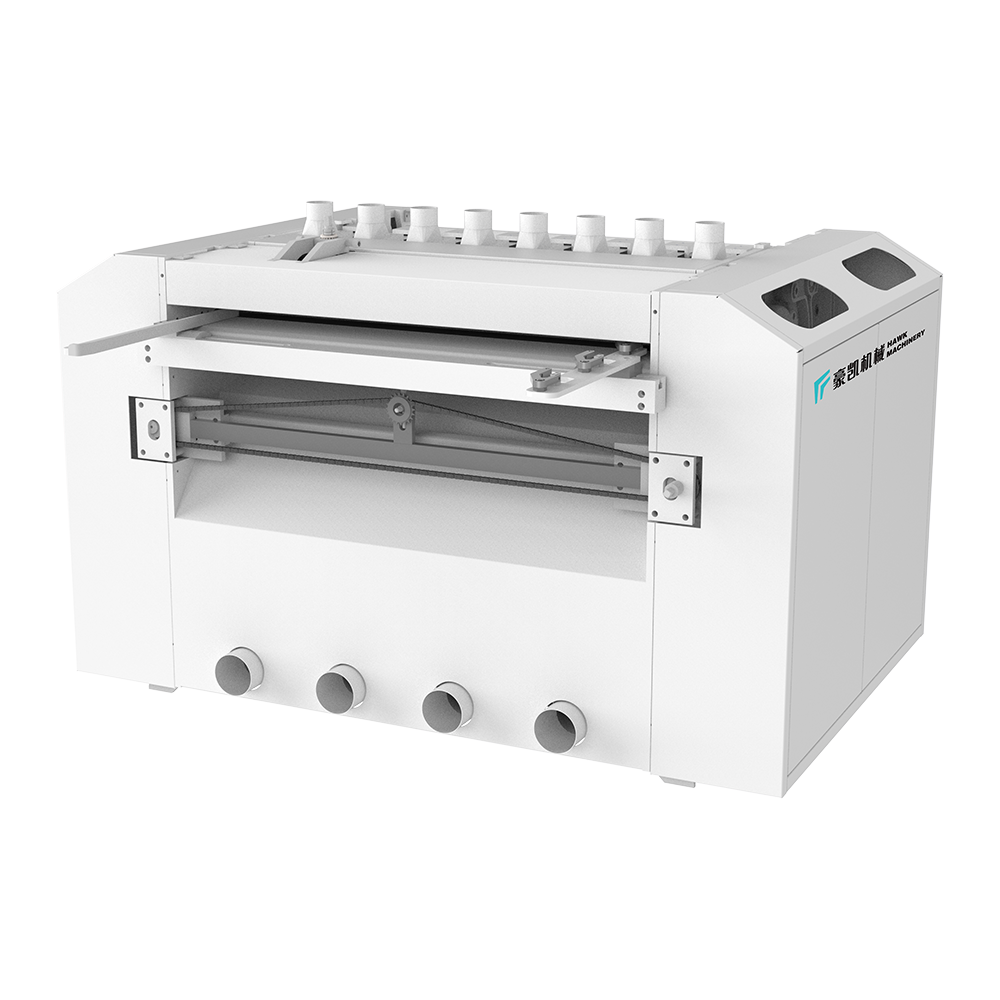
Purchasing a floor extrusion line is a capital investment that typically ranges from $200,000 to over $2,000,000 depending on output capacity, automation level, and product type. Evaluating machines on the right technical parameters — not just headline output figures — is essential for making a sound investment decision.
SPC (Stone Plastic Composite) flooring is currently the fastest-growing segment of the global resilient flooring market, and SPC extrusion lines represent the most active area of floor extrusion machine investment worldwide. Here's what a complete, production-ready SPC floor extrusion line typically includes from upstream to downstream:
Even well-designed floor extrusion lines encounter process problems that affect product quality and production efficiency. Knowing how to diagnose the most common issues saves significant time and scrap during startup and ongoing production.
Warping — where finished SPC or WPC panels curve upward or downward — is one of the most common and commercially costly defects in flooring extrusion. It's caused by differential cooling rates or residual internal stress in the panel. The most common root causes include insufficient cooling length in the calibration table, uneven water temperature or flow across the cooling circuit, asymmetric die temperature profiles causing one side of the panel to be hotter than the other, or uneven lamination pressure that introduces surface tension on one face. Systematic diagnosis involves measuring the temperature of the panel surface at multiple points across its width immediately after the calibrator — any significant differential (more than 5–8°C) points directly to a cooling or die uniformity issue.
Panels that are thicker in the center than at the edges (or vice versa) indicate a die lip adjustment or melt distribution problem. The flat die's internal flow channel — the manifold — must distribute melt uniformly across the full width. If the manifold design is inadequate for the formulation's viscosity, or if die lip bolts are incorrectly tensioned, thickness variation results. Inline thickness gauging (using beta or X-ray gauges) provides real-time feedback for die adjustment. Without inline gauging, operators must rely on manual caliper measurement across sample panels, which is slower and provides less data for correction.
Surface pinholes, streaks, or roughness in the extruded core typically indicate contamination in the raw material, moisture in the formulation (particularly a problem with wood fiber in WPC lines), or degraded/burnt material accumulating at low-flow areas of the die. Regular purging of the die, careful raw material storage to prevent moisture absorption, and consistent screw speed to avoid material hang-up in the die are the standard preventive measures.
The global market for floor extrusion lines includes manufacturers from China, Germany, Austria, Italy, and Taiwan, spanning a wide range of quality tiers and price points. Due diligence on any manufacturer before committing to a purchase should cover the following areas:
The product can slot the floor vertically and horizontally. The machine series c...
See Details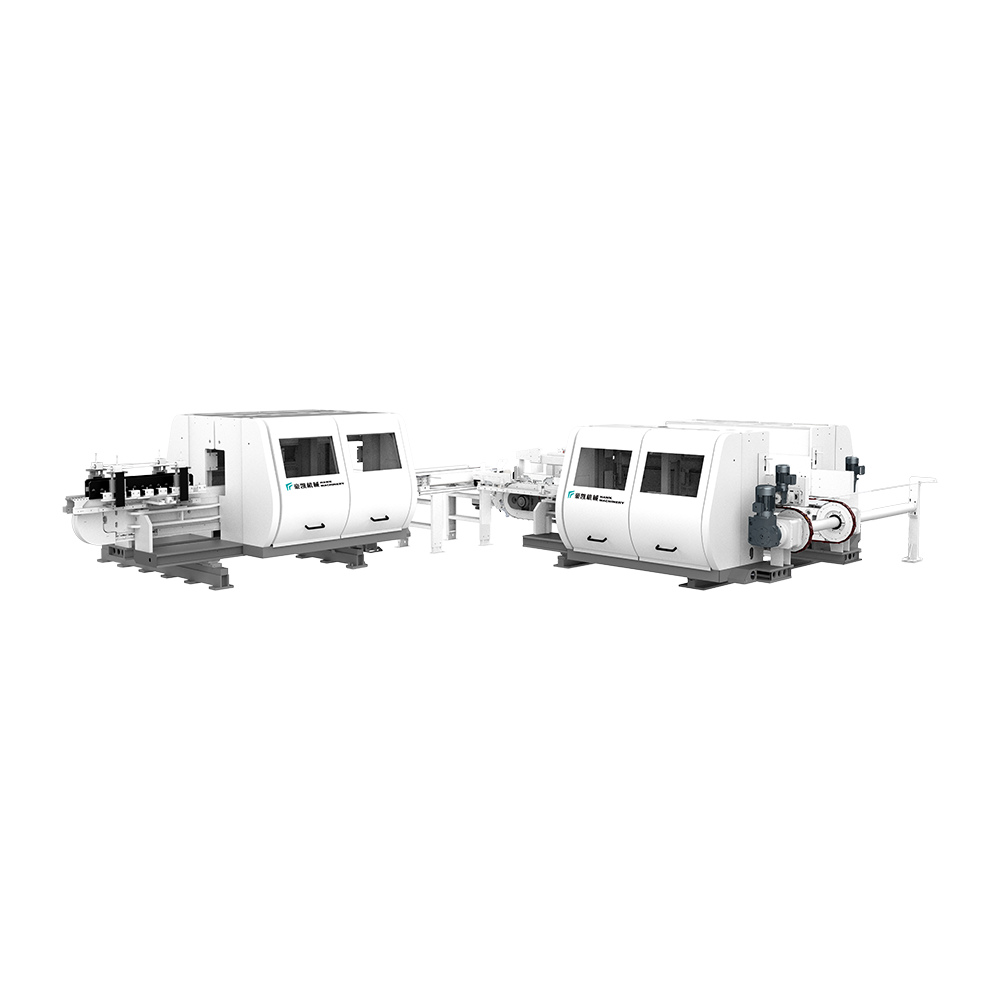
This equipment is suitable for trimming and chamfering LVT flooring. Equipped wi...
See Details
Different transmission sawing methods are suitable for different board processin...
See Details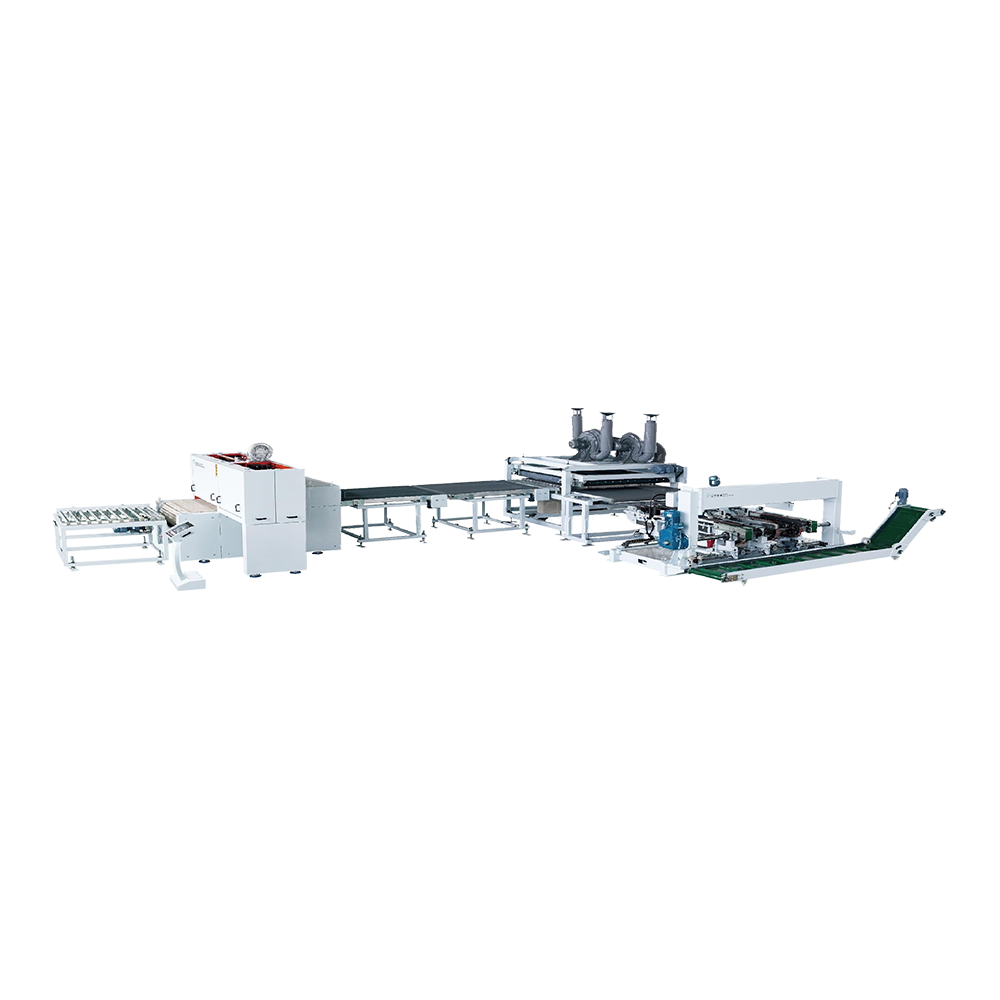
The feed speed of this equipment can reach 40 meters per minute, the whole frame...
See Details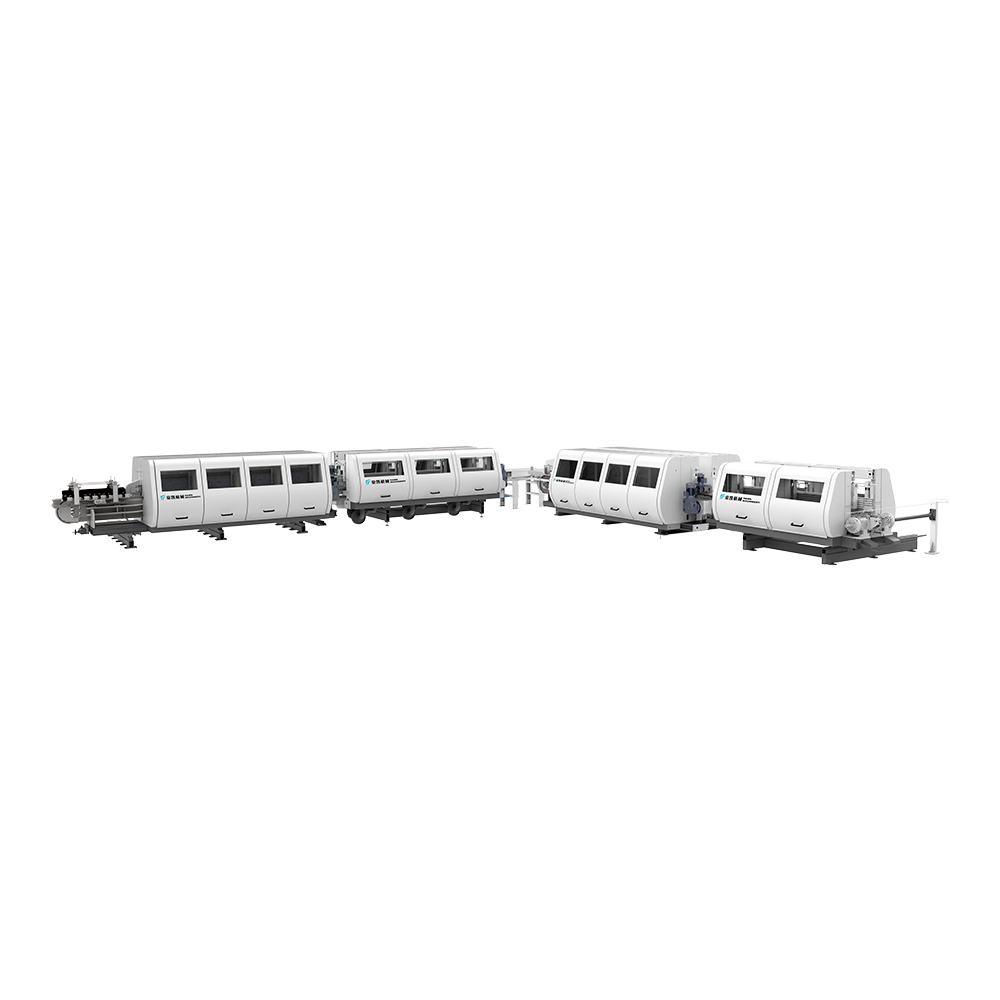
Suitable for edge coating of laminated, PVC, and WPC. Using water-based paint is...
See Details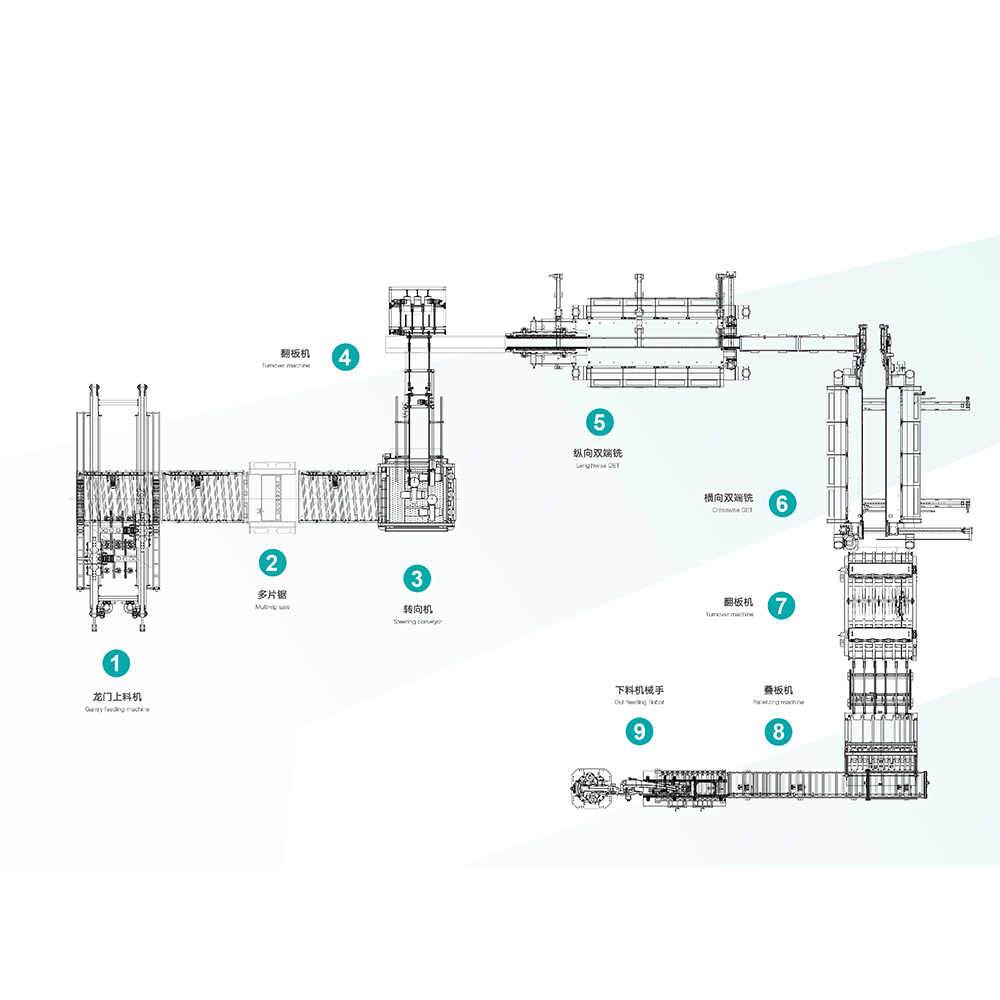
Hawk Machinery automatic feeding, cutting & slotting line, suitable for SPC,...
See Details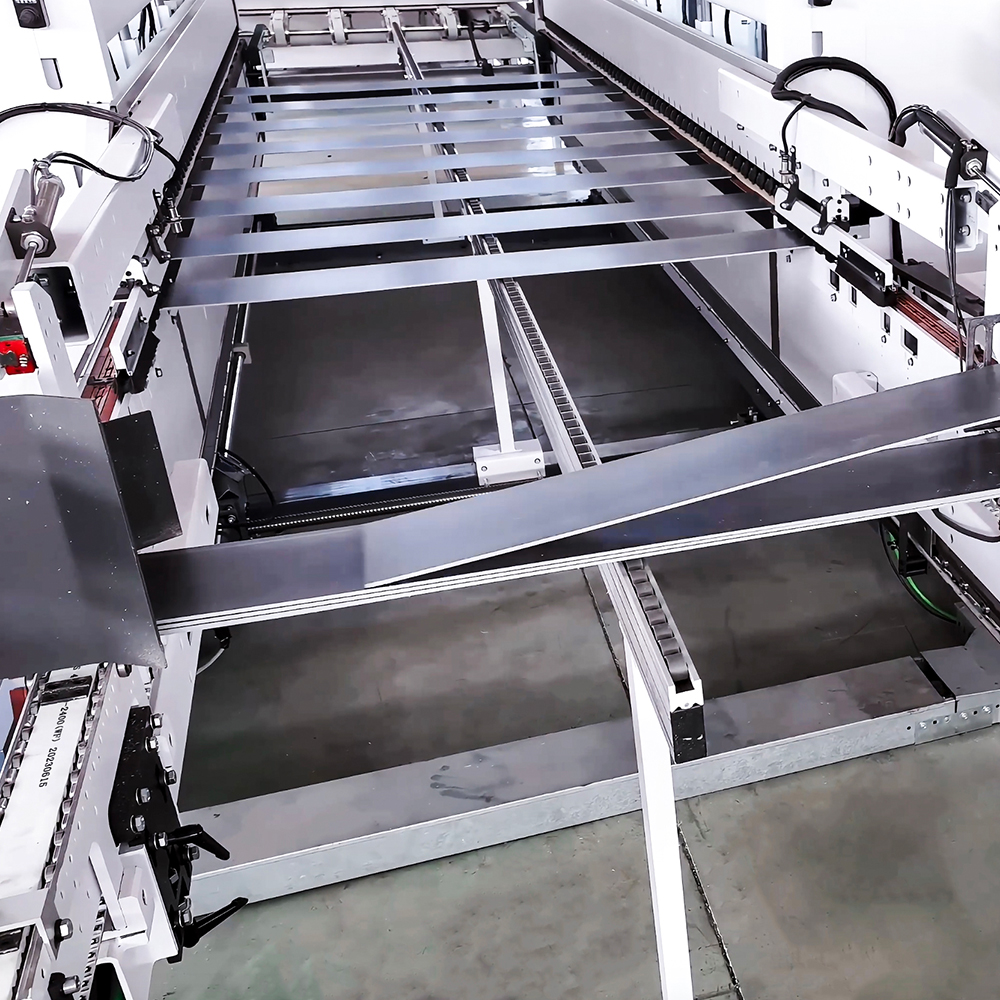
Integrated intelligent equipment integrates industrial intelligent Internet of g...
See Details
Contact info.
Boyi development area, changzhou city, jiangsu province, P. R. China
+86-0519-83319988
Don't hesitate to contact when you need us!
 Custom Floor Extrusion Machine Manufacturers