
 English
 русский
 Español

Floor slotting line (double end tenoner)
The product can slot the floor vertically and horizontally. The machine series c...
See DetailsContent
A luxury vinyl tile (LVT) flooring trimming machine is a specialized piece of equipment designed to cut, score, and finish LVT planks and tiles with precision. Unlike general-purpose cutting tools, these machines are engineered specifically for the dense, multi-layer construction of luxury vinyl flooring — which typically includes a wear layer, a printed design layer, a rigid core (such as SPC or WPC), and an underlayment backing. Trying to cut LVT with the wrong tool can result in chipping, cracking, uneven edges, or delamination of layers. A dedicated LVT trimmer solves all of these problems cleanly.
Whether you're a flooring contractor working on a large commercial installation or a homeowner doing a DIY renovation, using the right LVT floor cutting machine directly affects the quality of the finished floor. Gaps, jagged edges, and poor-fitting cuts are almost always traceable back to inadequate cutting tools or incorrect technique. This guide walks you through everything you need to know — from machine types and features to selection criteria and practical usage tips.
Not all LVT cutting machines work the same way. Each type has a distinct mechanism, and the best choice depends on your volume of work, the thickness of the LVT product you're cutting, and whether you need straight cuts, angle cuts, or notched cuts for obstacles like door frames and pipes.
Manual guillotine cutters are the most popular choice for installers who want a portable, dust-free cutting solution. They work by pressing a hardened steel blade through the LVT plank in a single downward stroke. These machines are compact, require no power, and produce clean, straight cuts without sawdust. Most models handle LVT up to 6mm thick, while heavy-duty versions accommodate SPC products up to 8mm or even 12mm. A quality guillotine LVT trimmer will have an adjustable fence for repeatable cut widths and a miter guide for 45-degree angle cuts.
For high-volume jobs or when cutting thicker SPC/WPC core LVT, electric saws equipped with fine-tooth carbide blades are widely used. A table saw gives you consistent rip cuts along the length of the plank, while a miter saw handles cross cuts and angled cuts. The key is blade selection — a blade with at least 80 to 100 teeth reduces chipping on the wear layer. Always cut with the decorative side facing up on a table saw, or face down on a jigsaw, to prevent tear-out on the visible surface.
Score-and-snap is the most basic approach to trimming LVT and works best on thinner, more flexible vinyl flooring. A utility knife or a dedicated LVT scoring tool is used to deeply score the surface, after which the plank is bent along the score line and snapped cleanly. While this method is inexpensive and fast for simple straight cuts, it is not reliable for thicker SPC products or precise angle cuts. It's a backup technique rather than a primary solution for serious installations.
At the industrial and manufacturing end, automated LVT trimming machines use CNC-controlled cutting heads to trim and finish LVT panels at high speed and with extreme dimensional accuracy. These machines are used by LVT flooring manufacturers and large-scale fabricators to cut planks to size, trim edges, bevel profiles, and perform quality control checks. They are not relevant for on-site installation work but are critical in the production of precision-cut LVT products.
Shopping for an LVT floor trimmer can be overwhelming given the variety of products on the market. Focusing on the following features will help you identify a machine that is genuinely fit for purpose rather than one that looks good on paper but underperforms on the job site.
The table below provides a quick comparison of the most commonly used LVT flooring cutting methods to help you choose the right approach for your project.
| Method | Best For | Dust-Free | Angle Cuts | Thick SPC | Cost |
| Manual Guillotine Cutter | On-site residential & commercial | Yes | Yes (with guide) | Limited (up to ~8mm) | Medium |
| Miter Saw (Power) | High-volume, complex angle cuts | No | Yes | Yes | Medium–High |
| Table Saw | Rip cuts, high volume | No | Limited | Yes | High |
| Score and Snap | Thin flexible vinyl, quick cuts | Yes | No | No | Low |
| Jigsaw | Curved and notched cuts | No | Yes | Yes | Low–Medium |
Even the best LVT vinyl plank trimming machine will produce poor results if used incorrectly. Follow these steps to get professional-quality cuts every time.
Use a tape measure and a carpenter's square to mark your cut line on the LVT plank. A fine-tip marker or chalk line works well on the surface. Always account for the manufacturer's recommended expansion gap (usually 5mm to 10mm from walls) when measuring your border pieces. Accurate marking is the foundation of a clean cut.

On a guillotine-style LVT cutter, align the fence to your measured cut width and lock it firmly. Double-check by placing the plank against the fence and verifying the blade aligns exactly with your mark before cutting. For power saws, set the rip fence or miter angle, then make a test cut on a scrap piece to confirm accuracy.
Never let part of the plank hang unsupported during a cut. On a guillotine cutter, make sure the plank lies flat on the full cutting bed. With a table saw or miter saw, use a roller stand or an assistant to support the outfeed side of long planks. An unsupported plank will flex or tip, resulting in a diagonal cut instead of a true 90-degree cut.
On a guillotine LVT trimming machine, apply steady, even downward pressure through the full stroke. Hesitating mid-stroke can cause the blade to drag and create a ragged edge. On power saws, feed the material at a steady, moderate pace — pushing too fast generates heat and melts the vinyl, while pushing too slowly causes vibration and chipping.
After cutting, check the edge for any rough burrs or slight chips. A sharp utility knife or fine-grit sandpaper (120 grit) can quickly clean up minor imperfections. Most cuts made by a quality LVT floor trimmer will require no additional finishing, but the check step is a good habit to develop.
Understanding what can go wrong helps you avoid costly mistakes, wasted material, and poor-looking finished floors. Here are the most frequent errors installers make when using LVT cutting machines:
A well-maintained LVT flooring cutting machine will give you years of reliable service. Neglecting basic maintenance shortens the machine's lifespan and degrades cut quality over time. Follow these upkeep practices:
With so many options on the market, the right LVT floor cutter depends on a few key questions about your work. Ask yourself the following before purchasing:
What thickness is the LVT you'll be cutting most often? If you primarily install standard 4mm to 6mm residential LVT, a mid-range manual guillotine cutter handles everything you need. If you regularly work with 8mm to 12mm SPC core commercial products, invest in either a heavy-duty guillotine rated for that thickness or a quality miter saw setup with a carbide blade.
Do you work in occupied spaces? If you install flooring in hospitals, schools, offices, or occupied homes, a dust-free guillotine LVT trimmer is a major advantage. The absence of noise and sawdust keeps both you and the occupants comfortable and avoids the need for extensive cleanup between cuts.
How many cuts do you make per day? For occasional DIY projects or small jobs, a basic manual cutter or score-and-snap method may be sufficient. For a full-time flooring professional making hundreds of cuts daily, a robust guillotine cutter with a durable steel frame and a replaceable blade system is a worthwhile investment that pays for itself quickly in time saved and cleaner results.
What types of cuts do you regularly need? Most guillotine-style LVT trimmers handle straight cross cuts and 45-degree miter cuts well. If you frequently cut around irregular obstacles, pipe penetrations, or curved walls, you'll also want a jigsaw in your kit. For the majority of installations, a combination of a guillotine cutter for most cuts and a jigsaw for tricky shapes covers every situation you're likely to encounter.

The product can slot the floor vertically and horizontally. The machine series c...
See Details
This equipment is suitable for trimming and chamfering LVT flooring. Equipped wi...
See Details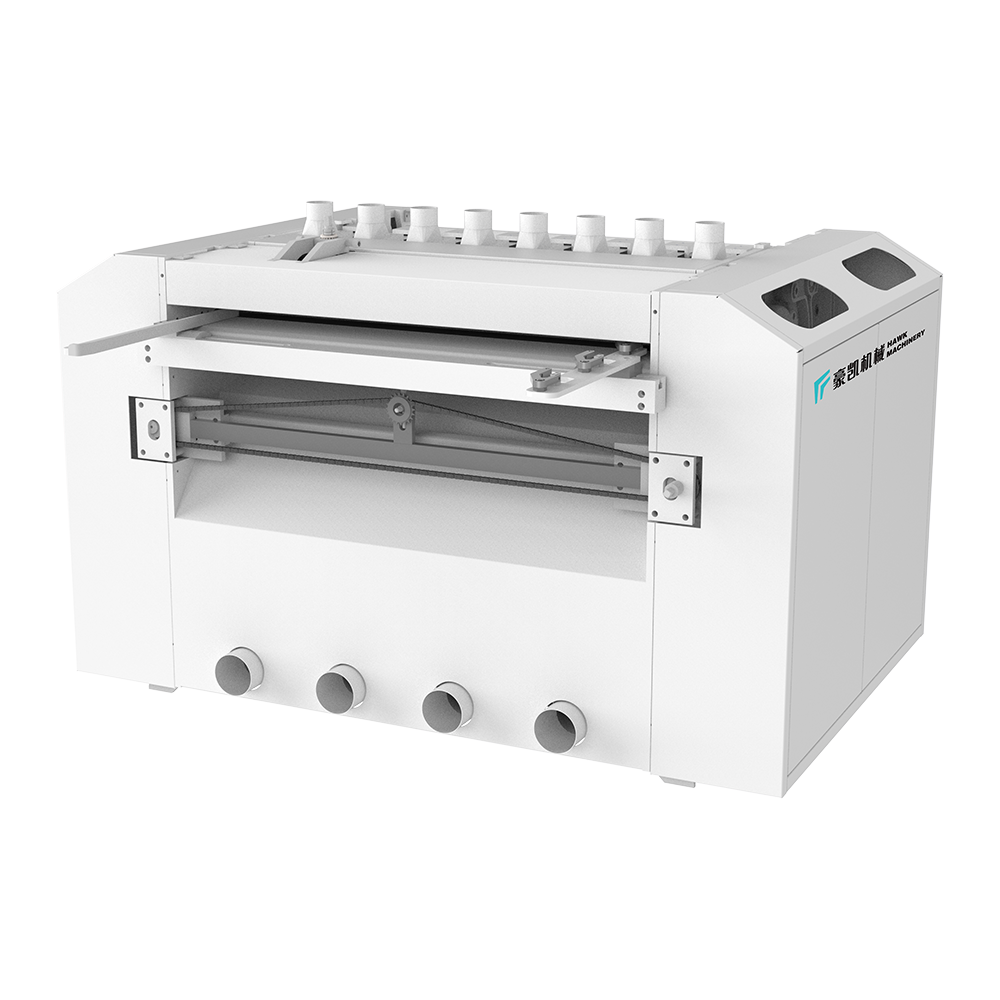
Different transmission sawing methods are suitable for different board processin...
See Details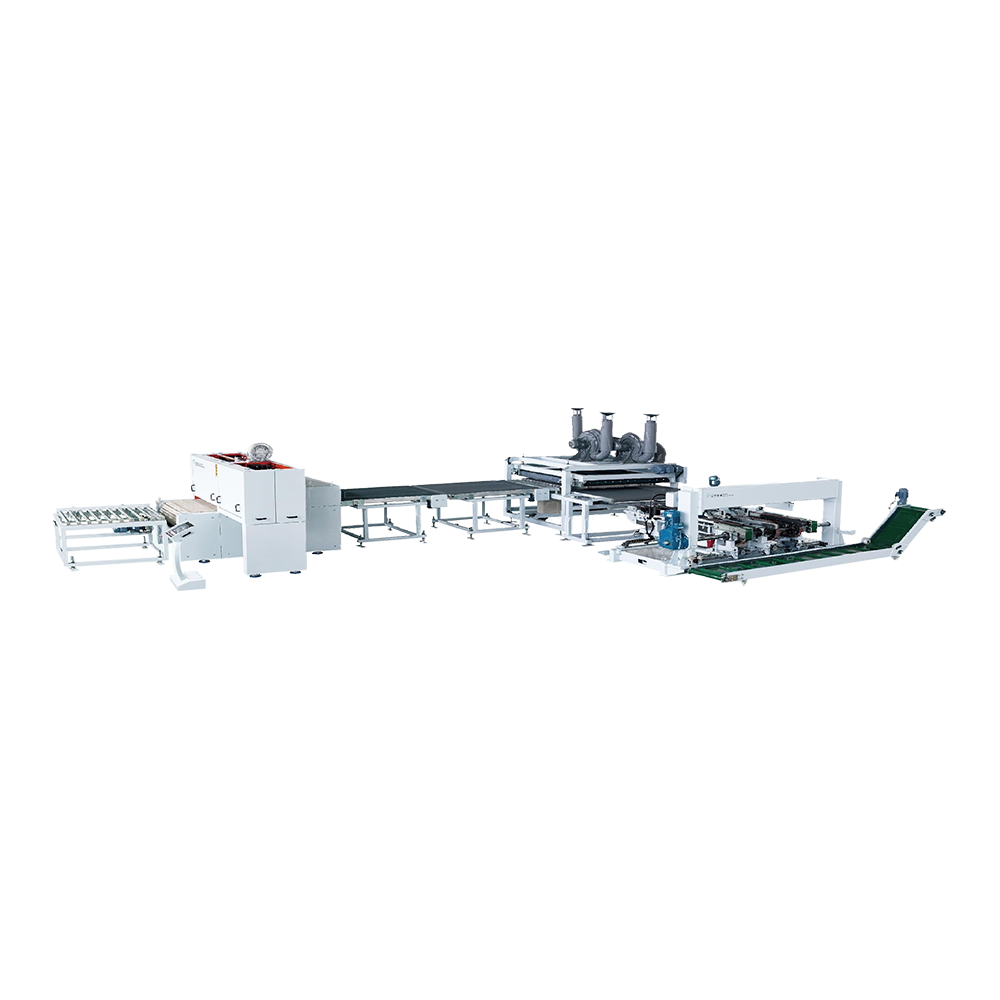
The feed speed of this equipment can reach 40 meters per minute, the whole frame...
See Details
Suitable for edge coating of laminated, PVC, and WPC. Using water-based paint is...
See Details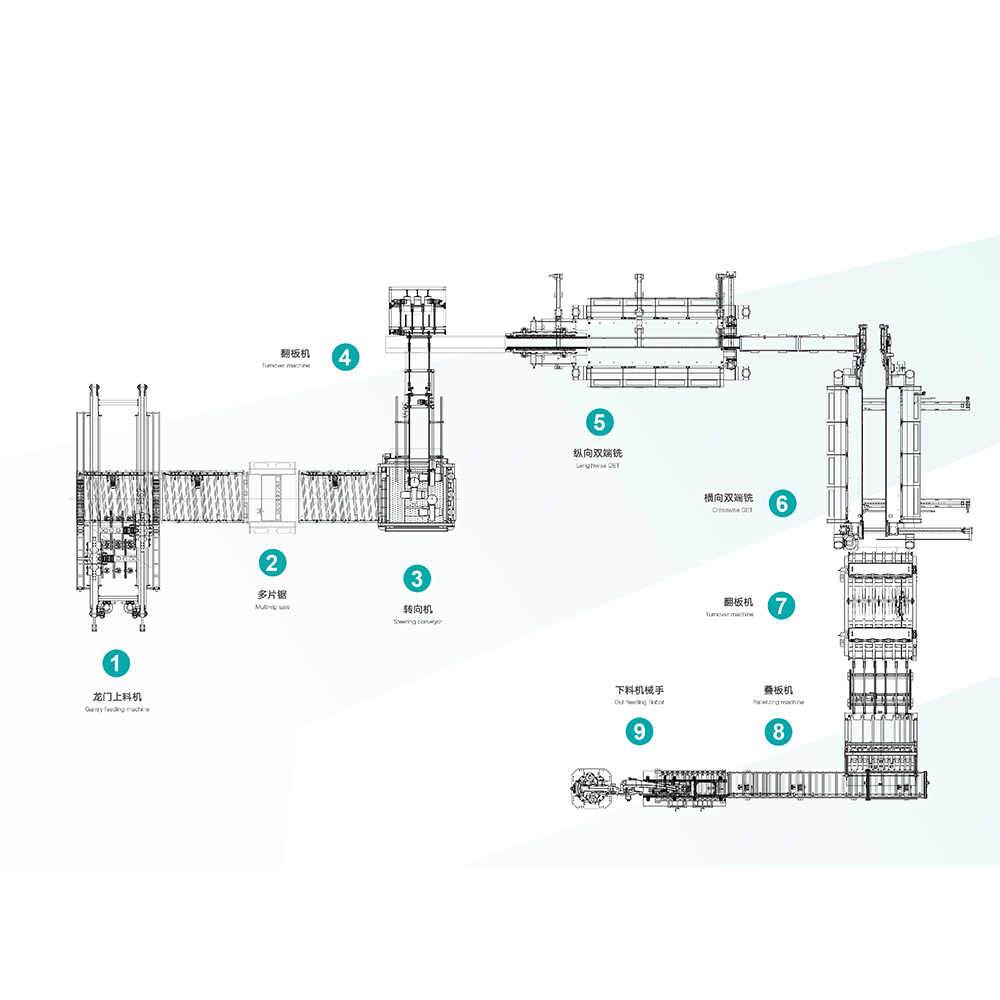
Hawk Machinery automatic feeding, cutting & slotting line, suitable for SPC,...
See Details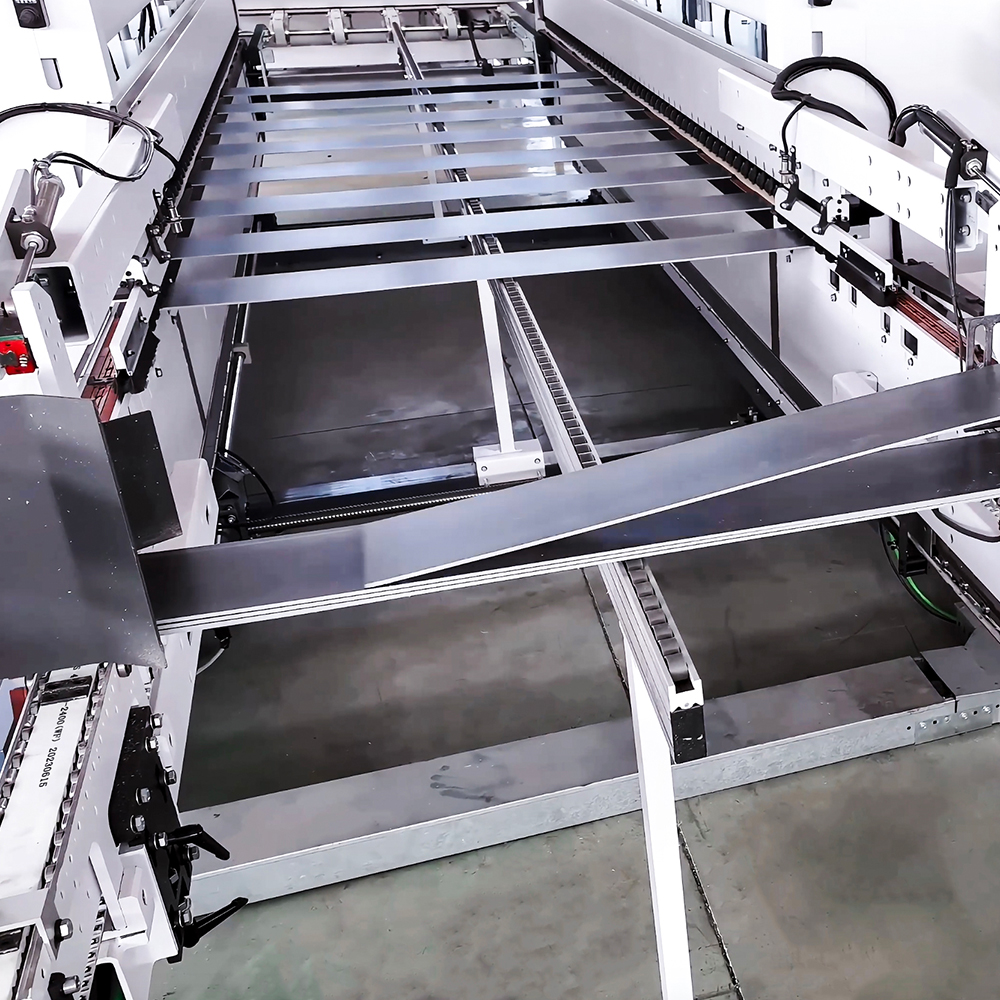
Integrated intelligent equipment integrates industrial intelligent Internet of g...
See Details
Contact info.
Boyi development area, changzhou city, jiangsu province, P. R. China
+86-0519-83319988
Don't hesitate to contact when you need us!
 Custom Floor Extrusion Machine Manufacturers