
 English
 русский
 Español

Floor slotting line (double end tenoner)
The product can slot the floor vertically and horizontally. The machine series c...
See DetailsContent
An SPC floor production line, short for stone plastic composite flooring manufacturing line, is a fully integrated system that transforms raw materials like limestone powder, PVC resin, and stabilizers into rigid, waterproof floor planks ready for installation. The process begins with precise weighing and high-speed mixing of dry and wet ingredients in a hot-cool mixer unit, followed by extrusion through a twin-screw machine that melts and homogenizes the compound. The molten material then passes through a precision calendering stack that shapes it into a continuous sheet with consistent thickness, typically between 3.2mm and 9mm. After cooling and embossing to mimic wood or stone textures, the sheet moves to cutting stations where it's trimmed to standard plank widths and lengths. Modern SPC plank extrusion lines also integrate online printing, UV coating, and click-lock profiling in a single continuous flow, minimizing manual handling and maximizing output consistency.
A high-performance waterproof flooring production system isn't just one machine—it's a synchronized chain of specialized units, each critical to final product quality. The mixing section ensures uniform dispersion of calcium carbonate filler and additives, preventing weak spots or color variation downstream. The extruder, usually a conical or parallel twin-screw design, provides the shear and temperature control needed to fuse PVC with mineral fillers without degrading the polymer. Downstream, the calendering unit with chrome-plated rollers defines plank thickness tolerance within ±0.1mm, while the embossing roller adds realistic surface texture. Finally, the cutting and profiling station uses servo-driven saws and milling heads to create precise click-lock edges that ensure tight, gap-free installations. Understanding how these components interact helps manufacturers troubleshoot issues faster and optimize throughput.
The mixing stage sets the stage for everything that follows in an SPC floor making machine setup. High-speed hot mixers heat the PVC resin and additives to 110–130°C, allowing plasticizers and stabilizers to fully coat the limestone particles. The compound then transfers to a cooling mixer, where it's rapidly brought down to 40–50°C to prevent premature melting or agglomeration before extrusion. Consistent batch timing, temperature control, and ingredient sequencing are critical—variations here can cause uneven density, poor impact resistance, or surface defects in the final plank. Many advanced composite flooring production lines now include automated dosing systems with load-cell feedback to ensure recipe accuracy down to the gram, reducing human error and material waste.
The heart of any PVC-SPC floor manufacturing equipment is the extrusion-calendering module. Twin-screw extruders melt and homogenize the compound under controlled shear, then force it through a flat die to form a continuous sheet. This sheet immediately enters a multi-roller calendering stack, where precise pressure and temperature settings compress it to the target thickness while eliminating air pockets or surface ripples. Roller surface temperature is typically maintained between 160–190°C to ensure proper fusion without scorching. Real-time thickness gauges using laser or beta-ray sensors provide instant feedback to automatic roller gap adjustments, maintaining tight tolerances across long production runs. This stage directly influences the plank's dimensional stability, indentation resistance, and overall rigidity.
Launching a new rigid core vinyl floor production line requires careful planning beyond just equipment purchase. Start by mapping your factory layout to ensure smooth material flow from raw material storage to finished goods palletizing, minimizing cross-traffic and bottlenecks. Verify that your electrical supply meets the peak demand of heaters, motors, and servo systems—many lines require 380V three-phase power with stable voltage regulation. Install adequate dust collection at mixing and cutting stations, as limestone powder and PVC fines can accumulate and affect machine performance or worker health. Finally, train operators on startup/shutdown sequences, emergency stops, and routine maintenance tasks before full-scale production begins. A well-prepared setup reduces downtime, improves safety, and accelerates time-to-market for your SPC flooring products.
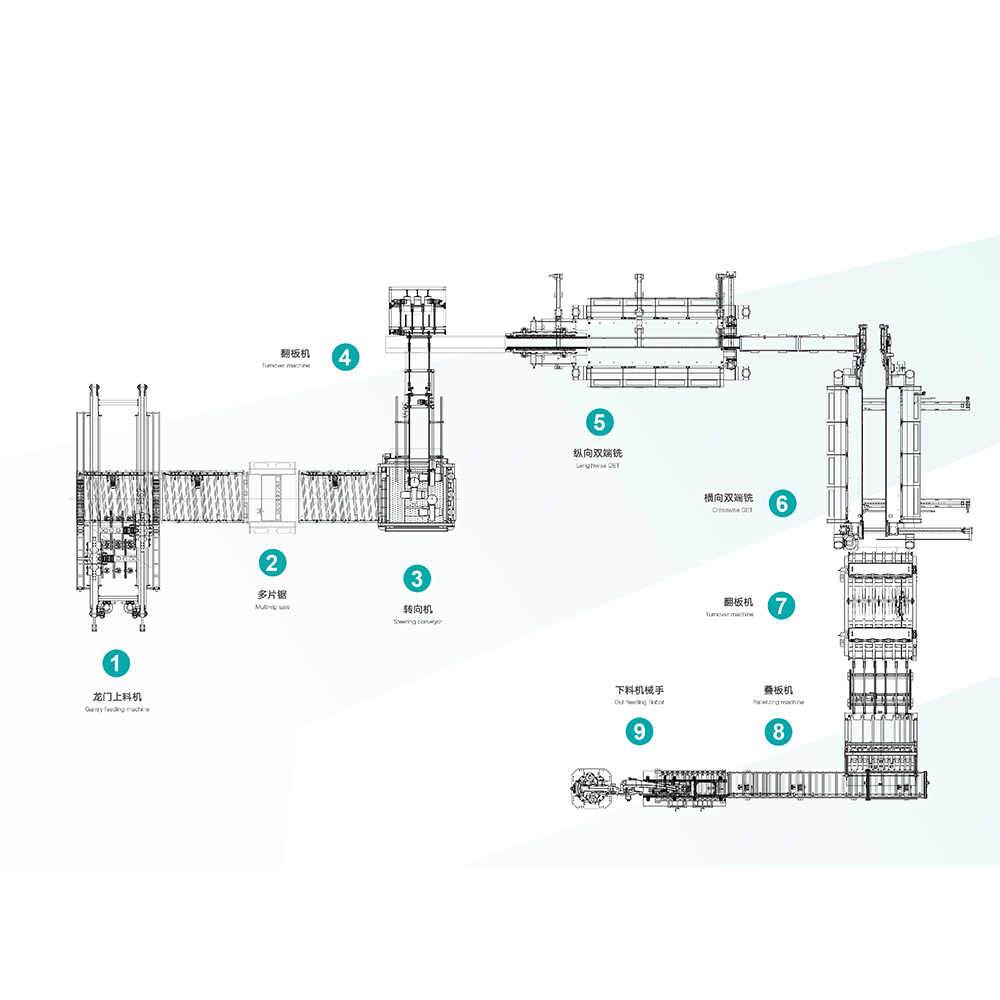
Even with top-tier SPC floor production line equipment, manufacturers encounter operational hurdles. One frequent issue is thickness variation across the plank width, often caused by uneven roller pressure or temperature gradients in the calendering stack. Regularly check roller parallelism with feeler gauges and ensure heating zones are calibrated. Another challenge is poor click-lock profile accuracy, which can lead to installation gaps; this usually stems from worn milling cutters or misaligned servo axes in the profiling unit. Implement a preventive maintenance schedule that includes cutter inspection every 500 operating hours. Surface defects like fish-eyes or orange peel texture often trace back to moisture in raw materials or inconsistent extrusion temperature—install dehumidifying dryers for hygroscopic additives and monitor barrel zone temperatures with redundant sensors.
| Issue | Likely Cause | Quick Fix | Prevention Strategy |
| Thickness variation | Uneven roller pressure | Adjust calender gap manually | Install auto-thickness control system |
| Poor click-lock fit | Worn profiling cutters | Replace or sharpen cutters | Schedule cutter checks every 500 hrs |
| Surface bubbles | Moisture in raw materials | Dry additives before mixing | Use dehumidifying hopper dryers |
| Color inconsistency | Inadequate mixing time | Extend hot-mix cycle | Automate mixing sequence with PLC |
Consistent quality in stone plastic composite flooring manufacturing depends on rigorous in-process and final-product testing. During production, monitor key parameters like melt pressure, roller temperature, and line speed using a central PLC interface with alarm thresholds. Sample planks every 30–60 minutes for dimensional checks: verify thickness with digital micrometers, width/length with calibrated tapes, and click-lock engagement with go/no-go gauges. For performance validation, conduct laboratory tests on finished batches, including density measurement (target: 1.9–2.1 g/cm³), static load resistance (EN 433), water absorption (<0.1% after 24h immersion), and formaldehyde emission (E0 or CARB Phase 2 compliant). Document all results in a digital quality log to trace any field complaints back to specific production batches, enabling rapid root-cause analysis and continuous improvement.
Choosing a well-engineered SPC floor production line isn't just about upfront cost—it's a strategic decision that impacts long-term profitability and market competitiveness. Modern lines with servo-driven controls, automated quality monitoring, and modular design can adapt quickly to new plank sizes, textures, or locking systems without major retooling. Higher automation reduces labor dependency and human error, while energy-efficient heaters and regenerative drives lower utility expenses per square meter produced. Most importantly, consistent output quality builds brand reputation: installers trust planks that lock smoothly, retailers appreciate fewer returns, and end-users enjoy floors that resist dents, stains, and moisture for years. For manufacturers targeting export markets, certification-ready production lines that meet CE, ISO, or FloorScore standards open doors to premium distribution channels and higher-margin contracts.
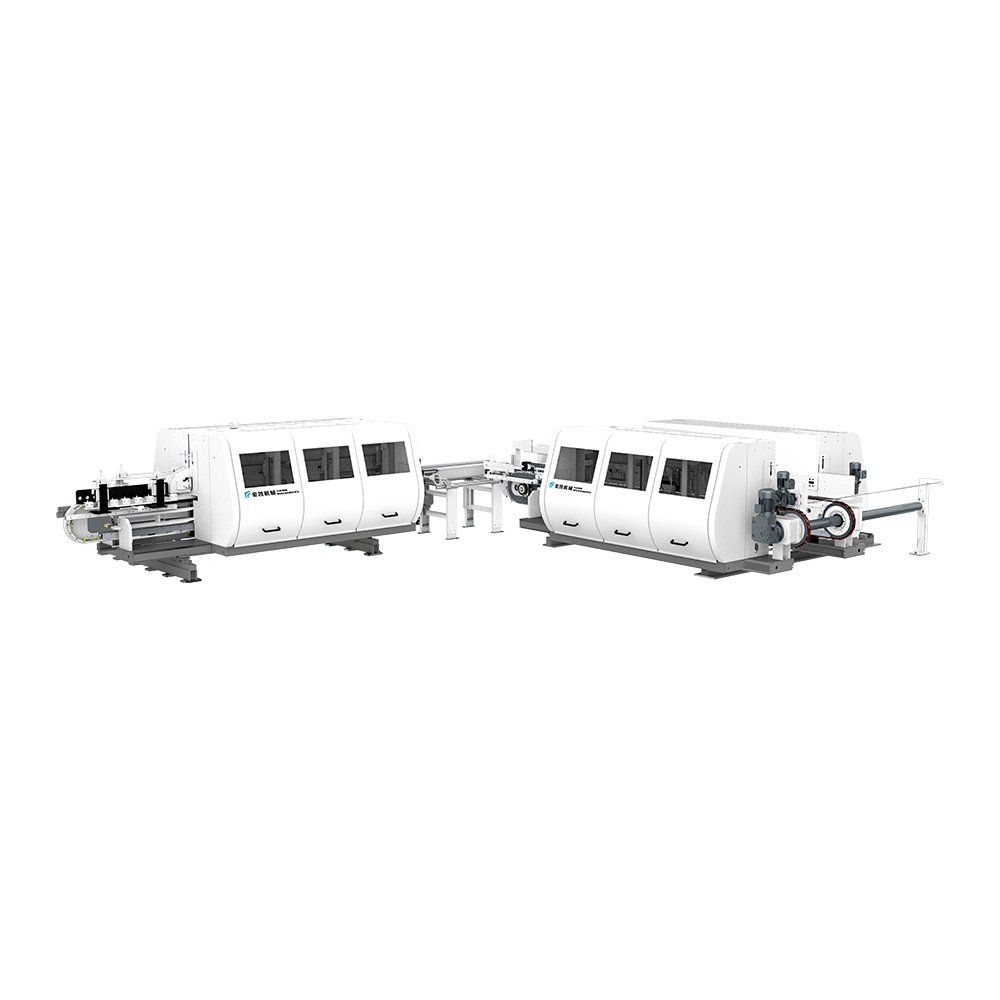
The product can slot the floor vertically and horizontally. The machine series c...
See Details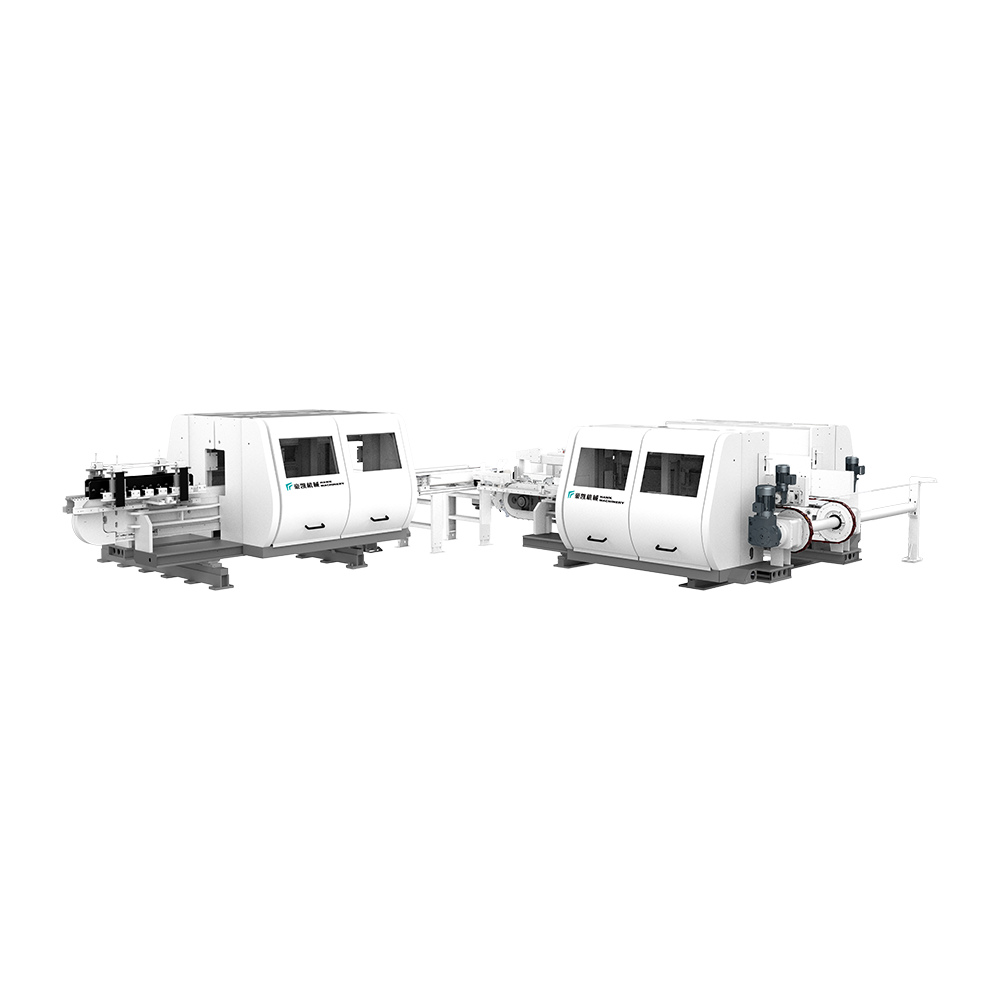
This equipment is suitable for trimming and chamfering LVT flooring. Equipped wi...
See Details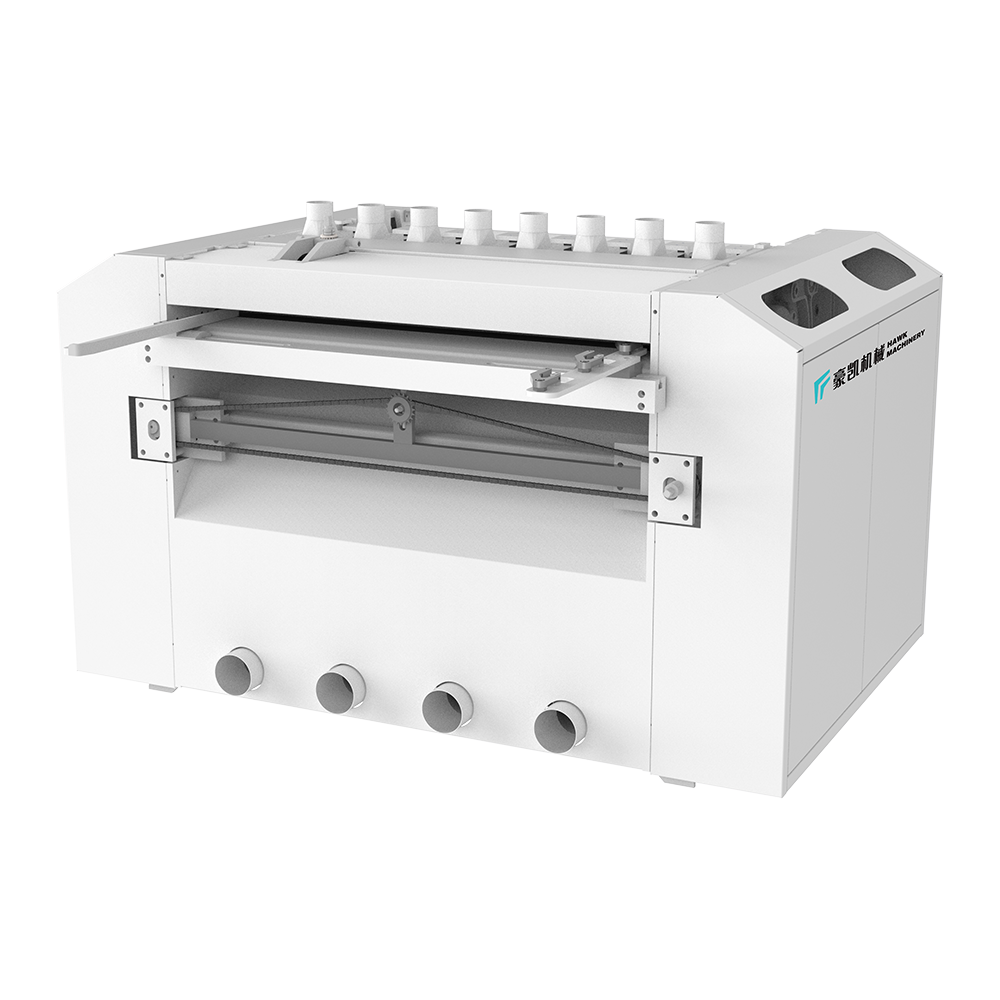
Different transmission sawing methods are suitable for different board processin...
See Details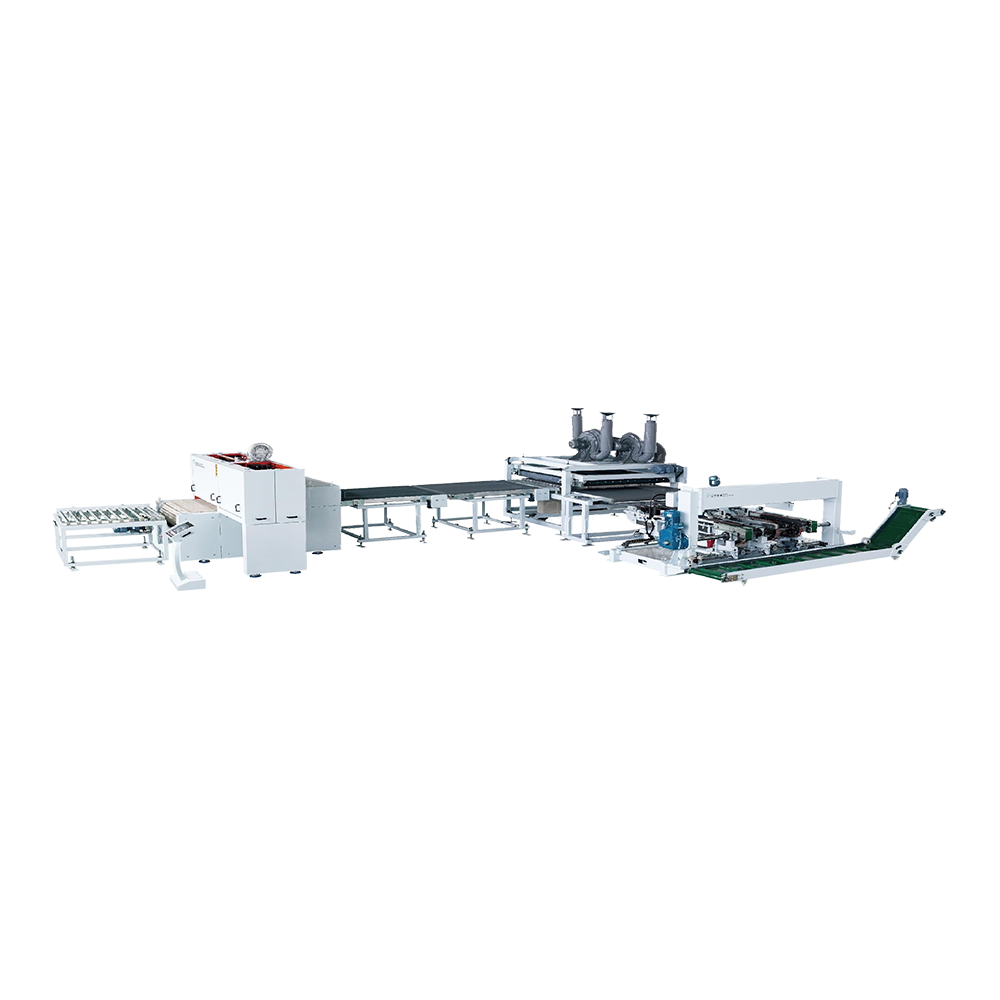
The feed speed of this equipment can reach 40 meters per minute, the whole frame...
See Details
Suitable for edge coating of laminated, PVC, and WPC. Using water-based paint is...
See Details
Hawk Machinery automatic feeding, cutting & slotting line, suitable for SPC,...
See Details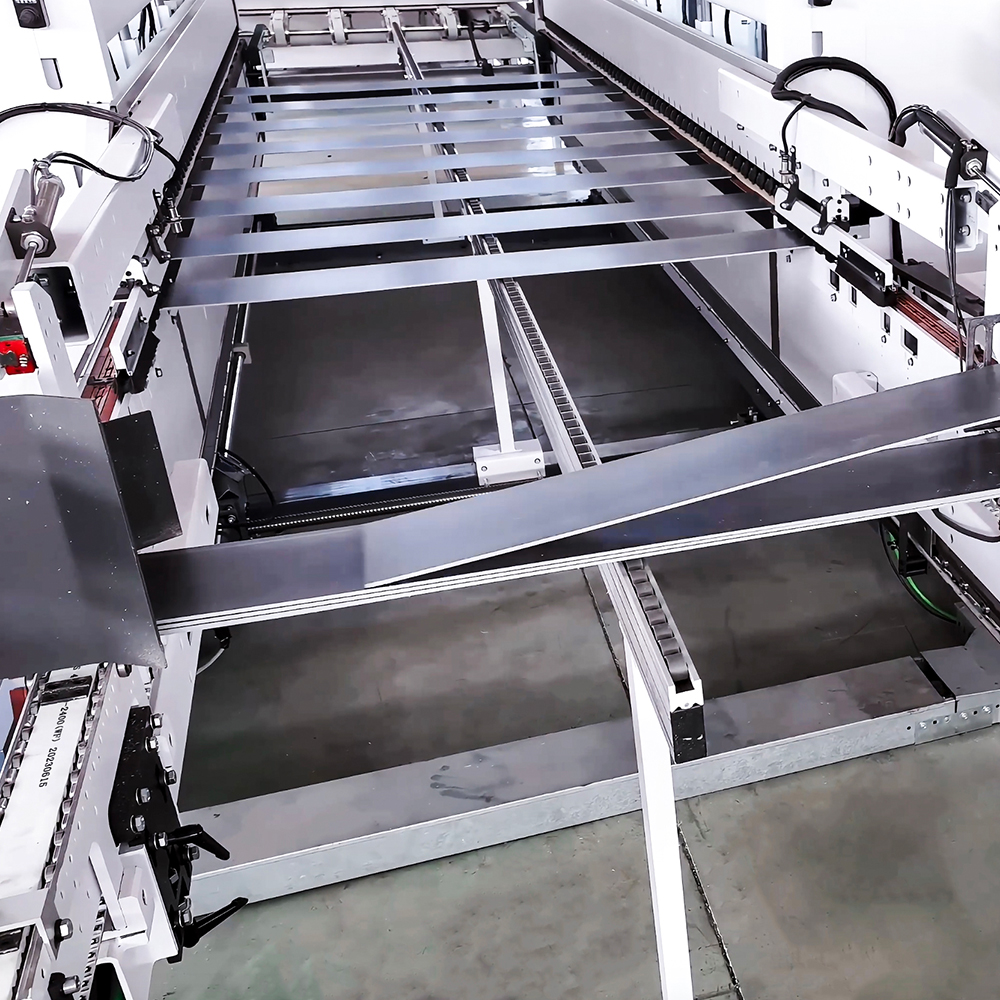
Integrated intelligent equipment integrates industrial intelligent Internet of g...
See Details
Contact info.
Boyi development area, changzhou city, jiangsu province, P. R. China
+86-0519-83319988
Don't hesitate to contact when you need us!
 Custom Floor Extrusion Machine Manufacturers