
 English
 русский
 Español

Floor slotting line (double end tenoner)
The product can slot the floor vertically and horizontally. The machine series c...
See DetailsContent
A 3 rip saw machine, often called a triple-blade rip saw or 3-blade lumber saw in workshop conversations, is a heavy-duty woodworking tool designed to rip rough lumber into multiple parallel strips in a single pass. Unlike a standard single-blade table saw that requires repeated setups and measurements, this industrial triple rip saw mounts three independently adjustable carbide-tipped blades on a shared arbor system. Each blade can be fine-tuned for width, height, and lateral position, allowing operators to produce three finished boards from one rough plank without stopping to reset fences. The machine typically features a robust cast-iron table, precision linear guides, and a powered infeed roller system that maintains consistent feed pressure. This setup dramatically reduces handling time, minimizes measurement errors, and ensures that every cut maintains the same kerf width and edge quality across the entire batch.
The core advantage of a multi-blade ripping machine lies in its ability to transform a multi-step process into a single-operation task. When processing dimensional lumber for framing, furniture components, or pallet stock, a woodworker using a conventional saw might need three separate passes to achieve the same output. With a 3-head rip saw, that same workload is completed in one continuous motion. The synchronized blade rotation and calibrated feed system ensure that each cut experiences identical torque and speed conditions, which translates to uniform surface finish and dimensional accuracy. For shops running two or three shifts, this efficiency gain compounds quickly: less machine setup time means more net cutting time, lower labor costs per linear foot, and faster order turnaround without sacrificing cut quality or operator safety.
In practical terms, a well-tuned triple-blade rip saw can process 2x4 or 2x6 stock at feed rates between 15 and 40 feet per minute, depending on wood species and blade configuration. Hardwoods like oak or maple require slower feeds to prevent blade deflection and burn marks, while softwoods such as pine or spruce can be run faster for maximum throughput. The key to maintaining accuracy is regular verification of blade parallelism using a dial indicator and ensuring that the anti-kickback pawls and riving knives are properly aligned with each blade's cutting plane. Many modern 3-blade lumber saws also include digital readouts for blade spacing, allowing operators to lock in repeatable settings for common dimensions like 1.5-inch studs or 3.5-inch joist material.
Because all three blades cut simultaneously from the same reference edge, the cumulative kerf loss is predictable and minimized. Operators can nest cuts more tightly against natural defects like knots or wane, knowing that the downstream blades will follow the same path without drift. This precision directly improves board-foot yield from each rough plank, which is especially valuable when working with premium hardwoods or reclaimed lumber. Additionally, the consistent edge quality reduces the need for secondary planing or sanding, saving both time and abrasive consumables. For high-volume shops, even a 5 to 10 percent improvement in material utilization can translate to significant annual cost savings.
Getting the most from your industrial triple rip saw starts with understanding its critical subsystems. The arbor assembly must be rigid and dynamically balanced to prevent vibration that can cause blade wander or premature bearing wear. Feed rollers should be adjusted to apply even pressure without crushing softwood fibers, and the pressure shoes must be parallel to the table surface to avoid board lift during cutting. Blade selection matters too: a 24-tooth carbide rip blade works well for general softwood ripping, while a 40-tooth alternate-top-bevel design produces cleaner edges on hardwoods. Always verify that the blade guards, dust collection ports, and emergency stop circuits are fully functional before powering up the machine.
| Component | Purpose | Setup Check | Maintenance Frequency |
| Arbor Bearings | Support blade rotation | Check for play or noise | Every 500 operating hours |
| Feed Rollers | Drive lumber through blades | Verify pressure and alignment | Daily visual inspection |
| Blade Guards | Protect operator from contact | Ensure full coverage and movement | Before each shift |
| Dust Ports | Connect to extraction system | Check for clogs or leaks | Weekly cleaning |
A 3-blade rip saw machine fits naturally into several high-demand production scenarios. Framing shops use it to quickly break down rough-sawn 2x10 or 2x12 planks into multiple studs or joists with consistent width and edge quality. Furniture manufacturers rely on the triple-blade ripping machine to produce uniform stiles, rails, and panel components from hardwood stock, reducing the need for secondary edge jointing. Pallet and crate producers benefit from the ability to rip low-grade lumber into multiple stringers or deck boards in one pass, maximizing yield from economical material sources. Even custom millwork shops find value in the setup repeatability, allowing them to switch between specialty profiles with minimal downtime and scrap.
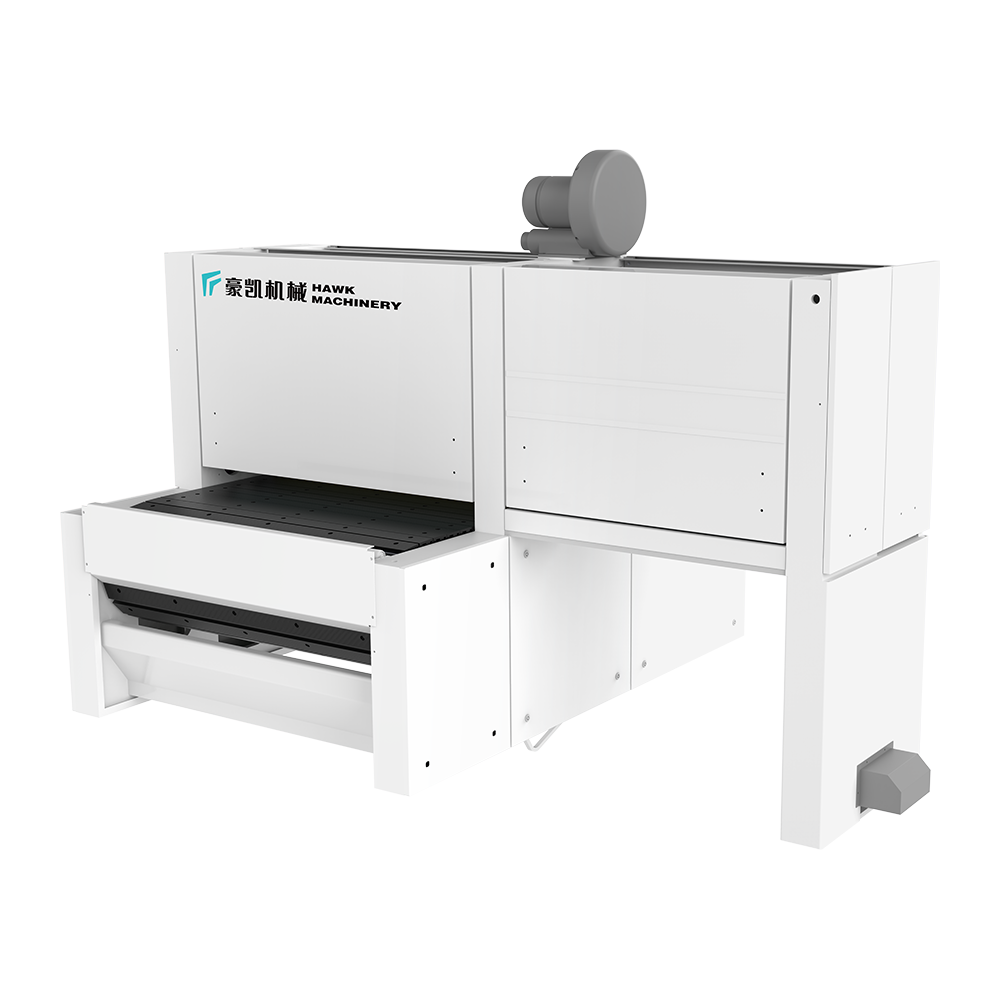
Keeping a multi-blade ripping machine running safely and accurately requires a disciplined routine. Daily tasks include clearing sawdust buildup from blade housings, verifying that emergency stops engage properly, and checking that all blade guards move freely without binding. Weekly maintenance should cover lubrication of arbor bearings, tension checks on drive belts or chains, and inspection of carbide tips for chipping or dulling. Monthly, operators should perform a full parallelism check using precision straightedges and dial indicators, recalibrating blade spacing if deviations exceed 0.005 inches. Documenting these checks in a maintenance log not only extends equipment life but also provides valuable data for troubleshooting performance issues before they cause costly downtime or safety incidents.
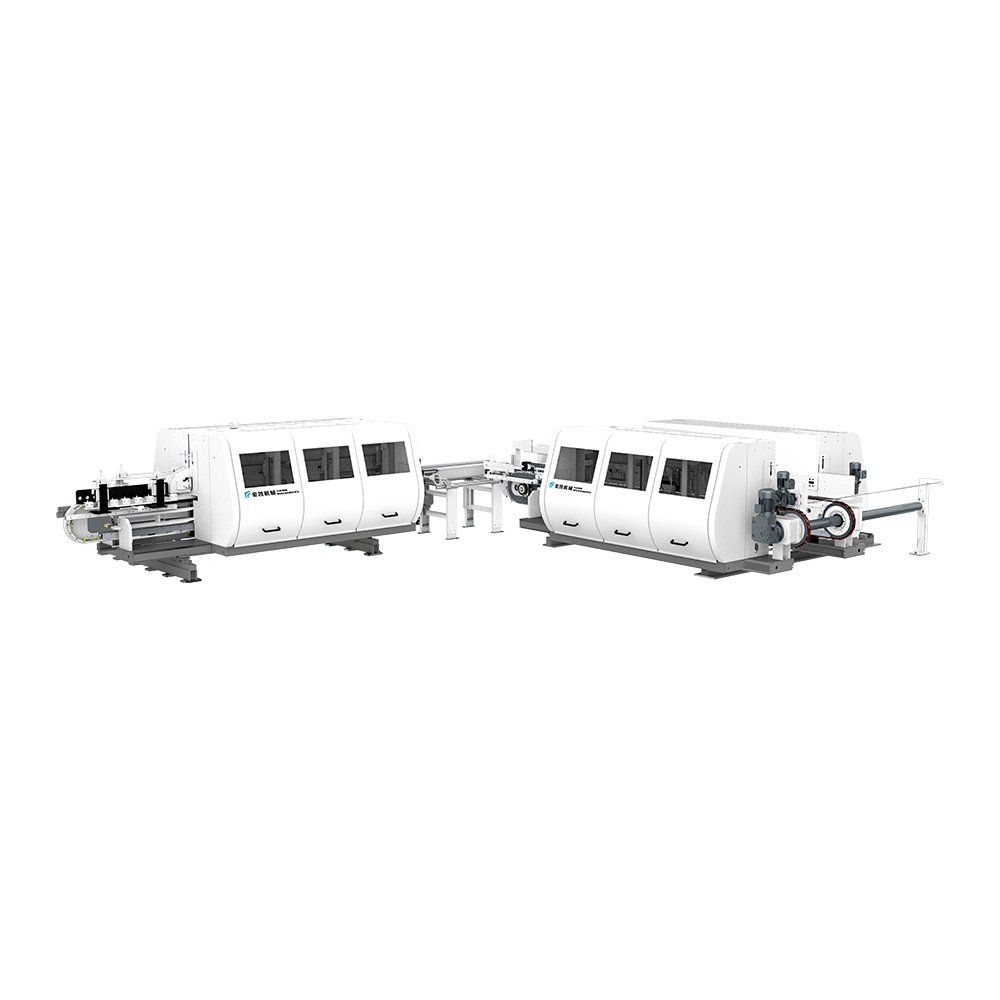
The product can slot the floor vertically and horizontally. The machine series c...
See Details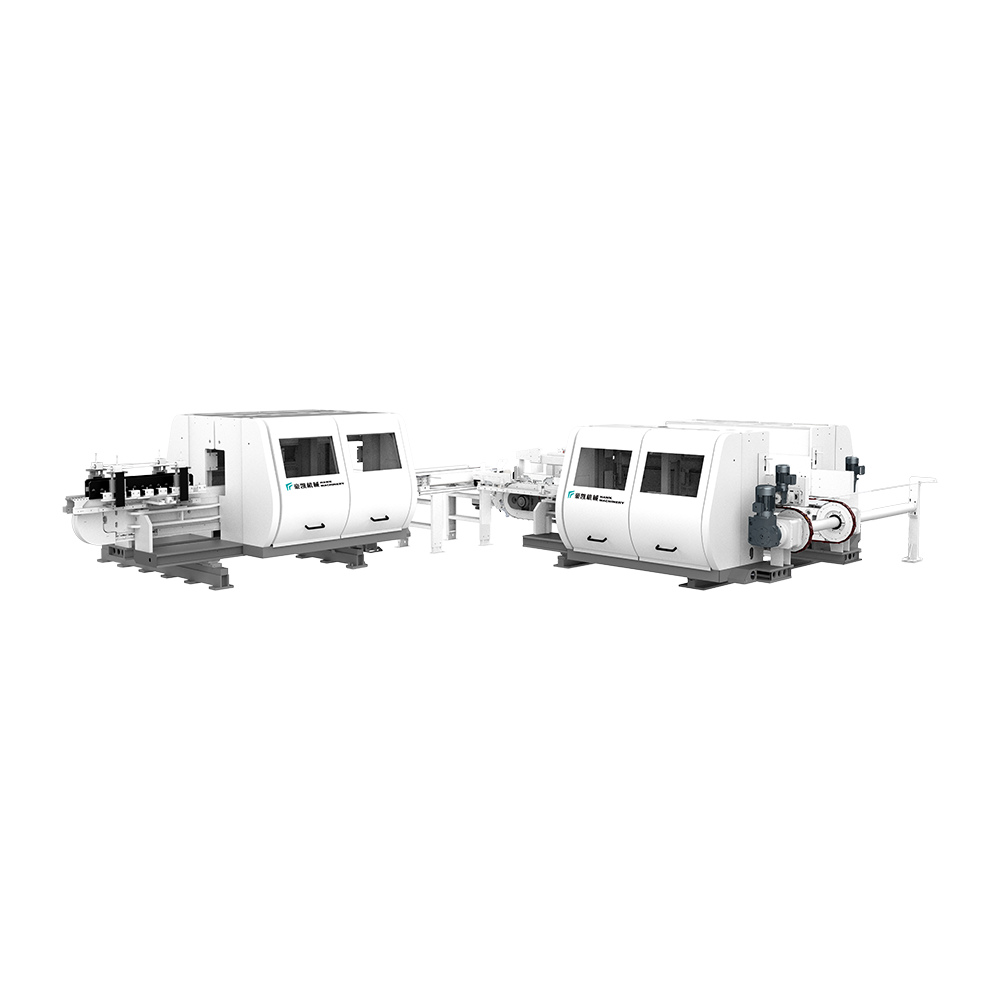
This equipment is suitable for trimming and chamfering LVT flooring. Equipped wi...
See Details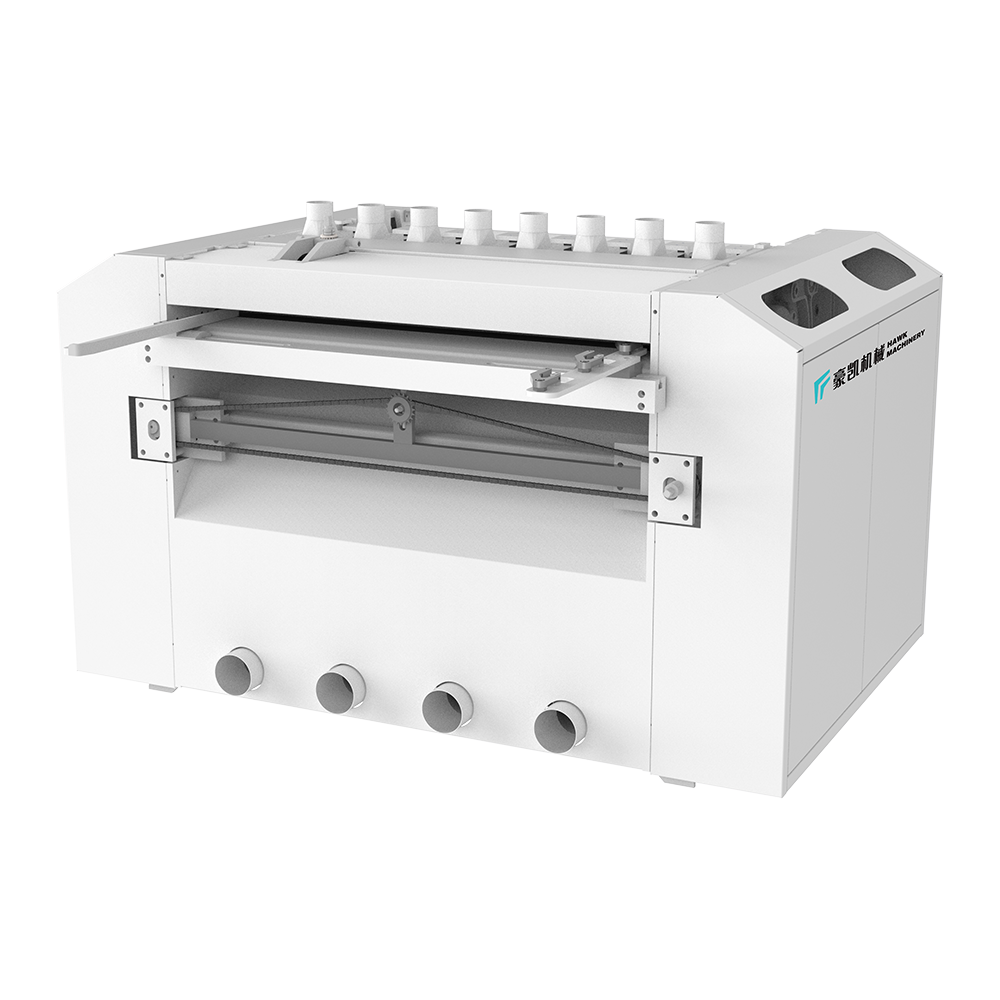
Different transmission sawing methods are suitable for different board processin...
See Details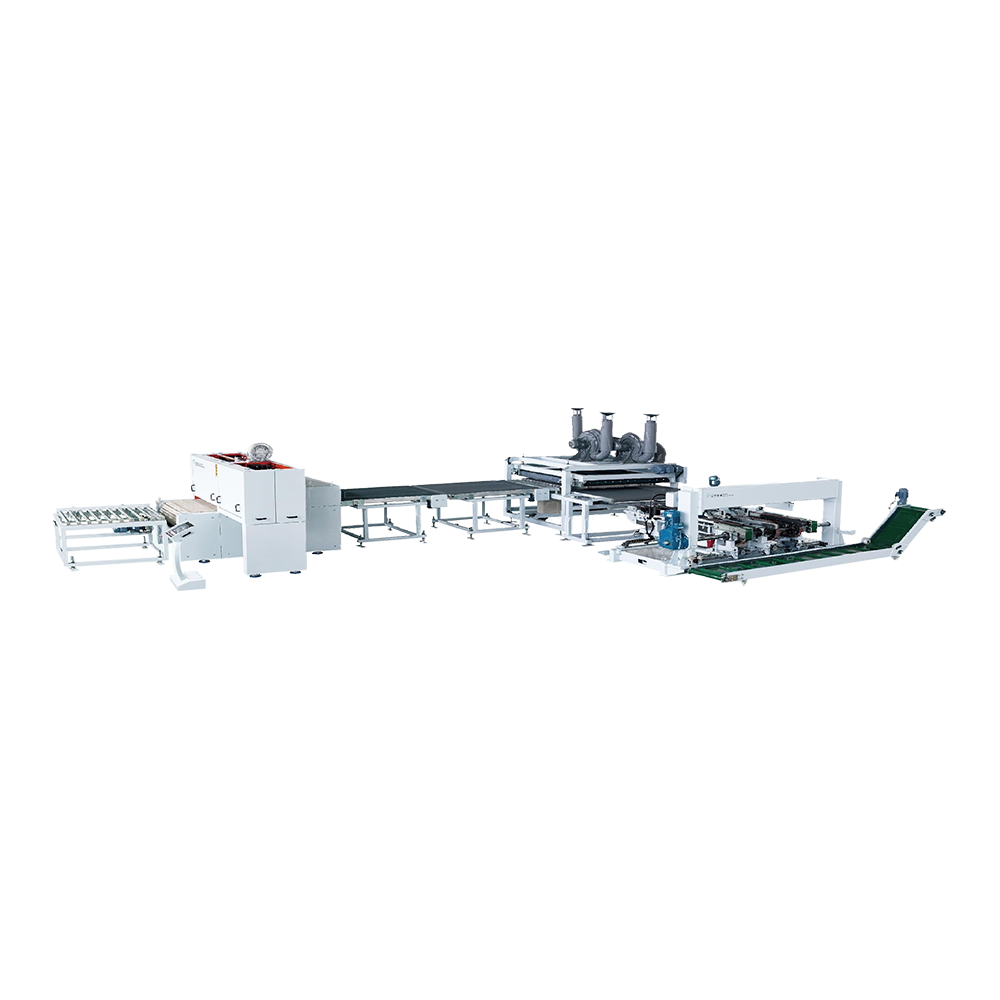
The feed speed of this equipment can reach 40 meters per minute, the whole frame...
See Details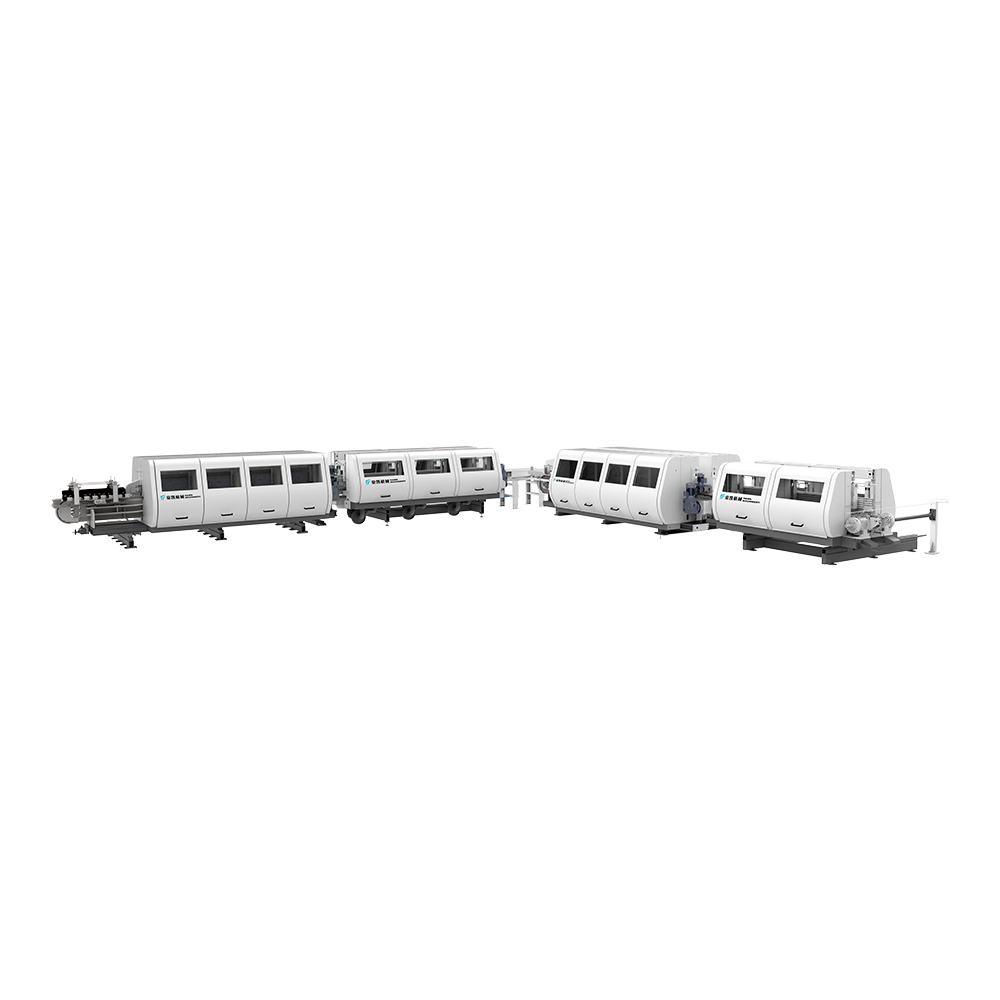
Suitable for edge coating of laminated, PVC, and WPC. Using water-based paint is...
See Details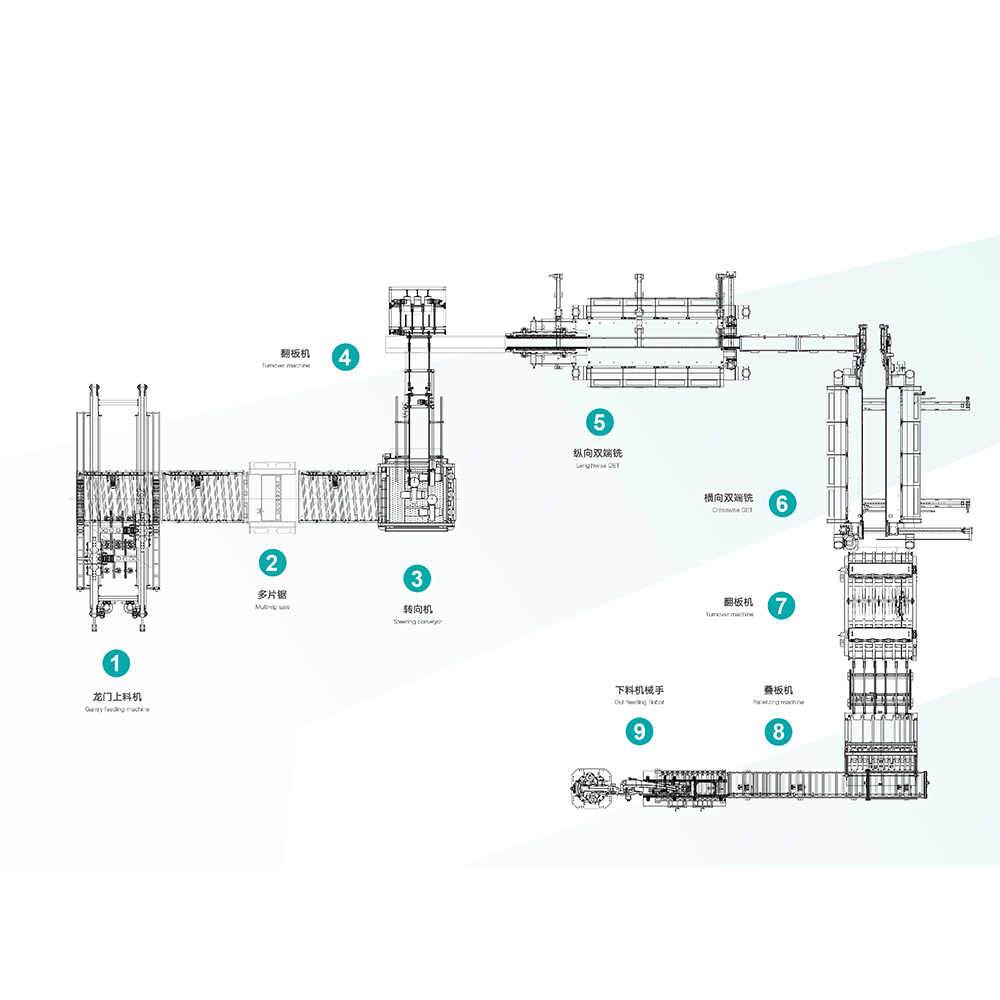
Hawk Machinery automatic feeding, cutting & slotting line, suitable for SPC,...
See Details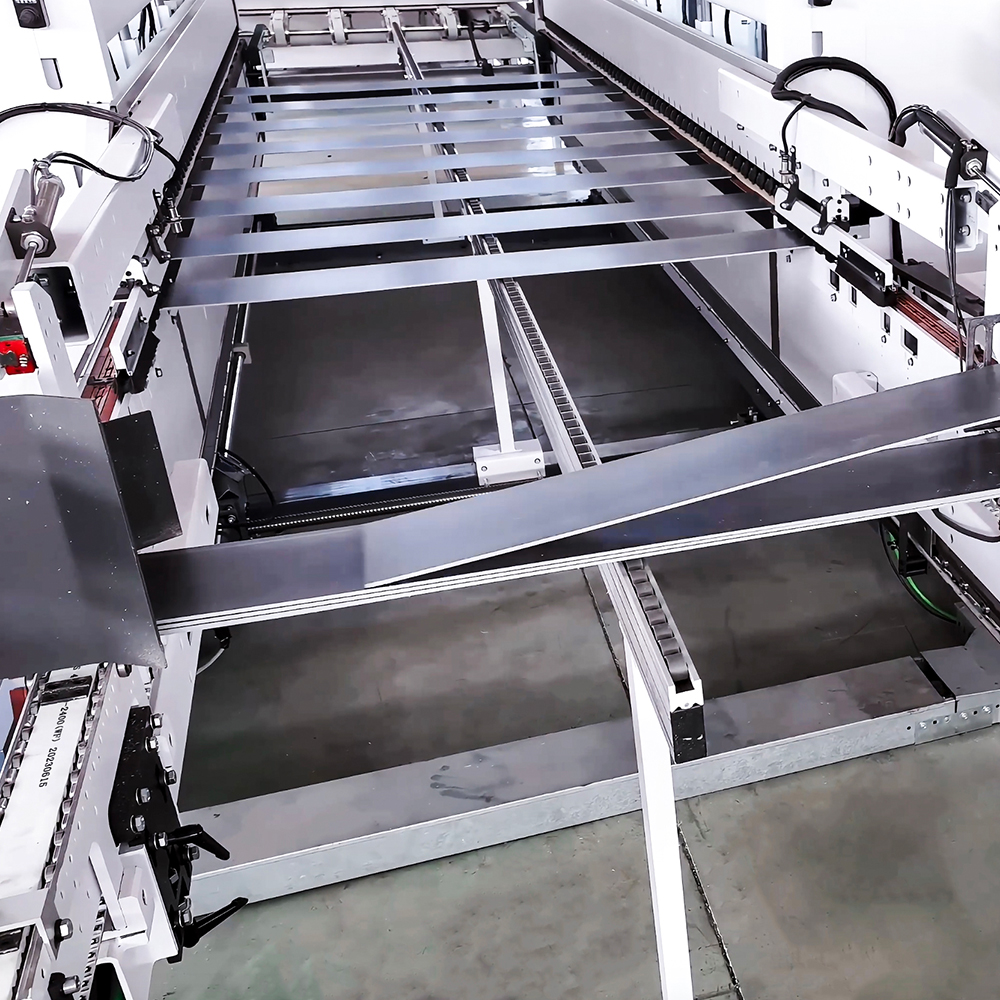
Integrated intelligent equipment integrates industrial intelligent Internet of g...
See Details
Contact info.
Boyi development area, changzhou city, jiangsu province, P. R. China
+86-0519-83319988
Don't hesitate to contact when you need us!
 Custom Floor Extrusion Machine Manufacturers