
 English
 русский
 Español

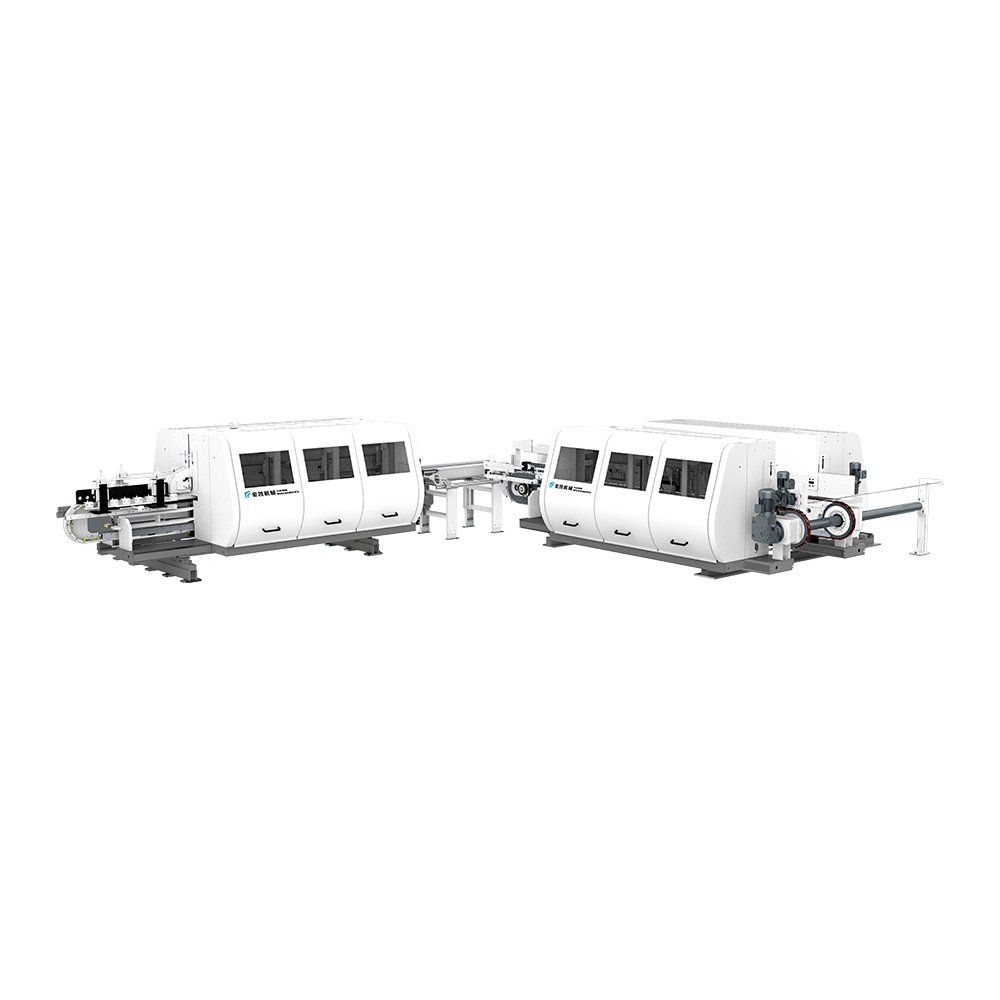
Floor slotting line (double end tenoner)
The product can slot the floor vertically and horizontally. The machine series c...
See DetailsContent
A PVC plastic floor production line is a set of connected machines that turns raw PVC resin, calcium carbonate, plasticizers, and other additives into finished PVC flooring — the kind you see in homes, hospitals, gyms, and offices. Instead of manual assembly, everything from mixing the raw powder to cutting and stacking the final sheets happens through a continuous, automated process. If you're planning to enter the flooring business or upgrade an existing workshop, understanding how a PVC plastic floor production line works will help you make smarter decisions about equipment, staffing, and budget.
Unlike wood or ceramic flooring, PVC flooring is prized for being waterproof, wear-resistant, and easy to install. That popularity is exactly why more manufacturers are investing in a PVC plastic floor production line — the demand keeps growing, especially for click-lock (SPC/LVT style) and homogeneous PVC floors.
A complete PVC plastic floor production line isn't a single machine — it's a chain of equipment, each handling one stage of the process. Here's a breakdown of the main components you'll typically find on a production floor:
| Equipment | Function |
| High-speed mixer | Blends PVC resin, calcium carbonate, stabilizers, and pigments into a uniform powder |
| Twin-screw extruder | Melts and forces the compound into a continuous sheet |
| Calendering unit | Rolls the sheet to a precise, even thickness |
| Printing/laminating machine | Applies wood-grain, stone, or custom patterns to the surface layer |
| UV coating line | Adds a scratch-resistant, easy-clean surface finish |
| Cooling and cutting system | Cools the sheet and cuts it into planks or tiles of set sizes |
| Stacking and packing unit | Collects finished pieces and prepares them for shipping |
Some manufacturers also add a click-lock profiling machine at the end of the PVC plastic floor production line if they're producing SPC or LVT flooring with interlocking edges.
Once the equipment is in place, the actual production process on a PVC plastic floor production line generally follows these stages:
PVC resin is combined with calcium carbonate powder, plasticizers, stabilizers, and coloring agents in a high-speed mixer. The mixture is heated slightly to help everything blend evenly, forming what's called the "dry blend."
The dry blend is fed into a twin-screw extruder, which melts it under heat and pressure. The molten material then passes through calendering rollers that flatten it into a continuous sheet with consistent thickness — a critical step for product quality.
A decorative film is laminated onto the base sheet to give it wood, stone, or abstract patterns. On top of that, a transparent wear layer is applied to protect against scratches and everyday wear.
The sheet passes under UV lamps that cure the top coating almost instantly, creating a hard, glossy, or matte finish depending on the desired look.
The finished sheet is cooled to stabilize its shape, then cut into planks or tiles. Automatic stacking and packing systems prepare the product for storage or shipment.
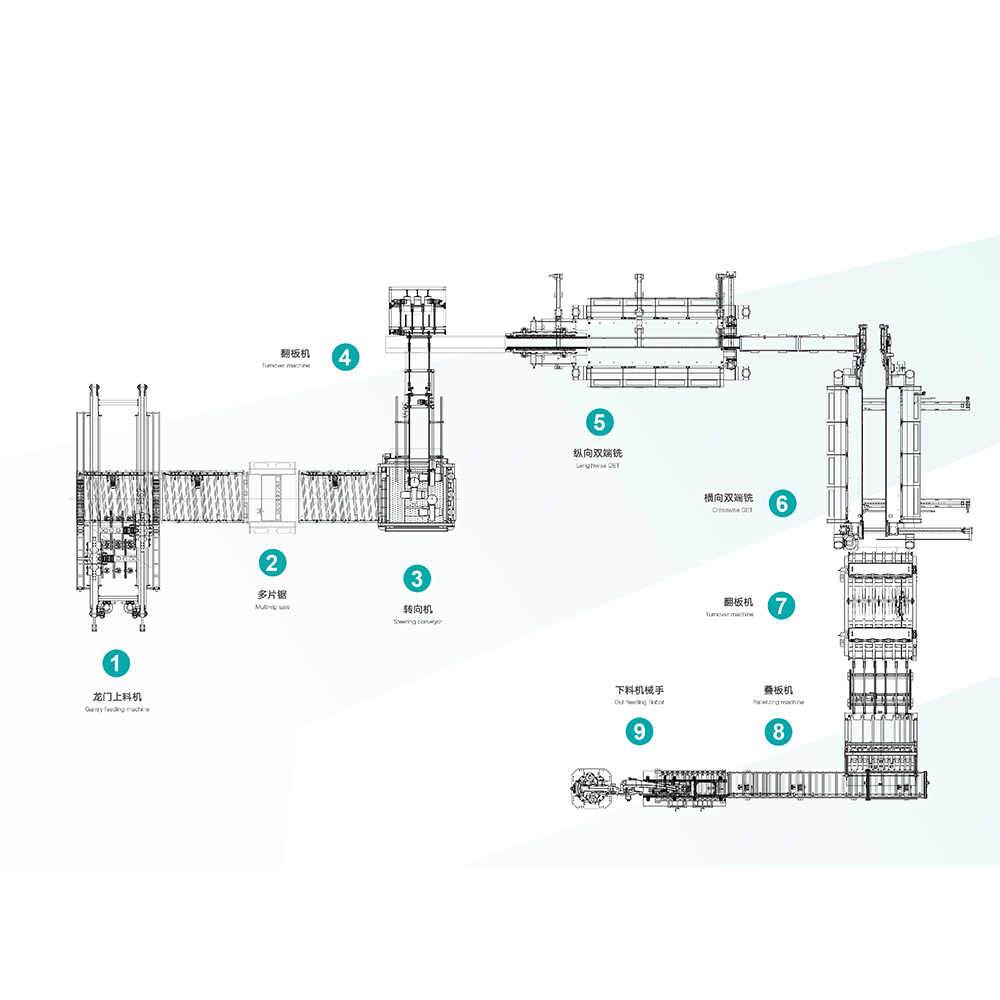
Not every PVC plastic floor production line produces the same quality of flooring. Several factors determine whether the final product meets industry standards:
Manufacturers who invest in precise temperature sensors and automated feedback controls on their PVC plastic floor production line tend to see far fewer defects and returns.
Choosing equipment is one of the biggest decisions a new or expanding flooring manufacturer will make. Here are practical points to weigh before signing a purchase agreement:
Match the line's output speed (measured in meters per minute or tons per day) to your expected order volume. Buying a line that's too large wastes capital; one that's too small limits growth.
Some lines are built only for homogeneous PVC sheets, while others can switch between click-lock SPC, LVT, and loose-lay formats. If your business plans to diversify, flexibility is worth the extra investment.
A PVC plastic floor production line involves complex mechanical and electrical systems. Choose a supplier that offers installation guidance, staff training, and accessible spare parts — this saves significant downtime later.
Even a well-built PVC plastic floor production line can run into issues over time. Knowing the common problems helps operators respond quickly instead of halting production for hours:
Keeping a maintenance log and training operators to recognize early warning signs — like unusual noise or temperature fluctuations — prevents small issues from becoming costly line stoppages.
Regular maintenance keeps a PVC plastic floor production line running efficiently and reduces unplanned downtime. Consider the following routine practices:
With consistent upkeep, a well-maintained PVC plastic floor production line can operate reliably for many years, keeping production costs low and product quality high.
The product can slot the floor vertically and horizontally. The machine series c...
See Details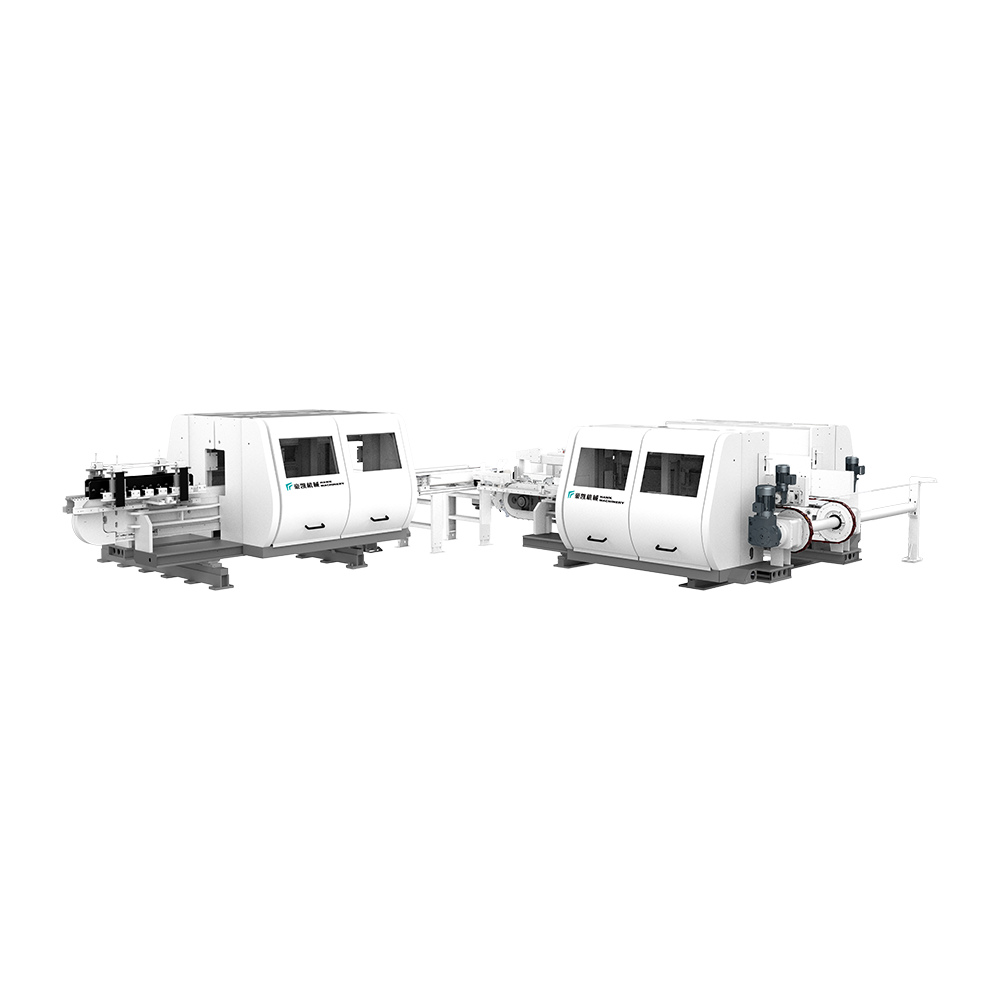
This equipment is suitable for trimming and chamfering LVT flooring. Equipped wi...
See Details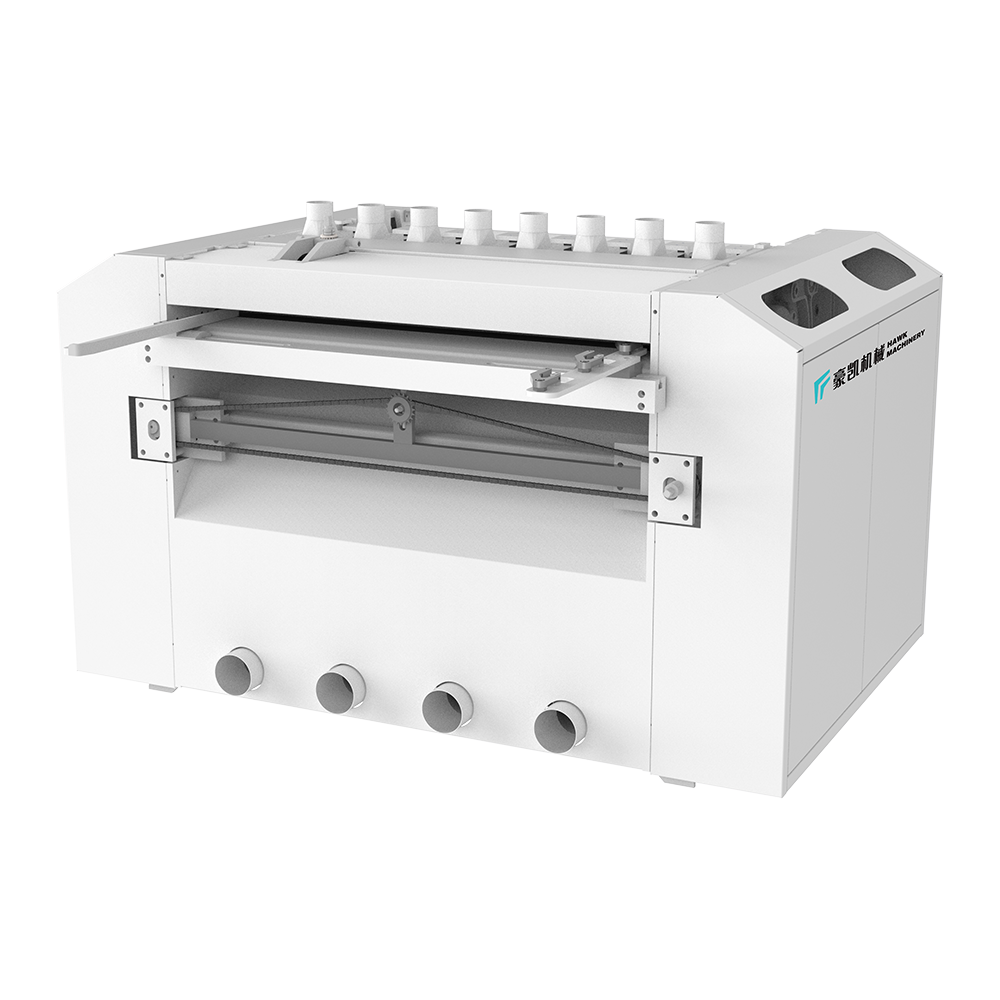
Different transmission sawing methods are suitable for different board processin...
See Details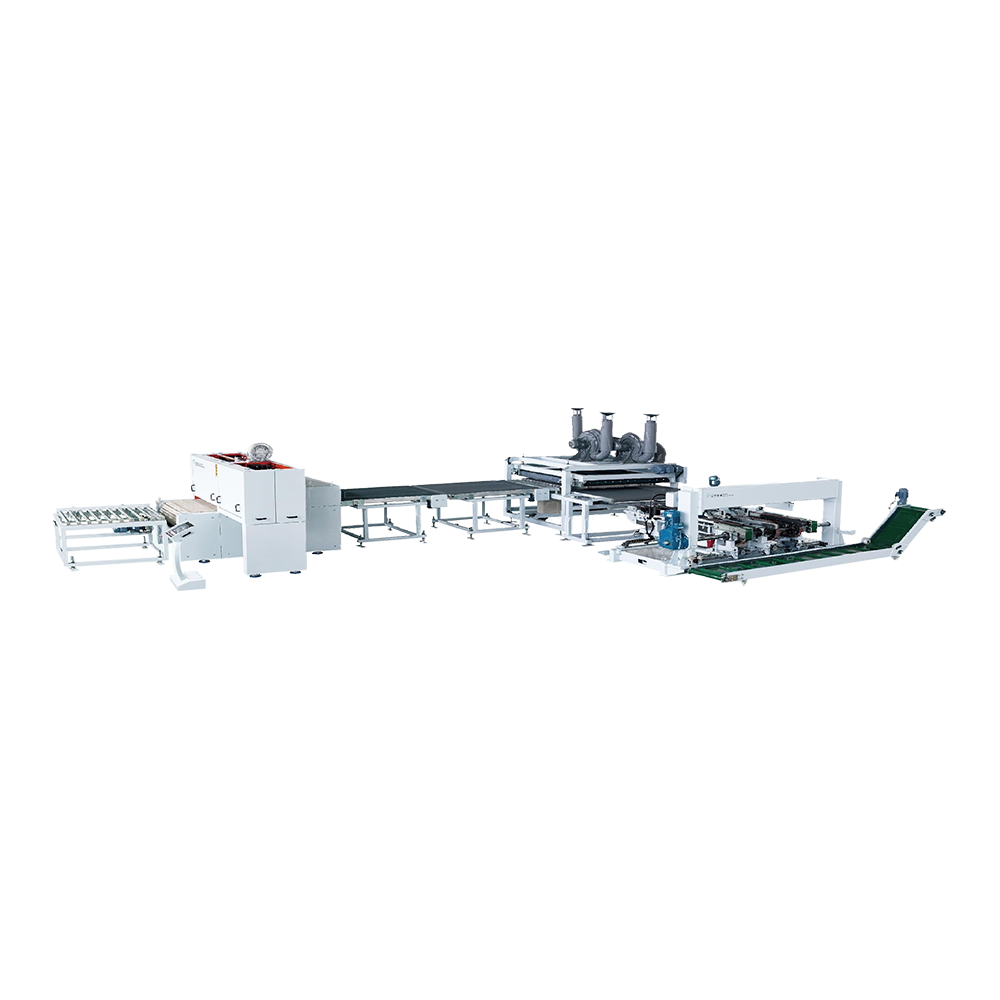
The feed speed of this equipment can reach 40 meters per minute, the whole frame...
See Details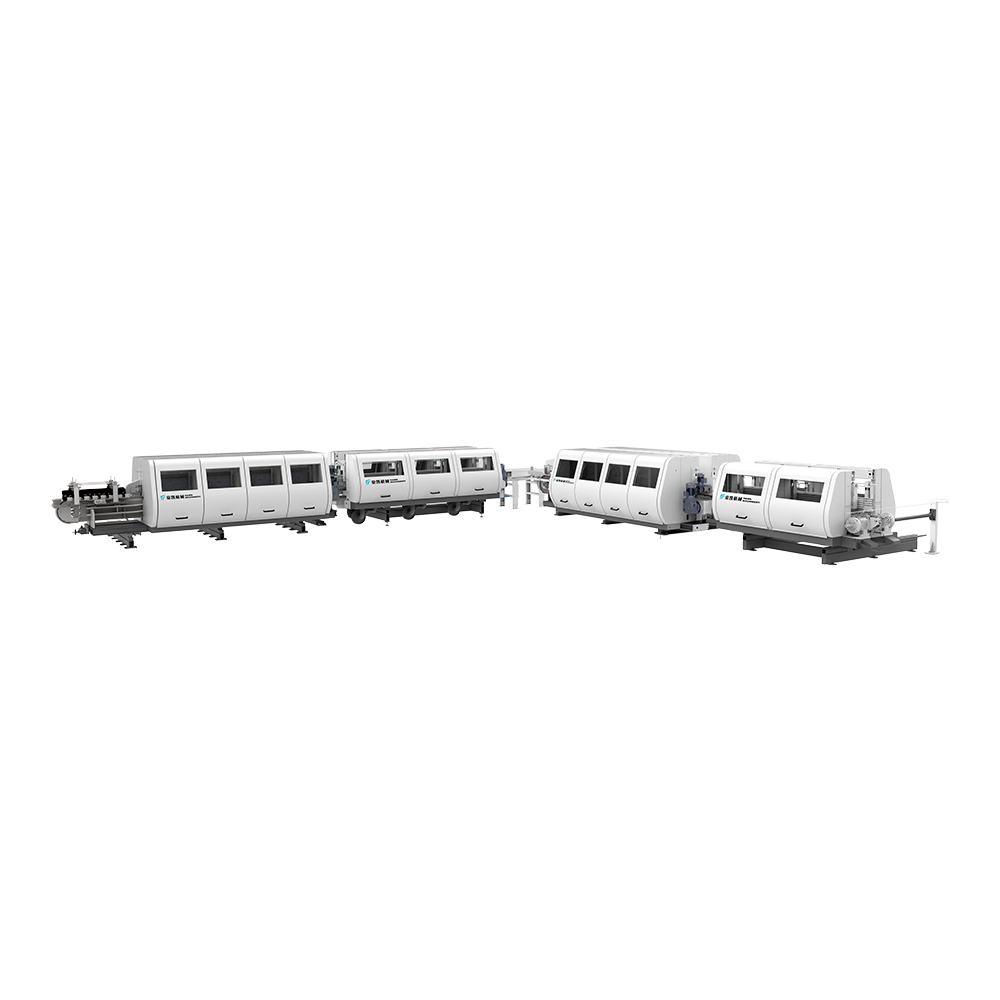
Suitable for edge coating of laminated, PVC, and WPC. Using water-based paint is...
See Details
Hawk Machinery automatic feeding, cutting & slotting line, suitable for SPC,...
See Details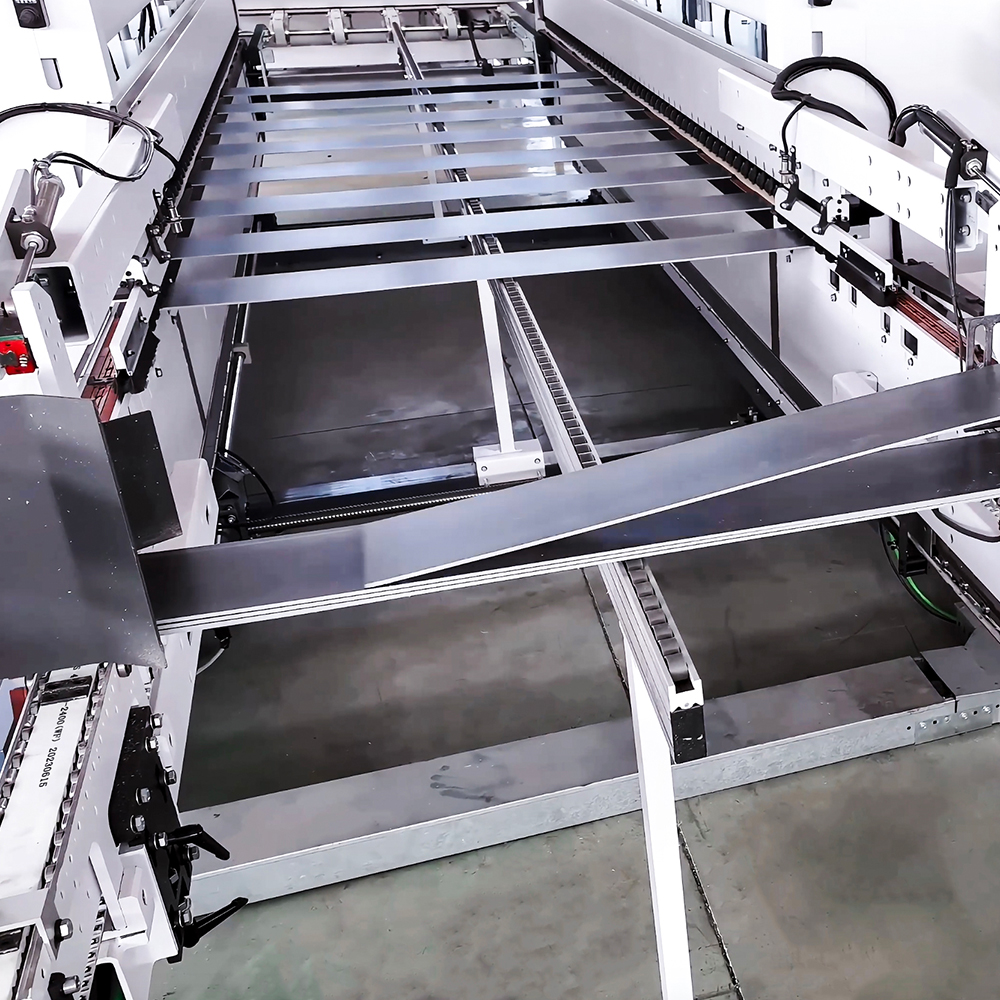
Integrated intelligent equipment integrates industrial intelligent Internet of g...
See Details
Contact info.
Boyi development area, changzhou city, jiangsu province, P. R. China
+86-0519-83319988
Don't hesitate to contact when you need us!
 Custom Floor Extrusion Machine Manufacturers