
 English
 русский
 Español

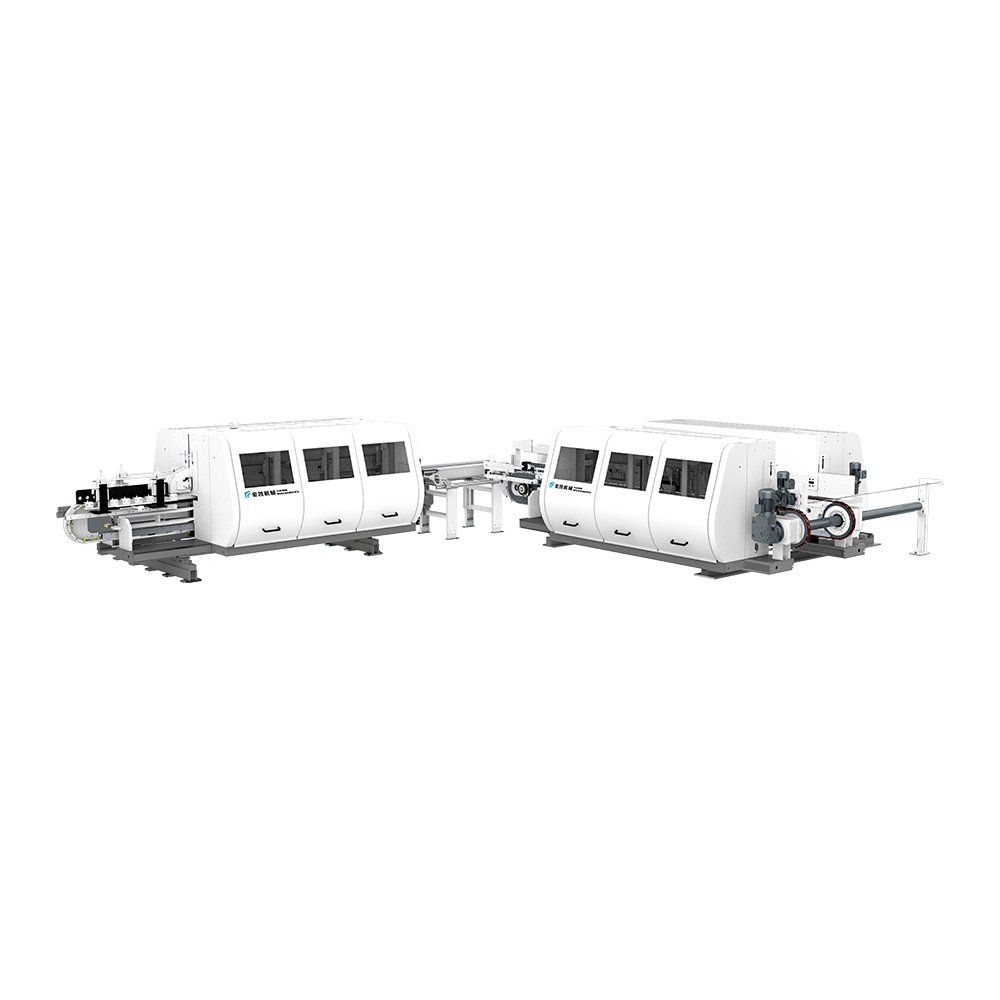
Floor slotting line (double end tenoner)
The product can slot the floor vertically and horizontally. The machine series c...
See DetailsContent
A Smart Floor Production Line is a fully or semi-automated manufacturing system designed to produce modern flooring materials such as SPC (Stone Plastic Composite), WPC (Wood Plastic Composite), LVT (Luxury Vinyl Tile), and other rigid core floors. Unlike traditional flooring workshops that rely heavily on manual labor and separate machines, a smart production line connects every stage of manufacturing—mixing, extrusion, cooling, coating, cutting, and packaging—into one continuous, sensor-driven process. The word "smart" here refers to the use of PLC control systems, real-time data monitoring, and automated adjustments that reduce human error and keep output consistent batch after batch.
For factory owners, this shift matters because flooring demand has grown fast in both residential and commercial markets, and buyers now expect tighter tolerances, uniform color, and faster delivery. A smart floor production line is built to meet exactly those expectations without requiring a massive increase in labor headcount.
Every smart floor production line is built from a series of interconnected machines. While configurations vary slightly by manufacturer, the following components form the backbone of nearly every setup.
Raw materials like PVC powder, calcium carbonate, and stabilizers are automatically weighed and blended in precise ratios. Smart sensors track temperature and mixing time so the formula stays consistent across every production cycle.
This is where the mixed material is melted and shaped into continuous sheets or boards. Extrusion temperature, screw speed, and thickness are all controlled through the PLC panel, allowing operators to switch between product specifications with just a few clicks instead of manually resetting machinery.
After extrusion, the material passes through a cooling system that locks in its shape and thickness. Smart lines use multi-zone cooling with adjustable water or air temperature to prevent warping, which is one of the most common quality issues in traditional flooring plants.
Automated UV coating stations apply protective layers evenly across the board surface, improving scratch resistance and gloss consistency. This step is fully synchronized with line speed to avoid over-coating or gaps.
The final stage cuts boards to precise dimensions, applies texture or embossing patterns, and moves finished planks toward automated packaging. Vision systems can detect surface defects here and flag them before they reach the warehouse.
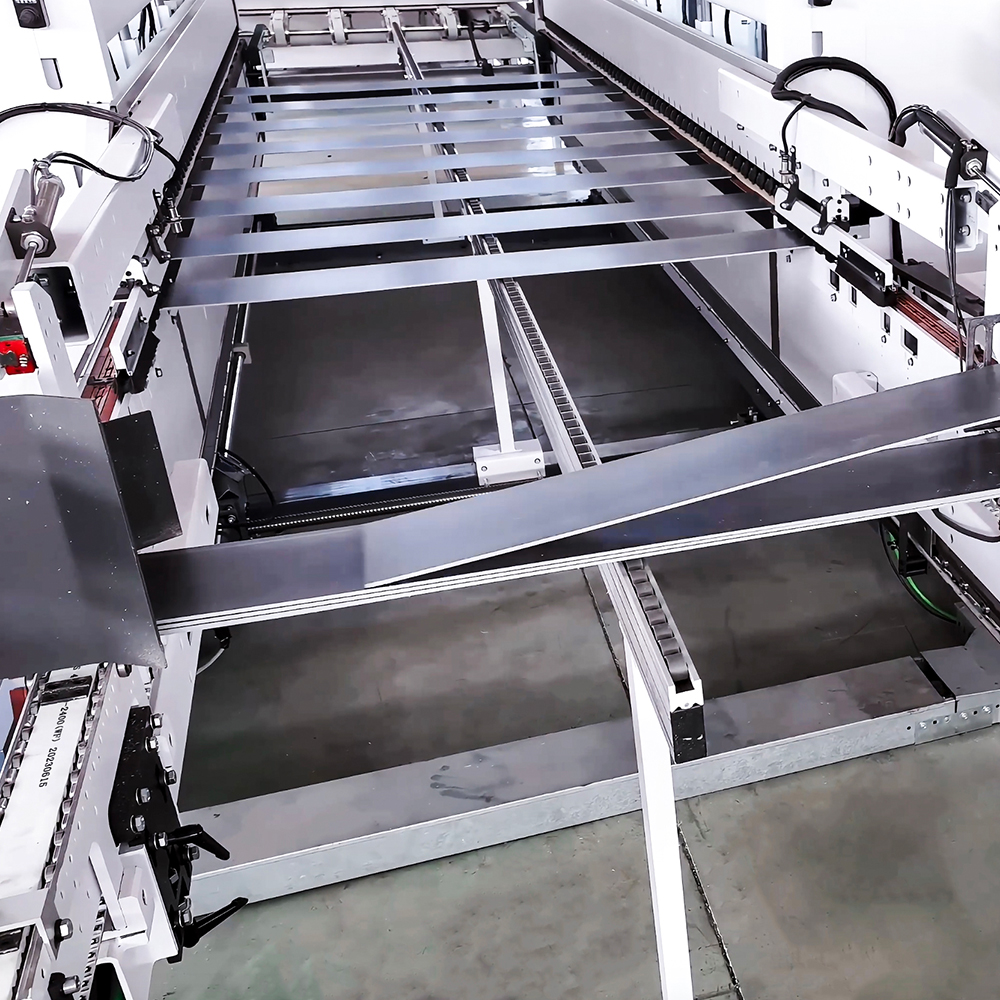
The move toward automation isn't just a trend—it directly affects a factory's bottom line. Below are the main reasons flooring producers are investing in smart lines.
To understand the practical difference, it helps to compare a smart floor production line against a conventional setup across the factors that matter most to production managers.
| Factor | Traditional Line | Smart Floor Production Line |
| Labor Requirement | High, manual monitoring at each stage | Low, centralized PLC control |
| Product Consistency | Varies by operator skill | Stable across batches |
| Changeover Time | Several hours | Minutes to under an hour |
| Defect Detection | Manual visual inspection | Automated vision and sensor scanning |
| Data Tracking | Paper logs or none | Digital, real-time dashboards |
Not every factory needs the same configuration. Choosing the right line depends on your product mix, output targets, and budget. Here are the key questions worth asking before signing a contract with a supplier.
SPC, WPC, and LVT lines each require slightly different extrusion and cooling parameters. If you plan to produce multiple product types on one line, confirm that the equipment supports quick formula and mold changes without major downtime.
Production lines are typically rated by daily or monthly square meter output. Match this figure against your sales forecast rather than buying the largest available line, since oversized equipment increases energy costs without added benefit if demand doesn't keep up.
Automation reduces labor needs but increases dependency on technical support. Check whether the supplier offers remote diagnostics, spare parts availability, and on-site training for your team before installation begins.
Upgrading to a smart floor production line is a major investment, and rushing the transition often leads to avoidable losses. The mistakes below show up repeatedly across new installations.
A smart floor production line isn't just about replacing workers with machines—it's about building a manufacturing process that's easier to control, faster to adjust, and more reliable at scale. Factories that plan carefully around product type, output capacity, and supplier support tend to see the fastest return on investment, while those that rush the decision often struggle with mismatched equipment or gaps in technical support. Whether you're setting up a new plant or upgrading an existing workshop, understanding how each part of the line works together is the first step toward making a smart, cost-effective choice.
The product can slot the floor vertically and horizontally. The machine series c...
See Details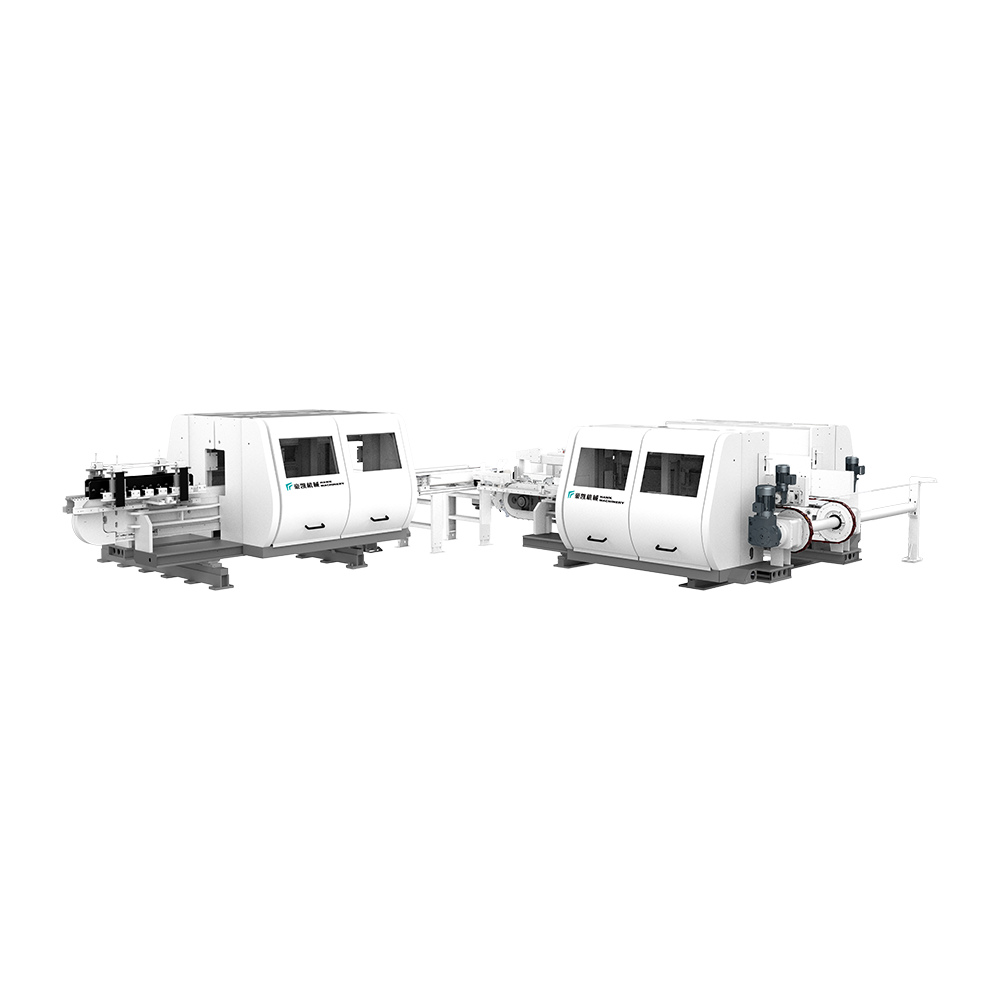
This equipment is suitable for trimming and chamfering LVT flooring. Equipped wi...
See Details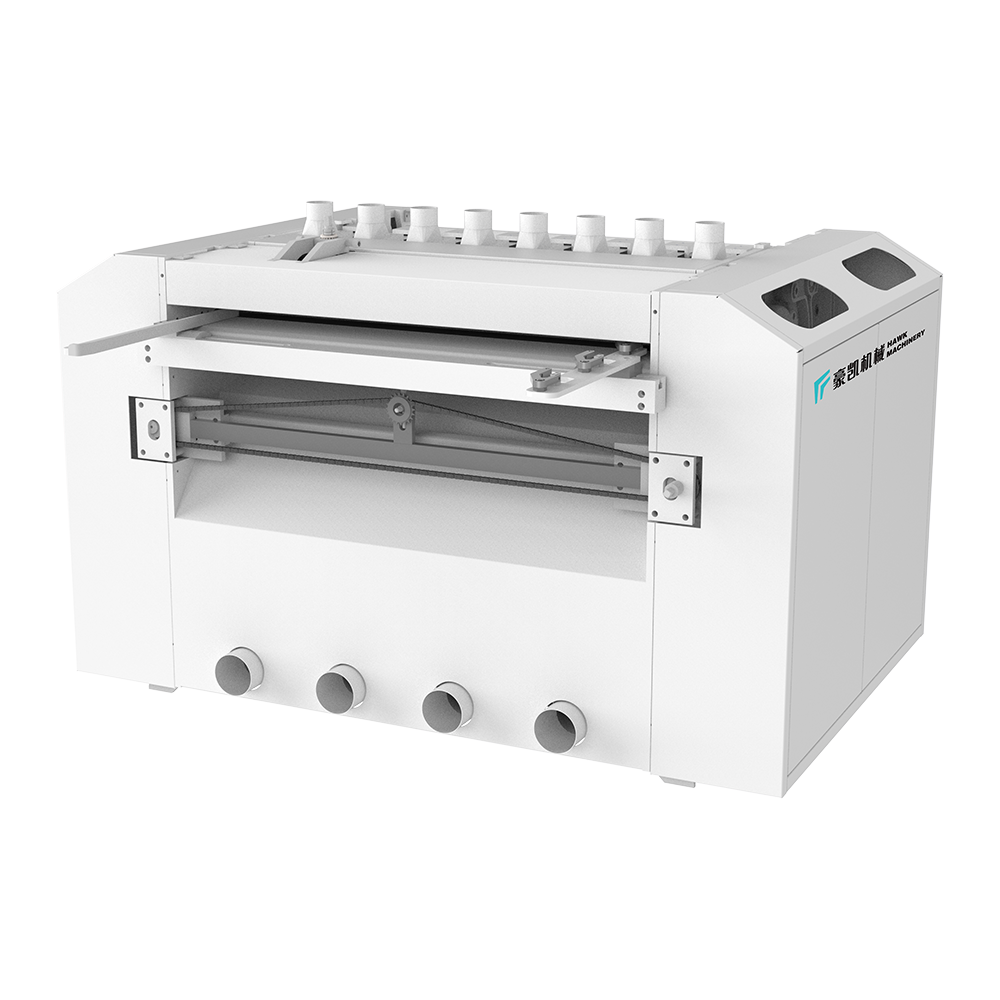
Different transmission sawing methods are suitable for different board processin...
See Details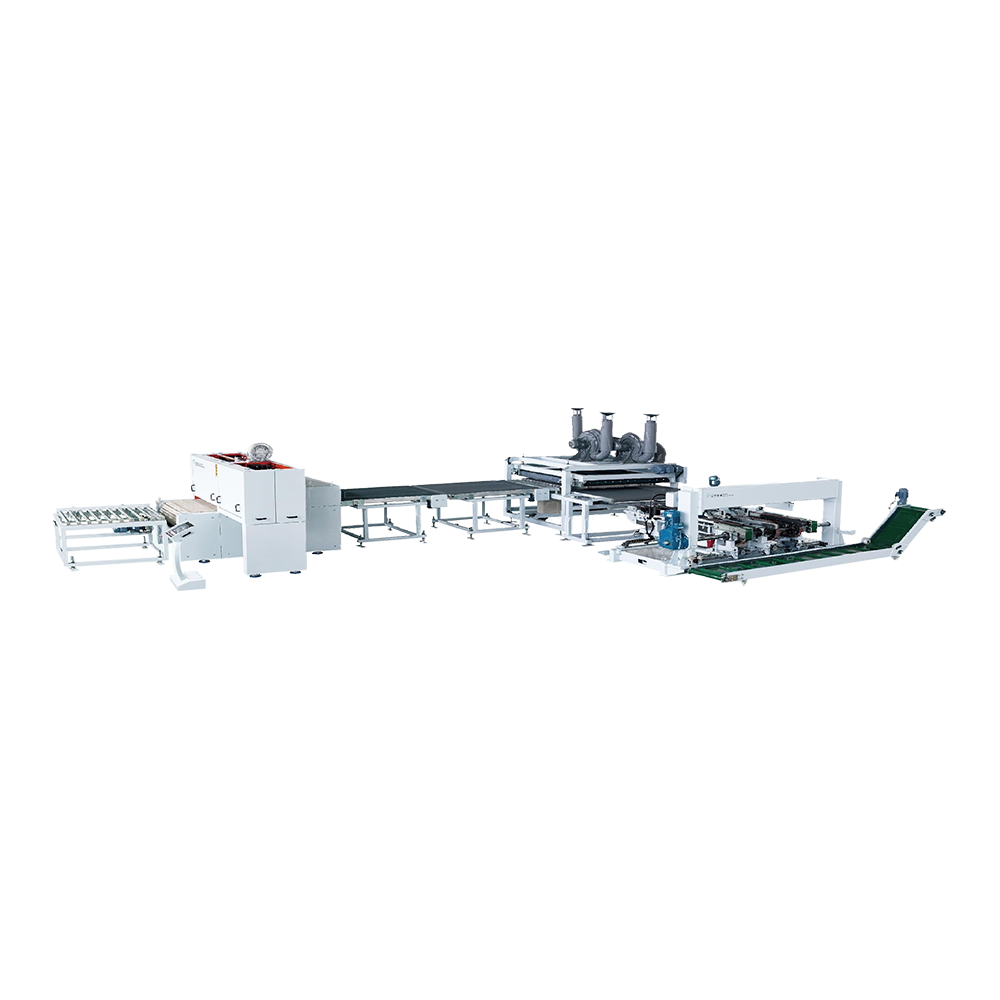
The feed speed of this equipment can reach 40 meters per minute, the whole frame...
See Details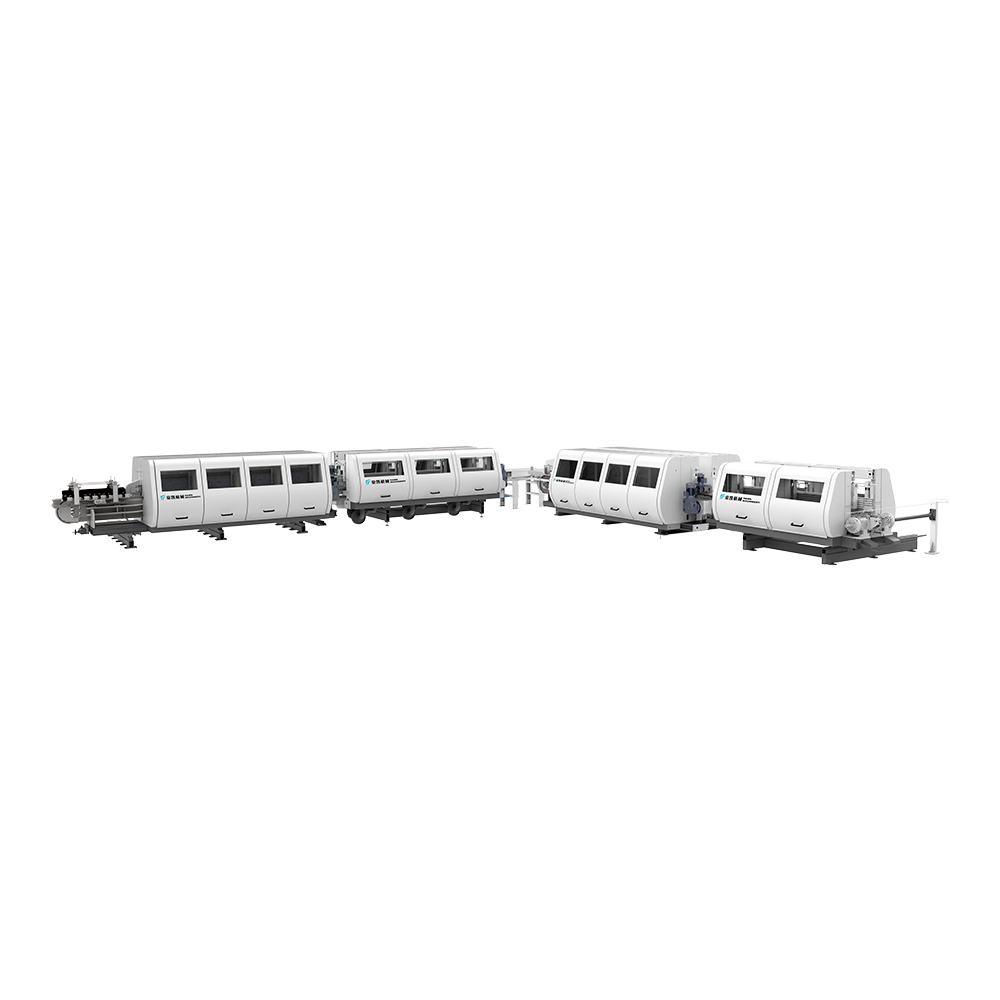
Suitable for edge coating of laminated, PVC, and WPC. Using water-based paint is...
See Details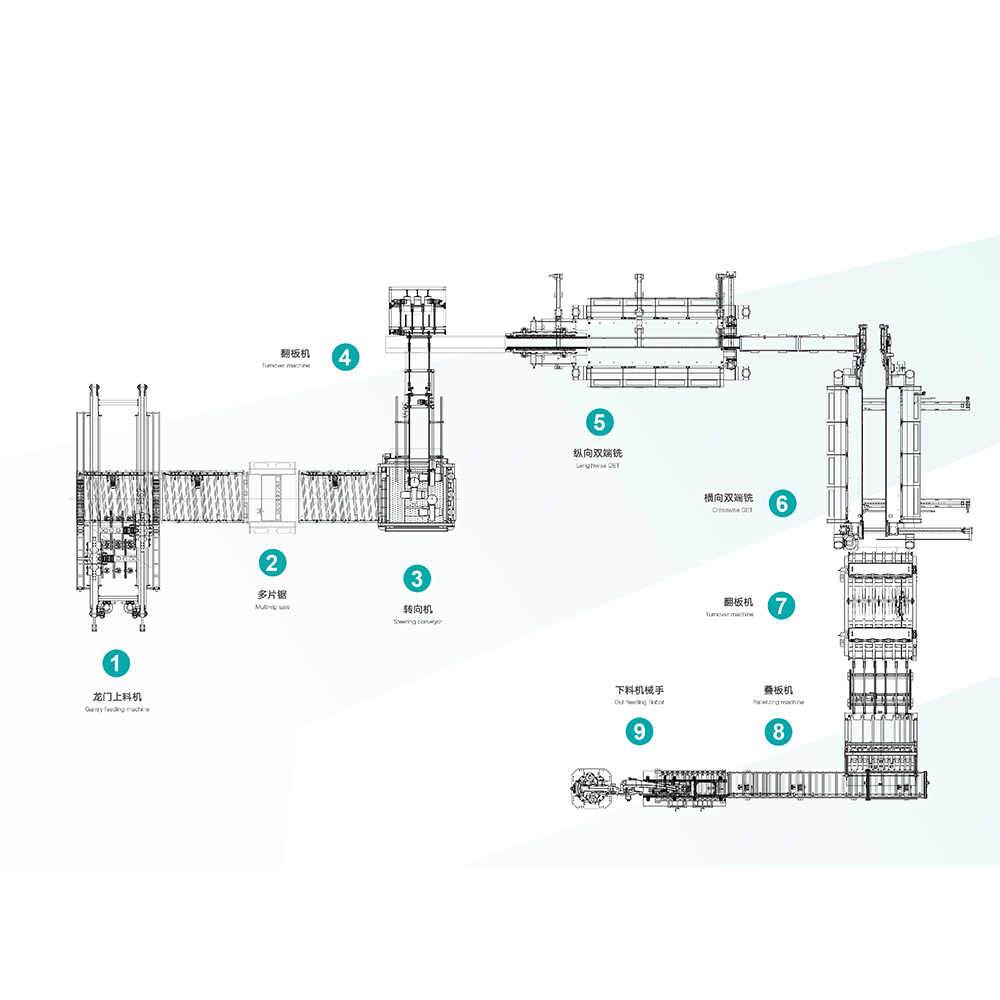
Hawk Machinery automatic feeding, cutting & slotting line, suitable for SPC,...
See Details
Integrated intelligent equipment integrates industrial intelligent Internet of g...
See Details
Contact info.
Boyi development area, changzhou city, jiangsu province, P. R. China
+86-0519-83319988
Don't hesitate to contact when you need us!
 Custom Floor Extrusion Machine Manufacturers