
 English
 русский
 Español

Floor slotting line (double end tenoner)
The product can slot the floor vertically and horizontally. The machine series c...
See DetailsContent
When you are looking for a PVC cutting machine, the first thing to realize is that "one size fits all" doesn't apply here. Depending on whether you are a DIY enthusiast or running a high-volume fabrication shop, your needs will vary wildly. For small-scale plumbing or electrical conduit work, a manual ratcheting cutter is often sufficient. However, for industrial applications where precision and speed are non-negotiable, you might look into automated circular saw systems or laser cutters designed specifically for polymers. Choosing the right equipment ensures that the pipe or sheet maintains its structural integrity without cracking or deforming during the process.
Industrial-grade PVC cutters often utilize specialized blades with specific tooth counts to prevent the plastic from melting or chipping. Heat management is a crucial factor; if a machine runs too hot, the PVC can release fumes or become scorched. High-end pneumatic or hydraulic machines are frequently used in window frame manufacturing and large-scale irrigation projects because they provide a perfectly square cut every single time, which is vital for leak-proof solvent welding.
Investing in a quality PVC cutting machine requires an eye for specific technical details. You want a machine that offers stability and a clean finish to minimize the time spent on deburring. A good machine should have an adjustable guide to handle various pipe diameters or sheet thicknesses. Durability is also a major concern; machines with reinforced steel frames and high-carbon steel blades tend to outlast cheaper plastic-bodied alternatives by years.
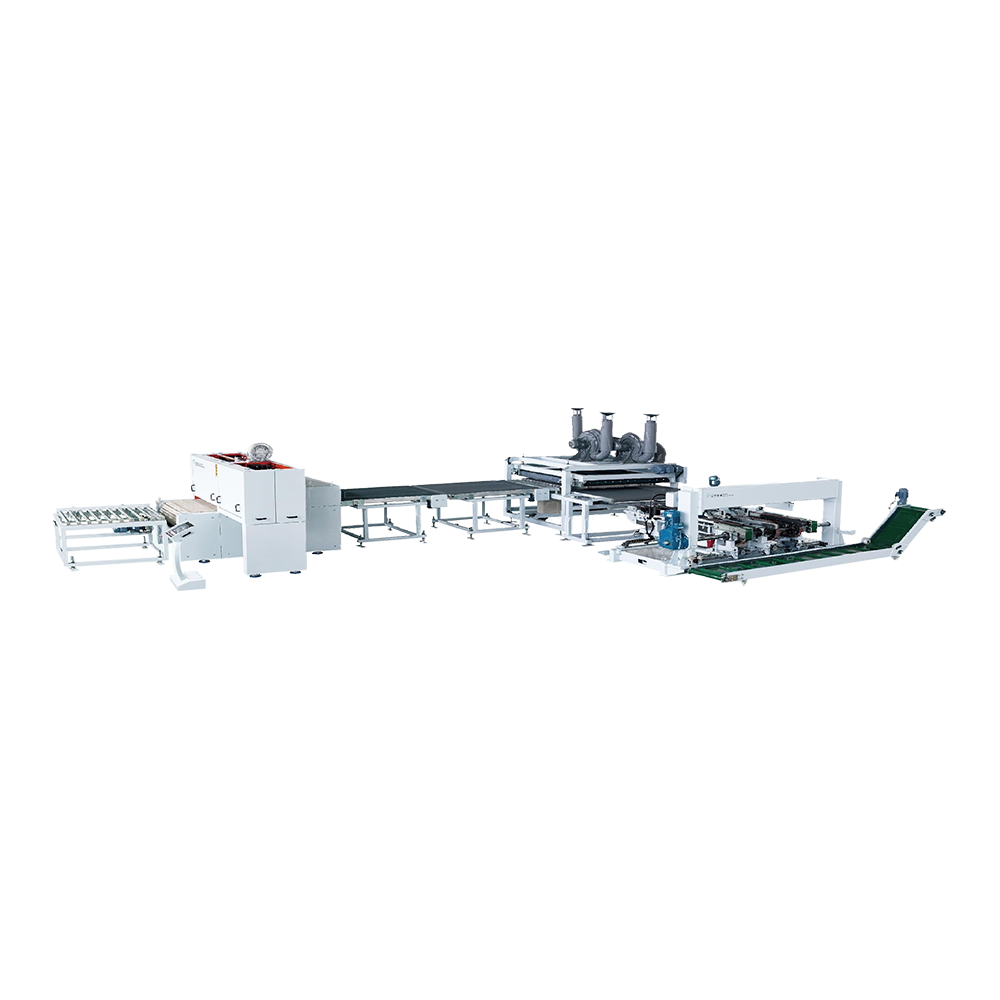
Deciding between a manual tool and a fully automated PVC cutting machine usually comes down to your production volume. Manual cutters are portable and require no power source, making them ideal for on-site repairs and quick fixes. On the other hand, automatic machines are designed for consistency. They remove the human error factor, ensuring that the 100th cut is exactly the same as the first. This is particularly important in manufacturing environments where tight tolerances are required.
| Feature | Manual Cutters | Automatic Machines |
| Portability | High | Low |
| Speed | Slow / Physical | Very High |
| Cost | Budget-friendly | Higher Investment |
| Accuracy | Dependent on User | Computer Controlled |
To keep your PVC cutting machine performing at its peak, regular maintenance is a necessity. Over time, plastic residue can build up on the blades or inside the mechanical tracks, causing the machine to strain. This buildup acts as an abrasive and can dull even the sharpest blades prematurely. You should develop a habit of wiping down the cutting surface after every shift and checking for any loose bolts or alignment issues that could lead to crooked cuts.
The blade is the heart of your PVC cutting machine. If you notice that the plastic is starting to "whiten" or stress at the cut site, it is a clear sign that the blade is dull. Replace blades as soon as performance dips to avoid putting unnecessary stress on the machine's motor. Using a specialized lubricant designed for plastic-cutting tools can also reduce friction and extend the life of your cutting edge.
For stationary PVC cutting machines, checking the squareness of the fence and blade is vital. Even a fraction of a degree of misalignment can result in gaps when trying to join pipes or assemble frames. Periodically use a machinist's square to verify that the blade is perfectly perpendicular to the base. This simple check can save you hours of rework and prevent wasted material.
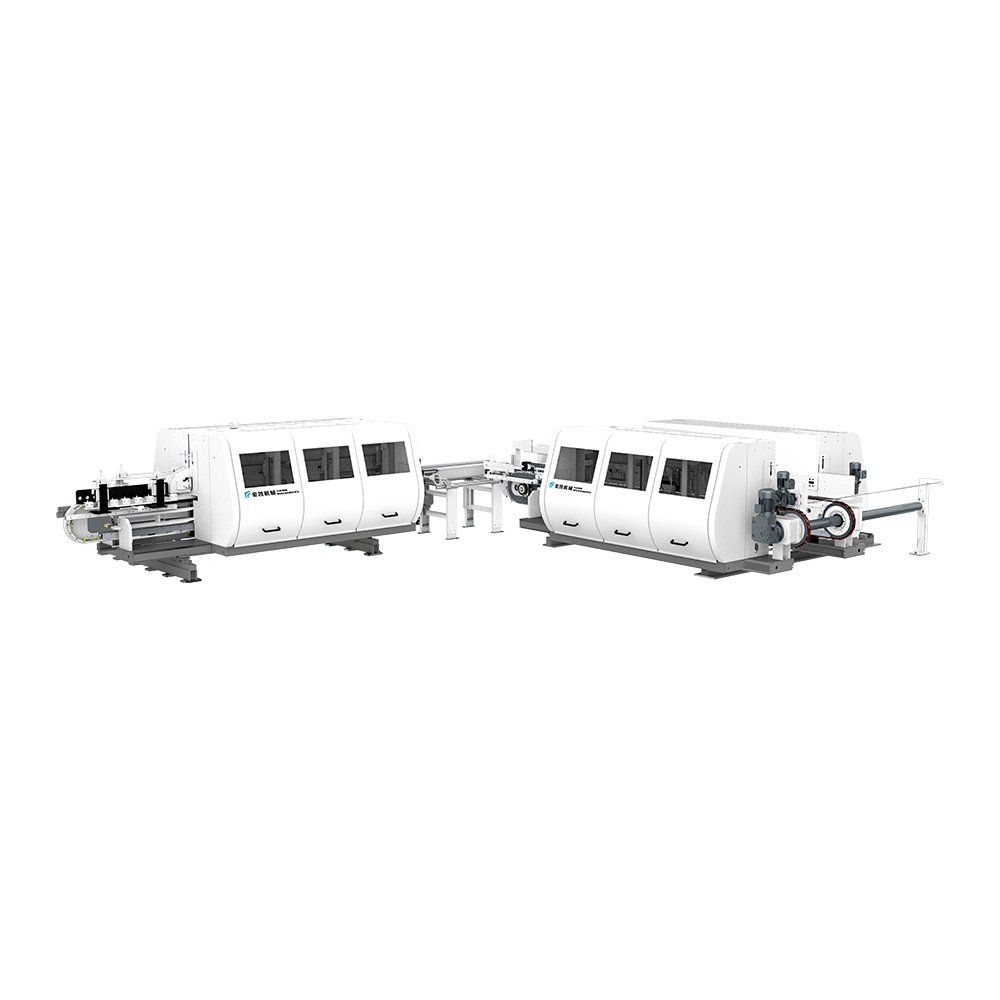
The product can slot the floor vertically and horizontally. The machine series c...
See Details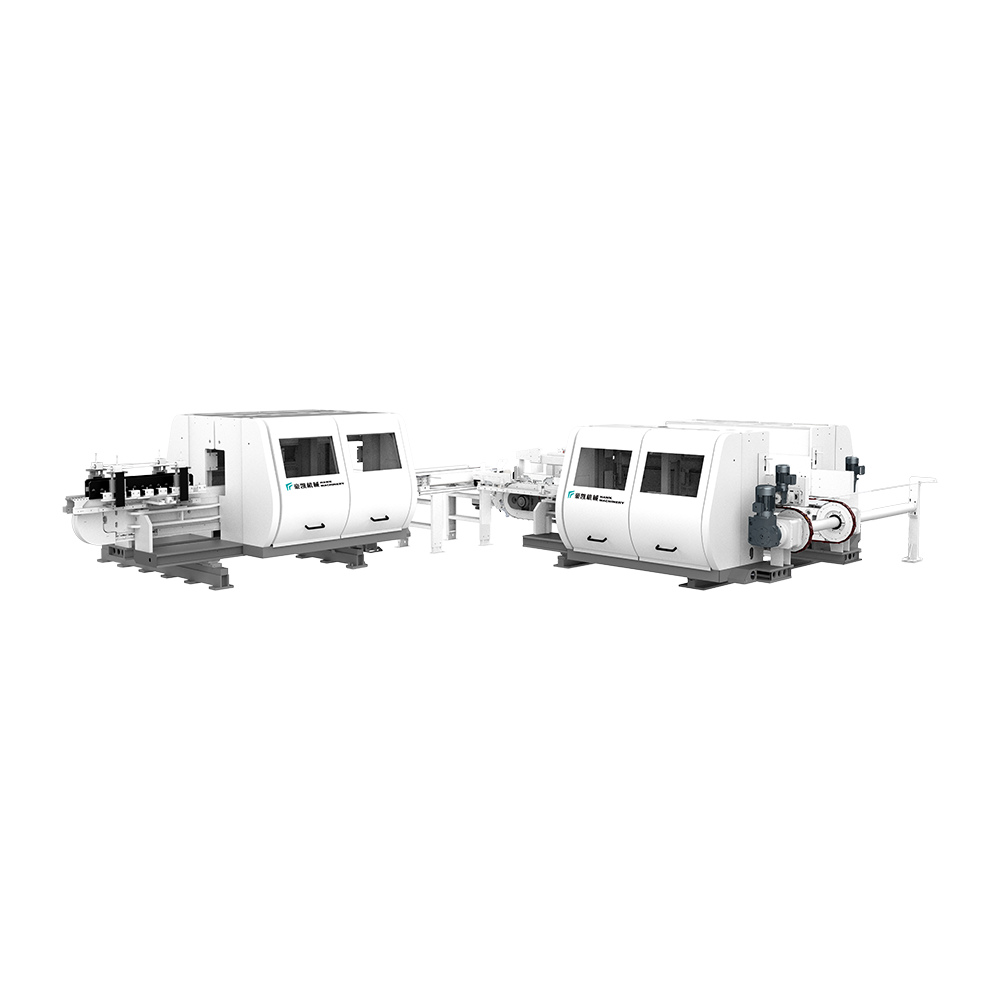
This equipment is suitable for trimming and chamfering LVT flooring. Equipped wi...
See Details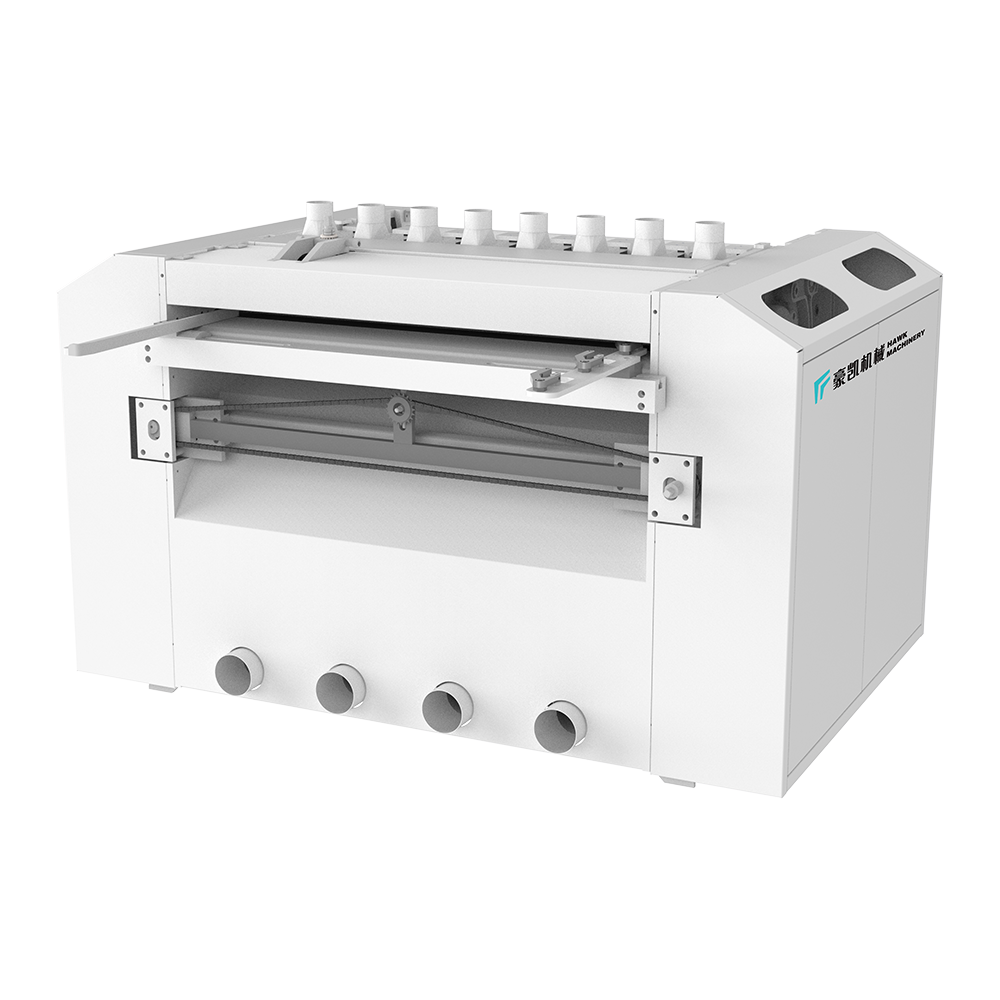
Different transmission sawing methods are suitable for different board processin...
See Details
The feed speed of this equipment can reach 40 meters per minute, the whole frame...
See Details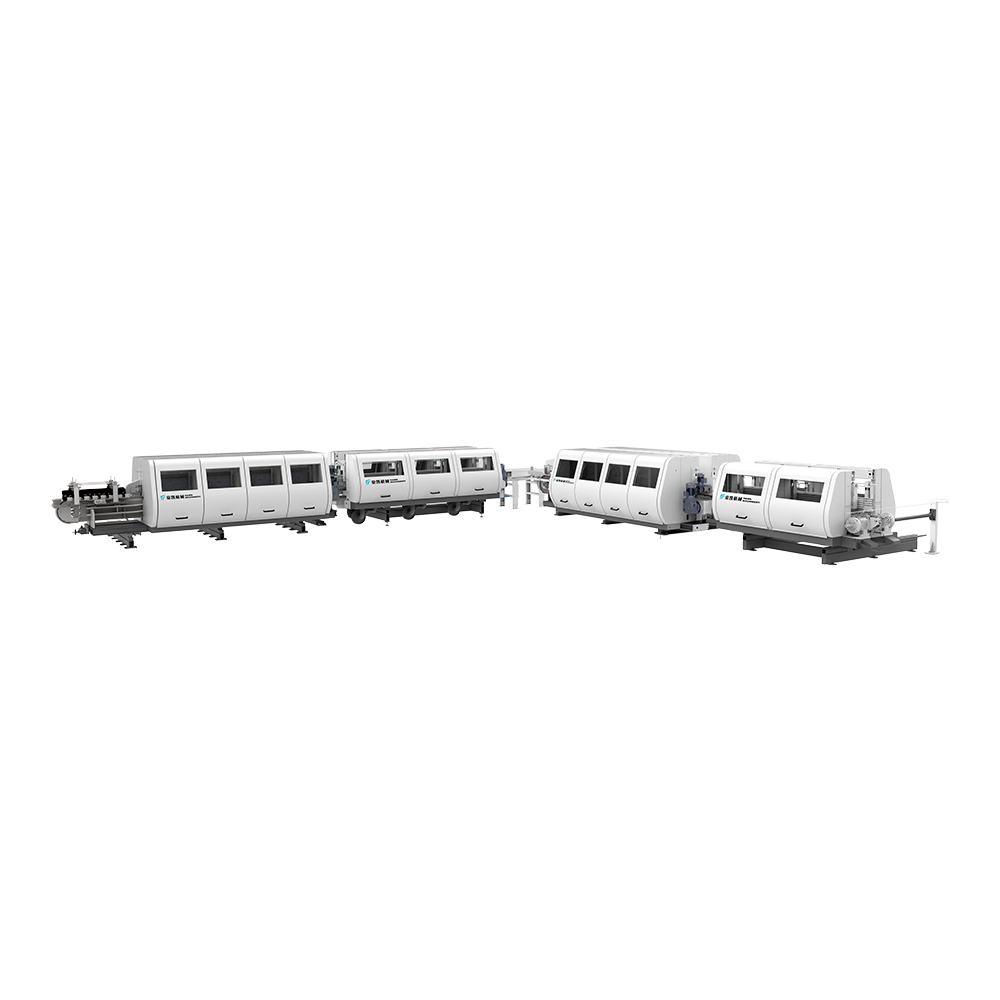
Suitable for edge coating of laminated, PVC, and WPC. Using water-based paint is...
See Details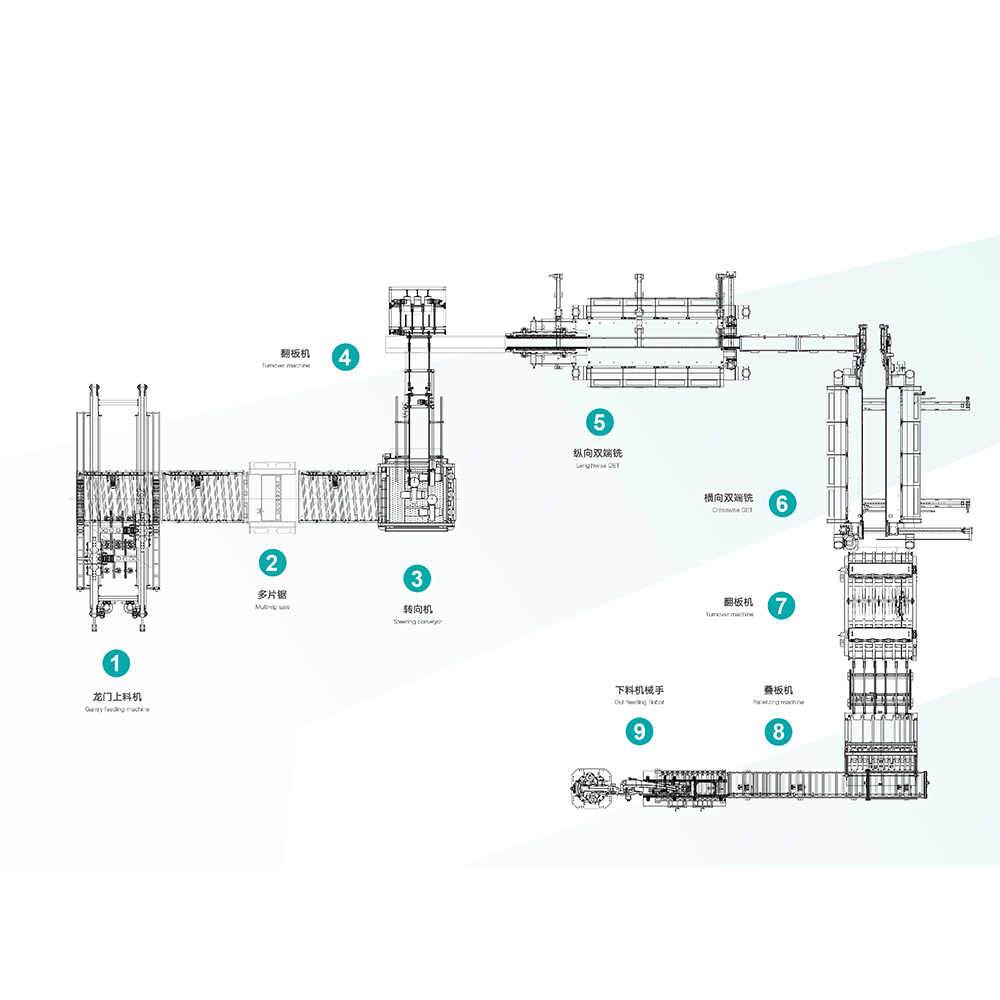
Hawk Machinery automatic feeding, cutting & slotting line, suitable for SPC,...
See Details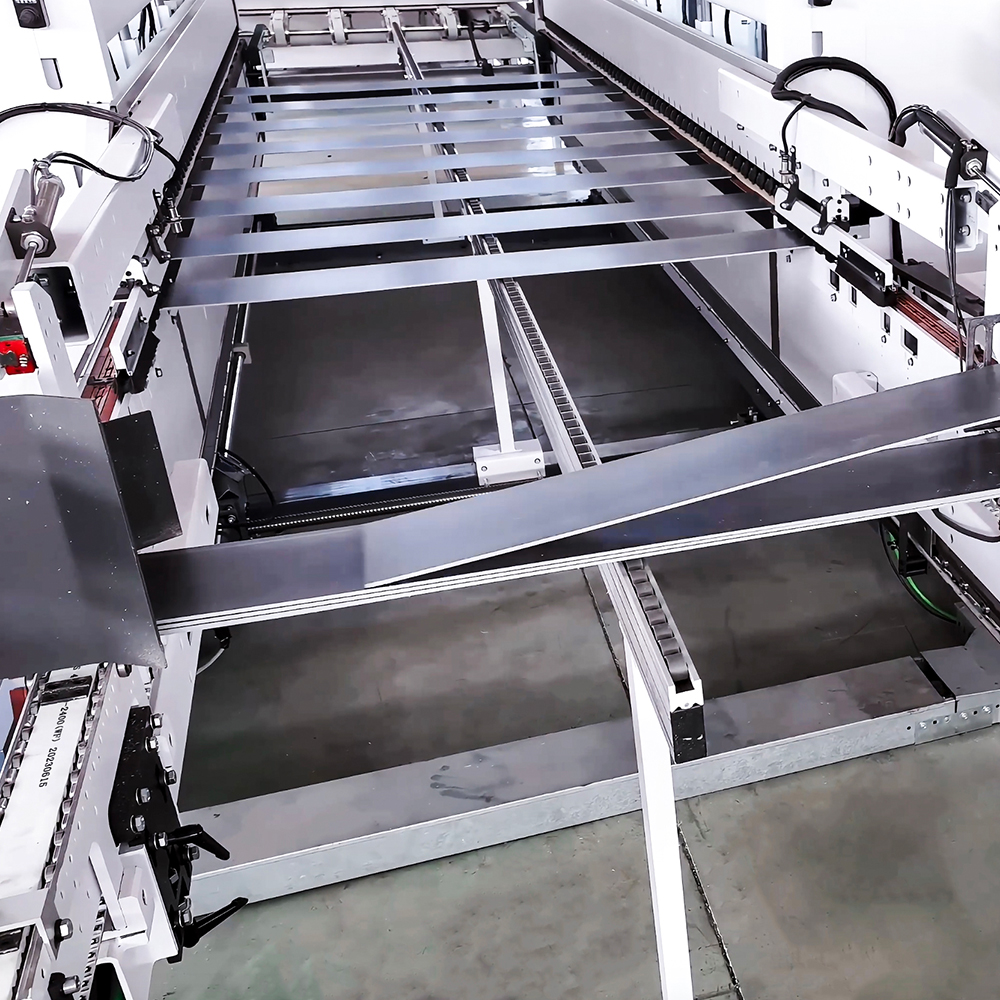
Integrated intelligent equipment integrates industrial intelligent Internet of g...
See Details
Contact info.
Boyi development area, changzhou city, jiangsu province, P. R. China
+86-0519-83319988
Don't hesitate to contact when you need us!
 Custom Floor Extrusion Machine Manufacturers