
 English
 русский
 Español

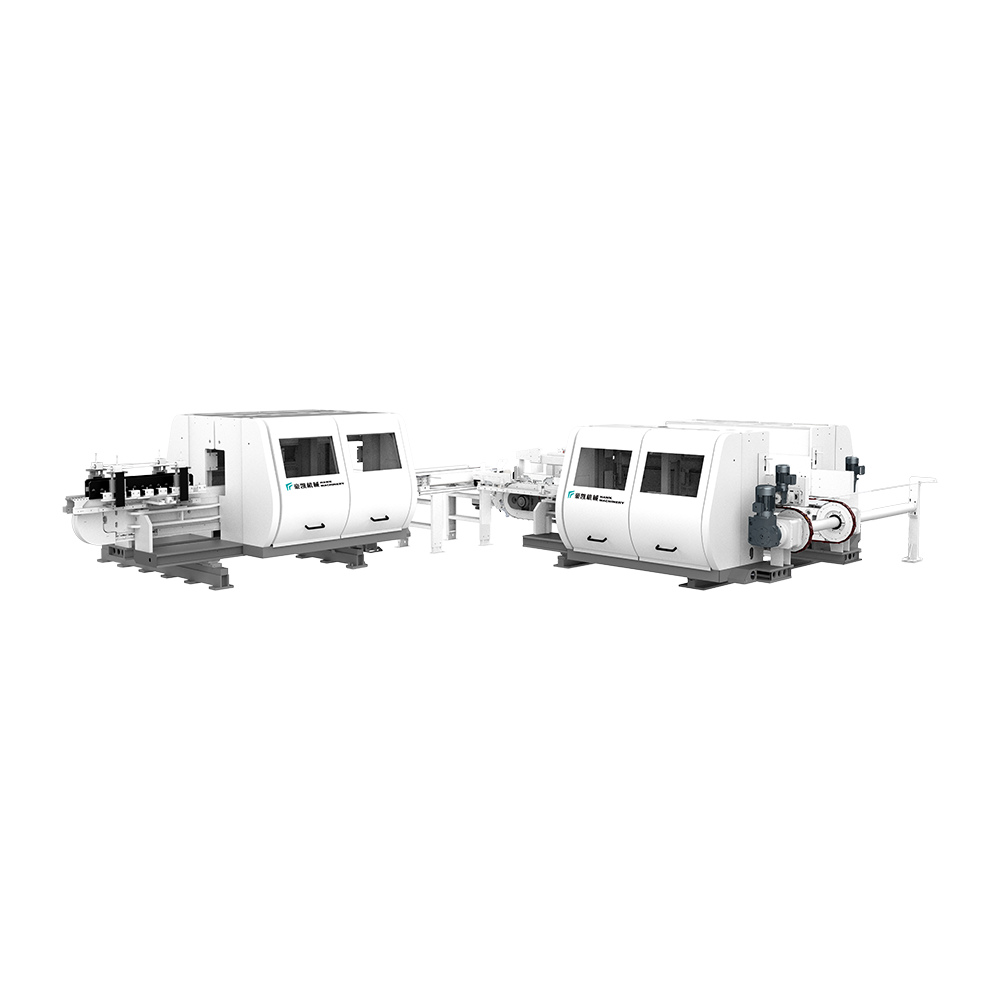
Floor slotting line (double end tenoner)
The product can slot the floor vertically and horizontally. The machine series c...
See DetailsContent
If you have ever tried to create a clean, consistent edge on concrete, steel decking, or industrial flooring using a handheld grinder, you know how frustrating uneven bevels can be. A dedicated floor beveling machine takes the guesswork out of edge prep by delivering precise angles, uniform depth, and smooth finishes that meet welding codes or safety standards. Whether you are chamfering expansion joints before sealing, preparing metal floor plates for weld penetration, or rounding sharp concrete edges to prevent trip hazards, the right concrete beveling equipment saves time, reduces rework, and gives your projects a polished, professional look that clients notice.
Sharp, square edges on concrete slabs or raised flooring systems create real safety risks, especially in high-traffic warehouses, parking garages, or public walkways. A floor chamfering machine lets you quickly create a 45-degree or rounded edge that reduces the chance of chipping, minimizes injury from falls, and helps sealants adhere better along joints. For facilities managers, adding this step during floor prep beveling tool use can lower liability claims and extend the life of floor coatings by preventing edge delamination.
When working with steel floor plates, grating, or structural decking, proper beveling is critical for strong, code-compliant welds. An industrial floor edge machine designed for metal can cut precise V-grooves or J-preps that ensure full penetration and reduce the need for excessive filler material. Using a welding prep beveler instead of freehand grinding also minimizes heat distortion and keeps adjacent surfaces undamaged, which is especially important on finished floors or sensitive equipment areas.
Not every beveling task requires the same tool. Choosing between a compact handheld unit and a walk-behind industrial model depends on your material type, project scale, and required precision. Use the comparison table below to match the machine style to your specific workflow and avoid overbuying or underpowering your equipment.
| Machine Type | Best For | Typical Bevel Range | Portability |
| Handheld Portable Beveler | Small repairs, tight spaces, metal edges | 15 to 45 degrees | High, under 15 lbs |
| Walk-Behind Floor Edge Machine | Large concrete slabs, warehouse floors | 30 to 60 degrees or radius | Moderate, requires cart or dolly |
| Stationary Bench Beveler | Precision metal fab shops, repeat cuts | 0 to 60 degrees with fine adjustment | Low, fixed installation |
| Attachment for Floor Grinder | Multi-use contractors, budget setups | Fixed 45 degrees typically | High if grinder is portable |
For spot repairs, edge touch-ups, or working around obstacles like pipes and columns, a lightweight portable floor beveler gives you maximum control without sacrificing power. Look for models with adjustable depth stops and ergonomic handles to reduce fatigue during extended use. These edge beveler for concrete tools often accept standard carbide or diamond blades, making them versatile for both metal decking and masonry surfaces on the same job site.
When preparing entire warehouse floors, parking structures, or precast concrete panels, a walk-behind industrial floor edge machine dramatically increases productivity. These units feature wide cutting heads, dust collection ports, and variable speed controls that let you maintain consistent bevel quality over long runs. Many models also include guide wheels or laser alignment aids to keep edges straight along expansion joints or control lines, reducing the need for manual marking and re-checking.
The blade or wheel you pair with your floor beveling machine has a bigger impact on finish quality and tool life than many operators realize. Matching the cutting media to your base material prevents premature wear, reduces heat buildup, and helps you achieve the exact angle required by your project specs. Always consult your machine's manual for maximum RPM ratings before selecting blades to avoid dangerous overspeed conditions.
For beveling steel plates, grating, or structural flooring, carbide-tipped cutters deliver clean edges with minimal burring. These inserts handle the hardness of most construction-grade metals and can be rotated or replaced individually when one edge dulls, extending overall tool life. When using a metal floor beveling tool with carbide blades, maintain a steady feed rate to avoid chattering marks, and use a light cutting fluid on thicker sections to reduce heat and prevent blade glazing.
Concrete beveling equipment works best with segmented or turbo-rim diamond wheels designed for hard aggregates. Choose a bond hardness that matches your concrete strength: softer bonds for hard, dense concrete and harder bonds for softer, sandy mixes to ensure the diamonds expose at the right rate. For dust control and operator comfort, pair your diamond wheel with a shroud and vacuum attachment rated for silica containment, especially when working indoors or in occupied buildings.
Getting a professional-looking bevel starts long before you power on the machine. Proper layout, depth calibration, and technique prevent common issues like uneven edges, gouging, or blade chatter. Follow this practical workflow to set up your floor prep beveling tool for success on any material type.
Use a chalk line or laser level to mark the exact edge line you want to bevel, then set your machine's depth stop to remove only the material needed for your target angle. Test the setting on a scrap piece or inconspicuous area first to verify the bevel width and smoothness. For concrete, start with a shallow pass and make multiple light cuts rather than trying to remove all material in one aggressive pass, which can overload the blade and create uneven results.
Let the cutting tool do the work; forcing the floor beveling machine faster than it can cut leads to rough edges, excessive heat, and premature blade wear. Maintain a steady walking pace for walk-behind units or a smooth, controlled motion for handheld tools, and listen to the motor sound as your guide; a consistent hum means optimal load, while a straining pitch signals you should slow down. On metal surfaces, watch for spark pattern consistency as an indicator of proper feed rate and blade engagement.
A well-maintained floor beveling machine delivers reliable performance year after year, while neglected equipment leads to costly downtime and inconsistent results. Build these simple care habits into your post-job routine to protect your investment and keep every bevel looking sharp.
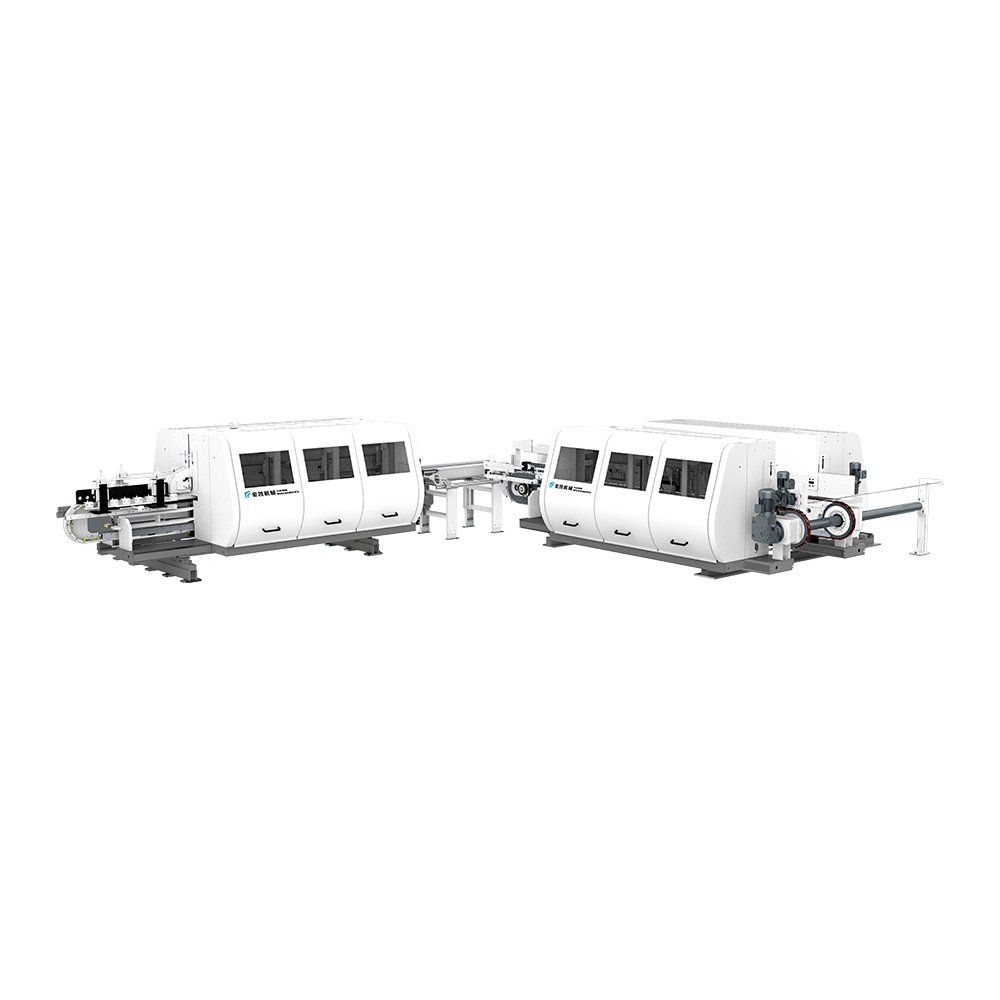
The product can slot the floor vertically and horizontally. The machine series c...
See Details
This equipment is suitable for trimming and chamfering LVT flooring. Equipped wi...
See Details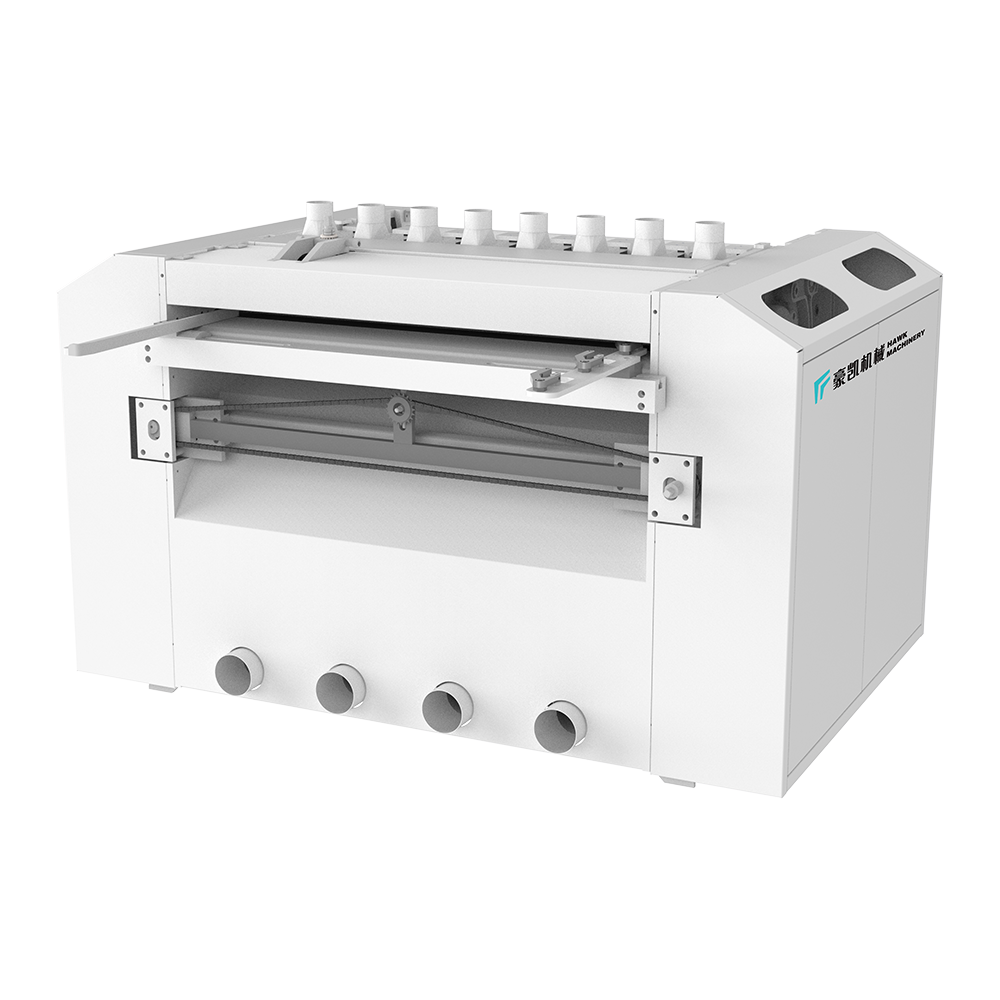
Different transmission sawing methods are suitable for different board processin...
See Details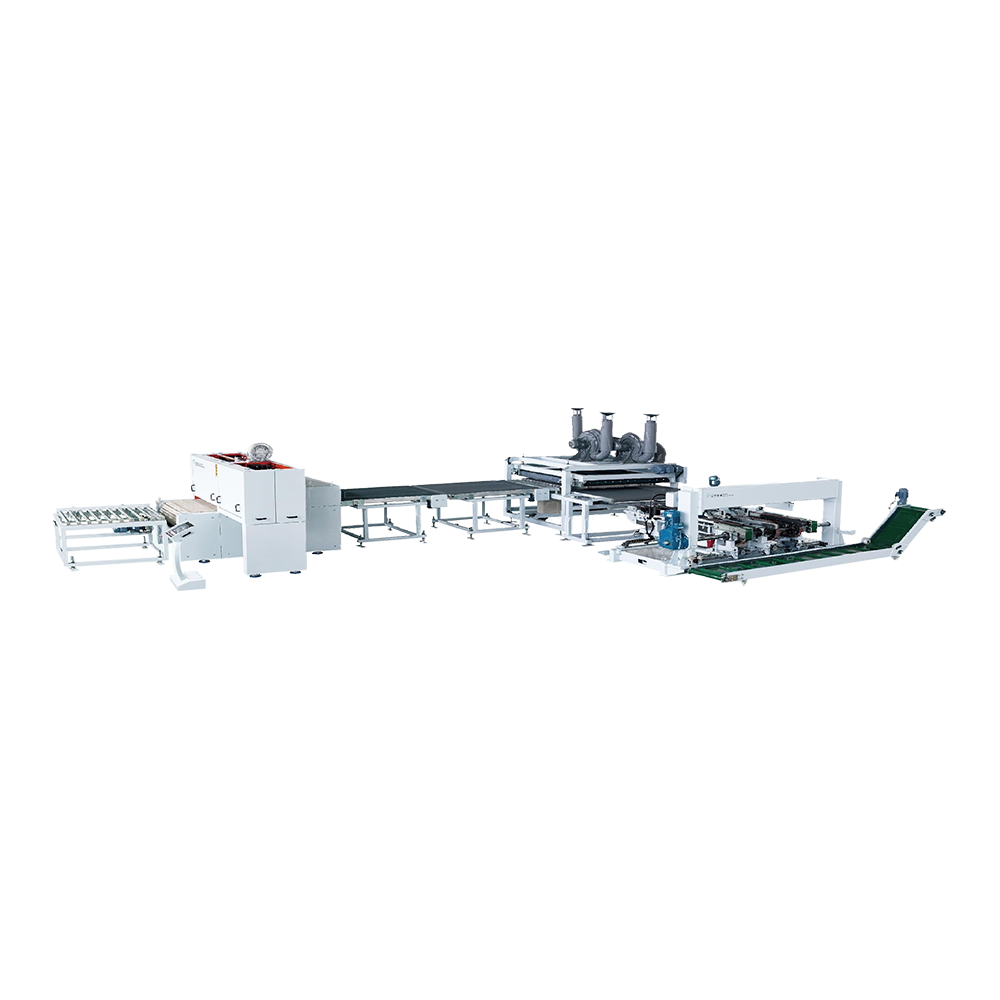
The feed speed of this equipment can reach 40 meters per minute, the whole frame...
See Details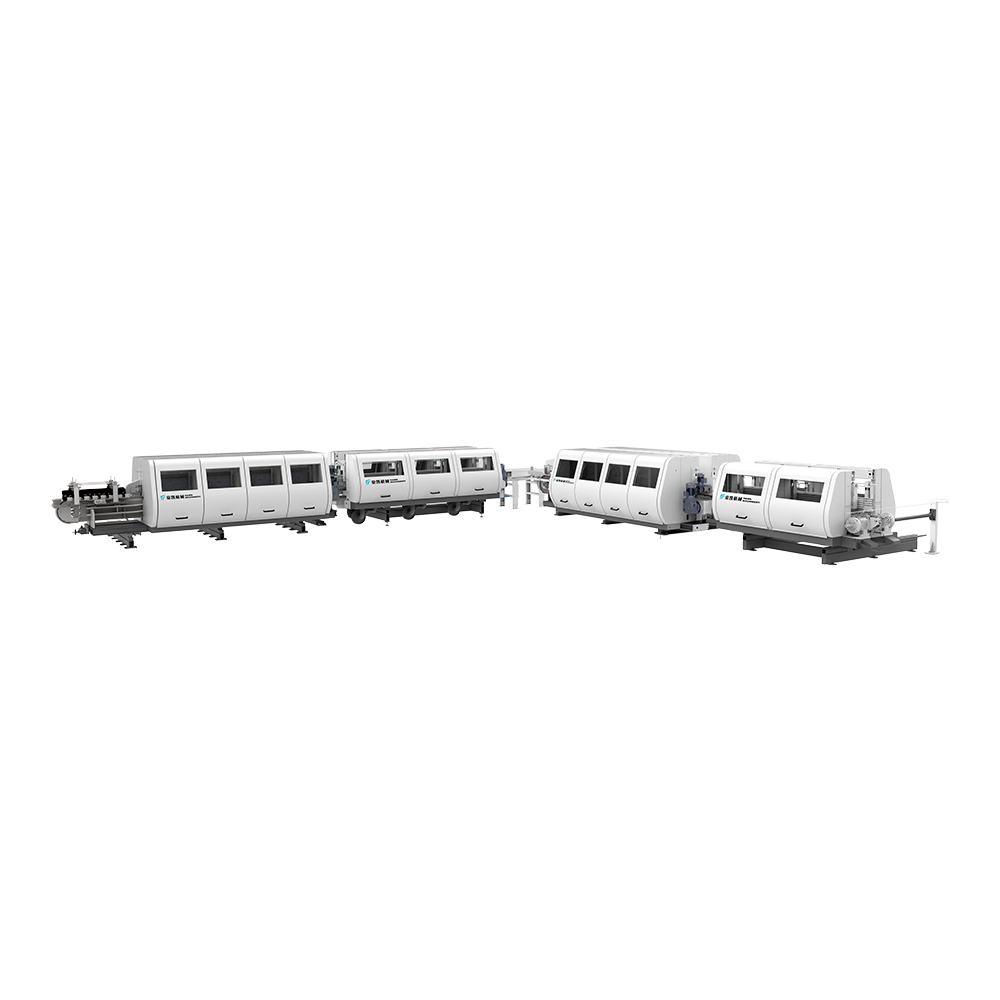
Suitable for edge coating of laminated, PVC, and WPC. Using water-based paint is...
See Details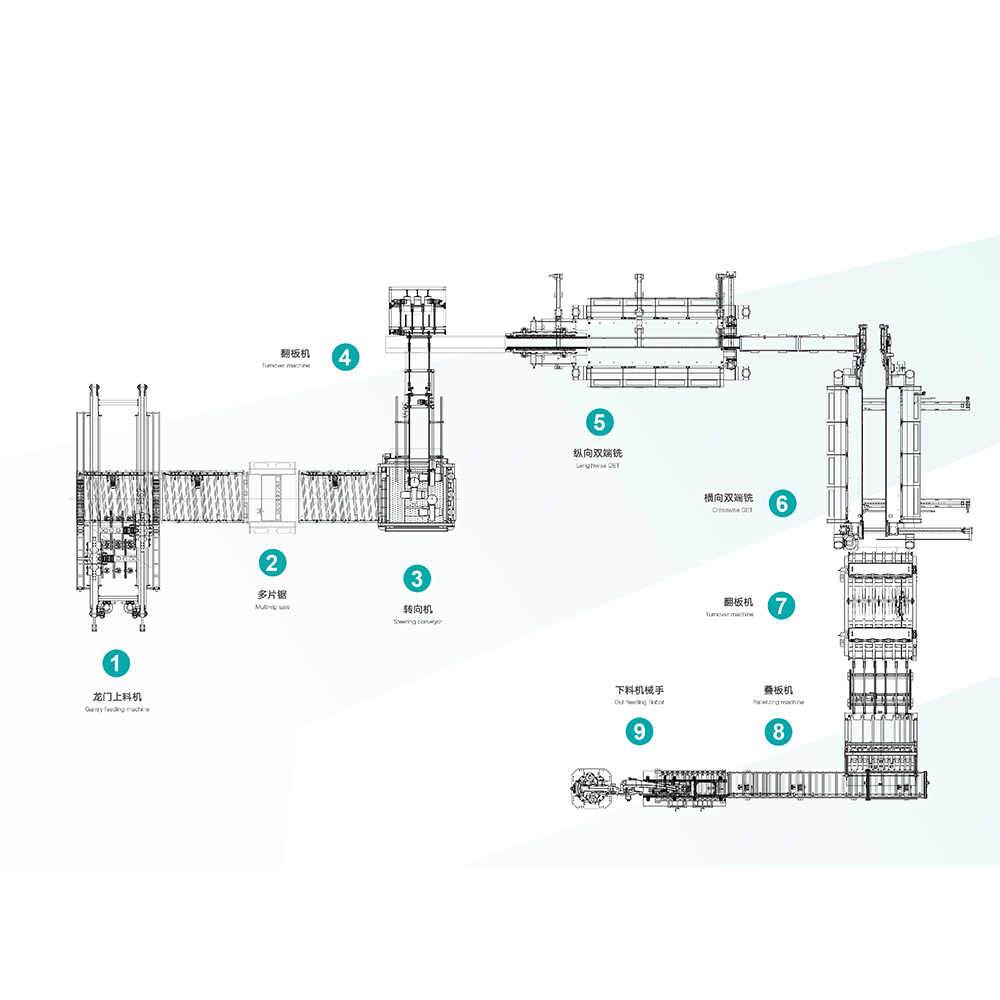
Hawk Machinery automatic feeding, cutting & slotting line, suitable for SPC,...
See Details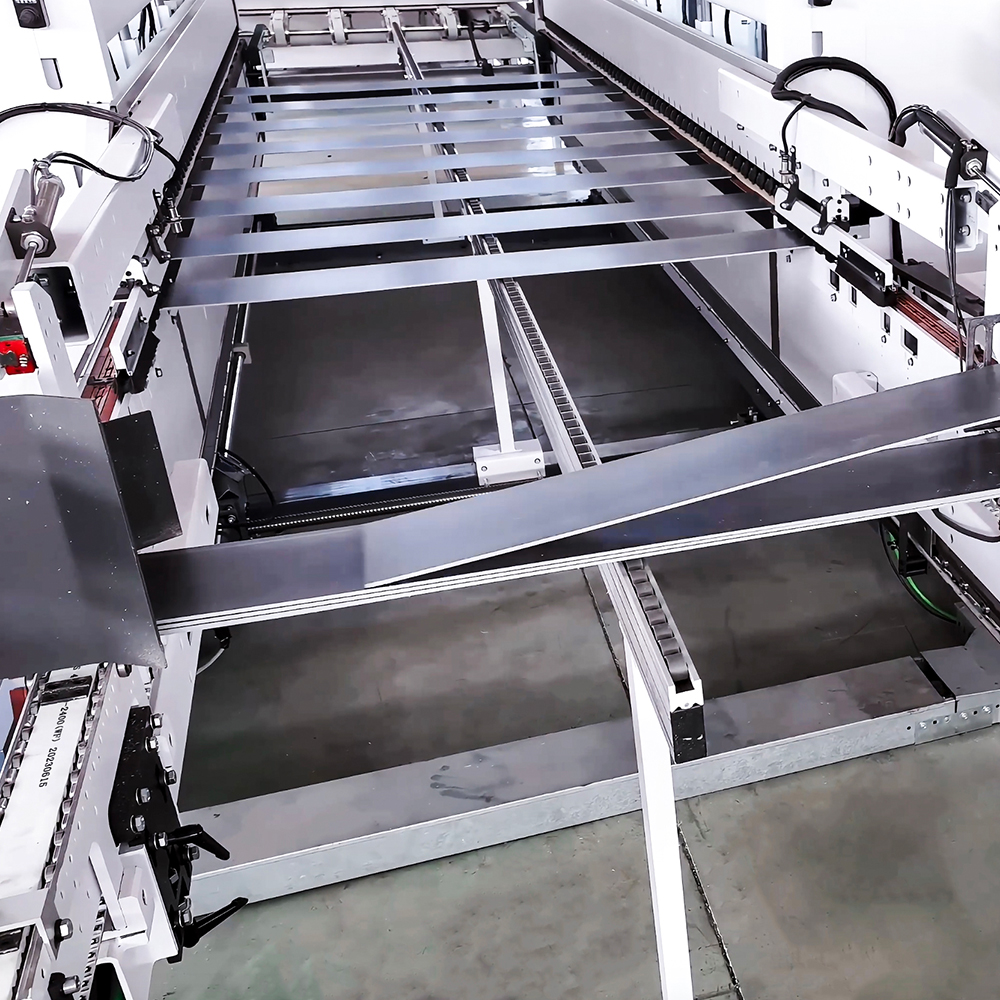
Integrated intelligent equipment integrates industrial intelligent Internet of g...
See Details
Contact info.
Boyi development area, changzhou city, jiangsu province, P. R. China
+86-0519-83319988
Don't hesitate to contact when you need us!
 Custom Floor Extrusion Machine Manufacturers