
 English
 русский
 Español

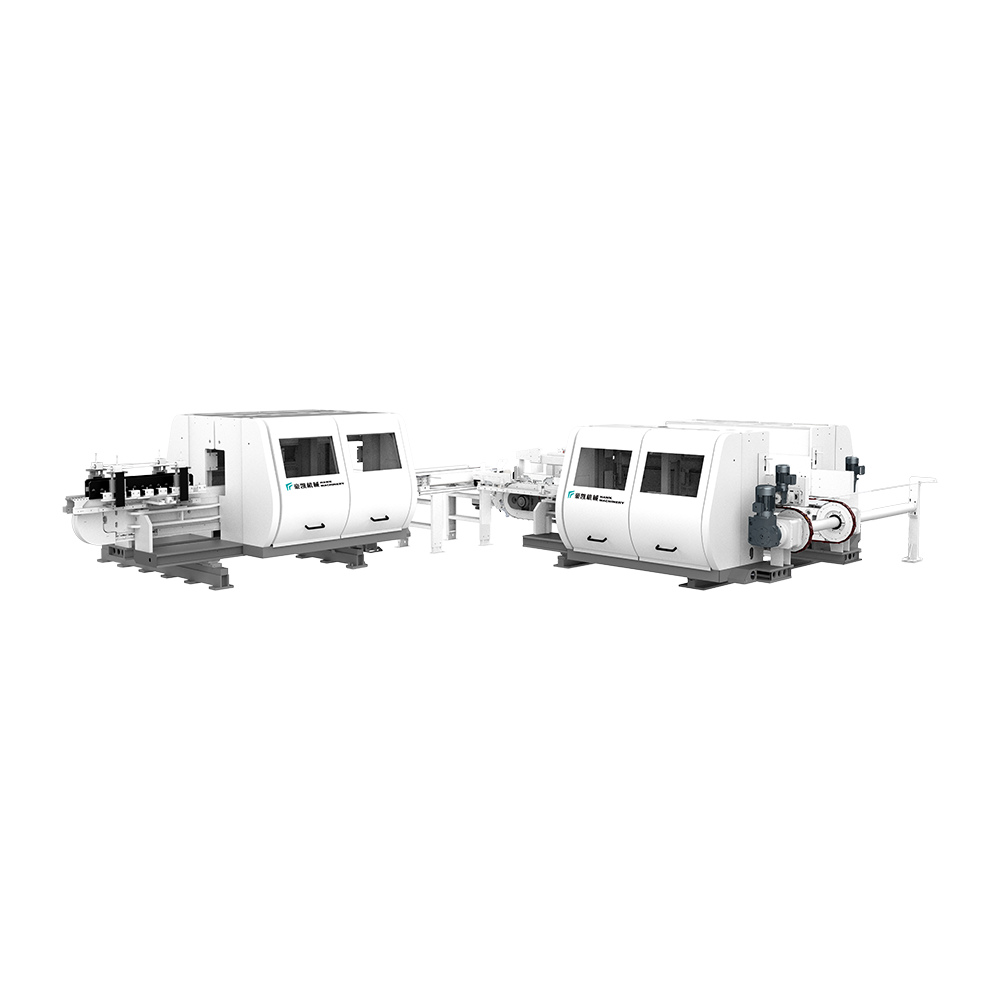
Floor slotting line (double end tenoner)
The product can slot the floor vertically and horizontally. The machine series c...
See DetailsContent
An LVT flooring chamfering machine is a specialized piece of manufacturing equipment designed to cut precise angled bevels — called chamfers — along the edges of Luxury Vinyl Tile (LVT) and Luxury Vinyl Plank (LVP) flooring panels. The chamfer is the small angled or beveled groove that runs along one or more edges of a flooring plank or tile, creating the realistic shadow line that mimics the look of real hardwood or stone flooring when individual pieces are installed side by side. Without this edge detail, LVT flooring would appear flat and plastic-like, lacking the depth and dimension that makes premium vinyl flooring visually convincing and commercially desirable.
Also referred to as an LVT edge beveling machine, vinyl plank chamfering machine, or LVT V-groove cutting machine depending on the specific profile being produced, this equipment is a critical station on any LVT or SPC (Stone Plastic Composite) flooring production line. The chamfering process happens after the base panel has been formed, the decorative film laminated, and the wear layer applied — the chamfering machine is typically one of the final processing steps before the locking profile is milled and the panels are packaged for shipment.
The chamfer edge is not merely a decorative detail — it serves multiple functional and commercial purposes that directly affect the marketability and performance of the finished flooring product. Understanding why chamfering matters helps production managers appreciate the precision requirements placed on chamfering equipment and why investment in quality LVT chamfering machines pays dividends in product quality and customer satisfaction.
Visually, the chamfered edge creates a defined joint line between adjacent planks after installation, giving the floor a structured, realistic appearance that closely resembles genuine hardwood flooring with its natural edge variation. Without a chamfer, planks butt against each other with a completely flush joint that looks artificial and exposes any minor dimensional variation between panels as unsightly ridges or gaps. The chamfer effectively masks these minor dimensional tolerances and creates a consistently attractive appearance regardless of minor variations in panel thickness across a production batch.
Functionally, the chamfer reduces the risk of edge chipping and peeling at the joint line during installation and in service. The angled edge is inherently more robust than a sharp 90-degree corner, which is the weakest point on any laminated panel and the first place where delamination initiates when the panel is subjected to mechanical stress. A well-formed chamfer distributes edge stress more effectively and provides a more forgiving profile for foot traffic at the joint line.
LVT flooring chamfering machines are capable of producing several different edge profiles, each with a distinct visual appearance and technical specification. The profile selected depends on the product positioning — entry-level, mid-market, or premium — and the specific aesthetic the flooring manufacturer wants to achieve.
| Chamfer Profile | Description | Visual Effect | Typical Application |
| V-Groove Chamfer | Symmetrical V-shaped cut along both long edges | Deep, defined joint line with strong shadow | Standard LVT/LVP, wide plank styles |
| U-Groove Chamfer | Rounded bottom groove along panel edges | Softer joint line, subtle shadow effect | Premium LVT, stone-look tiles |
| Micro-Bevel | Very shallow, narrow angled bevel at panel edge | Subtle definition, near-flush appearance | Contemporary styles, minimalist design |
| Painted Bevel (PaintBevel) | Chamfer with a dark or contrasting paint applied in-line | High-contrast joint line, premium wood look | High-end LVP, rustic wood aesthetics |
| 4-Sided Bevel | Chamfer applied to all four edges of the panel | Individual tile/plank definition on all sides | Square tiles, herringbone patterns |
The operating principle of a vinyl plank chamfering machine centers on a precisely controlled cutting process in which rotating milling cutters or profiled grinding wheels remove material from the edge of the LVT panel to create the specified chamfer geometry. The process requires both high precision and high throughput — modern production lines process panels at speeds of 15–40 meters per minute, meaning the chamfering machine must execute a consistent, accurate cut on thousands of panels per shift without drift or quality degradation.
Panels enter the chamfering machine on a powered conveyor feed system that grips the panel firmly between upper and lower feed rollers. Precise panel registration — the alignment of the panel edge relative to the cutting tools — is critical for chamfer depth and angle consistency. Any lateral movement of the panel during cutting produces a chamfer that varies in depth along the panel length, creating a visible defect in the installed floor. High-quality LVT chamfering machines use spring-loaded or pneumatically adjustable side guides and hold-down rollers to maintain panel position within ±0.1mm tolerance throughout the cutting process.
The chamfer cutting heads are the heart of the machine. Depending on the manufacturer and machine design, cutting is performed by high-speed rotating carbide-tipped milling cutters, diamond-coated grinding wheels, or profiled router bits. Carbide milling cutters are the most common choice for LVT chamfering due to the abrasive nature of the wear layer materials — particularly aluminum oxide or ceramic-filled wear layers found in premium SPC flooring — that would rapidly dull conventional steel tooling. The cutting heads are mounted on precision spindles with variable speed drives that allow the cutting speed to be optimized for different panel constructions and chamfer profiles. Most LVT chamfering machines process both long edges of the panel simultaneously using a pair of cutting heads, one on each side of the conveyor, doubling throughput compared to single-edge processing.
Chamfering LVT and SPC flooring generates significant quantities of fine PVC and filler dust, along with larger chips from the core material. This dust is abrasive, potentially hazardous if inhaled, and can contaminate the panel surface if not effectively captured. Professional LVT chamfering machines incorporate integrated dust extraction ports at each cutting head, connected to a central dust collection system or industrial cyclone separator. Effective dust extraction is essential not only for operator health and safety compliance but also for maintaining cut quality — dust accumulation at the cutting zone causes recutting of already-machined surfaces, producing rough chamfer edges and accelerated tool wear.
When evaluating LVT flooring chamfering machines for a production line, the following technical specifications directly determine whether a machine can meet your production volume, panel range, and quality requirements. These parameters should be carefully matched to your specific production requirements before purchase.
LVT flooring chamfering machines can be integrated into the production line in two fundamentally different configurations, each with distinct operational advantages and limitations. Choosing the right integration approach depends on production volume, product mix, factory layout, and the relative priority of throughput versus flexibility.
In an inline configuration, the chamfering machine is integrated directly into the continuous production line, positioned between the surface finishing station and the locking profile milling machine. Panels pass through the chamfering station as part of the continuous production flow without stopping or being manually transferred between operations. Inline chamfering maximizes throughput by eliminating the handling steps required in offline configurations, and it ensures that every panel is chamfered immediately after surface finishing while the panel dimensions are at their most stable. The primary limitation of inline chamfering is reduced flexibility — a changeover of the chamfer profile requires stopping the entire production line, making frequent profile changes costly in lost production time.
In an offline configuration, the chamfering machine operates as a standalone unit, processing panels that have been staged from the main production line. Panels are fed into the chamfering machine in batches, allowing different products and profiles to be run on the chamfering machine independently of the main production line schedule. Offline chamfering provides maximum flexibility for manufacturing operations with a wide product range and frequent changeovers, and it allows the chamfering machine to be upgraded or serviced without stopping the main line. The trade-off is additional material handling, the need for inter-operation storage space, and the possibility of panel damage or contamination during staging and transport between operations.
The cutting tools used in an LVT chamfering machine are consumable items that wear progressively during operation and must be replaced before their condition affects chamfer quality. Tooling selection and tool life management are critical factors in controlling the per-unit production cost of chamfered LVT flooring, and they represent a significant ongoing operational expense that must be factored into the total cost of ownership of chamfering equipment.
Tungsten carbide-tipped milling cutters are the standard tooling choice for LVT chamfering on lines processing standard vinyl-based LVT with standard aluminum oxide wear layers. Carbide tooling offers a good balance of cutting performance, edge life, and cost. Typical carbide tool life on standard LVT is 50,000–150,000 linear meters of chamfer cut before resharpening or replacement is required. For high-performance SPC flooring with ceramic-bead wear layers, ultra-hard mineral fillers in the core, or particularly abrasive surface treatments, polycrystalline diamond (PCD) tooling delivers significantly longer tool life — often 5–10 times longer than carbide — at a higher upfront tool cost. The breakeven calculation between carbide and PCD tooling depends on production volume, downtime cost for tool changes, and the specific abrasiveness of the panel construction.
Progressive tool wear in a chamfering machine manifests as increasing surface roughness on the chamfer face, changes in chamfer depth as the cutting edge geometry changes, increased cutting forces leading to panel vibration and chatter marks, and elevated noise levels from the cutting heads. Establish a proactive tool change schedule based on measured meters of production rather than waiting for visible quality degradation — chamfer quality typically deteriorates gradually, and defective panels may reach packaging before the problem is identified if tool changes are reactive. Track tool life data systematically for each tool type and panel construction to build an accurate predictive change schedule that minimizes both tooling cost and quality escapes.
Maintaining consistent chamfer quality across a production run requires systematic quality control checks at defined intervals. The following measurements and inspections form the core of an effective chamfer quality program on an LVT production line:
Reliable operation of an LVT flooring chamfering machine depends on consistent preventive maintenance and prompt response to emerging mechanical issues. The following maintenance practices and troubleshooting approaches are the most critical for sustaining production quality and equipment longevity.
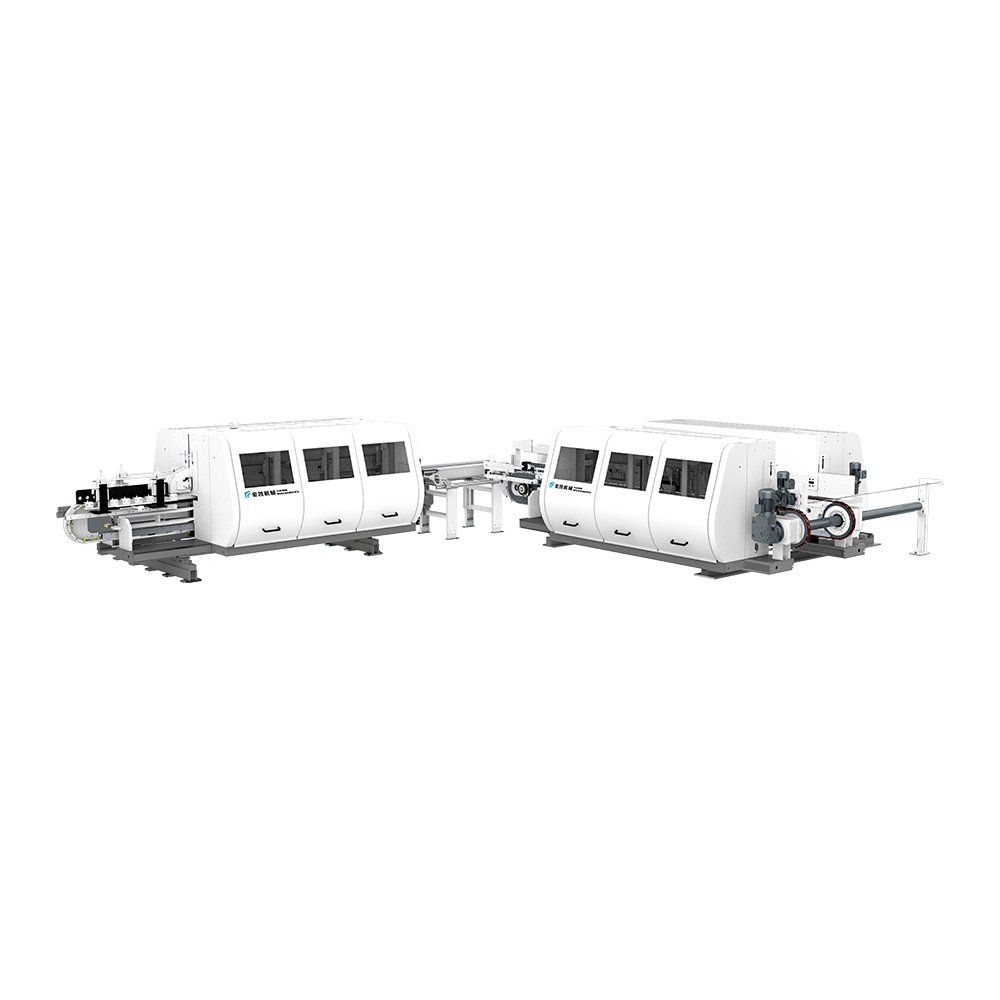
The product can slot the floor vertically and horizontally. The machine series c...
See Details
This equipment is suitable for trimming and chamfering LVT flooring. Equipped wi...
See Details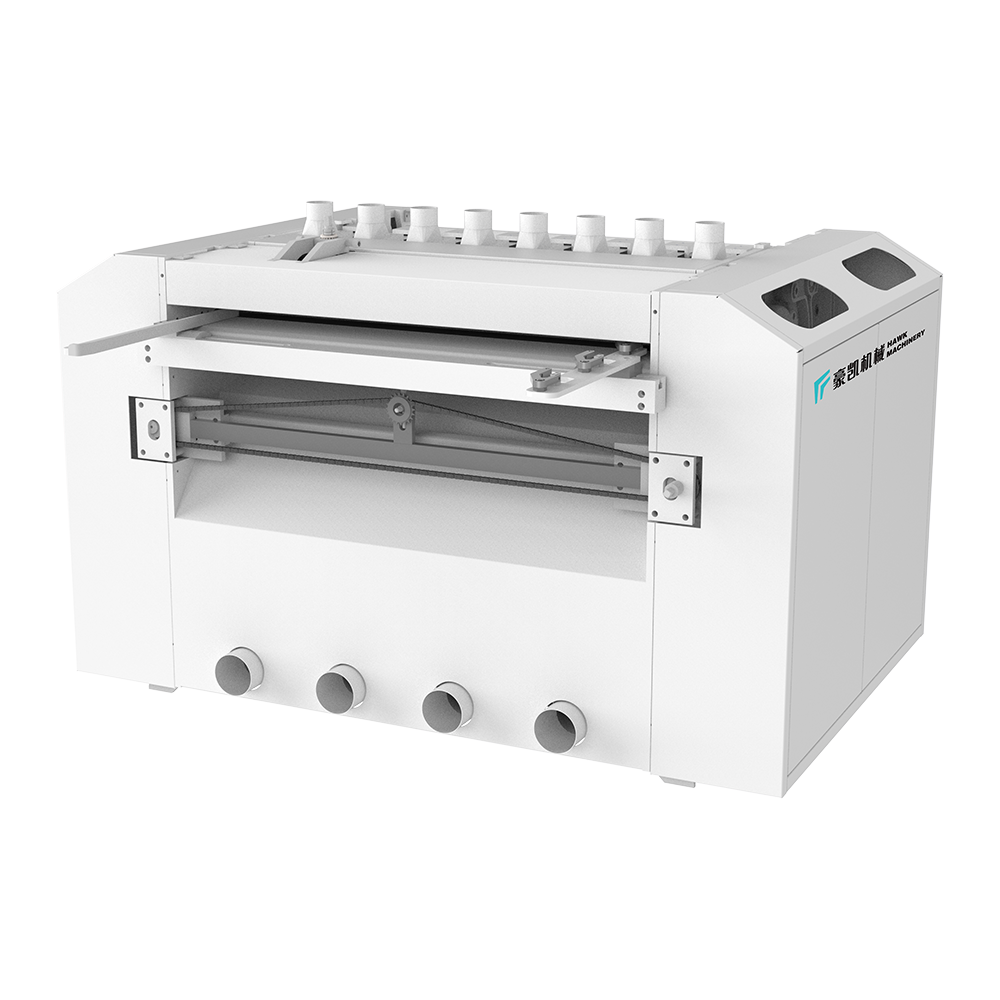
Different transmission sawing methods are suitable for different board processin...
See Details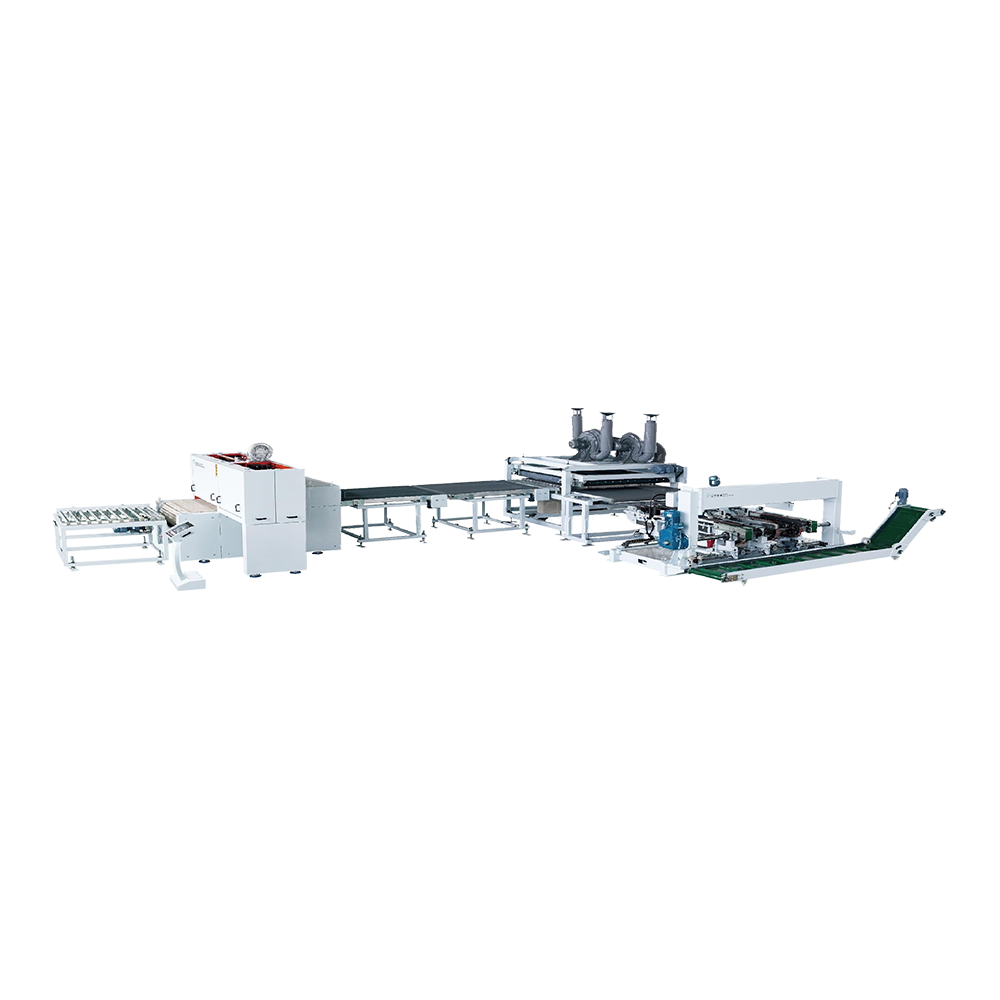
The feed speed of this equipment can reach 40 meters per minute, the whole frame...
See Details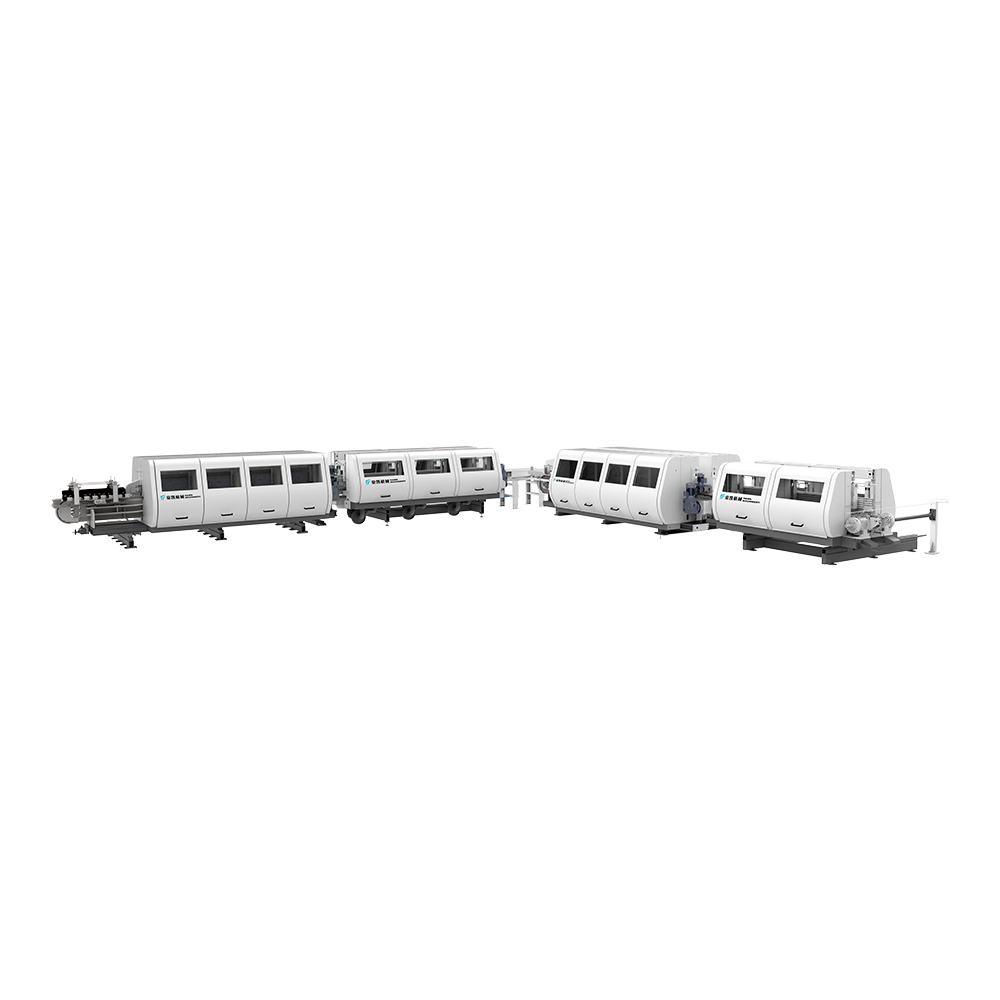
Suitable for edge coating of laminated, PVC, and WPC. Using water-based paint is...
See Details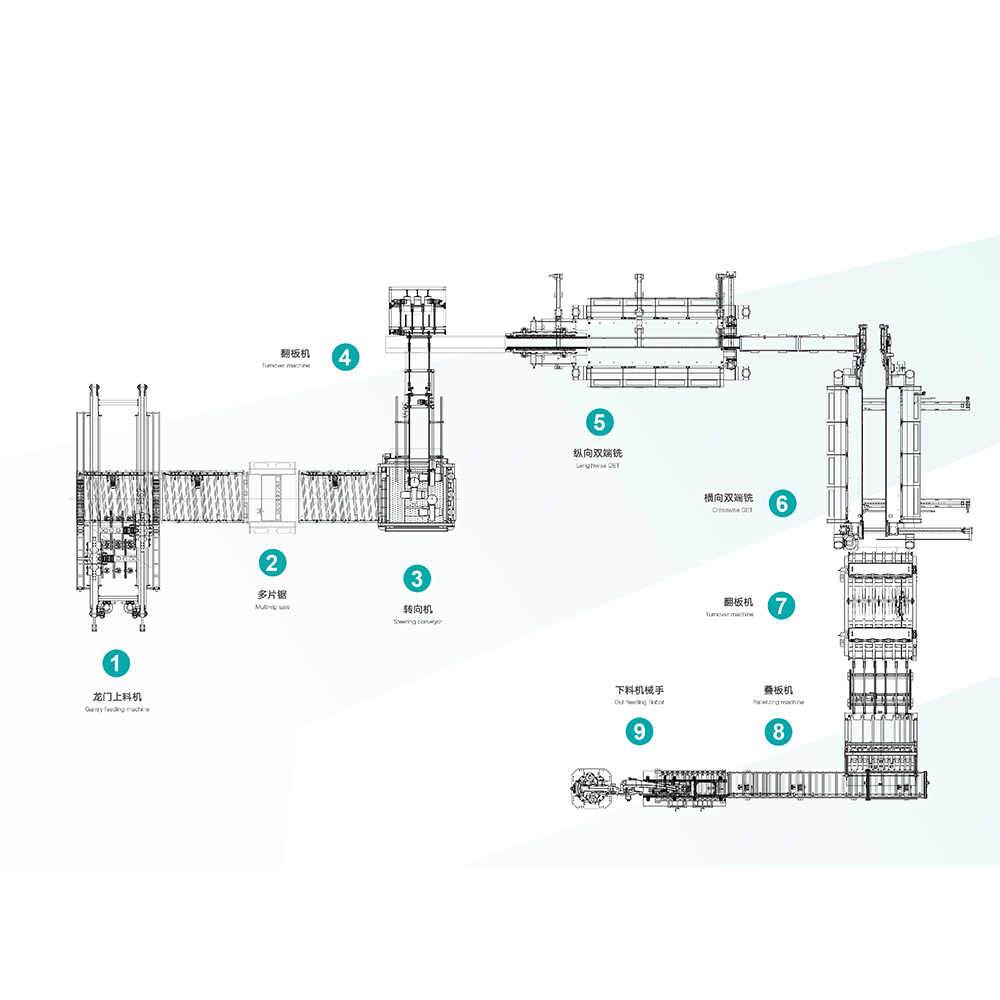
Hawk Machinery automatic feeding, cutting & slotting line, suitable for SPC,...
See Details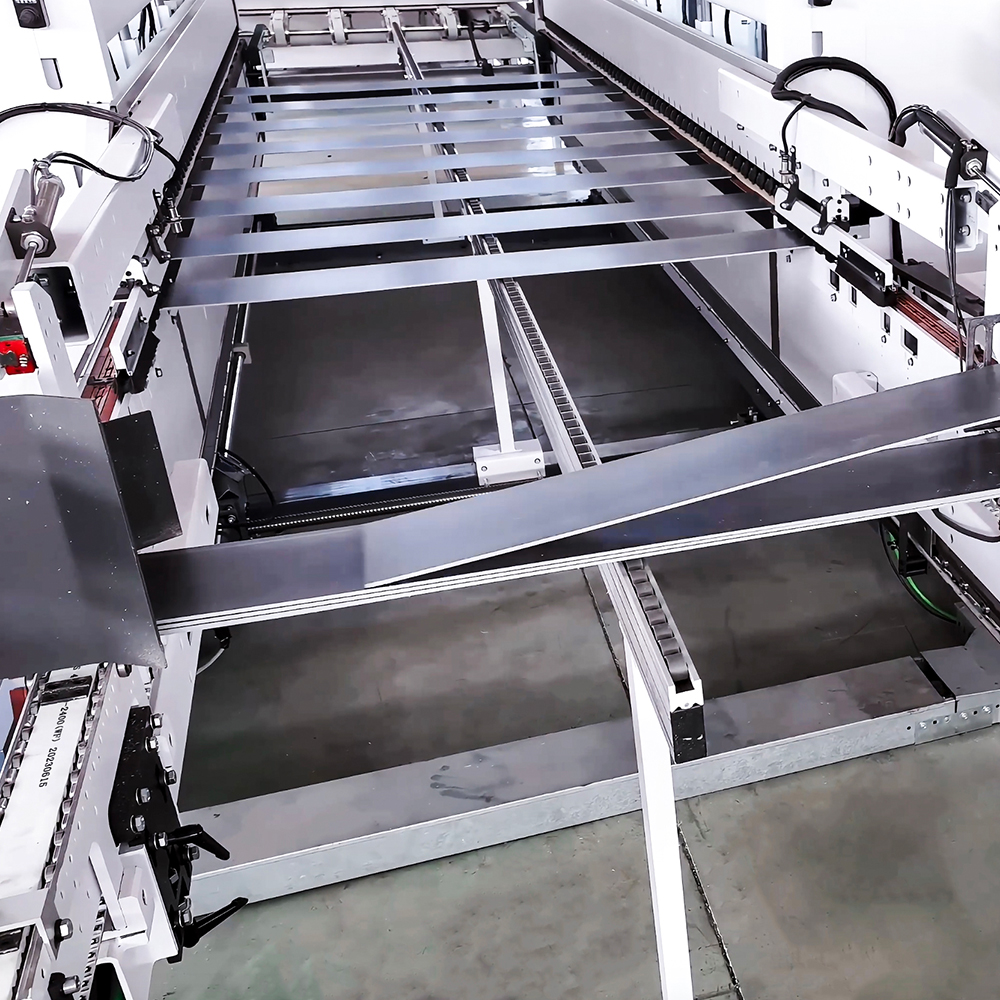
Integrated intelligent equipment integrates industrial intelligent Internet of g...
See Details
Contact info.
Boyi development area, changzhou city, jiangsu province, P. R. China
+86-0519-83319988
Don't hesitate to contact when you need us!
 Custom Floor Extrusion Machine Manufacturers