
 English
 русский
 Español

Floor slotting line (double end tenoner)
The product can slot the floor vertically and horizontally. The machine series c...
See DetailsLVT flooring has changed the way many factories think about edge finishing. The planks are flexible, printed, and often backed with a rigid core, so a clean trim is not just about appearance. It affects how the floor locks together, how it wears, and how quickly your team can move from one order to the next. At HAWK Machinery China, we have spent years working alongside flooring producers, and one lesson comes up again and again: the trimming stage is where good production habits either hold together or fall apart.
This guide walks through what an LVT flooring trimming machine does, where it fits in a vinyl plank line, and what to look for when you specify one.
Content
An LVT flooring trimming machine is a dedicated piece of equipment that squares up and sizes the edges of luxury vinyl tile planks. It usually sits after the main cutting or profiling operation and removes the small amount of excess material left by earlier processes. The goal is a consistent width, a straight edge, and a clean corner that will not chip or feather during packing and installation.
Unlike a general-purpose panel saw, an LVT trimming machine is built around the behaviour of vinyl. The material can be soft, slightly tacky, or reinforced with a rigid core. The cutting forces are lower than those in solid wood, but the tolerance for edge damage is also lower. That is why trimming units often use sharp, dedicated tooling, stable hold-down, and a feed system that keeps the plank flat without marking the decorative surface.
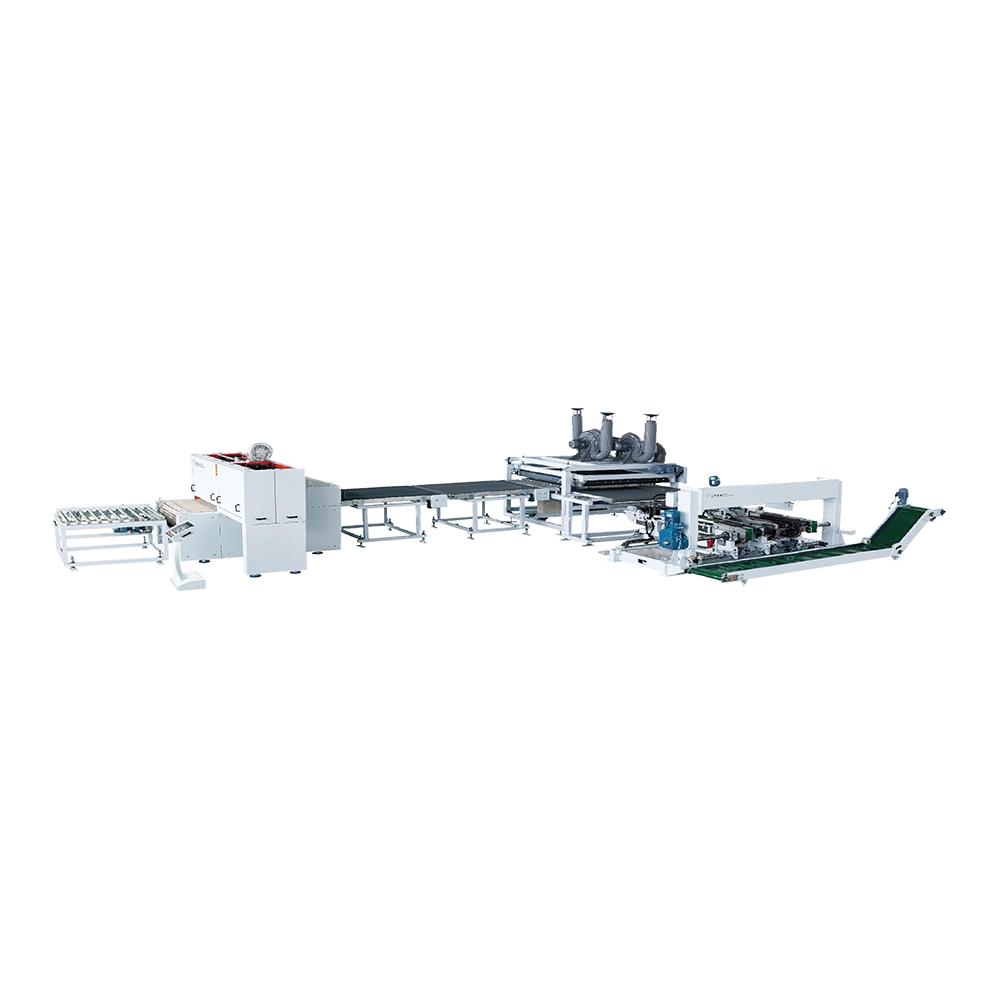 PVC Floor CNC Cutting Production Line by HAWK MachineryView this line for CNC-controlled PVC floor cutting with 40 m/min feed and Lengthwise or Crosswise configurations, aligning sizing before final trimming.View Product →
If your line already includes CNC cutting, trimming becomes the final refinement step rather than the primary sizing operation. The two processes need to share the same dimensional reference so that the finished plank lands within the tolerance your customer expects.
Most LVT trimming machines follow a simple sequence: infeed, alignment, edge trim, and outfeed. The details are where the quality lives.
The plank enters the machine and is pressed against a reference edge. On a well-designed unit, the alignment fence is rigid and the hold-down pressure is adjustable. If the plank can shift even a fraction of a millimetre, the trim will vary from one end to the other.
One or more cutting heads remove the excess edge. The number of heads depends on whether you are trimming one side, both sides, or squaring the ends as well. For LVT, the tooling needs to slice cleanly rather than tear the wear layer.
After trimming, the plank should leave the machine flat and supported. A short inspection station lets operators check width, edge squareness, and surface condition without stopping the line.
The trimming head itself is only part of the story. Dust extraction, chip clearance, and stable electrical control all influence how consistently the machine performs across a shift.
| Component | What it does | Why it matters for LVT |
|---|---|---|
| Guide fence | Provides a fixed reference edge | Keeps plank width consistent from piece to piece |
| Hold-down system | Presses the plank flat during cutting | Prevents lifting, chatter, and surface marks |
| Cutting head | Removes excess edge material | Determines edge finish and tool life |
| Feed rollers | Move the plank at a steady speed | Reduces variation caused by operator pacing |
| Dust extraction | Pulls chips and fines away from the cut | Keeps the edge clean and the machine stable |
These components are not independent. A strong fence cannot compensate for a weak hold-down, and a sharp cutter will still produce poor edges if the feed is erratic. When you evaluate a machine, look at the whole system rather than a single specification.
LVT is often sold as a finished floor, so the edge is part of the product. A trimmed edge that is straight and square helps the installer achieve tight joints without forcing the planks together. Forced joints can open later, especially in rooms with temperature swings. A clean edge also takes adhesive or click-lock pressure more evenly, which supports long-term performance.
There is a commercial side too. Rework and rejected planks add cost at the end of the line, where the material has already accumulated value. Consistent trimming reduces those losses and keeps the packing team moving. For factories producing several colours or embossing patterns, quick changeover between runs is just as important as the cut itself.
Start with the material you actually run, not the material you might run someday. LVT covers a wide family of products, including flexible vinyl, rigid-core planks, and WPC or SPC variants with different densities. Each behaves differently at the cutting edge.
It also helps to see the machine under power with your own material. A short trial run reveals more about hold-down behaviour and edge quality than a specification sheet. You are welcome to visit our factory to see how the equipment is assembled and tested before delivery.
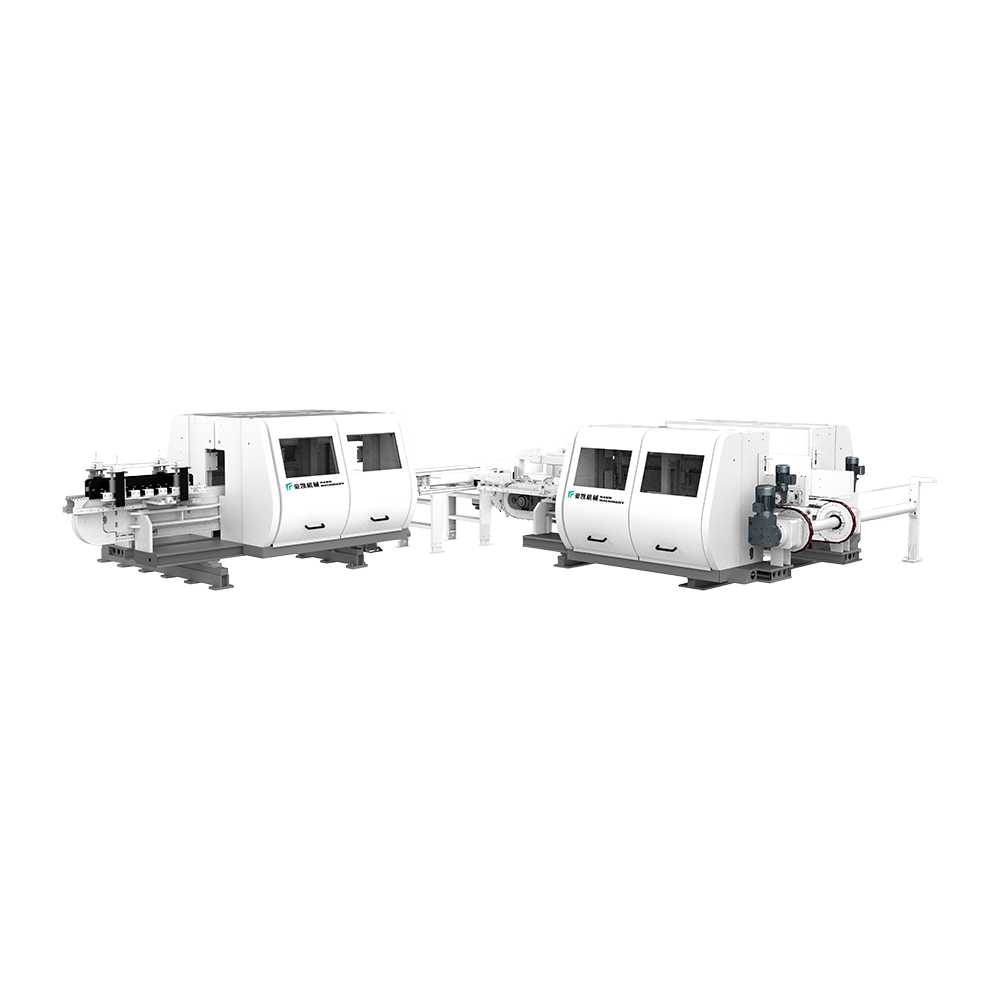 High Speed LVT Floor Beveling LineReview this dedicated LVT trimming and chamfering line with up to 100 m/min speed, Lengthwise or Crosswise models, and factory trial options.View Product →
If your production also needs edge bevelling, a dedicated beveling line can sit alongside the trimming operation rather than forcing one machine to do both jobs. That separation often simplifies maintenance and improves changeover discipline.
Trimming is a small step in the sequence, but it touches everything downstream. If the trimmer is not integrated with the line control, operators end up making manual adjustments that slow the whole factory. A simple handshake between the cutting line and the trimmer can keep plank spacing consistent and reduce jams.
For larger producers, the trimming unit can be linked to a production management system that records run data, tool changes, and reject rates. That data turns an invisible process into something you can improve. If you are planning a new line or upgrading an existing one, it is worth mapping the material flow before choosing individual machines.
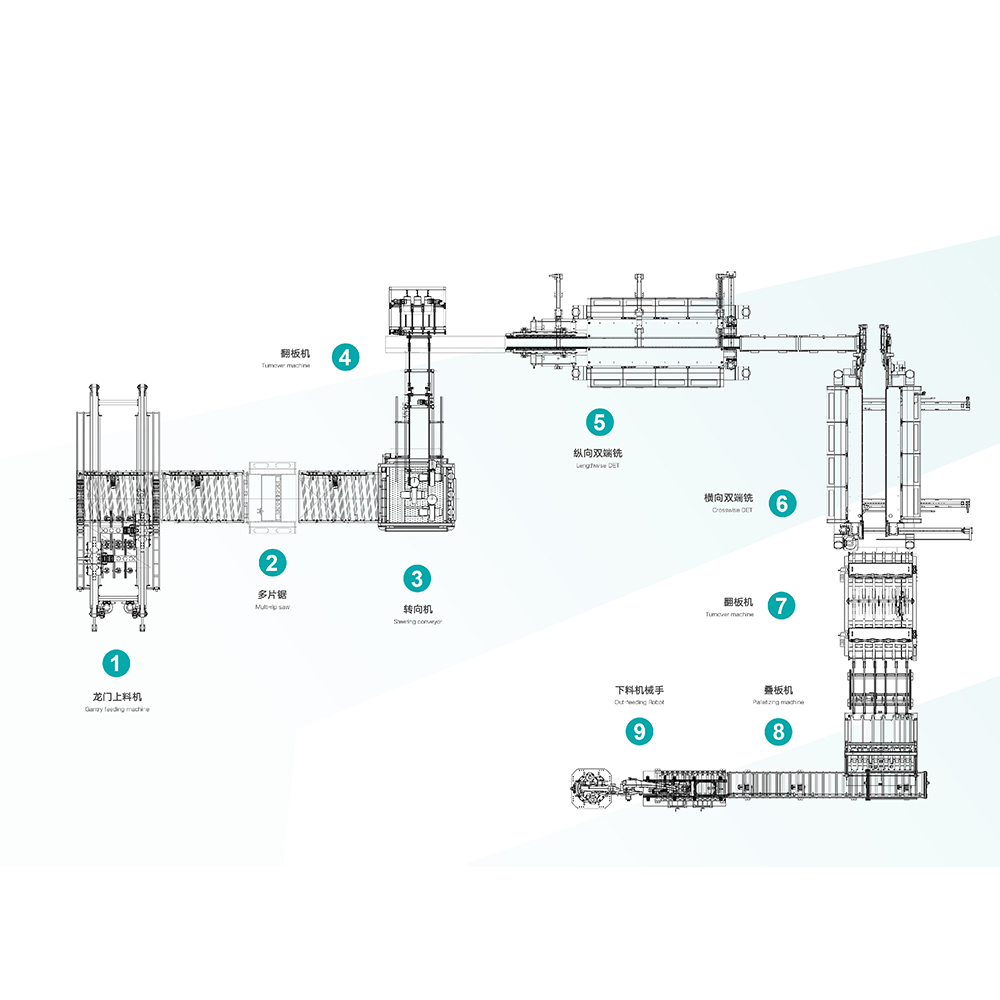 Automatic SPC and WPC Floor Production LineSee how this synchronized feeding, cutting, and slotting line supports SPC, WPC, and PVC floors while reducing manual handling across production stages.View Product →
An automatic floor production line is not simply a collection of fast machines. It is a coordinated sequence where each stage hands off to the next with minimal manual handling. Trimming plays a key role in that handoff because it defines the final width that the packing and palletising stages must handle.
Most trimming problems start small. A slightly dull cutter, a loose guide, or a build-up of dust can all show up as edge chipping or inconsistent width. A short daily check is usually enough to catch these issues before they reach the customer.
Operators who understand why the checks matter tend to do them more reliably. That is why training should include the effect of a poor trim on installation, not only the procedure for changing a blade.
An LVT flooring trimming machine does not need to be the most complex piece of equipment in your factory, but it should be matched to your material, your tolerance, and your pace. The best installations we see are the ones where the trimming stage is treated as part of the production system, not as an isolated finishing step.
If you are comparing options or planning a new vinyl plank line, talk to a supplier who understands both the cutting process and the material. You can also contact our team with your plank dimensions and target output, and we will help you narrow down the right configuration.
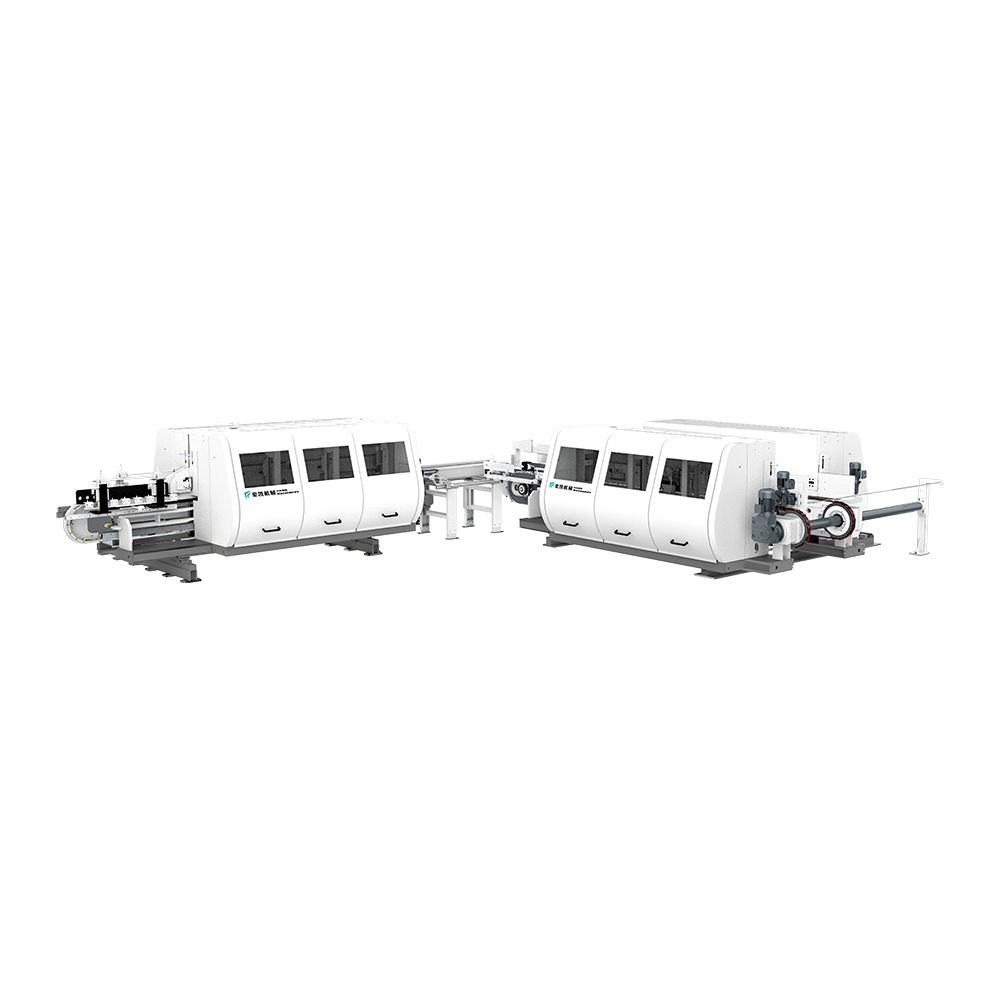
The product can slot the floor vertically and horizontally. The machine series c...
See Details
This equipment is suitable for trimming and chamfering LVT flooring. Equipped wi...
See Details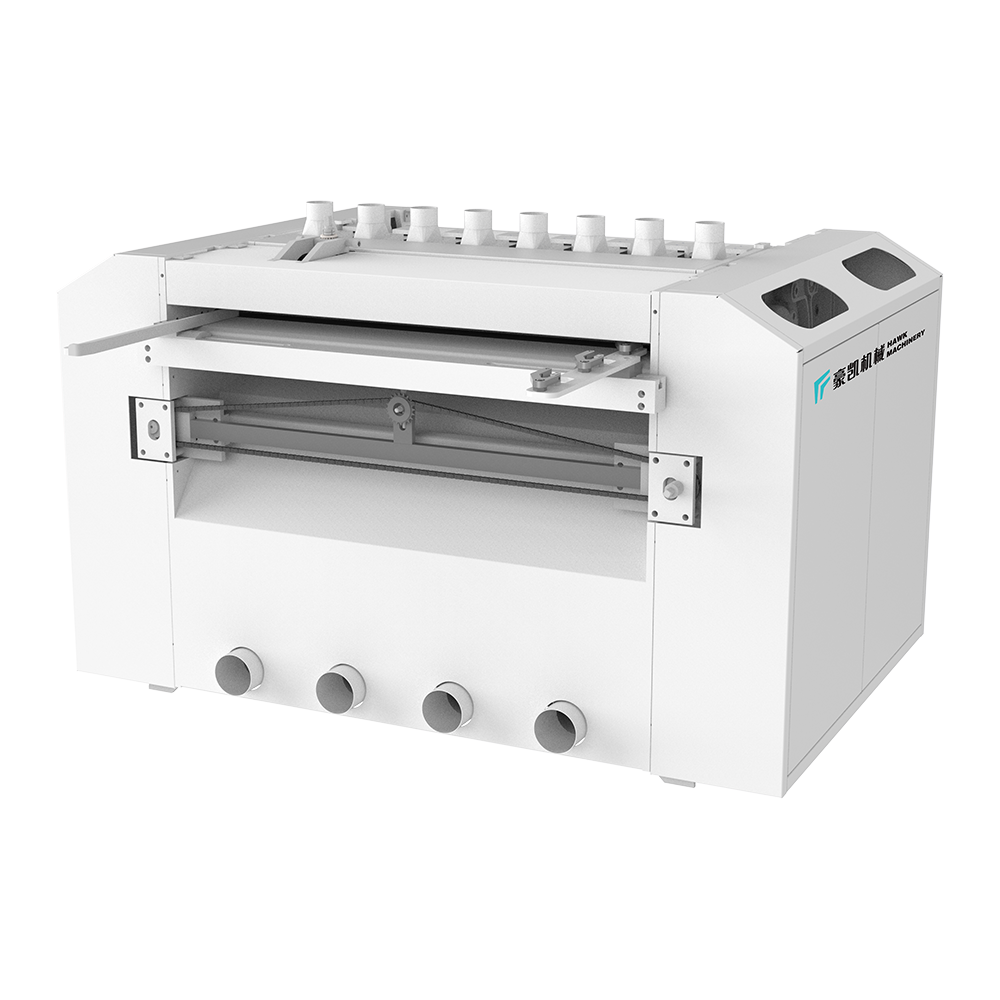
Different transmission sawing methods are suitable for different board processin...
See Details
The feed speed of this equipment can reach 40 meters per minute, the whole frame...
See Details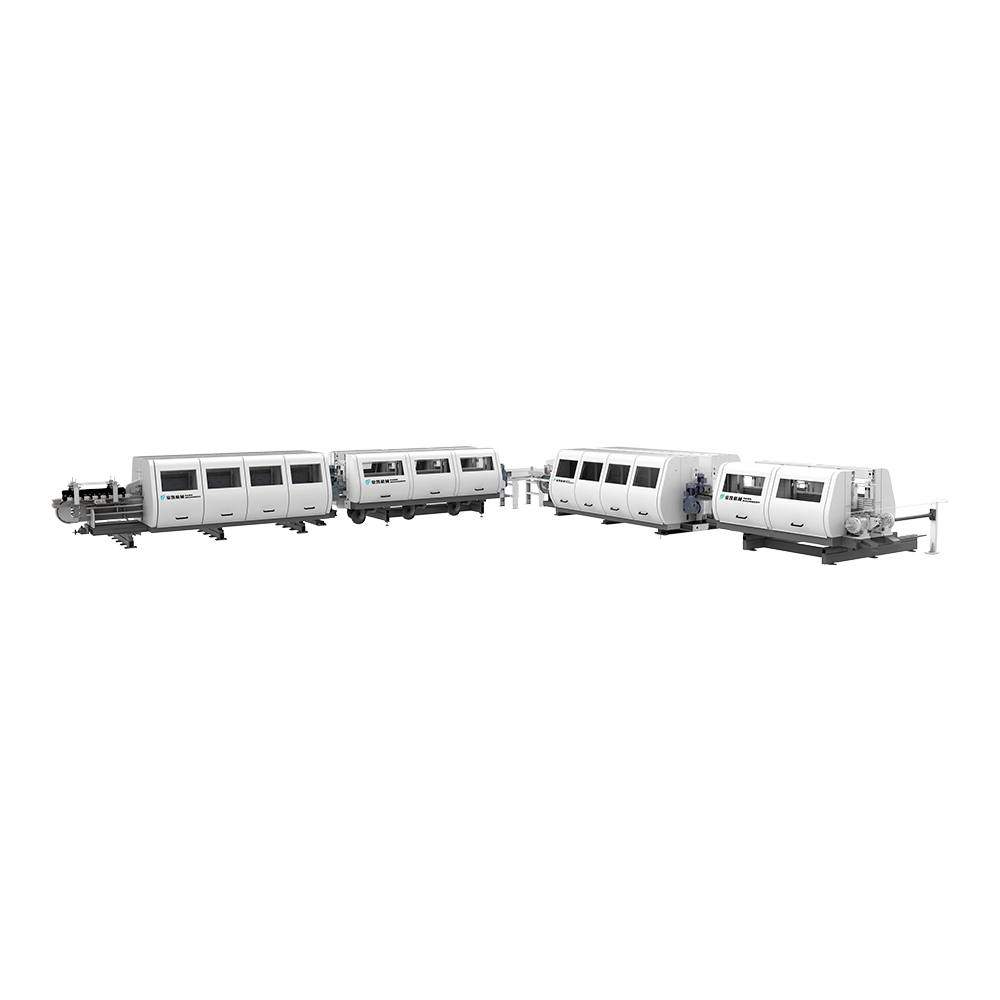
Suitable for edge coating of laminated, PVC, and WPC. Using water-based paint is...
See Details
Hawk Machinery automatic feeding, cutting & slotting line, suitable for SPC,...
See Details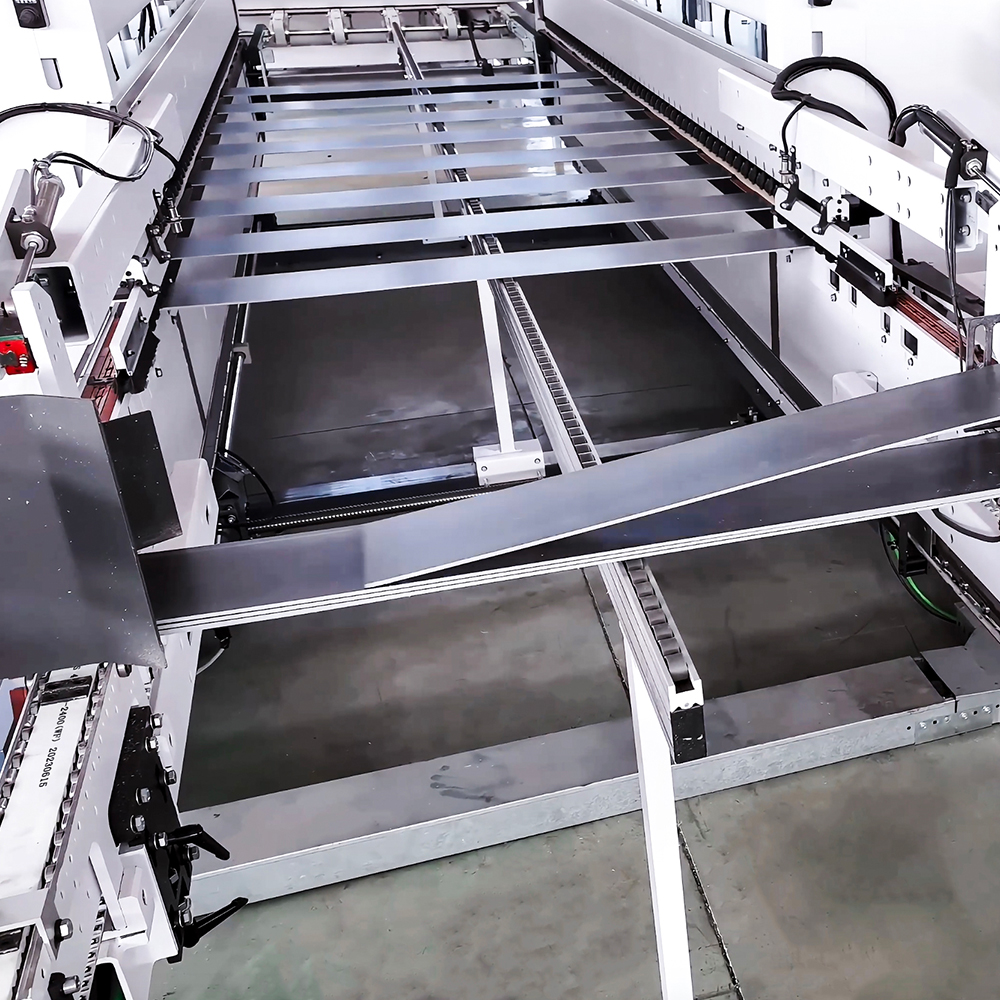
Integrated intelligent equipment integrates industrial intelligent Internet of g...
See Details
Contact info.
Boyi development area, changzhou city, jiangsu province, P. R. China
+86-0519-83319988
Don't hesitate to contact when you need us!
 Custom Floor Extrusion Machine Manufacturers