
 English
 русский
 Español

Floor slotting line (double end tenoner)
The product can slot the floor vertically and horizontally. The machine series c...
See DetailsAn LVT flooring chamfering machine is one of those details in a flooring line that rarely gets attention until the finished plank reaches the installer. A clean, even micro-bevel helps planks meet neatly, protects the edge of the wear layer, and gives the floor a more deliberate finish. Get it wrong, and you see chipped edges, bright white lines, or a joint that looks open even when the lock is tight.
At HAWK Machinery China Co., Ltd., we have been building flooring and wall panel processing equipment since 2005. Our team in Jiangsu works with producers running SPC, WPC, LVT, laminate, multilayer wood and other panel materials. This guide is written from that practical, shop-floor view: what the machine does, what matters in daily operation, and what to check before you choose a line.
Content
In simple terms, an LVT flooring chamfering machine cuts a shallow angled edge along the plank. That angled edge is usually called a chamfer or a bevel. It is not the same job as trimming, slotting or tenoning. Trimming brings a plank to size, slotting forms the locking profile, and chamfering refines the visible edge so the finished floor has a controlled joint instead of a sharp, fragile corner.
LVT is a resilient material, and that changes the way it behaves under a cutter. The plank can flex slightly, the wear layer can chip if support is poor, and a dull tool can leave a polished or melted-looking edge rather than a clean cut. A good chamfering station therefore needs more than a spinning head. It needs stable hold-down, sharp and correctly set tooling, consistent feed, and dust extraction that keeps the cut zone clear.
In most LVT lines, chamfering sits after cutting and profiling, before final inspection and packing. Some producers place it close to the slotting section so the edge geometry is finished in one flow. Others prefer a separate station for easier changeover. The right layout depends on plank size, line speed and how often the profile changes. For a closer process walkthrough, see this guide to LVT flooring chamfering machine basics.
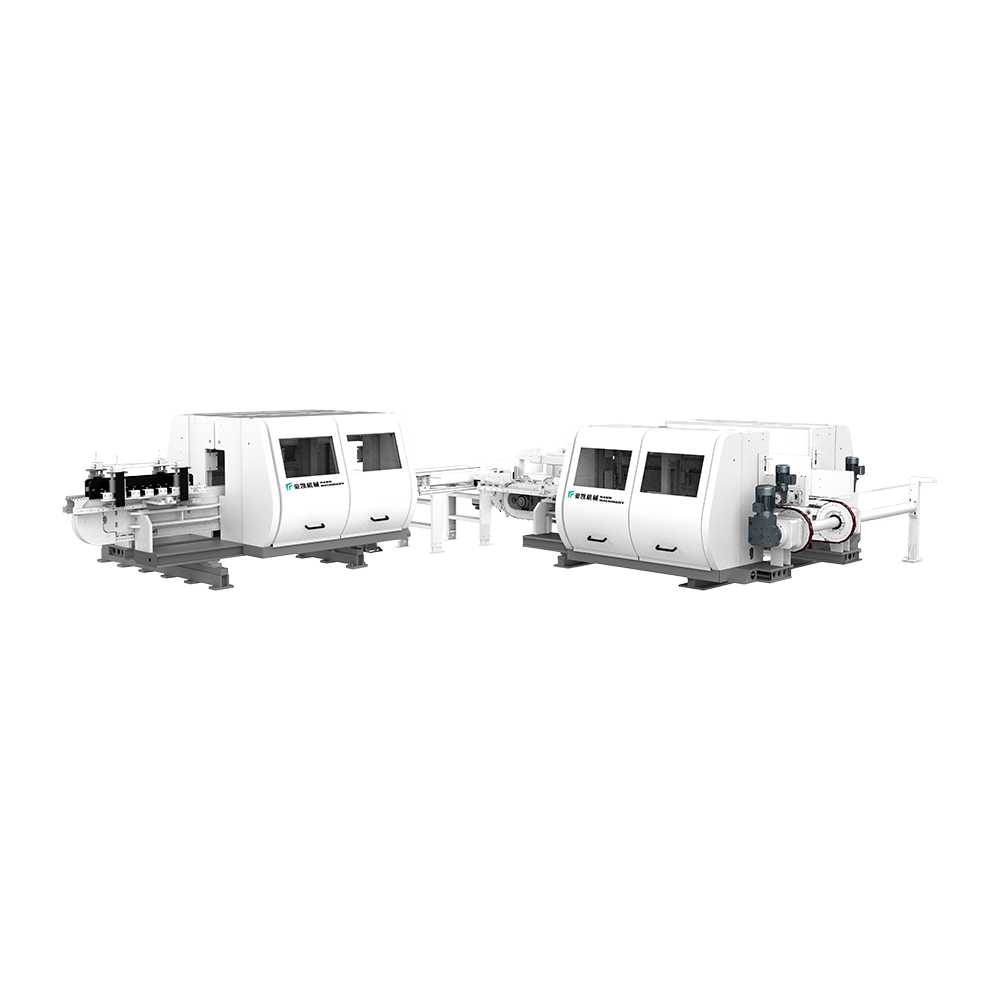 Two-Door High-Speed LVT Floor Beveling LineA high-speed LVT beveling line with lengthwise and crosswise models, 4+4 spindles and up to 100 m/min for consistent chamfer edges.View Product →
Chamfer quality is easy to underestimate because the bevel is small. On a finished floor, however, that small detail is repeated across every joint in the room. A consistent micro-bevel softens the transition between planks, helps hide minor height variation, and reduces the chance of the wear layer catching during handling or installation. An uneven bevel does the opposite: it draws the eye, collects dust, and can make a well-made floor look poorly finished.
In our experience, most chamfering problems come from a small number of process variables rather than a major machine fault. Tool wear, inconsistent hold-down, unstable feed, poor extraction and incorrect cutter geometry account for many of the defects seen on LVT. The table below is a practical first-check guide.
| What you see | Likely cause | First check |
|---|---|---|
| Uneven bevel width | Cutter wear, pressure variation or unstable feed | Inspect tooling, hold-down and drive consistency |
| Polished or melted edge | Dull cutter, excessive heat or poor chip removal | Check cutter condition, extraction and feed settings |
| Chipped wear layer | Weak edge support or incorrect cutter geometry | Review support, cutter profile and first-off sample |
| Dust trapped in the seam | Weak extraction or loose dust on the plank | Check hoods, brushes, airflow and static control |
No single specification tells you whether an LVT flooring chamfering machine will suit a plant. The useful answer comes from matching the machine to the material mix, the plank format and the production rhythm. These are the points we recommend reviewing carefully:
At HAWK, our product work is supported by more than 50 self-developed patents, and our equipment is offered with CE and ETL certification for relevant markets. Those points are useful, but they do not replace a material trial. Always run your own plank samples, at your intended speed, before committing to a profile.
A clean first-off sample saves far more time than a fast start. We like to treat chamfering like any other precision step: prove the setup, record it, then run. The exact sequence will vary by machine, but the logic is consistent.
Small changes can travel a long way in LVT. A feed increase that works on one batch may cause edge polish on another. A hold-down setting that feels tight enough on a thick plank may be too much on a thinner one. The machine should be adjusted as a system, not as a collection of separate settings.
Chamfering cannot fix an inaccurate slot. If the locking profile is unstable, the finished joint will still feel wrong, even with a perfect bevel. That is why the chamfering station should be planned together with cutting, slotting and inspection. In a typical LVT line, the plank is cut to size, profiled, chamfered, checked and packed. The closer those steps are integrated, the easier it is to keep the edge reference consistent.
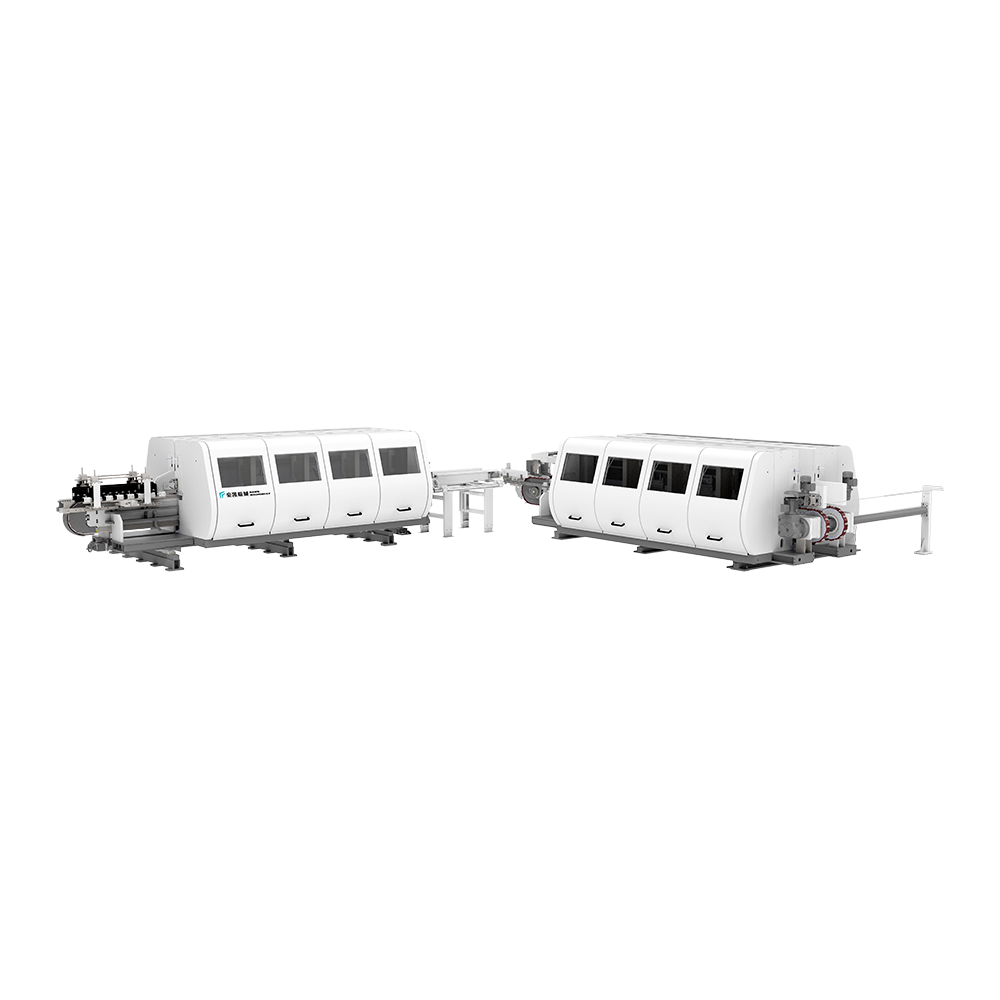 Double-End Tenoner Floor Slotting Line SeriesA six-model double-end tenoner series for lengthwise and crosswise flooring slots, with 6+6 to 10+10 spindles and rolling-chain drive.View Product →
For producers running multiple resilient materials, a double-end tenoner or slotting line can provide the stable profile that chamfering depends on. If the goal is a new line rather than a single upgrade, an automatic floor production line can bring cutting, profiling, chamfering and handling into one controlled flow. The important point is not the number of machines. It is whether the hand-off between them protects the plank edge and keeps the reference surface steady.
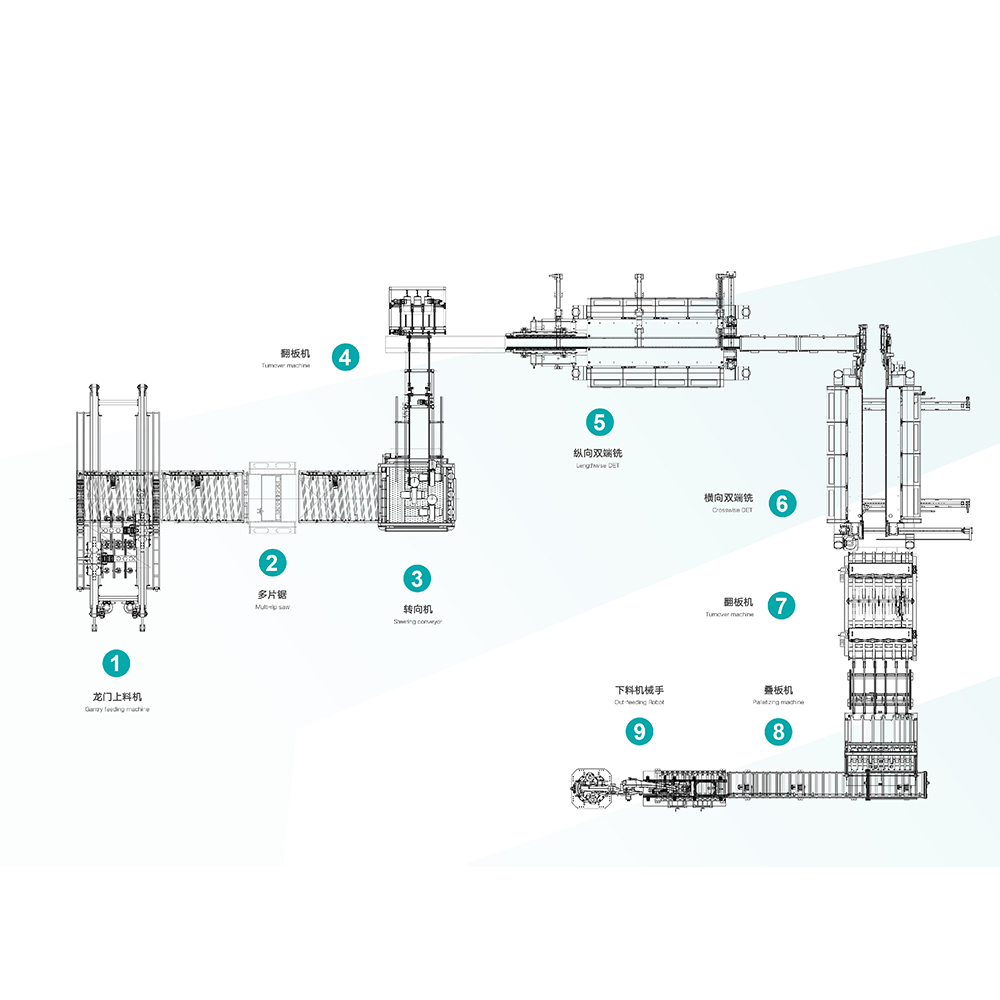 Automatic SPC/WPC Floor Production LineAn automated feeding, cutting and slotting line for SPC, WPC and PVC floors, integrating gantry feeding, multi rip saw and DET stations.View Product →
Most chamfering defects appear gradually, which is why routine checks matter more than emergency repairs. A five-minute inspection at the start of a shift can catch tool wear before it reaches a full production run.
When an edge problem appears, resist the urge to change every setting at once. Start with the sample, then check tooling, support, extraction and feed in that order. A disciplined response usually finds the cause faster than a series of random adjustments.
Before comparing quotations, write down the job the machine must do in your plant. A clear brief makes the technical discussion much more useful.
If you would like to review your plank profile and line layout with our team, you can reach us through our contact page. A short material sample and a clear target profile are usually enough to start a useful conversation.
Good chamfering is quiet. It does not call attention to itself on the factory floor, and it should not call attention to itself on the finished floor either. It simply gives the plank a clean, consistent edge that installers can trust and customers will read as quality. At HAWK Machinery China Co., Ltd., that practical result is what we focus on: stable equipment, sensible setup and support that helps producers keep their line running well.
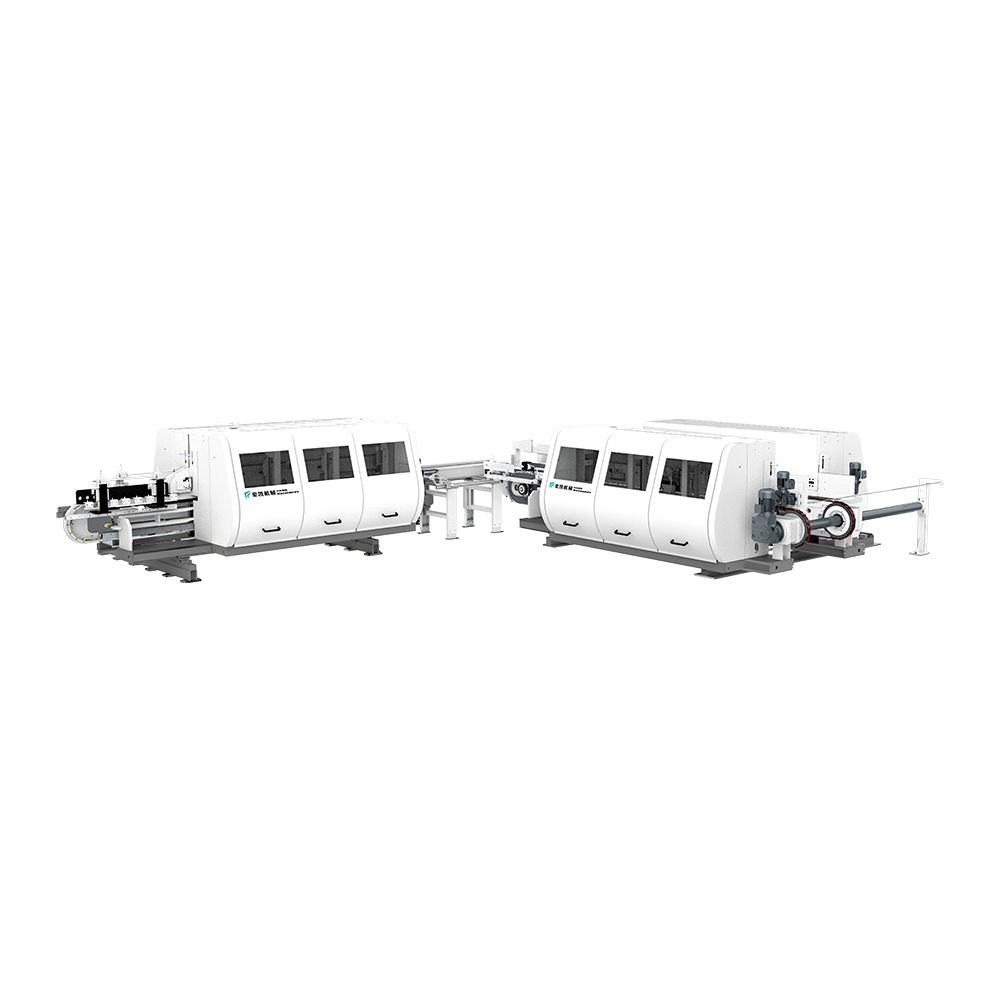
The product can slot the floor vertically and horizontally. The machine series c...
See Details
This equipment is suitable for trimming and chamfering LVT flooring. Equipped wi...
See Details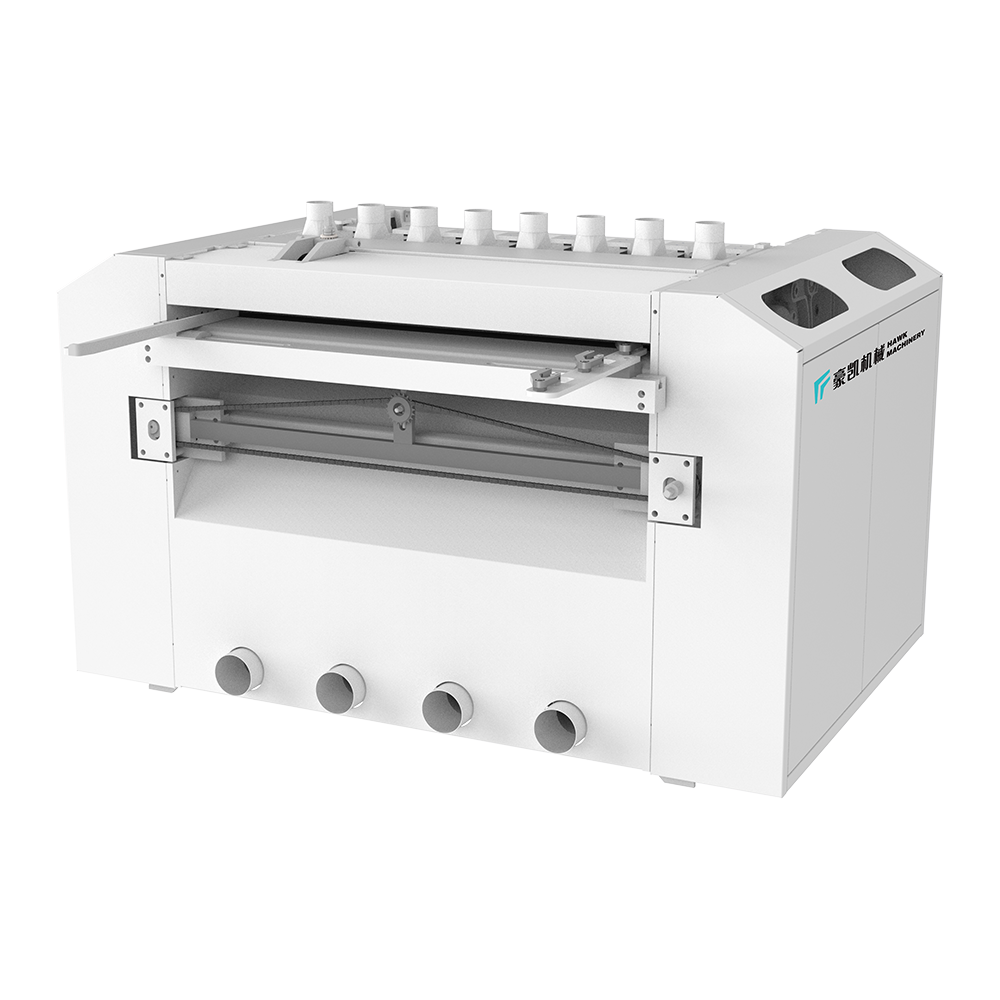
Different transmission sawing methods are suitable for different board processin...
See Details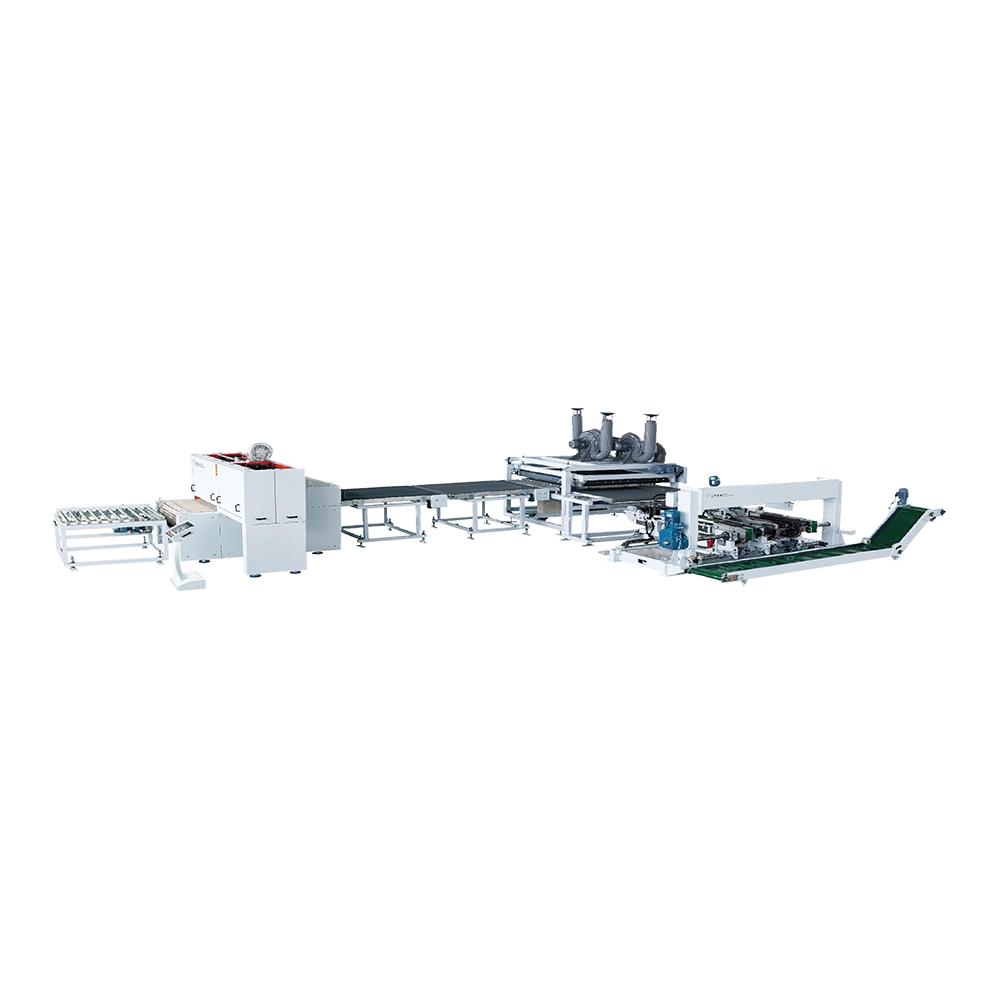
The feed speed of this equipment can reach 40 meters per minute, the whole frame...
See Details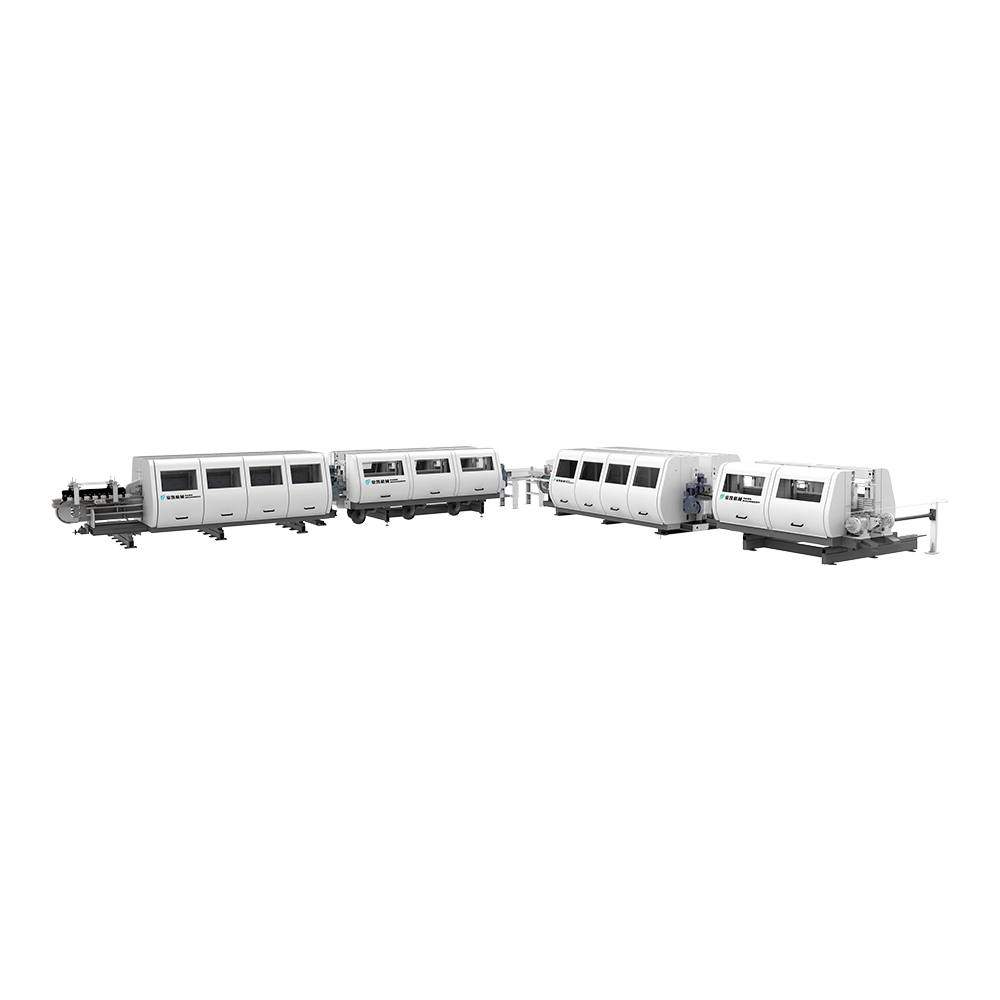
Suitable for edge coating of laminated, PVC, and WPC. Using water-based paint is...
See Details
Hawk Machinery automatic feeding, cutting & slotting line, suitable for SPC,...
See Details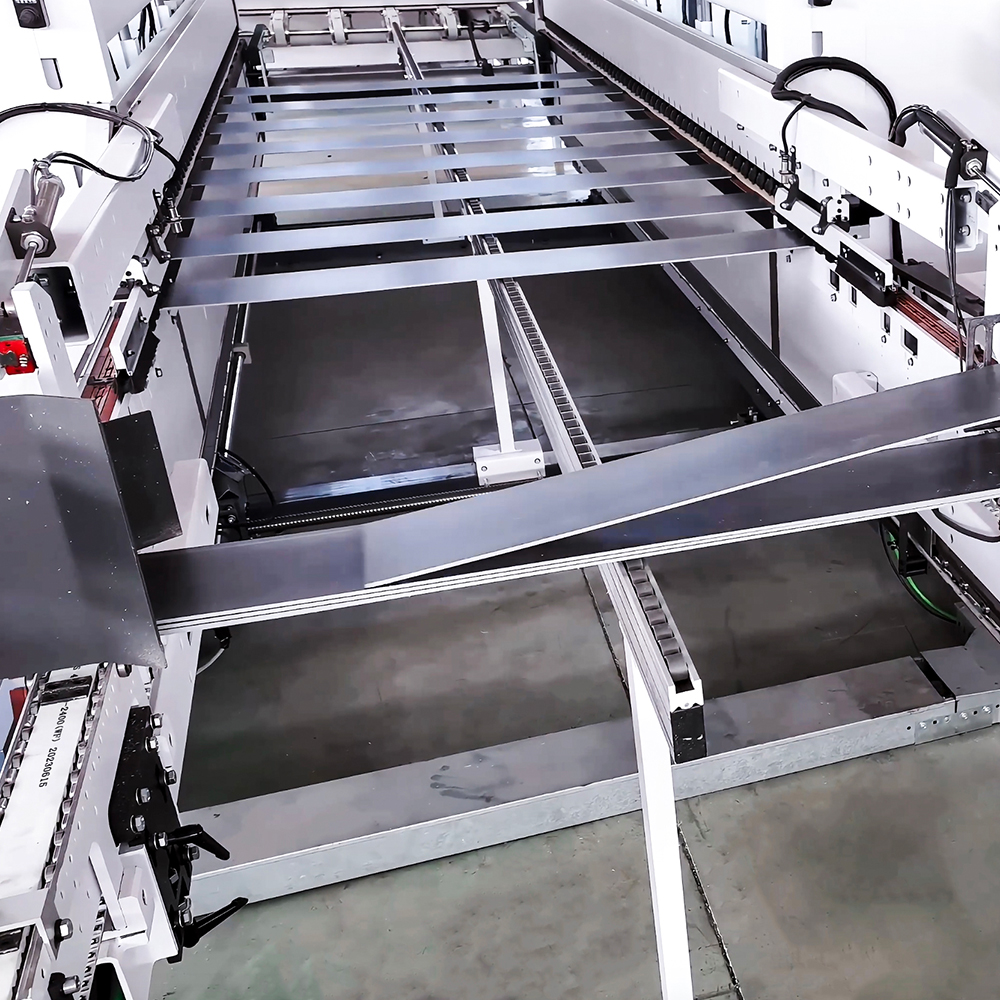
Integrated intelligent equipment integrates industrial intelligent Internet of g...
See Details
Contact info.
Boyi development area, changzhou city, jiangsu province, P. R. China
+86-0519-83319988
Don't hesitate to contact when you need us!
 Custom Floor Extrusion Machine Manufacturers