
 English
 русский
 Español

Floor slotting line (double end tenoner)
The product can slot the floor vertically and horizontally. The machine series c...
See DetailsContent
A PVC cutting machine is designed to cleanly and accurately cut PVC pipes, profiles, and sheets to a specific length or angle, a task that becomes far more difficult and inconsistent when attempted with manual tools. These machines are widely used in window and door manufacturing, plumbing supply fabrication, signage production, and plastic sheet processing, where even small cutting inaccuracies can lead to failed assemblies, wasted material, or products that don't meet dimensional tolerances. Unlike cutting wood or metal, PVC requires careful control of blade speed and feed rate to avoid melting, chipping, or cracking the material, which is why purpose-built PVC cutting equipment produces far better results than general-purpose saws.
Whether you're running a small fabrication shop or a high-volume production line, choosing the right PVC cutting machine directly impacts your product quality, waste levels, and overall production speed.
PVC cutting machines come in several configurations, each suited to different production volumes and material types. Understanding these differences helps buyers avoid overspending on unnecessary features or underestimating their actual cutting needs.
Manual saws require an operator to position the material and pull down the cutting blade by hand. These machines are affordable and suitable for small workshops or low-volume cutting tasks, but they depend heavily on operator skill for consistent accuracy.
Semi-automatic machines use hydraulic or pneumatic systems to control the cutting motion, while the operator still handles material loading and length positioning. These machines offer a good balance between speed and cost, making them popular in mid-sized fabrication shops.
Fully automatic PVC cutting machines handle material feeding, measuring, and cutting with minimal operator involvement, often controlled through a programmable interface. These systems are ideal for high-volume operations like window profile manufacturing, where consistent length accuracy across thousands of cuts is critical.
CNC-controlled PVC cutting machines allow for precise, programmable cuts including angles, miters, and complex profile shapes, making them well suited for custom fabrication work that requires flexibility across different job specifications.
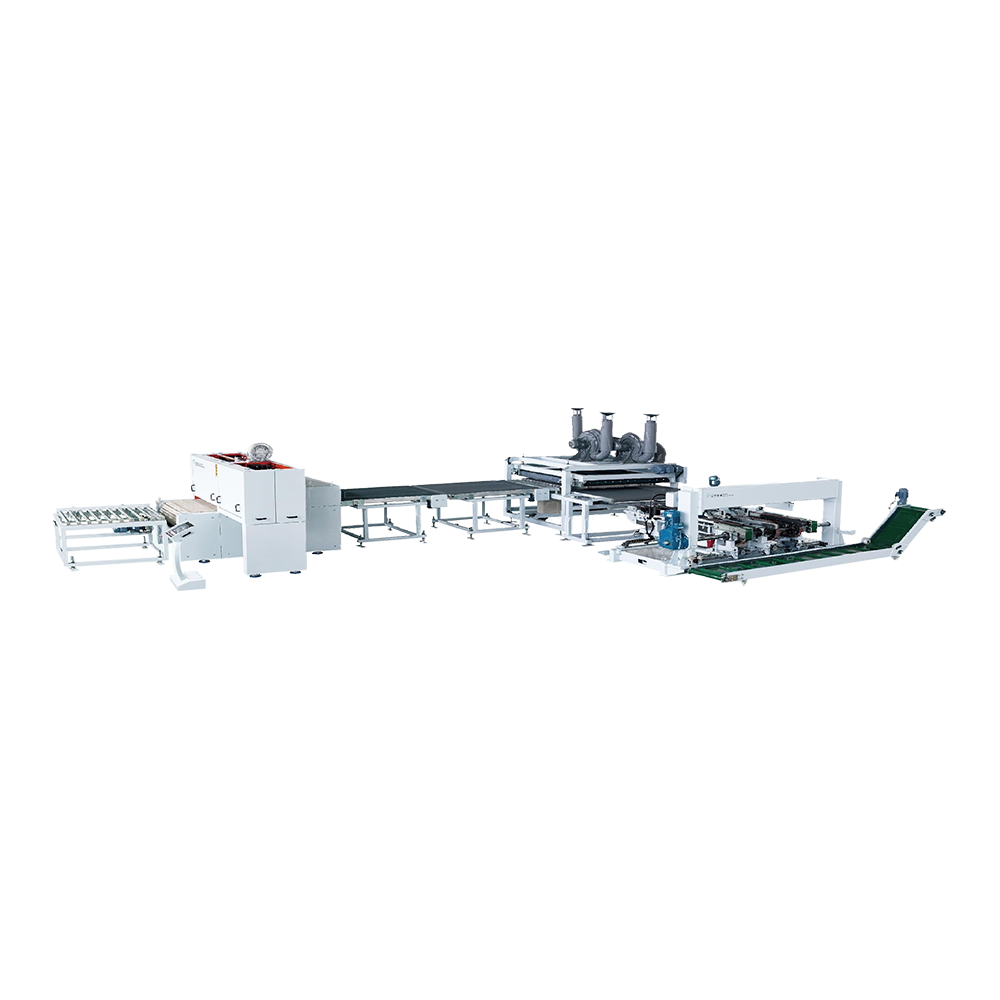
Beyond the basic machine type, several specific features determine how well a PVC cutting machine will perform in daily production.
The table below offers a quick comparison to help match the right PVC cutting machine type to your specific production needs.
| Machine Type | Best Suited For | Typical Volume |
| Manual Saw | Small shops, occasional cutting | Low |
| Semi-Automatic | Mid-sized fabrication shops | Medium |
| Fully Automatic | Window and door profile manufacturing | High |
| CNC Machine | Custom shapes, angled and miter cuts | Medium to high |
Blade selection plays a major role in cut quality, and using the wrong blade type is one of the most common causes of chipped edges or melted burrs on PVC material.
Blades with a higher tooth count generally produce smoother, cleaner cuts on PVC, since more teeth engage the material gradually rather than tearing through it. Triple-chip grind blades are especially popular for PVC because they reduce chipping along cut edges.
Carbide-tipped blades are the standard choice for PVC cutting due to their durability and resistance to heat buildup, which helps prevent the material from melting during the cut.
Routine maintenance keeps a PVC cutting machine performing accurately and helps avoid unexpected downtime during busy production periods.
Choosing the right PVC cutting machine comes down to matching the machine type, features, and blade selection to your specific production volume and cutting precision needs. From manual saws suited to small workshops to fully automatic systems built for high-volume profile manufacturing, understanding these options helps avoid costly mistakes and wasted material. Combined with proper blade selection and consistent maintenance, the right PVC cutting machine can significantly improve both product quality and overall shop efficiency.
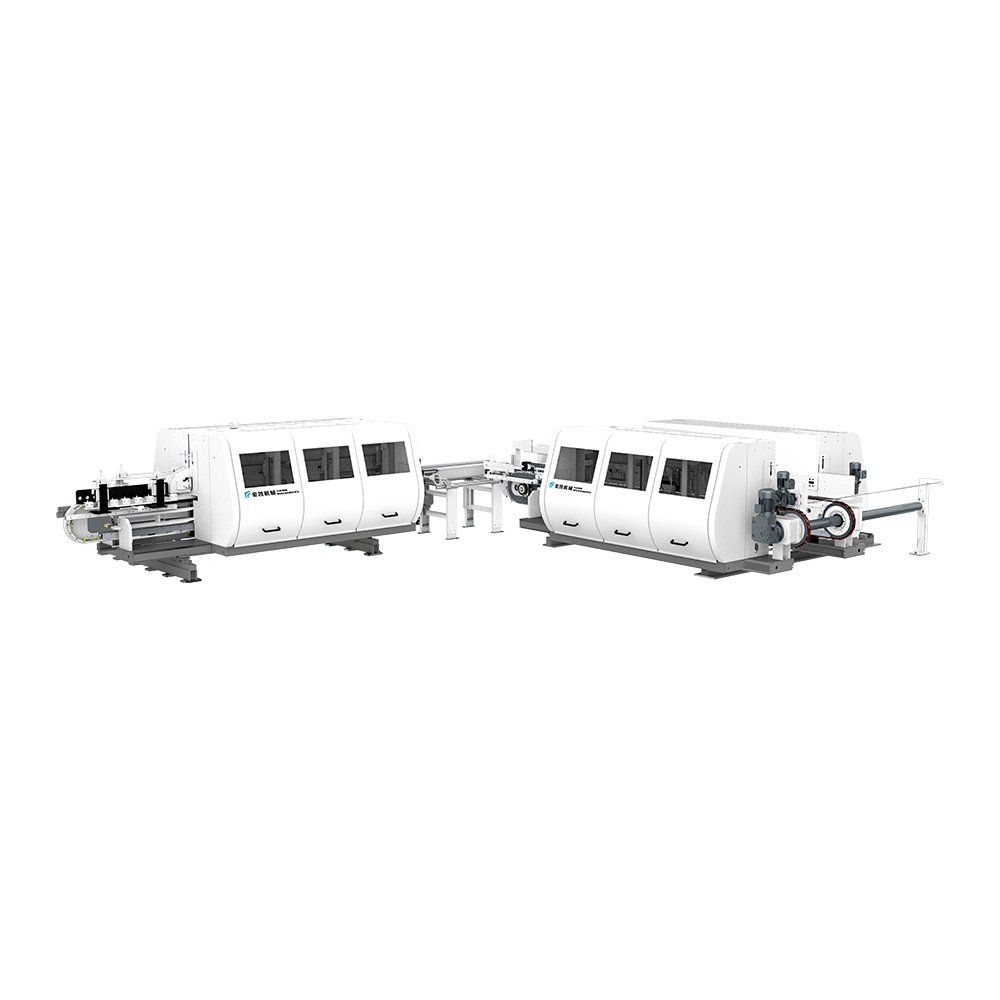
The product can slot the floor vertically and horizontally. The machine series c...
See Details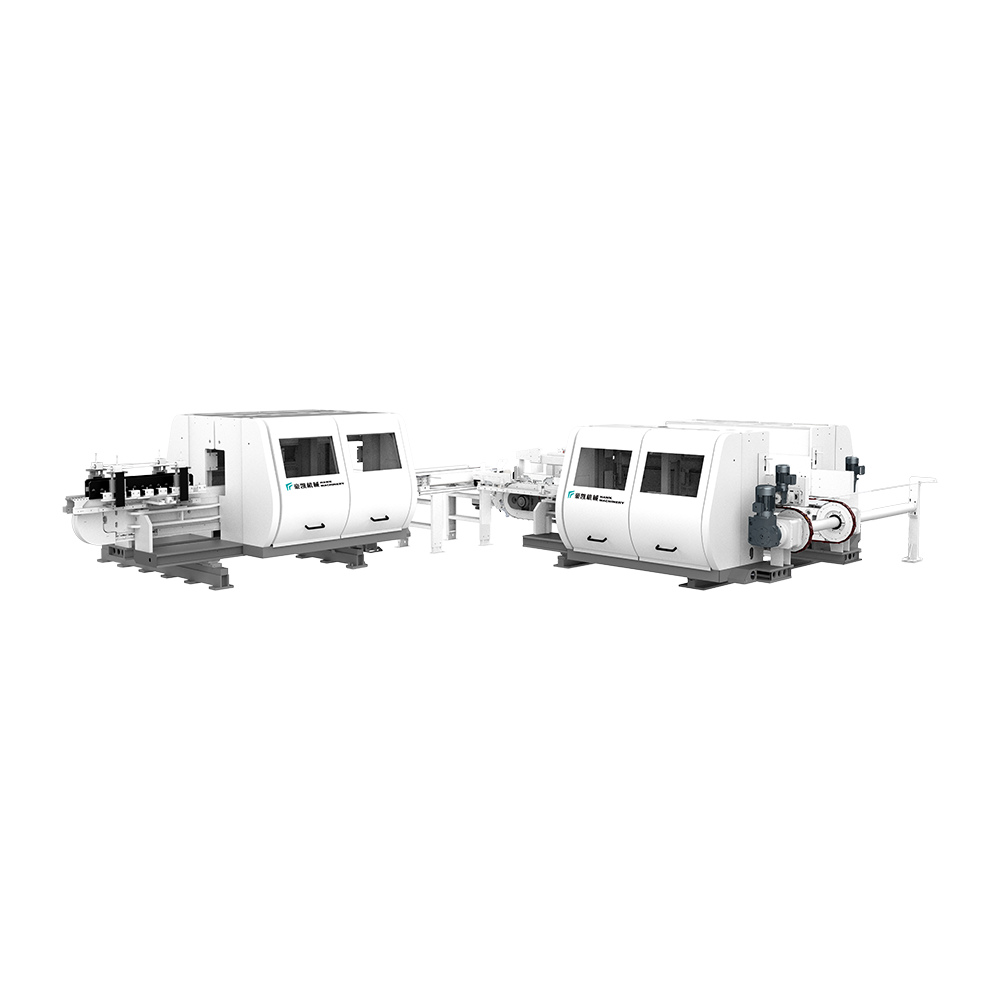
This equipment is suitable for trimming and chamfering LVT flooring. Equipped wi...
See Details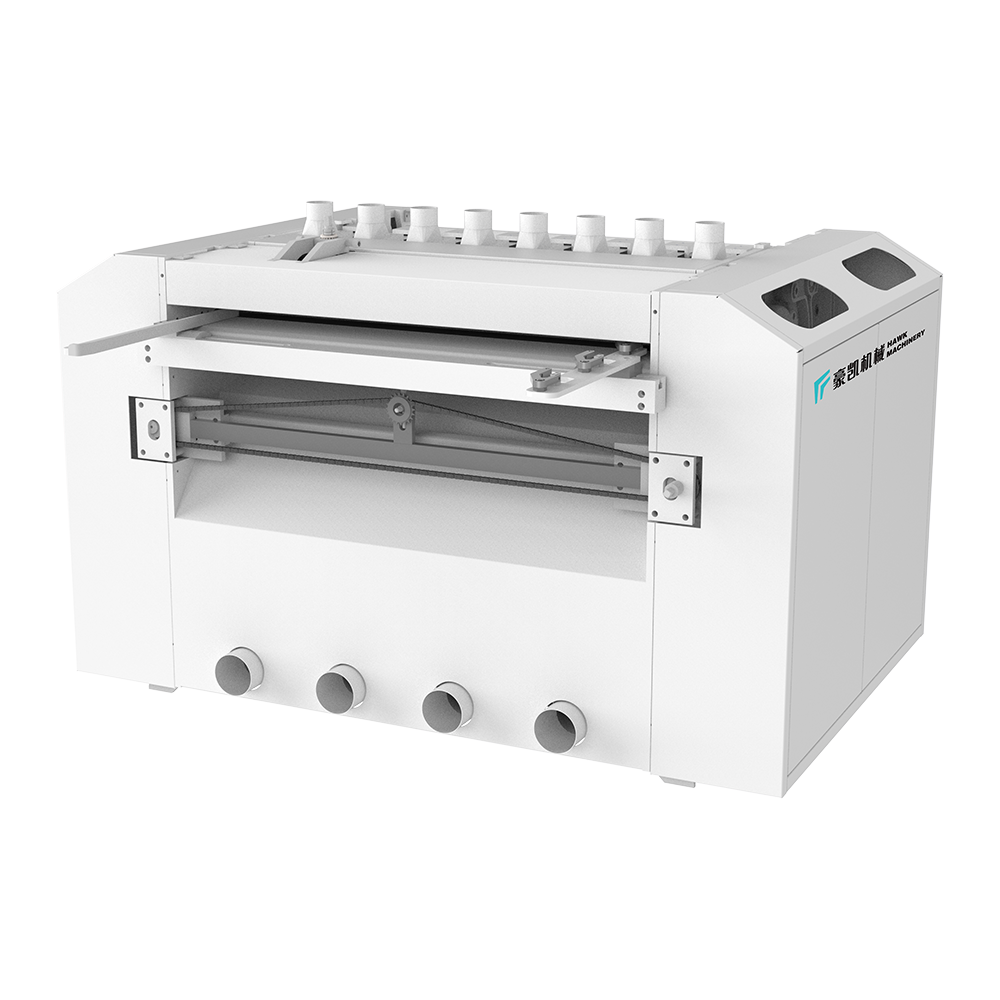
Different transmission sawing methods are suitable for different board processin...
See Details
The feed speed of this equipment can reach 40 meters per minute, the whole frame...
See Details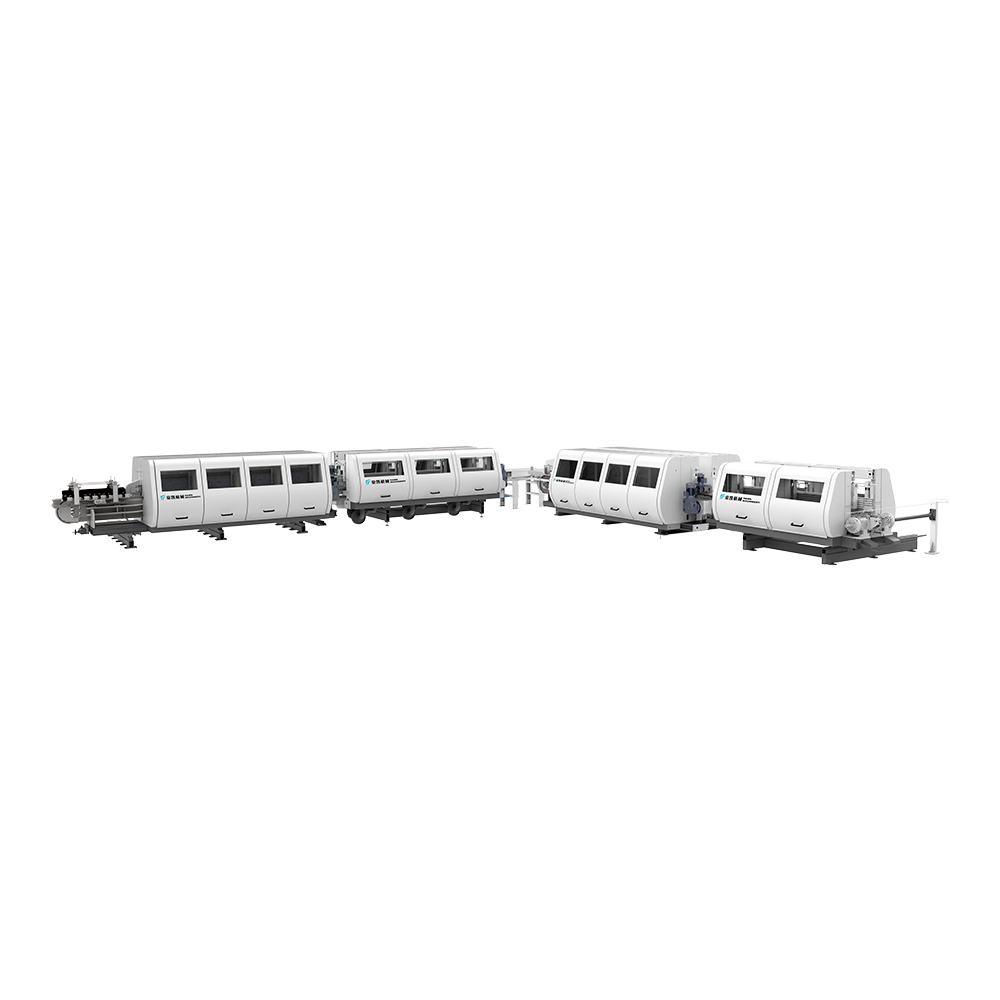
Suitable for edge coating of laminated, PVC, and WPC. Using water-based paint is...
See Details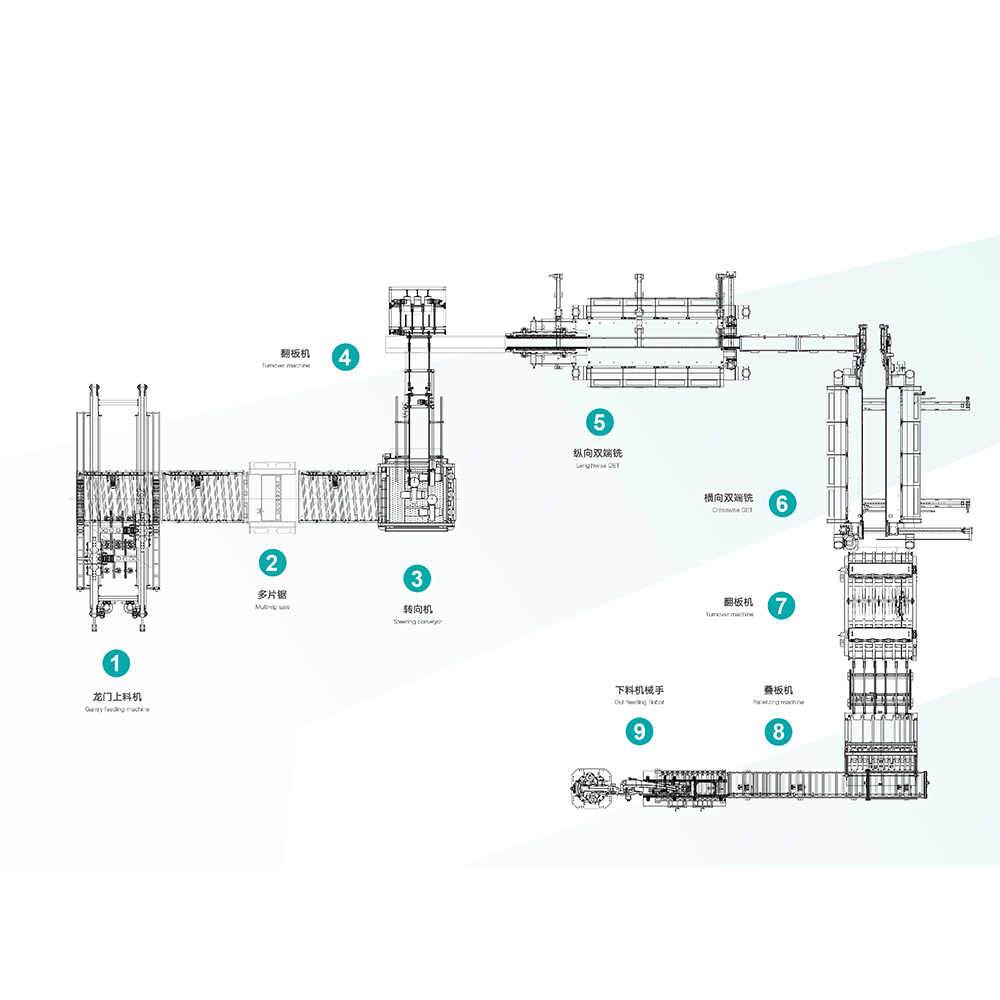
Hawk Machinery automatic feeding, cutting & slotting line, suitable for SPC,...
See Details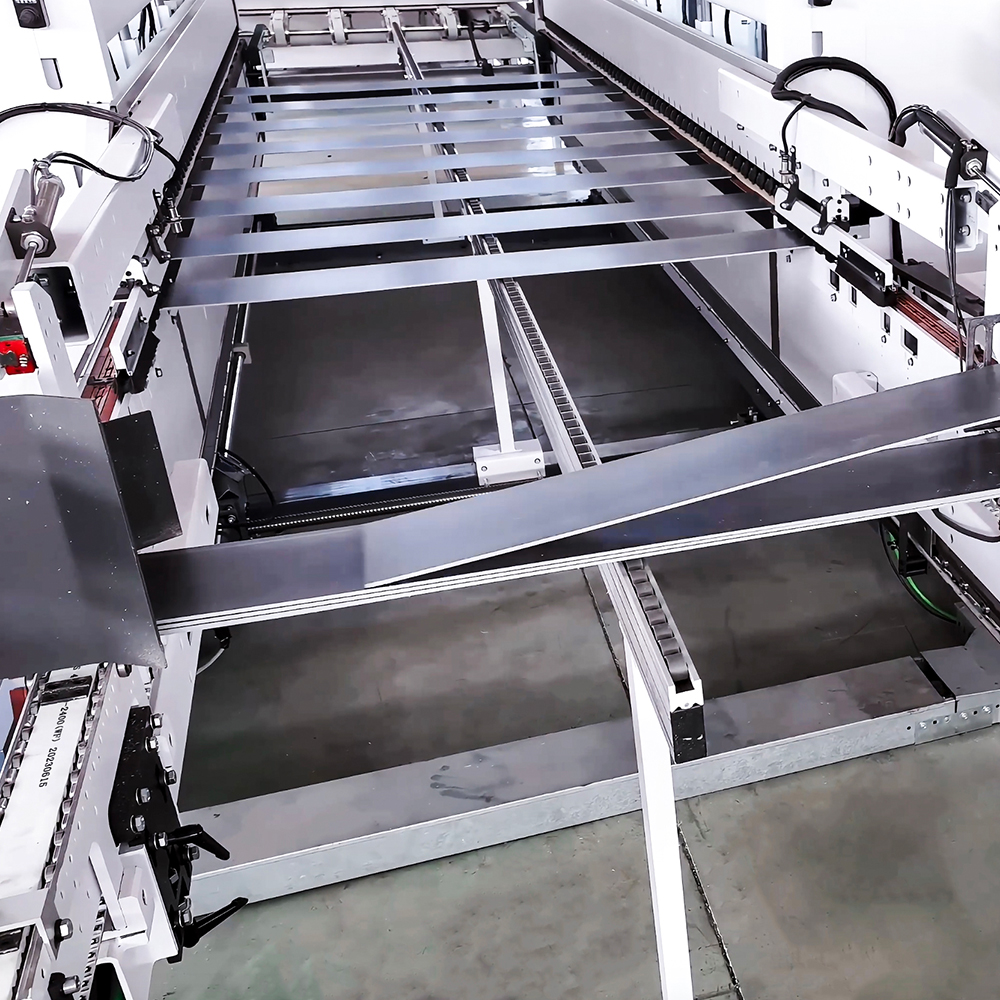
Integrated intelligent equipment integrates industrial intelligent Internet of g...
See Details
Contact info.
Boyi development area, changzhou city, jiangsu province, P. R. China
+86-0519-83319988
Don't hesitate to contact when you need us!
 Custom Floor Extrusion Machine Manufacturers