
 English
 русский
 Español

Floor slotting line (double end tenoner)
The product can slot the floor vertically and horizontally. The machine series c...
See DetailsContent
SPC (stone plastic composite) flooring has become incredibly popular – waterproof, fire‑resistant, zero formaldehyde, used everywhere from homes to commercial spaces. But have you ever wondered how a large 2‑meter‑long panel gets turned into neat floor planks? That's where the SPC floor multi rip saw machine comes in. In plain terms, it's a device that rips a wide sheet into multiple narrow strips in a single pass. The whole idea is simple: efficiency.
A standard 1220mm‑wide panel would take several passes on a single‑blade saw, but a multi‑rip saw can cut 5, 8, or even more strips at once. Think of it as upgrading from "one blade one cut" to "a whole gang of blades cutting together".
The efficiency gap between a single‑blade saw and a multi‑rip saw is huge – numbers speak louder than words:
| Comparison | Single‑Blade Saw | SPC Multi‑Rip Saw |
| Strips per pass | 1 | 5–10 |
| Feed speed | 5–10 m/min | up to 32 m/min |
| 8‑hour output (approx.) | 300–500 planks | 1000–2000 planks |
| Material loss (kerf) | Higher | Ultra‑thin kerf, saves material |
See that? In the same 8‑hour shift, a multi‑rip saw gives you 3–4 times the output. That's why any floor factory with decent volume ends up getting an SPC floor multi rip saw machine – saving time means saving money, and saving material means even more savings.
Buying an SPC multi‑rip saw isn't about picking the most expensive or the largest – it's about matching five core parameters: working width, working thickness, blade count, spindle power, and feed speed. Get these right, and you won't regret your choice.
SPC panels usually range from 970mm to 1300mm in width. The machine's maximum working width should at least cover the panels you use most often. Mainstream models offer 1000–1300mm. If the width is too narrow, you'll have to cut the panel twice, which halves your efficiency.
SPC flooring thickness varies from 3mm to 20mm. Residential ones are typically 4–6mm, while commercial or heavy‑duty ones go up to 8–12mm. A machine with a 3–30mm range covers almost all needs. If you only cut thin boards, a narrower range saves cost; if your product line is diverse, go wider to avoid future upgrades.
Blade counts range from a few to dozens. More blades mean more strips per pass – but that also increases spindle load, heat, and maintenance costs. For small‑to‑medium factories, 5–9 blades are usually enough. Large production lines can handle more, but they need a stronger spindle motor to match.
SPC is dense and hard – cutting it creates a lot of resistance. Spindle power directly determines cutting capability and stability. Small lines need 11–15 kW, while medium‑to‑large lines often require 55 kW or more. Underpowered spindles cause stalling, burned blades, and rough edges.
Feed speed is how quickly the panel moves through the blades, measured in meters per minute. Faster speeds boost output but may sacrifice cut quality. Most SPC multi‑rip saws offer adjustable speeds from 0 to 32 m/min. Remember: feed speed must match spindle power – if the power isn't there, cranking up the speed only strains the machine.
Master these five specs, and you'll pick the right SPC floor multi rip saw machine without second‑guessing. Here's a quick reference table:
| Parameter | Entry‑Level | Mid‑Range | Professional |
| Working width | ≤1000mm | 1000–1260mm | 1260–1300mm |
| Working thickness | 3–15mm | 3–20mm | 3–30mm |
| Spindle power | 11–15 kW | 15–30 kW | 30–55 kW |
| Blade count | 3–5 | 5–9 | 9+ |
| Feed speed | 0–15 m/min | 0–25 m/min | 0–32 m/min |
When shopping, you'll hear about "upper‑lower spindle" and "left‑right spindle" multi‑rip saws. They refer to blade arrangement, which affects cut quality and material yield.
In an upper‑lower design, blades are split into two groups – one above, one below – and the panel passes between them with staggered cuts. The big advantage? For lock‑joint flooring, this setup reduces edge damage and increases usable area. Simply put, it saves material. Plus, the lower spindle can be raised/lowered to adjust for different thicknesses – very handy. Many SPC production lines rely on upper‑lower multi‑rip saws.
Left‑right spindles have blades arranged horizontally across the width. They're great for extra‑wide boards because blade spacing can be adjusted over a larger range. The downside: more blades, longer shaft – requires high rigidity and costs more.
For SPC flooring, upper‑lower spindles are the more popular choice. Why? Most SPC floors are lock‑joint types, and the upper‑lower stagger minimizes damage to the locking profiles, giving you higher yield.
Blades are the fastest‑wearing parts on an SPC floor multi rip saw machine. Pick the right ones and everything runs smoothly; pick wrong and you'll be changing blades every other day, with rough edges all over. SPC is not wood – it's a composite of calcium carbonate and thermoplastic polymers. It's hard, dense, and a bit brittle, so blade requirements are totally different.
Typical diameters range from 160mm to 250mm. Larger diameter means deeper cut capacity – good for thicker boards – but it also reduces rigidity, causing more vibration and lower accuracy. For 4–8mm SPC, 205–220mm is a sweet spot.
One major advantage of multi‑rip saws is thin kerf – the slit width left by the cut. A wider kerf wastes more material. SPC raw material isn't cheap, and over a year, a 0.5mm difference in kerf can cost you thousands of dollars. Good blades can achieve a kerf around 2.0mm – don't overlook this tiny number.
SPC is hard and brittle – too many teeth increase resistance and overheating; too few give a rough finish. A safe bet is 40‑tooth carbide‑tipped blades with alternating bevel teeth – they cut fast and are easy to sharpen. Also look for blades with cooling holes – SPC generates lots of heat, and without those holes, blades warp quickly.
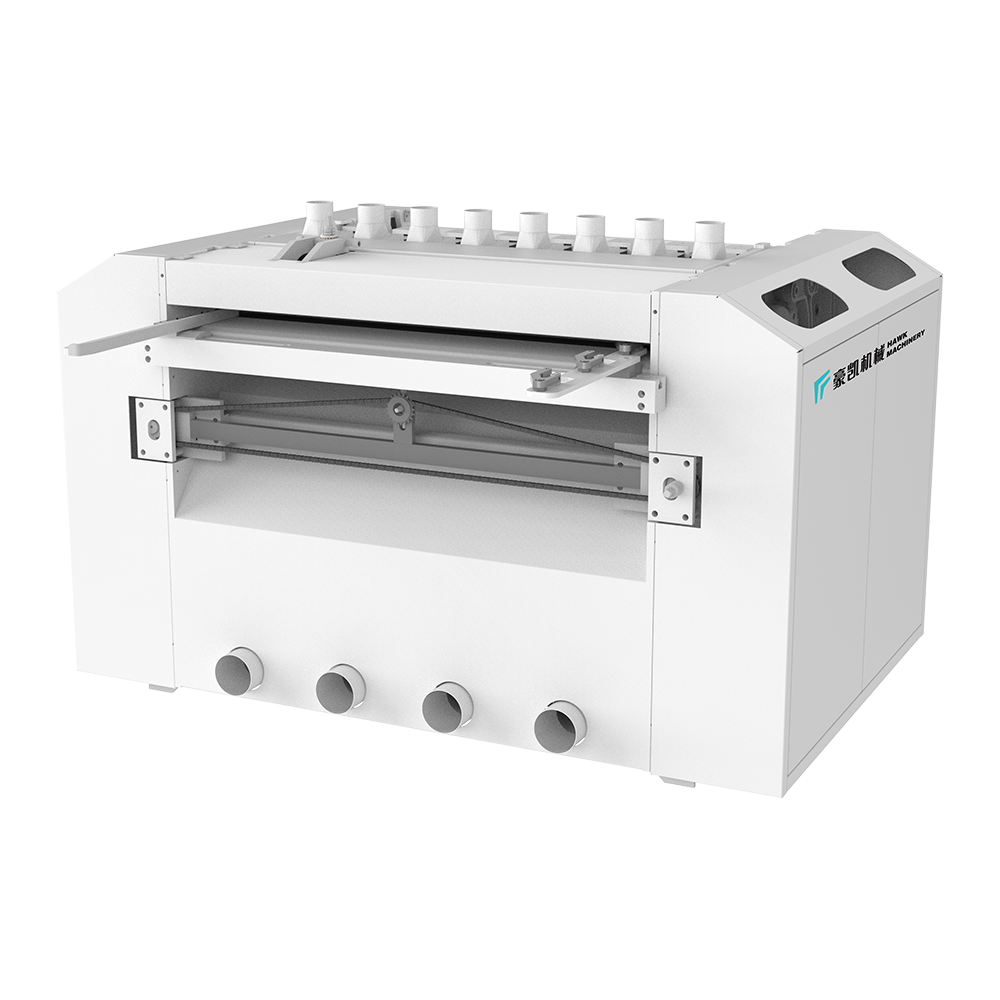
Many factories ignore machines until they stop working – then they call for repairs that cost nearly as much as a new unit. SPC multi‑rip saws run at high speed, so routine upkeep is critical. Here's a simple checklist to post next to your machine.
SPC cutting produces a lot of dust and chips. If these clog the blade gullets, cooling suffers – temperatures rise, edges burn, and blades can warp or even crack. At the end of each shift, blow the blade teeth clean with compressed air, and check that the chip extraction ducts aren't blocked. Five minutes a day saves you a fortune in blade replacements.
The spacers (collars), blades, and guide plates need a diesel wash every 3–5 days – wipe them dry with a clean cloth before reassembly. Don't underestimate dirt on spacers; even a little debris makes blades sit crooked, causing inconsistent strip widths and scrap. Also, check spindle nuts for tightness – loose bolts can cause runout or, worse, a thrown blade.
Chains, bearings, and gearboxes need regular oil – dry parts wear out fast, leading to jerky feed, noise, and poor accuracy. Once a month, inspect chain tension, top up lubricant, and check gearbox oil levels. Also, look at the buffer pads – if they're hardened, the panel won't be pressed evenly, and you'll get crooked cuts.
Before calling for service, try these quick checks – many problems are easy to solve. Here are the most frequent issues with SPC multi‑rip saws and what to do.
There are plenty of makers out there, but only a few have real know‑how. When evaluating suppliers, focus on three things: proven SPC experience, in‑house core technology, and responsive after‑sales service.
A good way to start is to ask for customer references – visit factories that already use their machines. See the equipment in action, check cut quality, and talk to operators about reliability and maintenance. Also, ask about spare parts availability and how quickly they can send a technician if something goes wrong.
Don't be swayed by flashy brochures or low prices – a cheap machine that breaks down often will cost you more in downtime than the price difference. Invest in a solid SPC floor multi rip saw machine from a reputable supplier, and you'll boost both output and quality. We hope this guide helps you navigate selection, operation, and maintenance so you get the most out of your equipment.

The product can slot the floor vertically and horizontally. The machine series c...
See Details
This equipment is suitable for trimming and chamfering LVT flooring. Equipped wi...
See Details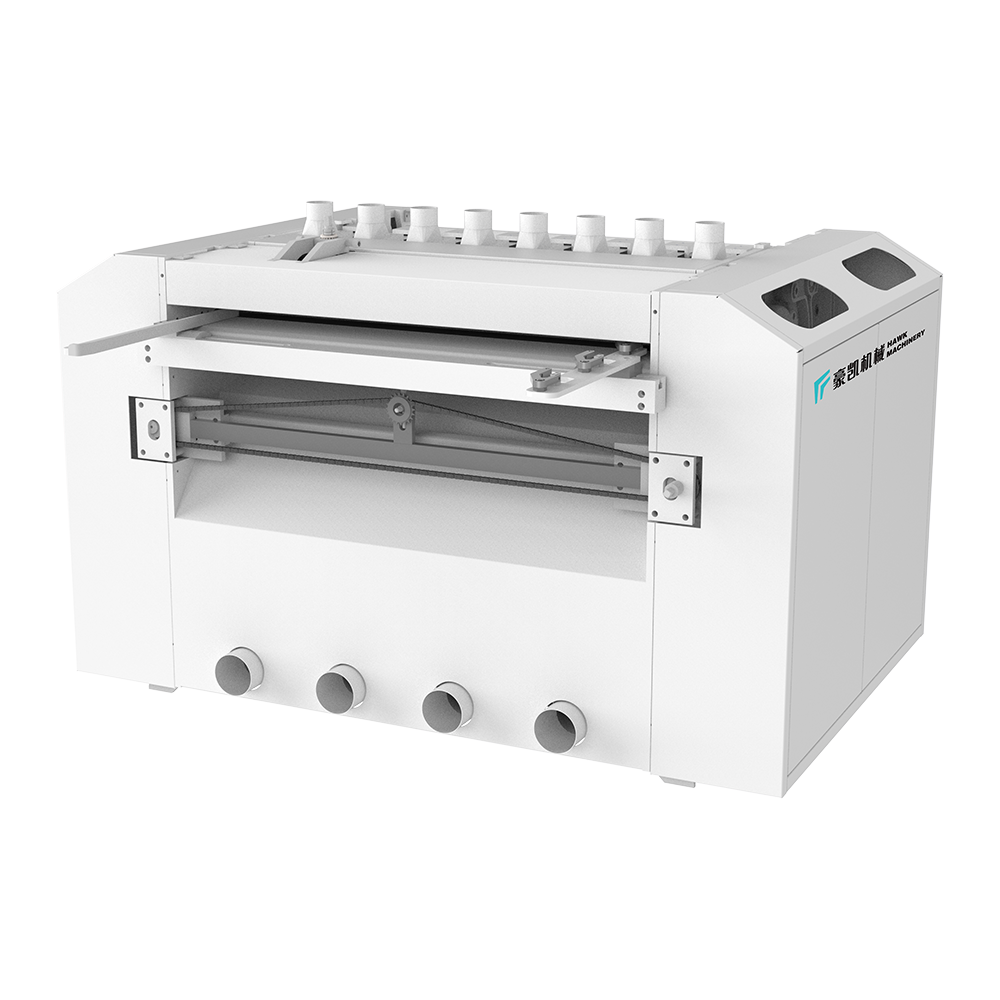
Different transmission sawing methods are suitable for different board processin...
See Details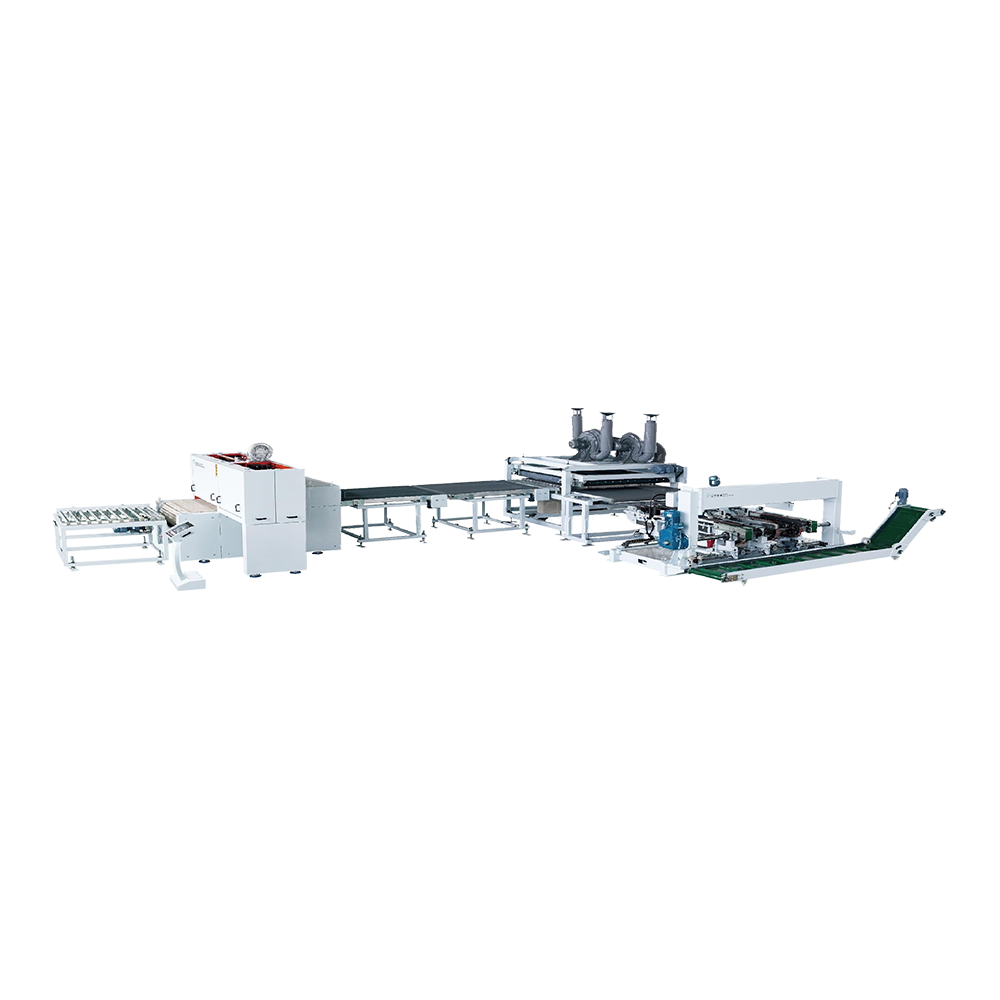
The feed speed of this equipment can reach 40 meters per minute, the whole frame...
See Details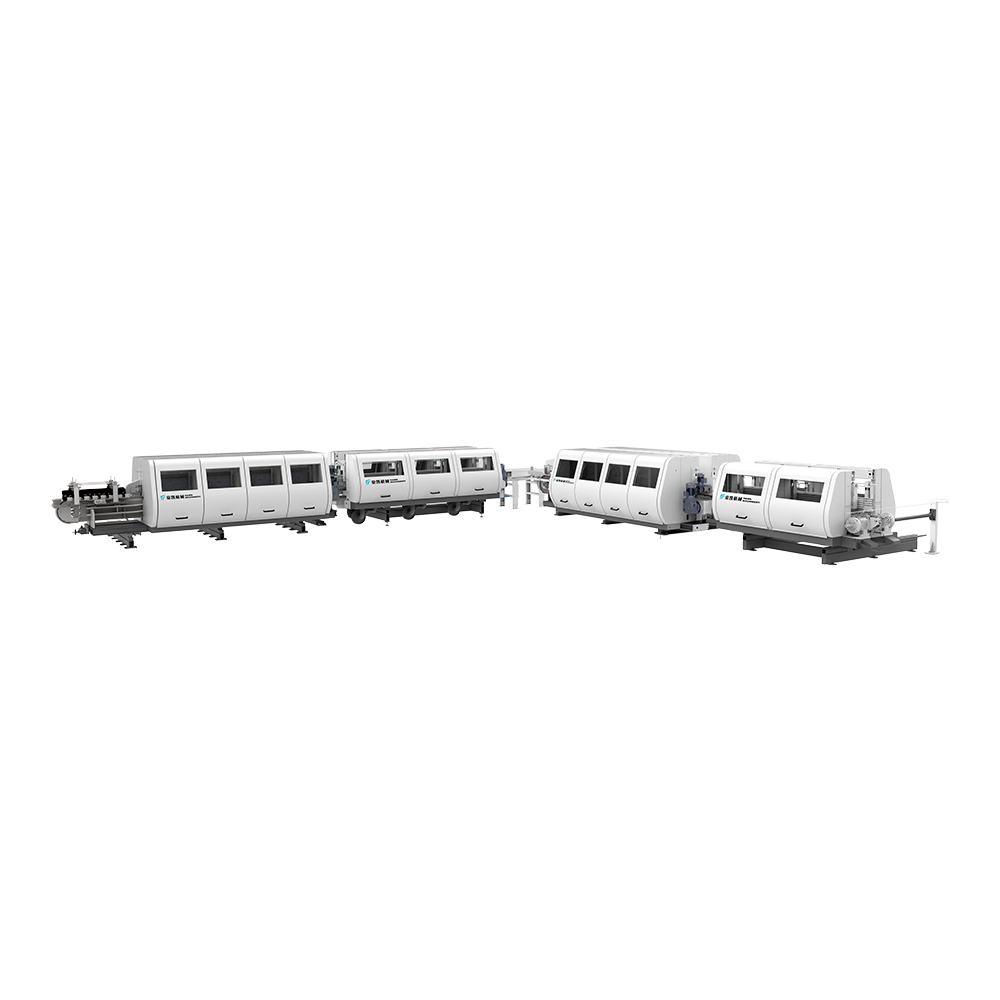
Suitable for edge coating of laminated, PVC, and WPC. Using water-based paint is...
See Details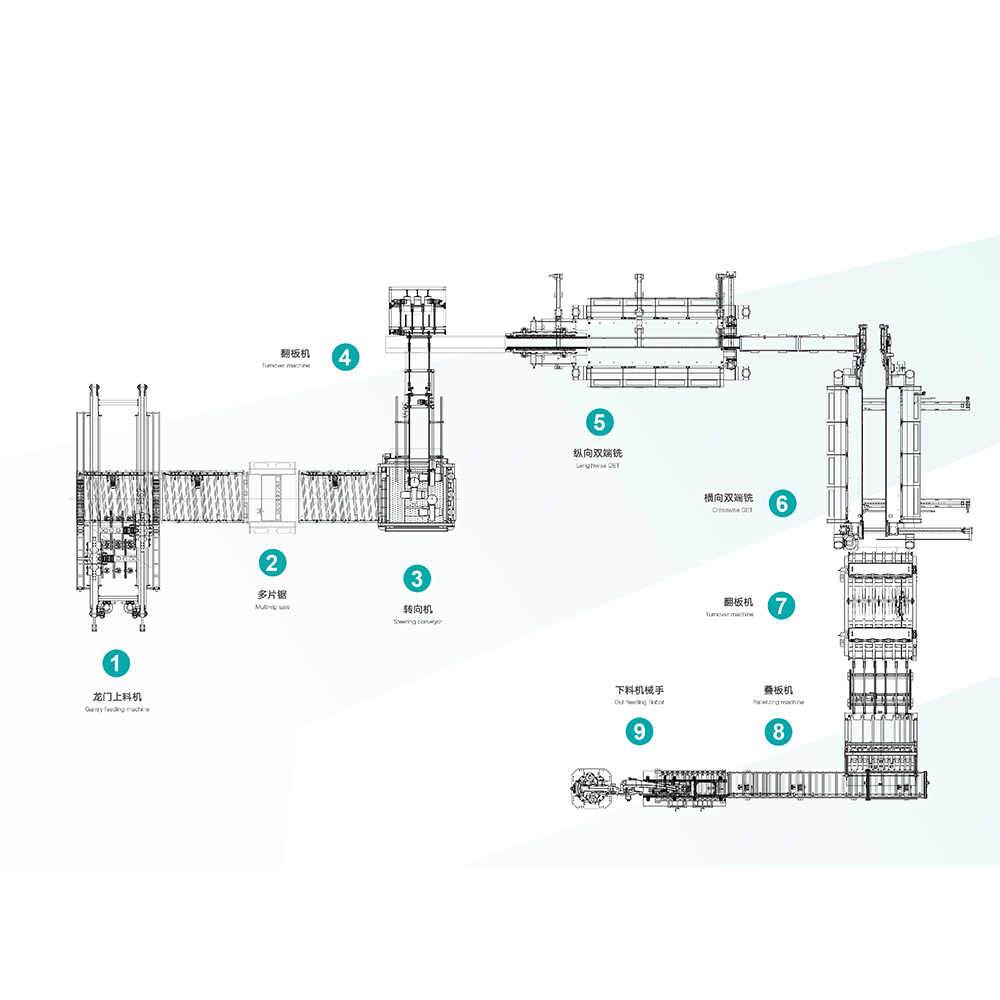
Hawk Machinery automatic feeding, cutting & slotting line, suitable for SPC,...
See Details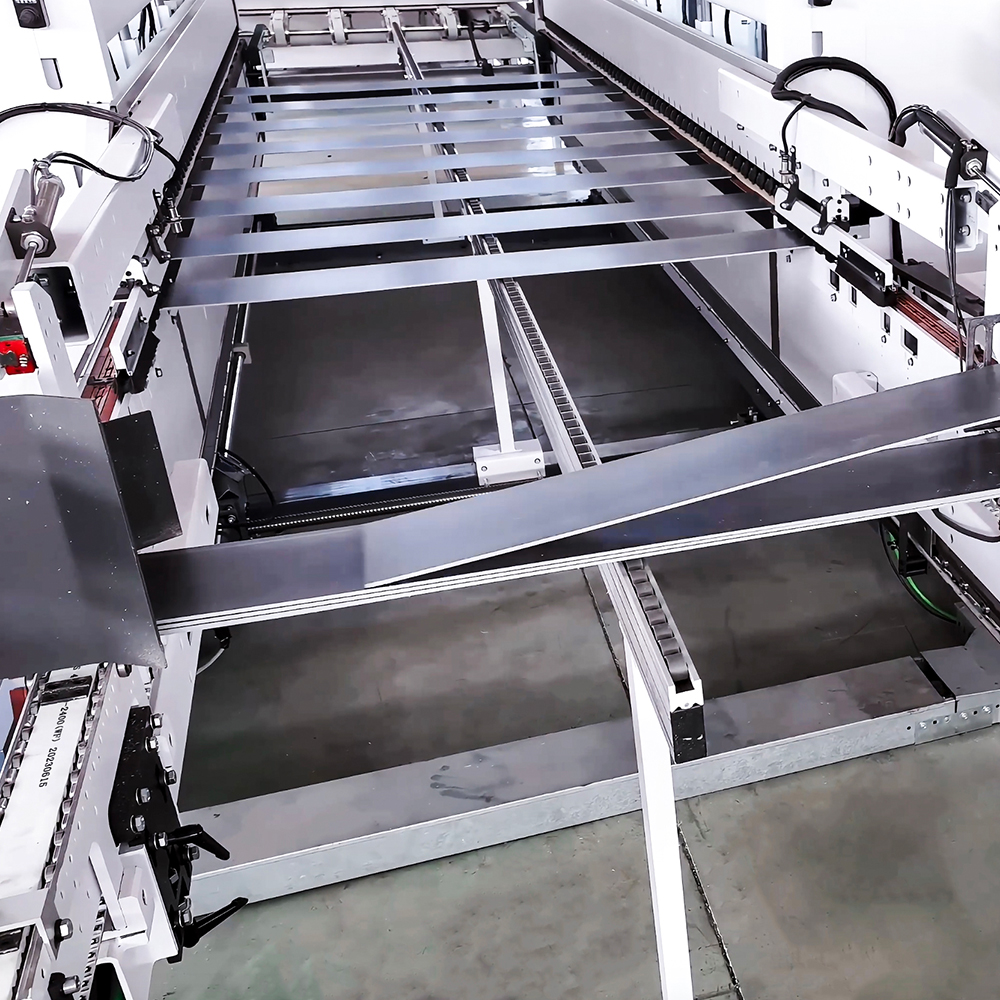
Integrated intelligent equipment integrates industrial intelligent Internet of g...
See Details
Contact info.
Boyi development area, changzhou city, jiangsu province, P. R. China
+86-0519-83319988
Don't hesitate to contact when you need us!
 Custom Floor Extrusion Machine Manufacturers