
 English
 русский
 Español

Floor slotting line (double end tenoner)
The product can slot the floor vertically and horizontally. The machine series c...
See DetailsPVC flooring looks simple from the outside: a plank, a click edge, a finish. Inside a factory, it is a sequence of controlled cuts, profiles, and inspections. A PVC floor CNC cutting machine sits at the point where a programmed layout becomes a finished part. It can size sheets, trim planks, cut notches, or produce shapes that a fixed saw cannot handle efficiently. If you are comparing equipment or trying to improve an existing line, the useful questions are practical: what will be cut, how repeatable must it be, and how will the machine fit with the rest of production?
Content
A CNC cutting machine for PVC flooring combines a stable work table, a clamping system, a cutting head, and motion control software. The machine follows a file rather than a fixed fence, so the same platform can handle rectangular blanks, angled cuts, notches, sample pieces, and short-run patterns. On a production line, it may work with automatic loading, belt transfer, dust extraction, waste removal, and labelling. The value is not only the cut itself. It is the ability to repeat the same cut, shift to a new size, and keep the edge ready for the next process.
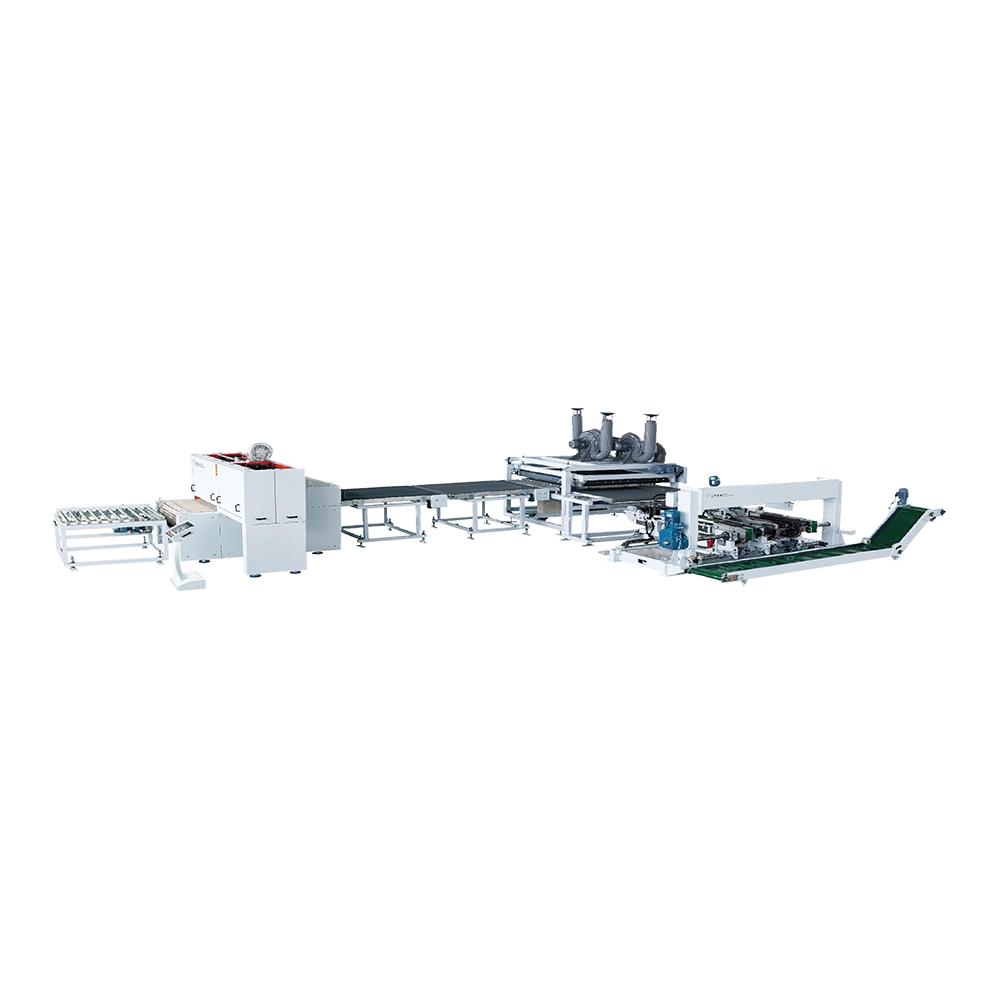 HAWK PVC Floor CNC Cutting Production LineA CNC saw-blade cutting line for PVC flooring, offering 5–40 m/min sawing speed, ±0.015 mm spacing adjustment, and lengthwise or crosswise configurations.View Product →
PVC floor production usually includes mixing or extrusion, calendering or pressing, cooling, coating, cutting to length, profiling, slotting, beveling, inspection, and packing. CNC cutting may appear at different points depending on the product. It can cut large sheets into blanks before profiling, trim finished panels to final length, or create special shapes for sample rooms and small orders. For rigid SPC and WPC floors, the cutting head must handle hard mineral fillers and maintain a clean edge without chipping the wear layer. For flexible PVC sheet, hold-down and blade choice matter just as much as axis speed.
The right setup depends on the mix of work. A factory that runs one plank size all day needs different priorities from a plant that handles many colours, lengths, and cutouts. In both cases, the machine should be judged as part of the line, not as an isolated box. Loading rhythm, transfer speed, waste handling, and operator access all affect real output.
PVC flooring is not one material. A flexible vinyl sheet, a rigid SPC core, and a WPC plank with a foamed core behave differently under a cutting edge. The machine may use a rotary blade, a router bit, a knife, or a combination, and the supplier should be clear about which method suits your product. The table below gives a practical starting point, not a final specification.
| Cutting approach | Typical use | Edge result | Points to check |
|---|---|---|---|
| Rotary blade or shear cutting | Straight cuts in flexible PVC sheet and some thin layers | Fast, clean cut when the material is supported | Blade sharpness, sheet hold-down, filler content |
| CNC router milling | Rigid SPC/WPC planks, notches, cutouts, and shaped parts | Controlled profile with good repeatability | Tool wear, feed rate, heat, dust extraction |
| Knife or oscillating cutting | Thin films, backing layers, samples, and short runs | Low dust and gentle edge pressure | Material thickness, clamping, blade life |
Ask for a test cut on your own wear layer, core, and backing. A clean result on a demo sample is useful, but it does not replace a run at your normal line speed and plank size.
Two machines may quote the same positioning accuracy and still behave differently in production. Rigidity, frame design, servo response, rail quality, clamping force, tool condition, and temperature all influence the finished cut. For PVC flooring, repeatability is often more important than a single laboratory number. A slightly larger but consistent cut can be managed; a cut that drifts from plank to plank creates fitting problems, coating defects, and waste.
Before buying, define the tolerance that matters for your product: length, width, squareness, notch position, or edge chip size. Then ask how the machine holds that tolerance over a full shift, not just for the first ten pieces. Tool change procedure and calibration routine should be simple enough for operators to follow without guesswork.
PVC cutting produces chips, fine dust, and static charge. Good extraction is not an accessory; it protects the cut, the tool, and the working area. Dust left on the table can lift a plank by a fraction of a millimetre, which is enough to change the cut. Static can make thin chips cling to guides and sensors. The machine should provide clear extraction points, easy access for cleaning, and a hold-down system that keeps the part flat without marking the decorative surface.
Edge quality also affects the next step. A chipped edge may show after coating, printing, or beveling. If your product has a visible wear layer, inspect the cut under the same light the final customer will see.
A fast cutting head can still be slowed down by manual loading, poor transfer, or disconnected data. The best results come when the cutting machine is planned with the line. Ask how parts enter and leave, how waste is removed, how sizes are scheduled, and how the operator knows which order is running. A simple barcode or job file can reduce changeover mistakes. For factories moving toward automated production, a manufacturing execution system can connect cutting parameters, order data, and quality records.
Automation should solve a real bottleneck. If the cutting cell is already balanced, adding complexity may not pay back. If changeovers, rework, or traceability are costing time, a more connected line can be worth the investment.
Use the same checklist for every supplier so the comparison stays honest. Bring real material and a drawing or part file. Watch the machine run, not just the sales video.
At HAWK Machinery China, we have been building flooring equipment since 2005, with more than 20 years of hands-on experience in the field. Our team includes over 200 professionals, and our work is supported by more than 50 self-developed patents, CE certification, and ETL certification. You can read more about our story or contact our team to discuss a line around your product mix.
Choosing a PVC floor CNC cutting machine is not about finding the busiest specification sheet. It is about matching a cutting system to your material, your tolerance, and your production rhythm. When the machine, tooling, extraction, and line control work together, the result is quieter: fewer rejects, faster changeovers, and edges that behave the same way every shift. That is the practical standard worth buying against.
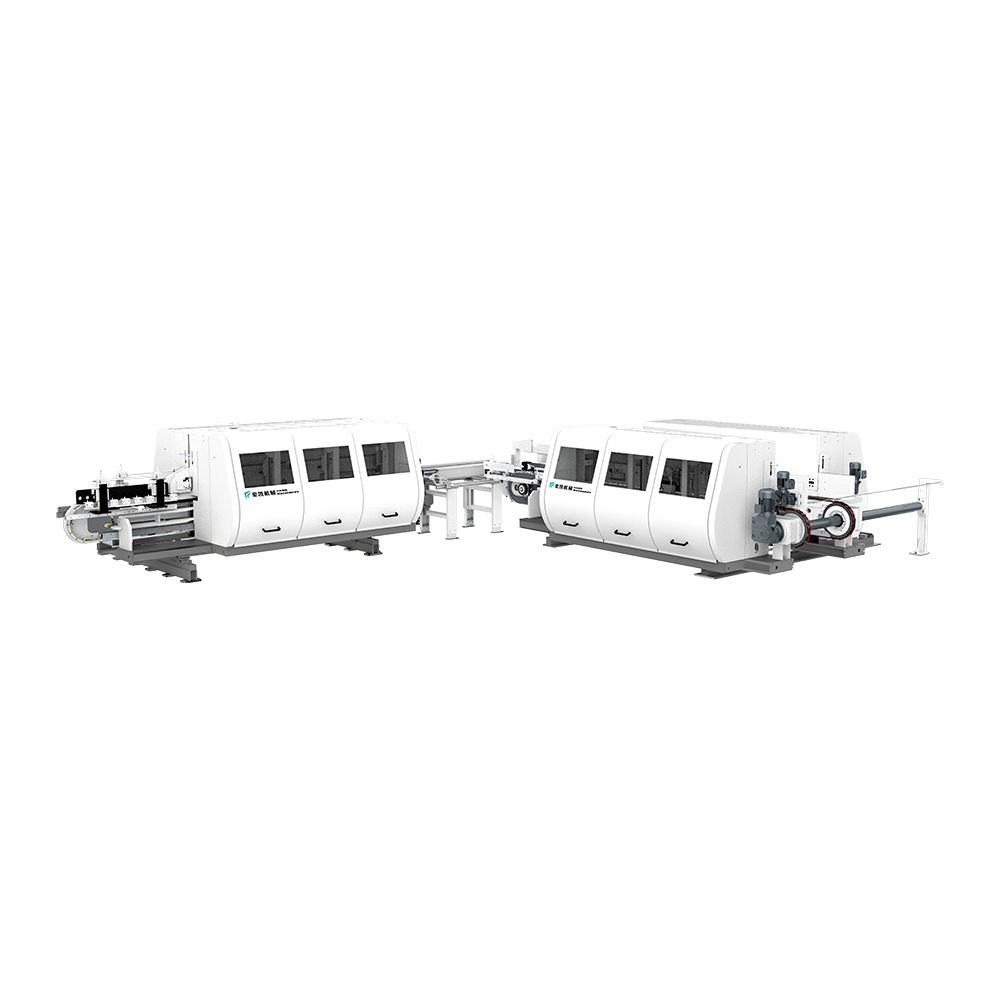
The product can slot the floor vertically and horizontally. The machine series c...
See Details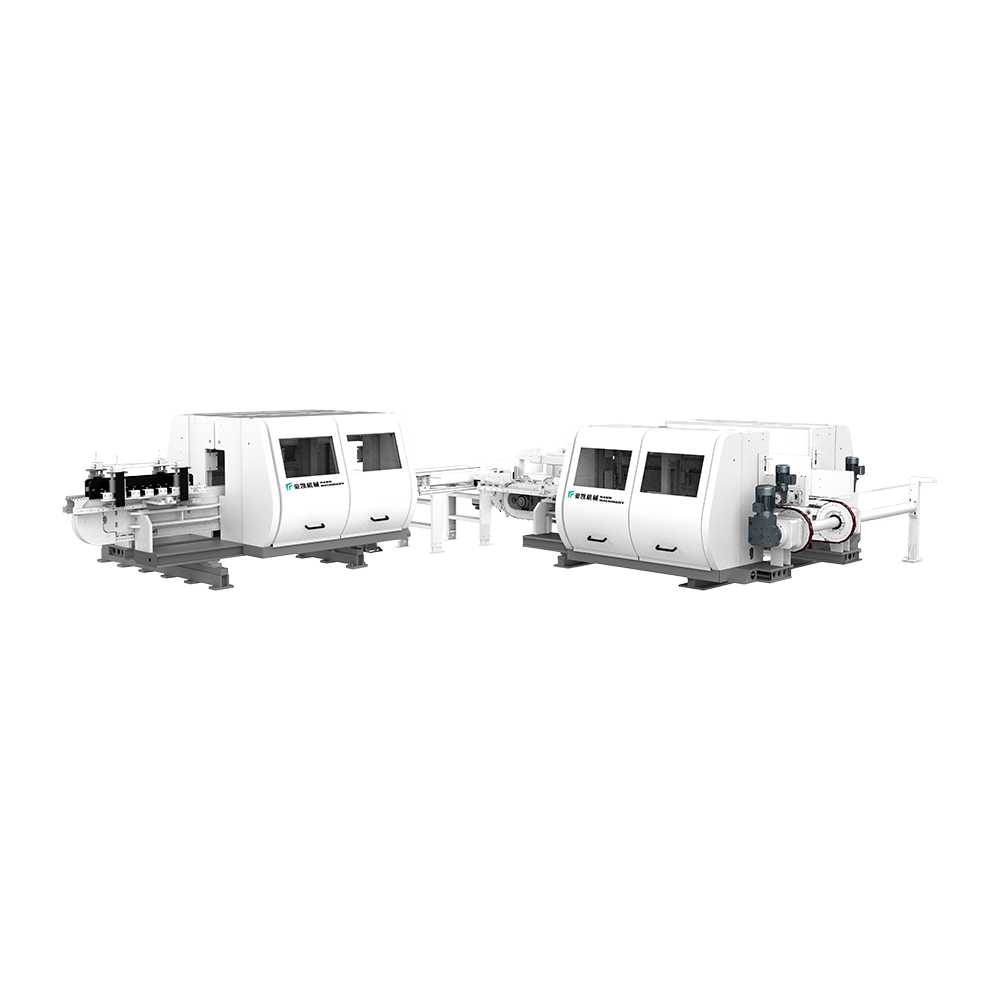
This equipment is suitable for trimming and chamfering LVT flooring. Equipped wi...
See Details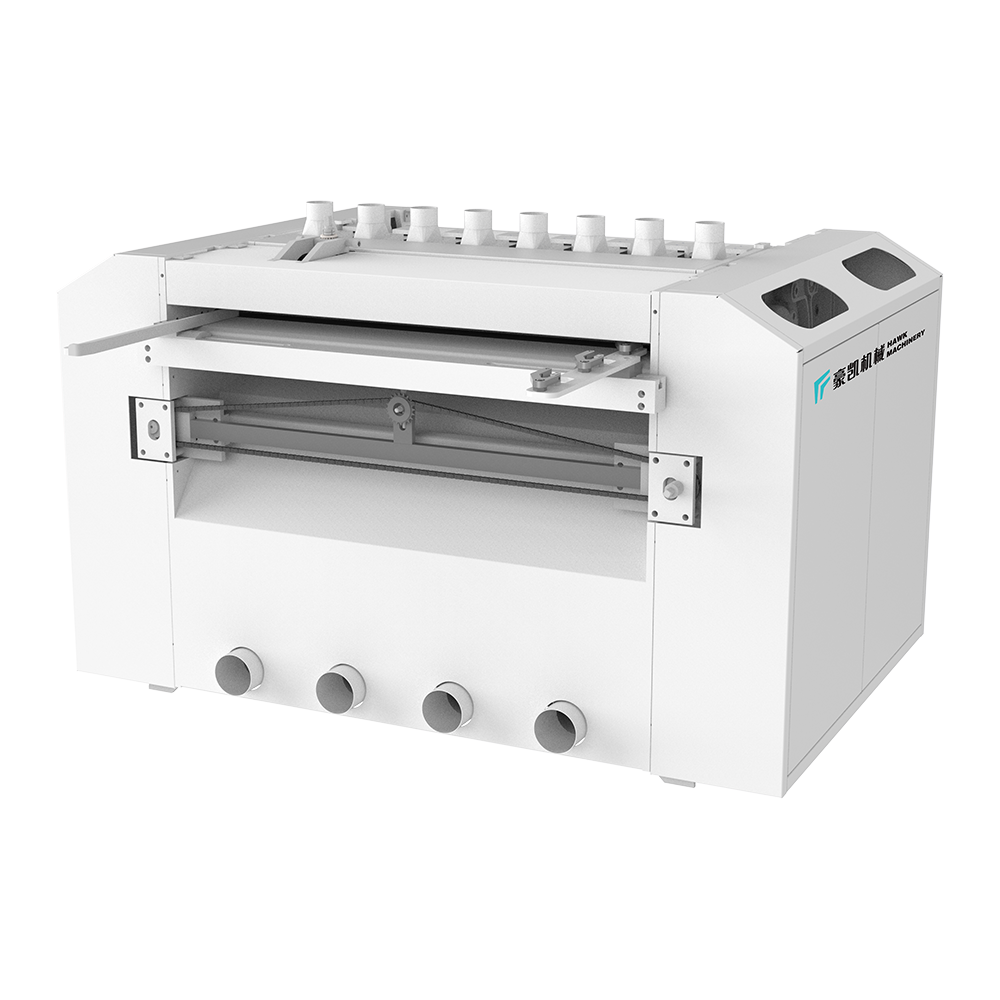
Different transmission sawing methods are suitable for different board processin...
See Details
The feed speed of this equipment can reach 40 meters per minute, the whole frame...
See Details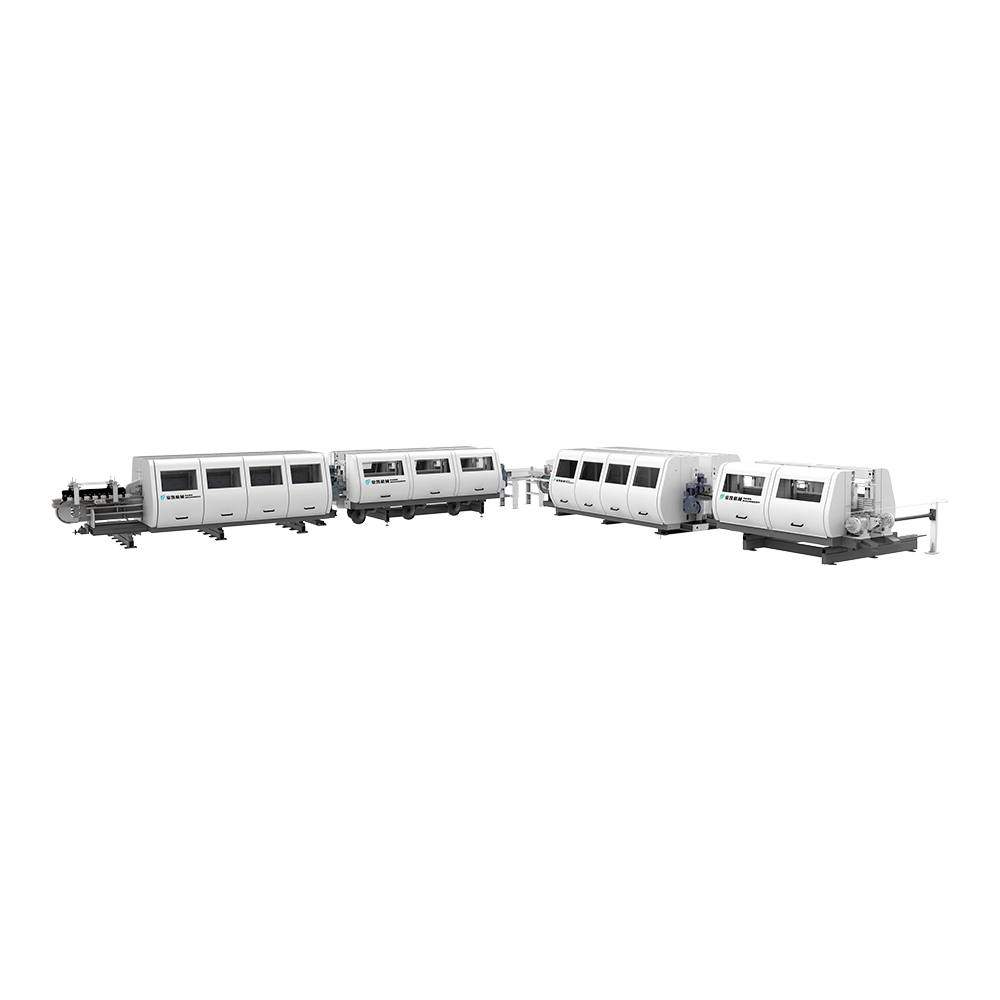
Suitable for edge coating of laminated, PVC, and WPC. Using water-based paint is...
See Details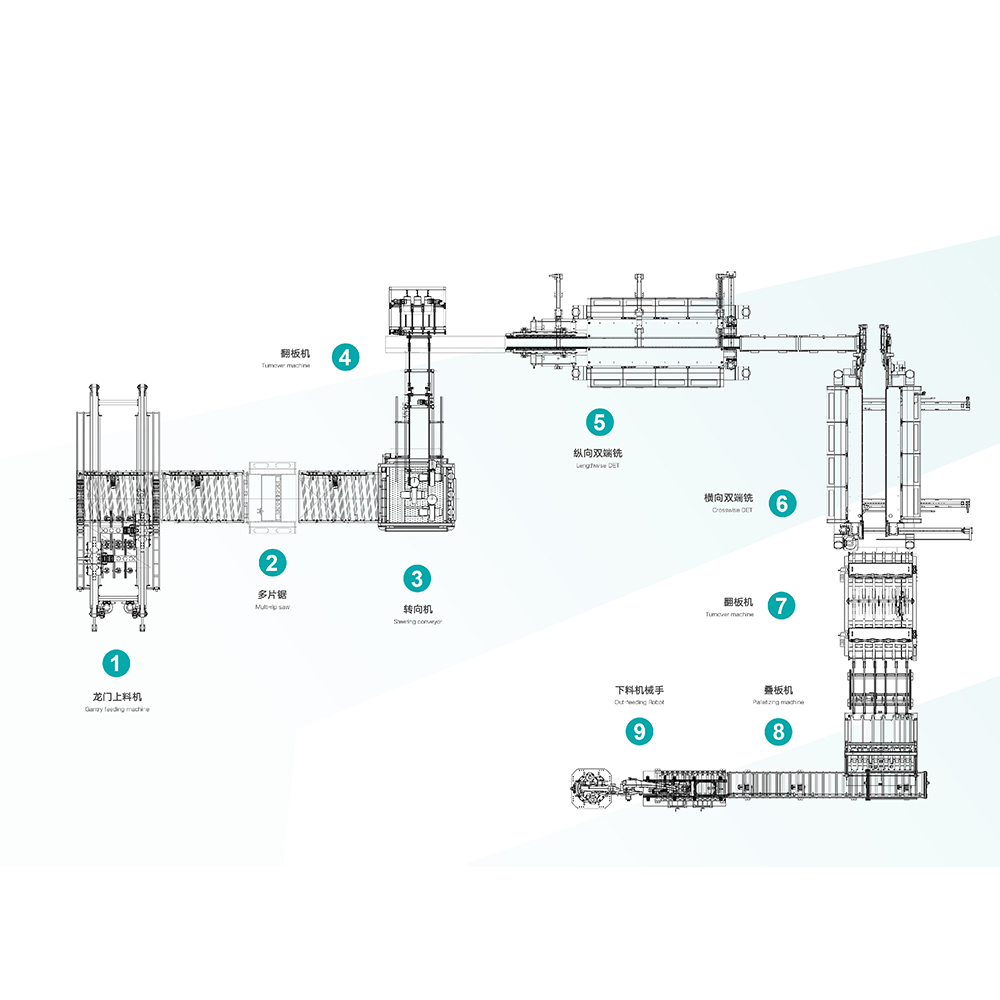
Hawk Machinery automatic feeding, cutting & slotting line, suitable for SPC,...
See Details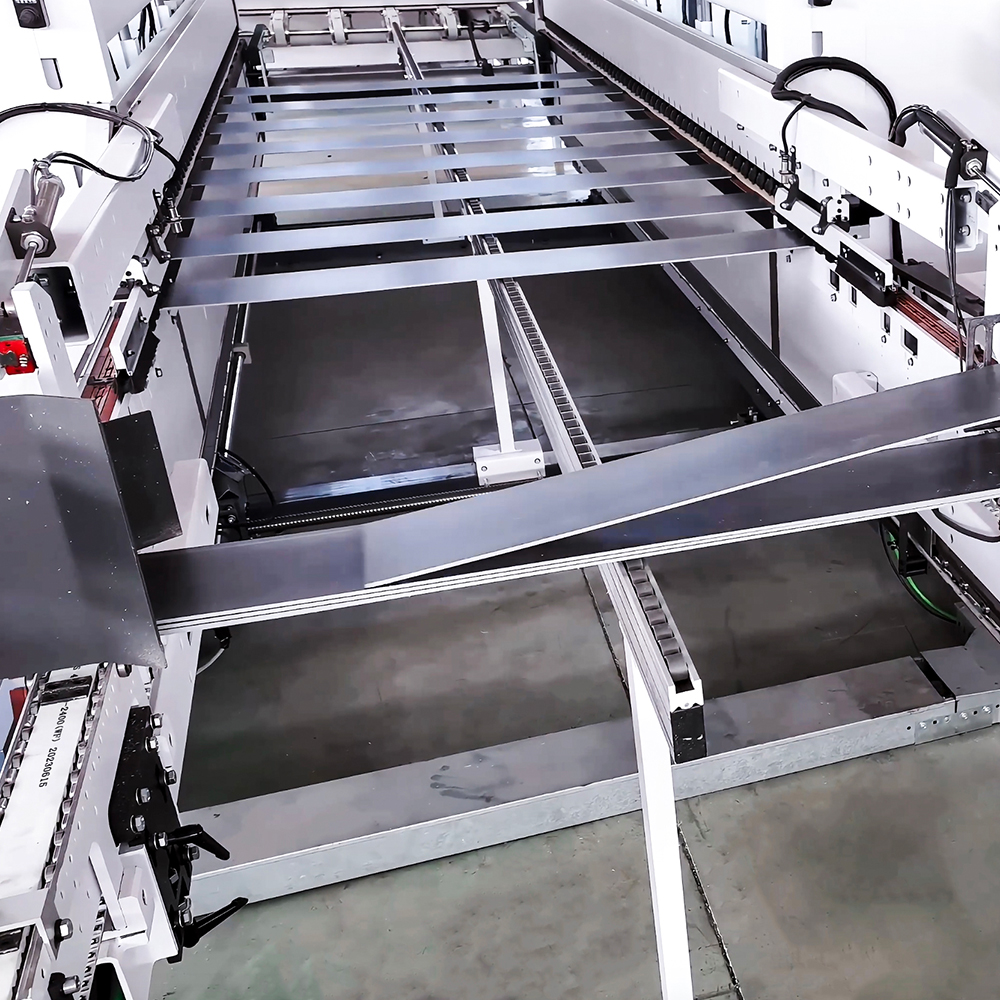
Integrated intelligent equipment integrates industrial intelligent Internet of g...
See Details
Contact info.
Boyi development area, changzhou city, jiangsu province, P. R. China
+86-0519-83319988
Don't hesitate to contact when you need us!
 Custom Floor Extrusion Machine Manufacturers