
 English
 русский
 Español

Floor slotting line (double end tenoner)
The product can slot the floor vertically and horizontally. The machine series c...
See DetailsIf you work in flooring or panel production, the first rip cut sets the tone for everything that follows. A multi-rip saw machine takes a wide blank, whether a wood-based board, an SPC plank, a WPC sheet, or a laminate panel, and divides it into several strips of consistent width in a single pass. At HAWK Machinery, we have been building flooring processing equipment since 2005, and we have learned that the best rip saw is not simply the one with the most blades. It is the one that matches your material, your tolerance targets, and the way your line actually runs.
Content
At its simplest, a multi-rip saw is a fixed-arbor or adjustable-arbor saw with a row of circular blades mounted on one or more shafts. The blade spacing, or the combination of spacers and blade positions, determines the width of each finished strip. The workpiece is fed through the saw by rollers, belts, or a chain, and hold-down rollers keep it flat and stable while the blades make the cut.
Compared with a single-blade table saw or a panel saw, the multi-rip saw is built for repeatability. It is not usually a job-shop tool for one-off cuts. It is production equipment, designed to run the same width, hour after hour, with a level of consistency that downstream slotting, beveling, and painting stations depend on.
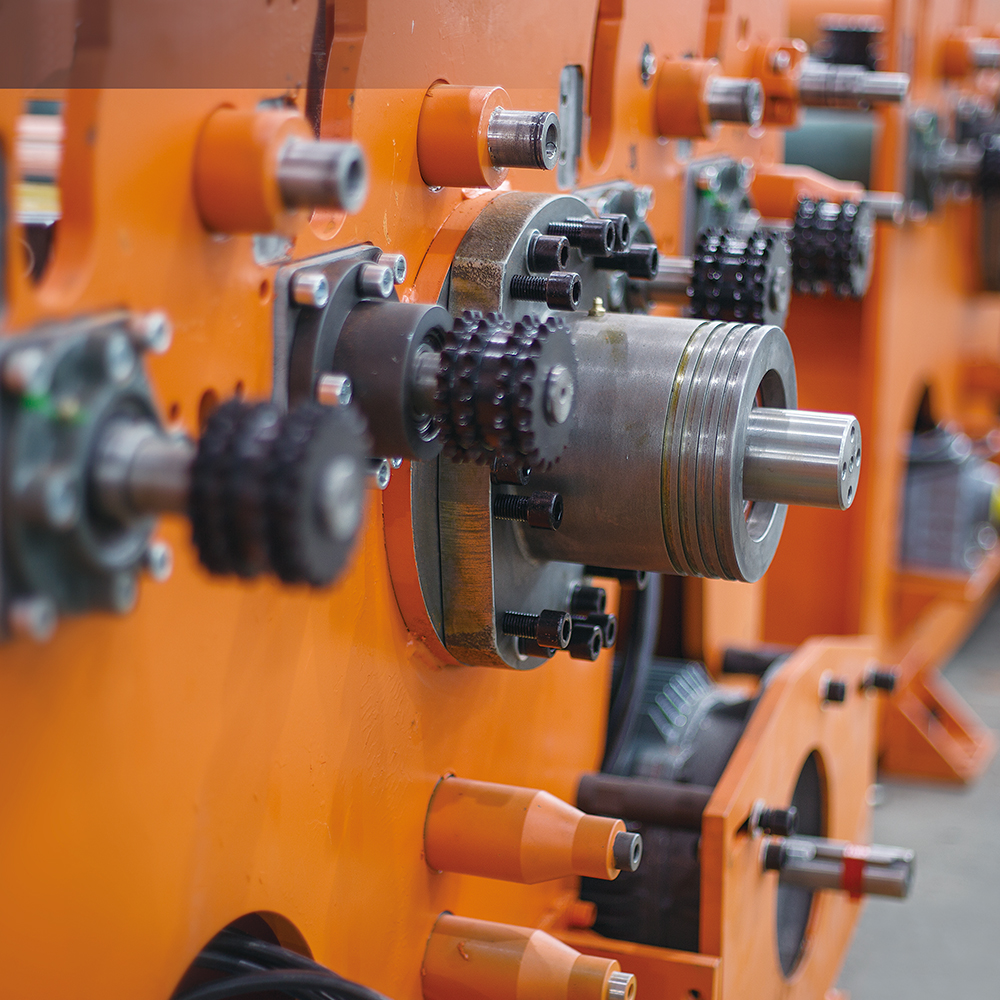 Multi Rip Saw Machine for SPC and Panel ProductionProduction rip saw with roller drive, up to 32 m/min feed, and adjustable blade depth for repeatable SPC, LVT, WPC, and wood panel cutting.View Product →
Every multi-rip saw follows a similar sequence: infeed, alignment, hold-down, sawing, and outfeed. The details vary by design, but the purpose is always to keep the blank square to the blade and moving at a steady rate.
On many flooring lines, the rip saw is placed before double-end tenoning, edge beveling, or V-groove painting, because those processes need a consistent strip width to work properly. If the rip saw output drifts, the problem often shows up several stations later as a joint issue, a finish defect, or an extra setup adjustment.
For SPC producers, material behavior adds another layer. Our practical guide to SPC floor multi-rip saw setups covers some of the material-specific points worth checking before you lock in blade spacing and feed speed.
Flooring producers use multi-rip saws for three practical reasons: throughput, consistency, and yield.
The tolerance point is especially important. A small width variation that looks harmless at the rip saw can become a visible joint problem after slotting or a finish problem after painting. That is why experienced operators treat the rip saw as a quality gate, not just a volume machine.
Machine selection starts with the material and the finished strip. A saw that performs well on laminate may need different blade geometry, feed pressure, and dust control for SPC or fiber calcium silicate board. Thickness range, density, abrasive content, and surface finish all influence the choice.
| Checkpoint | What to confirm | Why it matters |
|---|---|---|
| Strip width range | Blade spacing and adjustment range | Limits flexibility if the range is too narrow |
| Material and thickness | Sample testing and recommended blade type | Hard or abrasive boards affect blade life and motor load |
| Blade count and kerf | Match to output target and material yield | More blades can raise output but also power and dust load |
| Feed system | Roller, belt, or chain design and hold-down pressure | Stable feeding protects width tolerance and surface quality |
| Spindle and motor | Power, speed, and blade mounting method | Incorrect matching can cause vibration or poor cuts |
| Dust extraction | Hood design and airflow | Fine dust affects safety, blade life, and cut quality |
| Safety and controls | Guarding, emergency stop, and interlocks | Operators work close to rotating tooling |
Ask for a trial cut with your own material whenever possible. A short test with production samples tells you more about edge quality, noise, power draw, and tolerance than a specification sheet alone.
Blade spacing is the most obvious setting, but it is not the only one. The saw arbor must be true, the spacers must be clean and matched, and the blades must be sharp and correctly tensioned. A worn spacer or a chip under a collar can shift a strip width by a few tenths of a millimeter, which is enough to create problems downstream.
Blade spacing should be checked against the finished strip width, not only against the nominal dimension. Kerf removes material, and the way the blades are mounted affects both cut quality and material yield. If the strip is critical, check the first and last pieces from a run, not just a sample from the middle.
Feed speed should match the material and the blade configuration. Too fast, and the cut quality drops; too slow, and the material may burn or the line may lose rhythm. Hold-down pressure needs to be firm enough to keep the blank flat, but not so heavy that it marks delicate surfaces. On composite flooring, the balance between hold-down, feed, and dust extraction often decides whether the edge is clean or fuzzy.
Multi-rip saws reward routine care. The following habits are simple, but they prevent most of the problems we see in the field.
A saw that is maintained well will hold tolerance longer and produce fewer rejects. That matters more than a small difference in headline feed speed.
Most multi-rip saws do not work alone. They sit at the front of a sequence that may include double-end tenoning, slotting, beveling, V-groove painting, and automated handling. The rip saw output width and edge quality influence how smoothly those stations run.
For producers planning a new line or a major upgrade, it is worth looking at the whole sequence rather than the saw in isolation. Our automatic floor production line is one example of how the rip saw stage can be integrated with the rest of the process.
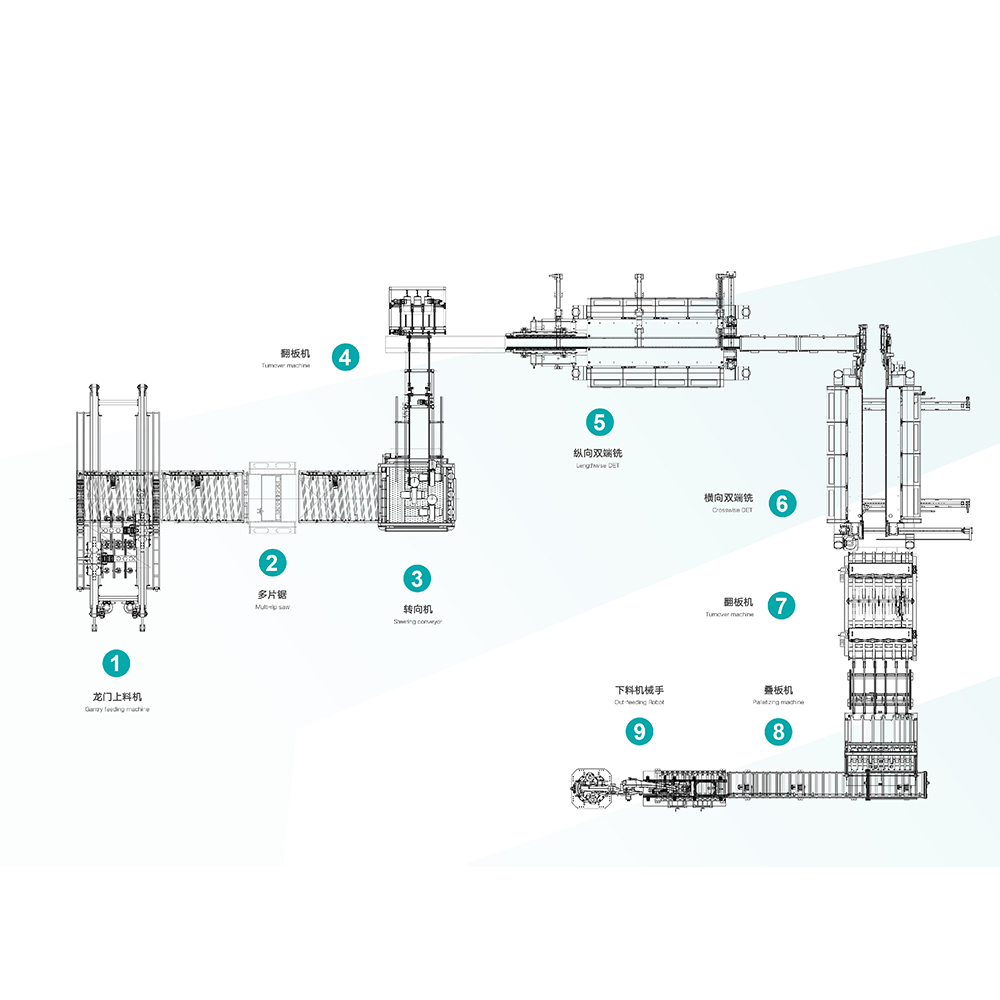 Automatic Floor Production Line for SPC and PVCIntegrated feeding, multi-rip sawing, and slotting line for SPC, WPC, and PVC floors, designed for synchronous high-accuracy operation and reduced manual involvement.View Product →
Even if you are not buying a full line today, think about how the rip saw will connect to existing conveyors, dust collection, and quality checks. A machine that is efficient on its own but awkward to integrate can become a bottleneck.
Before you compare quotations, make a short checklist of what matters to your plant.
If you would like a second opinion on the right configuration, talk with our team. We are happy to review your material, strip size, and line layout, and to explain where a multi-rip saw fits without overcomplicating the project.
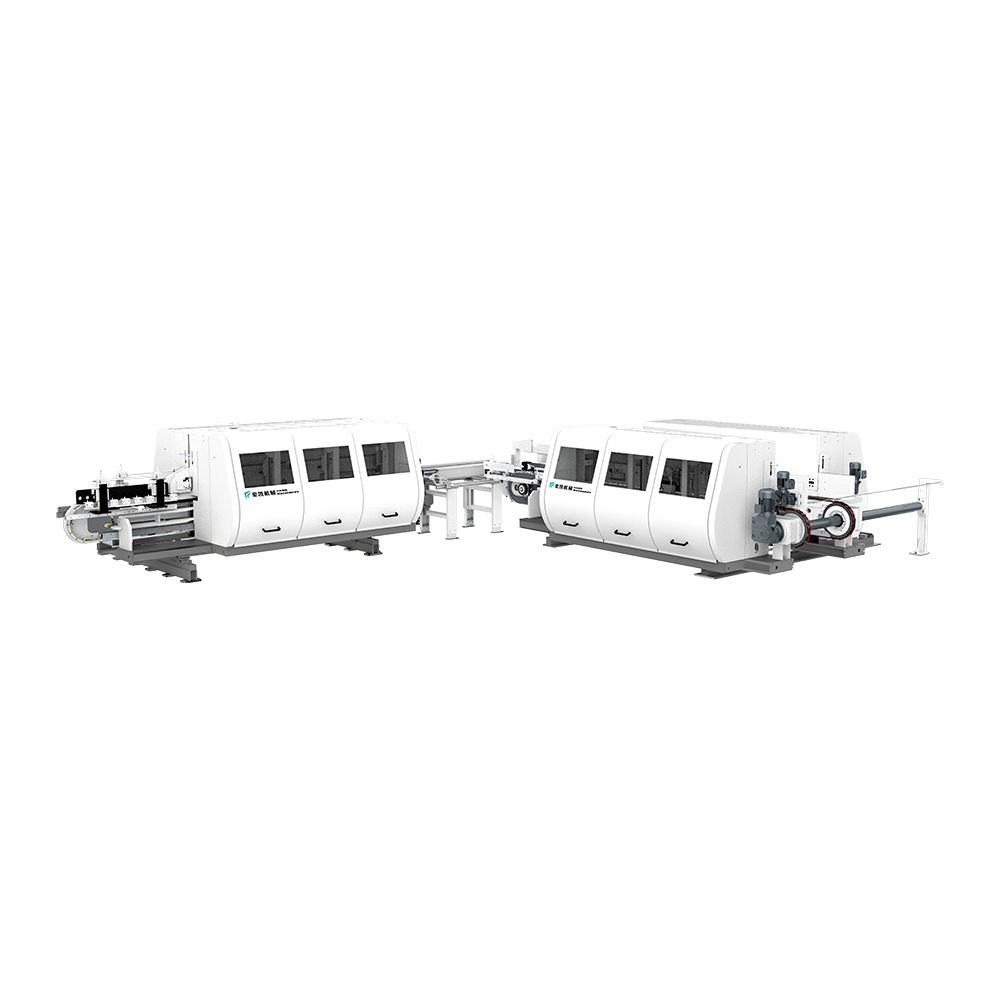
The product can slot the floor vertically and horizontally. The machine series c...
See Details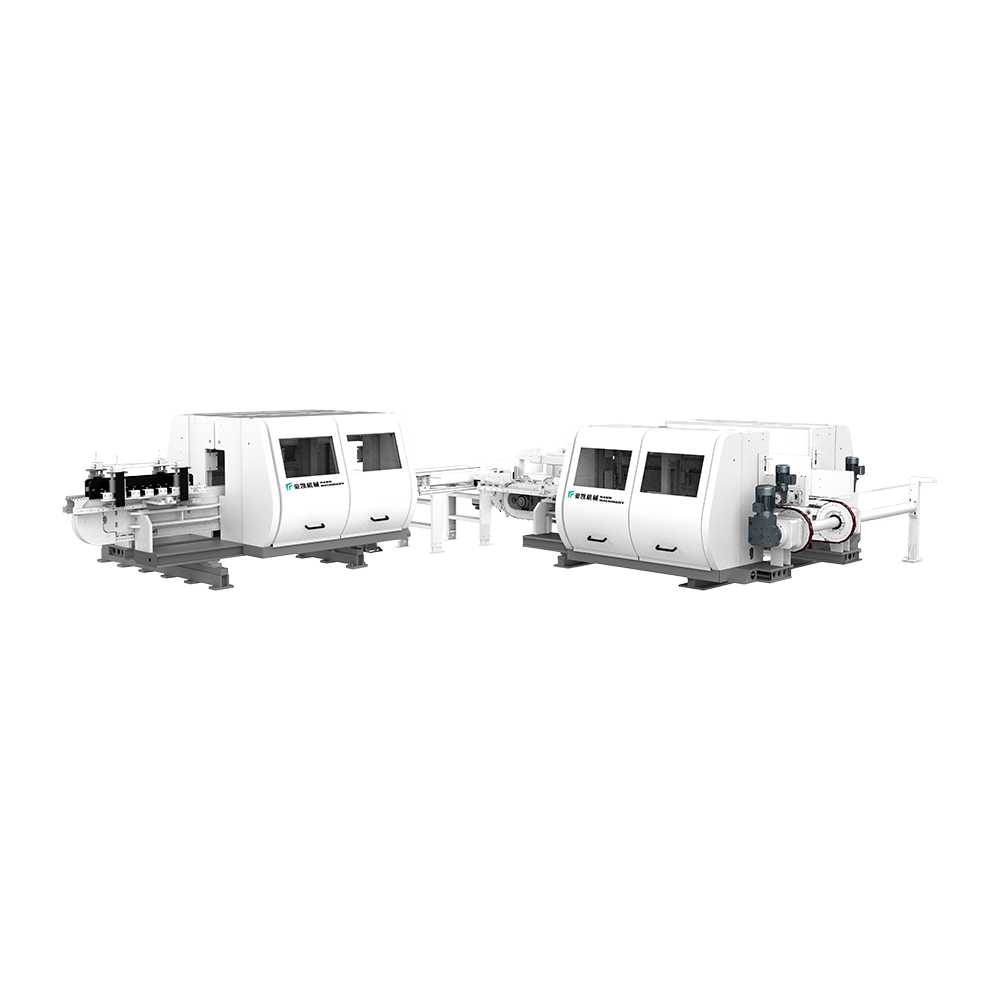
This equipment is suitable for trimming and chamfering LVT flooring. Equipped wi...
See Details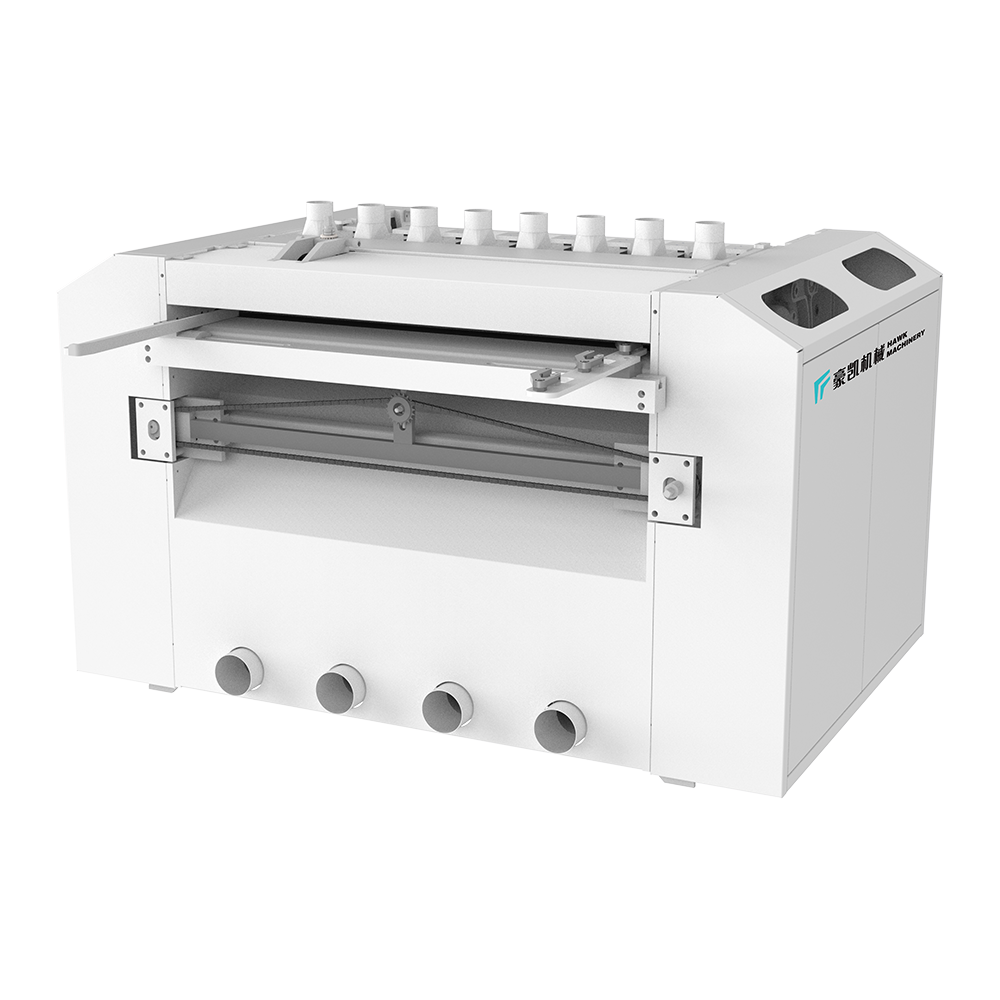
Different transmission sawing methods are suitable for different board processin...
See Details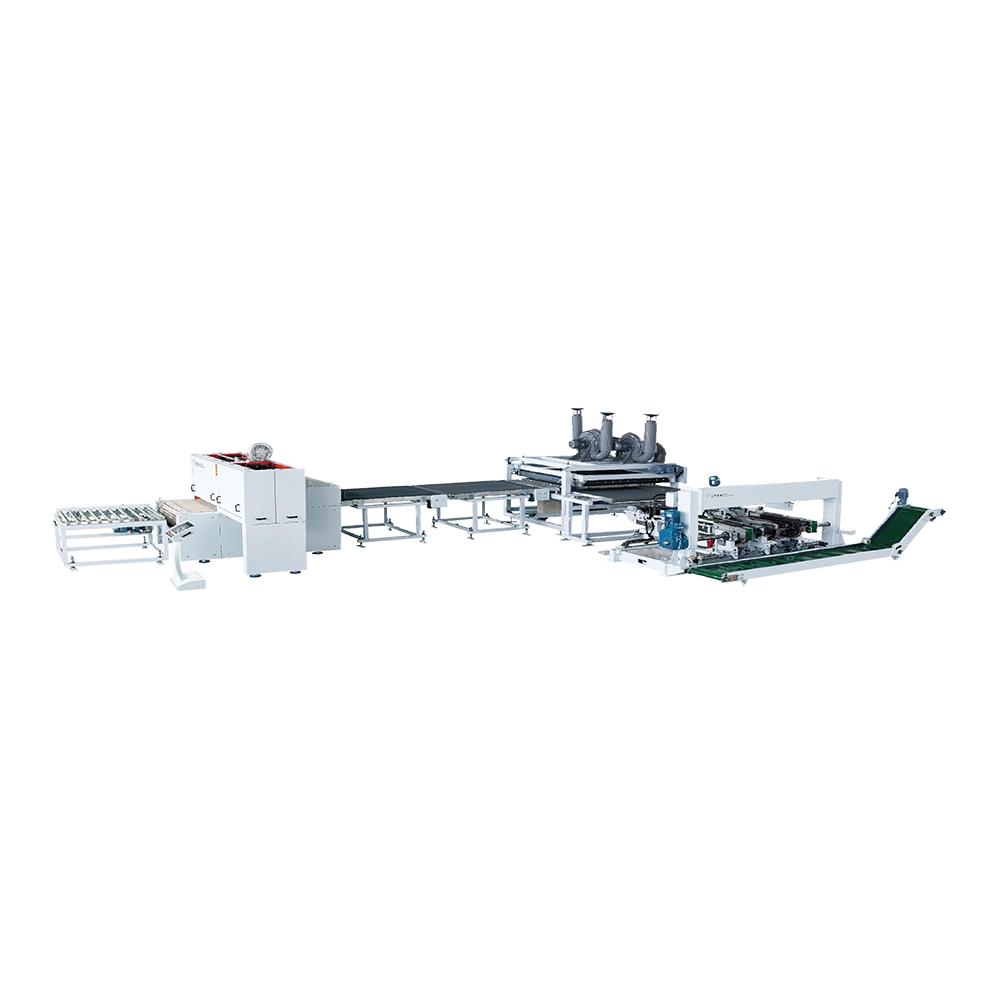
The feed speed of this equipment can reach 40 meters per minute, the whole frame...
See Details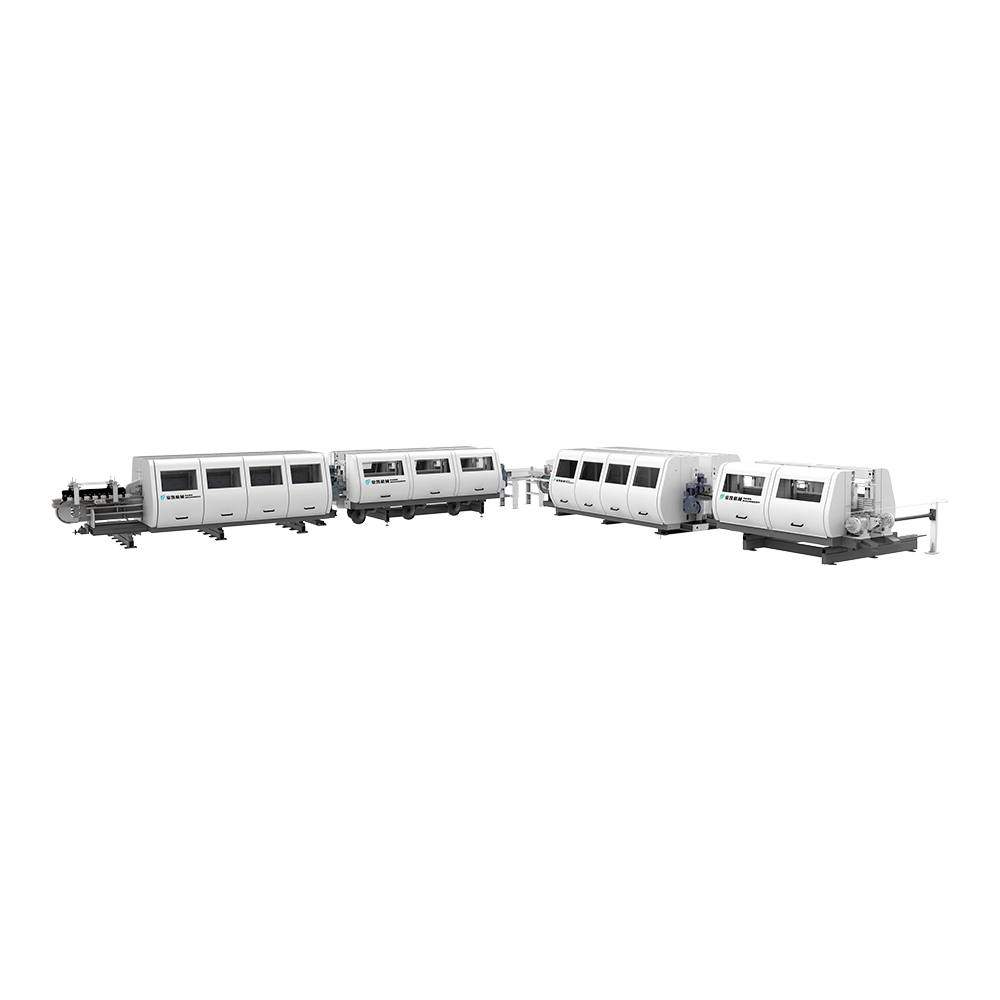
Suitable for edge coating of laminated, PVC, and WPC. Using water-based paint is...
See Details
Hawk Machinery automatic feeding, cutting & slotting line, suitable for SPC,...
See Details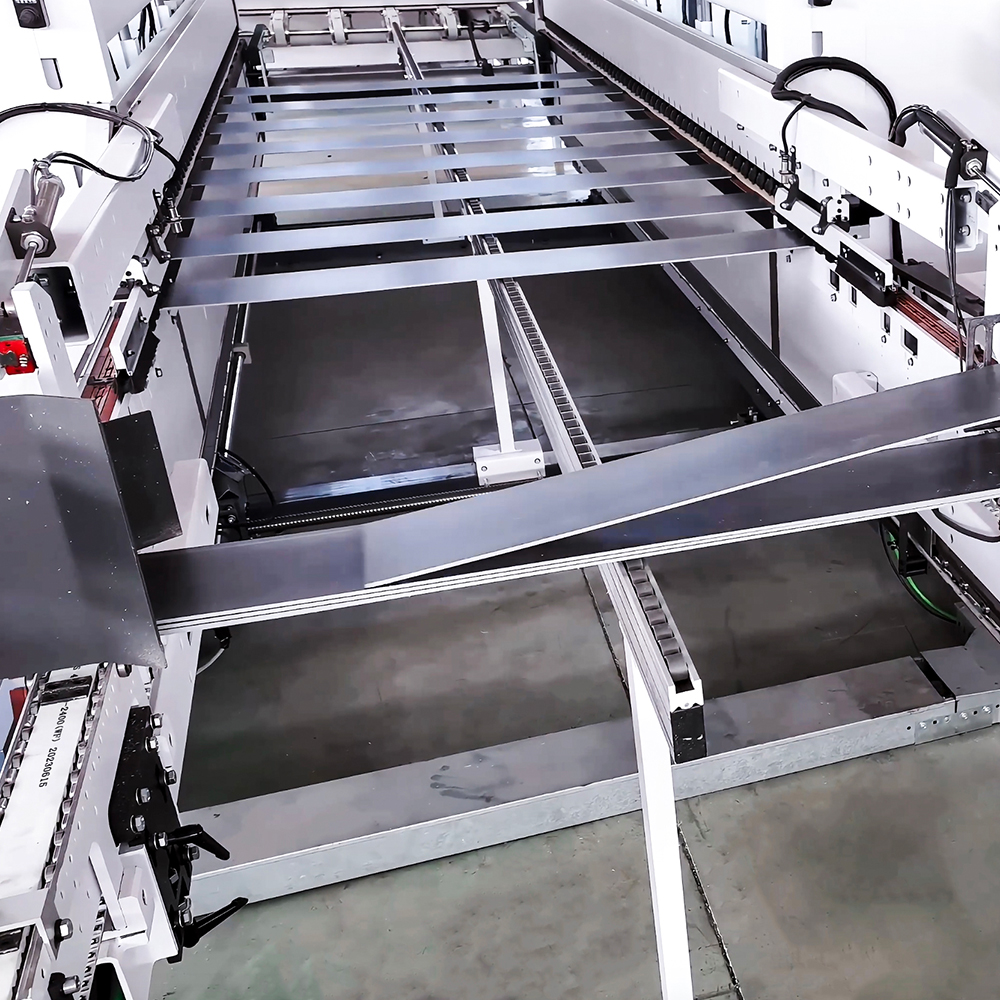
Integrated intelligent equipment integrates industrial intelligent Internet of g...
See Details
Contact info.
Boyi development area, changzhou city, jiangsu province, P. R. China
+86-0519-83319988
Don't hesitate to contact when you need us!
 Custom Floor Extrusion Machine Manufacturers