
 English
 русский
 Español

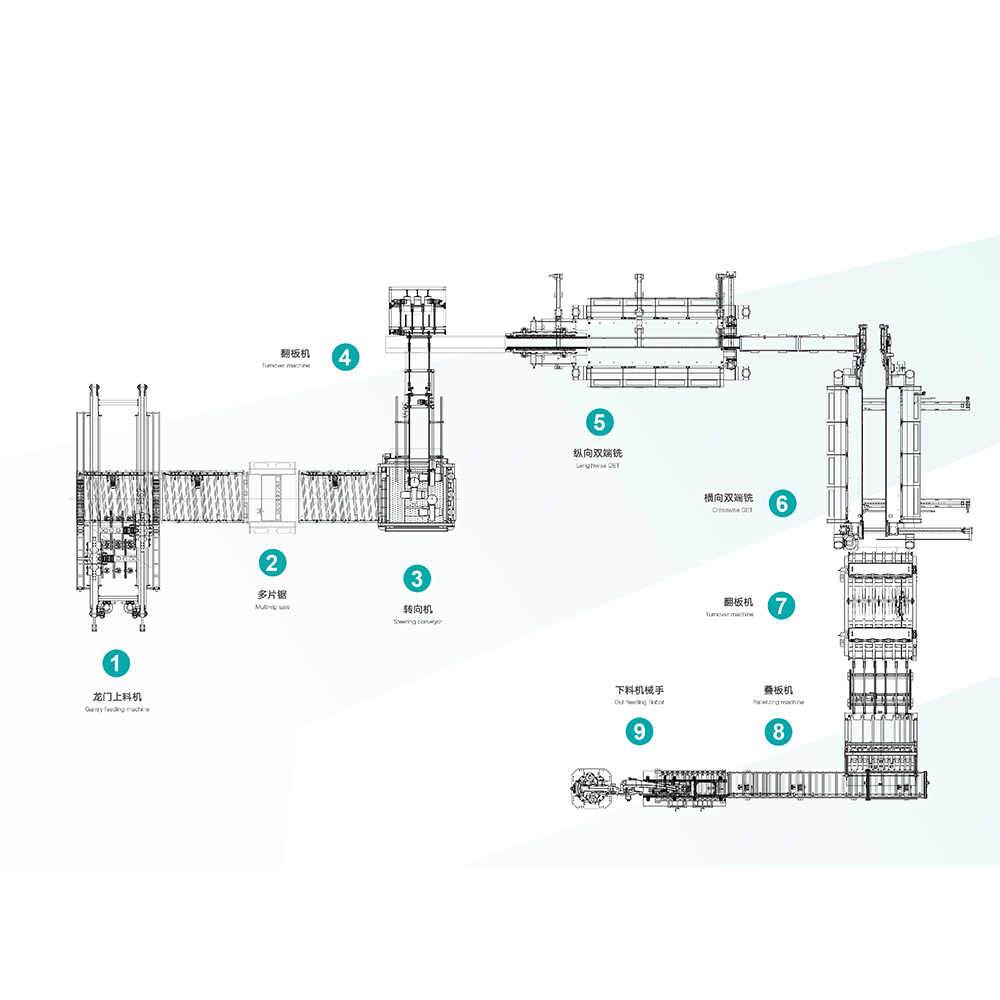
Floor slotting line (double end tenoner)
The product can slot the floor vertically and horizontally. The machine series c...
See DetailsContent
A PVC plastic floor production line is an integrated system of industrial machinery designed to transform raw polyvinyl chloride (PVC) resin and additives into finished flooring products — including rigid core planks, luxury vinyl tiles (LVT), SPC (stone plastic composite) flooring, WPC (wood plastic composite) boards, and homogeneous or heterogeneous vinyl rolls. The production line handles the entire conversion process from raw material compounding through extrusion or calendering, layer lamination, surface embossing, cutting, and final quality inspection.
Unlike single-purpose machines, a PVC flooring manufacturing line is a coordinated sequence of equipment where output from one station feeds directly into the next. The speed, temperature, pressure, and tension settings across each station must be precisely calibrated and synchronized to produce a consistent, defect-free product. This is why understanding how each section of the line works — and how they interact — is essential for anyone evaluating, purchasing, or operating a PVC floor production system.
Modern PVC plastic flooring production lines are configured differently depending on the product type being manufactured. An SPC rigid core line uses a different extrusion and lamination sequence than a flexible LVT calendering line, even though both produce PVC-based flooring. Knowing which product type you intend to manufacture is the starting point for specifying the right line configuration.
Before examining the equipment in detail, it's important to understand the main production line types used in the PVC flooring industry, as each is engineered for a specific product category with distinct process requirements.
| Line Type | Product Output | Core Process | Typical Application |
| SPC Floor Extrusion Line | Rigid SPC planks/tiles | Twin-screw extrusion + lamination | Residential & commercial flooring |
| WPC Floor Extrusion Line | Wood-plastic composite boards | Conical twin-screw extrusion | Indoor/outdoor decking, flooring |
| LVT Calendering Line | Flexible luxury vinyl tiles | Multi-roll calendering + lamination | Commercial interiors, healthcare |
| Homogeneous PVC Roll Line | Solid-color vinyl sheet flooring | Calendering + embossing | Hospitals, schools, labs |
| Foam PVC Floor Line | Cushioned vinyl flooring | Foaming extrusion + lamination | Gyms, playrooms, retail |
Among these, the SPC floor extrusion line has become the dominant configuration globally over the past decade, driven by explosive demand for rigid core click-lock flooring in residential renovation markets. WPC lines remain popular where thicker, warmer-feeling boards are required, while LVT calendering lines dominate high-volume commercial flooring production where thin, flexible sheets are the end product.
The SPC extrusion line is the most widely installed PVC plastic flooring production configuration, so it serves as the best reference for understanding the core equipment sequence. Each section performs a specific transformation, and the quality of the final product depends on the precision of every stage.
The process begins with a high-speed mixer that combines PVC resin (typically K-value 65–68 for SPC) with calcium carbonate (CaCO₃) as the mineral filler, stabilizers (calcium-zinc or lead-free thermal stabilizers), processing aids, lubricants, and impact modifiers. The mixing sequence, temperature, and duration are critical — the blend must achieve a consistent "dry mix" or compound before being cooled and conveyed to the extruder. Automatic gravimetric dosing systems are used in high-output lines to ensure the material ratio is held precisely to formula without manual weighing between batches.
The extruder is the heart of the PVC floor production line. For SPC flooring, a parallel or conical co-rotating twin-screw extruder is used, as PVC compound requires the intense mixing and shear action that twin screws provide — a single-screw extruder cannot adequately process the high-filler SPC formula. The extruder plasticizes the compound under controlled heat (typically 160–185°C across multiple barrel zones) and forces the molten material through a flat die at the end of the barrel. Screw design, L/D ratio, and die geometry must be matched to the specific compound formulation and target output rate.
The flat die shapes the extruded PVC melt into a continuous wide sheet of uniform thickness — typically 3.5 to 6 mm for standard SPC flooring. Die lip gap adjustment is used to control thickness uniformity across the width, and precision lip bolts or automatic die adjustment systems are used on high-accuracy lines. Inconsistencies in die lip setting are a primary cause of thickness variation and warping in finished SPC boards, making die quality and calibration one of the most technically important aspects of the line.
Immediately after the die, the extruded sheet passes through a series of polished steel calender rolls that compress and size the material to final thickness while simultaneously laminating the decorative film and wear layer onto the top surface. Temperature and pressure of each roll are independently controlled. After calendering, the laminated sheet passes over a long cooling conveyor where it gradually returns to ambient temperature. Insufficient cooling before the embossing station causes the emboss pattern to relax and lose definition — cooling zone length is directly related to production speed and final emboss quality.
For lines producing UV-coated SPC or LVT flooring, a UV coating station applies a liquid UV-curable coating to the wear layer surface, which is then cured almost instantly by passing under high-intensity UV lamps. This creates the hard, scratch-resistant surface finish that defines premium PVC flooring. The coating thickness, UV lamp intensity, line speed, and number of coating passes all affect the final hardness and gloss level of the surface.
The embossing station uses an engraved steel roller to imprint a texture — wood grain, stone, tile, or abstract patterns — into the surface of the flooring while it still retains enough residual heat to take the impression. Emboss-in-register (EIR) systems, which align the emboss pattern precisely with the printed decoration below, are now standard on high-end PVC floor production lines and require sophisticated servo-driven registration systems to maintain alignment at production speeds.
The continuous sheet is cut to finished plank or tile dimensions by a combination of longitudinal slitter saws (cutting along the direction of travel) and transverse flying cutoff saws (cutting across the direction of travel). Flying cut systems maintain cut accuracy without stopping the line, with servo-controlled position sensing ensuring consistent plank length within ±0.5 mm tolerance. Blade quality and sharpness directly affect edge quality, particularly important for click-lock profiles that will be milled in the next stage.
For click-lock SPC flooring, the cut blanks pass through a four-sided moulding machine (also called a four-sided planer or profile miller) fitted with carbide tooling that mills the tongue-and-groove or click-lock profile onto all four edges of each plank simultaneously. Profile accuracy is critical — click-lock tolerances are typically held to ±0.05 mm to ensure the planks engage smoothly and create a flat, tight-fitting floor surface on installation. Worn tooling is a common cause of click-lock fitment failure and is the highest-wear consumable on a PVC floor production line.
The formula — the precise composition of the PVC compound used in the core layer — has a direct impact on the physical properties of the finished flooring and on how easily the material processes through the line. Small deviations in formula can cause significant processing problems or result in product that fails dimensional stability or mechanical performance tests.
Key raw material specifications for SPC flooring production include:
A PVC plastic floor production line must consistently produce output that meets the dimensional, mechanical, and safety standards required by the target market. For products entering European, North American, or Chinese markets, compliance with specific performance standards is a commercial necessity rather than an option.
| Market | Key Standard | Focus Area |
| Europe | EN ISO 10582 / EN 16511 | Dimensional stability, wear resistance |
| USA | ASTM F1700 / FloorScore | VOC emissions, mechanical performance |
| China | GB/T 34655 | SPC-specific dimensional and mechanical |
| Global (Indoor Air) | REACH / CARB ATCM Phase 2 | Phthalate content, VOC emissions |
Production capacity of a PVC plastic floor manufacturing line is determined by line speed, sheet width, and the number of operating hours per day. Standard SPC floor extrusion lines operate at speeds between 3 and 8 metres per minute depending on board thickness, formula, and cooling zone length. Wider lines — typically 1,220 mm or 1,600 mm wide — produce more planks per metre of line travel, increasing effective output without necessarily increasing speed.
A mid-range SPC line running at 5 m/min on a 1,220 mm wide sheet, operating 22 hours per day with two hours for maintenance and changeover, can produce approximately 2,000–3,000 square metres of finished flooring per day depending on plank dimensions and waste factors. High-output commercial lines with multiple extruders and extended cooling sections can exceed 5,000 m² per day.
Key factors affecting overall equipment effectiveness (OEE) on a PVC floor line include:
Purchasing a PVC plastic flooring production line is a major capital investment, and the range of equipment available — from budget Chinese-manufactured lines to premium European systems — is enormous. Evaluating options requires a clear-eyed assessment of technical specifications, supplier capability, and total cost of ownership rather than purchase price alone.
The extruder is the highest-cost and most technically critical component on the line. Specify the screw and barrel material (bimetal liners and surface-hardened screws are essential for abrasive PVC/CaCO₃ compounds), the L/D ratio, the gearbox torque rating, and the control system resolution. Request documentation of screw wear life data from the manufacturer, as this is directly related to consumable operating costs over the line's service life.
The flat die and calender rolls determine thickness uniformity and surface quality. Ask for the die lip adjustment resolution (manual bolt vs. thermal expansion vs. automatic adjustment), the roll surface hardness specification, and the achievable thickness tolerance across the full sheet width. Lines claiming ±0.1 mm thickness tolerance require automatic die control systems — this is not achievable with manual adjustment at production speeds.
Modern PVC floor production lines use PLC-based control systems with HMI touchscreen interfaces to manage and log all critical process parameters. Evaluate whether the control system provides cross-machine synchronization (line speed matching between extruder, calender, embosser, and cutter), alarm management, process data logging, and remote diagnostic capability. These features directly reduce operator dependence and enable faster fault diagnosis.
A PVC flooring line that cannot be supported quickly when it breaks down is a major operational risk. Before purchasing, verify the supplier's local service presence or response time commitment, spare parts inventory policy (critical wear parts should be available ex-stock), and the availability of English-language technical documentation. For lines sourced from Chinese manufacturers — which represent the majority of globally installed SPC lines — confirm whether the supplier has an established international service network or a partnered local representative in your region.
A fully operational PVC plastic floor production line is an energy-intensive system. The extruder drive motor, barrel heating zones, calender roll heating, UV curing lamps, and auxiliary conveyor and cutting systems together consume substantial electrical power. For a mid-range SPC extrusion line, total installed power typically ranges from 250 to 500 kW, with actual consumption depending heavily on output rate and process temperatures.
Energy efficiency improvements in modern PVC flooring lines focus on several areas:
On the regulatory side, VOC emissions from PVC flooring production — primarily from plasticizers in flexible formulations and from processing aids — are increasingly subject to workplace air quality regulations. Adequate local exhaust ventilation (LEV) at the extruder, calender, and UV curing stations is a mandatory installation requirement in most jurisdictions and must be designed into the facility layout from the outset rather than retrofitted after commissioning.
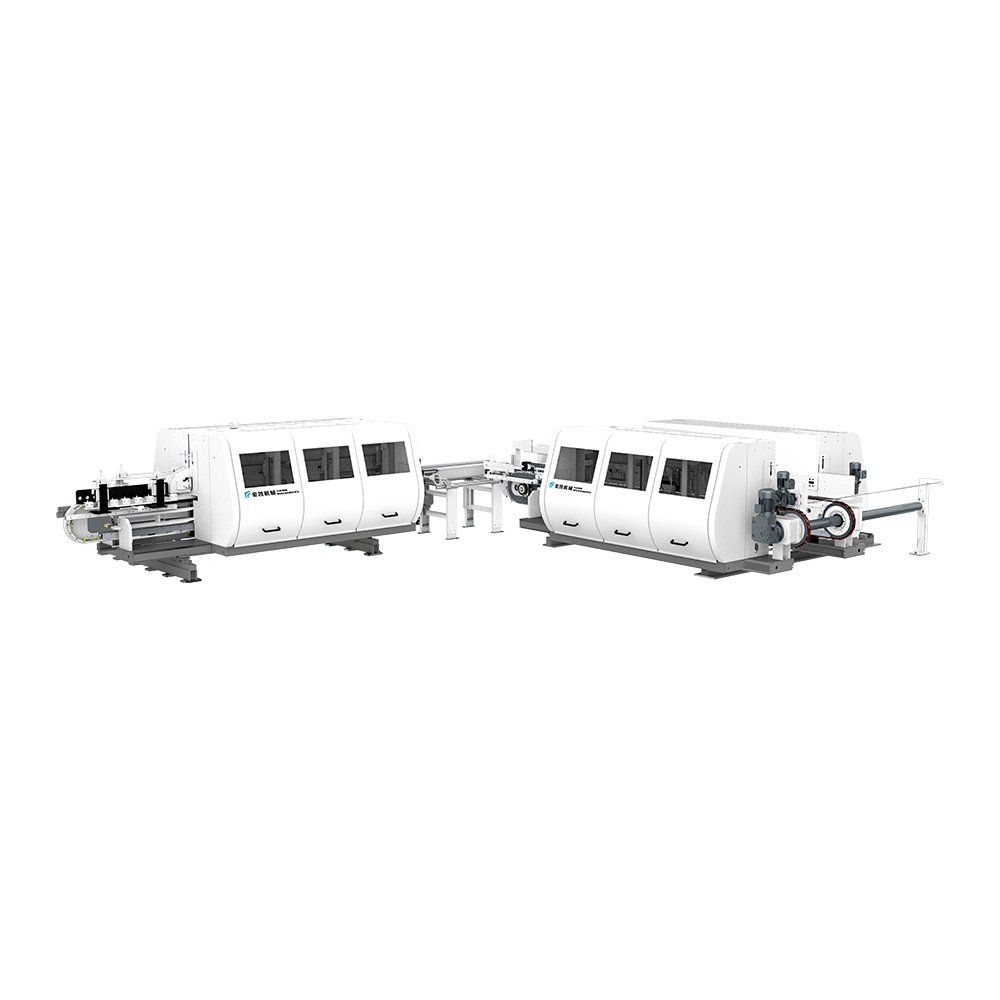
The product can slot the floor vertically and horizontally. The machine series c...
See Details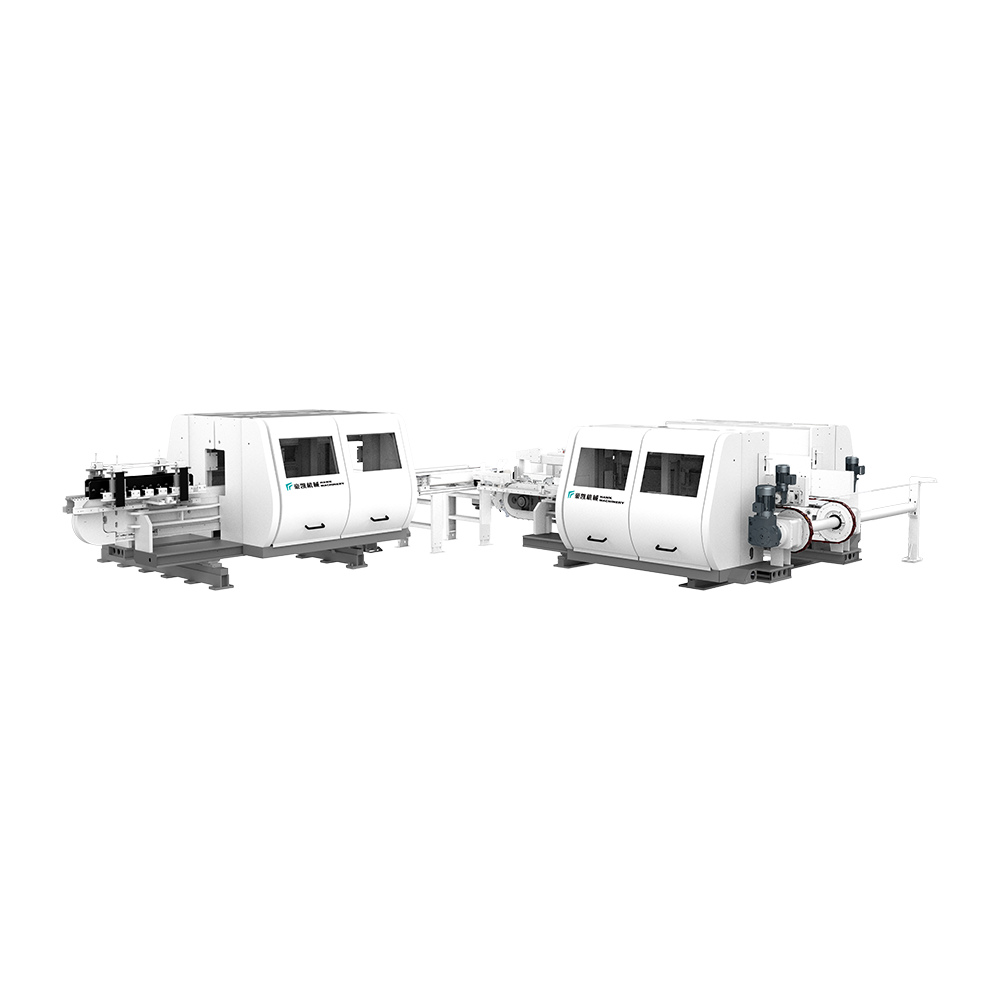
This equipment is suitable for trimming and chamfering LVT flooring. Equipped wi...
See Details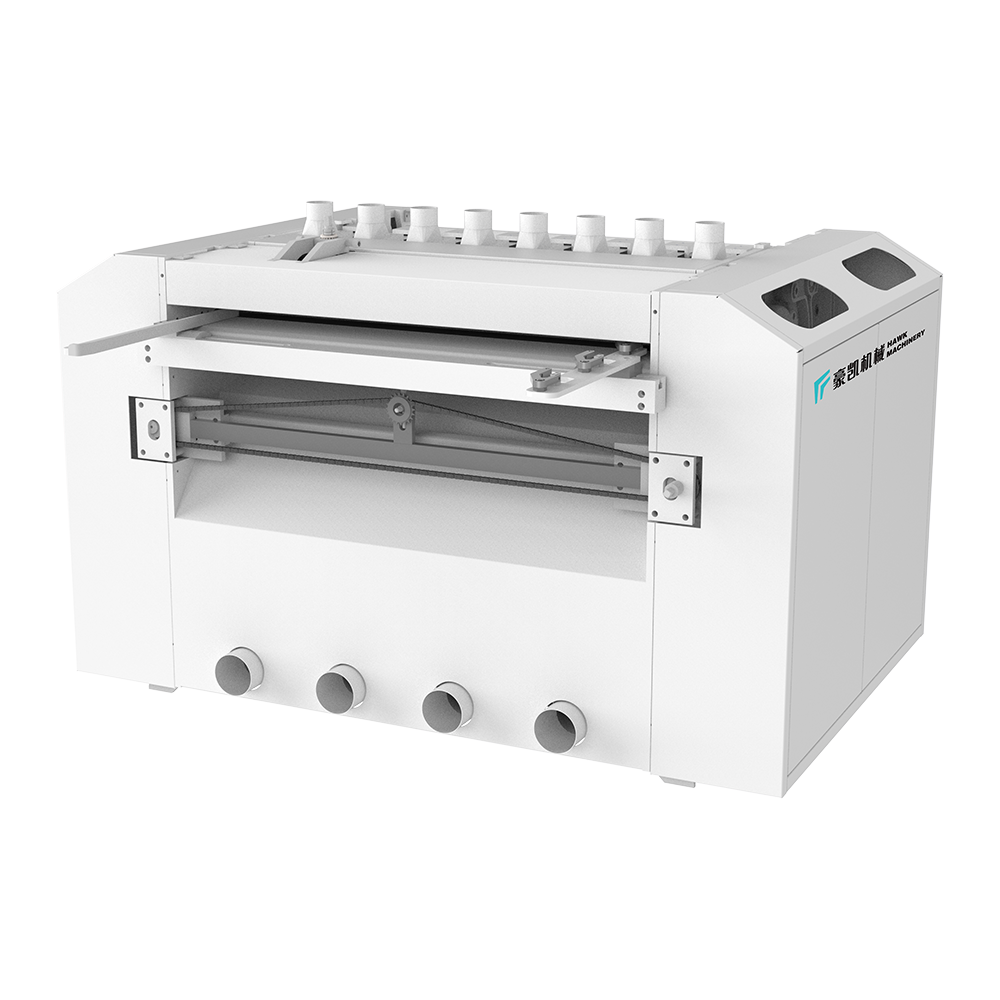
Different transmission sawing methods are suitable for different board processin...
See Details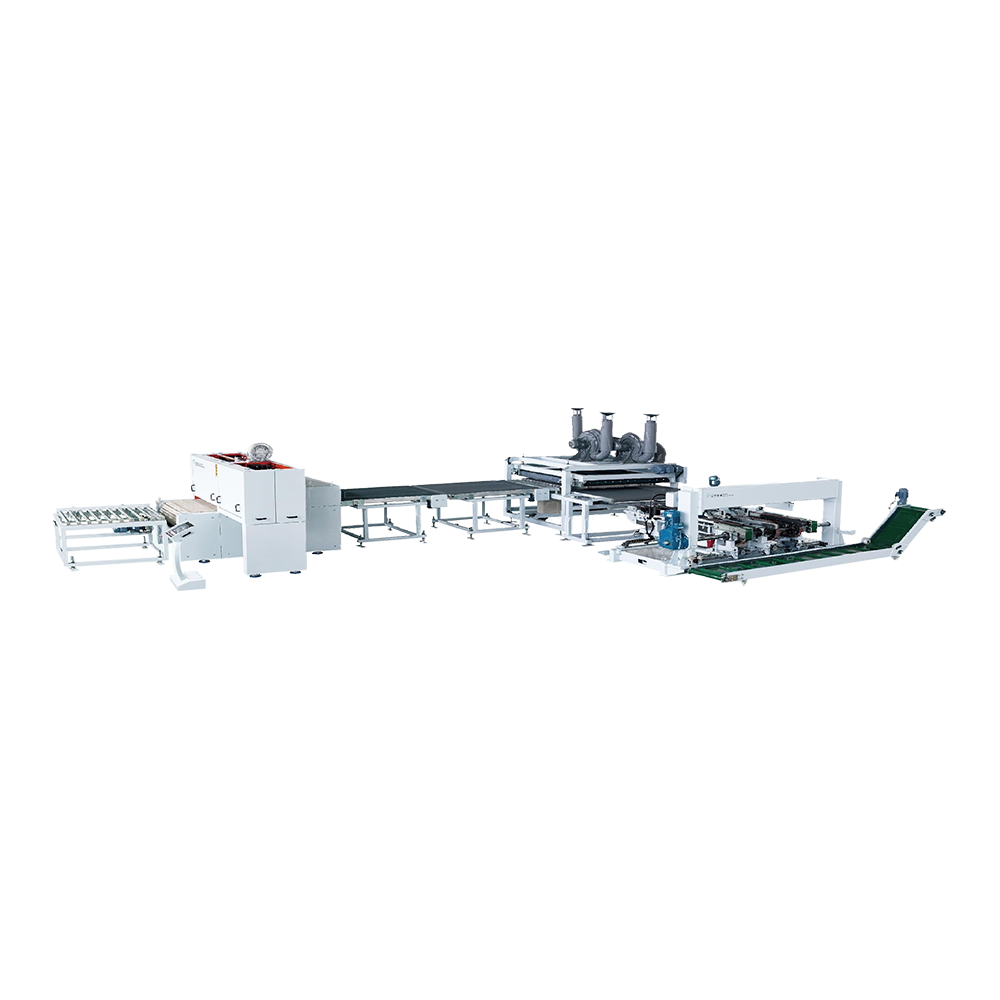
The feed speed of this equipment can reach 40 meters per minute, the whole frame...
See Details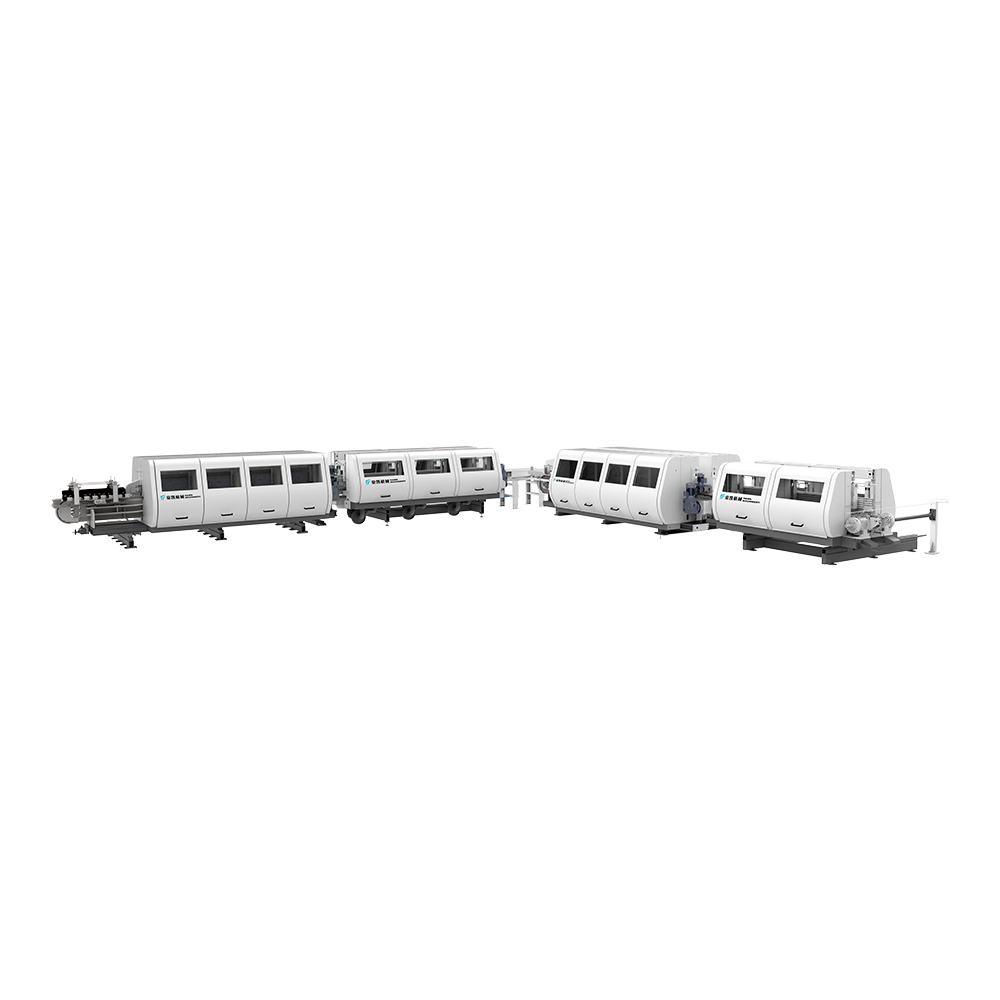
Suitable for edge coating of laminated, PVC, and WPC. Using water-based paint is...
See Details
Hawk Machinery automatic feeding, cutting & slotting line, suitable for SPC,...
See Details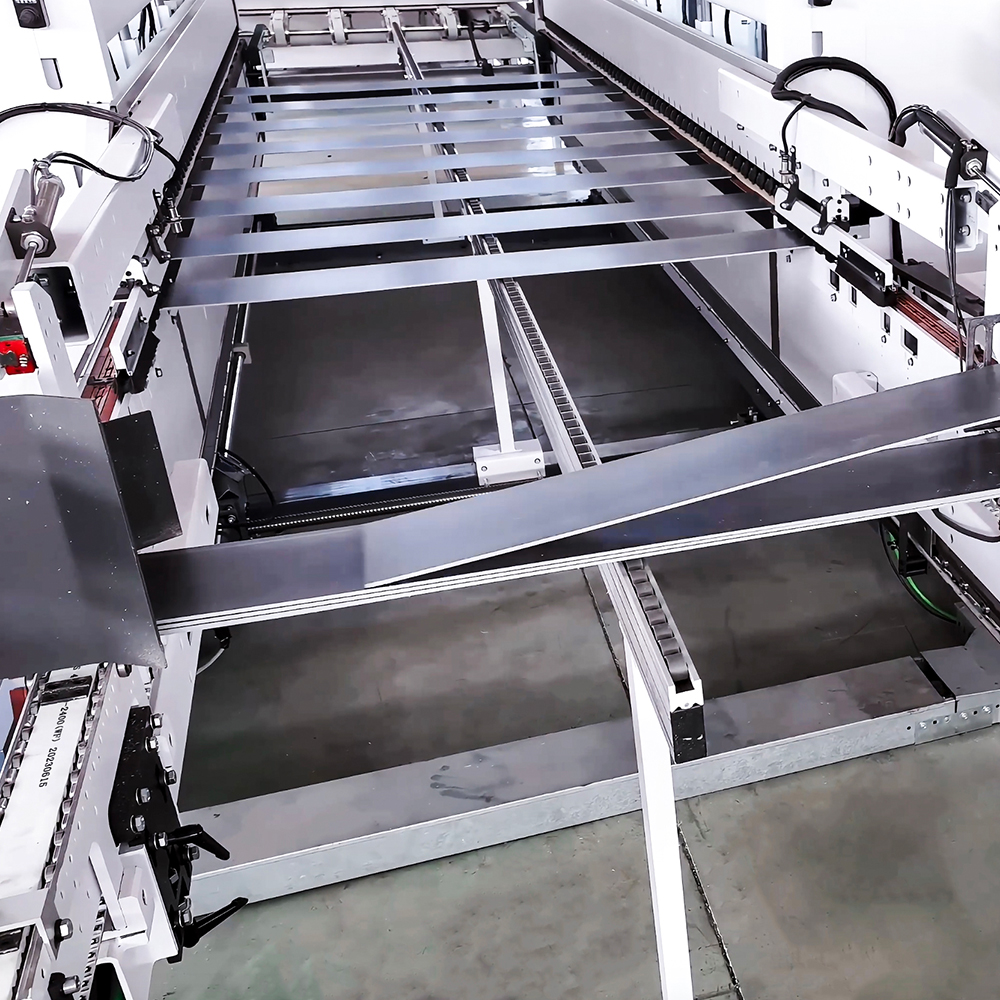
Integrated intelligent equipment integrates industrial intelligent Internet of g...
See Details
Contact info.
Boyi development area, changzhou city, jiangsu province, P. R. China
+86-0519-83319988
Don't hesitate to contact when you need us!
 Custom Floor Extrusion Machine Manufacturers