
 English
 русский
 Español

Floor slotting line (double end tenoner)
The product can slot the floor vertically and horizontally. The machine series c...
See DetailsContent
A flooring press machine is industrial equipment used in the manufacturing of floor panels — applying controlled heat, pressure, and timing to bond, laminate, or consolidate the multiple layers that make up modern flooring products. Whether the end product is laminate flooring, luxury vinyl tile (LVT), stone plastic composite (SPC), wood plastic composite (WPC), or engineered hardwood, a press machine is at the heart of the production line. Without precise and consistent pressing, the layers won't bond correctly, surface textures won't transfer properly, and the finished panels won't meet dimensional tolerances or durability standards.
The pressing process fuses together the core board, decorative film, wear layer, and backing under carefully controlled conditions. Different flooring types require different press configurations, temperatures, pressure levels, and cycle times — which is why the flooring press machine market covers such a wide range of equipment, from compact single-opening hydraulic presses suited to smaller manufacturers, all the way to continuous double-belt press lines running at full industrial scale for high-volume output.
Not all floor press machines work the same way. The right type depends on the flooring product being manufactured, the required output volume, and the level of surface detail needed in the finished panel. Here are the main categories used across the flooring industry.
The short-cycle hot press is one of the most widely used flooring press machines for laminate flooring production. It works by pressing decorative melamine-impregnated paper and overlay films onto an HDF (high-density fiberboard) core under high temperature — typically between 160°C and 220°C — and pressure ranging from 25 to 40 kg/cm², for a very short press cycle of just 20 to 60 seconds. The rapid cycle time is what gives this machine its name. The result is a fused laminate surface with the decorative design and texture permanently bonded to the core. Short-cycle presses are available as single-opening or multi-opening (stack press) configurations, with multi-opening presses dramatically increasing throughput by pressing multiple panels simultaneously.
The continuous double-belt press (also called a continuous laminating press or CBP) runs the flooring panels or base boards through a long, heated pressing zone on a continuous basis rather than in discrete cycles. This type of flooring lamination press is widely used in high-volume MDF, HDF, and particle board production, as well as in certain SPC and WPC flooring lines where continuous processing is preferred. The material travels between two steel belts — one above and one below — that apply simultaneous heat and pressure along their entire length. Output speeds and consistency are the key advantages; cycle-by-cycle variation is essentially eliminated. These machines represent a significant capital investment and are best suited to large-scale production facilities.
The hydraulic cold press applies pressure without heat, relying on adhesive bonding rather than thermoset resin curing. This type of flooring press machine is most commonly used in engineered hardwood flooring production, where a real wood veneer is glued to a plywood or HDF core under sustained pressure. Press times are significantly longer than hot press cycles — typically 30 minutes to several hours depending on the adhesive system — but the absence of heat means the veneer surface is not stressed or altered during pressing. Hydraulic cold presses are also used in pre-pressing stages before a hot press cycle to consolidate layers and remove air bubbles before final bonding.
Stone plastic composite (SPC) and luxury vinyl tile (LVT) flooring have their own specific pressing requirements. SPC flooring is produced using a calendering and lamination process where a rigid PVC core with calcium carbonate filler is extruded and then passed through heated rollers or a flat-bed lamination press to bond the decorative film and wear layer. Dedicated SPC flooring press machines — sometimes called SPC lamination presses or LVT press machines — are engineered to handle the dimensional precision required for click-lock flooring systems, maintaining tight thickness tolerances and ensuring perfect adhesion between the vinyl wear layer and the rigid core across the full panel width.
The embossing press is a specialized flooring hot press machine used specifically to impart surface texture to flooring panels. In laminate flooring, realistic wood grain, stone, or tile textures are transferred from engraved steel press plates (called embossing plates or caul plates) onto the melamine surface during the pressing cycle — a process known as emboss in register (EIR) when the texture is synchronized with the decorative print beneath it. Embossing presses can be standalone machines or integrated into the short-cycle press line. The precision of the embossing press directly determines the visual realism and tactile quality of the finished flooring surface.
The table below summarizes how the main flooring press machine types compare across the most important production parameters:
| Press Type | Heat Used | Cycle Time | Output Volume | Primary Application |
| Short-Cycle Hot Press | Yes (160–220°C) | 20–60 seconds | High | Laminate flooring (HDF core) |
| Continuous Double-Belt Press | Yes (variable) | Continuous | Very High | Board production, SPC/WPC lines |
| Hydraulic Cold Press | No | 30 min–several hours | Low–Medium | Engineered hardwood |
| SPC/LVT Lamination Press | Yes (controlled) | Continuous/Short | High | SPC, LVT, WPC flooring |
| Embossing Press | Yes | 20–60 seconds | High | Surface texture/EIR laminate |
When comparing flooring press machines — whether for a new production line or a replacement — the technical specifications determine whether the machine can actually meet your production requirements. Here are the parameters that matter most.
The pressing area defines the maximum panel size the machine can accommodate in a single press cycle. For laminate flooring, typical press formats range from 2,440 × 1,220 mm (4×8 ft) to 2,800 × 2,100 mm or larger for wide-format production. The press must be able to handle your target panel dimensions with adequate pressure distribution across the entire surface. Uneven pressure distribution — often caused by misaligned platens or inadequate hydraulic balance — results in inconsistent bonding, thickness variation, and visual defects in the finished flooring panels.
Pressing pressure is typically expressed in tons of total force or in kg/cm² of specific pressure across the panel surface. For short-cycle laminate pressing, specific pressures of 25–40 kg/cm² are standard. The hydraulic system must be capable of reaching and maintaining the target pressure consistently across the full press area throughout the entire cycle. Look for machines with independently adjustable hydraulic cylinders at multiple points across the platen — this allows fine adjustment of pressure distribution to compensate for platen deflection at full load, which is a real issue in wide-format presses.
Temperature uniformity across the press platens is critical for consistent resin curing and surface quality. Most flooring hot press machines use electric heating elements or thermal oil heating circuits embedded in the steel platens. Electric heating offers faster response and easier zonal control, while thermal oil systems provide more stable temperature uniformity at high production temperatures. The control system should be capable of maintaining platen temperature within ±2°C of the setpoint across the entire pressing surface. Temperature deviation beyond this range causes uneven curing, color variation, and potential delamination in the finished panels.
Multi-opening (multi-daylight) presses stack multiple panel loads between multiple platen pairs within the same press frame, all closing and opening simultaneously. A 10-opening press, for example, can process 10 panel loads per cycle — effectively multiplying throughput by 10 compared to a single-opening press with the same cycle time. The daylight (gap between adjacent platens when open) must be large enough to accommodate loading and unloading, typically 80–120 mm per opening depending on the panel thickness and loading system used.
Cycle time directly drives output capacity. A short-cycle press running 40-second cycles with a 10-opening configuration can process far more panels per shift than a 6-opening press running 55-second cycles, even if both seem "fast" in isolation. Automation level — including automatic loading and unloading systems, PLC-controlled press parameters, and integration with upstream and downstream conveyor lines — determines how much operator labor is required and how consistently the machine maintains optimal cycle parameters over a full production shift.
The pressing process differs meaningfully depending on which type of flooring is being produced. Understanding the specific pressing requirements for each flooring category helps clarify which machine configuration is appropriate.
Laminate flooring production is the most common application for short-cycle hot press machines. The process begins with an HDF core board, onto which the overlay (aluminum oxide wear layer), decorative paper, and balancing paper are assembled in a lay-up station. The assembled stack is loaded into the press, where heat and pressure cure the melamine resins in the papers, permanently fusing the layers into a single rigid panel. The embossing plate transfers the surface texture during this same pressing cycle. After pressing, panels are cooled on a stacking conveyor before moving to the profiling line where click-lock edges are milled. Press parameters — temperature, pressure, and cycle time — are tuned based on the paper supplier's resin specification and the core board's moisture content.
SPC (stone plastic composite) flooring uses a rigid core made from PVC resin and calcium carbonate that is formed by extrusion and calendering rather than board pressing. The SPC flooring press machine is used in the lamination stage, where the decorative PVC film and transparent wear layer are bonded to the rigid core surface under heat and pressure. Precise temperature control is especially critical for SPC lamination because PVC is sensitive to overheating — temperatures above the material's processing window can cause dimensional distortion that ruins the dimensional tolerance needed for click-lock assembly. Inline thickness gauging and pressure monitoring systems are standard on modern SPC press lines.
Engineered hardwood flooring production uses cold press machines primarily, though some manufacturers use a brief warm press stage to accelerate adhesive curing. The process bonds a thin solid wood veneer — typically 2–6 mm thick — to a multi-layer plywood or HDF core using structural wood adhesive (typically PVA or MUF resin). The assembly is held under cold press pressure while the adhesive cures, preventing any movement or delamination during the bond formation period. Getting the glue spread rate, press pressure, and open time right is critical to final bond strength; too little adhesive starves the joint, while excess adhesive creates squeeze-out and potential bonding issues at layer interfaces.
Wood plastic composite (WPC) flooring has a foamed PVC core that is lighter and more flexible than SPC. The pressing requirements are similar in concept to SPC but require even more careful temperature management because the foamed core structure is more susceptible to compression damage under excessive pressure or heat. WPC flooring press lines typically use lower-pressure lamination systems compared to SPC lines, with precise roller gap control to maintain the target panel thickness without crushing the foam cell structure in the core.
Many of the most common flooring manufacturing defects trace directly back to press machine performance issues. Recognizing these problems — and understanding their root causes — is essential for production managers and quality control teams.
Purchasing a flooring press machine is a significant capital investment, and the decision involves much more than comparing price tags. Here are the factors that experienced flooring manufacturers prioritize when evaluating equipment.
A flooring press machine that is properly maintained delivers consistent quality and avoids costly unplanned downtime. The key maintenance areas common to most press types are outlined below.
The flooring press machine is the centerpiece of any flooring production line — the equipment where all the upstream preparation work (core board production, paper impregnation, lay-up) comes together into the final bonded panel. Getting the press selection right, dialing in the process parameters for your specific materials, and maintaining the equipment properly are not minor operational details. They are the foundations of consistent product quality and competitive production efficiency.
For manufacturers evaluating new equipment, the advice most consistently offered by experienced flooring production professionals is this: don't buy a press on price alone. The difference in capital cost between an average press and a well-engineered one is often recovered within the first year or two through lower defect rates, less downtime, and better energy efficiency. Request factory acceptance testing with your actual materials before shipment, secure firm commitments on spare parts supply and technical support, and invest time in thorough operator training before the machine goes into full production. A flooring hot press machine running at its best is a reliable, high-output workhorse — one that underpins the quality reputation of everything your production line makes.
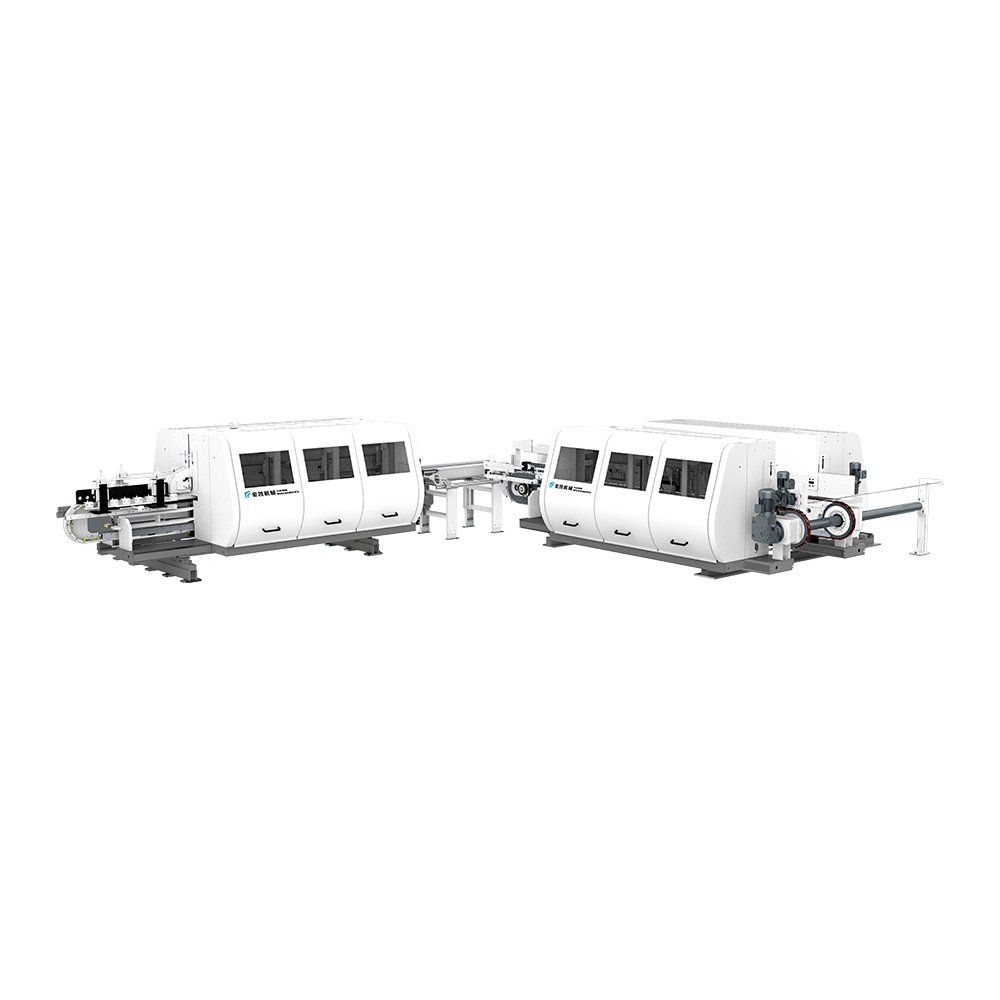
The product can slot the floor vertically and horizontally. The machine series c...
See Details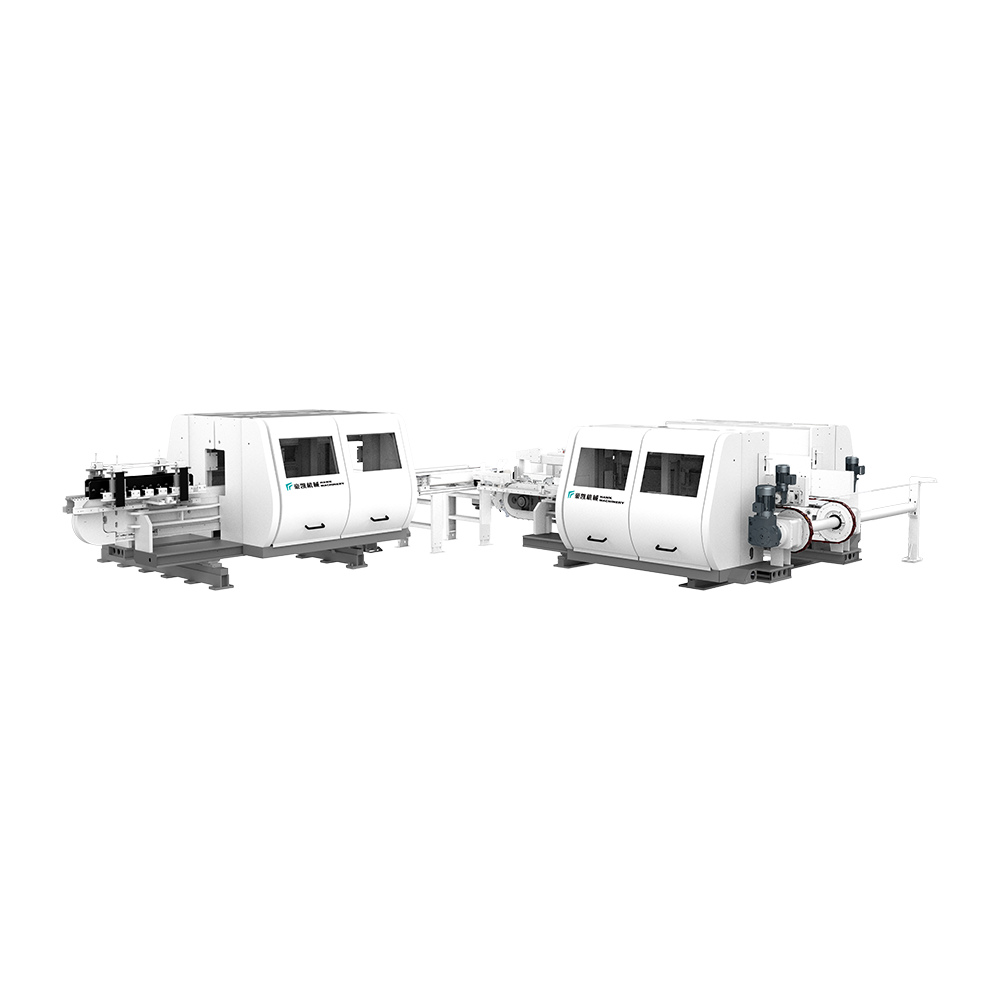
This equipment is suitable for trimming and chamfering LVT flooring. Equipped wi...
See Details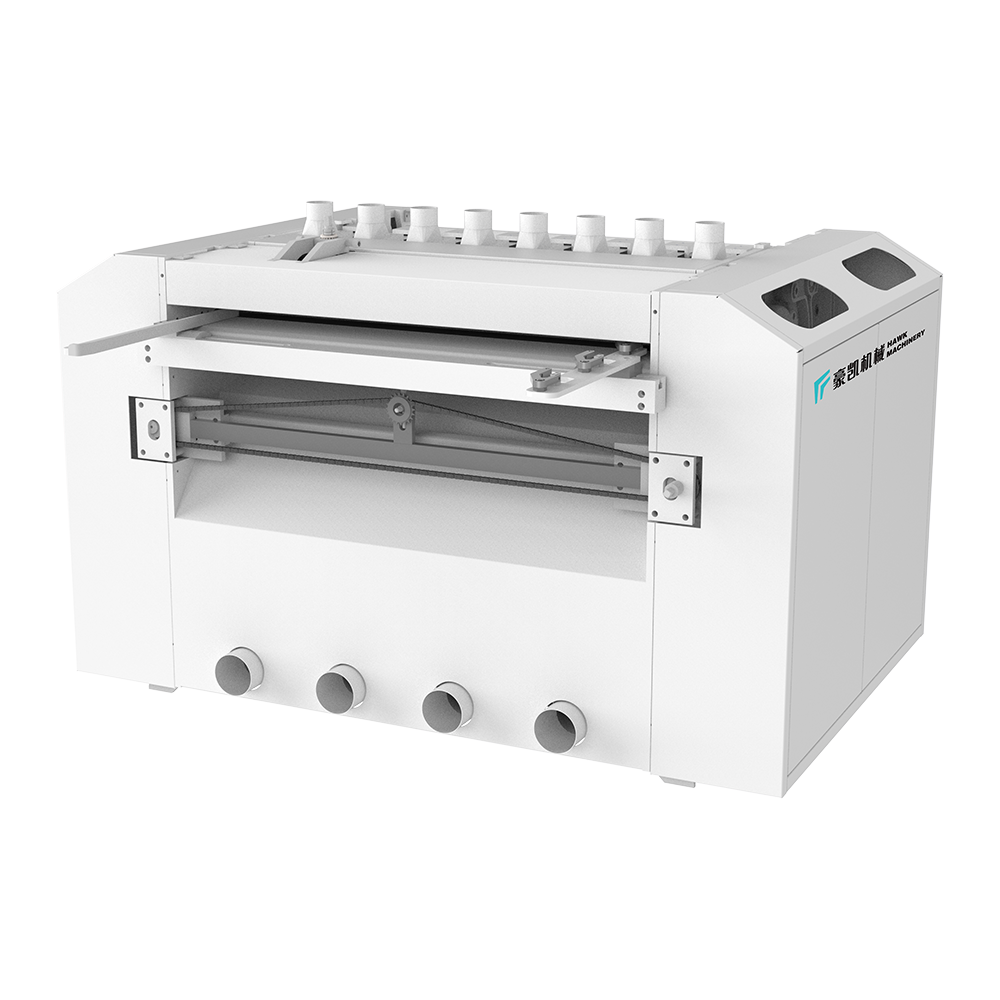
Different transmission sawing methods are suitable for different board processin...
See Details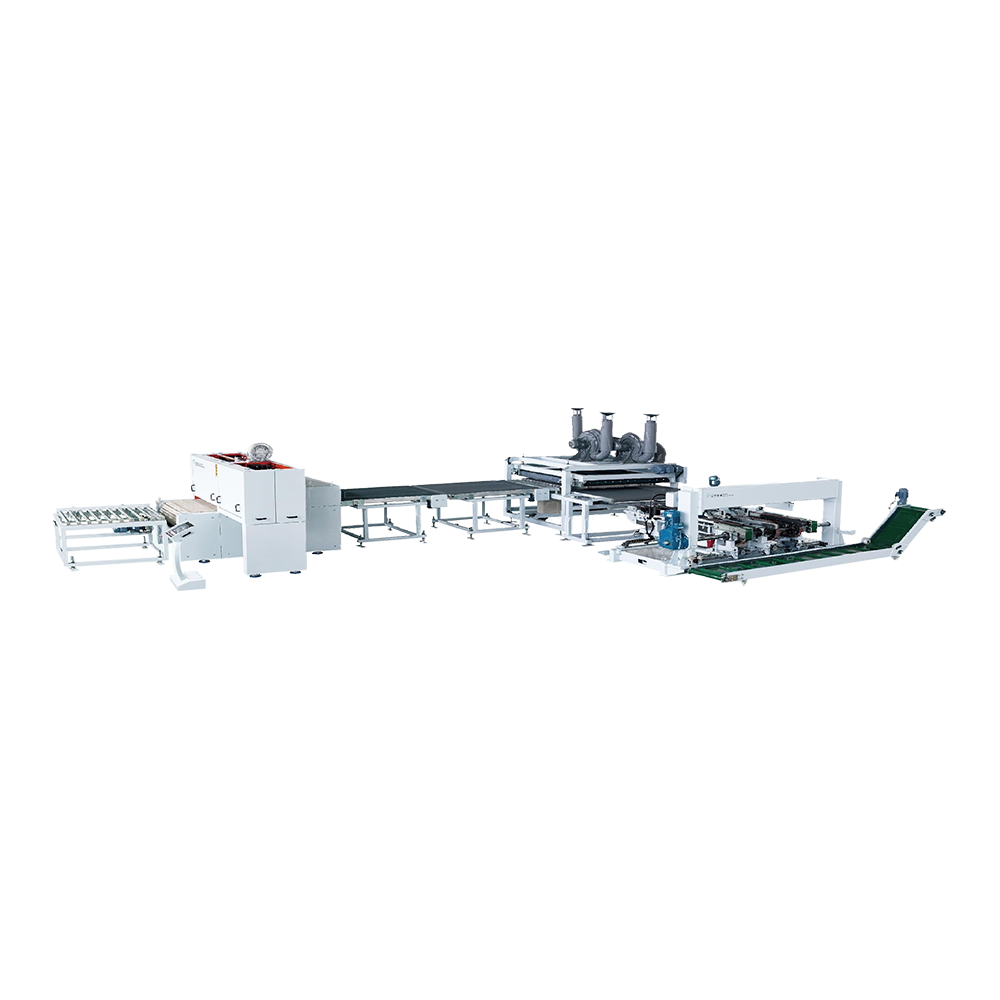
The feed speed of this equipment can reach 40 meters per minute, the whole frame...
See Details
Suitable for edge coating of laminated, PVC, and WPC. Using water-based paint is...
See Details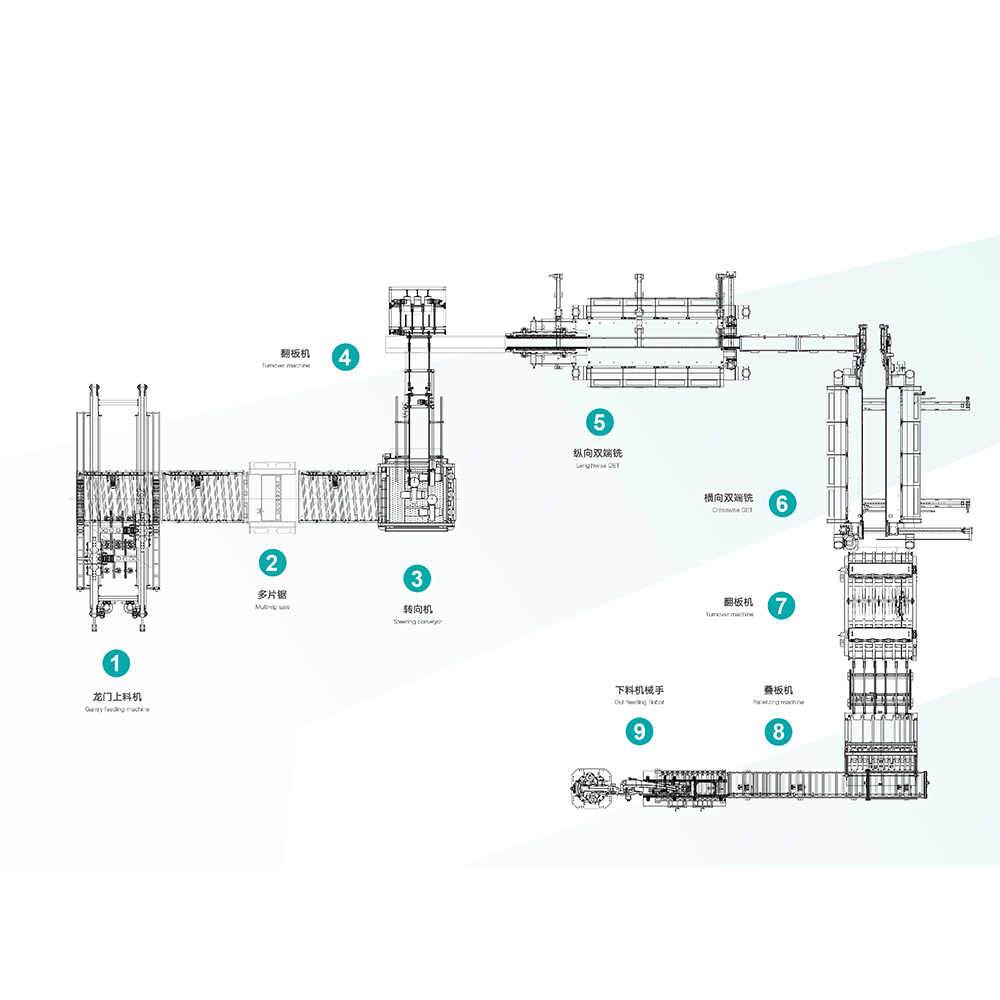
Hawk Machinery automatic feeding, cutting & slotting line, suitable for SPC,...
See Details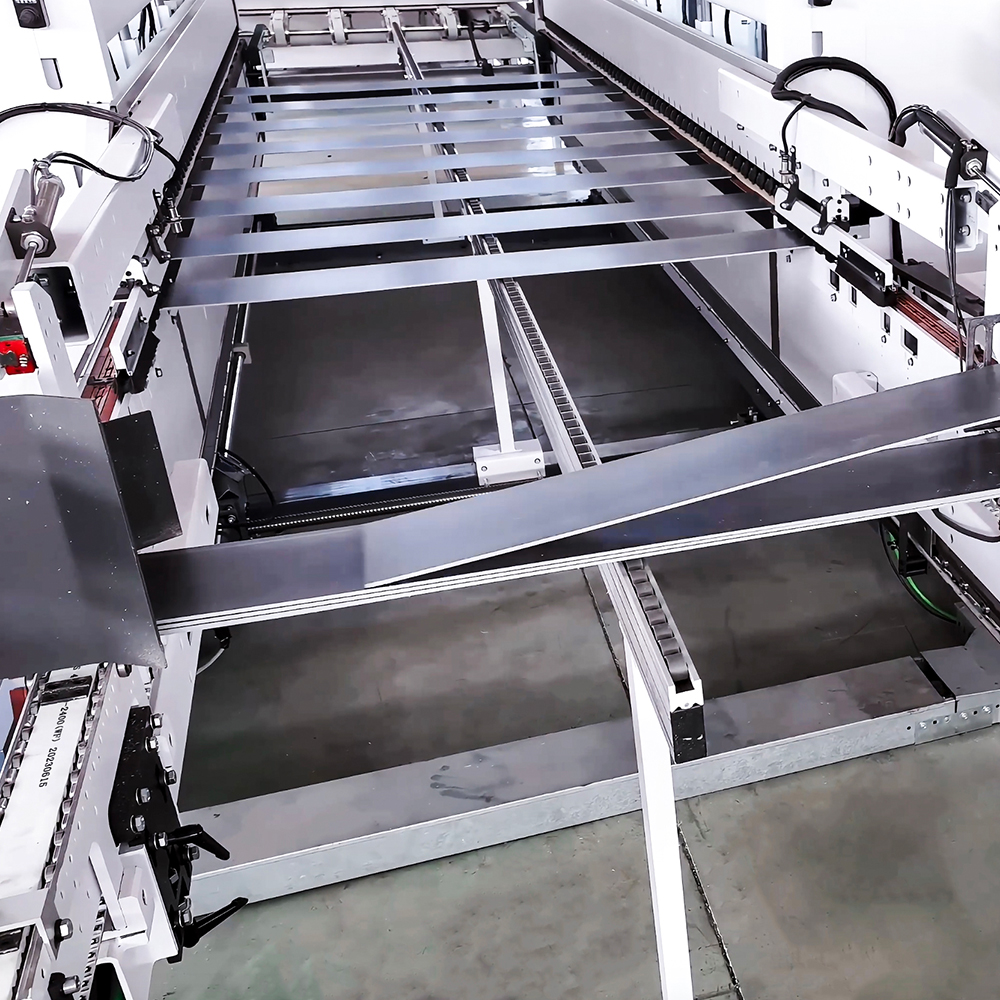
Integrated intelligent equipment integrates industrial intelligent Internet of g...
See Details
Contact info.
Boyi development area, changzhou city, jiangsu province, P. R. China
+86-0519-83319988
Don't hesitate to contact when you need us!
 Custom Floor Extrusion Machine Manufacturers