
 English
 русский
 Español

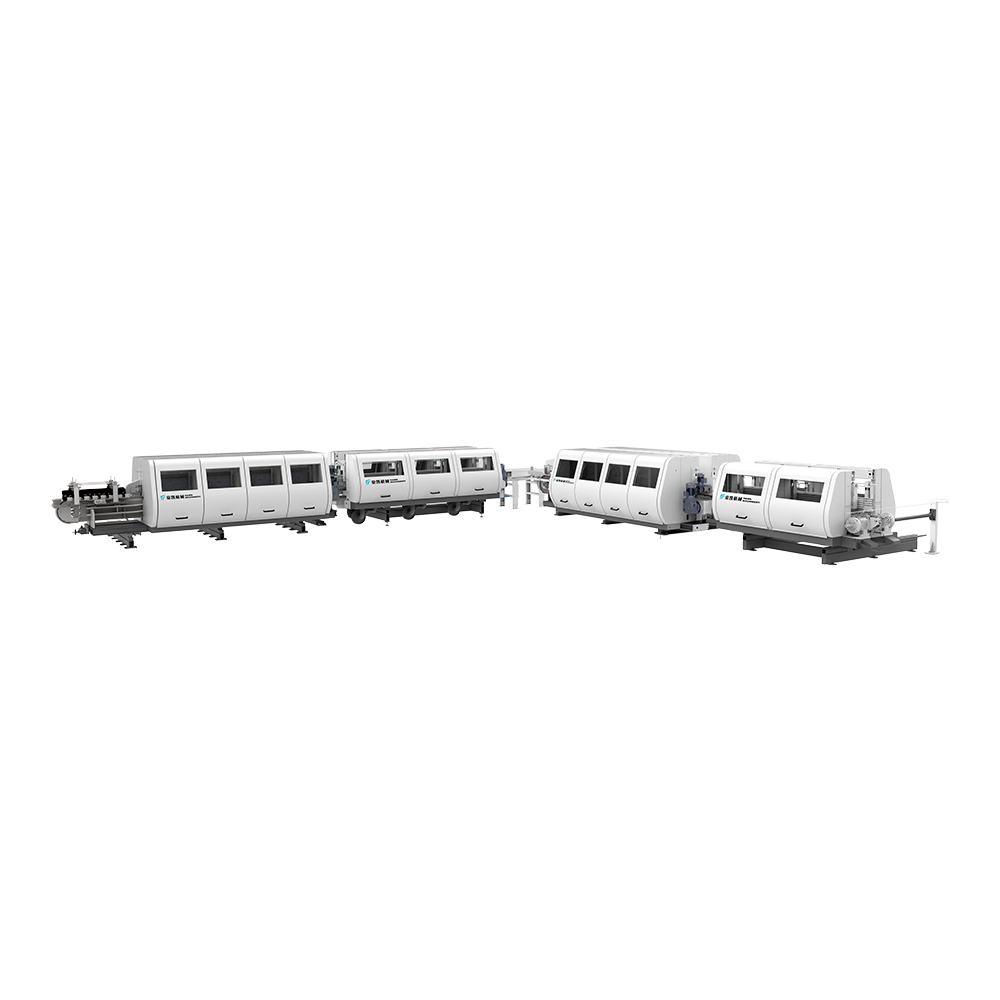
Floor slotting line (double end tenoner)
The product can slot the floor vertically and horizontally. The machine series c...
See DetailsContent
A WPC floor V-groove painting machine is purpose-built equipment designed to apply paint, ink, or coating accurately and consistently into the V-shaped grooves on the surface of wood plastic composite flooring panels. These grooves are intentionally formed during the manufacturing process — either embossed into the surface during calendering or machined after the panel is formed — to create the visual impression of natural timber plank joints. The shadowed appearance of a painted groove transforms what would otherwise look like a flat, featureless surface into a floor that closely resembles individual timber planks laid side by side, which is one of the primary reasons consumers choose WPC flooring over simpler vinyl alternatives.
Without a dedicated groove painting machine, filling these grooves with a contrasting or complementary color requires manual application — a slow, inconsistent, and labor-intensive process that is commercially impractical at manufacturing scale and produces visible quality variations from plank to plank. The V-groove coating machine for WPC solves this by automating the paint delivery, groove tracking, excess paint removal, and curing sequence in a single integrated pass at production line speeds. The result is a uniform, well-defined groove color that meets the visual quality expectations of retail and specification flooring markets — consistently, at every plank, across every production run.
Understanding the sequence of operations inside a WPC floor groove painting machine helps manufacturers set up the equipment correctly, diagnose quality problems when they arise, and make informed decisions about which machine configuration suits their specific product and production requirements.
WPC floor panels enter the groove painting machine on a conveyor system that positions them accurately and feeds them through the machine at a controlled, consistent speed. Accurate panel positioning relative to the painting heads is critical — if the panel drifts laterally during passage through the machine, the painting head will miss the groove center, resulting in uneven coverage on one groove wall and paint overflow onto the flat panel surface adjacent to the groove. Quality machines incorporate side guide rails, anti-drift rollers, and in some cases vision-based registration systems that detect the groove position and make micro-adjustments to the panel position or painting head position in real time to compensate for panel width variation and feed-in alignment errors. The infeed conveyor speed sets the production rate of the groove painting station and must be synchronized with the upstream and downstream production line speeds to prevent panel accumulation or gaps in the flow.
The paint application stage is the core function of the V-groove painting machine and can be achieved through several different mechanisms depending on the machine design. The most common approach for WPC flooring groove painting uses a rotating applicator roller or a fixed doctor blade that deposits a controlled film of paint across the full width of the panel surface. As the panel passes beneath, the paint floods the grooves by capillary action and gravity while also covering the flat surface between grooves. A subsequent wiping or scraping stage then removes the excess paint from the flat surface area, leaving paint only in the groove recesses. The effectiveness of this flood-and-wipe approach depends on the paint viscosity, the groove geometry, the wiping blade pressure and angle, and the speed at which the panel passes through — all of which must be optimized together rather than in isolation.
An alternative approach used in higher-precision machines uses narrow applicator nozzles or ink-jet heads that deposit paint directly into the groove channel without flooding the surrounding surface. This precision application approach eliminates the need for a post-application wiping stage but requires accurate groove tracking — either mechanical registration or vision-based guidance — to keep the applicator positioned over the groove center throughout the panel length. Precision application systems are more expensive than flood-and-wipe systems but produce cleaner results on panels where the groove geometry varies or where the flat surface finish is particularly sensitive to paint contamination.
In flood-and-wipe groove painting systems, removing the excess paint from the flat surface between the grooves without disturbing the paint deposited in the groove itself is the most technically demanding step in the process. Doctor blades — precisely ground steel or polyurethane blades held at a controlled angle and pressure against the panel surface — are the standard tool for this wiping operation. The blade must apply enough pressure to cleanly remove excess paint from the flat surface without scraping paint out of the groove recesses. The optimal blade pressure and angle depend on the paint viscosity, the panel surface material and topcoat hardness, and the panel feed speed. Too little blade pressure leaves a paint haze across the flat surface. Too much pressure removes paint from the groove walls and leaves the groove looking inadequately filled. Finding the correct balance for a specific paint and panel combination requires careful initial setup and periodic adjustment as operating conditions change.
After excess paint is removed, the groove-painted panel passes through a drying or curing section that converts the deposited paint from a wet film to a hard, durable coating. The curing method depends on the paint chemistry. Solvent-based and water-based paints cure by solvent evaporation, using a heated air tunnel or infrared heating panel to accelerate the evaporation process to the speed required by the production line. UV-curable inks and coatings cure almost instantaneously when exposed to UV light from mercury vapor or LED UV lamps, making UV systems the preferred choice for high-speed production lines where a long ambient drying tunnel would be impractical. UV curing also produces a harder, more chemically resistant groove finish than thermally dried solvent or water-based alternatives, which is an important performance consideration for flooring products where the groove surface will be exposed to foot traffic, cleaning agents, and moisture over the product's service life.
WPC flooring groove painting equipment is available in several configurations that differ in automation level, groove painting approach, production speed capability, and integration with the broader WPC flooring production line. Choosing the right configuration requires matching the machine's capability to the production volume, product range, and quality requirements of the specific manufacturing operation.
Inline groove painting machines are installed as a dedicated station within the main WPC flooring production line, positioned after the surface embossing and UV coating stations and before the final cutting and stacking operations. Panels flow through the groove painting station continuously at production line speed without stopping or accumulating — the painting, wiping, and curing all happen in a single continuous pass synchronized with the overall line speed. Inline systems are the most productive configuration and are the standard choice for high-volume WPC flooring manufacturers running a limited number of product designs at sustained high output. The trade-off is reduced flexibility — any paint color or viscosity change requires a line stop and flush sequence that creates scrap and downtime, making inline systems less practical for operations with frequent product changes or small production runs per design.
Standalone offline groove painting machines operate independently from the main production line, processing panels that have already been cut to final size and stacked from the primary line. Panels are fed into the standalone machine from a stack, painted, cured, and re-stacked for downstream packaging. This configuration provides greater operational flexibility — the groove painting operation can run at its own speed, handle multiple product designs with quick changeovers between runs, and be scheduled independently from the primary production line. Offline machines are particularly suited to operations producing a wide variety of WPC flooring designs where groove color varies between products, or where groove painting is applied to only a proportion of the product range rather than to all products on the line.
WPC flooring designs often feature multiple grooves per panel — a wide plank design may have two or three parallel grooves — and some premium products use different colors in different groove positions within the same panel to create a more complex, realistic plank effect. Multi-groove painting machines are engineered with multiple independent painting heads, each aligned to a specific groove position on the panel, allowing all grooves to be painted in a single pass. Multi-color systems add individual paint supply circuits to each head, enabling different groove positions to receive different colors simultaneously. The complexity of setting up and maintaining multi-groove, multi-color painting systems is significantly higher than for single-groove machines, and they require more sophisticated groove registration and head alignment systems to maintain color accuracy across all groove positions simultaneously.
The paint or coating used in a WPC floor V-groove painting machine must be compatible with both the groove painting process and the WPC panel surface to produce a durable, visually consistent result. Selecting the wrong paint system is one of the most common sources of groove painting quality problems and can lead to adhesion failures, color inconsistency, or groove paint that wears off rapidly in service.
| Paint Type | Curing Method | Key Advantages | Limitations |
| UV-Curable Ink | UV lamp (mercury or LED) | Instant cure, hard finish, high chemical resistance | Higher cost, UV lamp maintenance required |
| Water-Based Paint | Hot air or IR drying | Low VOC, easy cleanup, lower cost | Longer drying time, moisture sensitivity during cure |
| Solvent-Based Paint | Heated air tunnel | Excellent adhesion, wide color range, fast dry | VOC emissions, ventilation requirements, fire risk |
| Acrylic Coating | Ambient or heated air | Good flexibility, good adhesion to PVC surfaces | Slower than UV systems, moderate scratch resistance |
| Epoxy-Based Paint | Two-component mixing, ambient cure | Very high durability and chemical resistance | Complex mixing system, limited pot life, high cost |
WPC flooring panels typically have a UV-coated topcoat surface applied during primary production that provides excellent scratch and wear resistance but also creates a low-surface-energy, non-absorbent substrate that many paints adhere to poorly without surface preparation or adhesion-promoting primers. The groove interior — the cut or embossed V-channel — exposes the WPC composite core material rather than the topcoat surface, which generally has higher surface energy and better paint adhesion. However, the transition between the groove wall (core material) and the flat surface (topcoated) within the same groove can create adhesion inconsistency if the paint system is not formulated for this mixed-surface scenario. Always conduct adhesion testing — cross-hatch adhesion test per ISO 2409 and tape peel test — on groove-painted panels using the proposed paint system before committing to production quantities.
Achieving consistent, high-quality groove paint results on WPC flooring requires careful management of several interdependent process parameters. Each parameter affects the others, so optimization must be approached systematically — changing one variable at a time and evaluating the impact on groove coverage, surface cleanliness, and paint adhesion before adjusting the next.
The paintability of a V-groove in WPC flooring is significantly influenced by the groove geometry — the angle of the groove walls, the depth, the width at the top, and the condition of the groove surfaces. Groove geometries that work well with automated painting machines share a set of characteristics that facilitate paint flow into the groove, paint retention during the wiping step, and visual uniformity in the finished product.
The included angle of the V-groove — the angle between the two groove walls — affects how easily paint flows to the groove base. Narrow V-grooves with included angles below 45 degrees can trap air during flooding, preventing paint from reaching the groove base and leaving dry spots at the bottom of the groove. Wide V-grooves with included angles above 90 degrees are easier to flood completely but present more flat surface area within the groove that is affected by the wiping step — the blade may remove paint from the upper portion of the groove walls if the angle is too open and the blade contacts this area during wiping. An included angle of 60–80 degrees is generally optimal for most flood-and-wipe groove painting processes, providing good paint flow to the groove base while keeping the wiping area clearly defined above the groove.
Groove depth affects the paint volume required to fill the groove and the stability of the filled groove during the wiping step. Shallow grooves — less than 0.3mm depth — are filled easily but provide little visual shadow depth and may be partially emptied by the wiping blade if blade pressure is not very precisely controlled. Deep grooves of 0.8mm or more provide strong visual effect but require more paint volume per panel length and may be difficult to fill completely at high line speeds with viscous paint systems. For most WPC flooring products, groove depths in the range of 0.4–0.7mm represent the best balance of visual effect and paintability on standard automated groove painting equipment.
When groove painting is integrated as an inline station within the main WPC flooring production line, the integration design has significant implications for line efficiency, product quality, and operational flexibility. Several integration design decisions must be made carefully to avoid creating a bottleneck or a quality risk at the groove painting station.
The groove painting station must be positioned in the correct sequence relative to the other finishing operations. For WPC flooring with UV-coated surfaces, the groove painting station is typically positioned after the final UV topcoat application and cure, but before the final cutting to plank dimensions. This sequence ensures that the topcoat protects the panel surface during the paint flooding and wiping operations — a panel without a hard topcoat is vulnerable to surface marking from the wiping blade — and that the groove painting is applied to a panel that already has its final surface quality. Cutting to final dimensions after groove painting ensures that the groove painting extends fully to the panel edges without the cut exposing unpainted groove sections at the panel ends.
Buffer conveyors on both the infeed and outfeed sides of the groove painting station are important for maintaining continuous line flow despite the stop-start behavior that groove painting machines can exhibit during paint system maintenance, viscosity adjustments, or occasional panel jam clearance. A buffer capacity of two to three minutes on each side of the groove painting station is a practical minimum that decouples the station from its neighbors sufficiently to prevent minor interruptions from causing line-wide stops. The infeed buffer should include a panel accumulation function that holds panels flat without stacking to prevent pressure marking from the weight of accumulated panels on soft-surface WPC products.
Quality inspection of groove-painted WPC flooring panels requires evaluating both the visual appearance of the groove finish and its physical performance characteristics. Visual inspection alone is insufficient — a groove that looks well-filled under the production line lighting may show poor adhesion or inadequate cure when tested to the standards required by the product's performance specification.
WPC floor groove painting machines require consistent, systematic maintenance to sustain their performance and paint quality output. Many of the most common groove painting quality problems — inconsistent coverage, surface haze, poor adhesion — are caused by maintenance deficiencies rather than incorrect process settings, and addressing these maintenance requirements proactively prevents the majority of production quality incidents.
Even well-maintained and correctly set up WPC floor V-groove painting machines encounter quality problems from time to time, particularly when raw materials change, ambient conditions shift, or equipment components wear beyond their effective service range. A systematic approach to troubleshooting — working from observation through hypothesis to corrective action — resolves most groove painting problems faster than trial-and-error adjustment of multiple variables simultaneously.
Paint haze or residue on the flat surface between grooves is the most common groove painting quality complaint and has three primary causes. First, paint viscosity too low — thin paint spreads widely across the flat surface during flooding and is difficult to remove completely with the wiping blade. Increase paint viscosity and re-evaluate. Second, wiping blade pressure too low — the blade is not making firm enough contact with the panel surface to remove excess paint cleanly. Increase blade pressure incrementally and verify surface cleanliness at each adjustment step. Third, wiping blade worn or damaged — a blade with a rounded or nicked edge cannot wipe cleanly regardless of pressure. Replace the blade and reassess.
Incomplete groove fill — visible dry spots at the groove base or walls — has two primary causes. Paint viscosity too high prevents the paint from flowing fully into the groove before the flooding stage ends. Reduce paint viscosity by warming the paint reservoir or adding a small amount of approved thinning solvent. Alternatively, application roller pressure too low is not depositing sufficient paint volume onto the panel surface to flood the groove fully before the wiping stage. Increase application pressure and verify groove fill depth in cross-sections cut from test panels. If groove geometry is the underlying cause — a very narrow or deep groove — a geometry change discussion with the product design team may be necessary alongside process parameter adjustments to achieve reliable full-fill results.
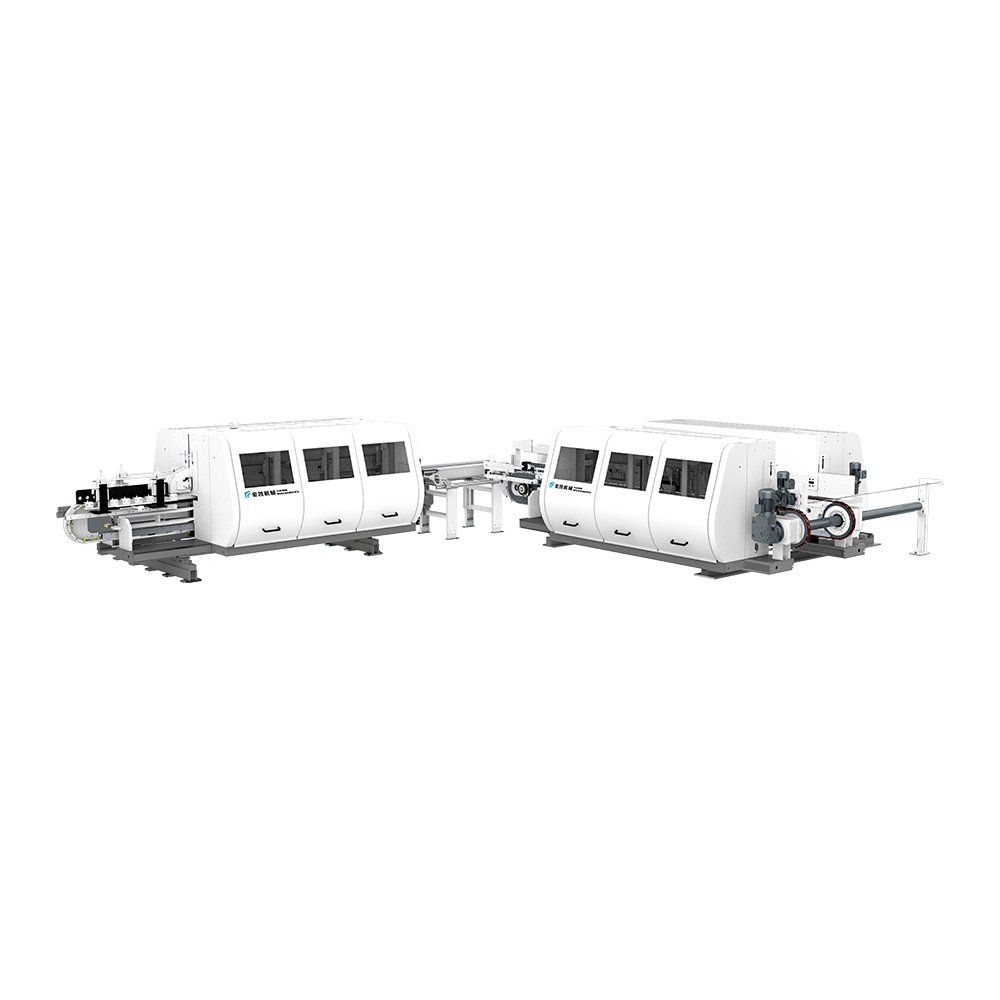
The product can slot the floor vertically and horizontally. The machine series c...
See Details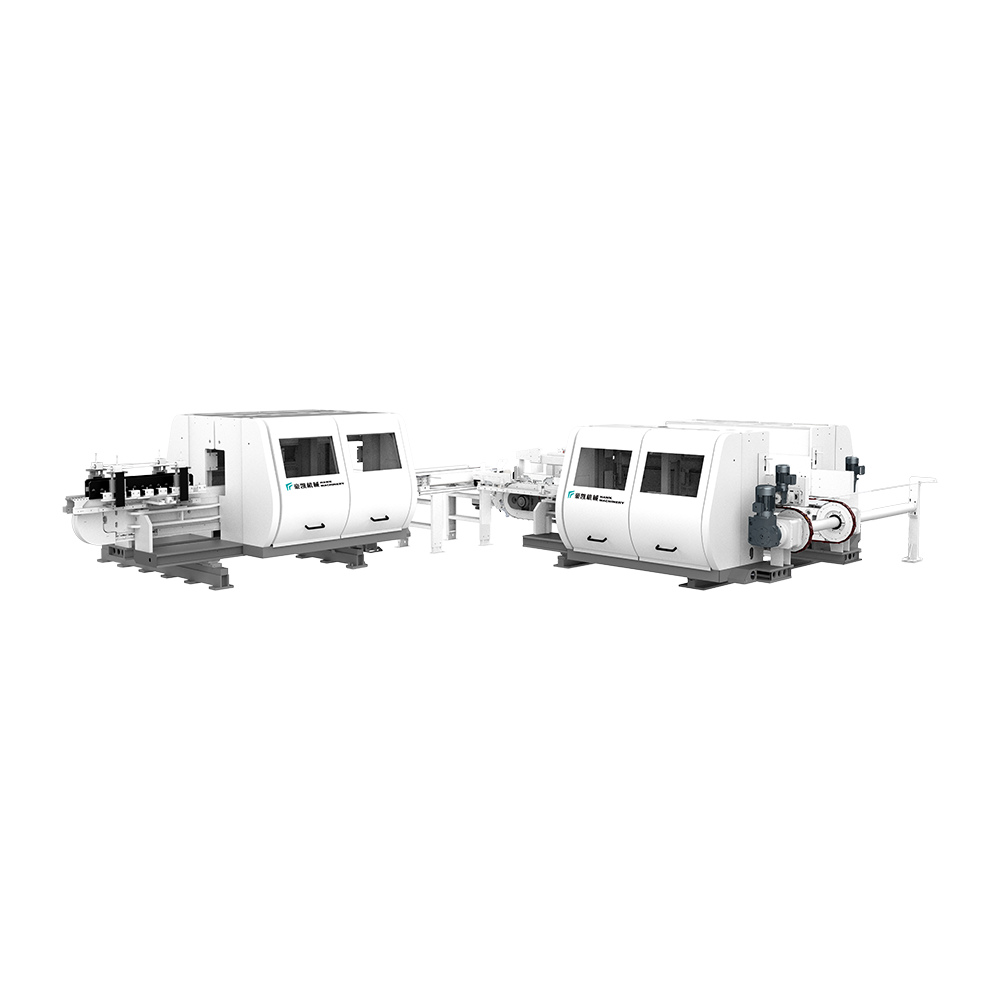
This equipment is suitable for trimming and chamfering LVT flooring. Equipped wi...
See Details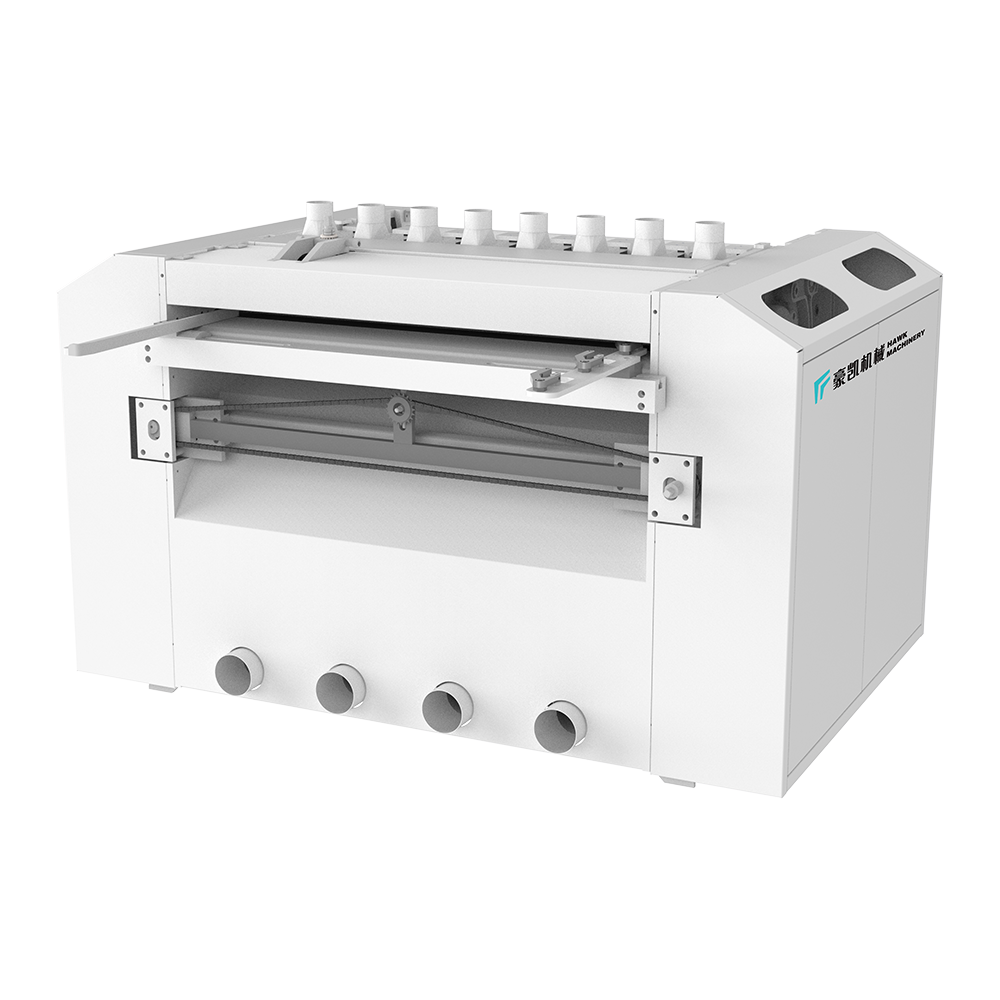
Different transmission sawing methods are suitable for different board processin...
See Details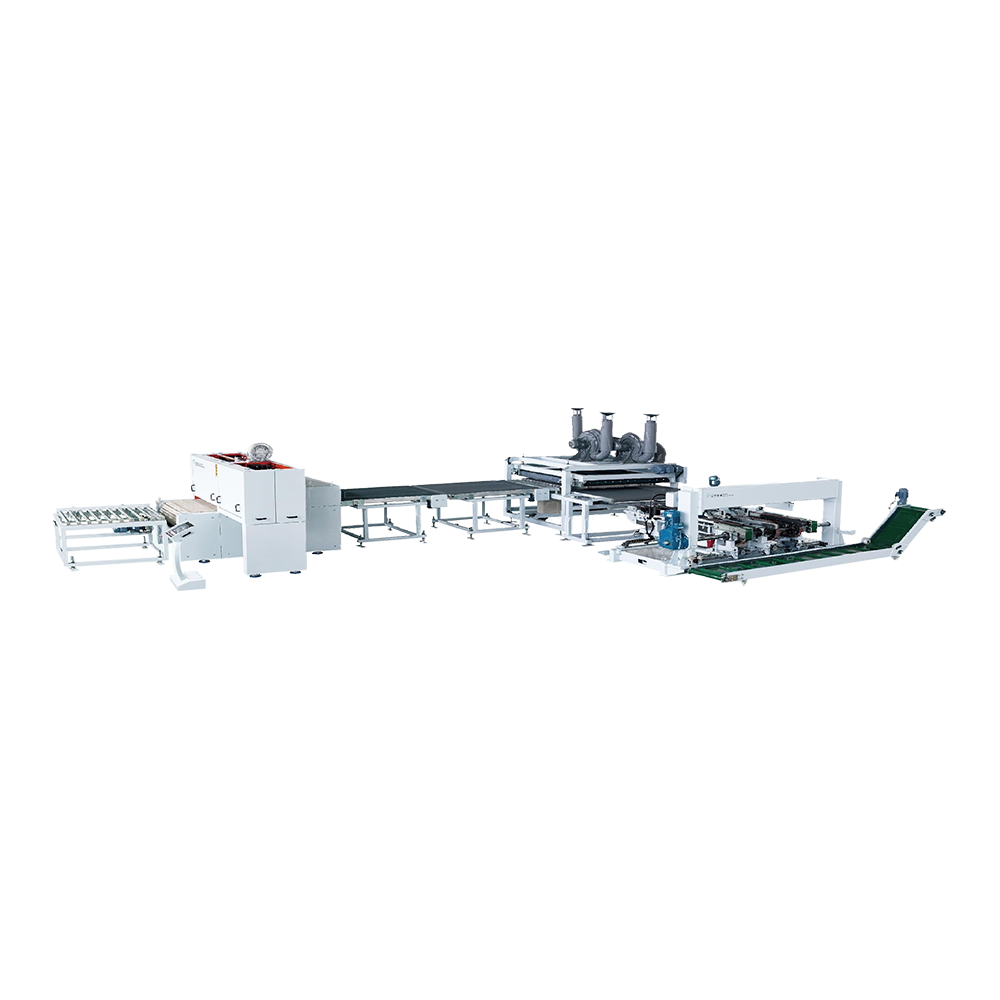
The feed speed of this equipment can reach 40 meters per minute, the whole frame...
See Details
Suitable for edge coating of laminated, PVC, and WPC. Using water-based paint is...
See Details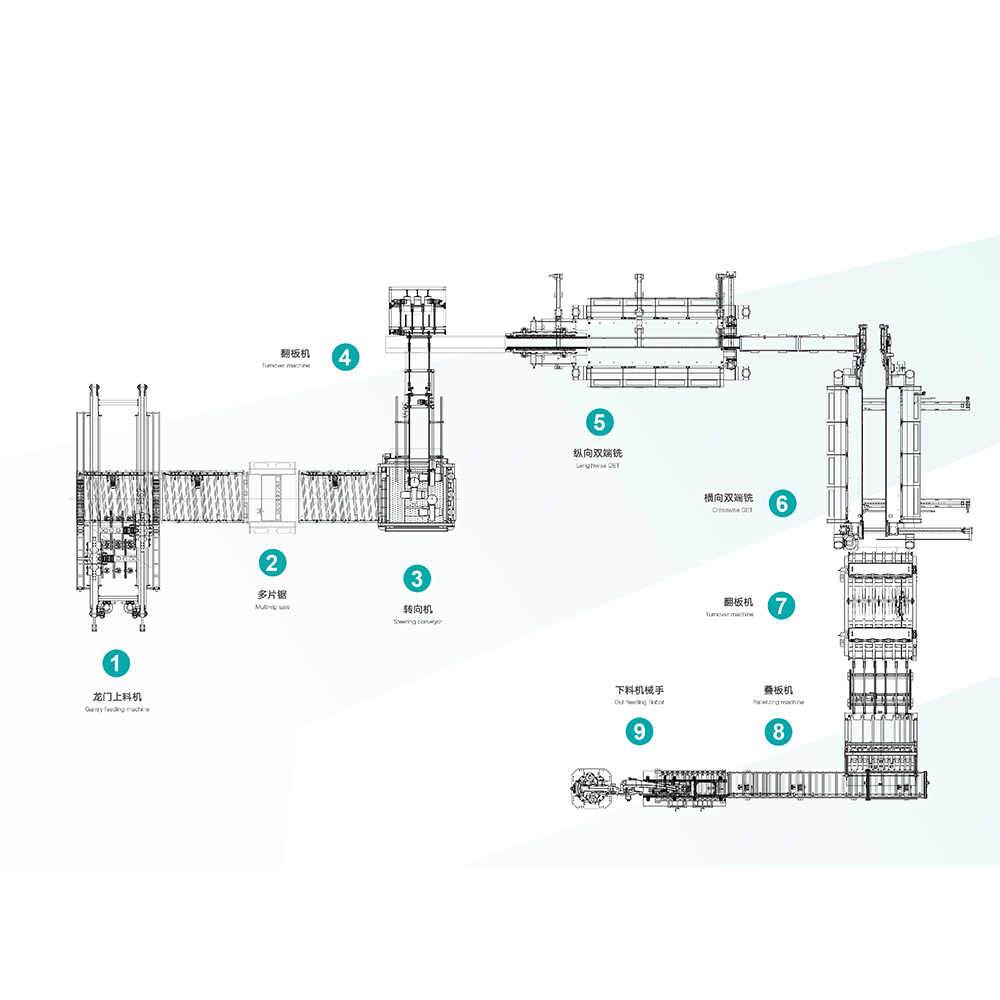
Hawk Machinery automatic feeding, cutting & slotting line, suitable for SPC,...
See Details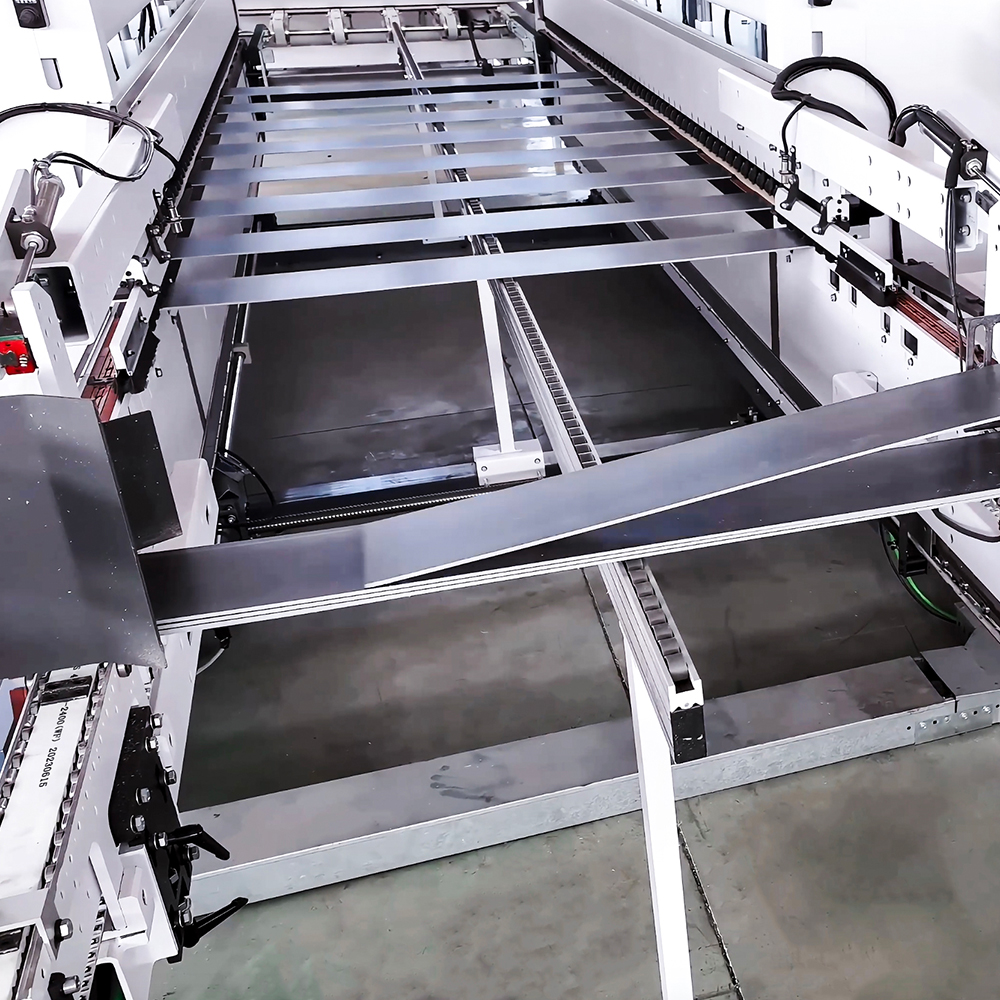
Integrated intelligent equipment integrates industrial intelligent Internet of g...
See Details
Contact info.
Boyi development area, changzhou city, jiangsu province, P. R. China
+86-0519-83319988
Don't hesitate to contact when you need us!
 Custom Floor Extrusion Machine Manufacturers