
 English
 русский
 Español

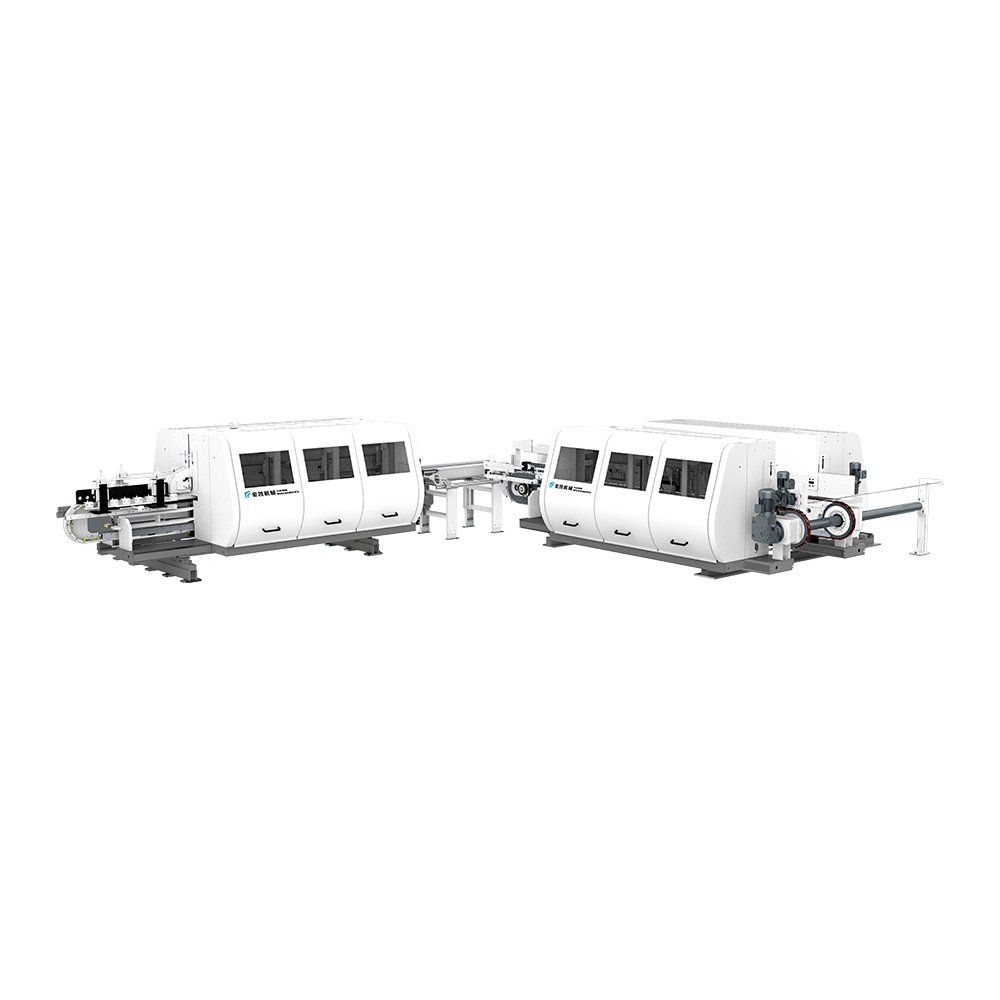
Floor slotting line (double end tenoner)
The product can slot the floor vertically and horizontally. The machine series c...
See DetailsContent
An automatic floor production line is an integrated sequence of manufacturing equipment that converts raw materials — resins, fillers, pigments, wear layers, and backing materials — into finished flooring products with minimal human intervention at each stage of the process. The entire sequence from raw material feeding through mixing, forming, surface treatment, cutting, and quality inspection runs as a continuous or semi-continuous automated system coordinated by a programmable control platform. Unlike batch-based manufacturing where each process step is completed independently before the next begins, a flooring production line moves material continuously through each station, with each machine synchronized to the output speed of its neighbors so that the overall line runs at a consistent, optimized throughput rate.
The specific equipment configuration of an automated flooring manufacturing line depends entirely on the type of flooring being produced. An SPC (stone plastic composite) floor production line is built around a twin-screw extruder and a multi-roll calender. An LVT (luxury vinyl tile) production line uses calendering or coating processes to build up multiple film layers. A ceramic or porcelain floor tile production line uses press forming and kiln firing. A wood-plastic composite (WPC) floor line shares some equipment with SPC but with different formulation and process parameters. Despite these differences, all automatic floor production lines share the same fundamental logic — continuous, integrated, automated processing from raw material input to finished product output — and the same management imperatives around throughput optimization, quality control, and process stability.
Modern automated floor manufacturing equipment is configured to produce specific flooring product types, each of which requires a distinct set of process technologies and material handling systems. Understanding which flooring type a line is designed for is the starting point for any production line investment decision.
Stone plastic composite flooring is currently one of the fastest-growing flooring product categories globally, and SPC floor production lines are among the most widely installed automated flooring manufacturing systems. SPC flooring is produced by extruding a highly filled PVC compound — typically containing 60–70% calcium carbonate filler — through a twin-screw extruder, then calendering the extrudate into a flat sheet of precise thickness before laminating a printed decorative film and a transparent wear layer on the surface. The finished laminated sheet passes through an embossing roller that applies a surface texture — typically a wood grain or stone texture — while the material is still warm enough to permanently accept the emboss. The sheet is then cooled, cut to planks or tiles of the specified dimensions, inspected, and stacked for packaging. SPC production lines are available in widths from 1.2 meters to over 2 meters and are capable of output speeds of 4–12 meters per minute depending on product thickness and formulation.
Luxury vinyl tile production lines produce multi-layer flexible vinyl flooring by laminating several distinct layers — a fiberglass reinforcement layer, a printed decorative PVC film, a rigid or semi-rigid base layer, and a polyurethane or acrylic wear layer — into a single composite sheet through a combination of calendering, coating, and lamination processes. LVT production requires precise control of layer thickness, lamination temperature, and tension throughout the line to maintain dimensional stability in the finished product and prevent delamination or warping. The decorative film layer is typically printed by a separate gravure or digital printing process and fed into the lamination line from a roll. LVT flooring production lines are often configured with both rigid and flexible product capability, allowing the same line to produce both standard flexible LVT and the thicker, stiffer SPC-type rigid core LVT products by adjusting the base layer composition and calender settings.
Wood plastic composite floor production lines produce a flooring substrate that combines wood fiber or flour with thermoplastic resin — typically PVC, polyethylene, or polypropylene — to create a rigid, dimensionally stable core with better thermal and acoustic performance than pure mineral-filled SPC. The WPC extrusion process is similar to SPC but requires careful management of the wood fiber content and moisture to prevent degradation at processing temperatures and to achieve consistent density and cell structure in the extruded core. WPC floor lines typically run at slightly lower speeds than SPC lines due to the more complex formulation and the need for controlled cooling to stabilize the foamed or hollow-core extrusion profile before the surface layers are laminated. The resulting product is thicker and lighter than SPC — typically 5–9mm total thickness — with better underfoot comfort and sound absorption characteristics.
Ceramic and porcelain floor tile production lines operate on entirely different process principles from polymer-based flooring lines. Raw ceramic body materials — clay, feldspar, silica, and other minerals — are wet-milled, spray-dried to produce a free-flowing powder, then pressed into tile blanks using high-pressure hydraulic or isostatic presses. The pressed blanks are dried, glazed with decorative ceramic glazes applied by inkjet digital printing systems, and then fired in continuous roller kilns at temperatures of 1,100–1,250°C to sinter the ceramic body and fuse the glaze. After firing, tiles are sorted, inspected by automated vision systems, calibrated and rectified by precision grinding if required, and stacked and packaged for shipment. Ceramic tile production lines are capital-intensive, energy-intensive, and require significant floor area and building infrastructure compared to polymer flooring lines, but they produce products with unmatched durability, scratch resistance, and fire performance.
Regardless of the specific flooring type being produced, automatic floor production lines share a set of functional equipment stations that each perform a specific transformation on the material as it moves through the line. Understanding the role and criticality of each station is essential for anyone planning, operating, or troubleshooting a flooring production line.
The accuracy and consistency of raw material feeding is the foundation of product quality in any automated flooring manufacturing line. Gravimetric dosing systems — which measure the weight of each material component dispensed rather than relying on volumetric measurement — are the standard for precision compound feeding in polymer floor production lines. Resin, filler, stabilizers, lubricants, pigments, and processing aids are each fed by individual dosing units that continuously measure and adjust feed rates to maintain the programmed formulation recipe within very tight tolerances. Any deviation in the raw material dosing — a bridging filler causing intermittent flow interruption, a worn feeder screw causing inconsistent throughput, or a raw material batch with different bulk density than the previous batch — translates directly into product quality variation that may not be detected until finished product inspection or customer use.
In polymer flooring production lines, the raw materials are thermally processed and mechanically mixed in a twin-screw extruder that simultaneously melts, disperses, and homogenizes the compound while conveying it forward at a controlled rate. The twin-screw design provides far superior distributive and dispersive mixing compared to single-screw alternatives, which is critical for achieving uniform dispersion of the high filler loadings typical in SPC and WPC formulations. Screw configuration — the arrangement of conveying, kneading, and mixing elements along the screw length — is optimized for the specific formulation and output requirements of the product. Melt temperature, pressure, and torque are monitored continuously and maintained within defined process windows that ensure consistent melt quality and prevent thermal degradation of the formulation components.
The calender is the precision sheet-forming heart of a polymer floor production line. The molten compound from the extruder passes through a series of temperature-controlled rolls — typically three to five rolls in a precise geometric arrangement — that progressively form the material into a flat sheet of the target thickness. The gap between each pair of calender rolls is controlled to micrometer precision, and the roll surface temperatures are independently controlled to manage material temperature and surface quality through each forming stage. Sheet thickness is monitored continuously by inline gauging systems — typically nuclear, beta-ray, or optical measurement devices — that provide real-time feedback to the calender roll gap control system and ensure thickness uniformity across the full width and length of production. Thickness variation of even ±0.05mm in a finished flooring product can cause installation problems — visible gaps between planks, locking profile failures, or acoustic and underfoot performance inconsistency.
After the base sheet or core layer is formed, the decorative and protective surface layers are applied through a combination of thermal lamination, pressure bonding, and coating processes. The printed decorative film — typically a gravure-printed PVC film for SPC and LVT products — is unwound from a roll and laminated onto the base layer under controlled heat and pressure that activates the adhesive system and creates a permanent bond between the layers. The transparent wear layer is applied over the decorative film in the same or a subsequent lamination nip. The wear layer thickness is a primary determinant of the product's durability classification — thinner wear layers (0.2–0.3mm) suit residential applications, while commercial-grade products require wear layers of 0.5mm or more. UV-cured topcoat systems apply a final protective coating that provides scratch resistance, anti-scuff performance, and the surface gloss level specified for the product.
Embossing rolls apply the surface texture that gives flooring products their realistic wood or stone appearance and tactile character. The embossing station consists of a precision-engraved steel roll pressed against a backing roll with controlled force and at a controlled temperature that keeps the flooring surface material at the right temperature for permanent emboss formation — warm enough to deform under the roll pressure, cool enough to retain the emboss shape after the roll lifts. Emboss register — the alignment between the printed decorative design and the emboss texture so that the texture lines coincide with the printed wood grain lines — is one of the most technically demanding aspects of flooring production line control, requiring precise synchronization between the print and emboss elements across the full width of the production sheet. Poor emboss register — where the texture lines are visibly misaligned with the print grain — is an immediately visible quality defect that renders the product unsaleable.
After embossing, the continuous flooring sheet must be cooled to a temperature at which it is dimensionally stable before cutting to the specified plank or tile dimensions. Cooling is achieved through a series of water-cooled rolls or a flat-bed cooling conveyor that provides controlled, even heat extraction without inducing warping or bow in the sheet from differential cooling across its width or through its thickness. Cutting to final dimensions is performed by precision multi-blade circular saws or flying cut-off saws that cut planks to length without stopping the sheet — maintaining continuous line flow. Edge milling stations machine the interlocking click profiles on the plank edges that allow glue-free floating floor installation. The precision of the click profile milling — measured in hundredths of a millimeter — determines the tightness and reliability of the installed floor join.
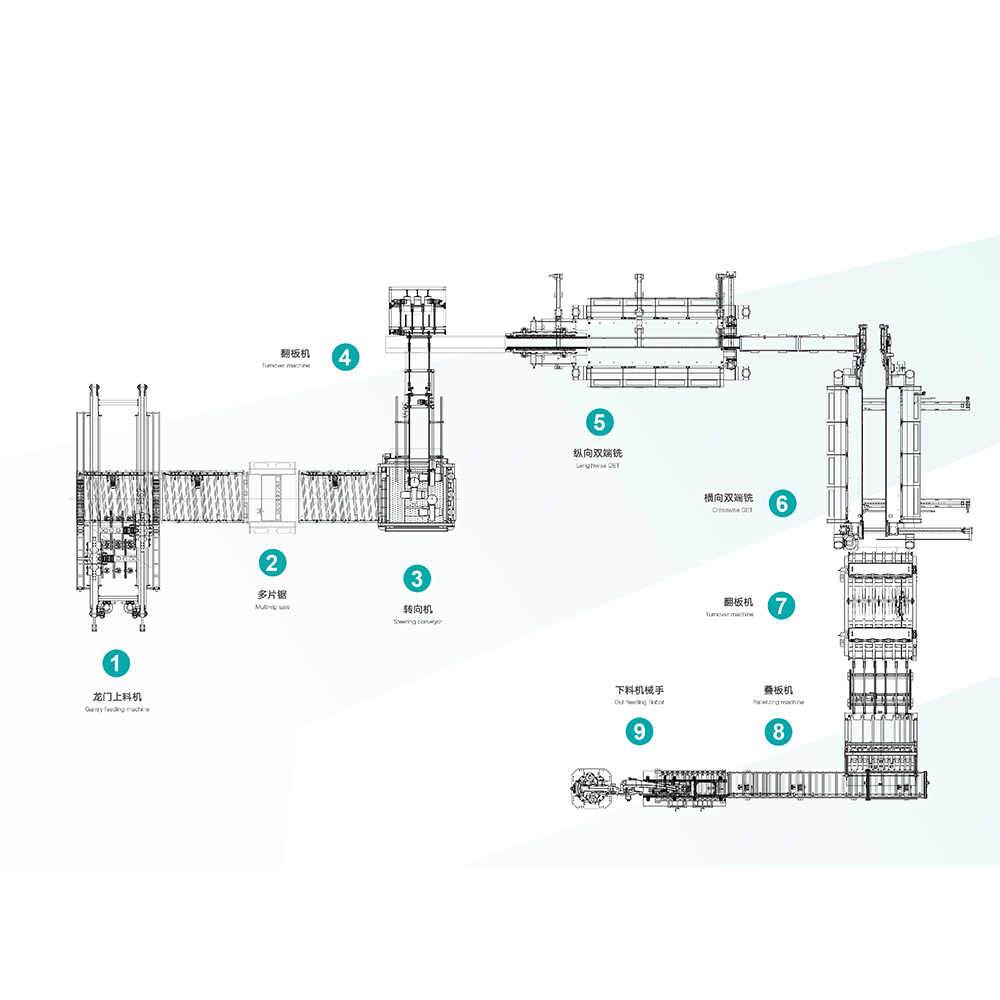
The automation and control architecture of a modern flooring production line is what transforms a collection of individually capable machines into a synchronized, optimized manufacturing system. The sophistication of this control infrastructure has increased dramatically over the past decade and now represents one of the most significant performance differentiators between competing line suppliers.
| Control System Level | Function | Technology Used |
| Machine Control | Individual machine operation, safety interlocks | PLC with local HMI touchscreen |
| Line Synchronization | Speed coordination between all stations | Master drive with encoder feedback network |
| Process Parameter Control | Temperature, pressure, speed setpoint management | Recipe-managed DCS or advanced PLC |
| Inline Quality Monitoring | Thickness, surface defect, register measurement | Vision systems, gauge sensors, feedback loops |
| Production Data Management | OEE tracking, batch records, yield reporting | MES/SCADA connected to ERP system |
| Predictive Maintenance | Vibration, temperature, motor load monitoring | IoT sensors with AI analytics platform |
The recipe management capability of modern floor production line control systems is particularly valuable for manufacturers producing multiple product variants on the same line. A complete product recipe — specifying every temperature setpoint, speed parameter, roll gap setting, and dosing rate for every station on the line — can be stored in the control system and called up instantly when changing between products. This capability transforms a product changeover from a multi-hour manual adjustment process into a 20–30 minute automated parameter loading exercise, dramatically improving line utilization and reducing the scrap generated during manual changeover adjustment periods.
Measuring and managing the performance of an automatic floor production line requires tracking a specific set of metrics that together provide a comprehensive picture of how productively the line is converting raw materials and machine time into saleable finished product. These metrics provide the data foundation for identifying improvement opportunities and quantifying the impact of changes.
The capital investment required for an automatic floor production line spans a wide range depending on the flooring type, output capacity, automation level, and specification of individual equipment stations. Understanding the cost structure helps manufacturers budget realistically and identify where investment has the highest impact on production capability and product quality.
For an SPC floor production line with output capacity of 500–800 square meters per hour — a typical mid-scale production line for a regional flooring manufacturer — the major cost categories and approximate proportions are as follows. The extruder and associated feeding and mixing systems represent approximately 25–30% of the total equipment cost. The calender section — the most precision-engineered part of the line — accounts for another 20–25%. The lamination, embossing, and UV coating systems collectively represent 20–25%. Cutting, dimensioning, edge milling, and click profile machining stations account for approximately 15–20%. Inline quality inspection, stacking, and packaging automation makes up the remaining 10–15%.
In addition to the equipment cost, total project investment must include building infrastructure — the floor area, ceiling height, electrical supply, water cooling systems, and HVAC required for the line operation — which typically adds 20–40% to the equipment cost for a new facility installation. Engineering, project management, commissioning, and operator training add another 10–15%. Spare parts inventory for the first year of operation — covering high-wear consumables and critical long-lead-time components — should be budgeted at 5–8% of equipment cost. A realistic total project budget for a new mid-scale SPC floor production line, including all of the above, typically ranges from USD 3–8 million depending on specification, supplier selection, and installation country.
The planning and commissioning phase of a new automatic floor production line project is where the majority of future operational problems are either prevented or embedded. Rushing through this phase to meet an aggressive startup timeline is one of the most common and most costly mistakes in flooring manufacturing plant investment.
An automatic floor production line represents a capital investment of several million dollars and is expected to operate reliably for fifteen to twenty years with appropriate maintenance. The maintenance strategy adopted from day one has a profound impact on both the total cost of ownership over that period and the operational performance the line delivers year after year.
Preventive maintenance — scheduled inspection and replacement of wear components before they fail — is the foundation of a reliable flooring line maintenance program. The calender rolls, extruder screws and barrels, cutting saw blades, edge milling cutters, and click profile milling tools are all wear items with predictable service lives that should be replaced on a scheduled basis rather than run to failure. Running wear items to failure causes unplanned downtime that is always more disruptive and more expensive than planned replacement during a scheduled maintenance window. Establish replacement intervals for every wear item based on the equipment supplier's recommendations and your own production data, and adjust these intervals over time as you accumulate operating experience with your specific formulation and production conditions.
Predictive maintenance — using real-time sensor data to detect early signs of component degradation before failure — is increasingly practical and cost-effective for flooring production lines as vibration sensors, thermal cameras, and motor current monitoring have become more accessible and affordable. Vibration analysis on the calender roll bearings, extruder gearbox, and cutting saw spindles can detect developing bearing defects weeks before they cause a failure, providing time for planned replacement during a scheduled stop. Motor current signature analysis identifies developing mechanical problems in driven equipment without requiring physical access to moving parts. Investing in basic predictive maintenance sensor infrastructure during the initial line installation is significantly less expensive than retrofitting it later.
The product can slot the floor vertically and horizontally. The machine series c...
See Details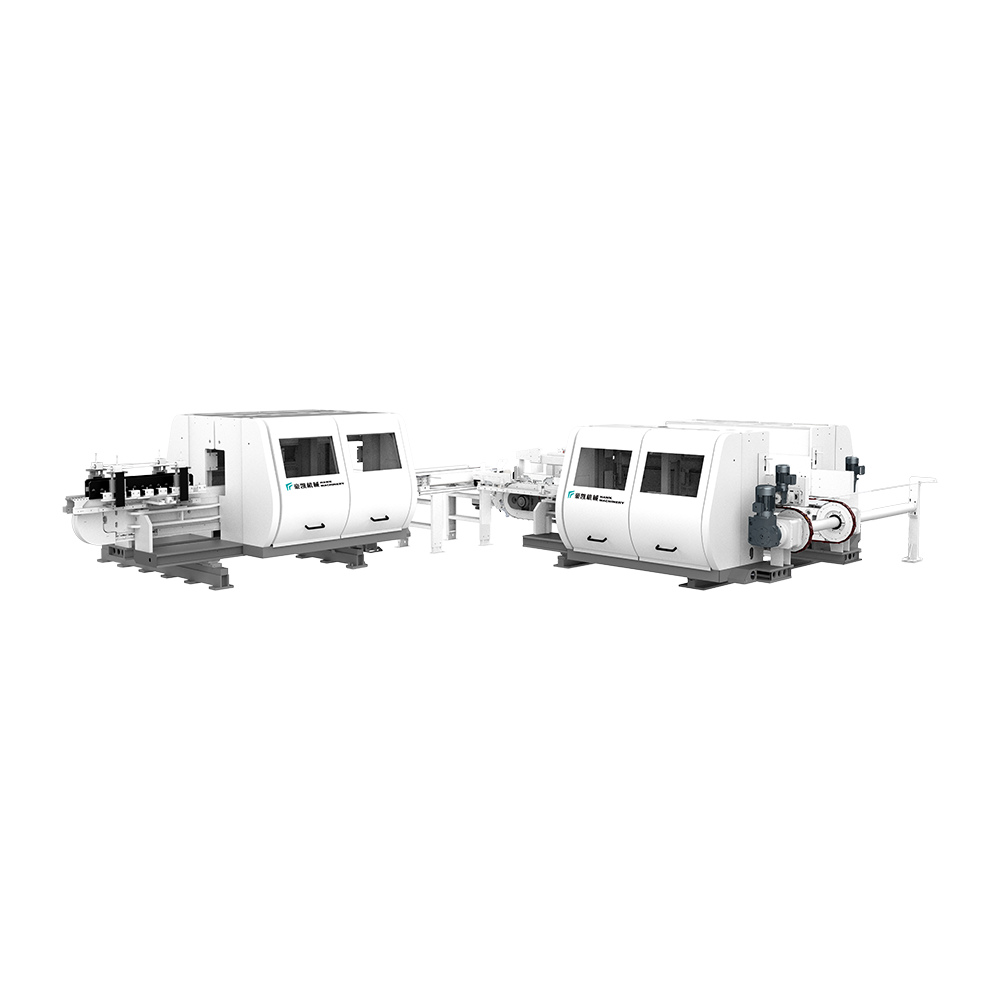
This equipment is suitable for trimming and chamfering LVT flooring. Equipped wi...
See Details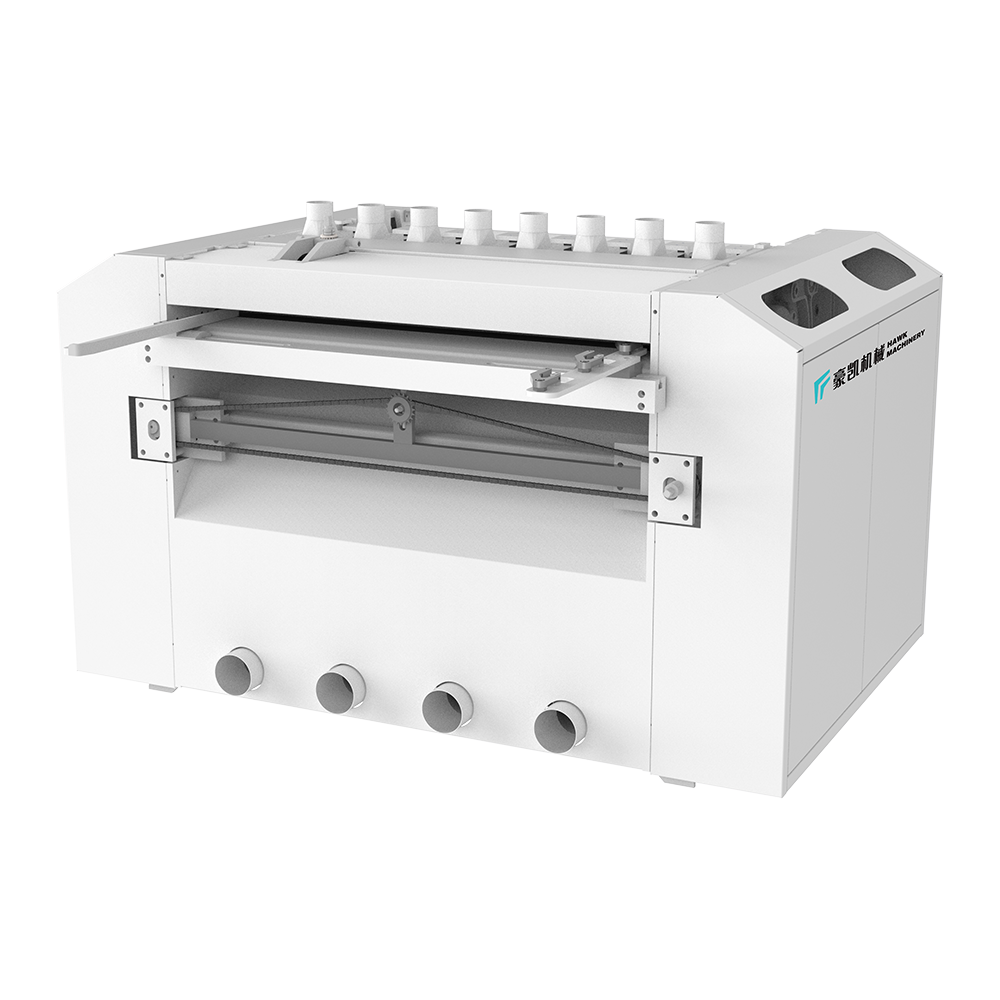
Different transmission sawing methods are suitable for different board processin...
See Details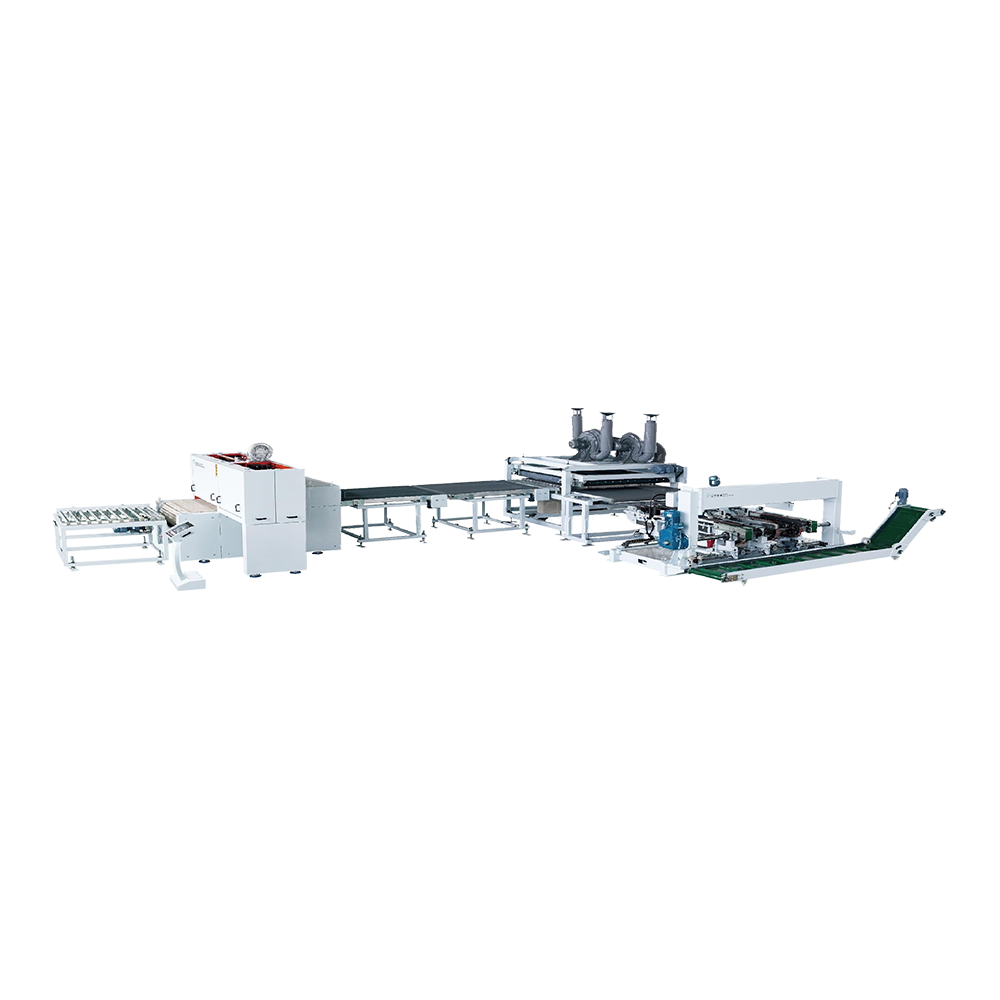
The feed speed of this equipment can reach 40 meters per minute, the whole frame...
See Details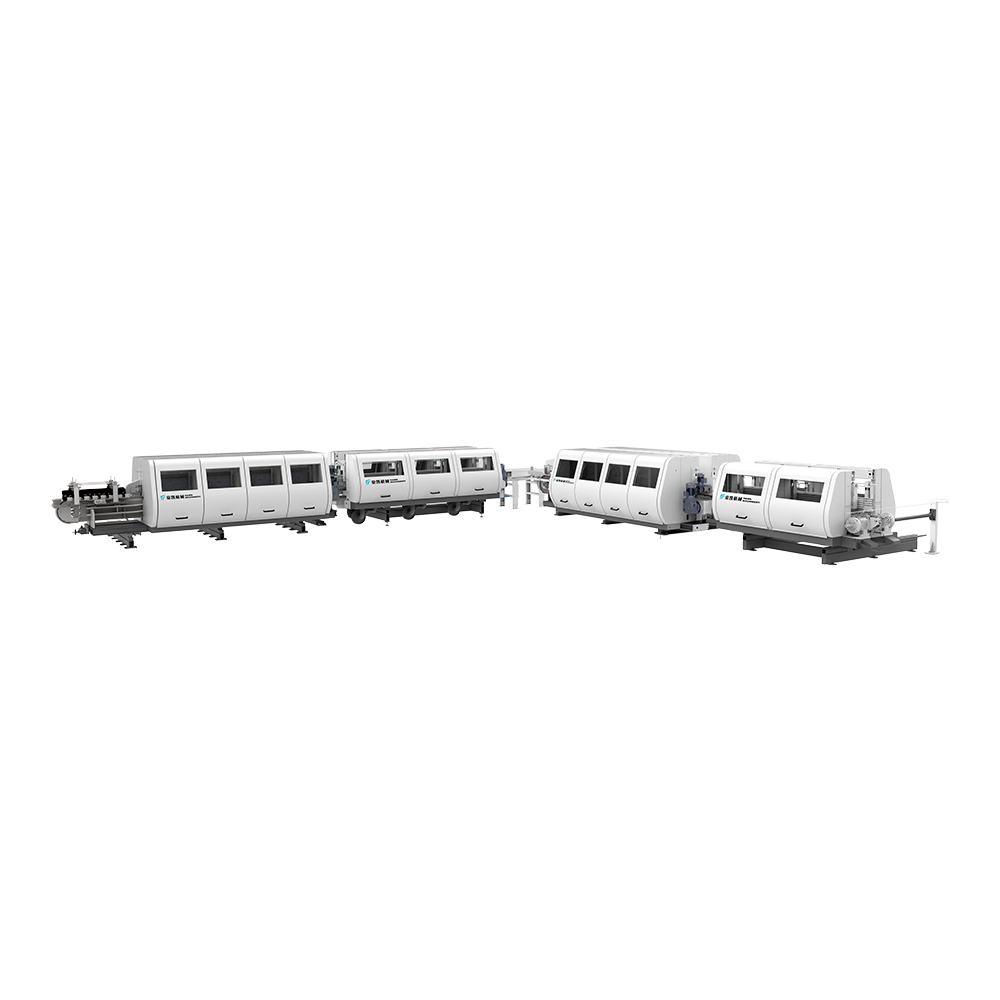
Suitable for edge coating of laminated, PVC, and WPC. Using water-based paint is...
See Details
Hawk Machinery automatic feeding, cutting & slotting line, suitable for SPC,...
See Details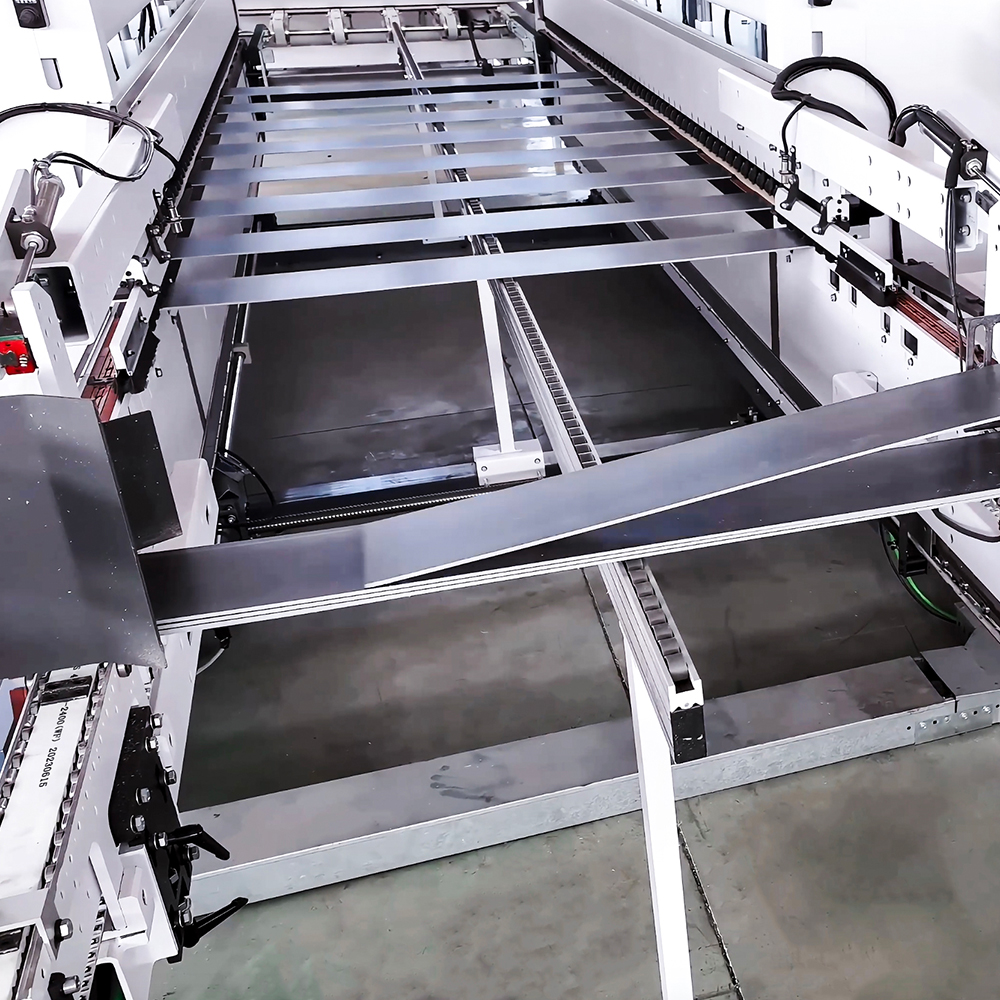
Integrated intelligent equipment integrates industrial intelligent Internet of g...
See Details
Contact info.
Boyi development area, changzhou city, jiangsu province, P. R. China
+86-0519-83319988
Don't hesitate to contact when you need us!
 Custom Floor Extrusion Machine Manufacturers