
 English
 русский
 Español

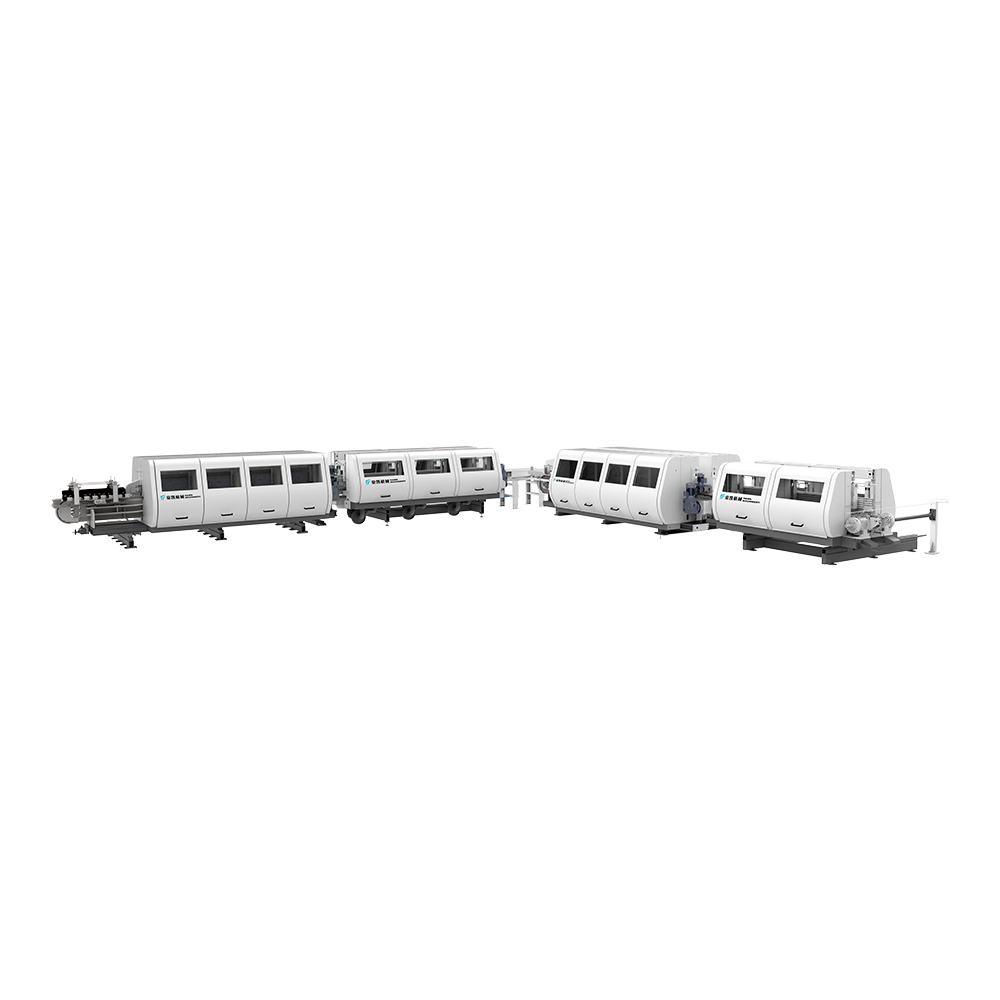
Floor slotting line (double end tenoner)
The product can slot the floor vertically and horizontally. The machine series c...
See DetailsContent
The WPC (Wood-Plastic Composite) floor V-groove painting machine is a specialized industrial apparatus designed to apply a decorative and protective coating precisely within the V-shaped bevels, or 'grooves', found on the edges of WPC flooring planks. This process is crucial for replicating the look of traditional multi-plank wood flooring, enhancing the product's aesthetic appeal, and providing a seal that protects the core material from moisture ingress at the seam. Without this specialized equipment, achieving a consistent, high-quality V-groove finish would be time-consuming and prone to human error.
The machine typically utilizes a combination of precise mechanical alignment, metering systems, and UV curing technology to ensure a durable and professional finish. The precision of the paint application is paramount, as overspray onto the main surface of the plank or insufficient coverage within the groove can lead to rejection.
Proper setup and calibration are the foundation of a successful painting operation. Even slight deviations in material feed rate or applicator alignment can significantly impact the quality of the V-groove finish. Before starting a production run, several parameters must be carefully checked and adjusted.
The applicator wheel, which transfers the paint into the groove, must be precisely positioned. Its height should be set so that it only makes firm contact with the bottom and sides of the V-groove without exerting excessive pressure that could distort the plank edge or cause excessive paint to be squeezed out. The angle should match the bevel of the V-groove to ensure uniform coverage. A simple gauge or jig provided by the machine manufacturer is often used for this critical alignment.
The viscosity of the UV-curable paint is a key factor. If the paint is too thick, it will not flow correctly into the groove; if it's too thin, it may bleed onto the plank surface. Temperature control of the paint reservoir is often necessary to maintain consistent viscosity. The paint feed rate must be synchronized with the line speed to ensure the correct volume of coating is deposited per linear foot. This volume is typically measured in grams per square meter (g/m²).
Consistent maintenance prevents downtime and maintains the high quality of the finished product. A structured maintenance schedule should be implemented covering daily, weekly, and monthly tasks.
The following table outlines a typical maintenance schedule:
| Interval | Component/Task | Details |
| Daily (Shift End) | Applicator Wheels & Wipers | Clean thoroughly with appropriate solvent (do not use water for UV paint) to prevent paint hardening and buildup. |
| Weekly | UV Lamp & Reflectors | Check UV lamp intensity and clean quartz glass and reflectors to ensure maximum curing efficiency. |
| Monthly | Conveyor System & Bearings | Inspect and lubricate conveyor chain/belt and all moving parts according to the manufacturer's specifications. |
| Quarterly | Paint Pump & Hoses | Inspect for wear, leaks, or blockages; replace hoses as needed to maintain consistent flow pressure. |
Operators must be trained to recognize and immediately correct common defects. Troubleshooting often involves linking a visual defect to a specific machine parameter or maintenance issue.
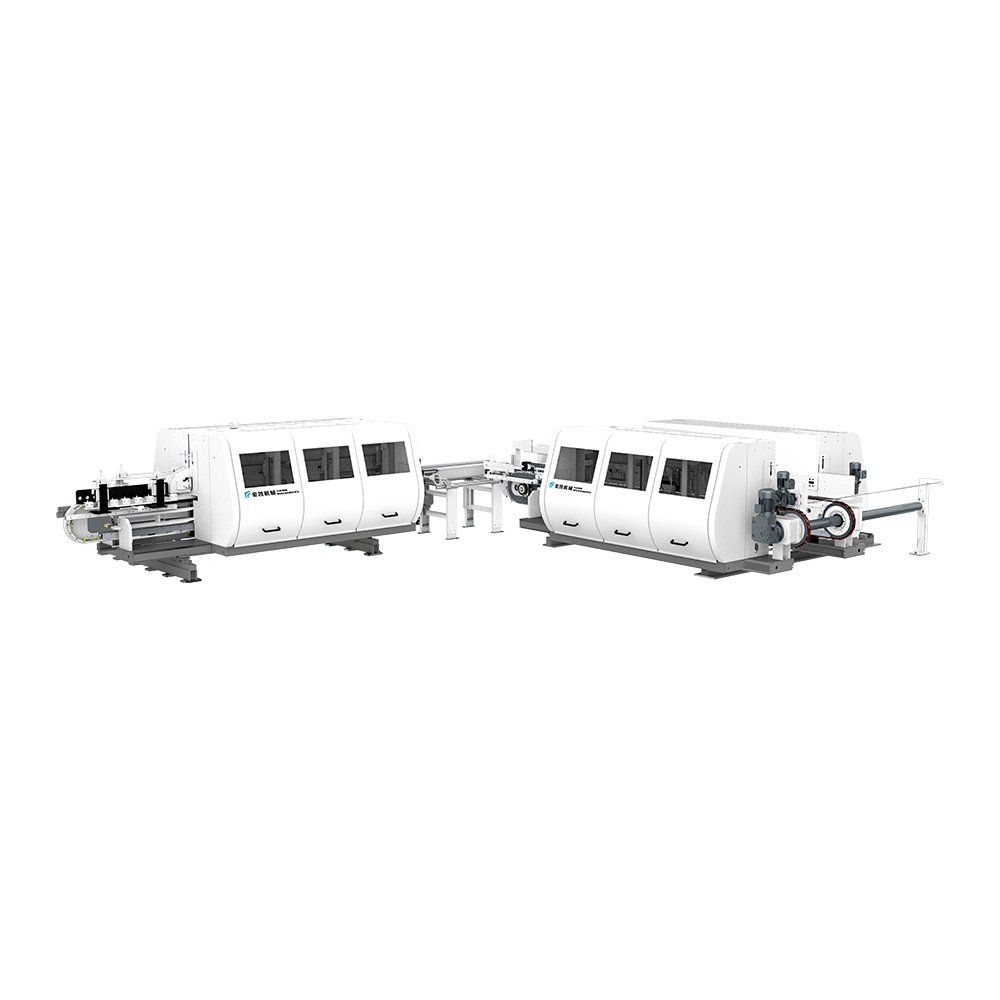
The product can slot the floor vertically and horizontally. The machine series c...
See Details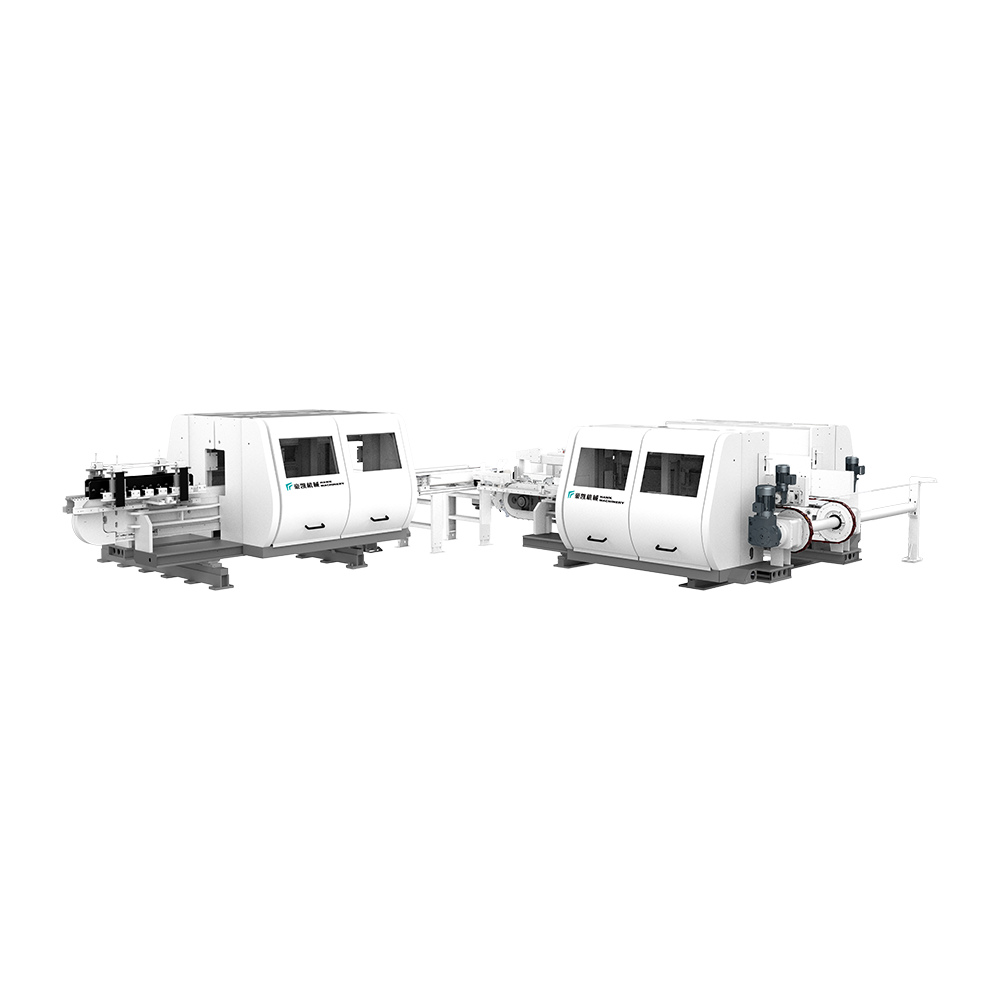
This equipment is suitable for trimming and chamfering LVT flooring. Equipped wi...
See Details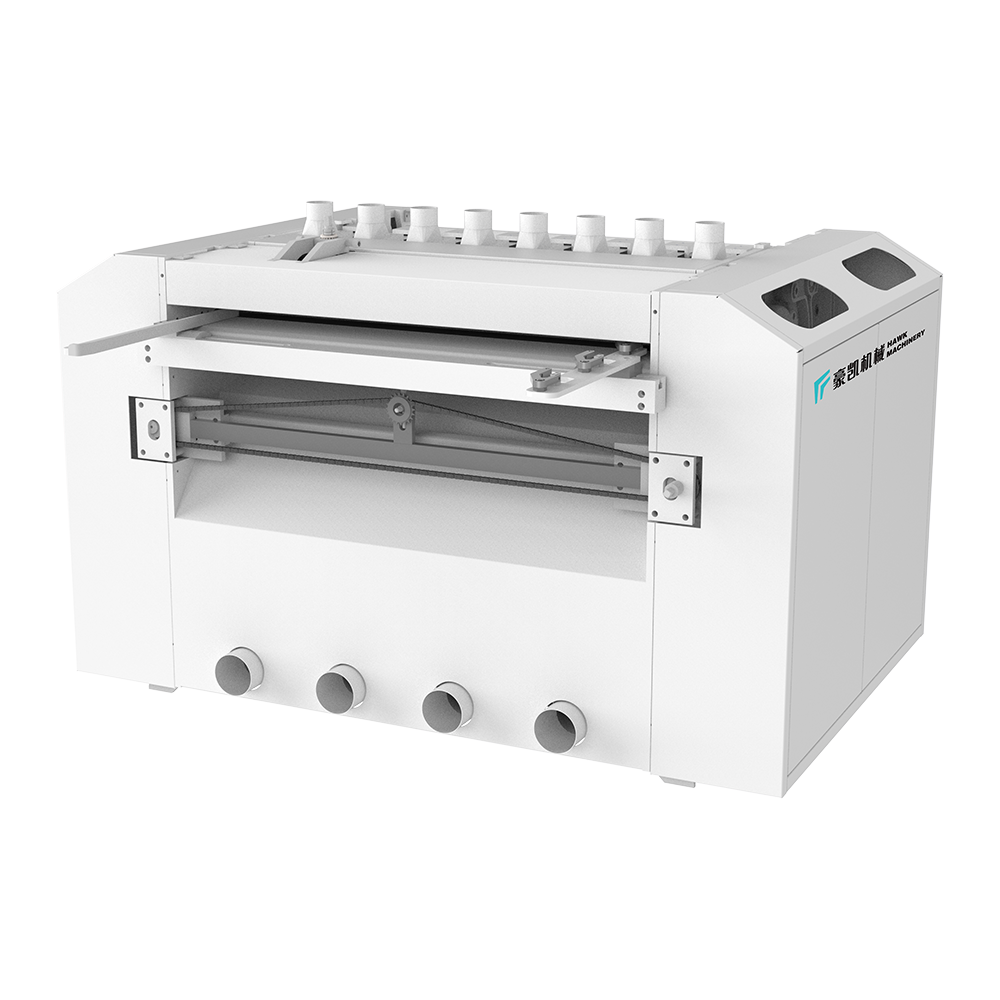
Different transmission sawing methods are suitable for different board processin...
See Details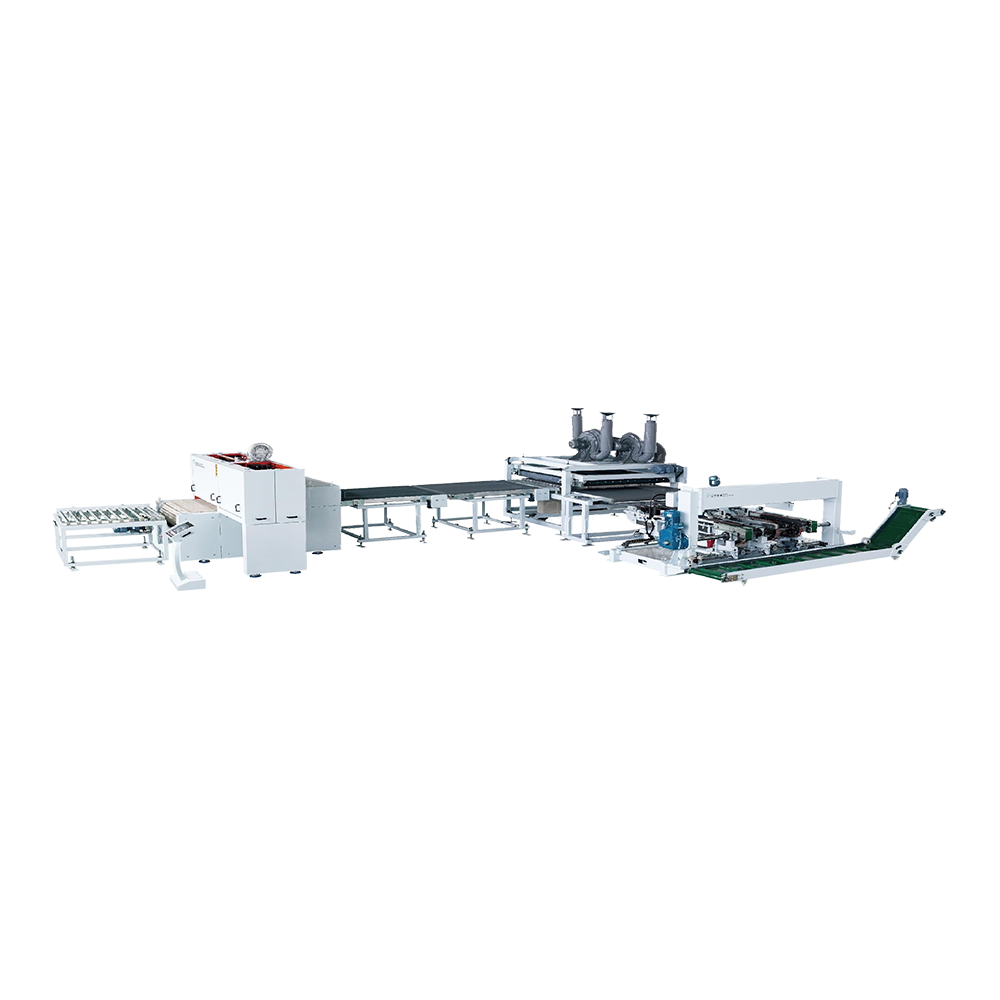
The feed speed of this equipment can reach 40 meters per minute, the whole frame...
See Details
Suitable for edge coating of laminated, PVC, and WPC. Using water-based paint is...
See Details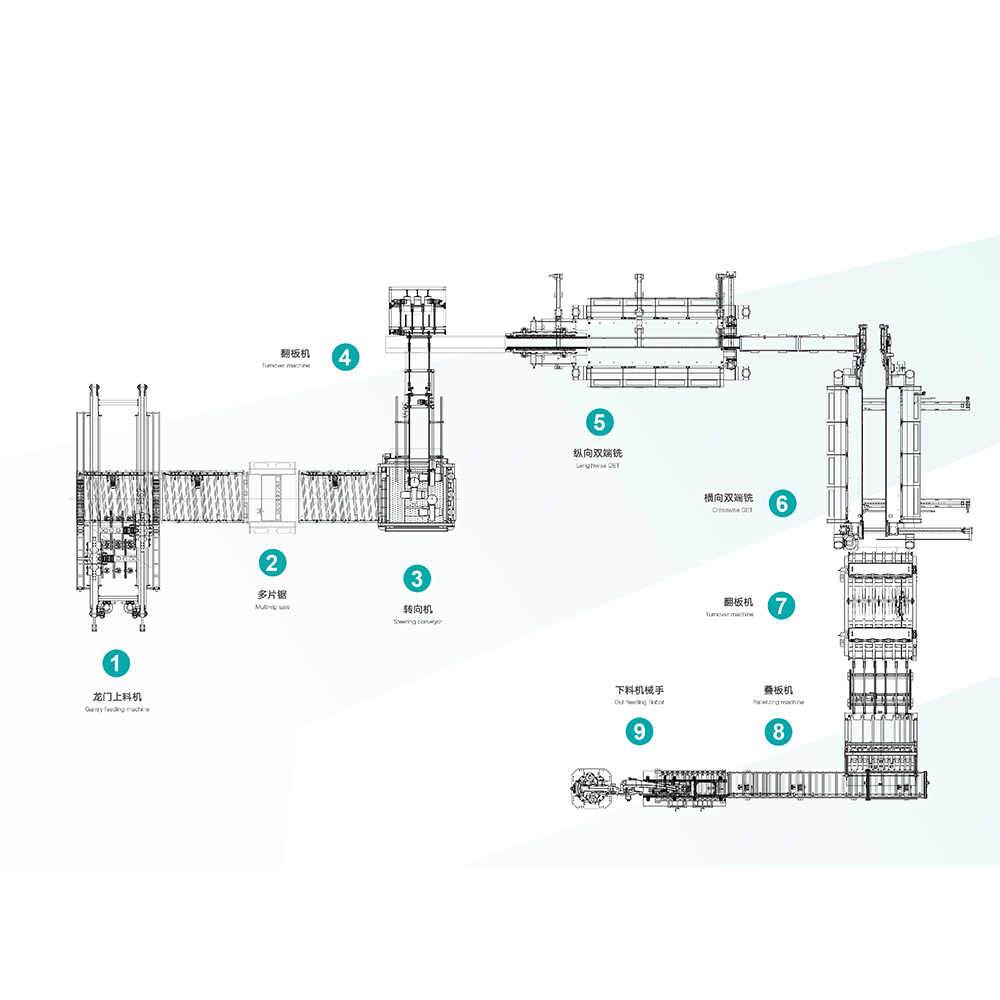
Hawk Machinery automatic feeding, cutting & slotting line, suitable for SPC,...
See Details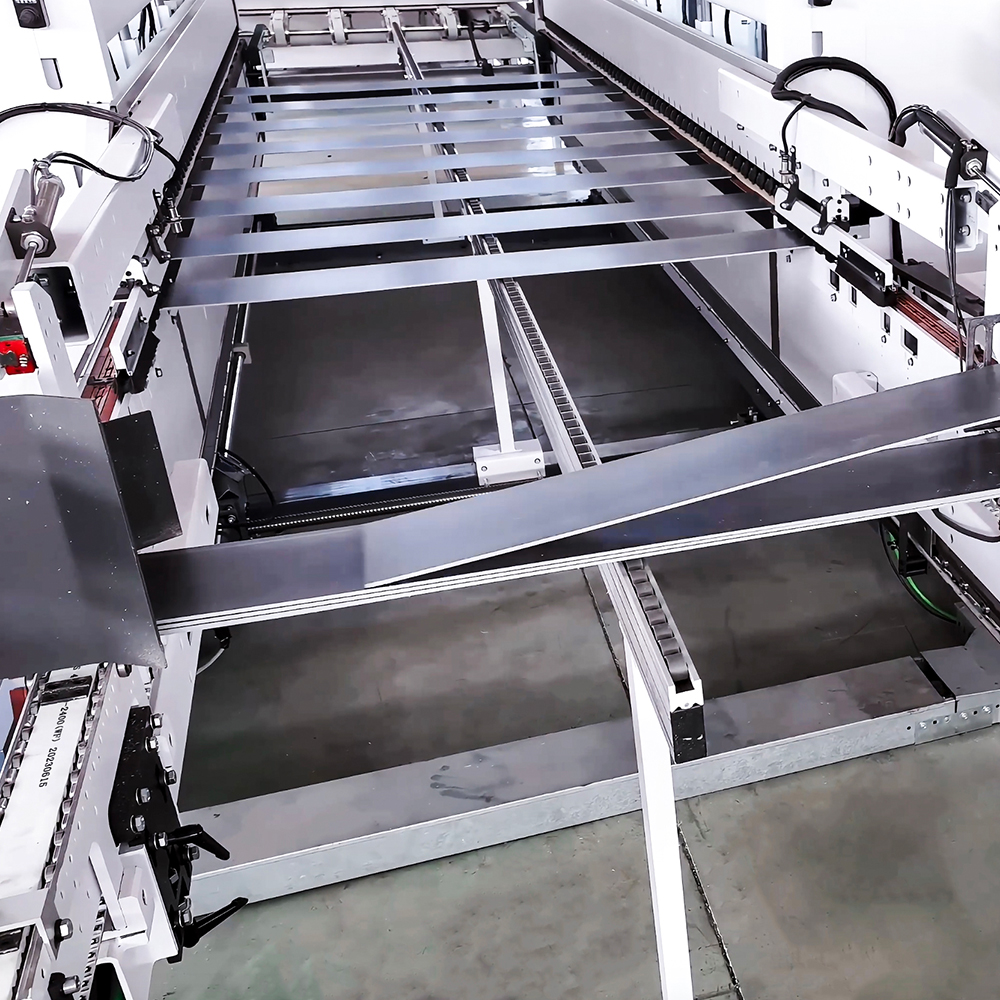
Integrated intelligent equipment integrates industrial intelligent Internet of g...
See Details
Contact info.
Boyi development area, changzhou city, jiangsu province, P. R. China
+86-0519-83319988
Don't hesitate to contact when you need us!
 Custom Floor Extrusion Machine Manufacturers