
 English
 русский
 Español

Floor slotting line (double end tenoner)
The product can slot the floor vertically and horizontally. The machine series c...
See DetailsIf you run a flooring factory and you have ever watched a chevron parquet installation come together, you know that the pattern only works when each plank is cut with near-perfect consistency. Miss the angle by a quarter of a degree and the seam widens once the planks are installed, or worse, the joints drop out of line. Chevron flooring machines exist specifically to solve this problem.
The conclusion you need first is this: the right machine for your chevron production is the one that holds its angle tolerance under continuous load, matches your material’s cutting characteristics, and connects cleanly to the rest of your line. If you buy a machine that fails on any of these three, you will spend more money after installation than you saved on the purchase.
Content
A chevron flooring machine is not a single-purpose tool. It is usually a double-end tenoner that has been configured, tooled, and programmed for angled end cuts. The plank feeds through the machine and, in a single pass, both ends are machined to the same angle on both sides of the plank. That simultaneous double-end operation is what guarantees the left and right ends of the plank are perfectly parallel — the requirement for chevron symmetry.
The same machine also cuts the tongue and groove in the same pass. You can configure it with extra stations for things like edge bevels or V-groove opening. Multi-station setups reduce the number of times a plank has to be handled, which directly affects yield. For a more detailed breakdown of the process, our in-depth look at the chevron flooring machine shows the full workflow from plank to carton.
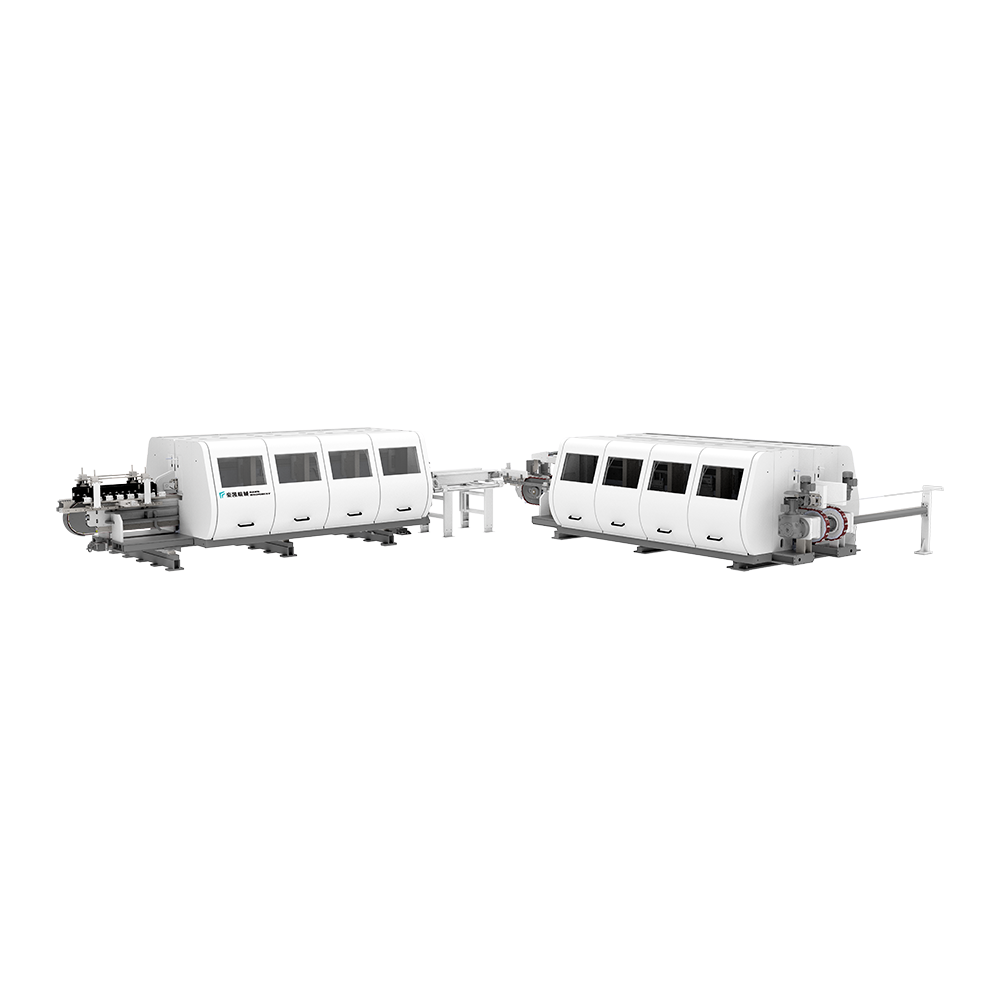 Double End Tenoner for Floor Slotting LineThis machine slots floors vertically and horizontally with a stable rolling chain drive. It cuts tongue and groove in one pass and can add stations for edge bevels or V-groove, reducing plank handling and improving yield.View Product →
When you compare equipment, the specifications that decide whether it fits your production are not the ones in the marketing header. You need numbers you can validate on site. The table below gives you the range that matters for chevron flooring machines.
| Specification | Why It Matters | Good Target Range |
|---|---|---|
| Angle adjustment range | Determines which chevron patterns you can produce | 30° to 60° |
| Angle repeatability | Affects seam quality across long runs | ±0.1° or better |
| Feed speed | Determines throughput per shift | 20–40 m/min for SPC/WPC |
| Working width range | Handles different plank widths | 100–600 mm |
| Stations per side | Controls how many operations happen in one pass | 2 to 4 stations |
| Spindle speed | Affects cut quality on different materials | 6,000–9,000 rpm |
Notice that angle repeatability is listed as a target, not just a range. Any machine can be adjusted to a different angle when it is stationary. The hard part is keeping that angle while the feed runs at production speed for eight hours. That is where the quality of the indexing system and the stiffness of the machine frame matter. If the supplier cannot give you a written repeatability figure with a test method, treat that as a risk.
Chevron flooring is made from several different materials, and each one responds differently to an angled cut. SPC is dense, hard, and relatively brittle. The angled end of an SPC plank chips easily if the spindle speed is too low or the cutting tool is not sharp. WPC is softer and more forgiving, but it is also less stable at high feed speeds, so the angle can drift. Laminate is abrasive because the core is high-density fiberboard — it wears tools quickly, and the wear changes the effective cutting angle. Engineered wood has a veneer layer that can tear if the feed is too aggressive.
This is one of the main reasons why you often find different machines running different materials. A chevron machine that has been tuned for SPC with high spindle speeds and a negative-rake tool geometry will behave differently when you switch it to engineered wood. The feed drive and the tooling need to be matched to the material. If you only produce one type, choose the machine, tooling, and spindle configuration that is established for that material. If you run several, look for a variable feed drive, adjustable tooling positions, and quick-change tool holders. The extra flexibility usually costs a bit more upfront but avoids a much more expensive changeover week later.
The biggest procurement mistakes happen before installation, but you only notice after production starts. Here are the failures that most often catch buyers off guard.
A chevron flooring machine does not run by itself. After the angled end cuts and the tongue and groove profiles are done, the planks move on to beveling and finishing. If you are building a line that produces a completed chevron floorboard, the output rate and the setup time of the machines downstream need to match the chevron machine. Otherwise you end up with a fast cutting station and a bottleneck in the beveling or painting stage. Many buyers calculate the throughput of the cutting machine only to find that the line as a whole produces half of what they expected for the first few months.
The beveling line defines the edge chamfer that catches light on the chevron seam.
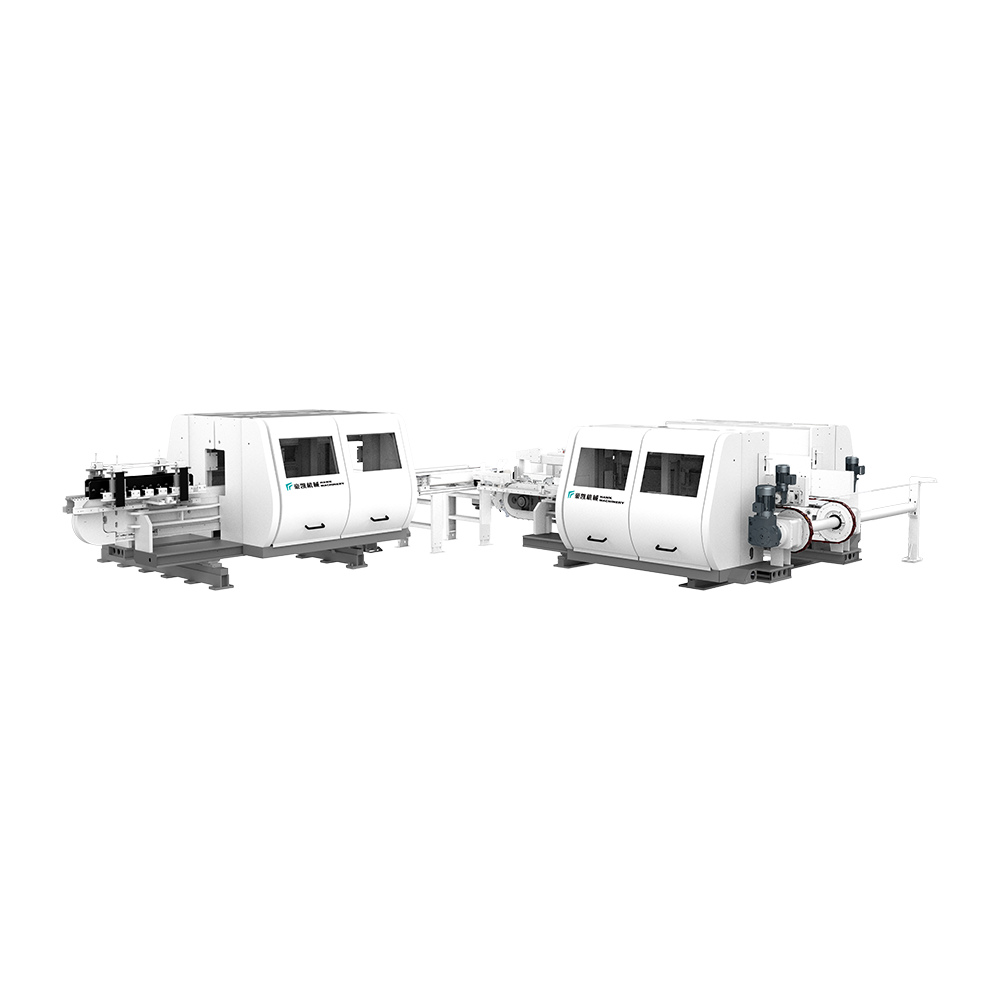 High-Speed Floor Beveling Line for LVT FlooringDesigned for trimming and chamfering LVT flooring, this line features up and down plates, fast production, simple adjustment, and high accuracy. It operates at speeds up to 100 meters per minute.View Product →
The V-groove painting line coats the cut surfaces that form the deep line of the pattern.
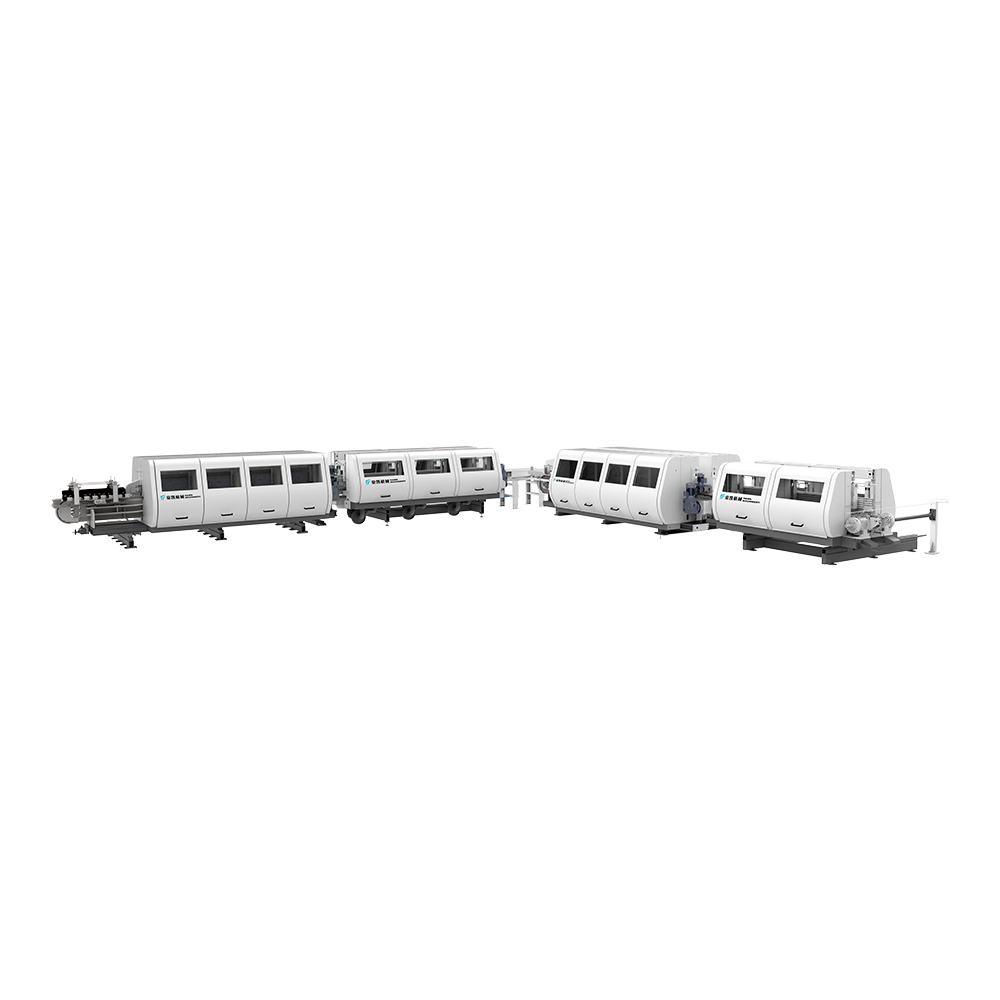 Floor V-Groove Painting Line for Edge CoatingThis line coats edges of laminate, PVC, and WPC flooring using water-based paint. Far-infrared heating and hot air circulation ensure fast drying with low energy consumption and high efficiency.View Product →
If you run multiple product formats on the same floor, the changeover flexibility of these downstream machines becomes a real production constraint. A machine that is easy to set up and that automates angle changes will save hours every time you switch between a 45° and a 60° pattern. For a broader view on choosing the right slotting setup, see how to choose a floor slotting line.
Chevron flooring is a premium pattern with a demanding production process. The machine you choose is the difference between a line that produces a clean, consistent pattern all day and a line that produces seconds and scrap. Start by defining the material you will run, the angle tolerance you need to hold, and the other machines it will connect to. Then ask the supplier to demonstrate angle repeatability under a continuous load. If the machine cannot prove that, nothing else on the spec sheet matters.
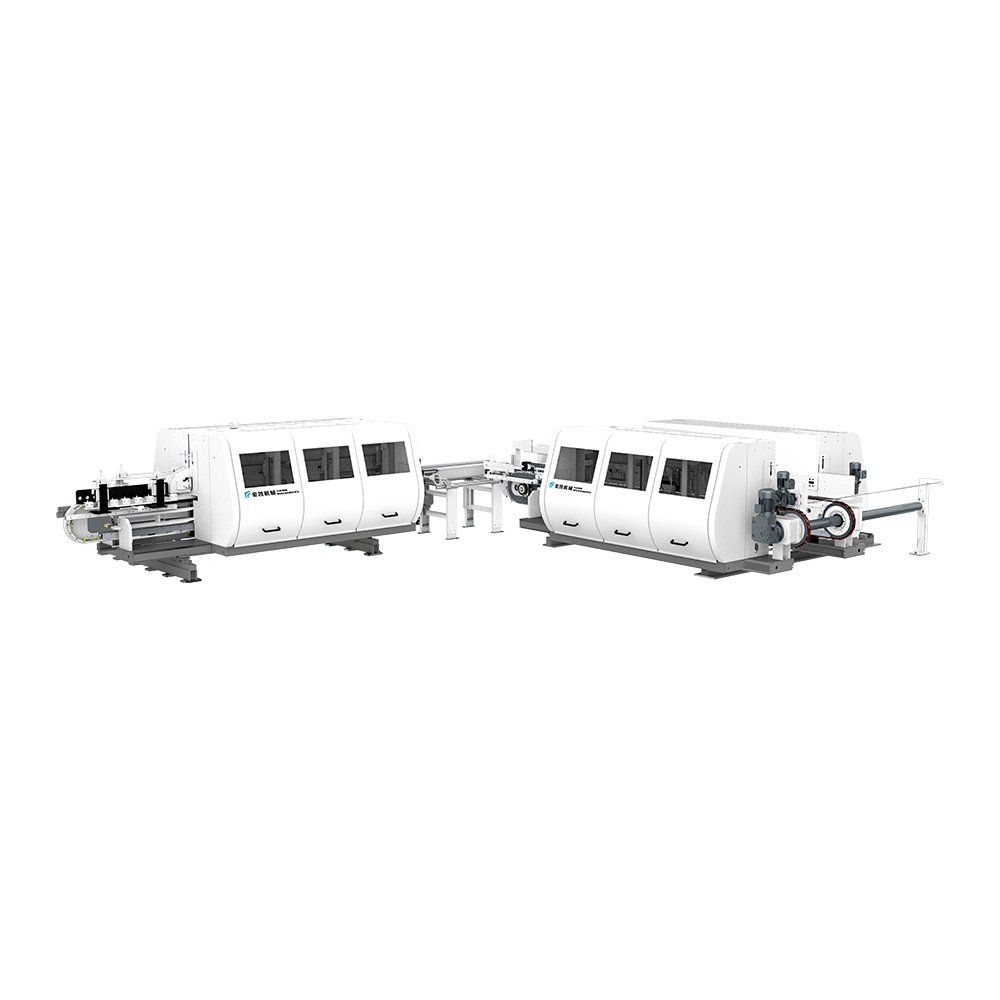
The product can slot the floor vertically and horizontally. The machine series c...
See Details
This equipment is suitable for trimming and chamfering LVT flooring. Equipped wi...
See Details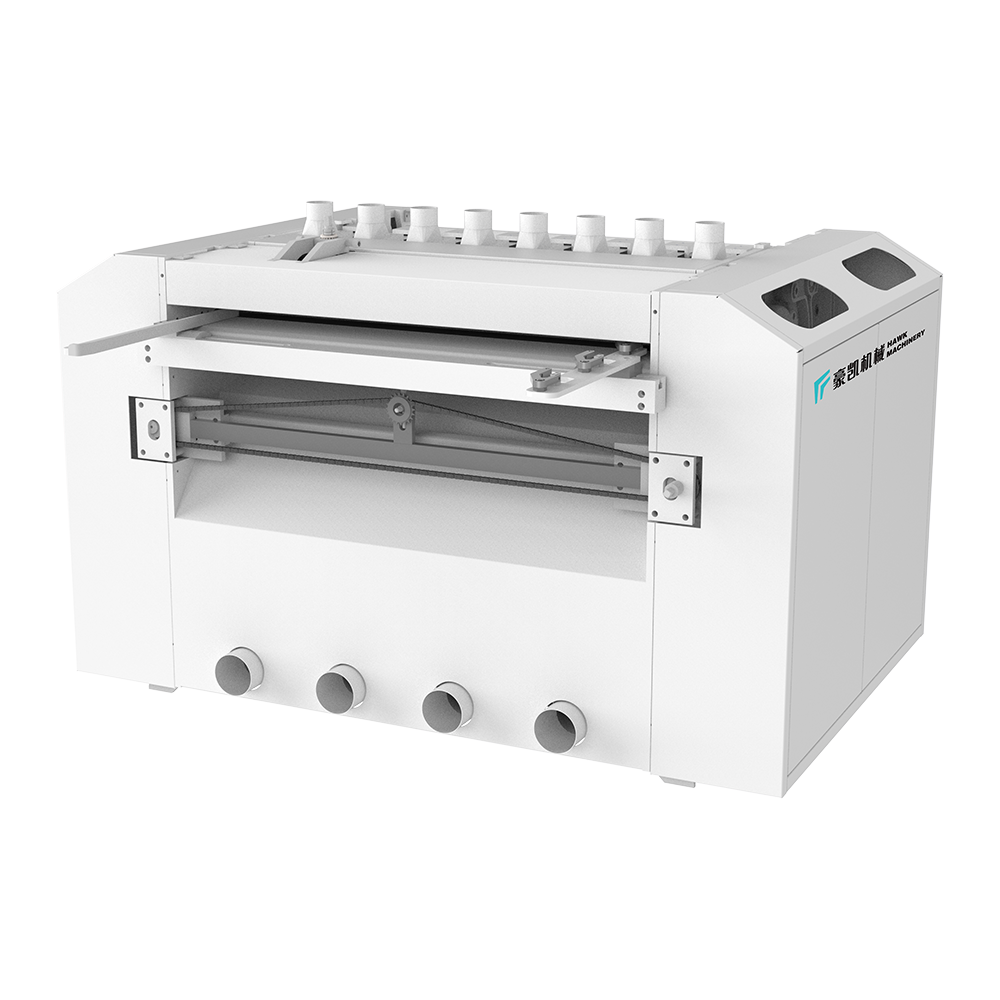
Different transmission sawing methods are suitable for different board processin...
See Details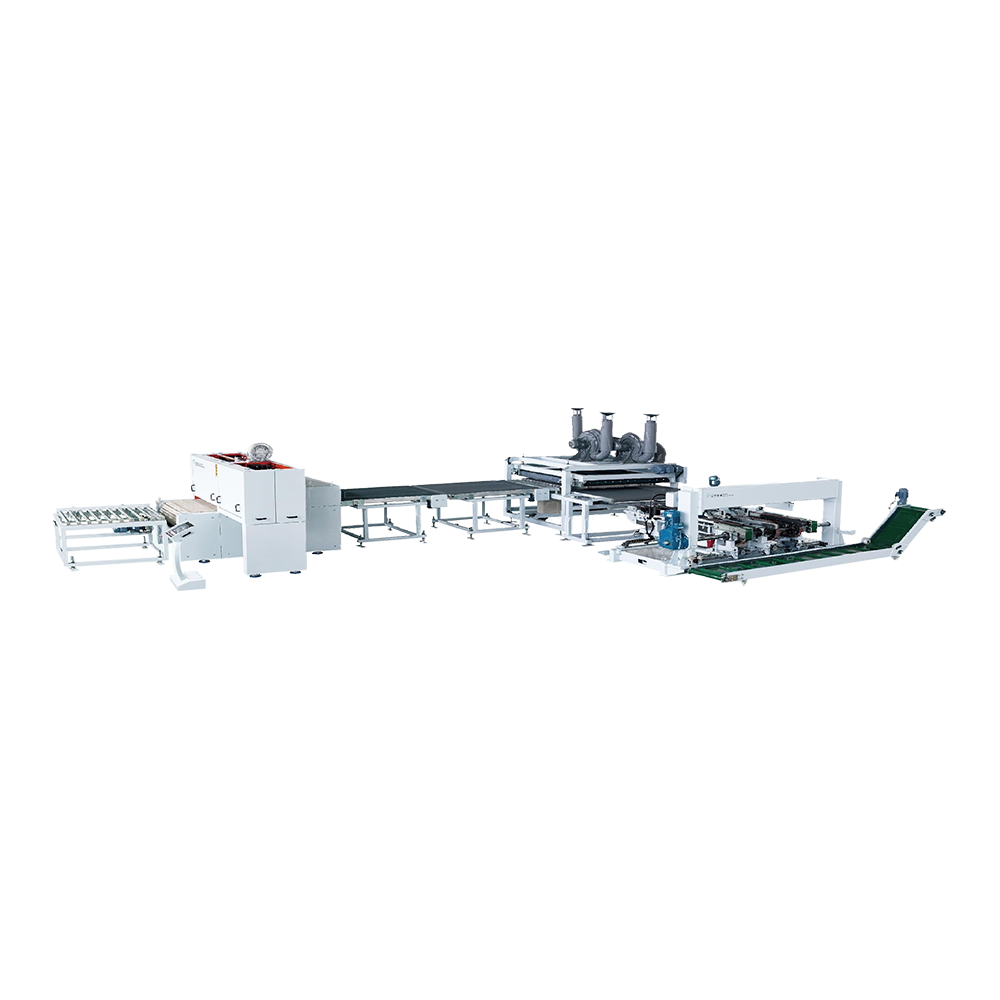
The feed speed of this equipment can reach 40 meters per minute, the whole frame...
See Details
Suitable for edge coating of laminated, PVC, and WPC. Using water-based paint is...
See Details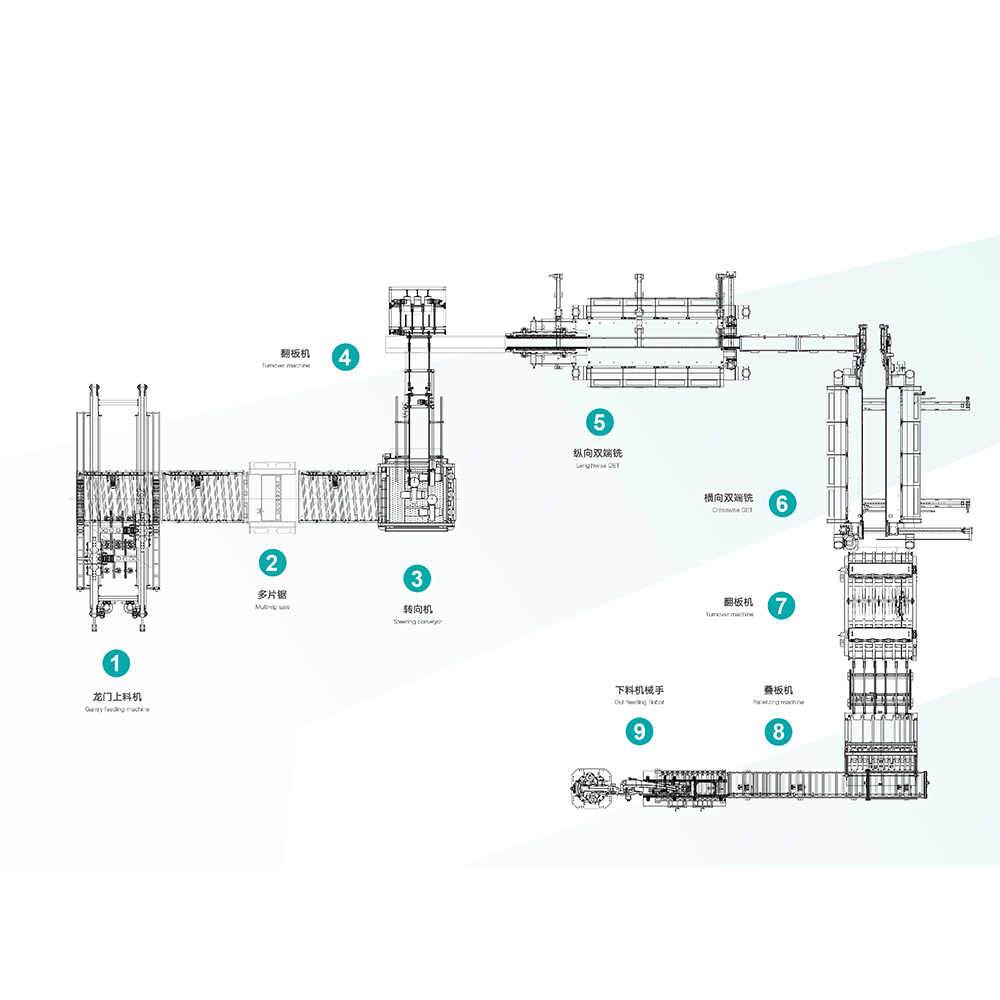
Hawk Machinery automatic feeding, cutting & slotting line, suitable for SPC,...
See Details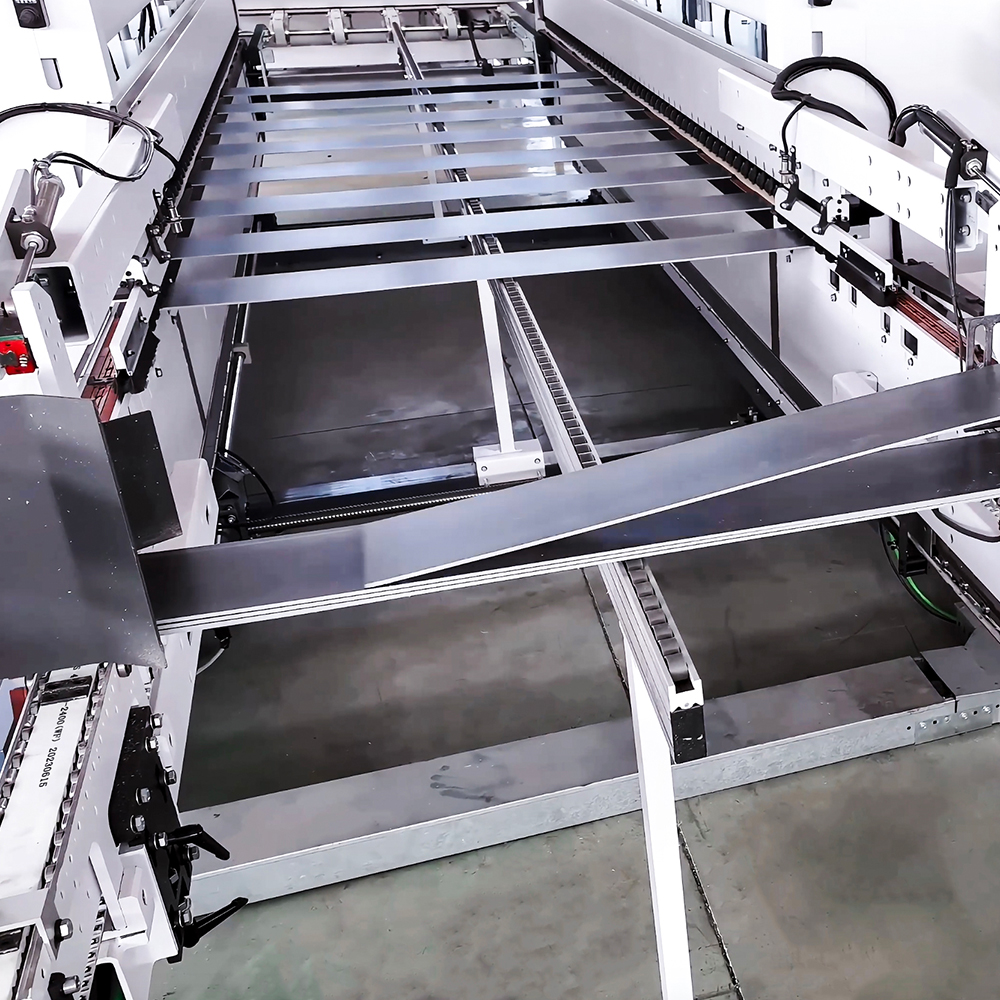
Integrated intelligent equipment integrates industrial intelligent Internet of g...
See Details
Contact info.
Boyi development area, changzhou city, jiangsu province, P. R. China
+86-0519-83319988
Don't hesitate to contact when you need us!
 Custom Floor Extrusion Machine Manufacturers