
 English
 русский
 Español

Floor slotting line (double end tenoner)
The product can slot the floor vertically and horizontally. The machine series c...
See DetailsIf you manufacture flooring, the difference between a customer who reorders and one who files a claim is often the end profile on a plank. Loose click-lock joints, gapped ends, and profiles that change halfway through a shift all trace back to the end-machining station. That is why most serious flooring producers put a double end tenoner machine at the center of their floor — and why the selection deserves more attention than a quick price comparison. A double end tenoner machines both ends of every plank in a single pass, with both sides synchronized against the same reference. Once you understand which specifications affect real output, and how the machine fits into a complete flooring line, you can evaluate suppliers on the criteria that actually matter.
Content
A double end tenoner machine is a two-sided sizing and profiling system. A rectangular panel travels through the machine on a continuous feed track, while two opposed machining columns work simultaneously on the leading and trailing edges. Each column stacks multiple tooling stations: a scoring saw for a clean trim, a main sizing saw that establishes the final length, and horizontal or vertical spindles that carry cutterheads for tongue, groove, chamfer, and other profiles.
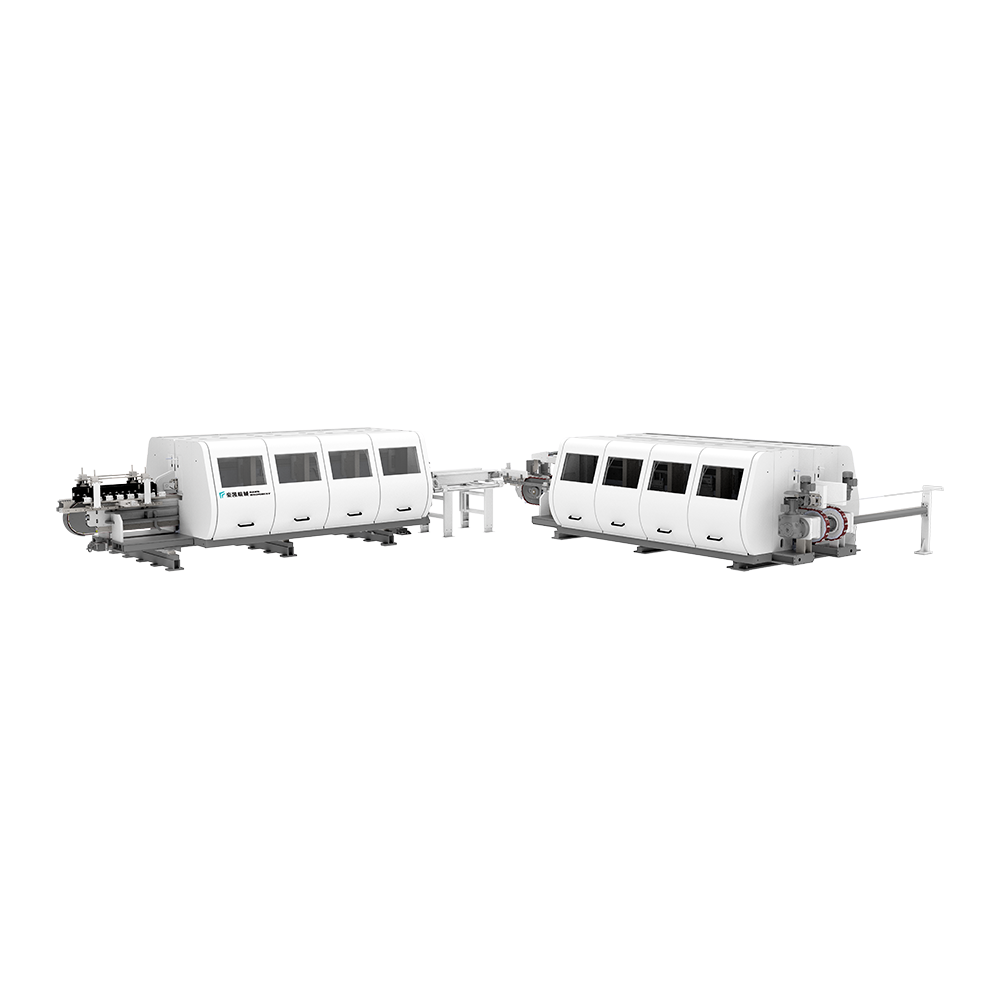 Floor Slotting Line with Double-End TenonerThis machine machines both plank ends simultaneously against a common reference, ensuring consistent length, squareness, and locking geometry for predictable click-lock assembly.View Product →
On a flooring line, those spindles produce the end profiles that allow planks to lock together. Because both columns cut from the same mechanical datum, the two end profiles stay in a fixed relation to each other. That geometric relationship — left end to right end on the same plank — is what makes click-lock installation predictable. The machine does not just cut a profile. It defines the plank's length, its squareness, and its locking geometry in one synchronized operation. You can read more about how the process works in our double end tenoner machine guide, but the basic principle is simple: both ends are machined at the same time, against the same reference, at the same feed speed.
A single-end tenoner processes one end at a time, then the operator or a transfer device flips the panel and processes the other end. That means two positioning cycles, two references, and twice the opportunity for error. The double end tenoner eliminates that by holding the panel once and machining both edges in the same cycle.
For flooring products with tongue-and-groove or click-lock systems, end profile tolerances commonly sit within ±0.10 mm. Once the working width, feed speed, and tool condition are set, a properly configured double end tenoner holds that tolerance plank after plank. That repeatability is not a convenience. It is the prerequisite for low scrap rates.
Every supplier presents a specification table, but the numbers only help if you read them against your own production mix — plank formats, materials, tooling strategy, and future line capacity. The table below summarizes the specifications that have the largest effect on a flooring application.
| Specification | What It Controls | What to Look For |
|---|---|---|
| Working width range | Shortest and longest plank length you can run | Match current product range with margin for future formats |
| Feed speed | Planks per hour | 20–80 m/min is common; verify at your required depth of cut |
| Number of spindle stations | How many operations happen in one pass | More stations allow combined sizing, profiling, and chamfering |
| Cutterhead diameter and RPM | Surface finish and profile quality | Larger diameters reduce surface waviness on PVC and WPC cores |
| Positioning repeatability | Tolerance from plank to plank | Look for CNC setting or precision scales within 0.1 mm |
| Hold-down system | Stability at high feed speeds | Chain-and-vacuum hold-downs prevent shifting on rigid-core boards |
The table in this article is only an introduction. If you are comparing concrete models, build your own comparison sheet from the published double end tenoner specifications that fit your product dimensions — and ask the supplier to demonstrate each number under load, not just as a static data sheet value.
A double end tenoner that runs SPC well may struggle with multi-layer solid wood unless the tooling and feed system are matched to the material. Flooring producers work across SPC, WPC, LVT, laminate, calcium-silicate boards, and engineered wood — each with its own machining behavior.
SPC and WPC planks contain high filler content and PVC. The dust is fine, abrasive, and prone to loading cutterheads. Tooling with sharp carbide or diamond inserts, combined with high-efficiency dust extraction, matters as much as the machine's frame rigidity.
Laminate and HDF boards carry a paper-based wear layer that blunts ordinary steel tooling quickly. Double end tenoners in laminate lines are typically equipped with diamond-tipped tooling and run at higher cutting speeds to keep a clean edge. Feed speed has to be stable because the hard surface leaves no margin for vibration marks.
Multi-layer solid wood and calcium-silicate boards create higher intermittent cutting forces. On these materials, the machine's mass and damping behavior are decisive. A lighter frame may chatter when the cutter enters a knot or a density variation in the board. Not every double end tenoner is designed for that load profile, which is why you should test the machine on the exact material you produce.
A double end tenoner delivers maximum value when it is planned as part of a process sequence, not as an isolated machine. In a typical floor line, the sequence runs from ripping and sizing to beveling, end tenoning, V-groove painting, and final inspection. The end-machining step determines whether all downstream operations start with a dimensionally correct plank.
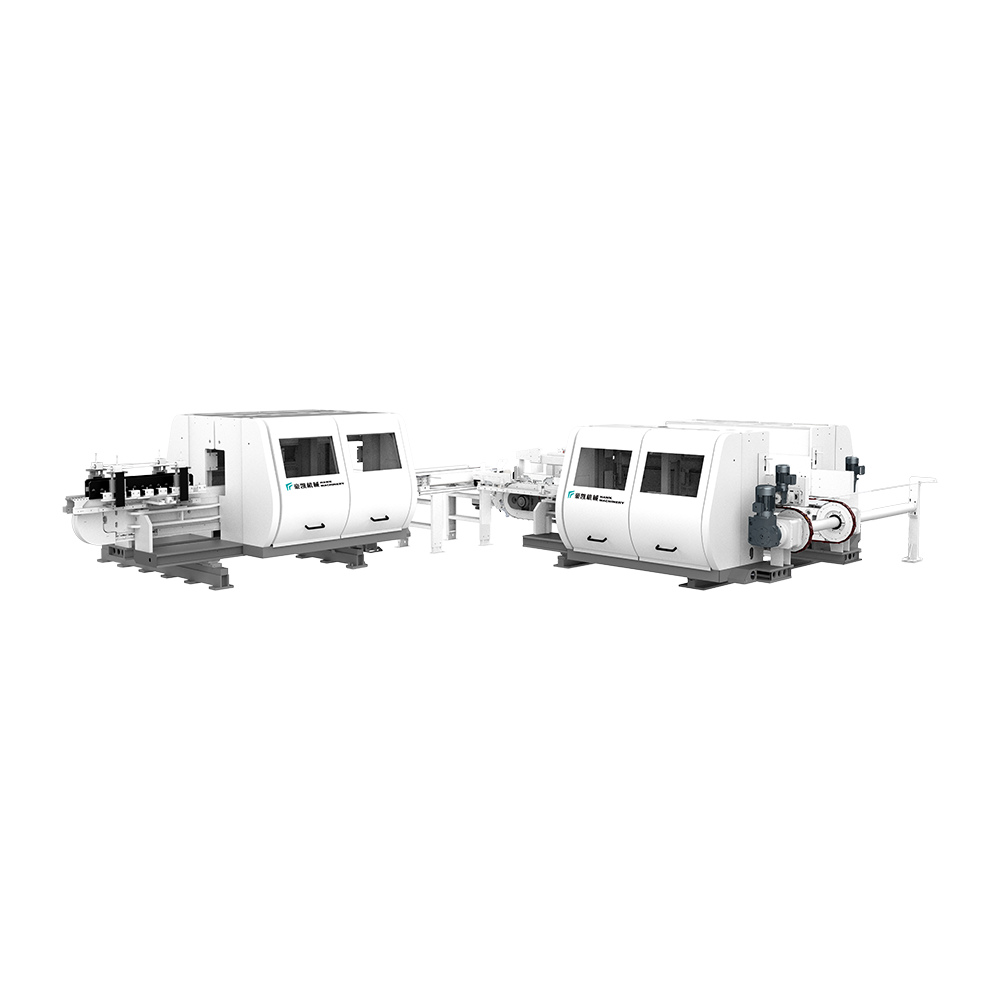 High-Speed Floor Beveling Line for LVTDesigned for trimming and chamfering LVT flooring, this line operates up to 100 m/min with upper and lower plates for quick adjustment and precise edge finishing.View Product →
For plants producing V-groove floors with beveled edges, the end tenoner must work in rhythm with the beveling stage. Some manufacturers integrate both functions in one line to reduce material handling and keep the plank's orientation consistent. For example, HAWK Machinery's double-end tenoner-based floor slotting line pairs the end-machining station with transfer and positioning systems that align each plank before it enters the cutter area.
At plant scale, an automatic floor production line takes that integration further. The tenoner becomes one station in a synchronized system with sawing, slotting, beveling, painting, and stacking. When you add a production management system, the line can track every plank, record reject reasons, and give supervisors live data on yield by shift. That is the context in which the choice of a tenoner producer matters most: you are not just buying one machine, but a partner who understands the entire sequence.
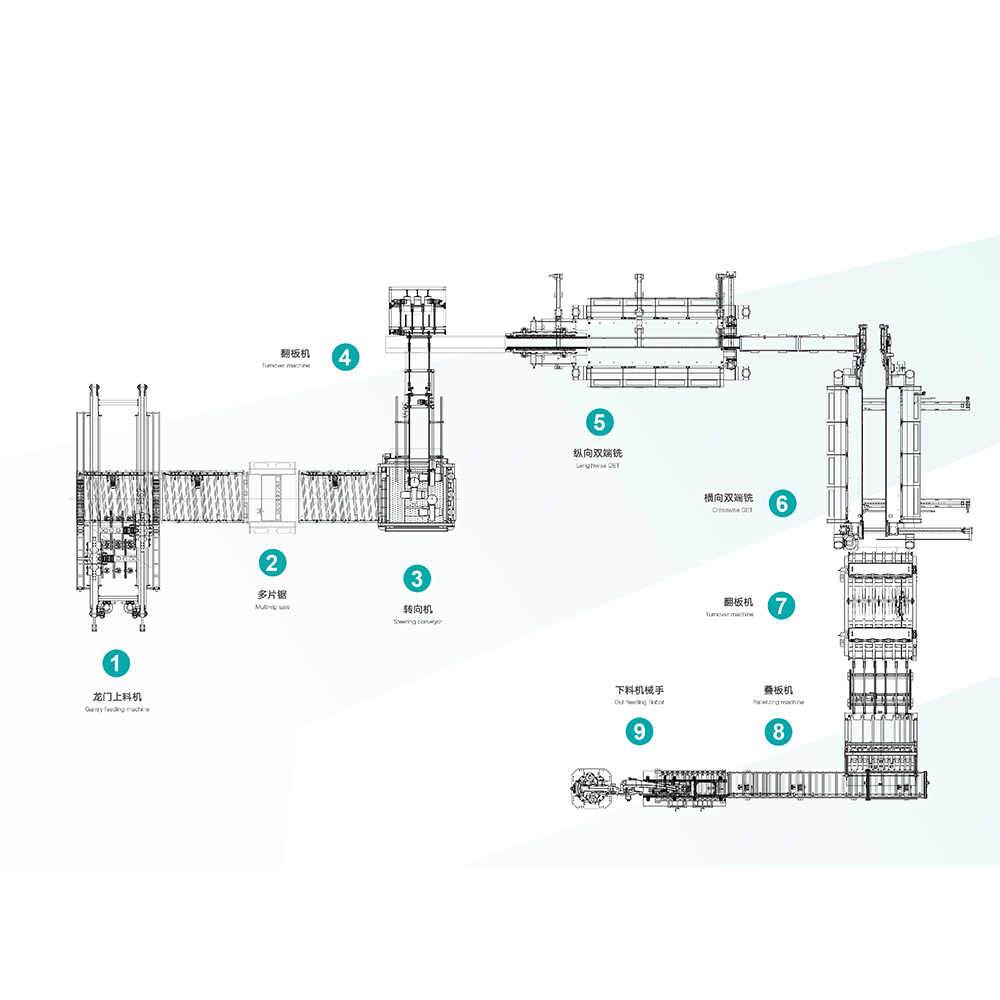 Automatic Floor Production Line with Integrated SlottingThis line combines automatic feeding, multi-rip sawing, steering, flipping, and crosswise slotting, reducing manual involvement by 5-10 workers while boosting output.View Product →
Beyond the specification sheet, the evaluation comes down to operating questions that determine your total cost over the machine's life.
Ask each supplier to run your own panels through the machine and measure the resulting profile under the proposed cutting parameters. The machine that produces a clean, dimensionally stable profile on your material, at your expected feed speed, is the one that belongs in your factory.
The double end tenoner machine is a long-term asset in the most literal sense. It holds the tolerances that determine whether your flooring locks cleanly, installs quickly, and stands up to years of use. A well-matched machine pays for itself through lower scrap, faster changeovers, and repeatable profile quality; a poorly chosen one creates a tolerance problem that no downstream adjustment can cure. Evaluate the machine inside the context of a complete flooring line — from ripping to V-groove painting and production data — and choose a supplier able to show you how every stage fits together.
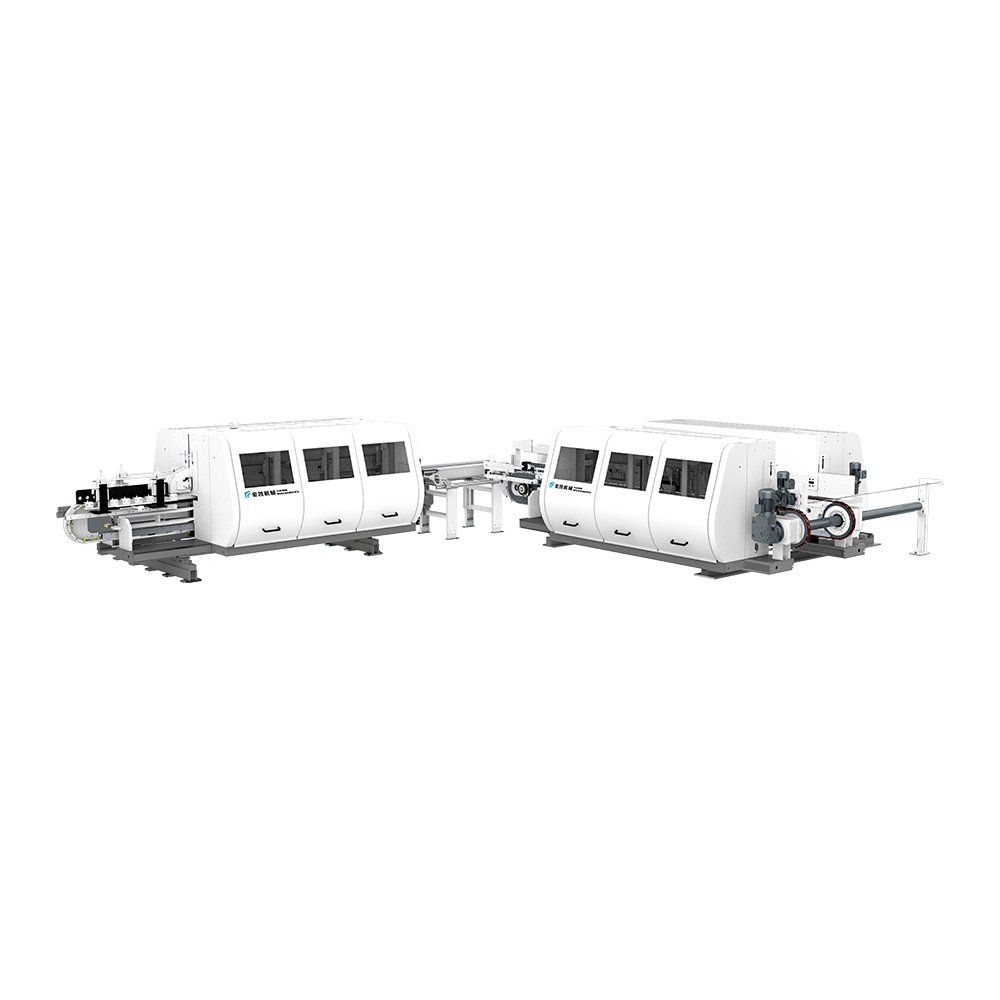
The product can slot the floor vertically and horizontally. The machine series c...
See Details
This equipment is suitable for trimming and chamfering LVT flooring. Equipped wi...
See Details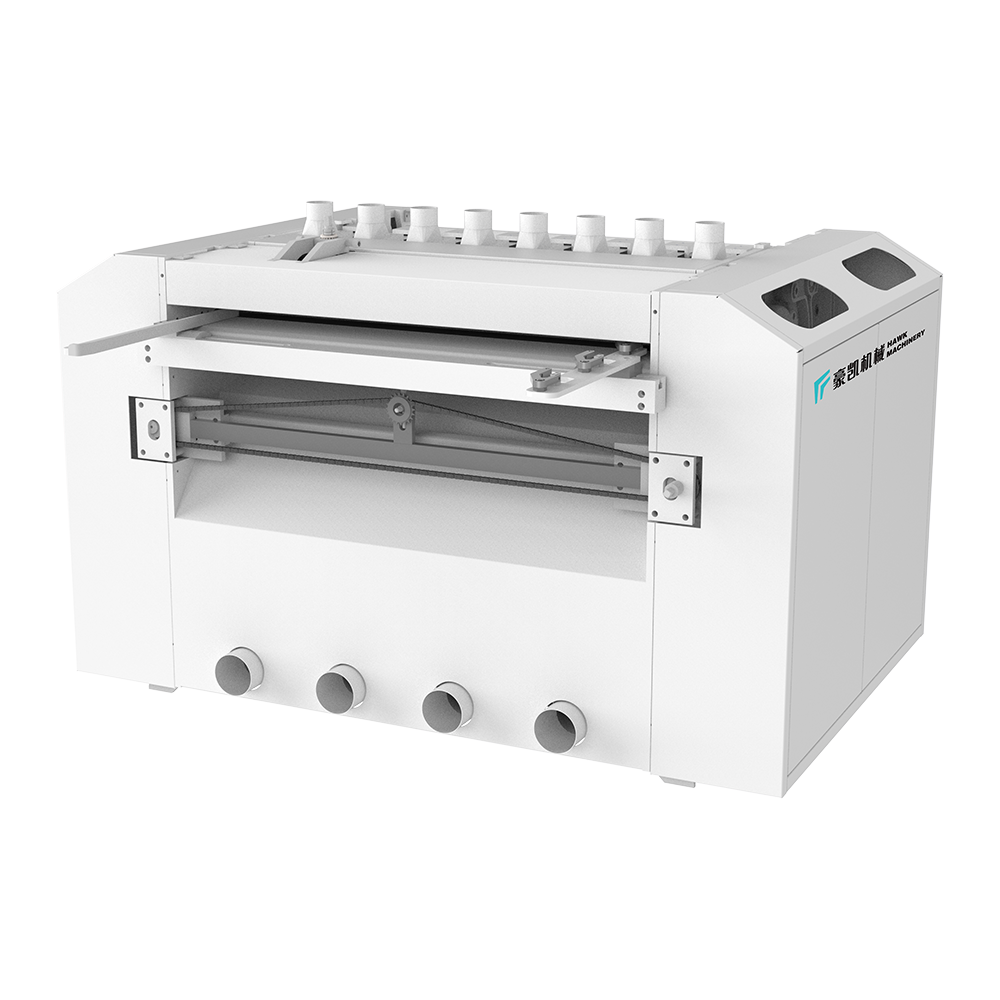
Different transmission sawing methods are suitable for different board processin...
See Details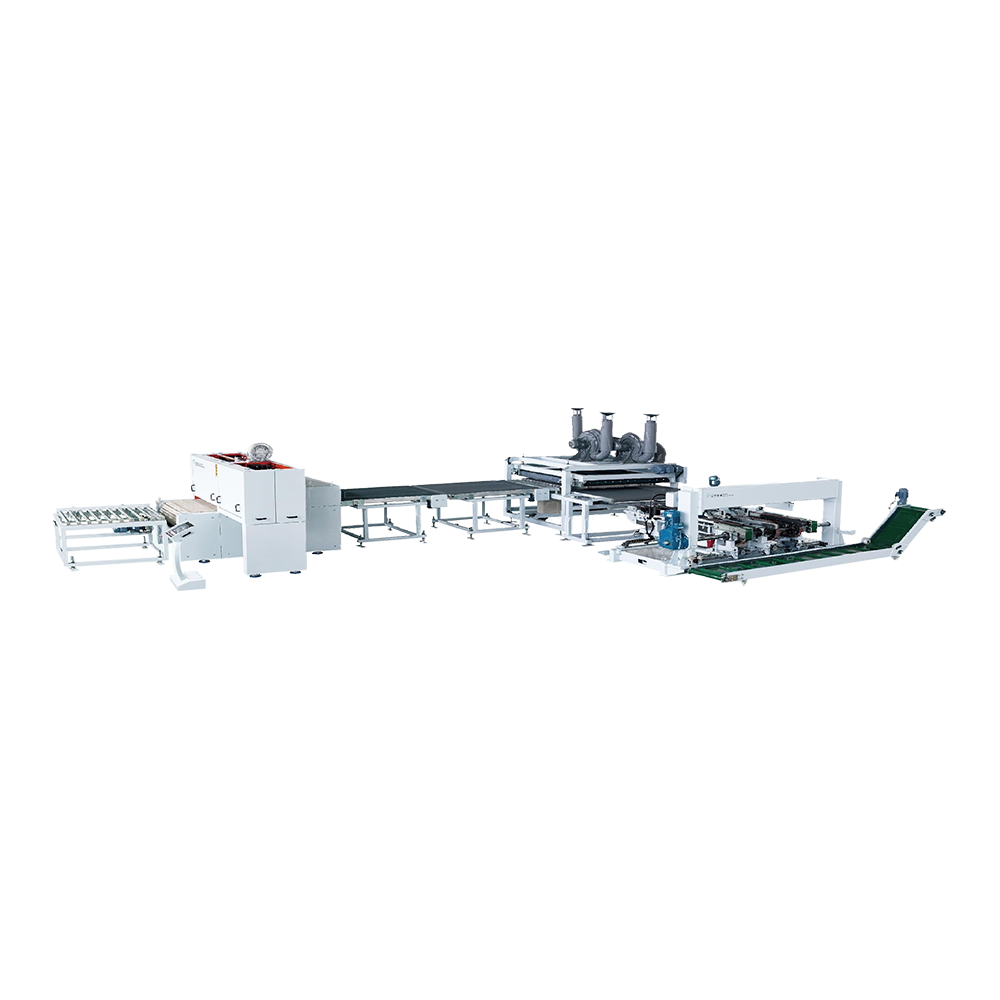
The feed speed of this equipment can reach 40 meters per minute, the whole frame...
See Details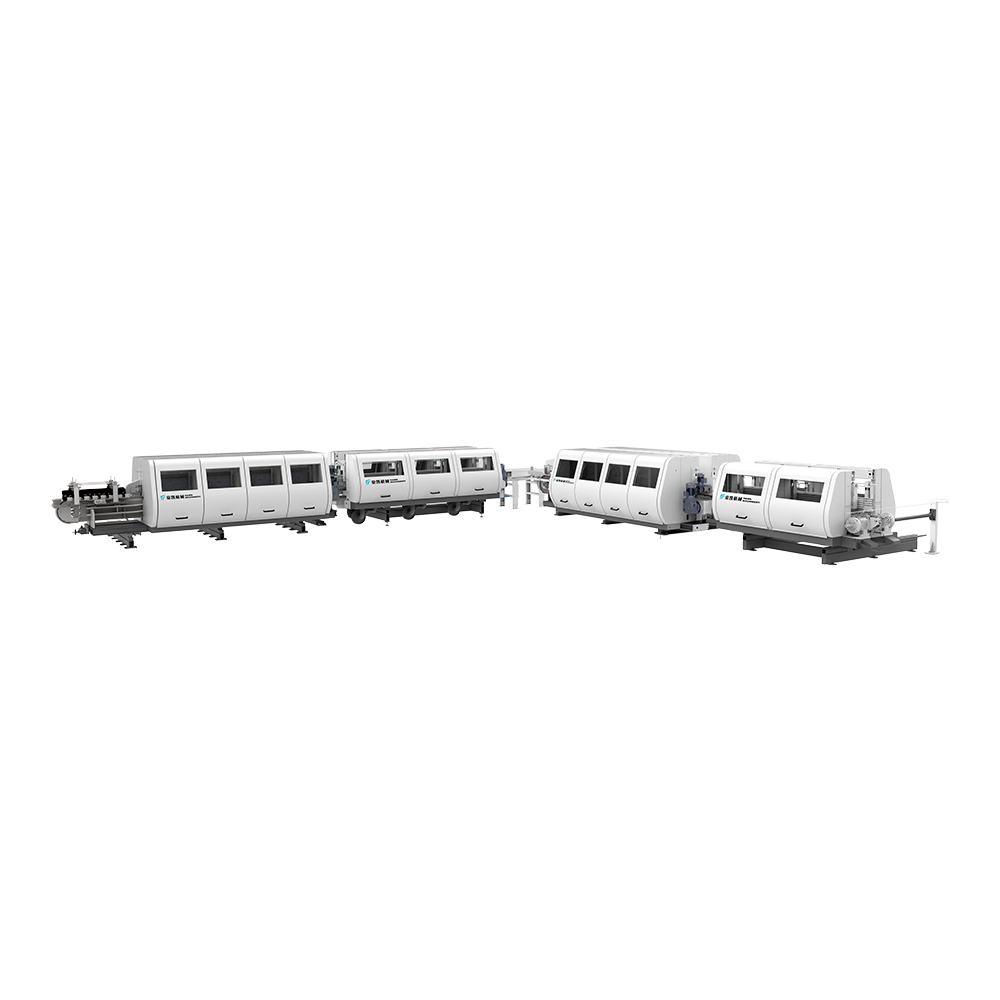
Suitable for edge coating of laminated, PVC, and WPC. Using water-based paint is...
See Details
Hawk Machinery automatic feeding, cutting & slotting line, suitable for SPC,...
See Details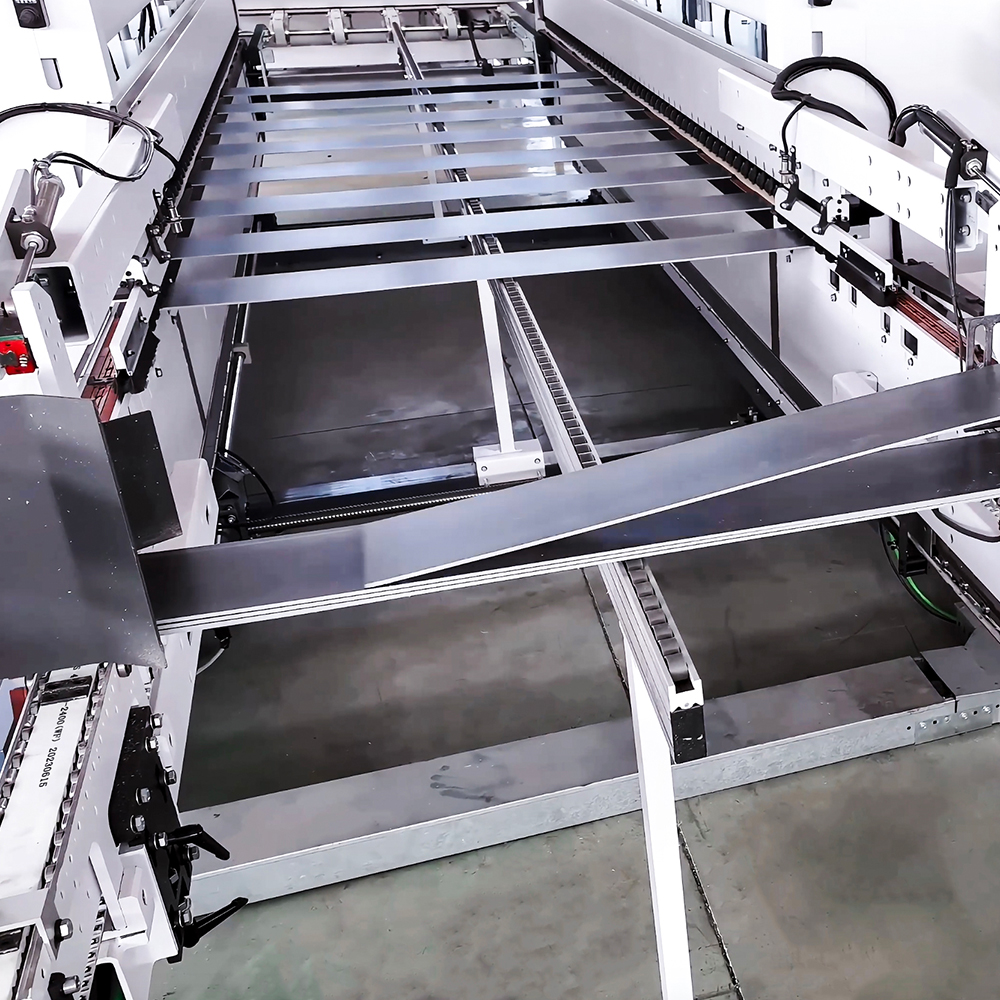
Integrated intelligent equipment integrates industrial intelligent Internet of g...
See Details
Contact info.
Boyi development area, changzhou city, jiangsu province, P. R. China
+86-0519-83319988
Don't hesitate to contact when you need us!
 Custom Floor Extrusion Machine Manufacturers