
 English
 русский
 Español

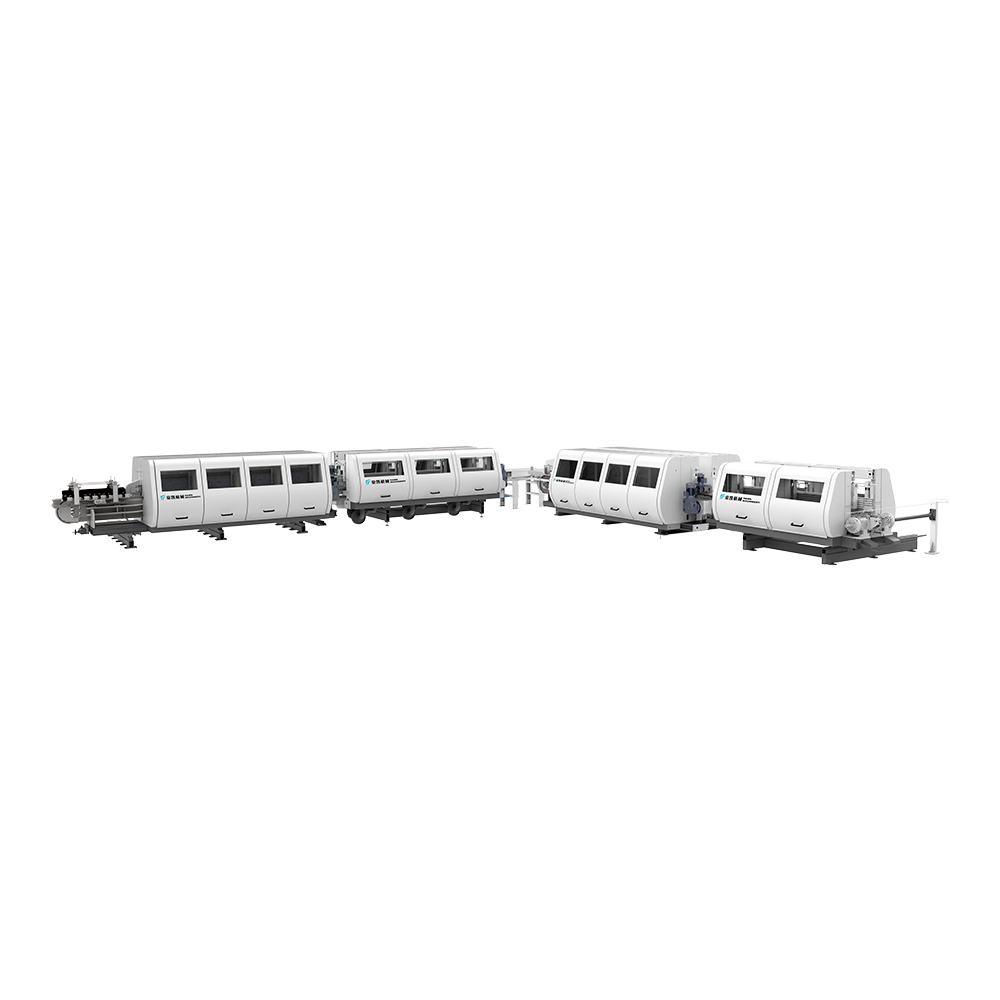
Floor slotting line (double end tenoner)
The product can slot the floor vertically and horizontally. The machine series c...
See DetailsContent
A flooring press machine is industrial equipment designed to bond, laminate, or compress multiple layers of flooring material into a single, structurally integrated panel under controlled heat, pressure, and time conditions. Whether the end product is laminate flooring, engineered hardwood, LVT (luxury vinyl tile), bamboo flooring, or cork-backed resilient flooring, the press machine is the piece of equipment that fuses the component layers together and determines the final product's dimensional stability, surface quality, bond strength, and durability. Without a properly functioning floor press machine, none of the material specifications a flooring manufacturer advertises — wear layer thickness, core density, surface texture — can be consistently achieved.
In addition to manufacturing applications, flooring press machines are also used in professional flooring installation for pressing adhesive-bonded flooring to subfloors, particularly in commercial settings where large-format tiles, carpet tiles, or sheet vinyl must be uniformly bonded without air pockets or adhesive voids. The operating principle is the same regardless of scale — uniform pressure applied evenly across a surface to achieve consistent bonding and flattening — but the equipment size, pressure range, and heating capability differ substantially between production-line presses and installation-grade floor pressing tools.
The flooring industry uses several distinct types of press machines, each suited to specific flooring categories, production volumes, and manufacturing processes. Choosing the wrong press type for a given flooring product results in delamination, surface defects, unacceptable dimensional variation, or outright production failure.
The short-cycle lamination press is the workhorse of the laminate flooring and decorative panel industry. It operates by applying high heat — typically between 160°C and 210°C — and high pressure — commonly 18 to 30 kg/cm² — for a short cycle time, usually 20 to 60 seconds per press cycle. This combination cures the melamine resin impregnated into the decorative paper and overlay layers, fusing them permanently to the HDF (high-density fiberboard) core. Short-cycle presses for flooring production are available in single-opening and multi-opening configurations, with larger multi-daylight presses capable of pressing multiple panels simultaneously to maximize throughput. The press platens are typically made from hardened steel with highly polished or textured surfaces that determine the surface finish transferred to the flooring — from high gloss to deep embossed wood grain textures.
A continuous flooring press machine — also called a belt press or double-belt press — applies heat and pressure continuously as material moves through the press on steel belts rather than in batch cycles. This design is well suited to flooring products that require longer press times at lower temperatures, such as certain LVT (luxury vinyl tile) constructions, cork composite flooring, and some engineered wood flooring where PVA or PUR adhesive systems need extended press time to cure properly. Continuous presses produce extremely consistent pressure and temperature profiles across the entire panel length, which reduces thickness variation and surface quality inconsistencies that can occur between the leading and trailing edges of panels in batch press systems. They are, however, significantly larger in footprint and higher in capital cost than equivalent-capacity batch presses.
Cold flooring press machines apply high pressure without heat, relying on adhesive chemistry — typically urea-formaldehyde, melamine-urea-formaldehyde, or polyurethane adhesives — to bond the wood veneer, core layers, and backing in engineered hardwood flooring. Press pressures for cold pressing engineered wood flooring typically range from 8 to 14 kg/cm², held for 45 to 120 minutes depending on the adhesive system and wood species involved. Cold presses are lower in operating cost than heated presses and cause less thermal stress to the wood veneer, which helps preserve the natural character of the wood surface. Multi-opening cold presses with 10 to 30 daylight openings are common in engineered hardwood manufacturing facilities, allowing dozens of panels to be pressed simultaneously in a single batch cycle.
Bamboo flooring production uses specialized hydraulic press machines designed to compress strand-woven bamboo fiber under extreme pressure — often 40 to 100 kg/cm² — combined with heat to produce ultra-dense carbonized or natural strand bamboo panels. The high pressure required to compress bamboo fibers into a homogeneous, dimensionally stable board significantly exceeds the requirements of standard laminate or engineered wood presses, and purpose-built bamboo flooring press machines are designed with correspondingly heavier hydraulic systems and more robust platen frames. Cork flooring production uses lower-pressure hydraulic or pneumatic presses to bond cork granule layers to backing materials, with the specific pressure profile calibrated to maintain cork's compressibility while achieving adequate bond strength.
At the installation end of the flooring industry, pneumatic or electrically powered floor pressing rollers and weighted roller tools are used to press adhesive-bonded flooring firmly and evenly to prepared subfloor surfaces. These installation-grade floor press machines range from simple weighted hand rollers — 75 to 100 lb cast iron rollers used for sheet vinyl and carpet tile — to powered plate compactors adapted for floor pressing and pneumatic roller systems used in large commercial installations. The purpose is to eliminate adhesive voids, ensure full contact between the flooring and adhesive bed, and prevent edge lifting or bubbling that degrades both appearance and long-term bond integrity.
When evaluating a flooring press machine for manufacturing or high-volume production use, the technical specifications determine whether the equipment can consistently produce flooring that meets product quality standards. These are the specifications that matter most and what they mean in practice.
| Specification | What It Measures | Typical Range (Production Press) | Why It Matters |
| Platen Size | Width × length of the pressing surface | 1,300 × 2,800mm to 1,600 × 4,200mm | Determines maximum panel size that can be pressed |
| Press Pressure | Force per unit area applied to the material | 8 – 100 kg/cm² depending on type | Determines bond strength and panel density |
| Platen Temperature | Operating temperature of heated platens | Ambient to 220°C | Controls resin cure rate and adhesive activation |
| Temperature Uniformity | Max temperature variation across platen surface | ±2°C to ±5°C | Ensures consistent cure across the entire panel |
| Cycle Time | Time from close to open per press cycle | 20 – 120 seconds (short-cycle); 45 – 120 min (cold press) | Directly determines production output rate |
| Number of Daylight Openings | Number of panel slots in a multi-opening press | 1 – 40 openings | Determines batch capacity in multi-opening presses |
| Pressure Parallelism | Consistency of pressure across platen surface | ±0.1 – ±0.3mm thickness variation | Prevents thickness variation within individual panels |
| Hydraulic System Pressure | Operating pressure of the hydraulic system | 150 – 320 bar | Determines maximum achievable press force |
Temperature uniformity across the platen surface is frequently underestimated as a specification but is one of the most critical factors in laminate flooring press quality. A platen with a 10°C temperature differential between center and edge will produce panels with inconsistent resin cure — visible as surface gloss variation, delamination at edges, or texture depth inconsistency — even if all other press parameters are correctly set. Premium flooring press machines use oil-heated platens with internal serpentine channels rather than electric strip heaters precisely because oil heating provides far more uniform temperature distribution across large platen surfaces.
Understanding the operating sequence of a short-cycle flooring press machine helps production managers optimize press parameters, troubleshoot quality issues, and communicate effectively with equipment manufacturers during commissioning or repair. The following describes the typical press cycle for laminate flooring production.
Before pressing, the HDF core boards are typically conditioned to a specific moisture content — usually between 5% and 8% — to prevent excessive moisture-related expansion or warping during the press cycle. The decorative paper and overlay layers, pre-impregnated with melamine resin and conditioned to the correct moisture content, are assembled onto the core board in the correct sequence: backing paper bottom, core board, decorative paper, and overlay on top. This assembled stack is placed on the press loading system — either manually for smaller operations or via automated conveyor for high-speed production lines — with a caul plate or press plate above and below the stack to provide a smooth pressing surface.
Once loaded, the press closes at high speed until the platens contact the panel stack. Full press pressure — typically 18 to 25 kg/cm² for standard laminate — is applied within 1 to 3 seconds of platen contact. The combination of heat from the platens and pressure triggers the cross-linking reaction in the melamine resin, curing it from a thermoplastic state to a thermoset — hard, scratch-resistant, and permanently bonded to the underlying layers. The press holds at full temperature and pressure for the specified dwell time, which varies by resin system, paper weight, and desired surface properties. Textured platens — embossed with wood grain, stone, or tile patterns — transfer the texture to the melamine surface during this phase, creating the embossed-in-register (EIR) or standard texture that characterizes most laminate flooring surfaces.
After the dwell time is complete, press pressure is released and the platens open. The pressed panels — now laminated and textured — are immediately transferred to cooling racks or a cooling conveyor to allow the board to stabilize before trimming and profiling. Rapid cooling is important for dimensional stability; panels that are stacked while still hot can deform or surface-mark. Many flooring press lines incorporate automatic unloading systems that transfer panels to cooling stations without manual handling, both to protect panel quality and to enable the shorter cycle times required for high-speed production.
Flooring press machines share many characteristics with other panel lamination and woodworking press equipment, and buyers sometimes consider general-purpose presses for flooring applications. Understanding the specific differences is important before making that decision.
| Press Type | Primary Use | Pressure Range | Key Difference from Flooring Press |
| Flooring Press Machine | Laminate, engineered wood, LVT production | 8 – 100 kg/cm² | — |
| Furniture Panel Press | Melamine-faced chipboard for furniture | 12 – 22 kg/cm² | Lower pressure tolerance; less precise platen flatness |
| Plywood Hot Press | Veneer-to-core bonding for plywood | 10 – 18 kg/cm² | Not designed for surface texture transfer |
| Door Skin Press | HDF door skins onto door frames | 5 – 12 kg/cm² | Lower pressure; profile-shaped platens |
| Rubber Flooring Press | Vulcanizing rubber flooring tiles | 50 – 150 kg/cm² | Designed for rubber vulcanization; different temperature profile |
A standard furniture panel short-cycle press can technically press laminate flooring panels in a pinch, but the platen flatness tolerances and temperature uniformity specifications of furniture presses are typically less precise than dedicated flooring press machines. Flooring products — particularly those marketed on the basis of narrow thickness tolerances, AC wear ratings, or embossed-in-register surface texture — require the tighter specifications that purpose-built flooring press equipment delivers. Using a furniture panel press for flooring production typically results in elevated product rejection rates and surface quality complaints that erode the apparent cost saving of the lower-spec equipment.
Purchasing a flooring press machine — whether new or used — is a capital investment that will directly determine production quality and output for years. The following are the critical evaluation points that experienced flooring equipment buyers check before committing to a purchase.
Platen flatness — the maximum deviation from a true flat surface across the pressing face — should be verified with a precision straightedge and feeler gauge during equipment inspection. For laminate flooring production, platen flatness of better than 0.1mm per meter is required to achieve panels within acceptable thickness tolerance. Platens that are worn, pitted, or bent from previous heavy use cause thickness variation and surface defects that may not be apparent until the press is in production. On used presses, platen condition is the single most important quality indicator and the most expensive item to remedy if in poor condition.
The hydraulic system — pumps, valves, cylinders, and hydraulic oil — should be inspected for leaks, cylinder scoring, and pump pressure output. Hydraulic oil samples can be sent for analysis to determine contamination levels and the presence of metal particles that indicate cylinder or pump wear. A press that cannot hold specified pressure consistently, or that loses pressure during the dwell phase of the cycle, will produce inconsistently bonded panels. Hydraulic system rebuilding is possible but adds substantially to the total cost of a used press purchase — factor this into the offer price if significant hydraulic work is evident.
For heated flooring press machines, verify that the heating system can reach and maintain the required operating temperature uniformly across the platen surface. Request a temperature mapping test — where thermocouples are placed at multiple points across the platen to record temperature variation during a standard production cycle — before accepting delivery of new equipment or finalizing the purchase of used equipment. Oil-heated platens should have clean, unobstructed heating channels; electric-heated platens should have all heating elements functional and calibrated. A platen with multiple failed heating zones that runs cold in certain areas cannot produce acceptable laminate flooring and requires expensive repair before production use.
Modern flooring press machines use PLC-based control systems that allow programmable press recipes — storing specific temperature, pressure, and time profiles for different flooring products — and provide production data logging for quality control records. When evaluating a flooring press machine, assess whether the control system allows flexible recipe management, whether replacement parts for the PLC and HMI (human-machine interface) are readily available, and whether the manufacturer provides remote diagnostic support. Older relay-logic or proprietary control systems on used presses can become maintenance liabilities if technical support is no longer available and replacement parts are discontinued.
Many flooring manufacturing defects that appear to be raw material problems are actually caused by press parameter errors or equipment condition issues. Knowing the connection between press problems and product defects enables faster root cause analysis and more targeted corrective action.
A flooring press machine represents a substantial capital investment, and its operational availability directly limits production output. Planned preventive maintenance is far less costly than unplanned downtime caused by equipment failure, and the following maintenance practices are standard in well-run flooring manufacturing operations.
The flooring press machine market is served by a relatively small number of specialized manufacturers, most of whom have decades of experience designing and building equipment for the wood panel and laminate flooring industries. Knowing the leading suppliers and what they are recognized for helps buyers identify equipment that has the best-established track record for their specific flooring product type.
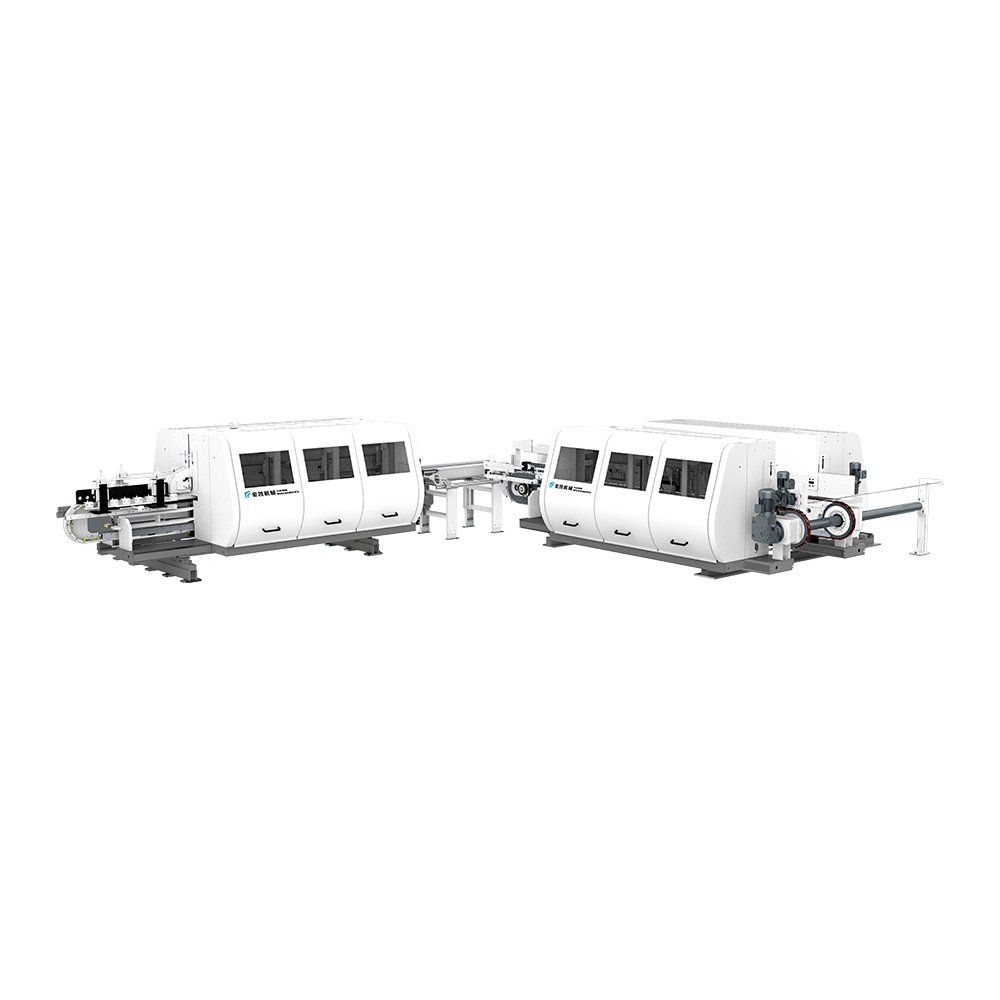
The product can slot the floor vertically and horizontally. The machine series c...
See Details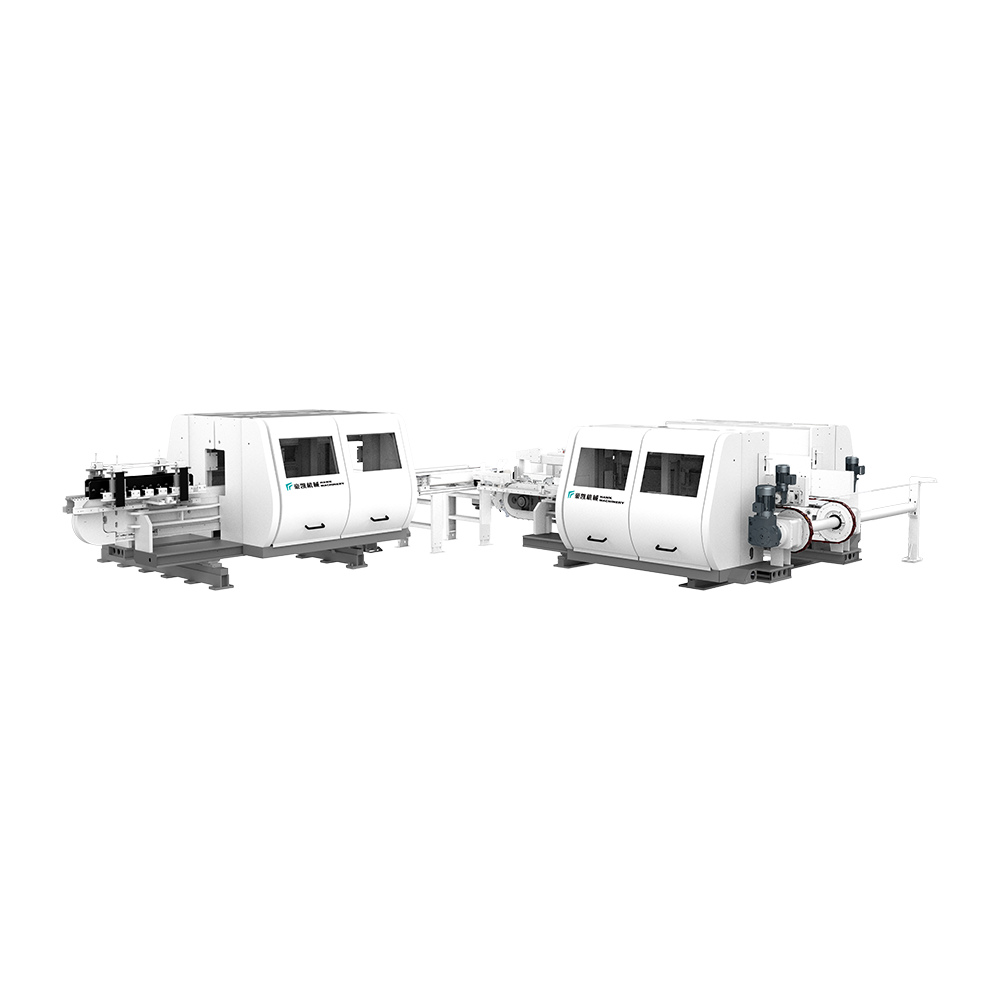
This equipment is suitable for trimming and chamfering LVT flooring. Equipped wi...
See Details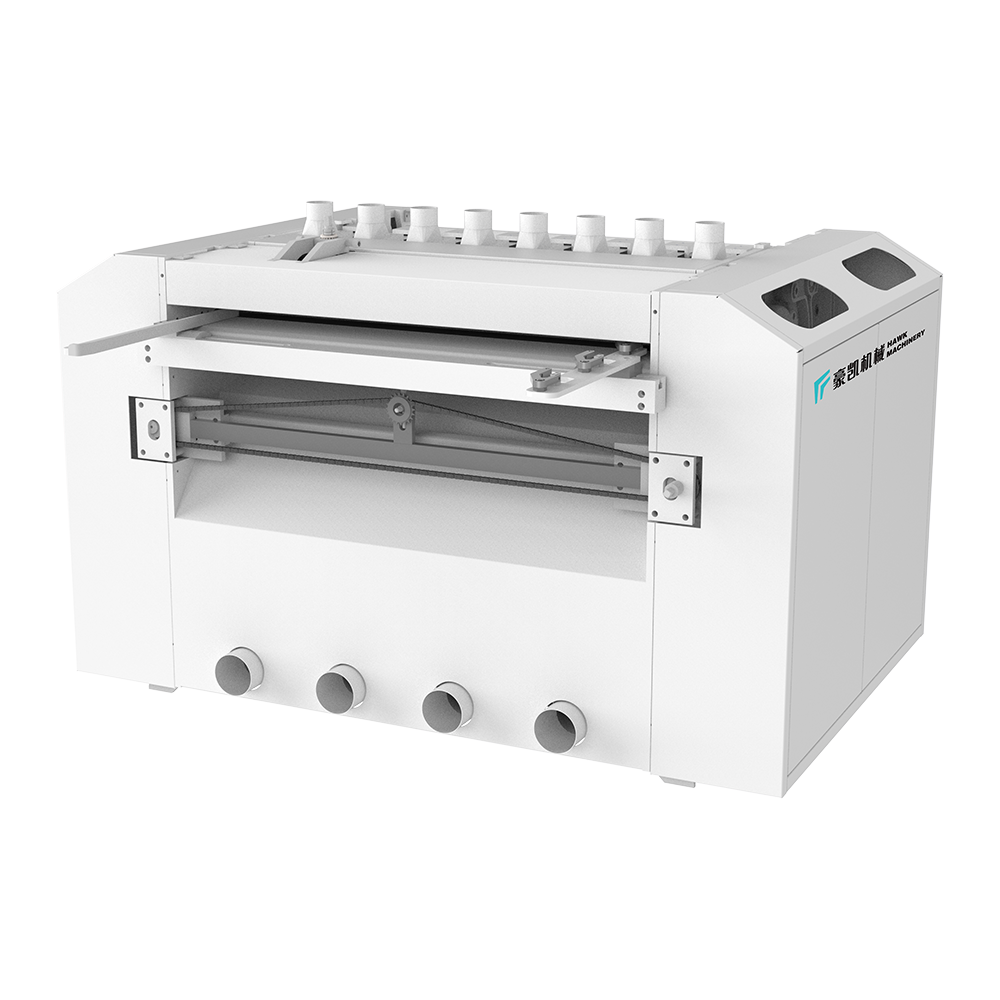
Different transmission sawing methods are suitable for different board processin...
See Details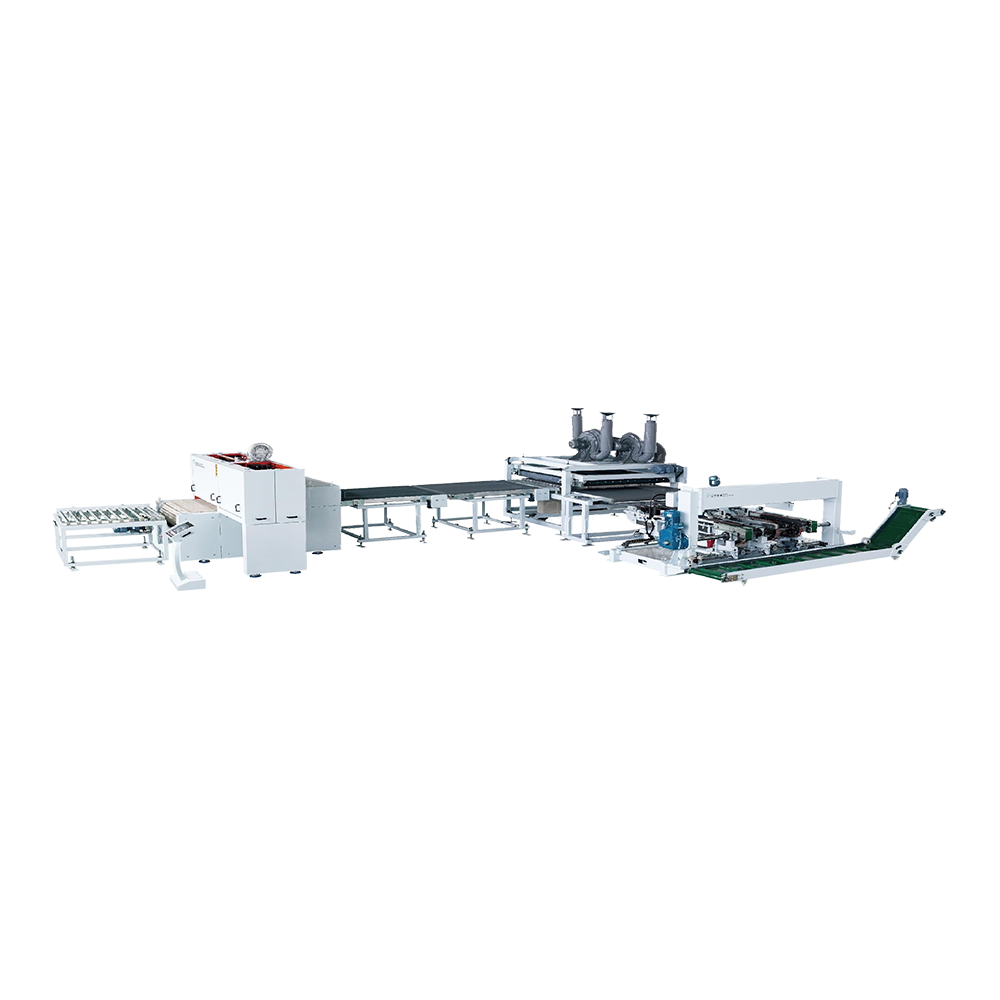
The feed speed of this equipment can reach 40 meters per minute, the whole frame...
See Details
Suitable for edge coating of laminated, PVC, and WPC. Using water-based paint is...
See Details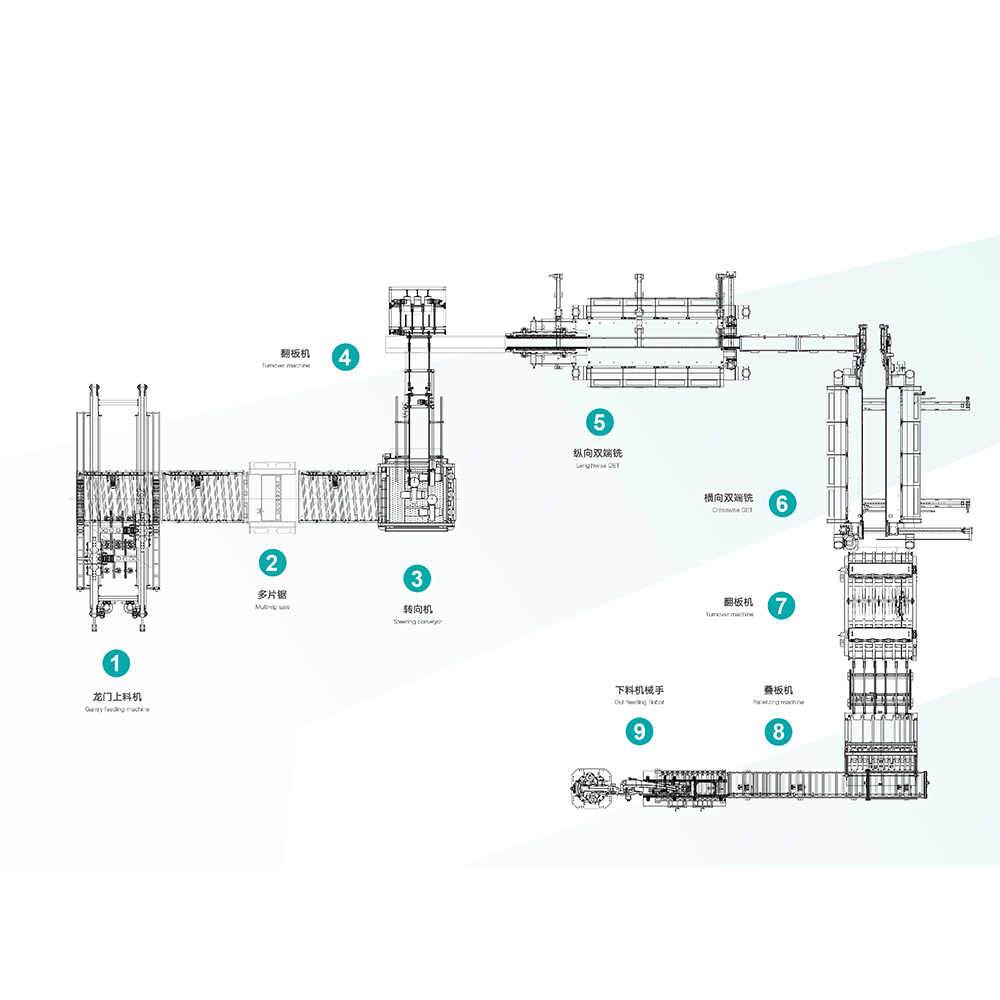
Hawk Machinery automatic feeding, cutting & slotting line, suitable for SPC,...
See Details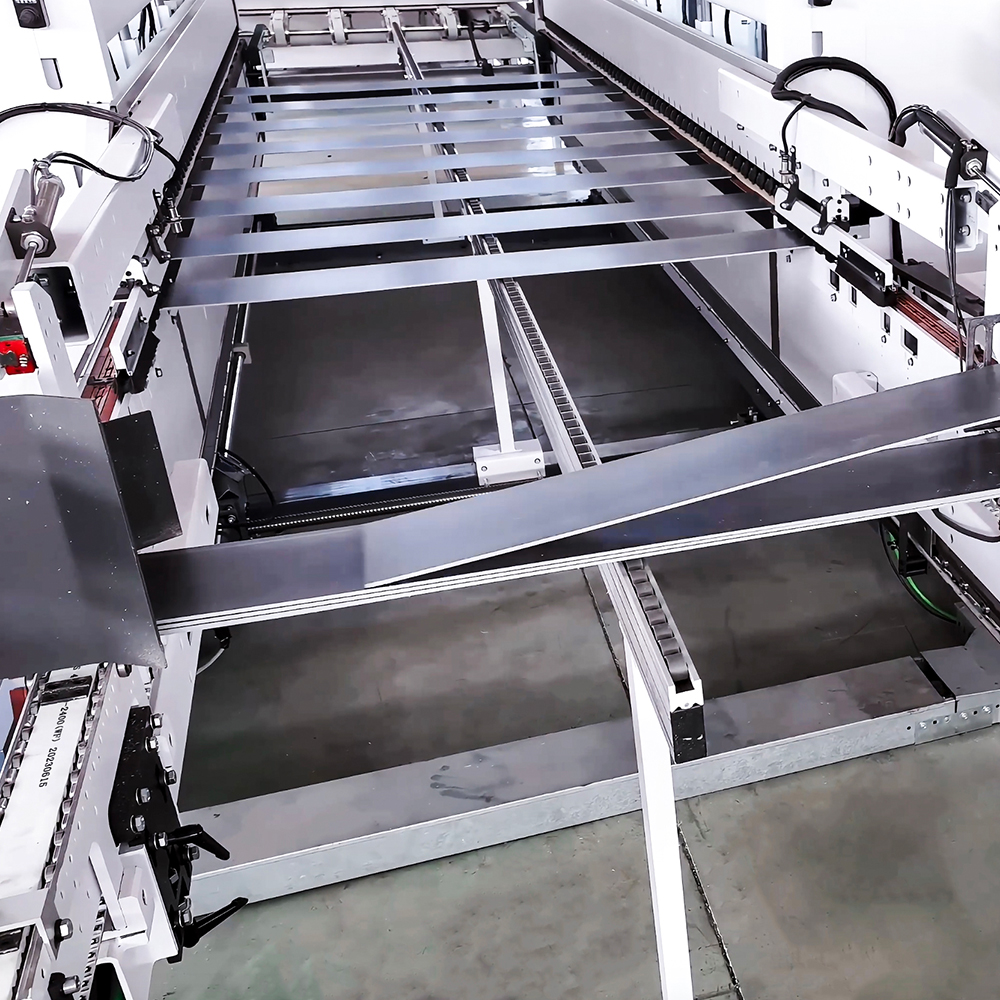
Integrated intelligent equipment integrates industrial intelligent Internet of g...
See Details
Contact info.
Boyi development area, changzhou city, jiangsu province, P. R. China
+86-0519-83319988
Don't hesitate to contact when you need us!
 Custom Floor Extrusion Machine Manufacturers