
 English
 русский
 Español

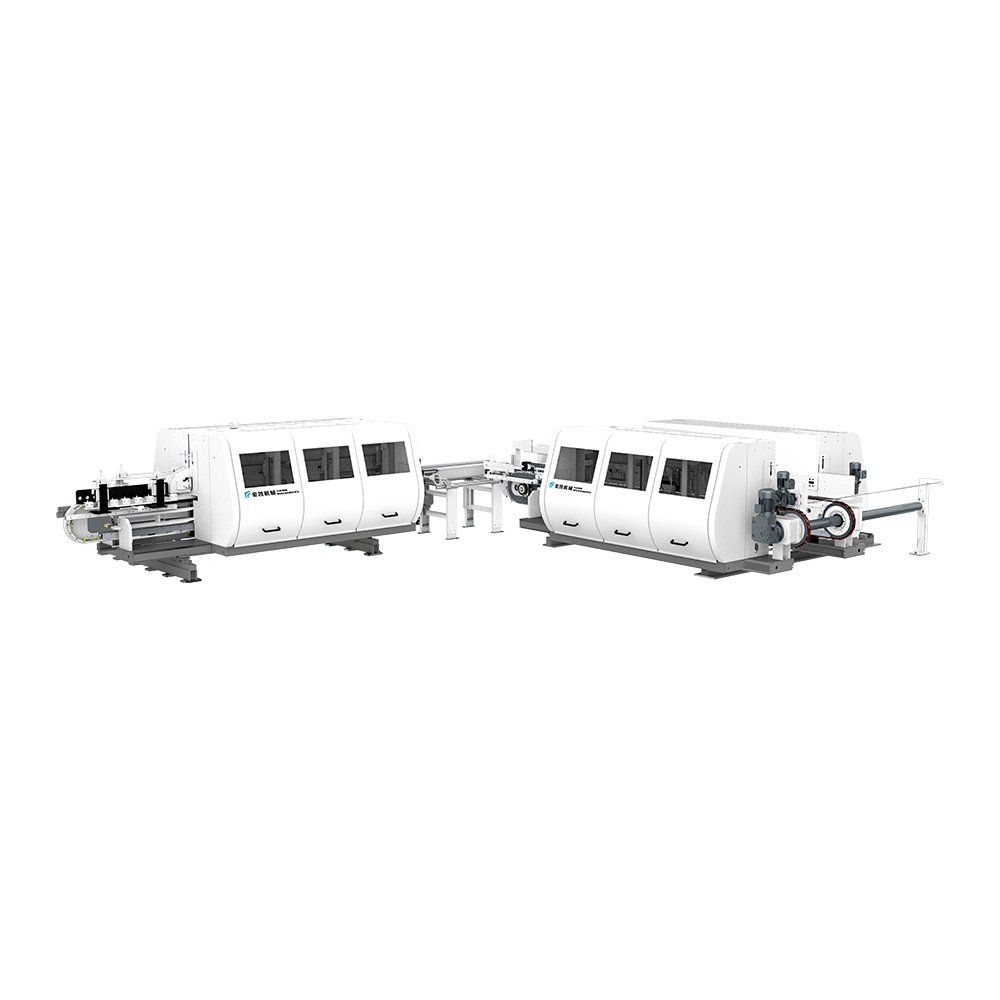
Floor slotting line (double end tenoner)
The product can slot the floor vertically and horizontally. The machine series c...
See DetailsContent
A floor slotting machine is a specialized piece of construction and flooring equipment designed to cut precise, narrow grooves — called slots or channels — directly into concrete, stone, tile, or other hard floor surfaces. These machines use rotating cutting blades, diamond-tipped discs, or carbide-tipped tools to make clean, straight cuts of defined width and depth into floor substrates, creating channels that serve a wide range of functional purposes including underfloor heating pipe installation, electrical conduit routing, expansion joint cutting, flooring renovation, and decorative inlay work.
Also referred to as floor groove cutting machines, concrete floor slotters, floor chasing machines, or pavement slot cutters depending on the specific application and region, these machines come in a broad spectrum of sizes and power configurations — from compact handheld floor chasers used by electricians for wall and floor chasing to large ride-on pavement slotting machines used in road construction and industrial facility maintenance. What they share is the core function of making controlled, reproducible cuts in hard floor materials without causing unnecessary damage to the surrounding surface, which is why they have become indispensable tools in construction, renovation, flooring installation, and civil engineering work.
The floor slot cutting machine market covers a wide range of equipment types, each engineered for specific applications, substrate materials, slot dimensions, and production volumes. Understanding the differences between machine types helps contractors, facility managers, and construction professionals select the right tool for their specific project requirements.
The walk-behind floor slotting machine is the most widely used type in construction and renovation projects. The operator walks behind the machine and guides it in a straight line while the cutting blade engages the floor surface. These machines are available in electric, petrol, and diesel-powered versions, with cutting widths typically ranging from 3 mm to 30 mm and cutting depths from 20 mm to 100 mm depending on the blade size and motor power. Walk-behind floor slot cutters are commonly used for cutting expansion joints in concrete slabs, creating channels for underfloor heating systems, cutting grooves for data cables and electrical conduits, and preparing floors for decorative inlay strips. Their combination of maneuverability and cutting power makes them the standard choice for most medium-scale interior and exterior flooring projects.
Handheld floor and wall chasing machines are compact, angle-grinder-style tools fitted with twin parallel cutting blades that cut two parallel slots simultaneously, allowing the material between them to be chiseled out to create a channel of defined width. These tools are widely used by electricians and plumbers for chasing channels in floors and walls for cable, pipe, and conduit installation. While technically less powerful than walk-behind machines, handheld floor chasers are highly maneuverable and capable of working in tight spaces, corners, and around obstacles that larger machines cannot access. Dust extraction attachments are available for most models and are essential for indoor use given the significant amount of fine concrete dust generated during operation.
For large-scale civil engineering and road construction applications, ride-on pavement slot cutters are used to cut expansion joints, stress-relief grooves, and drainage channels in concrete roads, airport runways, bridge decks, and industrial floor slabs. These are heavy-duty machines with diesel engines, hydrostatic drive systems, and cutting assemblies capable of achieving depths of 200 mm or more in a single pass. Ride-on floor groove cutting machines can cover several hundred linear meters per hour, making them efficient tools for large infrastructure projects where manually guided walk-behind machines would be impractically slow. They are typically available from specialist equipment rental companies or used by civil engineering contractors who operate them as part of a wider concrete cutting and sawing service.
In the tile manufacturing and stone processing industries, CNC-controlled floor slotting machines are used to cut precise decorative grooves, anti-slip channels, and technical slots into ceramic tiles, porcelain tiles, natural stone slabs, and marble floor panels before installation. These factory-based machines operate with computer-controlled positioning and depth control, producing consistent slot geometry across large production volumes with tolerances measured in tenths of a millimeter. CNC tile slotting machines are used to produce anti-slip floor tiles for wet areas, decorative tile borders with inlaid contrasting materials, and technical flooring products with built-in drainage channels for food processing facilities and commercial kitchens.
Whether you're purchasing a floor slotting machine outright or renting one for a specific project, understanding the key technical specifications helps you match the machine's capabilities to your project's requirements and avoid costly mismatches between tool and task.
The table below provides a practical reference comparing the main types of floor slotting machines against the most common application scenarios, helping you quickly identify the right machine category for your specific project:
| Application | Recommended Machine Type | Typical Slot Depth | Typical Slot Width |
| Underfloor heating pipe channels | Walk-behind floor slot cutter | 25–40 mm | 20–30 mm |
| Electrical cable and conduit chasing | Handheld floor chasing machine | 15–30 mm | 10–25 mm |
| Concrete expansion joints (interior) | Walk-behind floor slot cutter | 25–50 mm | 3–6 mm |
| Road and pavement expansion joints | Ride-on pavement slot cutter | 50–150 mm | 4–10 mm |
| Tile anti-slip grooves (factory) | CNC tile slotting machine | 2–8 mm | 2–5 mm |
| Decorative floor inlay channels | Walk-behind or CNC machine | 5–15 mm | 3–10 mm |
| Industrial floor drainage channels | Walk-behind floor slot cutter | 50–100 mm | 20–50 mm |
Operating a concrete floor slotting machine correctly requires preparation, the right technique, and strict adherence to safety protocols. Improper use is a common cause of poor cut quality, premature blade failure, equipment damage, and serious operator injury. The following guidance covers the essential steps for safe and effective floor groove cutting.
Before starting any floor slotting work, scan the floor surface with a cable and pipe detection tool to identify the location of any embedded electrical cables, water pipes, gas lines, or post-tension tendons in the concrete slab. Cutting through any of these can cause electrocution, flooding, gas leaks, or catastrophic structural failure of the slab. Mark the scan results clearly on the floor surface before defining your cutting lines. Check the blade for cracks, missing segments, or excessive wear before installation, and confirm that the blade's maximum operating speed (RPM) rating matches or exceeds the machine's no-load spindle speed.
Set the cutting depth on the machine's depth adjustment mechanism to your required slot depth before beginning the cut. For deep slots exceeding 40–50 mm, use a multiple-pass approach — make successive passes at incrementally increasing depths rather than attempting the full depth in a single pass. This approach reduces stress on the blade and motor, produces a cleaner slot with less lateral deviation, and significantly extends blade service life. For twin-blade machines, adjust the blade spacing to the required slot width and confirm that both blades are running true before engaging the floor surface.
Floor slotting generates extremely high noise levels, aggressive projectile debris, and large quantities of fine silica dust — all of which present serious health and safety hazards. The following PPE is mandatory for all floor groove cutting operations:
Floor slotting machines serve a diverse range of practical functions across construction, renovation, infrastructure, and manufacturing. Understanding how they are used in each context helps contractors and facility managers recognize when this equipment is the right solution for their specific challenge.
One of the most rapidly growing applications for walk-behind floor slot cutting machines in residential and commercial construction is the installation of underfloor heating systems — both hydronic (water pipe) and electric resistance cable systems — in existing concrete floors. Rather than breaking up and replacing the entire floor screed to embed heating pipes or cables, a floor slotting machine cuts precise channels directly into the existing screed at regular intervals (typically 150–200 mm spacing for underfloor heating), the pipes or cables are laid in the slots, and the slots are filled with a rapid-setting mortar or self-leveling compound. This retrofit approach dramatically reduces the time, cost, and disruption compared to traditional floor replacement methods and has made underfloor heating a practical option for renovation projects that previously couldn't justify it.
Expansion joints — also called control joints or saw cuts — are deliberately induced weak points cut into concrete slabs that allow the slab to crack in a controlled, straight line as it undergoes thermal expansion and contraction, shrinkage during curing, and loading-induced movement. Without properly spaced and timed expansion joints, concrete slabs crack randomly and unpredictably, damaging finishes, reducing structural integrity, and creating trip hazards. Floor slotting machines are used to cut these joints to a specific depth (typically one-quarter to one-third of the slab thickness) within 4–12 hours of concrete placement for new pours, or at any time for existing slabs requiring new or extended joint layouts. Timing is critical for new concrete — too early and the blade tears the concrete surface rather than cutting cleanly; too late and the slab has already cracked randomly.
In high-end commercial and retail interiors, architects frequently specify decorative metal inlay strips — typically brass, stainless steel, or bronze — set flush into polished concrete, natural stone, or large-format tile floors to create visual borders, wayfinding guides, logo features, and geometric patterns. These strips require precisely cut slots of exact width and depth to accept the metal profile and adhesive bedding material while sitting perfectly flush with the surrounding floor surface. Walk-behind floor slotting machines with adjustable-width cutting heads are the standard tool for this work, offering the accuracy and consistency needed to achieve the crisp, clean lines that make decorative inlay work successful.
Selecting the correct blade for a floor groove cutting machine is one of the most impactful decisions affecting cut quality, cutting speed, and overall cost per linear meter of slot. The wrong blade choice leads to slow cutting, excessive vibration, poor slot geometry, and dramatically shortened blade life. Here are the key blade selection principles:
Floor groove cutting machines operate in one of the harshest environments of any power tool — cutting abrasive stone and concrete materials while generating extreme heat, dust, and vibration. A proactive maintenance routine protects your investment, maintains cutting performance, and prevents unexpected failures during project-critical operations.

The product can slot the floor vertically and horizontally. The machine series c...
See Details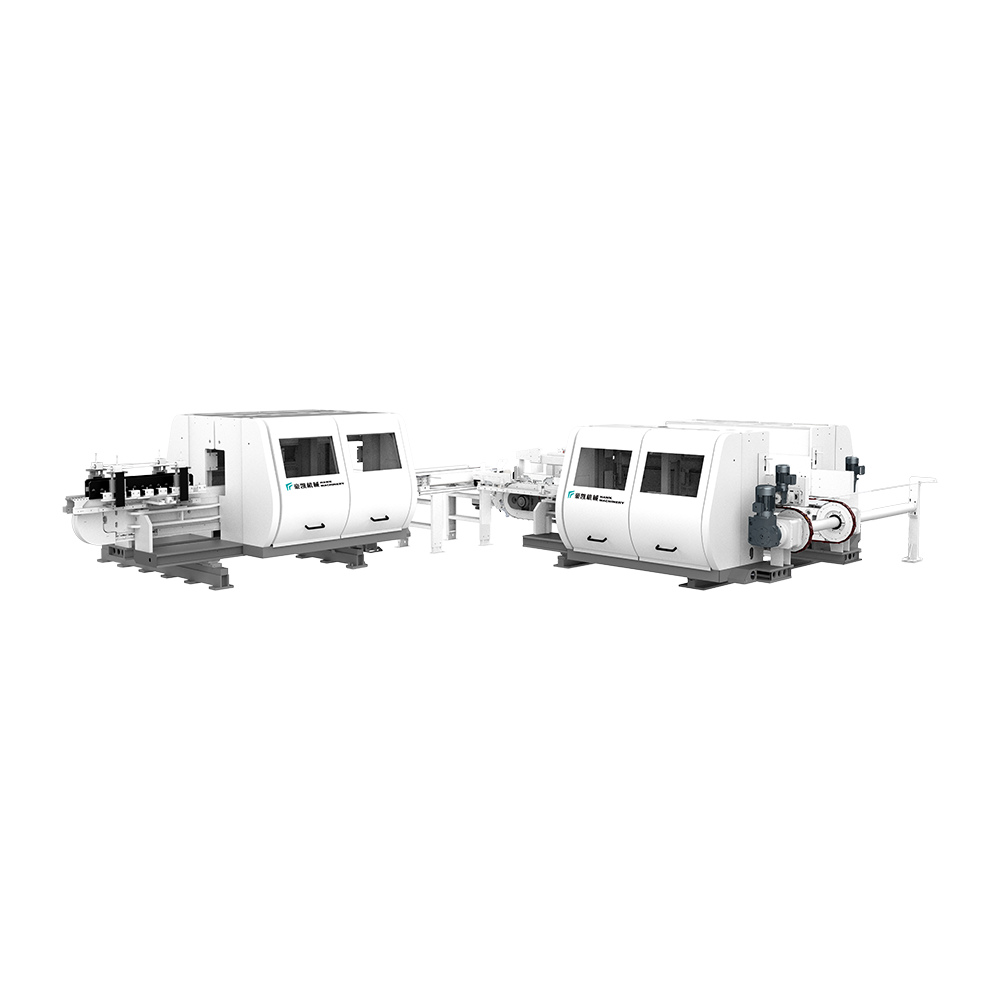
This equipment is suitable for trimming and chamfering LVT flooring. Equipped wi...
See Details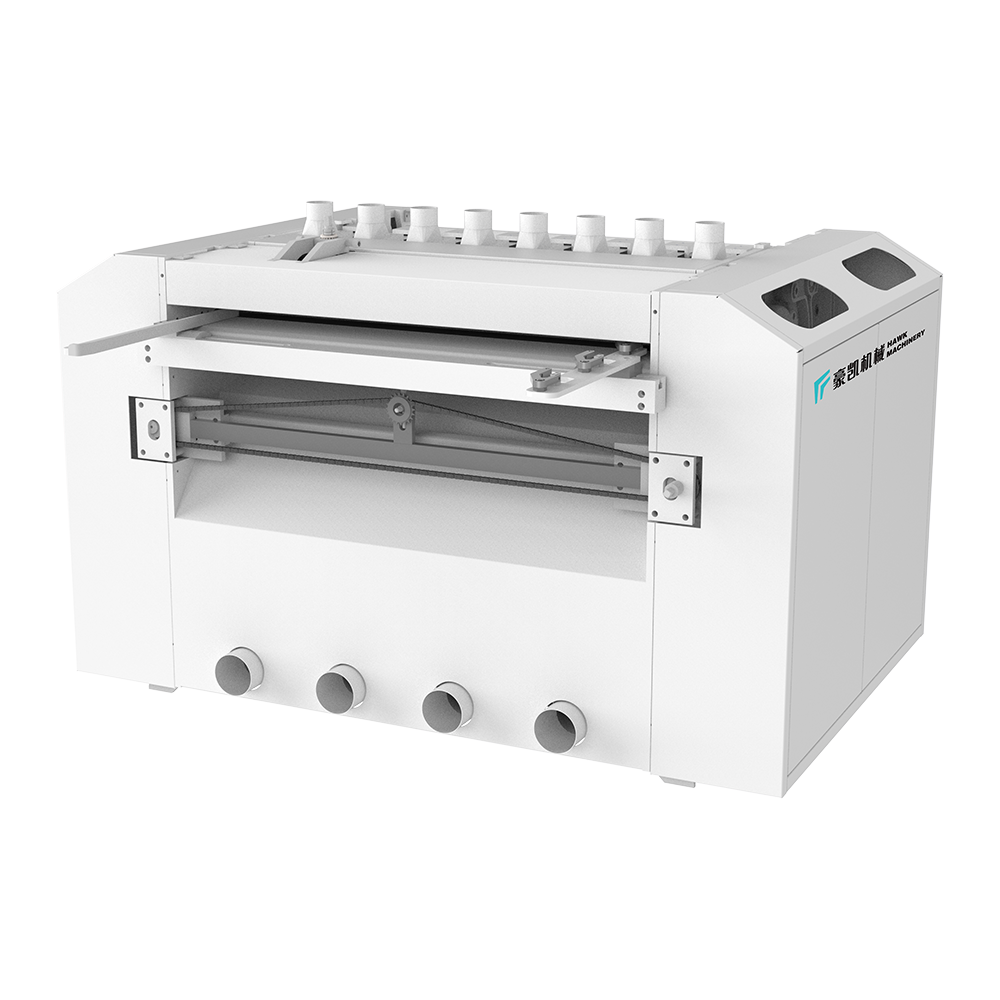
Different transmission sawing methods are suitable for different board processin...
See Details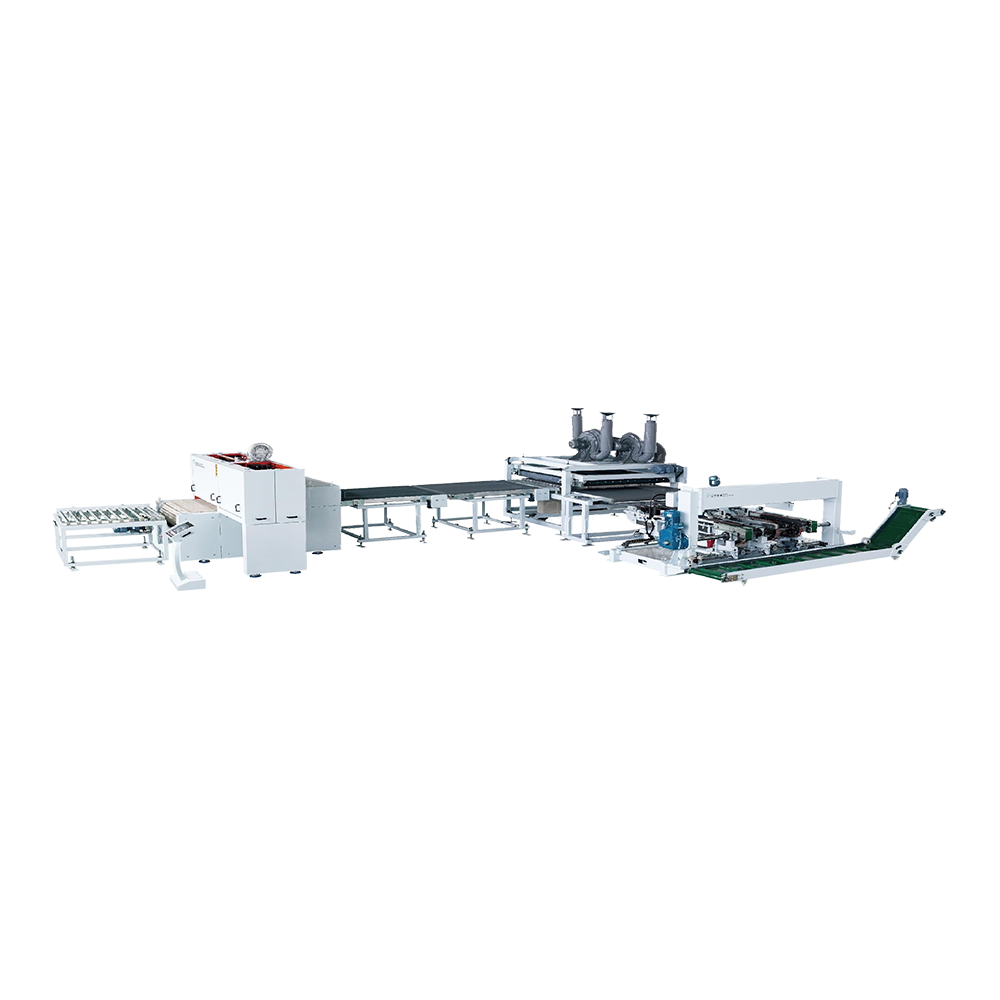
The feed speed of this equipment can reach 40 meters per minute, the whole frame...
See Details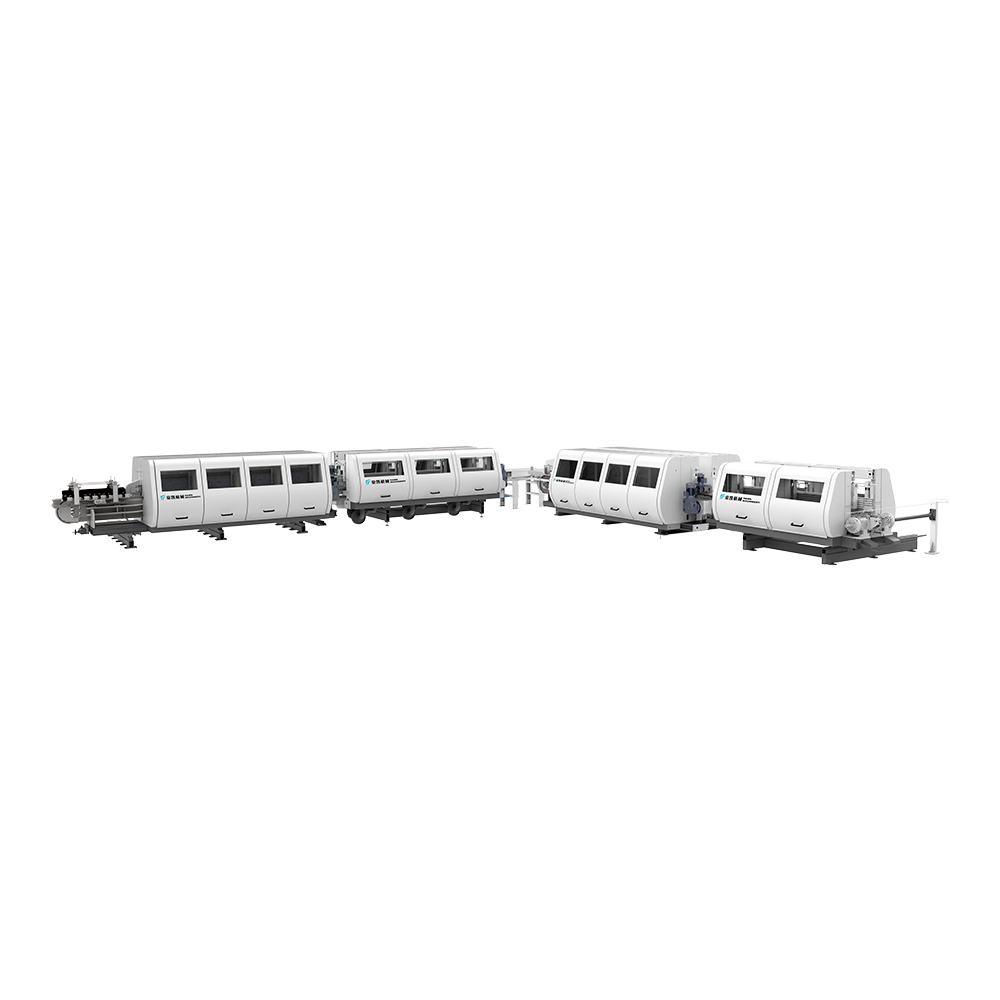
Suitable for edge coating of laminated, PVC, and WPC. Using water-based paint is...
See Details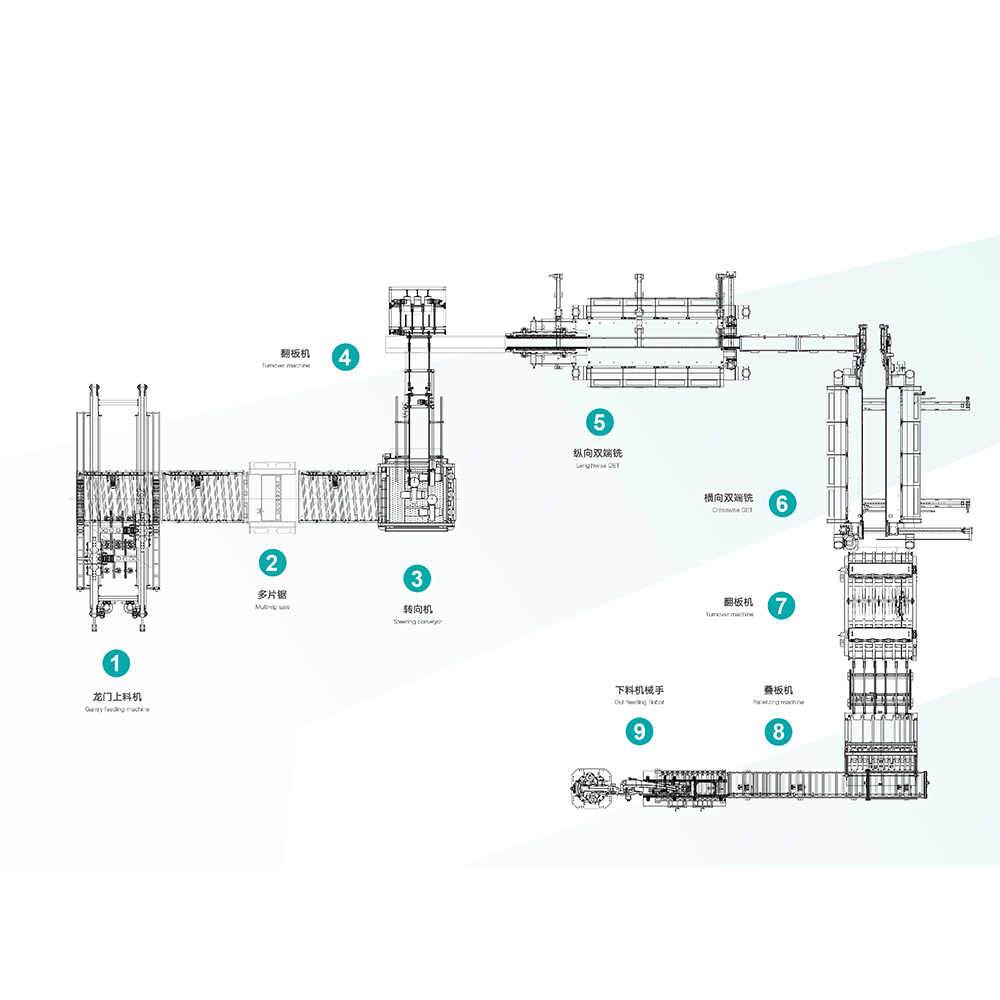
Hawk Machinery automatic feeding, cutting & slotting line, suitable for SPC,...
See Details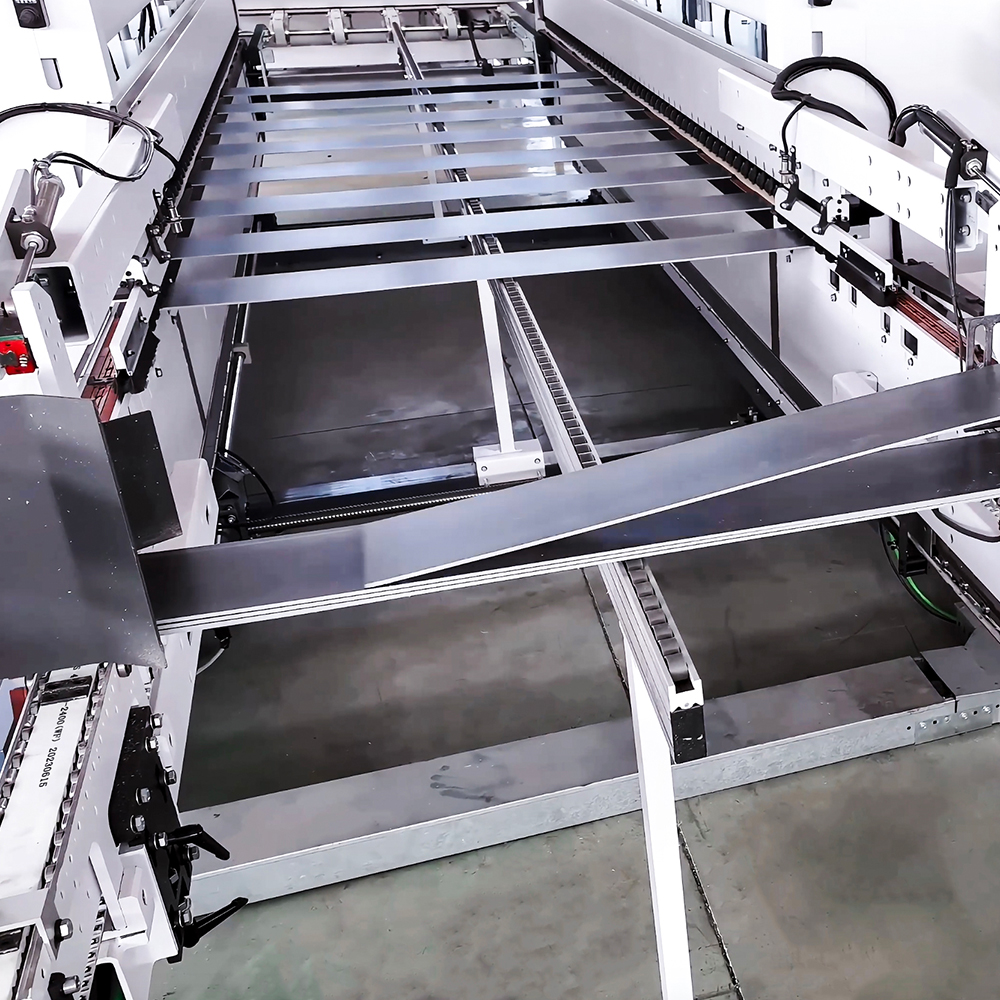
Integrated intelligent equipment integrates industrial intelligent Internet of g...
See Details
Contact info.
Boyi development area, changzhou city, jiangsu province, P. R. China
+86-0519-83319988
Don't hesitate to contact when you need us!
 Custom Floor Extrusion Machine Manufacturers