
 English
 русский
 Español

Floor slotting line (double end tenoner)
The product can slot the floor vertically and horizontally. The machine series c...
See DetailsContent
A wall panel saw machine is a vertical cutting system mounted to — or leaned against — a wall, designed to cut large sheet materials such as plywood, MDF, melamine boards, solid wood panels, and composite sheets with precision and minimal floor space usage. Unlike a traditional table saw where material lies flat, a wall panel saw holds the sheet upright on a vertical frame, and a motorized saw head travels along a track to make accurate rip cuts, crosscuts, and sometimes diagonal cuts.
The core mechanism is straightforward: the large sheet is placed against the vertical frame, secured with vacuum clamps or support brackets, and the saw unit — housing a circular blade or scoring blade — slides along horizontal and vertical rails. The operator guides the saw head or sets a measured stop, then pushes the blade through the material in a smooth, controlled pass. The result is a clean, square cut that would be difficult or dangerous to achieve manually by feeding large panels through a conventional table saw.
Wall panel saws are widely used in cabinet shops, kitchen fitting workshops, sign-making businesses, construction sites, and furniture manufacturing facilities. Their vertical format makes them especially valuable for smaller workshops where floor space is at a premium.
Many woodworkers and fabricators debate whether a vertical wall panel saw machine or a horizontal table saw better suits their workflow. The answer depends on the scale of material you're cutting, available workspace, and the precision required. Here's a direct comparison:
| Feature | Wall Panel Saw Machine | Horizontal Table Saw |
| Floor Space Required | Very low — mounts to wall | High — needs infeed/outfeed room |
| Sheet Size Capacity | Full 4×8 ft sheets and larger | Limited without support tables |
| Operator Safety | High — blade moves, not material | Moderate — material fed into blade |
| Cut Precision | Very high with guided tracks | High with fence, variable with large sheets |
| One-Person Operation | Yes — no need to support sheet | Often requires a second person |
| Cost | $500–$15,000+ depending on model | $300–$10,000+ depending on model |
| Best For | Panel goods, sheet stock, cabinets | Solid wood ripping, dadoes, molding |
For shops focused on processing large sheet panels — plywood, particleboard, melamine — a wall panel saw machine almost always wins on efficiency and safety. For complex solid wood joinery work, a table saw may still be necessary as a companion tool.
Wall panel saws are not a one-size-fits-all product. They come in several configurations suited to different production volumes, budgets, and precision requirements.
Manual vertical panel saws require the operator to physically push the saw carriage along the track to make cuts. These are the most affordable category, often starting under $1,000 for basic models. They are well-suited to small shops, on-site construction work, and hobbyists who cut panels occasionally. While they don't offer the speed of powered models, a quality manual wall panel saw machine can still deliver very accurate cuts when the guides and stops are properly set.
Electric wall panel saw machines power the saw carriage via a motor, allowing the blade to travel the rail with consistent force and speed. This dramatically reduces operator fatigue, improves cut consistency, and is essential for high-volume production shops. Motorized vertical panel saws typically feature adjustable cut depth, variable speed settings, and precision measuring systems with digital readouts. Mid-range commercial models in this category run from $3,000 to $10,000.
At the top of the range are CNC (computer numerical control) wall panel saw machines. These systems are programmed digitally to execute cut lists automatically, with the saw head moving to pre-programmed coordinates and cutting without manual guidance. CNC panel saws are used in large-scale furniture factories and industrial fabrication plants where hundreds of identical panels need to be cut to precise dimensions daily. These machines can cost $20,000–$100,000 or more but deliver unmatched throughput and dimensional accuracy.
Portable wall panel saw systems — sometimes called track saws or frameless panel saws — are a lighter-weight alternative for contractors and mobile workers. Instead of a fixed wall-mounted frame, these use a long guide rail that leans against the panel. A plunge-cut circular saw rides the rail to make the cut. While not as rigid or fast as full wall-mounted vertical panel saws, portable systems offer unmatched flexibility for on-site installation work.
Buying a wall panel saw is a significant investment. Prioritize these features when comparing models:
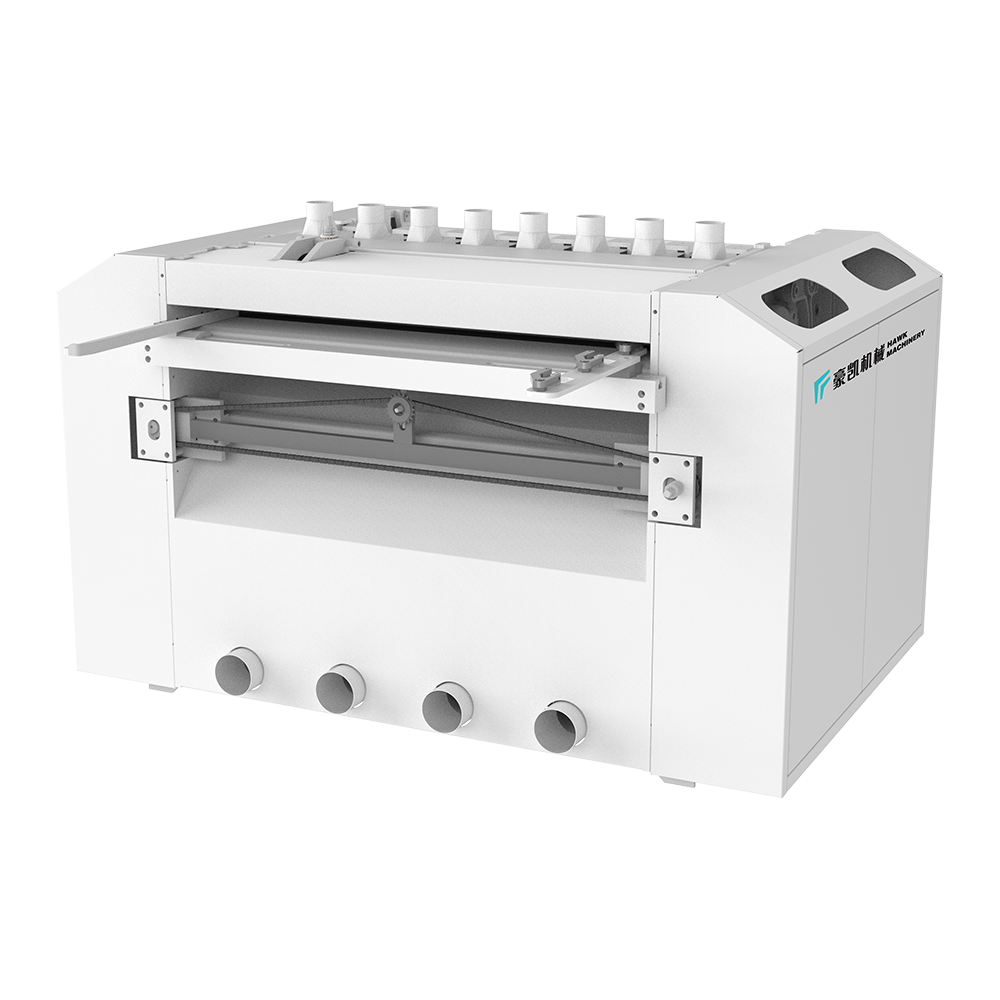
A well-equipped wall panel saw machine is versatile enough to handle a wide range of sheet materials. The material compatibility depends largely on blade selection and motor power. Common materials processed on vertical panel saws include:
Proper installation is critical for accuracy and safety. A wall panel saw that is not plumb, level, and firmly anchored will produce angled cuts and may be hazardous. Follow these installation guidelines:
Wall panel saw machines are considerably safer than table saws for large sheet work because the material remains stationary and the operator is not feeding stock into a spinning blade. However, they still demand disciplined safety habits. Key practices include:
The blade you mount on your wall panel saw machine has more impact on cut quality than almost any other variable. Choosing the wrong blade for a material results in chipout, burning, rough edges, or premature blade wear. Use this guide as a starting reference:
| Material | Recommended Tooth Count | Tooth Geometry | Notes |
| Softwood Plywood | 40–60 teeth | ATB (Alternate Top Bevel) | Standard carbide fine finish |
| Hardwood Plywood | 60–80 teeth | ATB or Hi-ATB | Higher tooth count reduces tearout |
| MDF | 60–80 teeth | TCG (Triple Chip Grind) | TCG handles abrasive resins better |
| Melamine / Laminate | 80–96 teeth + scoring blade | Hi-ATB | Scoring blade essential for chipout prevention |
| Acrylic / Plastic | 60–80 teeth | TCG | Slow feed speed to prevent melting |
| Aluminum Composite | 60–72 teeth | TCG non-ferrous specific | Use non-ferrous rated carbide blades only |
The wall panel saw machine market includes manufacturers across a wide range of price points and production capacities. These are some of the most recognized names:
Consistent maintenance keeps a wall panel saw machine cutting accurately and safely for years. The following tasks should be part of your regular service schedule:
For any business that regularly cuts sheet goods to size — cabinets, furniture, shelving, cladding, or signage — a wall panel saw machine pays for itself through time savings, reduced material waste, and safer operation. A single operator running a quality vertical panel saw can process panels in seconds that would otherwise require two people, a large table saw, and significant outfeed space. The reduction in measurement error and miscut waste alone can recover a meaningful percentage of the machine's purchase price within the first year for busy shops.
For hobbyists or low-volume occasional users, a manual wall panel saw or a quality track saw system may be a more proportionate investment. But for any shop cutting more than 20–30 panels per week, stepping up to a motorized vertical panel saw is a decision that most shop owners say they wished they had made sooner. The combination of accuracy, speed, safety, and floor space savings is a compelling case for adding this machine to any panel processing workflow.
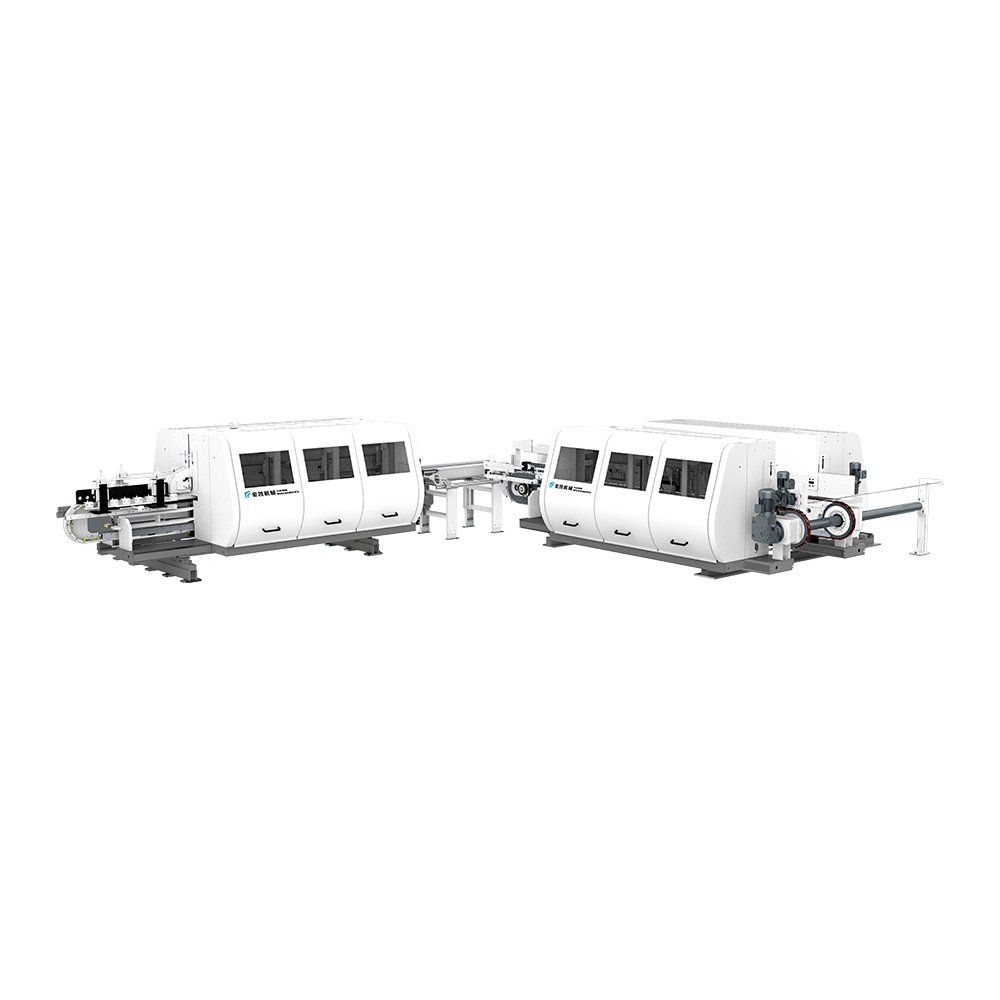
The product can slot the floor vertically and horizontally. The machine series c...
See Details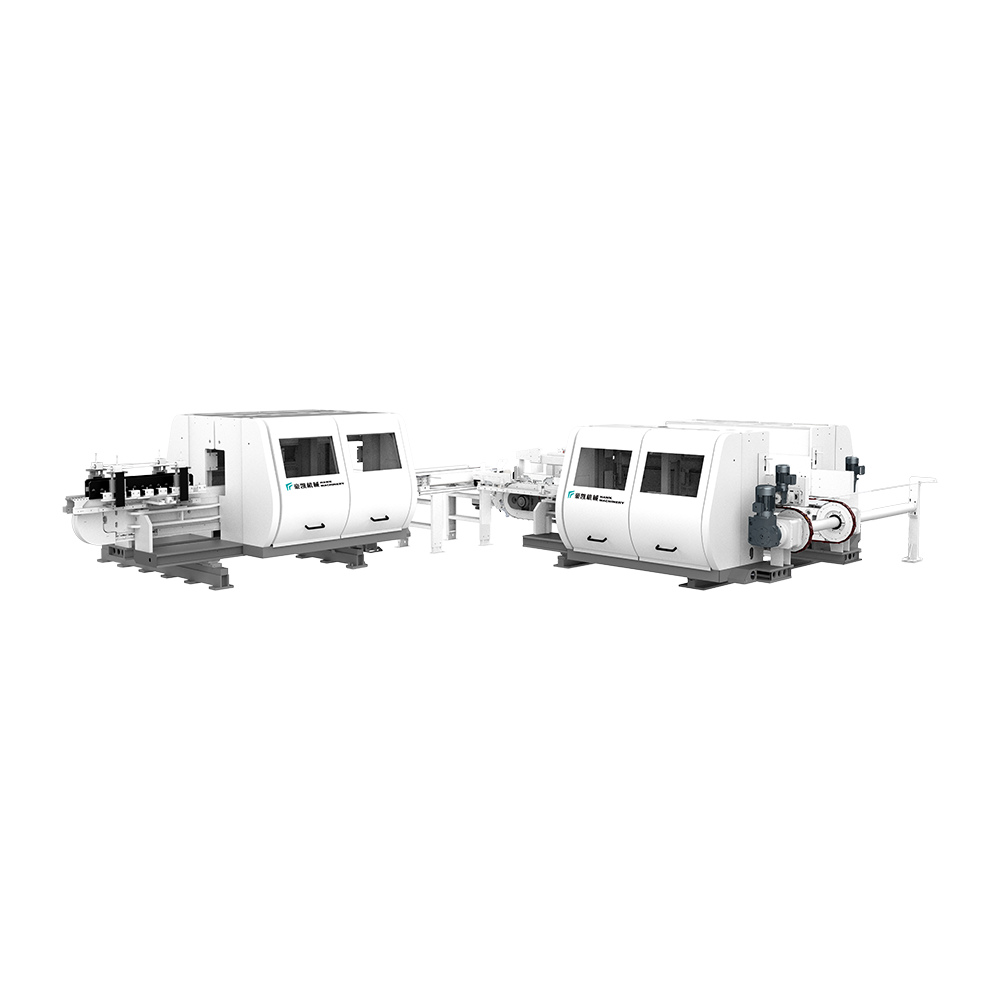
This equipment is suitable for trimming and chamfering LVT flooring. Equipped wi...
See Details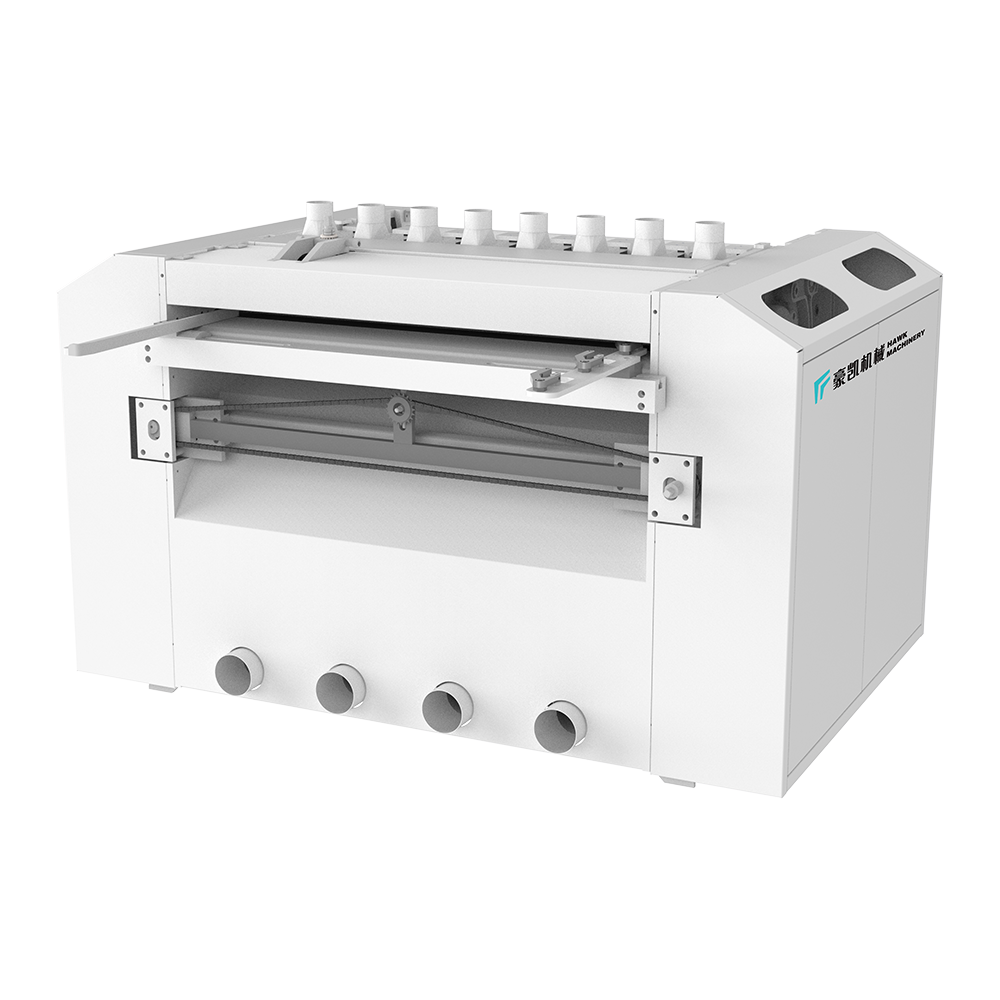
Different transmission sawing methods are suitable for different board processin...
See Details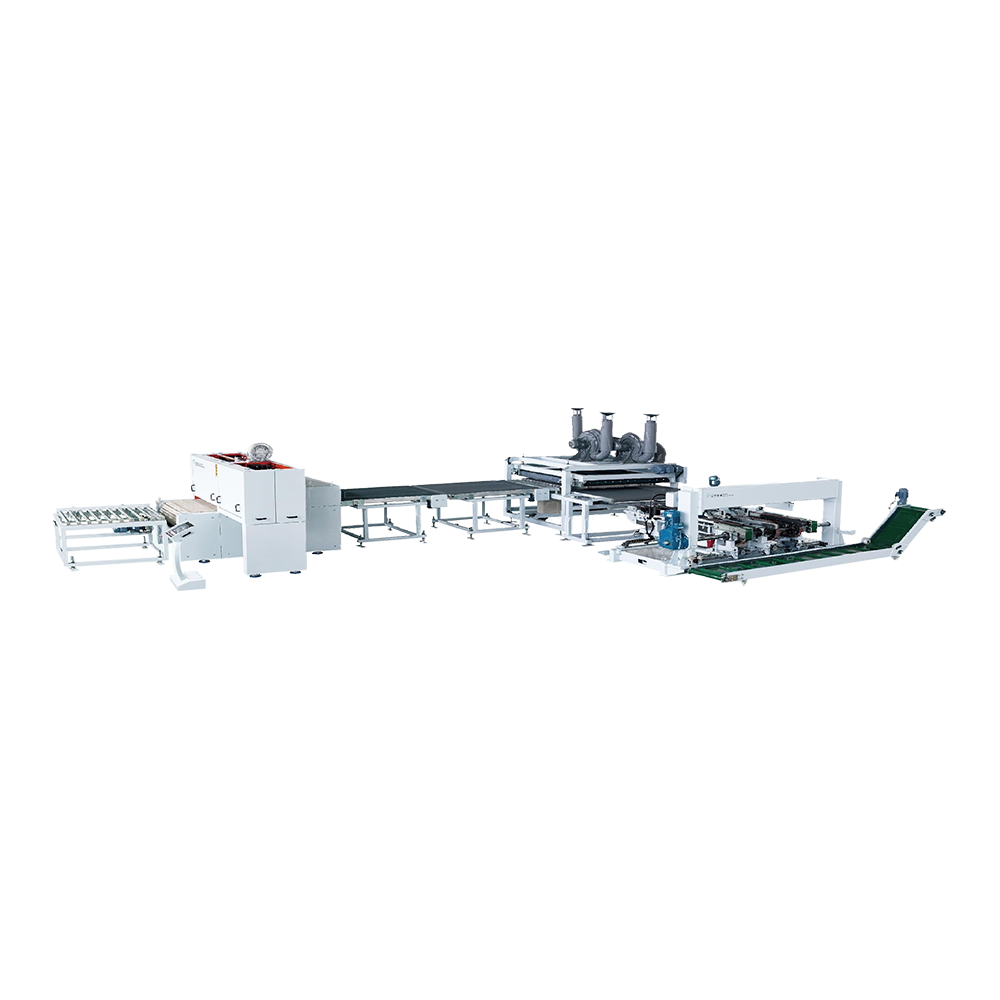
The feed speed of this equipment can reach 40 meters per minute, the whole frame...
See Details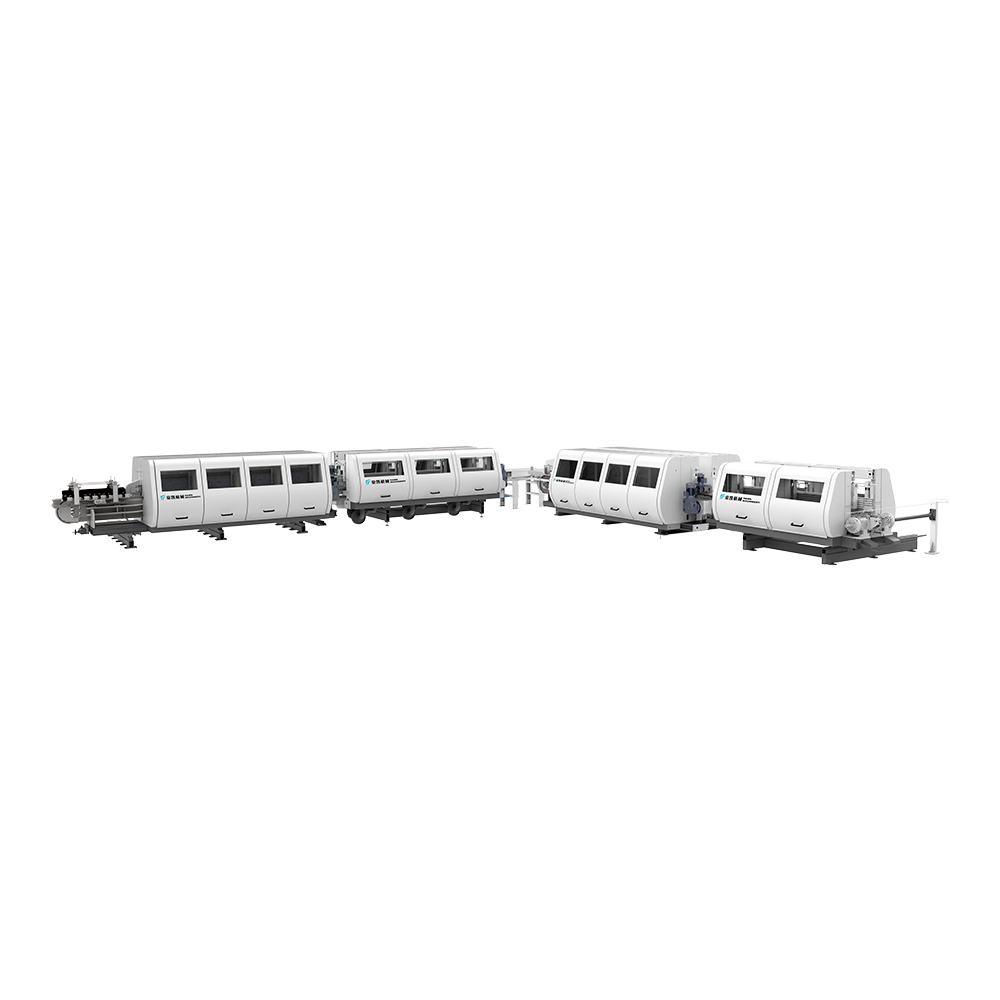
Suitable for edge coating of laminated, PVC, and WPC. Using water-based paint is...
See Details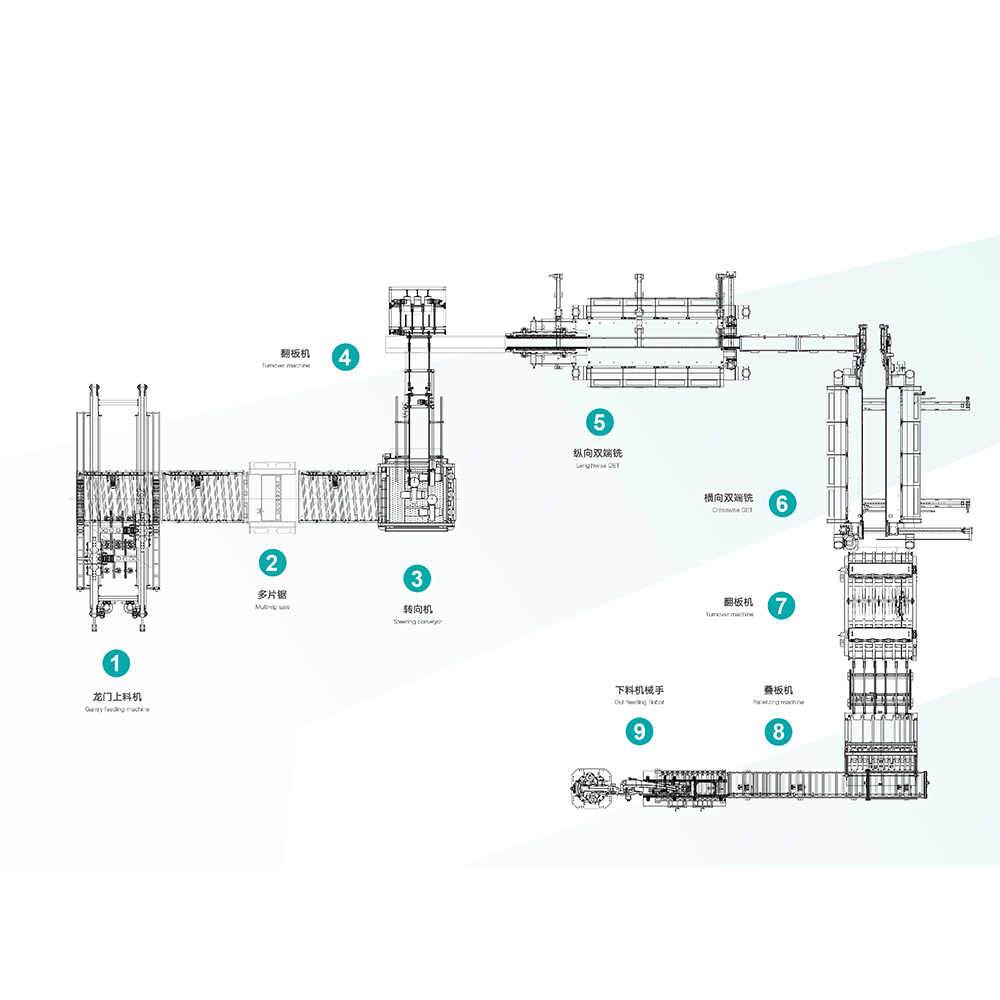
Hawk Machinery automatic feeding, cutting & slotting line, suitable for SPC,...
See Details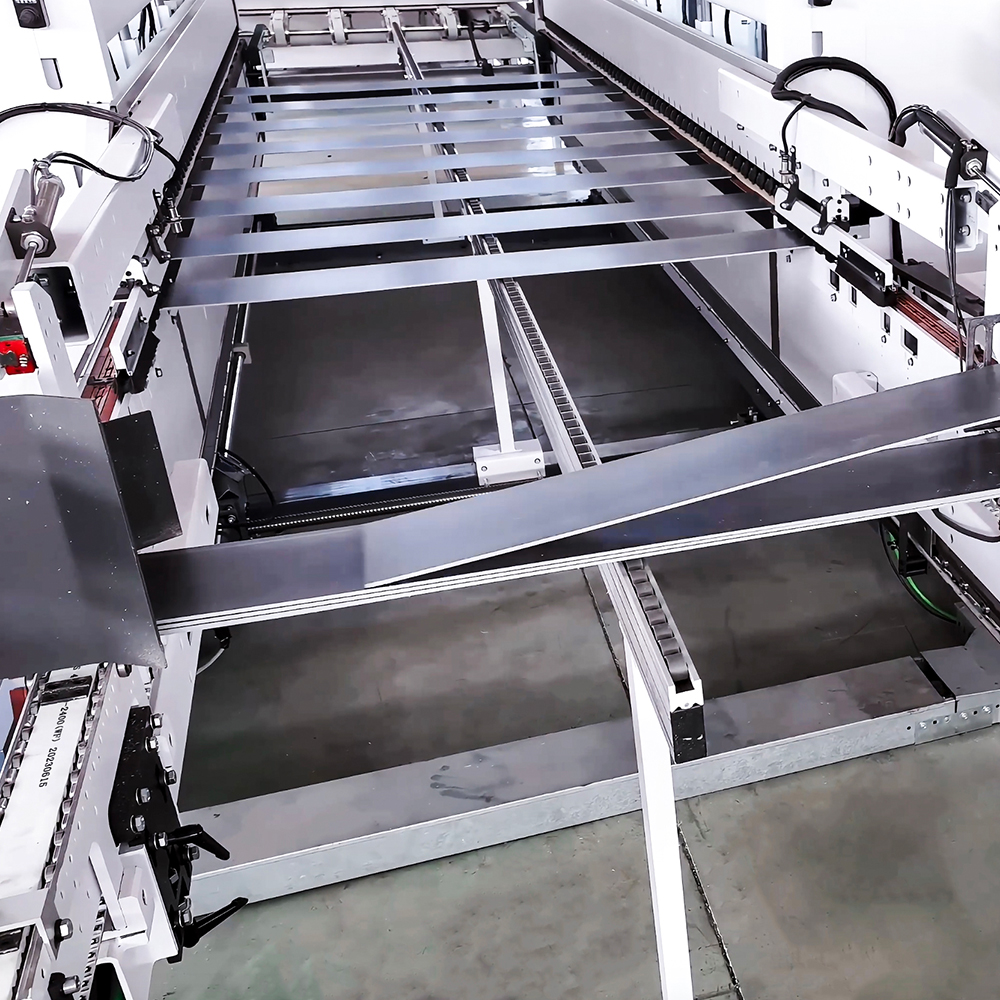
Integrated intelligent equipment integrates industrial intelligent Internet of g...
See Details
Contact info.
Boyi development area, changzhou city, jiangsu province, P. R. China
+86-0519-83319988
Don't hesitate to contact when you need us!
 Custom Floor Extrusion Machine Manufacturers