
 English
 русский
 Español

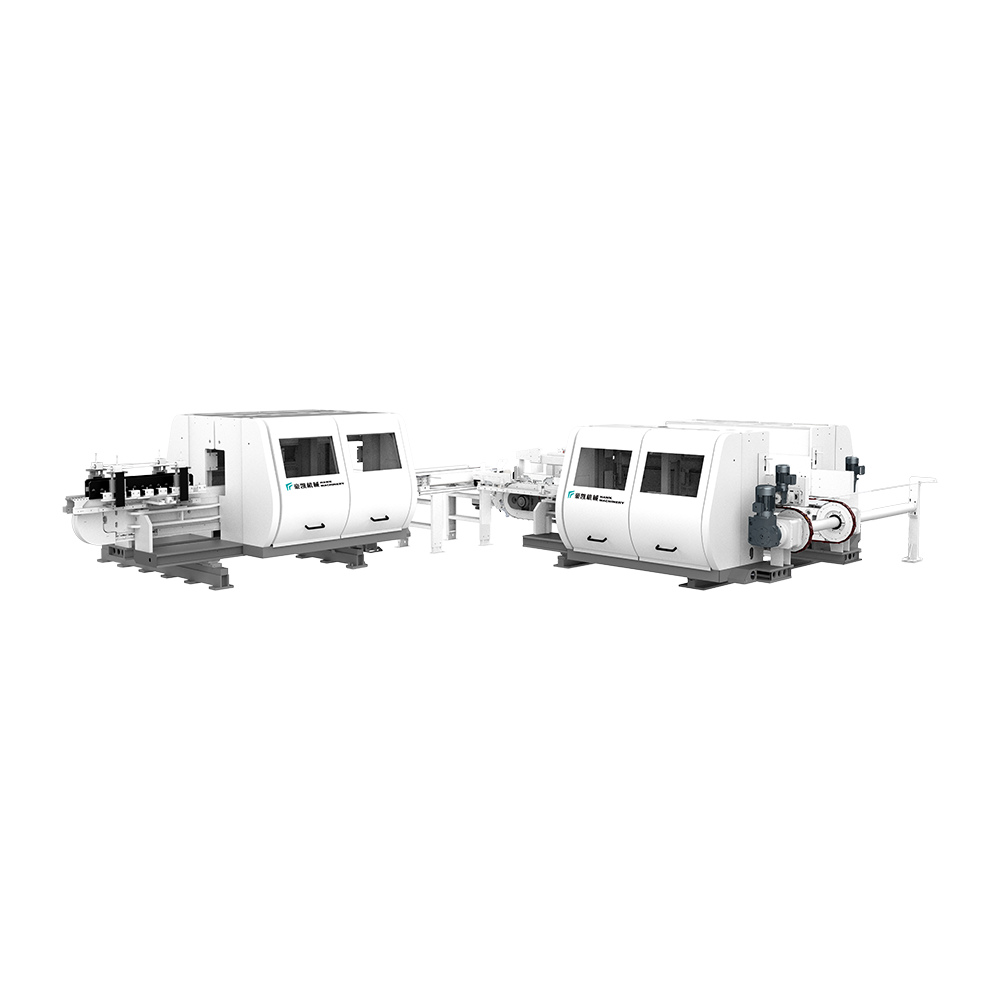
Floor slotting line (double end tenoner)
The product can slot the floor vertically and horizontally. The machine series c...
See DetailsContent
A Floor Beveling Machine is a portable or stationary piece of metalworking equipment used to cut a precise angled edge, known as a bevel, along the edge of steel plates or flat metal sheets. This angled edge is typically required before welding, since a beveled edge allows two plates to fuse together more completely and creates a stronger, more reliable weld joint. Unlike grinding, which removes material unevenly and relies heavily on operator skill, a beveling machine produces a consistent, repeatable angle across the entire length of the plate.
These machines are widely used in shipbuilding, pressure vessel fabrication, steel structure manufacturing, and pipeline construction, where weld quality directly affects the structural integrity and safety of the finished product. Instead of relying on manual grinding or oxy-fuel cutting torches, fabricators use a Floor Beveling Machine to achieve clean, accurate bevel angles in a fraction of the time.
Most beveling machines use a rotating milling cutter head fitted with multiple carbide inserts. The machine is positioned along the plate edge, either riding on the plate itself or guided along a track, and as the cutter head spins, it shaves away a controlled amount of material at the set angle. The operator can typically adjust both the bevel angle and the cutting depth before starting the pass, allowing the same machine to handle a wide range of plate thicknesses and joint designs.
Grinding wheels wear down unevenly and require constant operator adjustment to maintain a consistent angle, while torch-cut bevels often leave a rough surface that needs additional cleanup before welding. A milling-based beveling machine produces a smooth, uniform cut on the first pass, reducing the need for secondary finishing and cutting down on the time spent preparing each plate for welding.
Beveling equipment comes in a few different formats, and choosing the right one depends largely on plate thickness, production volume, and how much mobility is needed on the shop floor.
Portable units are lightweight enough to be carried or wheeled directly to the workpiece, making them ideal for on-site fabrication, shipyards, and construction sites where plates are too large or heavy to move to a fixed machine. These models typically clamp directly onto the plate edge and travel along it during the cutting pass.
Track-guided machines run along a separate rail or track positioned next to the plate, offering more stability for longer cutting runs. This setup is common in shipbuilding, where plates can stretch several meters and need a perfectly straight bevel from one end to the other.
For factories processing large volumes of standardized plates, stationary beveling machines are bolted into a fixed production line position. Plates are fed through automatically, which speeds up throughput significantly compared to manually positioning a portable unit on each individual piece.
Beveling machines vary widely in power, cutting capacity, and angle range, so it's important to match the specifications to the type of work your shop actually performs rather than buying based on price alone.
| Specification | Why It Matters |
| Maximum Bevel Width | Determines the thickest plate the machine can fully bevel in one pass |
| Bevel Angle Range | Affects how many joint types and welding standards the machine can support |
| Feed Speed | Impacts overall production throughput on long plate runs |
| Motor Power | Determines how thick or hard a material the machine can cut without stalling |
| Insert Replacement System | Affects how quickly worn cutting inserts can be swapped during production |
Feed speed is often overlooked by first-time buyers, but a machine with a slower feed rate can quietly become a bottleneck on a production line where multiple plates need to be processed every hour.
Different welding applications call for different bevel shapes, and a versatile Floor Beveling Machine should be able to handle several of these without requiring a completely different setup.
A Floor Beveling Machine works under constant mechanical stress, and skipping routine maintenance leads to rougher cuts, uneven angles, and shorter equipment lifespan. A few habits go a long way toward keeping the machine performing at its best.
Shops that build these checks into their regular maintenance routine tend to get noticeably more consistent bevel quality over time, which reduces the amount of rework needed before plates move on to the welding stage.
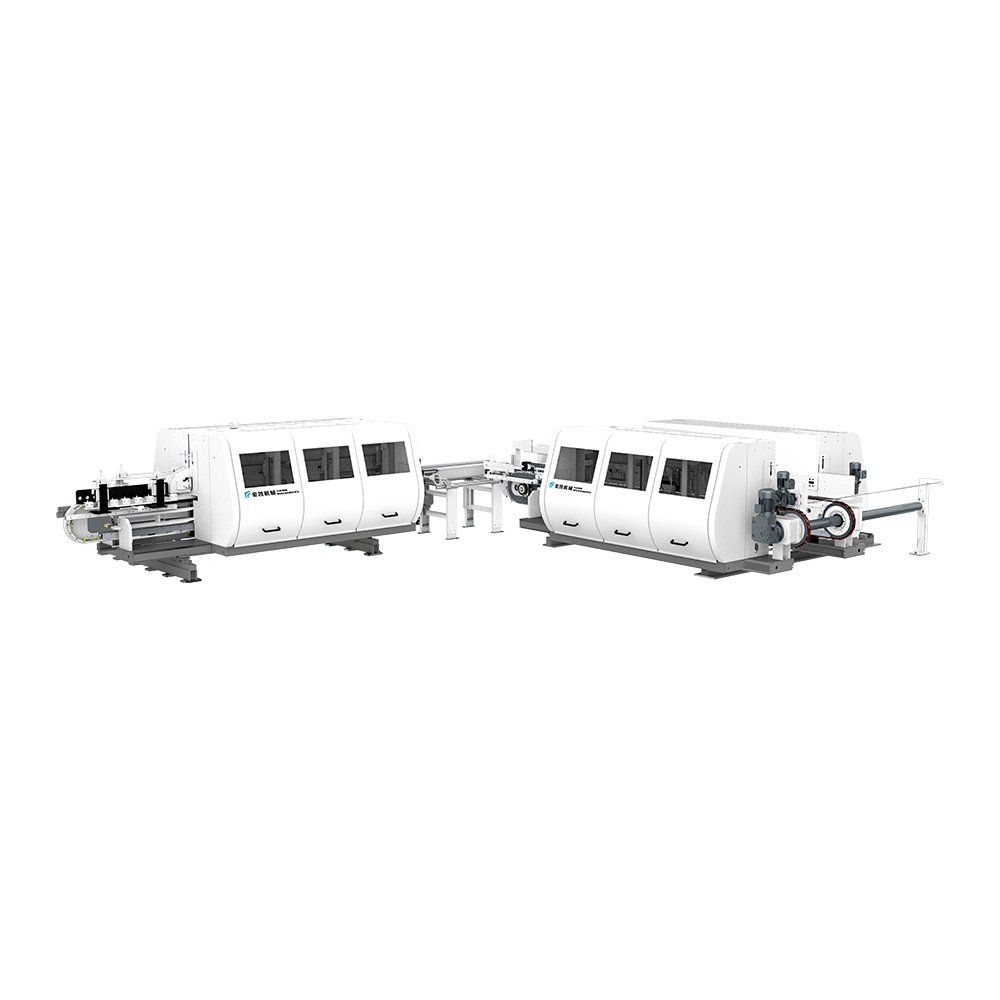
The product can slot the floor vertically and horizontally. The machine series c...
See Details
This equipment is suitable for trimming and chamfering LVT flooring. Equipped wi...
See Details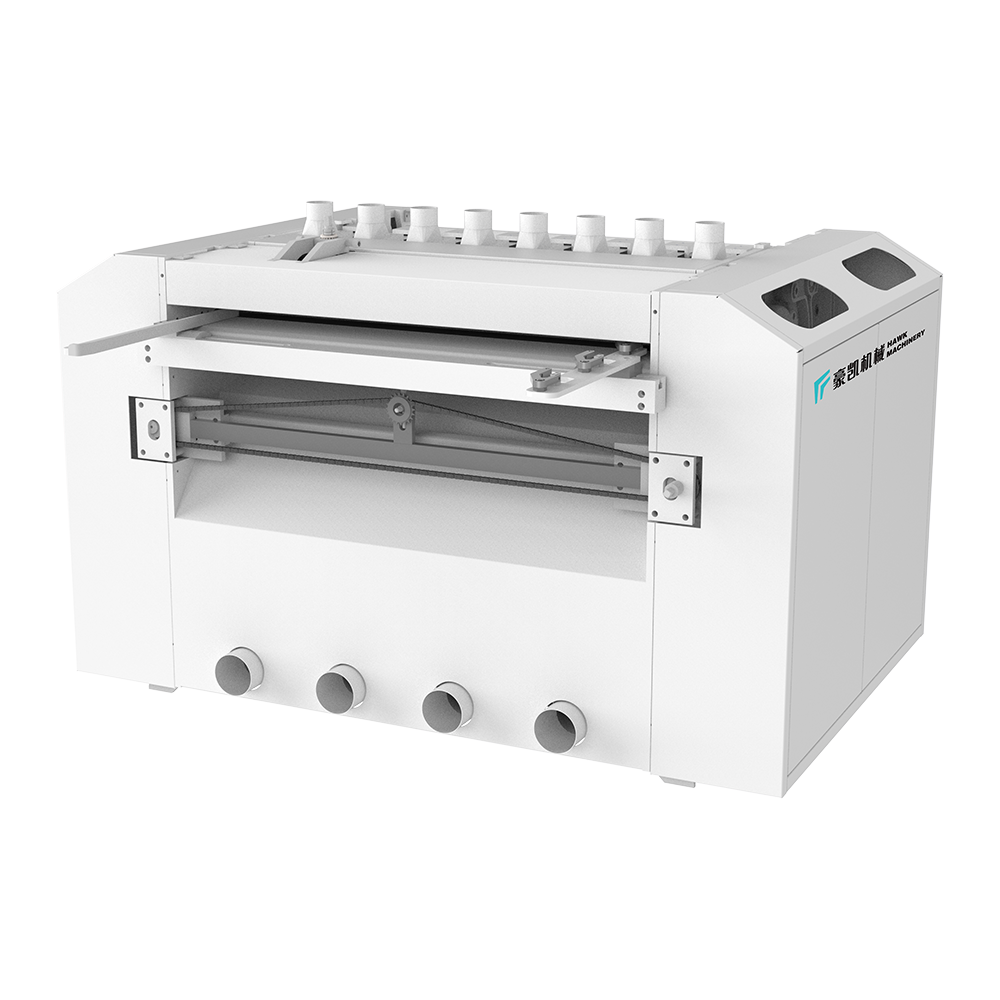
Different transmission sawing methods are suitable for different board processin...
See Details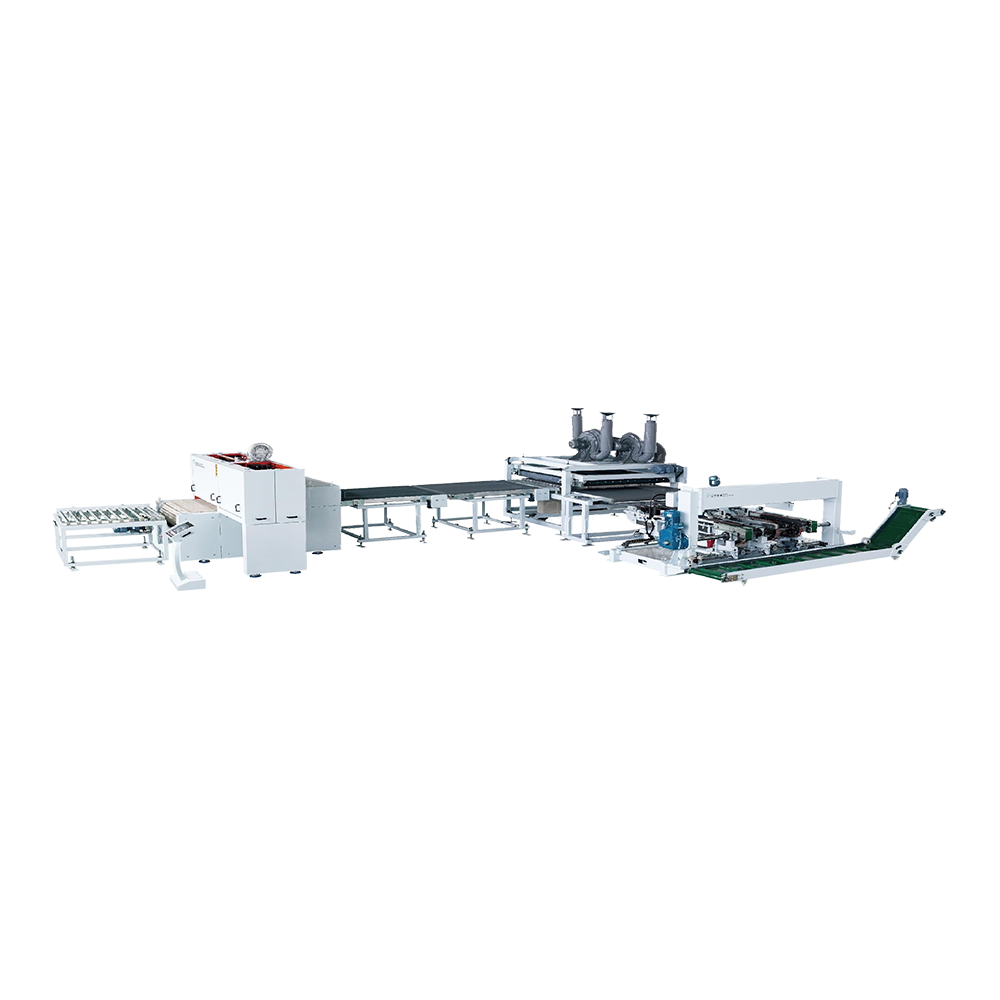
The feed speed of this equipment can reach 40 meters per minute, the whole frame...
See Details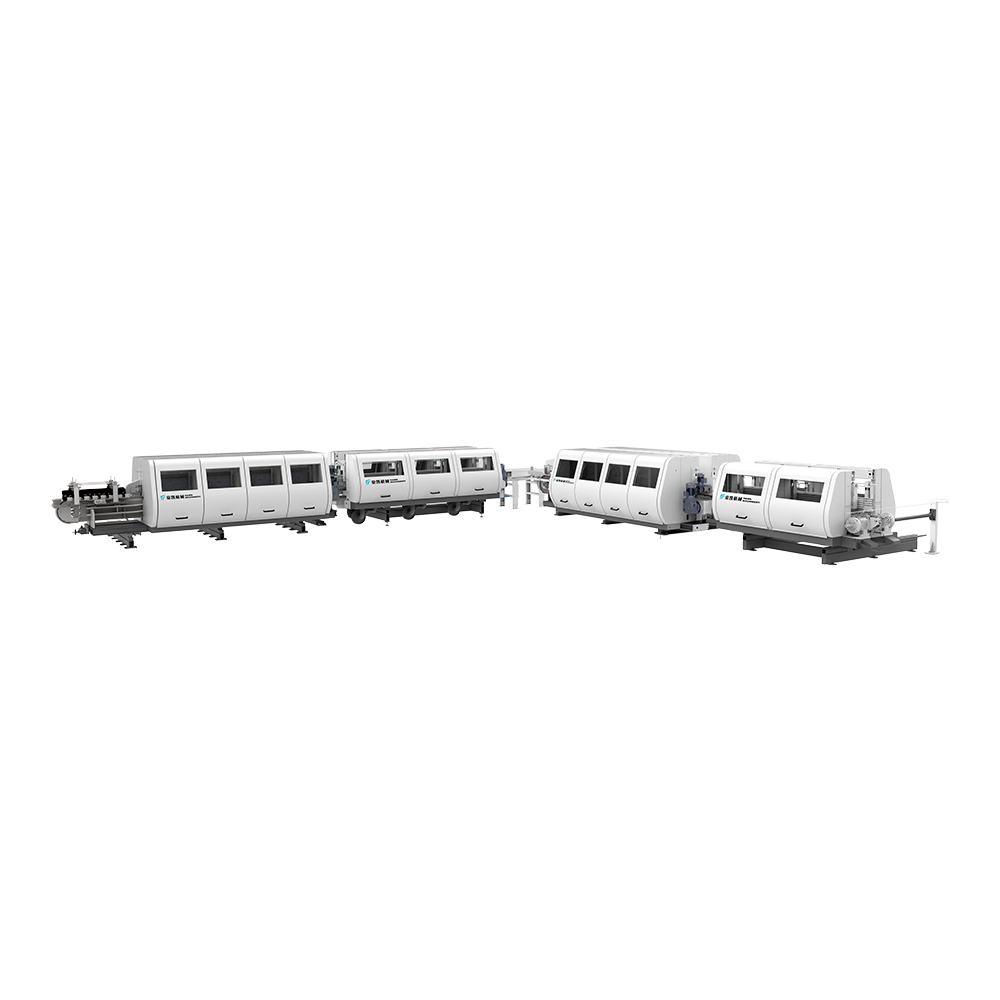
Suitable for edge coating of laminated, PVC, and WPC. Using water-based paint is...
See Details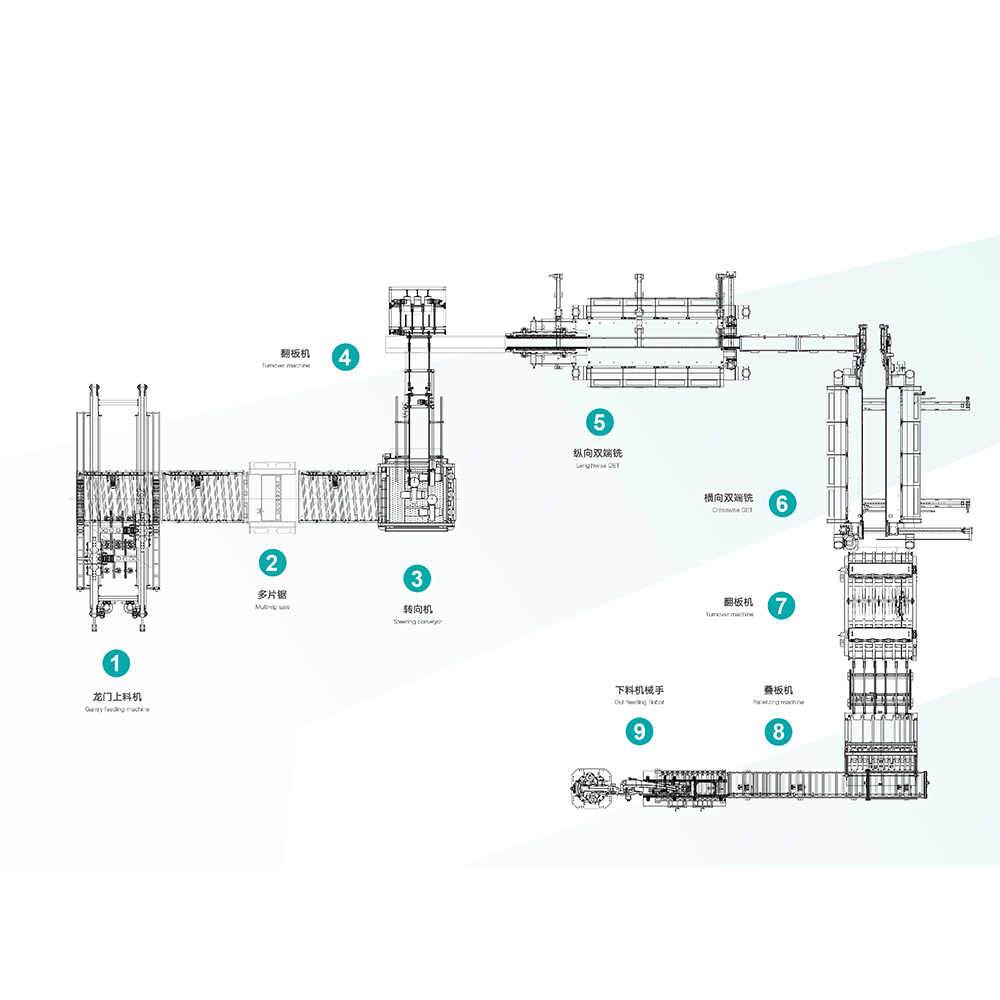
Hawk Machinery automatic feeding, cutting & slotting line, suitable for SPC,...
See Details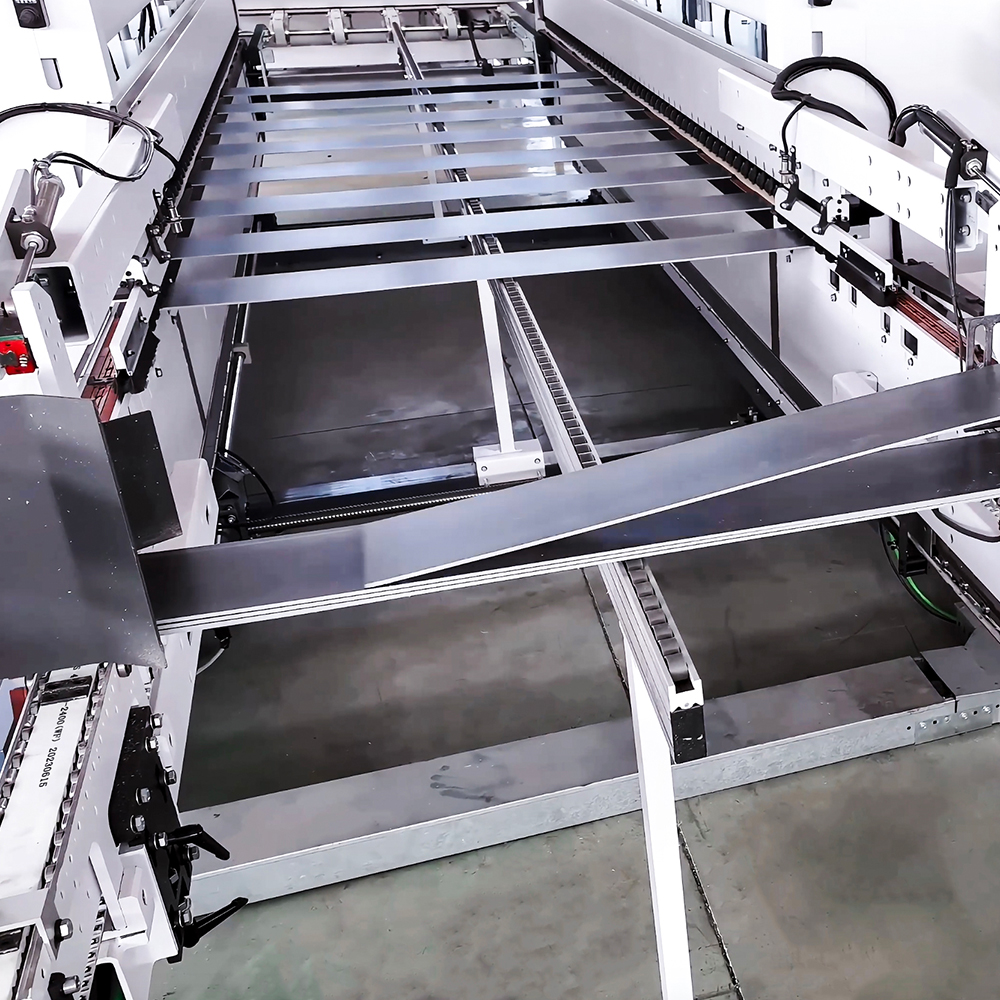
Integrated intelligent equipment integrates industrial intelligent Internet of g...
See Details
Contact info.
Boyi development area, changzhou city, jiangsu province, P. R. China
+86-0519-83319988
Don't hesitate to contact when you need us!
 Custom Floor Extrusion Machine Manufacturers