
 English
 русский
 Español

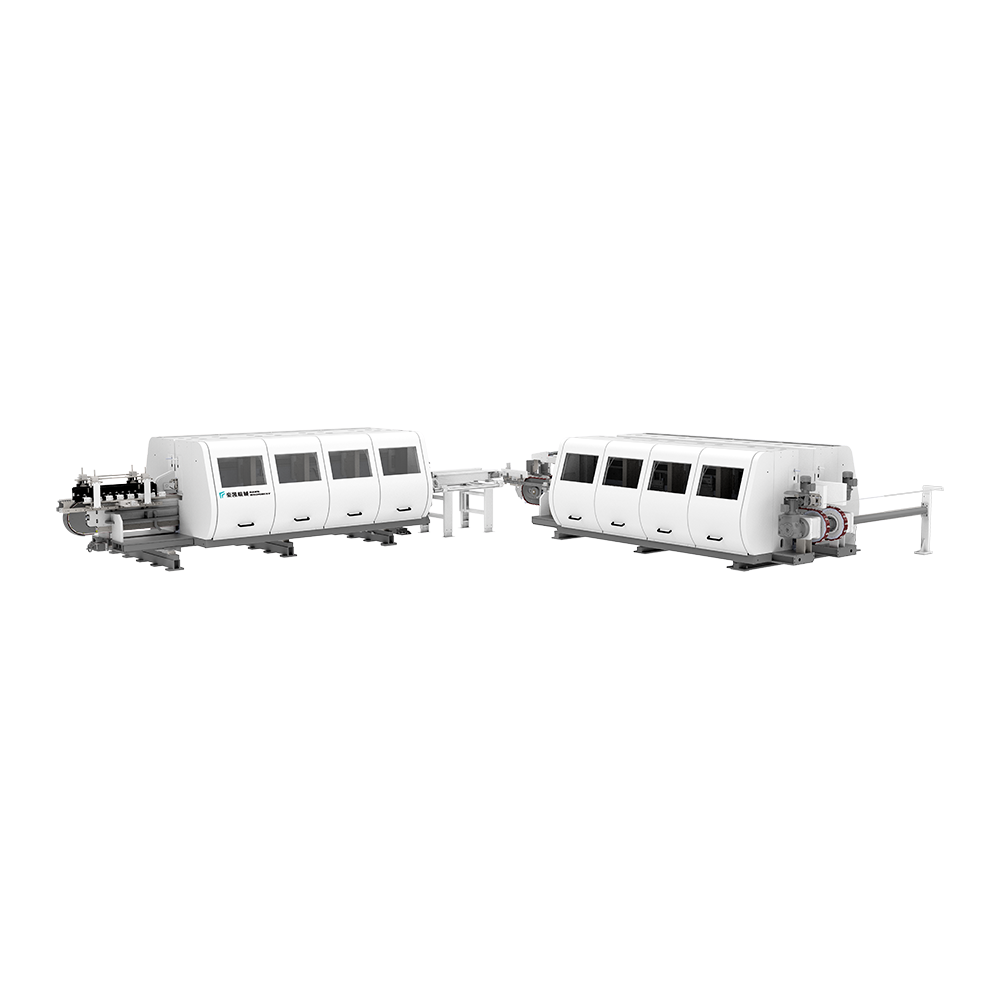
Floor slotting line (double end tenoner)
The product can slot the floor vertically and horizontally. The machine series c...
See DetailsContent
A floor slotting line is a specialized piece of construction or flooring equipment designed to cut precise, continuous grooves — commonly called slots or channels — into concrete, screed, stone, ceramic tile, or other hard floor surfaces. These grooves serve a wide range of functional purposes depending on the application: they house underfloor heating pipes or electrical conduits, accept expansion joint fillers, create drainage channels in industrial and commercial floors, accommodate induction loops for vehicle detection systems, or provide decorative patterning on finished floor surfaces.
Unlike handheld angle grinders or single-blade floor saws used for occasional cuts, a floor slotting line is engineered for continuous, high-output linear cutting — often across hundreds or thousands of square meters of floor in a single project. The machine typically mounts multiple diamond blades or tungsten carbide cutting wheels on a driven spindle, allowing it to cut a precise slot to a specified width and depth in a single controlled pass. The result is a clean, consistent groove that would take many times longer to produce with conventional cutting tools and that meets the dimensional tolerances required by heating system manufacturers, flooring contractors, and construction engineers.
Floor slotting machines — also referred to as floor grooving machines, slot cutting lines, or floor channeling machines — are used by underfloor heating installers, civil engineering contractors, industrial flooring specialists, and tile and stone flooring subcontractors. The scale of the equipment ranges from compact walk-behind units suited for residential underfloor heating work to large self-propelled machines designed for airport terminals, logistics warehouses, and stadium concourses.
Understanding where floor slotting lines are used helps clarify why slot geometry, cutting depth, and surface material compatibility matter so much in machine selection.
This is the largest single application for floor slot cutting lines in residential and light commercial construction. Wet underfloor heating systems require pipes — typically 16–20 mm diameter polyethylene tubing — to be embedded within the floor structure. Rather than laying pipes into a thick wet screed, many modern installations cut slots directly into an existing concrete subfloor or a thin screed bed, press the pipe into the slot, and cover with a thin leveling compound. This approach reduces floor buildup height by 30–60 mm compared to conventional screed embedding, which is critical in renovation projects where ceiling-to-floor heights cannot be sacrificed. A floor slotting machine for this application typically cuts slots 20–25 mm wide and 30–40 mm deep in a repeating grid or serpentine pattern, with slot spacing of 100–200 mm depending on the heat output required.
Large concrete floor slabs expand and contract with temperature and moisture changes. Without controlled crack initiation points, random cracking is inevitable. Floor slot cutting machines are used to cut control joints — precisely located grooves that weaken the slab at planned locations so that any cracking follows the joint line rather than occurring randomly. These cuts are typically made to one-quarter to one-third of the slab thickness, at intervals of 4–6 meters in both directions across a floor. In industrial and warehouse flooring, a floor grooving line running at consistent depth and in straight lines is far more productive than a handheld saw for this repetitive joint cutting work across thousands of square meters.
Retrofit electrical installations in commercial buildings, factories, and public buildings frequently require electrical cables and data conduits to be routed under floors rather than surface-mounted, for both aesthetic and safety reasons. A floor slot cutting line cuts a narrow, deep channel — typically 30–50 mm wide and 40–80 mm deep — directly into the concrete or screed floor. Conduit is laid in the channel, covered with mortar or floor leveling compound, and the surface is restored to a flush finish. This method is significantly faster and produces cleaner results than chasing with a handheld grinder, particularly for long straight runs across open floor areas.
Vehicle detection induction loops at car park entrances, traffic signal junctions, automatic barrier systems, and weighbridge approaches are installed by cutting a closed rectangular or figure-of-eight slot pattern into the road or floor surface, laying a multi-turn loop of wire into the slot, and sealing it with bitumen or resin compound. The precision and speed of a floor slot cutting machine is essential here — the slot must follow a precisely defined path at consistent depth (typically 30–50 mm) without damaging the surrounding surface, and the work is often carried out on live traffic infrastructure where work windows are short.
In polished concrete, natural stone, and large-format tile flooring, controlled slot cutting is used to create decorative score lines, geometric patterns, and tile-like grids in otherwise monolithic floor surfaces. A floor grooving machine equipped with precision depth control and a fine diamond blade produces clean, uniform lines that enhance the visual appearance of the floor and can be filled with contrasting colored grout or metallic strip for decorative effect. This application demands tighter tolerances on slot width and depth consistency than utilitarian applications.
Floor slotting equipment is available in several configurations, each optimized for different scale of work, slot geometry, and surface material. Selecting the right machine type is the first decision in any floor slotting project.
| Machine Type | Typical Application | Slot Width Range | Cutting Depth |
| Walk-behind single-head | Residential UFH, small commercial | 15–40 mm | Up to 50 mm |
| Walk-behind multi-blade | UFH grid cutting, conduit chasing | 20–60 mm | Up to 60 mm |
| Self-propelled floor slotting line | Large commercial, warehouse, airport | 20–80 mm | Up to 100 mm |
| Road saw / joint cutter | Induction loops, road joints | 3–20 mm | Up to 150 mm |
| CNC floor routing machine | Decorative patterning, precision work | 3–30 mm | Up to 40 mm |
The most common configuration for residential and light commercial work, walk-behind floor slot cutters are operator-guided machines with a single cutting head carrying one or more blades on a horizontal spindle. The operator pushes or steers the machine along a marked line, and the cutting head is lowered into the floor surface at the start of each slot run. These machines are compact enough to be transported in a van, can be used in rooms as small as 3×3 meters, and typically weigh between 60 and 150 kg. Power is usually from a petrol engine (for outdoor or well-ventilated work) or an electric motor (for indoor use where exhaust fumes are unacceptable). Dust extraction is typically via an integrated vacuum connection or a wet-cutting water feed system that suppresses concrete dust at source.
For underfloor heating work where many parallel slots must be cut at a fixed spacing, multi-blade or gang-blade floor slotting machines mount several blades on a single arbor with spacers between them. A machine configured with three blades and two spacers can cut two parallel slots in a single pass, halving the number of passes required across a floor. Some specialized underfloor heating slotting machines carry up to six or eight blades, cutting multiple slots simultaneously and reducing total cutting time dramatically on large-area projects. The spacing between blades is adjustable by changing the spacer thickness, allowing the machine to be reconfigured for different pipe spacings without replacing the cutting head assembly.
For large-scale projects — distribution warehouses, manufacturing plants, airport terminals, sports arenas — self-propelled floor slotting machines eliminate operator fatigue and maintain more consistent cutting speed and depth over long runs. These machines guide themselves in straight lines using laser guidance, chalk line following, or mechanical straightedge systems, allowing the operator to focus on monitoring depth and blade condition rather than steering. Ride-on variants, which the operator sits on rather than walking behind, are used for the highest-output applications and can achieve cutting speeds of 5–15 linear meters per minute in concrete, depending on compressive strength and blade specification.
The cutting tool is the most consumable and most performance-critical component of any floor slotting line. Two main cutting tool types are used, each suited to different materials and slot geometry requirements.
Diamond blades are the standard cutting tool for concrete, screed, stone, and ceramic tile floor slotting. The blade consists of a steel core with diamond-impregnated segments bonded around the periphery. As the blade rotates at high speed (typically 2,800–4,500 RPM at the spindle), the diamond particles abrade through the floor material. Diamond blades are available in wet-cut and dry-cut variants: wet-cut blades use a continuous water flow to cool the blade and suppress dust, producing a cleaner cut and longer blade life; dry-cut blades use segmented gaps in the rim to allow air cooling and are used where water supply is impractical. For floor slotting, blade diameter typically ranges from 150 mm to 400 mm, with thicknesses from 3 mm to 10 mm depending on slot width requirements. Harder, denser concrete requires a softer bond matrix in the diamond segment to allow fresh diamond particles to be exposed as the bond wears; softer concrete uses a harder bond to prevent premature segment wear.
For softer floor materials — anhydrite screed, gypsum-based compounds, and some types of lightweight concrete — tungsten carbide tipped milling cutters are used instead of diamond blades. Carbide cutters operate at lower spindle speeds and use a milling action rather than abrasive grinding, producing a slightly rougher slot profile but with very high material removal rates in soft substrates. They are particularly favored for underfloor heating work in anhydrite screeds, where diamond blades can glaze over and lose cutting efficiency. Carbide cutters are resharpened rather than replaced when worn, reducing long-term tooling cost for contractors who work primarily with softer floor materials.
Selecting the wrong machine for a floor slotting application results in slow production, excessive blade wear, poor slot quality, and potential damage to the floor surface. These are the specifications that matter most.
Underfloor heating is the most common application for floor slotting lines in residential and light commercial construction, and getting the slot layout right before cutting begins is essential to achieving the required heat output and avoiding costly rework.
Slot spacing for underfloor heating is determined by the heat loss calculation for the room and the output capacity of the pipe circuit at the intended flow temperature. Closer slot spacing (100–150 mm) increases pipe density, surface area coverage, and heat output per square meter, but requires more cutting passes and more pipe. Wider spacing (200–300 mm) reduces cutting and pipe costs but lowers maximum heat output, which may be insufficient for poorly insulated rooms or high heat loss areas. The underfloor heating system designer or the pipe manufacturer's technical data will specify the required spacing for the design heat output — do not make assumptions about spacing without this calculation, as under-specified systems will fail to heat the room adequately in cold conditions.
Two basic slot patterns are used in underfloor heating installations. The parallel (or raster) pattern cuts all slots in one direction across the floor, with the pipe running to the end of each slot and returning in the adjacent slot. This pattern is simple to cut and produces uniform coverage across the floor area. The serpentine pattern cuts slots in both directions, with the pipe following a continuous path that doubles back across the floor. The serpentine pattern is more complex to cut — requiring intersecting slot cuts and chiseling at corners — but produces more even surface temperature distribution because supply and return pipes alternate across the floor. For most residential applications, the parallel pattern is sufficient and far quicker to execute.
Before cutting begins, the floor must be surveyed for embedded services — existing electrical conduits, water pipes, structural rebar in reinforced concrete slabs, and post-tension cables in post-tensioned slabs. Cutting through any of these can cause serious safety hazards and costly structural repairs. Use a concrete scanning tool — a ground-penetrating radar (GPR) unit or a reinforcement cover meter — to map the position of embedded elements before finalizing the slot layout. Mark out all slot lines on the floor surface with chalk line or marker before starting the machine, allowing a final visual check that no slot line crosses a known service location.
Getting the most from a floor slotting line comes down to consistent technique, correct blade selection for the substrate, and disciplined machine maintenance. These practical points make a measurable difference to production output and tooling costs.
Whether you are purchasing a floor slotting machine outright or hiring one for a specific project, comparing machines across the same criteria ensures you get the right tool for the job without overpaying for capability you will never use.
| Criteria | Residential / Light Commercial | Heavy Commercial / Industrial |
| Motor Power | 1.5–4 kW electric | 7–15 kW electric or petrol |
| Max Cutting Depth | 40–60 mm | 80–150 mm |
| Blade Diameter | 150–230 mm | 300–600 mm |
| Machine Weight | 60–120 kg | 200–800 kg |
| Propulsion | Walk-behind, operator-pushed | Self-propelled or ride-on |
| Dust Control | Vacuum extraction or wet-cut | Integral wet-cut water system |
| Typical Daily Output | 200–600 linear meters | 1,000–5,000 linear meters |
| Purchase Price Range | €2,000–€8,000 | €15,000–€60,000+ |
For contractors who use a floor slotting machine regularly — more than 20–30 working days per year — outright purchase almost always produces a better return than hiring, particularly if the machine is well-maintained and the blades are selected carefully for each substrate. For occasional users or for projects requiring a larger machine than their standard kit, hiring from a specialist tool hire company allows access to the right machine size without capital commitment. When hiring, confirm that the hire rate includes full blade wear as a consumable cost or that the supplier provides blades at a fair market rate — blade cost can exceed the daily hire rate on hard concrete substrates.
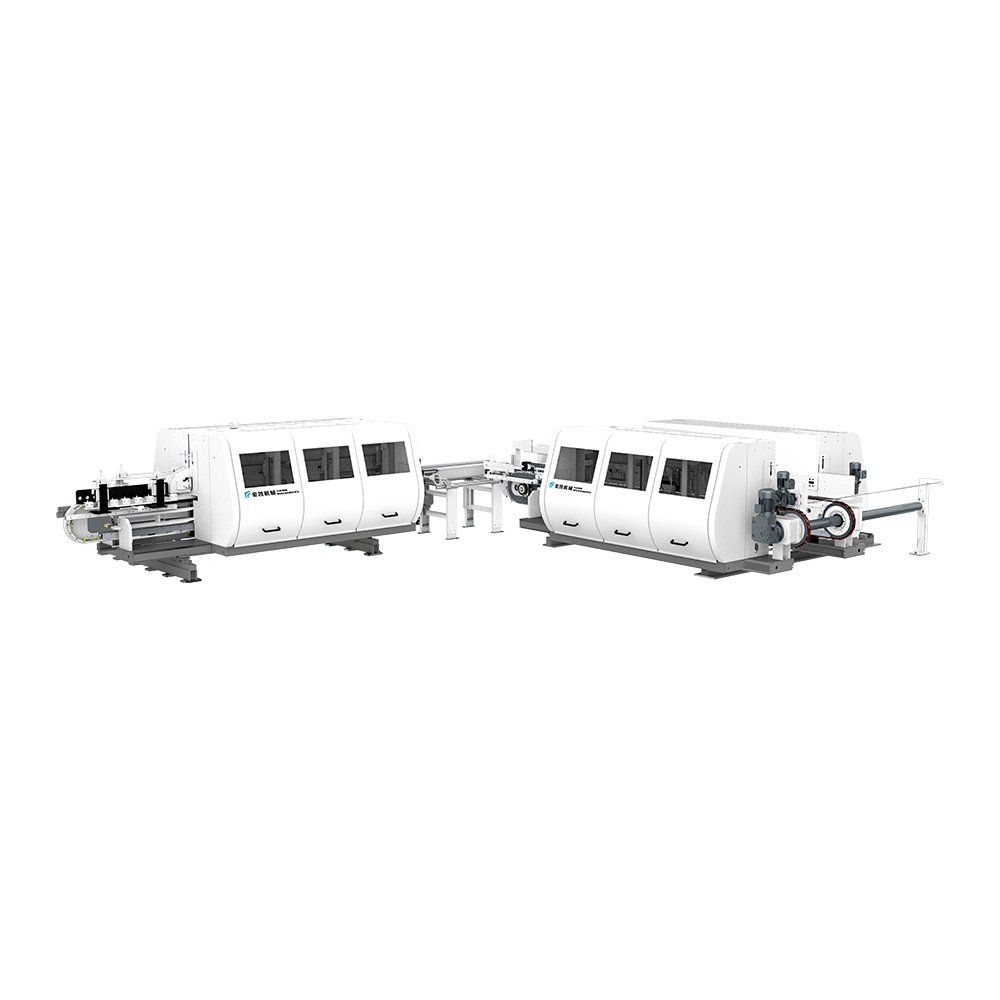
The product can slot the floor vertically and horizontally. The machine series c...
See Details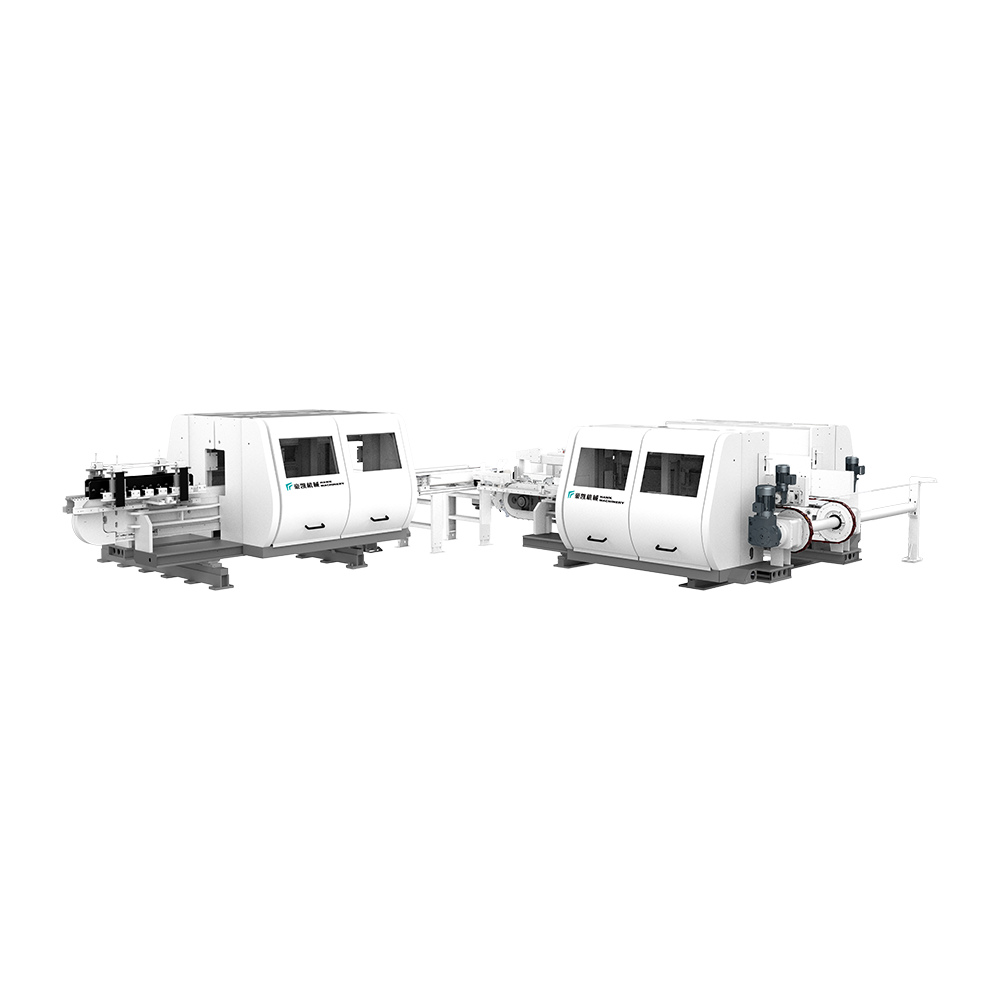
This equipment is suitable for trimming and chamfering LVT flooring. Equipped wi...
See Details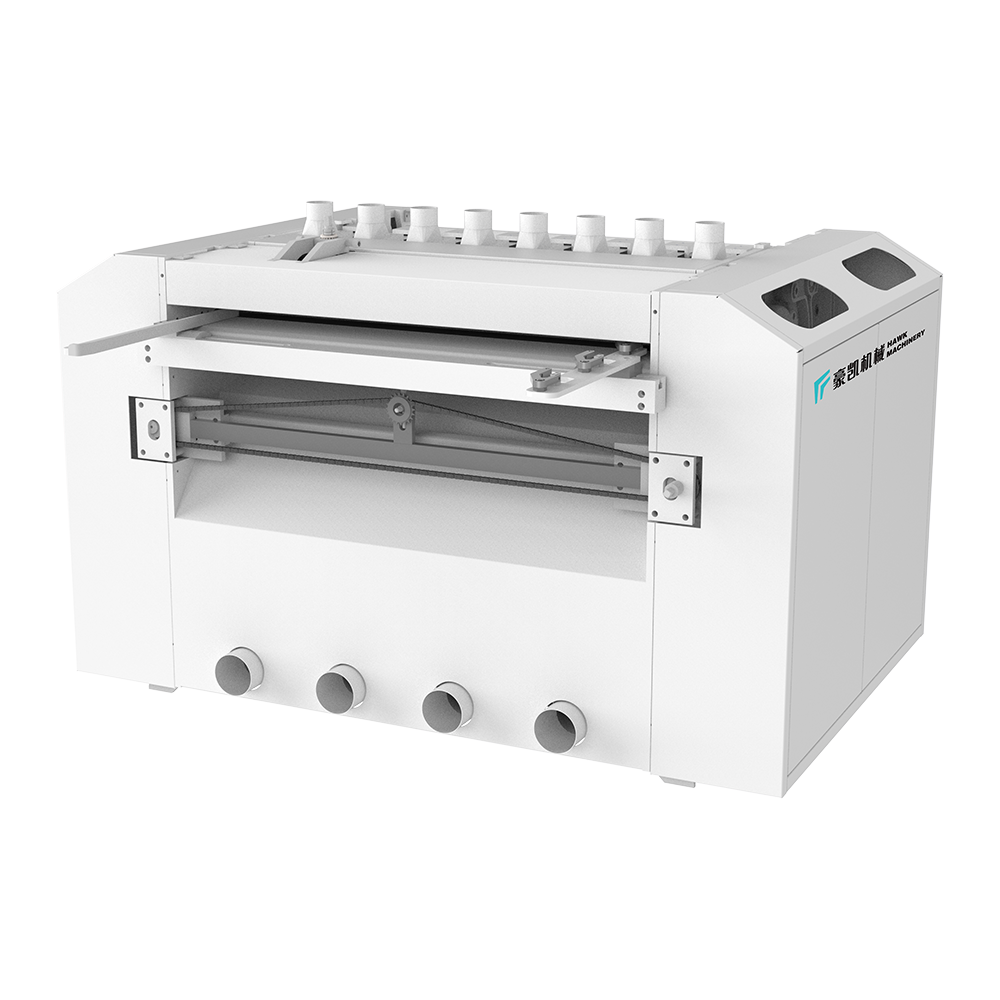
Different transmission sawing methods are suitable for different board processin...
See Details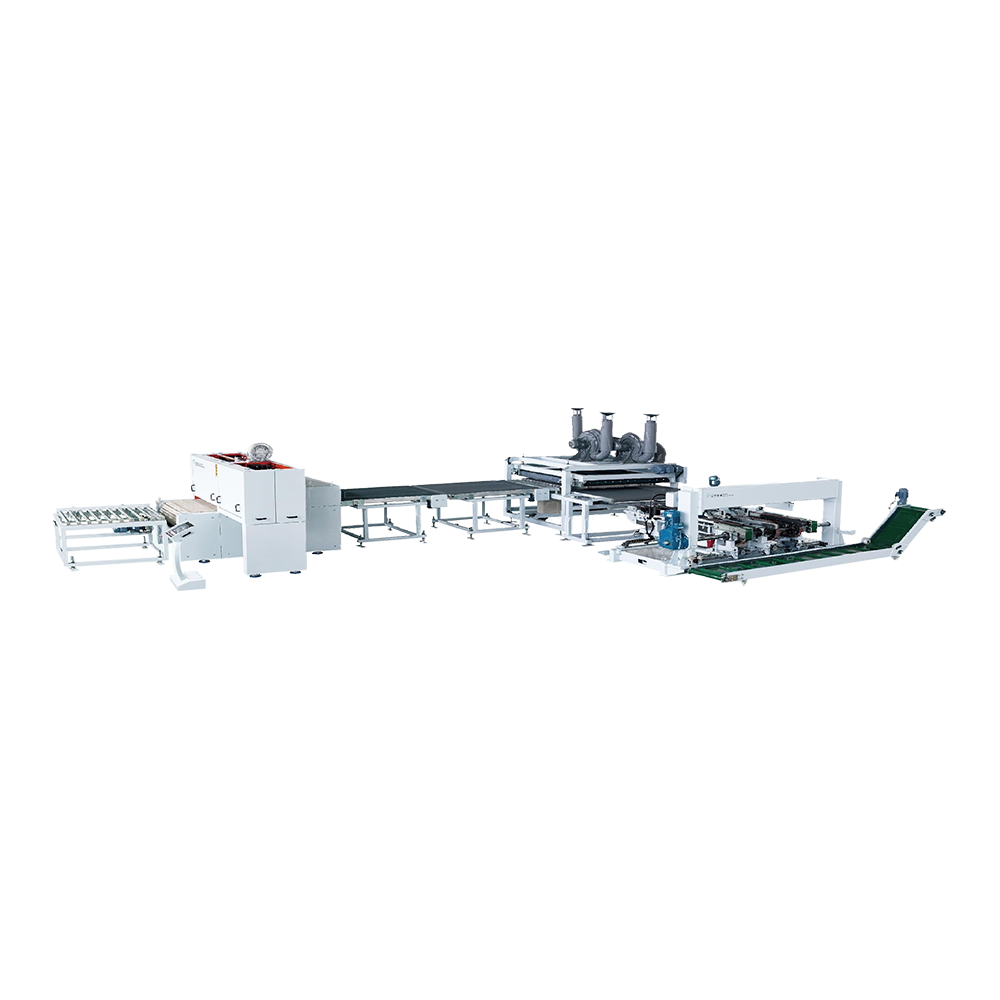
The feed speed of this equipment can reach 40 meters per minute, the whole frame...
See Details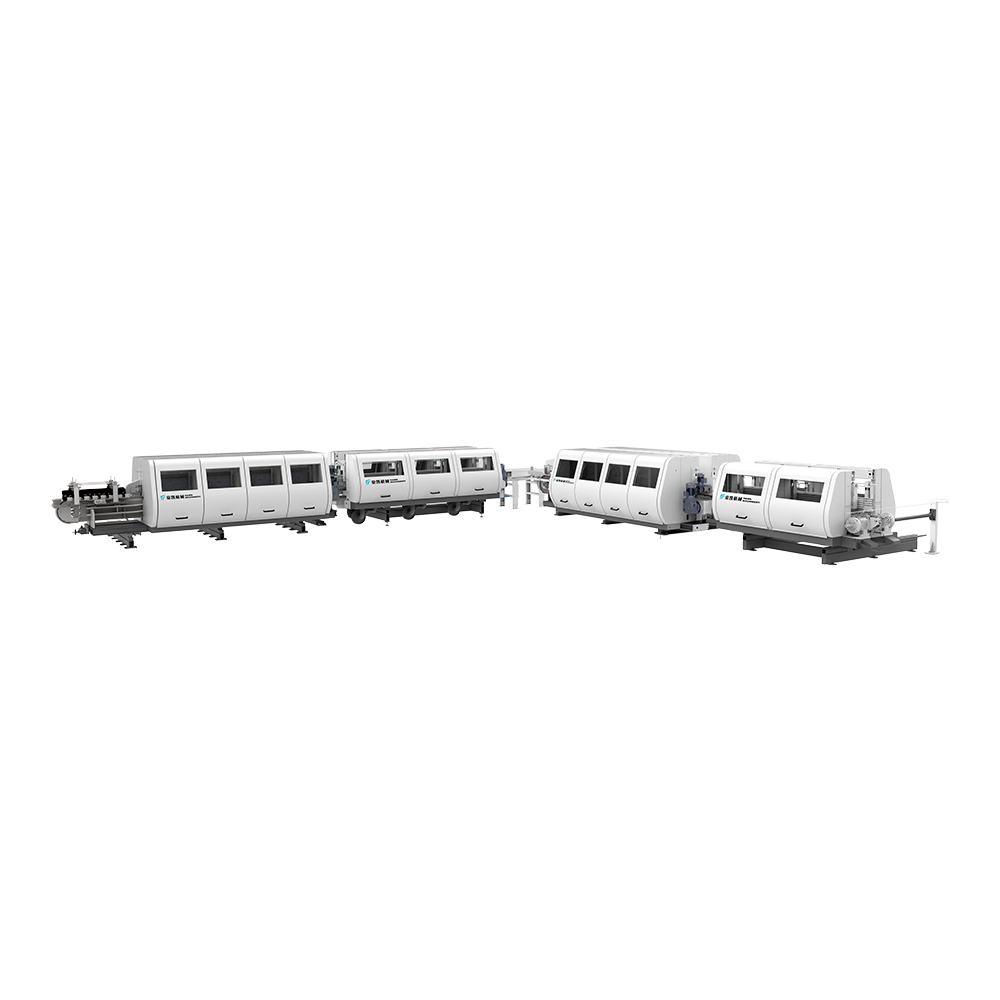
Suitable for edge coating of laminated, PVC, and WPC. Using water-based paint is...
See Details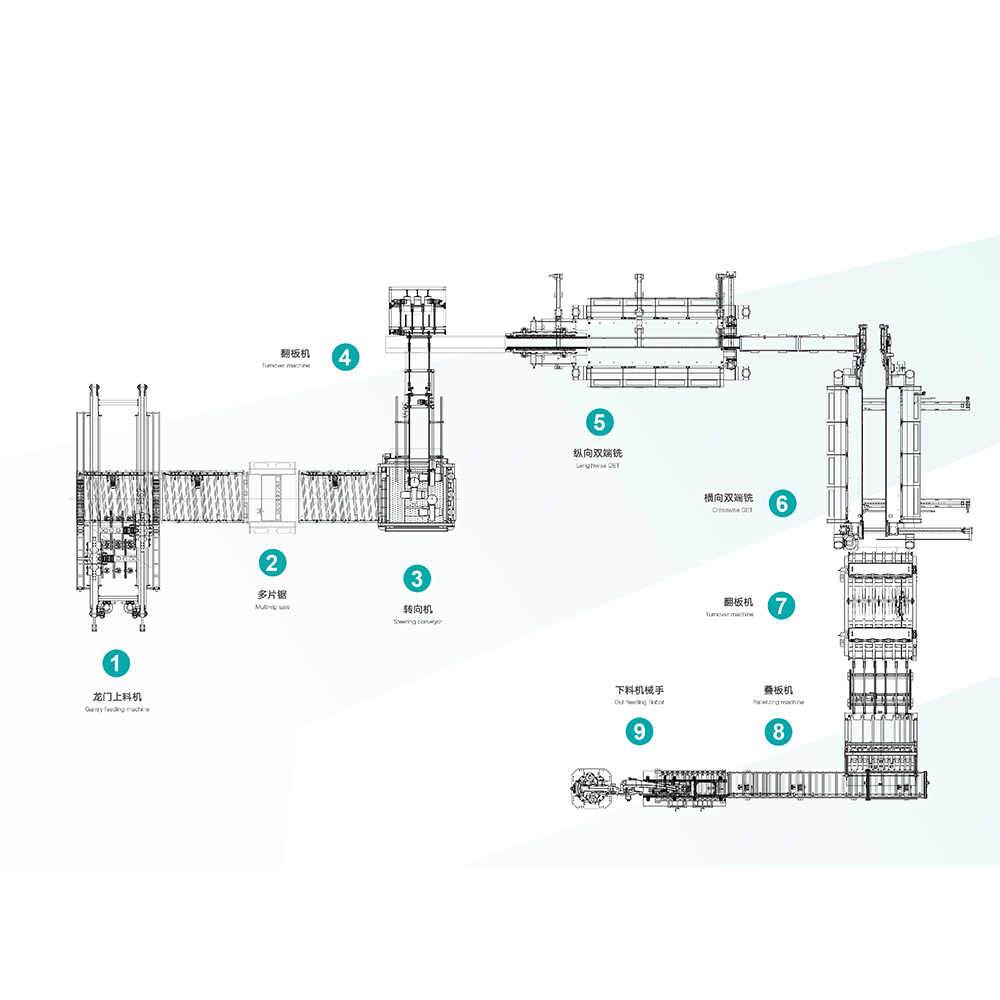
Hawk Machinery automatic feeding, cutting & slotting line, suitable for SPC,...
See Details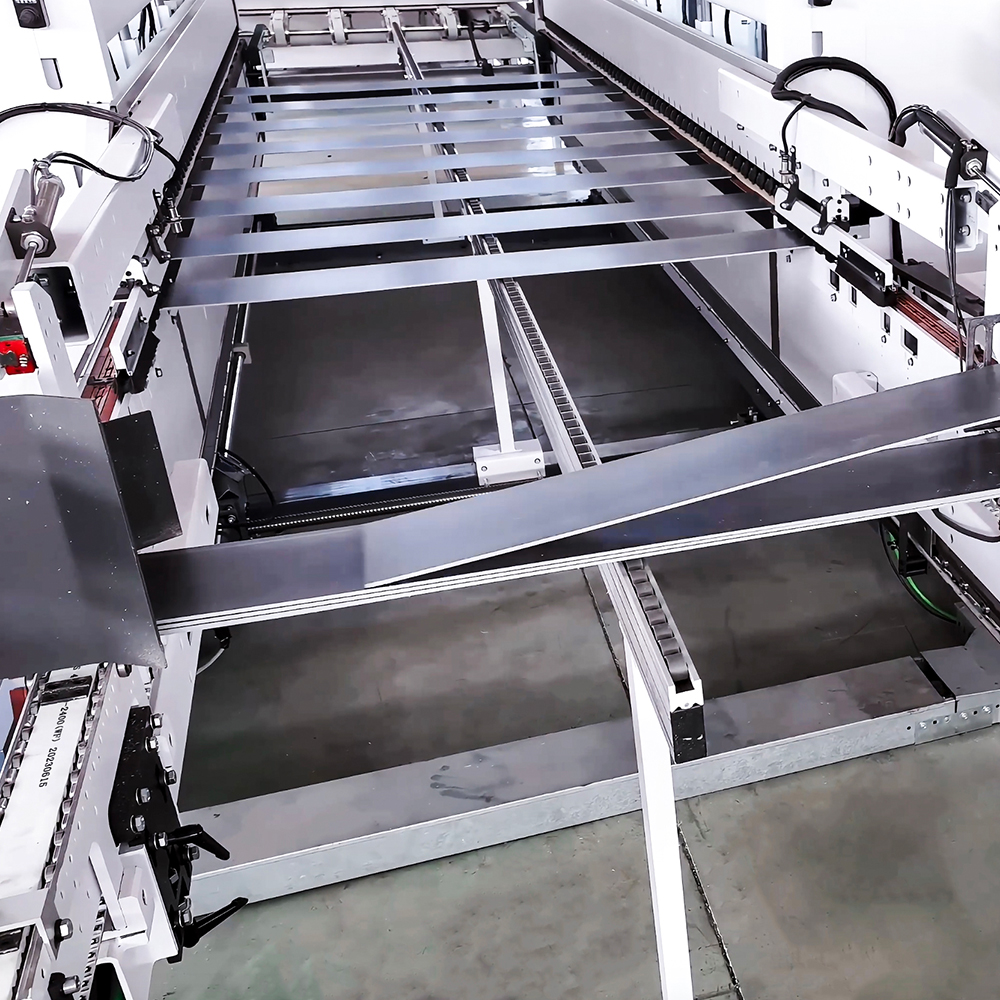
Integrated intelligent equipment integrates industrial intelligent Internet of g...
See Details
Contact info.
Boyi development area, changzhou city, jiangsu province, P. R. China
+86-0519-83319988
Don't hesitate to contact when you need us!
 Custom Floor Extrusion Machine Manufacturers