
 English
 русский
 Español

Floor slotting line (double end tenoner)
The product can slot the floor vertically and horizontally. The machine series c...
See DetailsWatch an SPC or laminate plank come off a modern flooring line and you will notice the clean tongue on one long edge and the matching groove on the other. That joint is the work of a floor slotting machine, rarely the biggest or most expensive station in the plant, but the one that decides whether planks click together smoothly on site or fight the installer for every row.
We have been building flooring equipment at HAWK Machinery in Jiangsu since 2005, and slotting is almost always the first process new customers ask about. Here is what we have learned on the shop floor about how these machines work, which configuration suits which material, and what to check before you place an order.
Content
Slotting is the shaping operation that turns a sized panel into a plank that can be locked together. The machine forms a tongue on one long edge, a groove on the other, and on lines set up for end profiling it also cuts the short-edge joints. In the trade it is called a slotting machine, an edge profiling machine, or a double-end tenoner. The names differ; the job does not: hold the panel square and mill two profiles that must mate with each other, shift after shift, at production speed.
A good slotting result comes down to a few dimensions:
When any of these drift, the pallets still look fine in the warehouse. The complaint arrives three weeks later, and by then you are sorting stock instead of shipping it.
Most buyers choose between three practical configurations, and the answer depends far more on volume and material than on budget.
A single-end machine mills one edge per pass and turns the panel for the second cut. It is affordable and quick to set up, and still useful in small shops and short custom runs, but it doubles handling and adds a second chance for positioning error.
A double-end tenoner mills both edges in one pass, with the panel travelling in a chain or belt feed between two opposing spindle towers. Both profiles come off the same reference at the same time, which is why it is the workhorse of flooring production.
A slotting line wraps a production system around the tenoner: automatic infeed, servo width adjustment, dust extraction, outfeed handling, and often in-line chamfering and sample inspection. Feed rates vary with material and tooling, but 20 to 60 m/min is realistic for SPC and laminate.
| Configuration | How it works | Typical fit |
|---|---|---|
| Single-end profiler | One edge per pass, panel turned between passes | Small shops, custom runs |
| Double-end tenoner | Both long edges milled together between two towers | Mid to high volume flooring |
| Slotting line | Tenoner plus auto infeed, width setting, extraction, outfeed | Continuous single-material production |
| Inline module | Slotting station inside a full automatic line | Plants running MES and mixed orders |
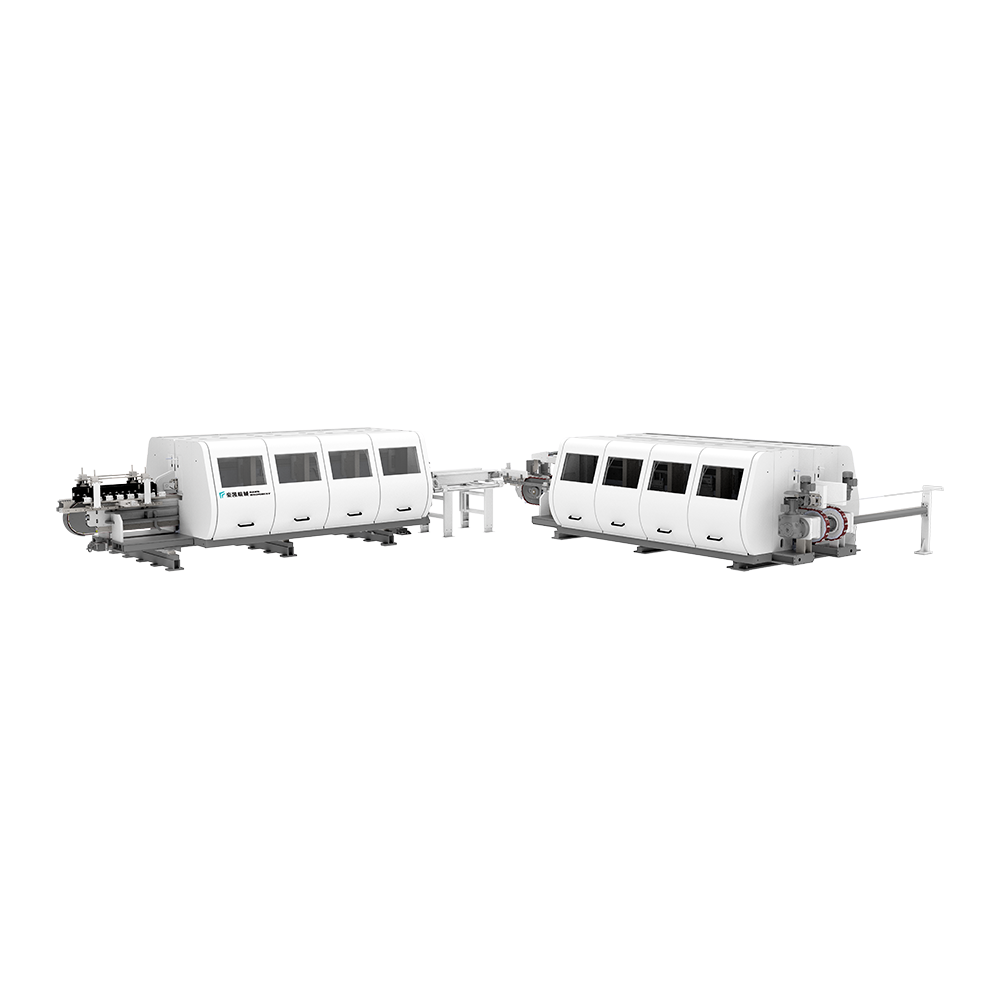 Floor Slotting Line Double End Tenoner SeriesReview this floor slotting line series for vertical and horizontal floor grooving, with six lengthwise and crosswise configurations and rolling chain drive.View Product →
If you would like the same ground covered from an operator's point of view, our notes on floor slotting machine types and uses make a useful companion to this section.
The hardware varies, but a well-set line follows the same sequence:
Slotting tooling and clamping are not universal. A line that runs laminate beautifully can struggle with a mineral-filled SPC core if tooling and feed parameters are not changed with it.
SPC is dense and abrasive, so tool life and dust extraction matter more than spindle power. WPC is softer and heat sensitive, which calls for a cooler cut and moderate clamping pressure.
LVT is thin and flexible and needs full support to avoid distortion at the cutting point. Laminate cores and overlays wear tooling quickly, so scheduled tool changes beat chasing tolerance drift.
Multilayer engineered wood puts surface quality first, because a chipped décor layer cannot be sold. Fiber calcium silicate is harder and dustier and rewards closed dust handling. Wall panels follow the same slotting logic as floors, with wider profiles and different joint geometry.
Slotting never works alone. Upstream, strips are cut to width on a multi-rip saw, and that first cut sets the ceiling for everything after it, because an off-width strip cannot be rescued by a perfect tenoner. Downstream, the profiled plank usually passes through edge beveling, V-groove painting, then inspection and stacking.
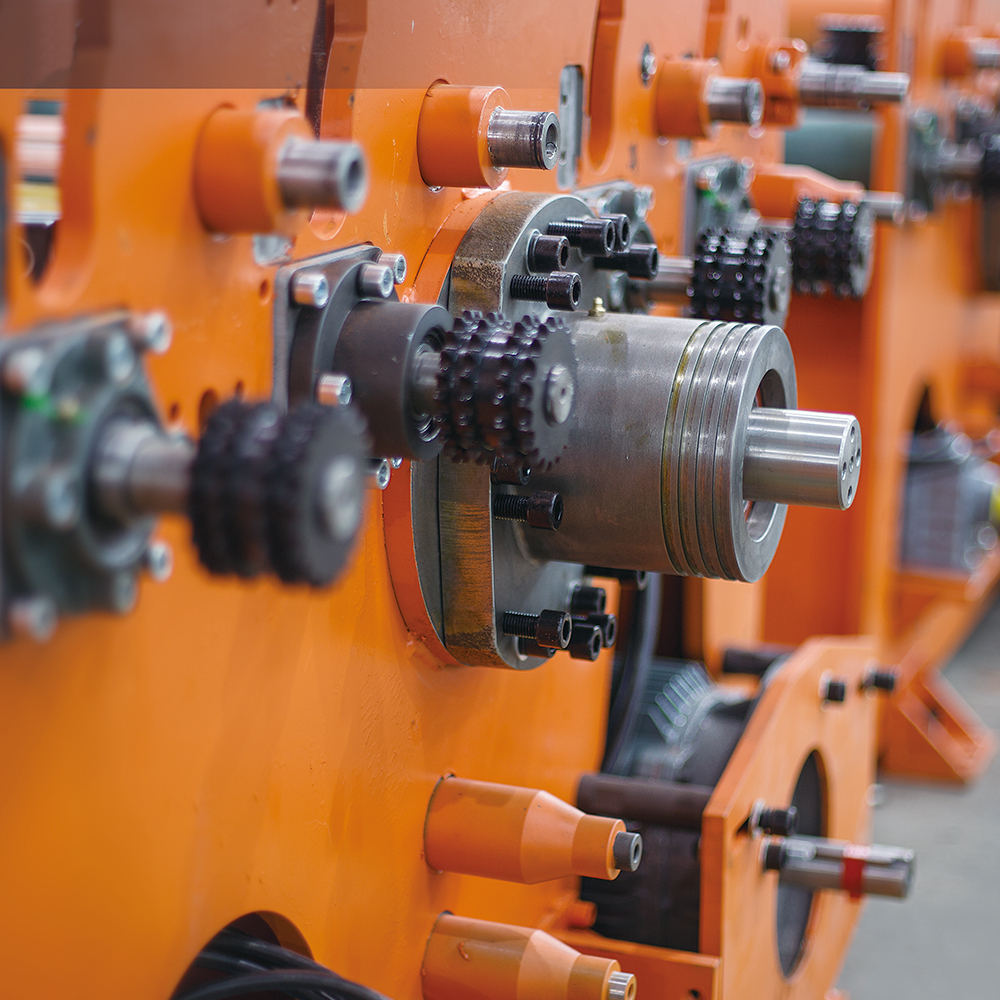 Multi Rip Saw Machine for Floor and Wall PanelsCheck this multi rip saw for upstream strip cutting of SPC, LVT, WPC and panels up to 1300 mm wide.View Product →
We see the same failure pattern in plants that buy equipment piece by piece: the slotting line gets blamed for joint problems that began at the saw. Before adjusting the tenoner, measure strip width and panel squareness. It is a five-minute check that saves a week of arguments.
Once a plant runs more than one material family or more than a couple of shifts, the bottleneck moves from cutting speed to changeover and traceability. That is when an automatic production line starts to make sense: linked infeed, slotting, beveling, painting, and stacking under one control system, with recipes stored so a width change becomes a parameter edit rather than an afternoon of adjustment.
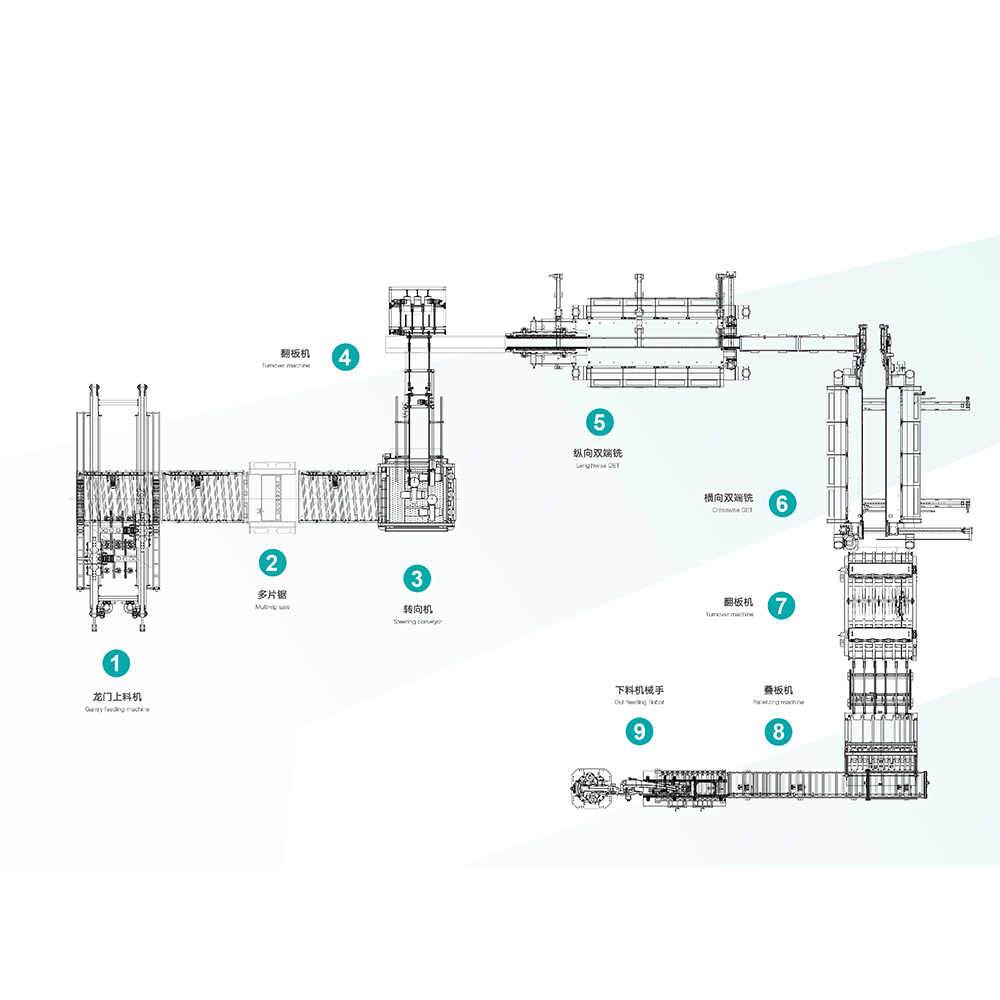 Automatic Floor Production Line for SPC WPC PVCReview this automatic floor line for SPC, WPC and PVC, linking gantry feeding, multi rip saw and lengthwise/crosswise slotting.View Product →
Above that layer sits production management. A manufacturing execution system does not cut better than a skilled operator, but it records which order ran on which shift, with which tooling, at what tolerance, and that is the difference between guessing at a quality problem and knowing where it started.
When you evaluate a floor slotting machine, ask for numbers rather than adjectives. These questions separate a serious supplier from a hopeful one:
That last point matters more than any brochure. A machine that has already processed your board is a safer purchase than one that has only seen a demonstration sample.
Most slotting problems we are asked about are not design faults; they are drift. A short daily routine catches nearly all of them:
Flooring has changed since we started building equipment in 2005. SPC and WPC push machines harder, tolerances have tightened, and customers expect a line to change materials without a week of downtime. What has not changed is the value of a joint that fits. Over more than twenty years our team has focused on flooring and wall panel processing equipment, supported by more than 50 self-developed patents and CE and ETL certification for export markets, and the most useful thing we can offer a customer is still a machine that holds its tolerance quietly, shift after shift.
If you are planning a slotting line, or replacing a machine that has started to drift, bring us your panel and your tolerance target. That conversation usually tells you more than any specification sheet.
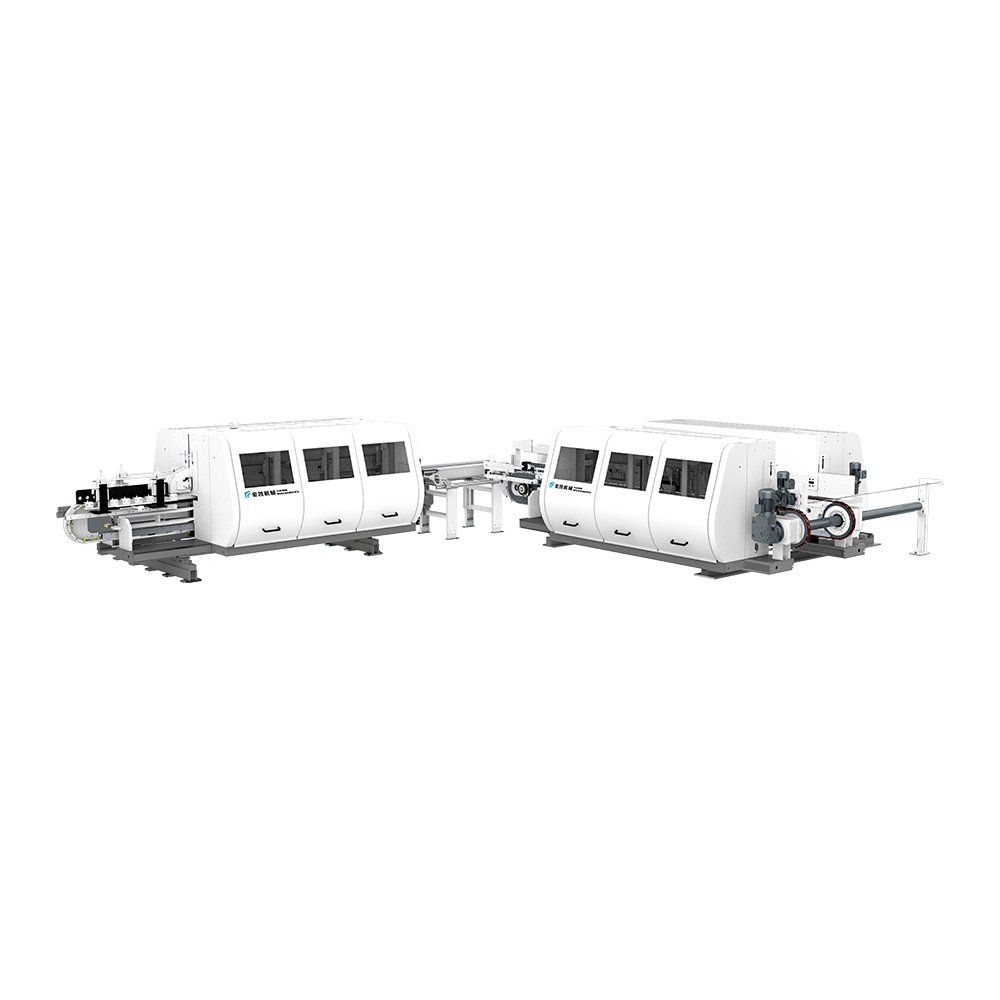
The product can slot the floor vertically and horizontally. The machine series c...
See Details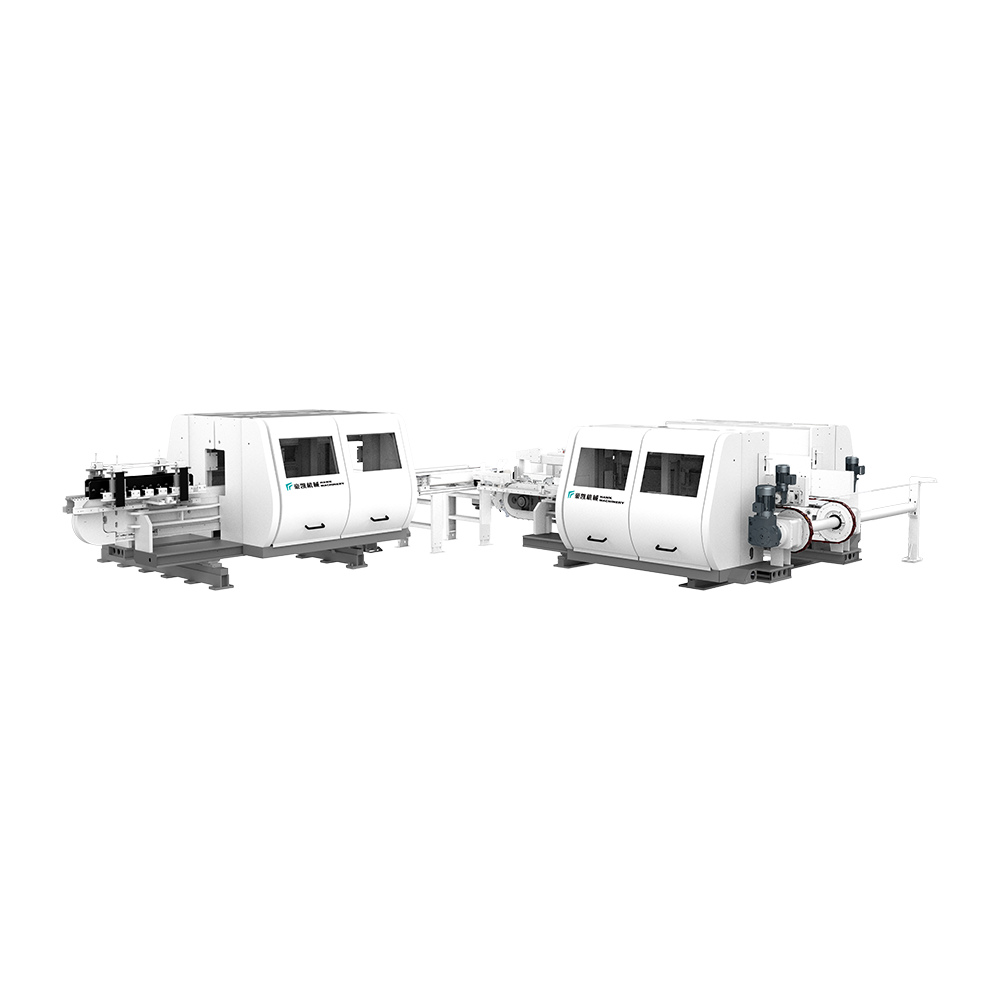
This equipment is suitable for trimming and chamfering LVT flooring. Equipped wi...
See Details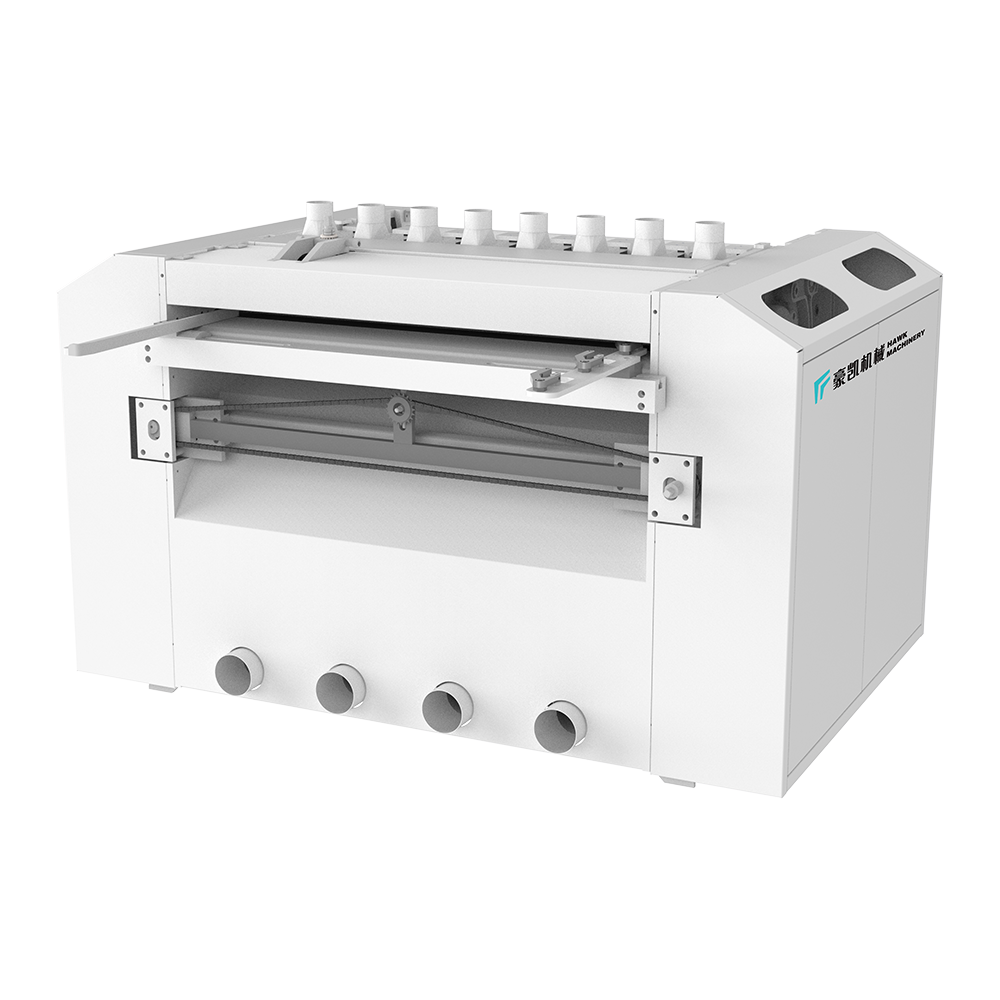
Different transmission sawing methods are suitable for different board processin...
See Details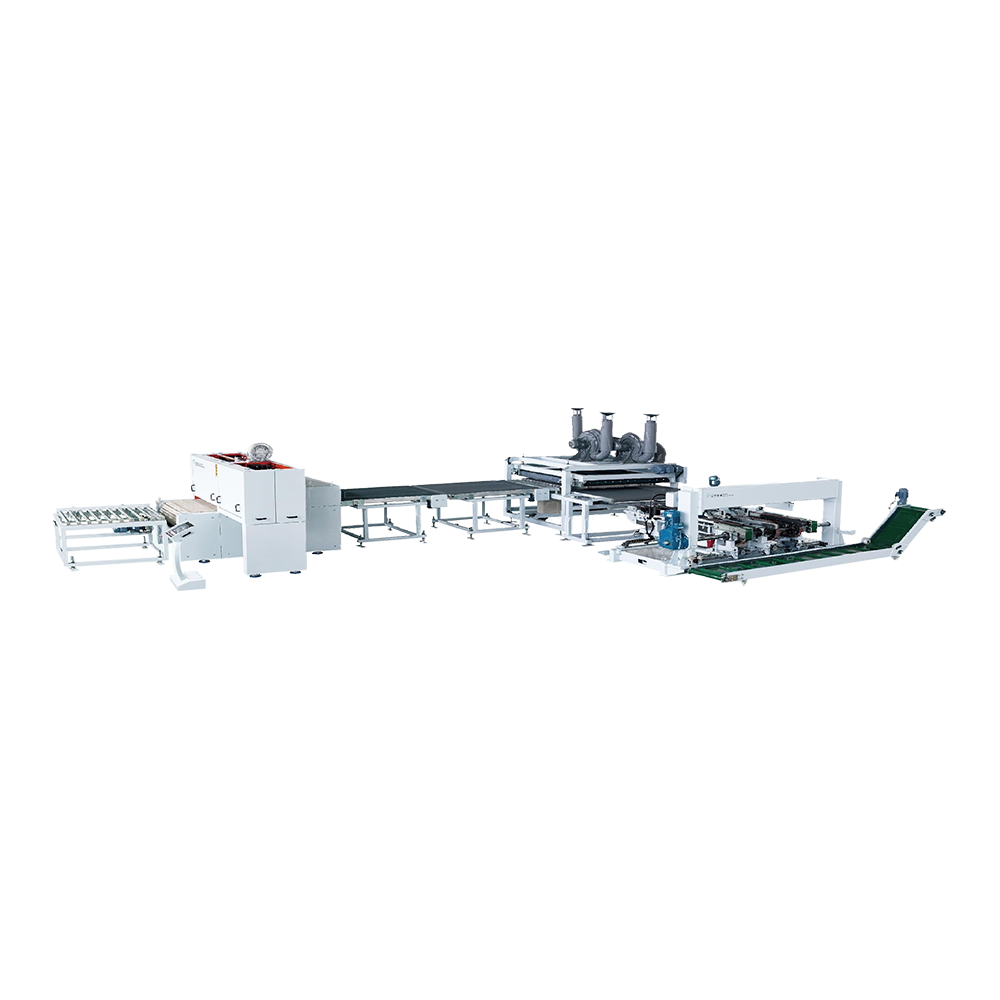
The feed speed of this equipment can reach 40 meters per minute, the whole frame...
See Details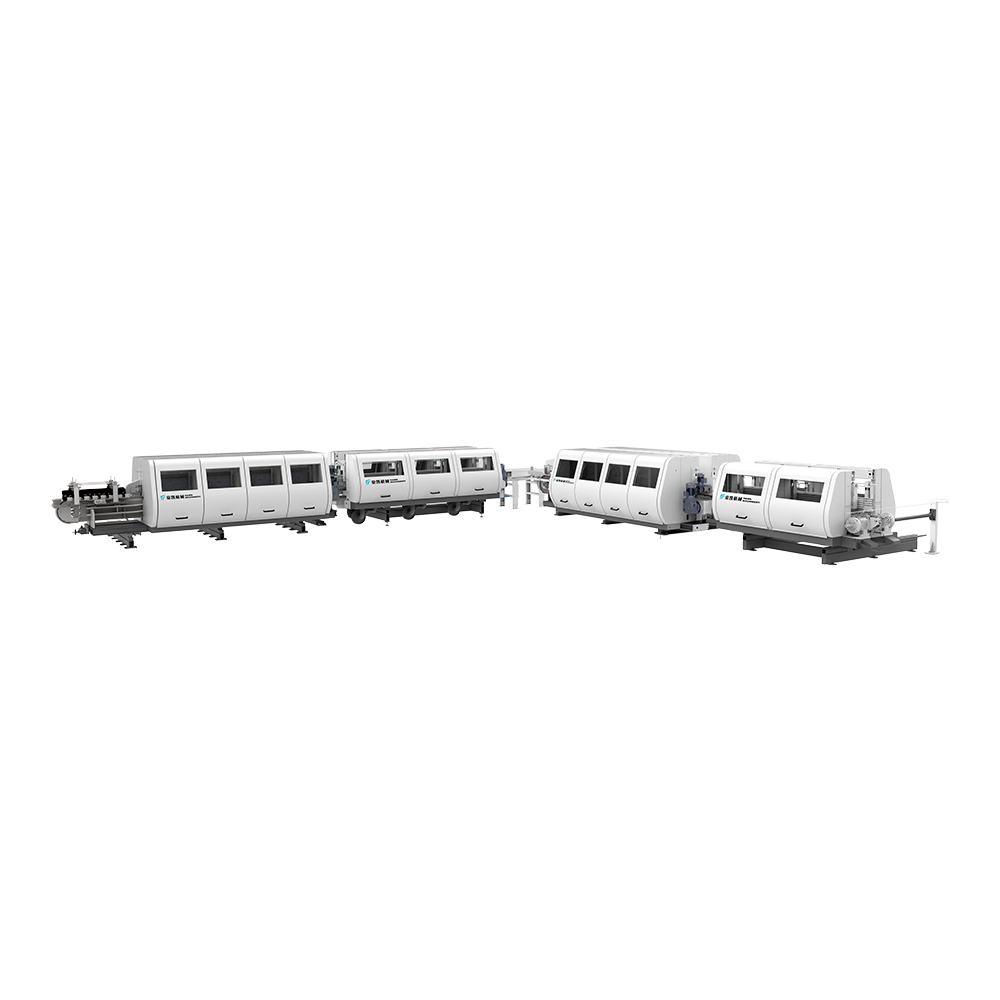
Suitable for edge coating of laminated, PVC, and WPC. Using water-based paint is...
See Details
Hawk Machinery automatic feeding, cutting & slotting line, suitable for SPC,...
See Details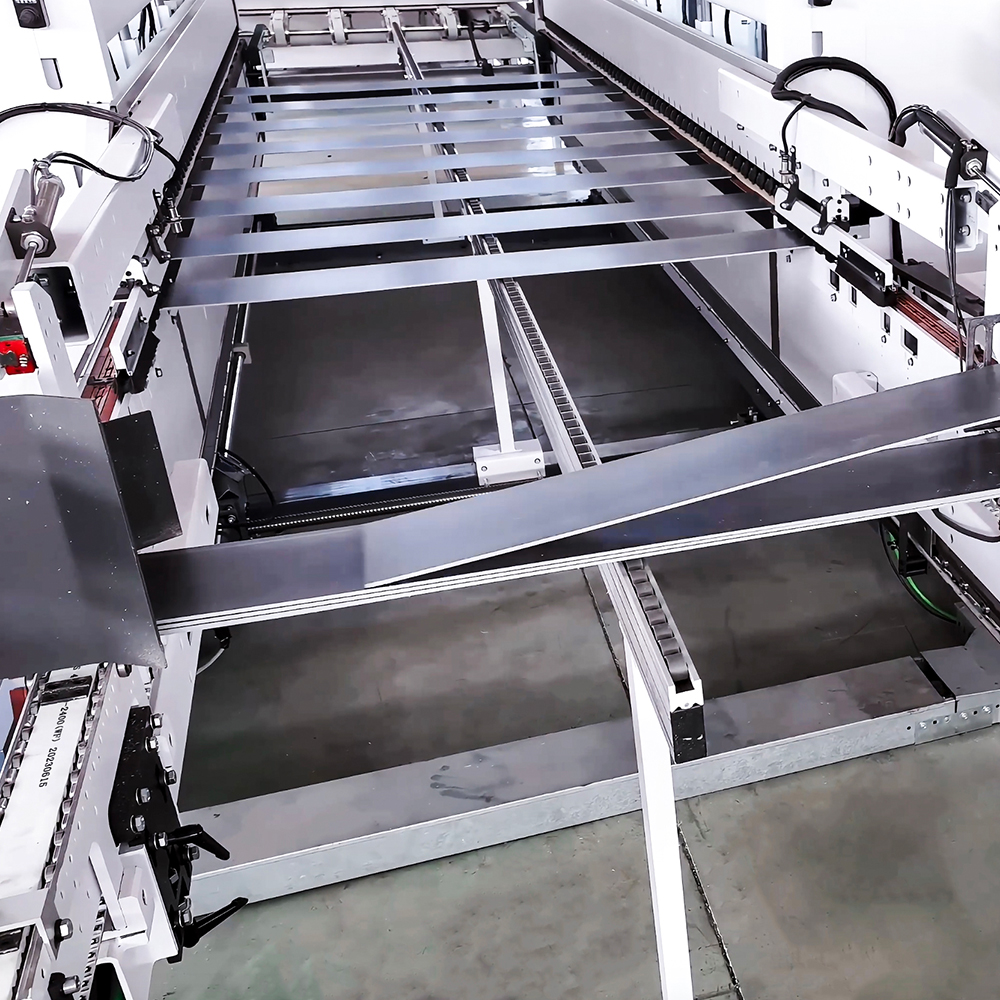
Integrated intelligent equipment integrates industrial intelligent Internet of g...
See Details
Contact info.
Boyi development area, changzhou city, jiangsu province, P. R. China
+86-0519-83319988
Don't hesitate to contact when you need us!
 Custom Floor Extrusion Machine Manufacturers