
 English
 русский
 Español

Floor slotting line (double end tenoner)
The product can slot the floor vertically and horizontally. The machine series c...
See DetailsContent
A flooring press machine is an industrial device used to bond, laminate, or shape layers of flooring material under controlled heat and pressure. It's a core piece of equipment in the production of engineered wood flooring, laminate flooring, vinyl flooring, and multi-layer composite panels. Instead of relying on manual clamping or slow air-drying methods, manufacturers use a flooring press machine to apply even pressure across the entire surface of a panel, ensuring the adhesive layers cure properly and the finished product doesn't warp, bubble, or delaminate over time.
For factories producing flooring at scale, this machine isn't optional — it's the backbone of consistent quality. Without a reliable press, even the best raw materials can end up as defective, uneven, or structurally weak flooring panels that fail inspection or get returned by customers.
Most flooring press machines operate using hydraulic cylinders that push heated plates together with a specific amount of force, measured in tons. The material — typically layers of wood veneer, HDF (high-density fiberboard), or vinyl sheets coated with adhesive — is placed between these plates. The machine then applies heat (often between 90°C and 200°C depending on the adhesive type) along with pressure for a set duration, usually ranging from a few seconds to several minutes.
This combination of heat and pressure activates the resin or glue, forcing it to penetrate the material fibers and create a strong, permanent bond. Once the cycle finishes, the plates release and the finished panel is moved to a cooling or stacking station before further processing like cutting, sanding, or surface treatment.
Not all flooring press machines are built the same. Depending on production volume, material type, and budget, manufacturers typically choose between the following categories:
Choosing the right type depends heavily on what kind of flooring you're producing and how many panels you need to output per shift.
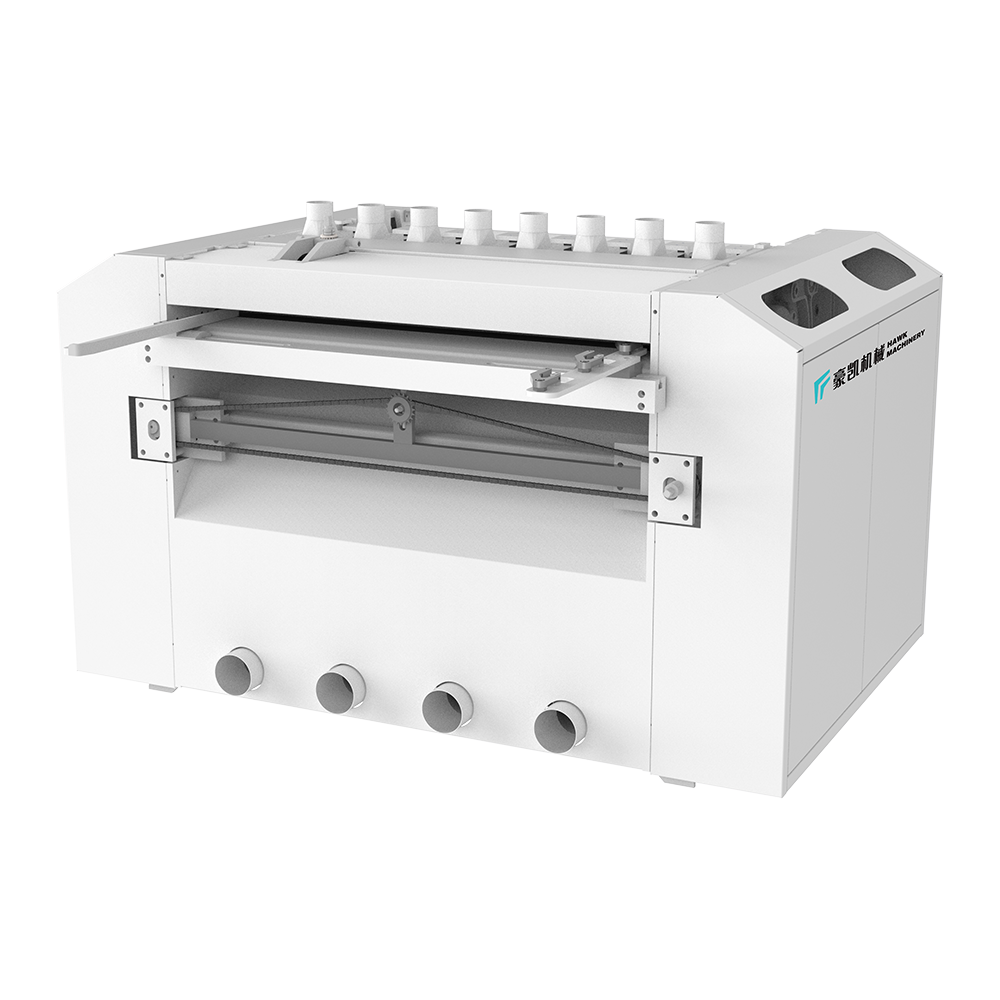
If you're in the market for a flooring press machine, it's easy to get overwhelmed by specifications. Here are the features that actually make a difference in day-to-day operation:
The tonnage determines how much force the machine can exert. Too little pressure results in weak bonding; too much can crush or damage delicate materials like thin veneers. Match the tonnage to your specific product requirements.
Look for machines with accurate, evenly distributed heating plates. Inconsistent heat leads to uneven curing, which shows up as warping or weak spots in the finished flooring.
Modern flooring press machines come with PLC-based control panels that let operators set precise time, temperature, and pressure parameters. This reduces human error and improves batch-to-batch consistency significantly.
Larger plates and more openings mean higher output per cycle, but they also require more floor space and a bigger initial investment. Balance this against your actual production targets.
To understand why factories invest in dedicated press machines instead of manual or semi-automated methods, it helps to compare the two side by side:
| Factor | Flooring Press Machine | Traditional/Manual Pressing |
| Bond Consistency | High, evenly distributed | Variable, operator-dependent |
| Production Speed | Fast, cycle-based | Slow, labor-intensive |
| Material Waste | Low | Higher due to defects |
| Initial Investment | Higher upfront cost | Lower upfront cost |
| Long-Term Cost Efficiency | Better over time | Higher due to rework and waste |
Even with high-quality equipment, operators can run into problems if certain best practices aren't followed. Here are mistakes that frequently show up on production floors:
Like any heavy industrial equipment, a flooring press machine needs consistent upkeep to avoid costly downtime. Routine maintenance should include checking hydraulic fluid levels, inspecting seals for leaks, and testing the heating elements for even temperature distribution across the plate surface.
It's also worth scheduling periodic inspections of the control system's sensors and wiring, since a small electrical fault can throw off temperature or pressure readings without any obvious warning signs. Cleaning the press plates after each shift prevents resin buildup, which over time can affect both product quality and plate lifespan. Factories that follow a strict maintenance schedule typically see fewer breakdowns and get significantly more years of service out of their machines.
Selecting the right flooring press machine comes down to matching the equipment to your production goals rather than just picking the biggest or most expensive option available. Start by identifying your target output volume, the type of flooring you're producing, and the space available on your factory floor.
Small workshops or startups may benefit more from a compact single-layer press with lower upfront costs, while established manufacturers aiming for large-scale output should consider multi-layer or short-cycle presses that maximize throughput. It's also worth speaking directly with equipment suppliers about after-sales support, spare parts availability, and warranty terms, since these factors often matter more in the long run than the initial purchase price.
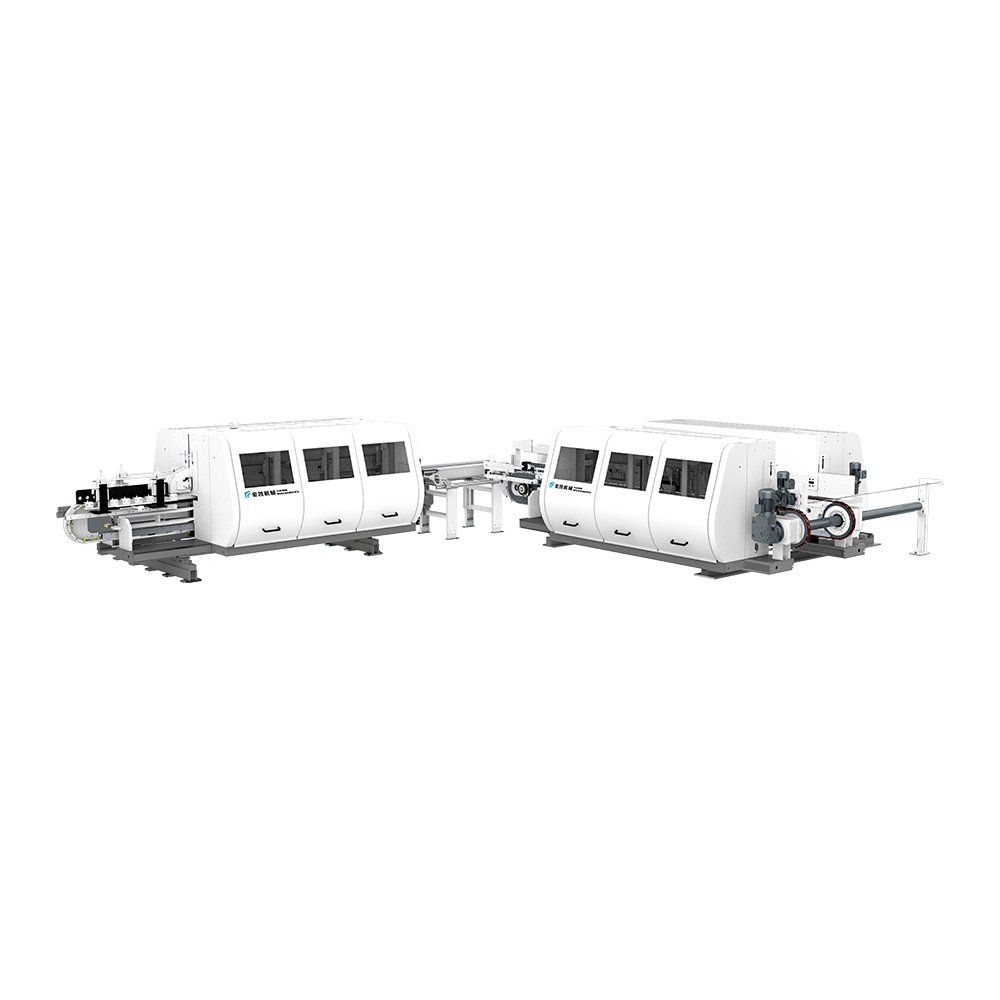
The product can slot the floor vertically and horizontally. The machine series c...
See Details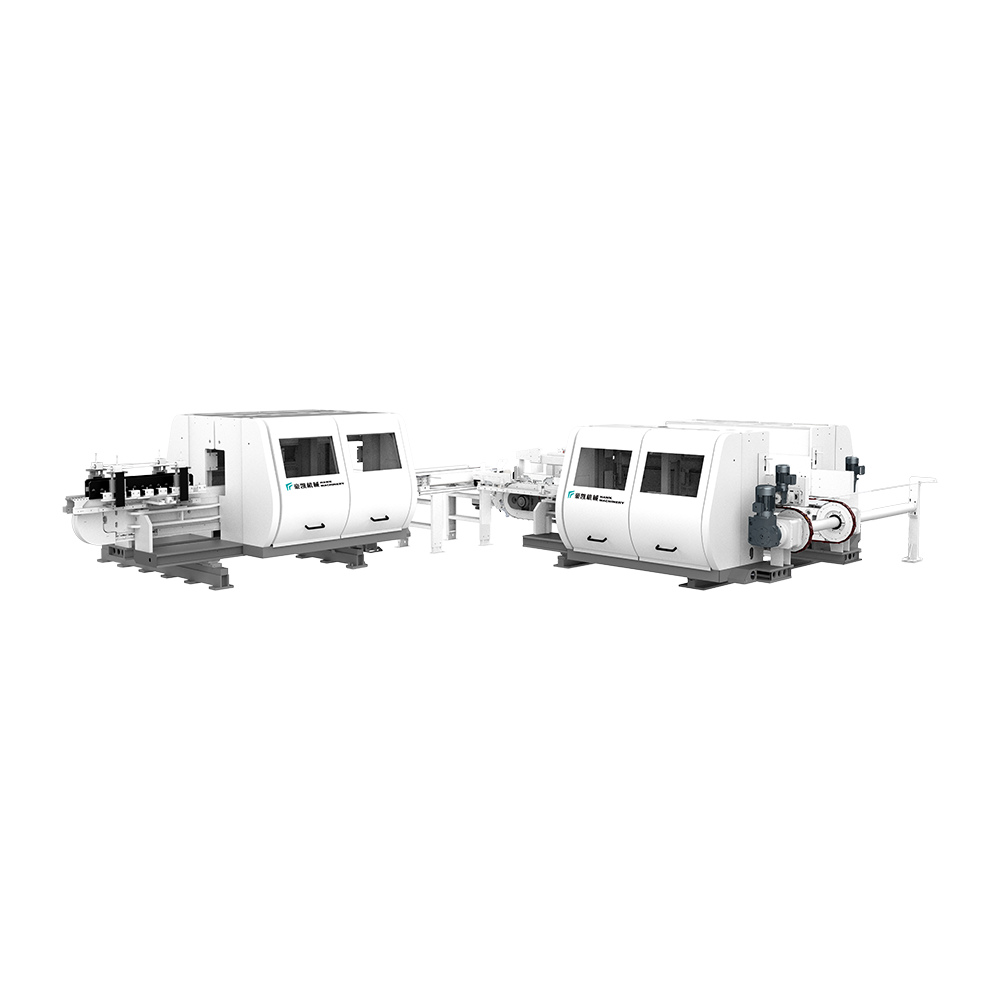
This equipment is suitable for trimming and chamfering LVT flooring. Equipped wi...
See Details
Different transmission sawing methods are suitable for different board processin...
See Details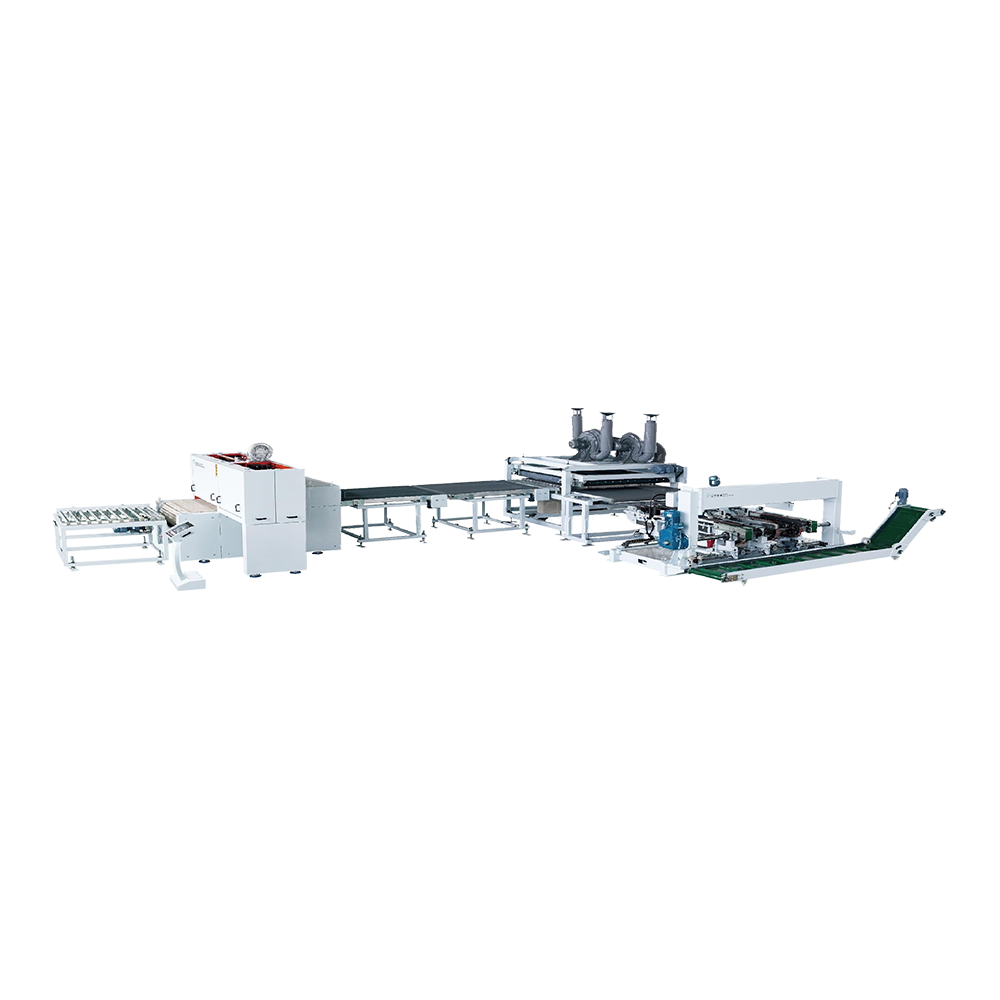
The feed speed of this equipment can reach 40 meters per minute, the whole frame...
See Details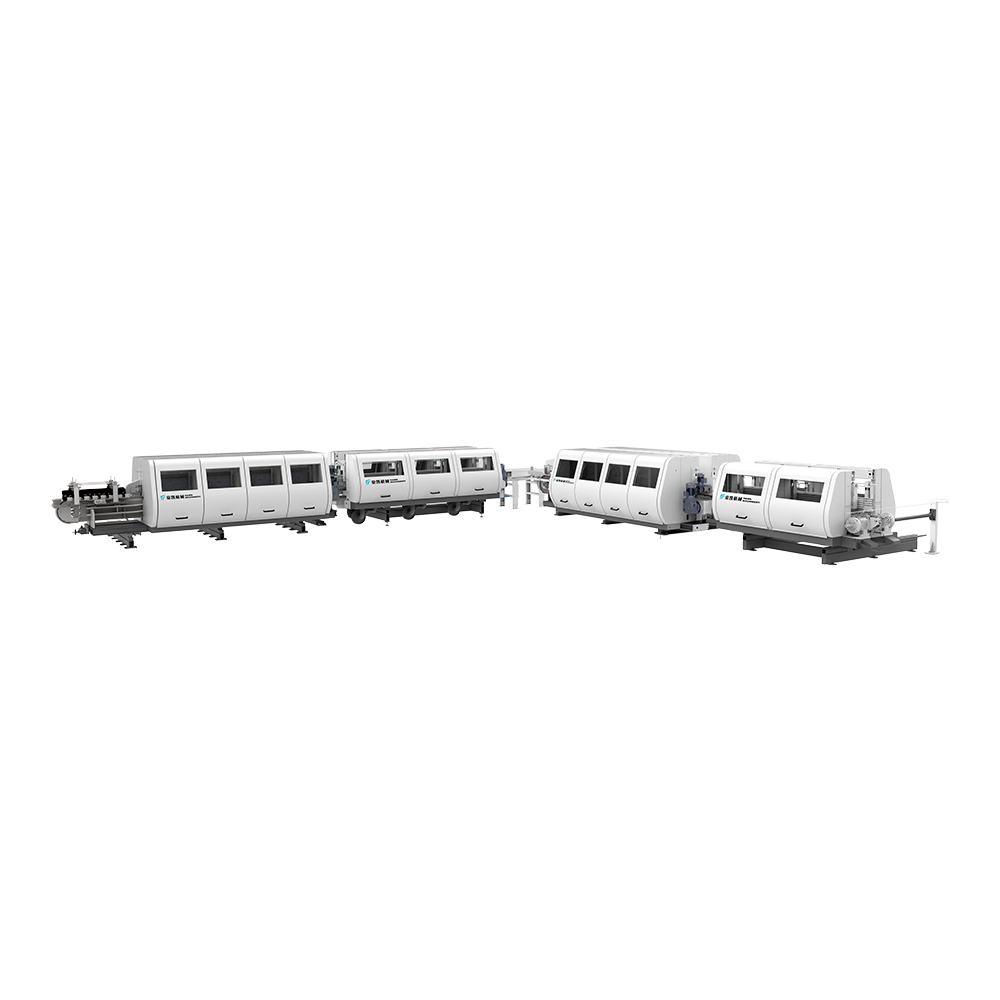
Suitable for edge coating of laminated, PVC, and WPC. Using water-based paint is...
See Details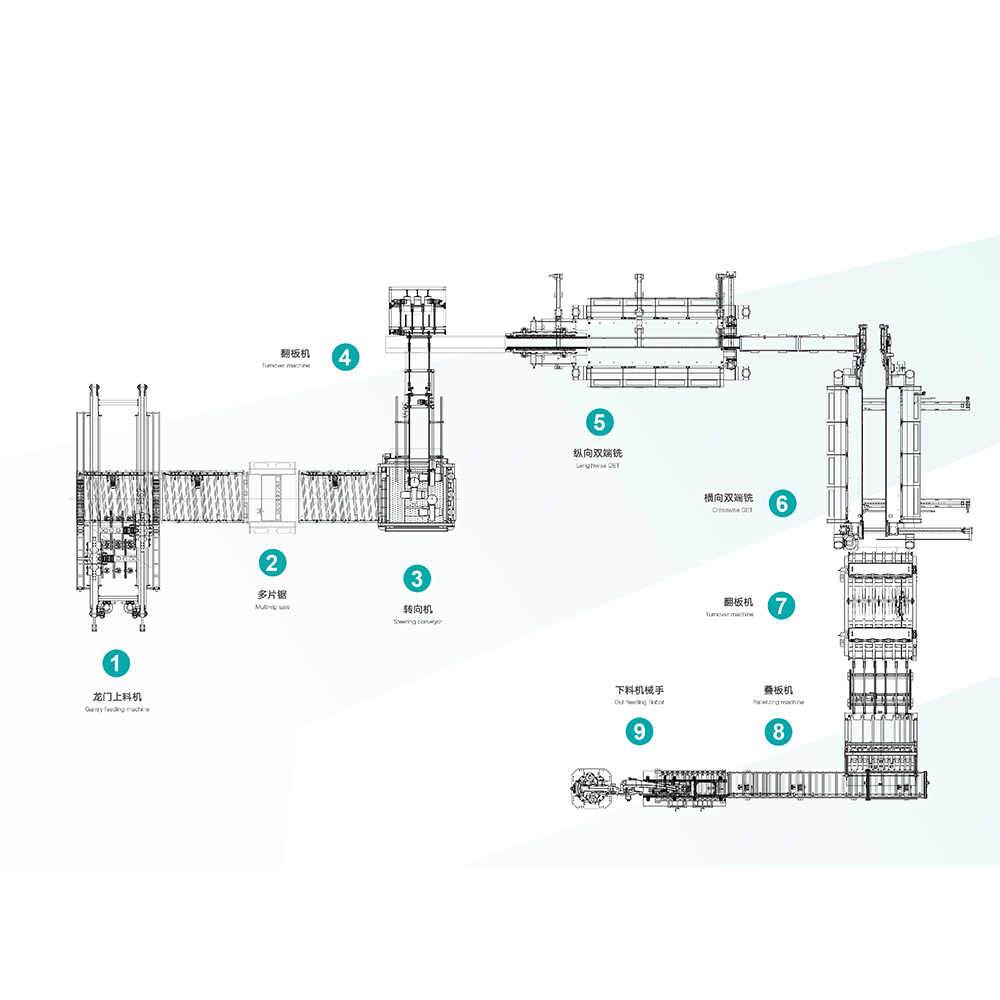
Hawk Machinery automatic feeding, cutting & slotting line, suitable for SPC,...
See Details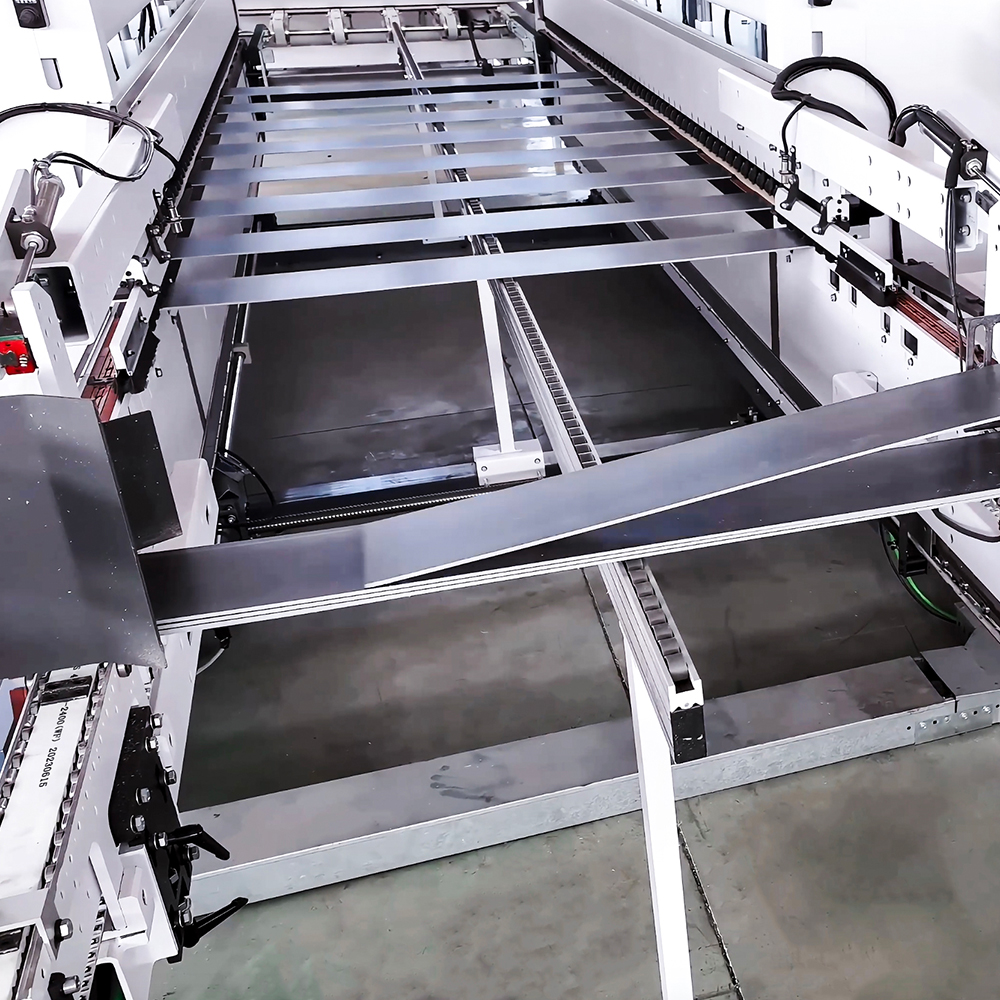
Integrated intelligent equipment integrates industrial intelligent Internet of g...
See Details
Contact info.
Boyi development area, changzhou city, jiangsu province, P. R. China
+86-0519-83319988
Don't hesitate to contact when you need us!
 Custom Floor Extrusion Machine Manufacturers