
 English
 русский
 Español

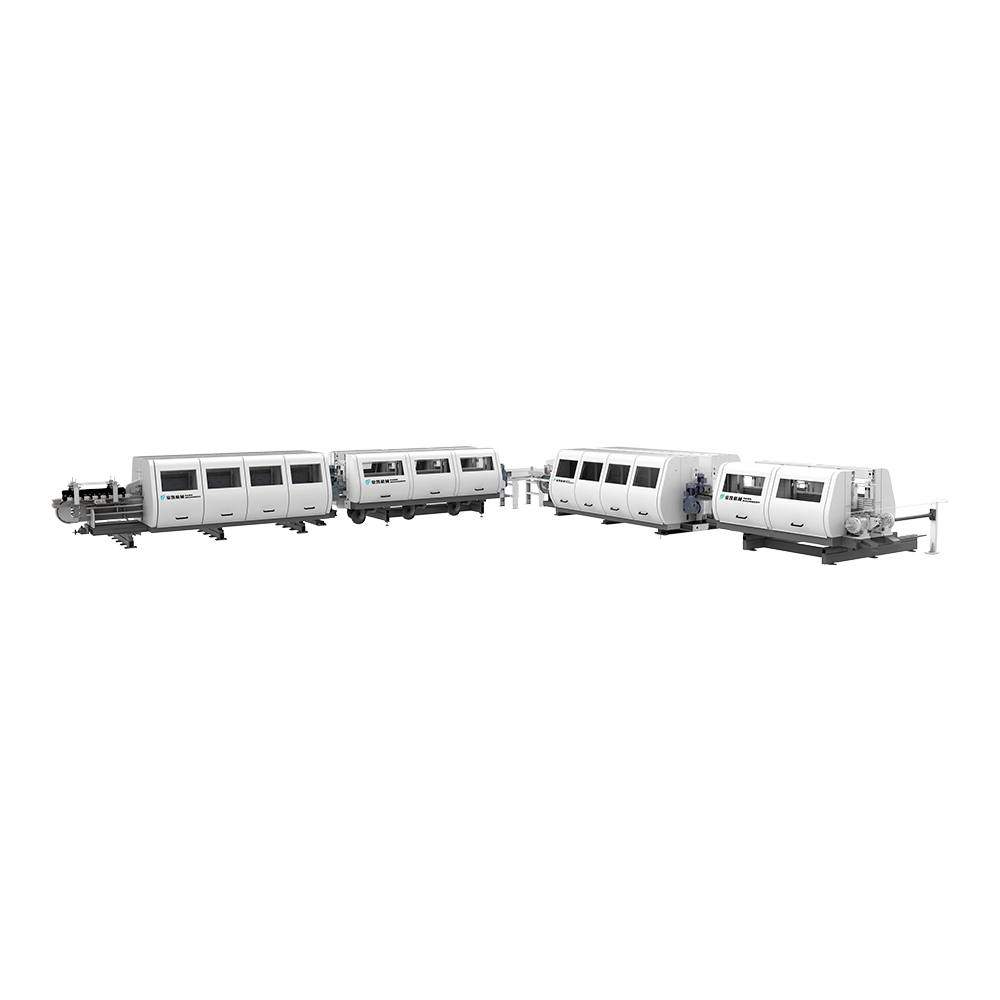
Floor slotting line (double end tenoner)
The product can slot the floor vertically and horizontally. The machine series c...
See DetailsLaminate flooring looks simple from above: a clean surface, a tight joint, a repeatable pattern. The detail that often decides whether a floor feels finished is much smaller. It sits inside the V-groove where two planks meet. A laminate floor V-groove painting machine is built to treat that narrow channel with color, coating, or sealant, so the joint looks intentional and behaves better in service. At HAWK Machinery, we have spent years working with flooring and wall panel producers, and this is one of those stations that rarely gets attention until color consistency, moisture protection, or line speed becomes a problem. The good news is that the process is easier to understand than it looks.
Content
The machine is not a printer, and it is not a simple roller. It is a small production line in its own right. Panels enter, are aligned, and pass through a sequence that cleans the groove, applies a coating or paint, removes excess material from the face, and cures or dries the treated edge before stacking. Some configurations add a wax-sealing stage for extra water resistance. The goal is narrow and practical: put the right amount of material in the V-groove, keep it off the face of the plank, and make the result repeatable at production speed. A well-set machine should handle color changes, board width changes, and coating changes without turning every changeover into a full shift.
The core station we build for this job is our floor V-groove painting line, and it is usually configured around the material, coating, and output the factory actually runs.
 Floor V-Groove Painting Line for Laminate and SPCEdge-coating line for laminated, PVC, and WPC floors, with water-based paint and combined infrared and hot-air drying for appearance, protection, and consistency.View Product →
On a laminate or SPC plank, the V-groove is a deliberate shape. It creates a shadow line, helps hide minor height differences, and gives the floor a more natural plank look. But the groove also exposes an edge. If that edge is left raw, dust can collect, moisture can wick in, and the joint can look pale or unfinished. Painting or sealing the groove addresses three things at once: appearance, protection, and consistency.
Appearance is obvious. A color-matched groove makes the joint read as part of the design instead of a bright line. Protection matters because the groove is a high-traffic path for spills and cleaning water. Consistency matters because a flooring line may run thousands of square meters per shift; small variations in groove color become visible across a whole room. If you want a deeper look at why this station earns its place, our article on why a laminate floor V-groove painting machine is the secret to a cleaner, more durable joint walks through the practical side.
Although configurations differ, most lines follow a similar sequence. The details are where experience matters.
| Stage | Main job | Practical check |
|---|---|---|
| Infeed and alignment | Keeps panels square and evenly spaced | Guide wear and width changeover |
| Groove cleaning | Removes dust so the coating can bond | Brush condition and extraction airflow |
| Coating or painting | Applies color or sealant into the V-groove | Roller pressure, viscosity, and color match |
| Excess removal | Leaves a clean edge without smearing the face | Wiper setting and surface cleanliness |
| Curing or drying | Sets the coating before stacking | Temperature, line speed, and cure test |
| Inspection | Confirms color, coverage, and cure | Sample checks and record keeping |
Alignment is not glamorous, but a panel that arrives slightly skewed will produce a groove line that wanders. Cleaning is just as important. A brush that looks fine from the outside may be compacted with dust and leave a film that prevents the coating from gripping. Coating viscosity and roller pressure decide whether the groove is fully covered or merely tinted. The wiping or excess-removal stage protects the plank face; if it is set too aggressively, it pulls material out of the groove, and if it is too light, it leaves a smear. Curing is the final control point. A coating that feels dry may still smudge under stacking pressure, so a simple cure check before palletizing saves a lot of rework.
Laminate is the name in the keyword, but the same process logic appears across SPC, WPC, LVT, and some wall panels. The material changes the setup, not the principle. SPC is dense and dimensionally stable, so groove geometry and coating adhesion need close attention. WPC is softer and can be more sensitive to roller pressure. Laminate faces vary in gloss and texture, which makes clean wiping important. LVT and other resilient planks may use similar edge treatment with different coating chemistry.
In a full line, the V-groove painting station usually sits after slotting or beveling and before stacking or packaging. It has to match the speed and spacing of the equipment around it, or the best machine in the world becomes a bottleneck. That is why we look at the whole line when sizing a unit: panel width, line speed, coating type, curing method, and the amount of changeover the factory actually runs. A floor slotting line with a double-end tenoner often sets the pace, and the painting station has to work with that rhythm rather than against it.
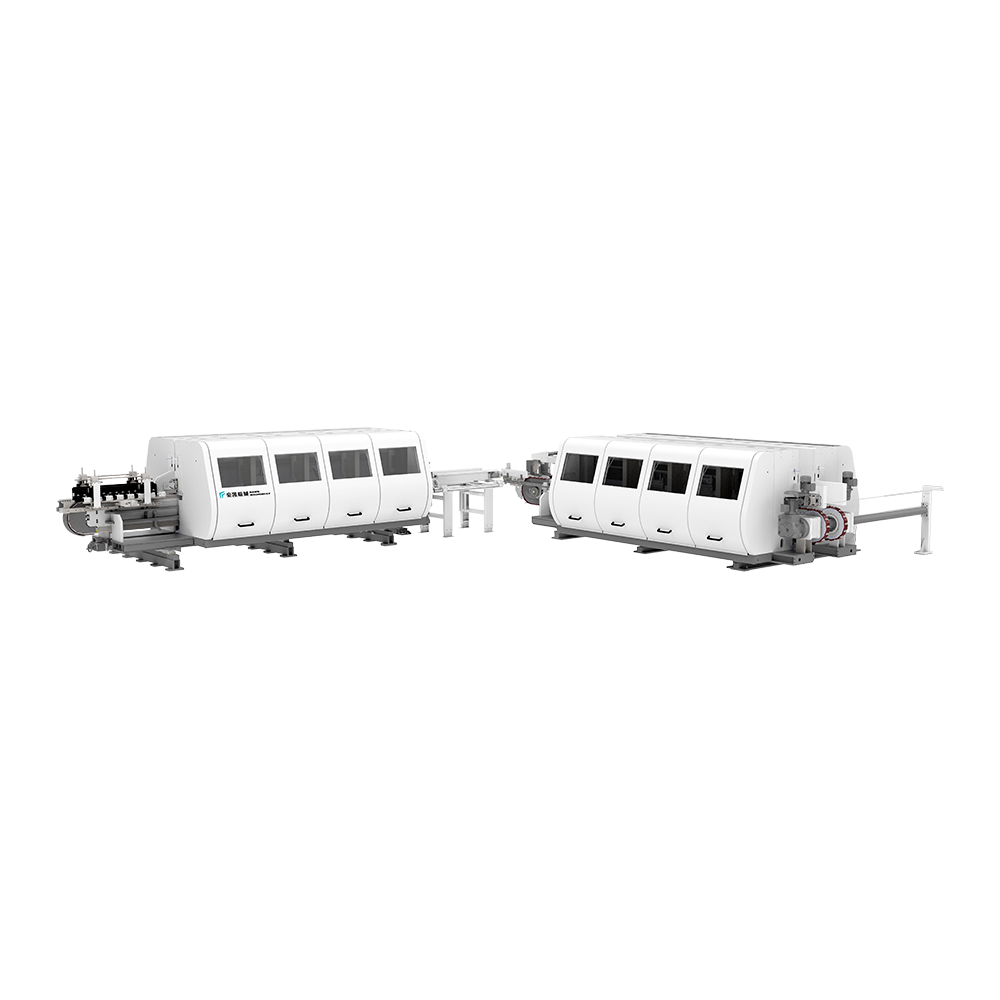 Floor Slotting Line with Double-End TenonerDouble-end tenoner series for vertical and horizontal floor panel slotting, with rolling-chain drive and lengthwise and crosswise variants for production lines.View Product →
Producers usually see benefits in three areas. First, appearance: a uniform groove color makes the floor look more finished and reduces complaints about pale joints. Second, protection: a sealed or painted groove can slow moisture ingress and make routine cleaning less risky. Third, yield: a controlled application uses less coating and creates less rework than manual touch-up.
The less obvious benefit is line stability. When the groove station is set correctly, downstream packing and palletizing do not have to deal with smeared faces or tacky edges. The result is not just a prettier plank; it is a calmer production day. That matters more than most equipment brochures admit.
Buying a V-groove painting machine is mostly a matching exercise. Start with the material mix, not the brochure. Then work through line speed, coating type, cure method, and changeover frequency. A machine that runs one color at high speed is a different animal from one that changes colors several times a day. Ask how the groove is cleaned, how excess coating is removed, how the curing stage is controlled, and how the rollers or applicators are accessed for cleaning. Maintenance access is not a small detail; it decides whether the station stays consistent after the first month. It also helps to see the machine running with material close to your own.
If you are planning a new line or replacing a manual touch-up step, our automatic floor production line shows how the groove station fits into a broader sequence.
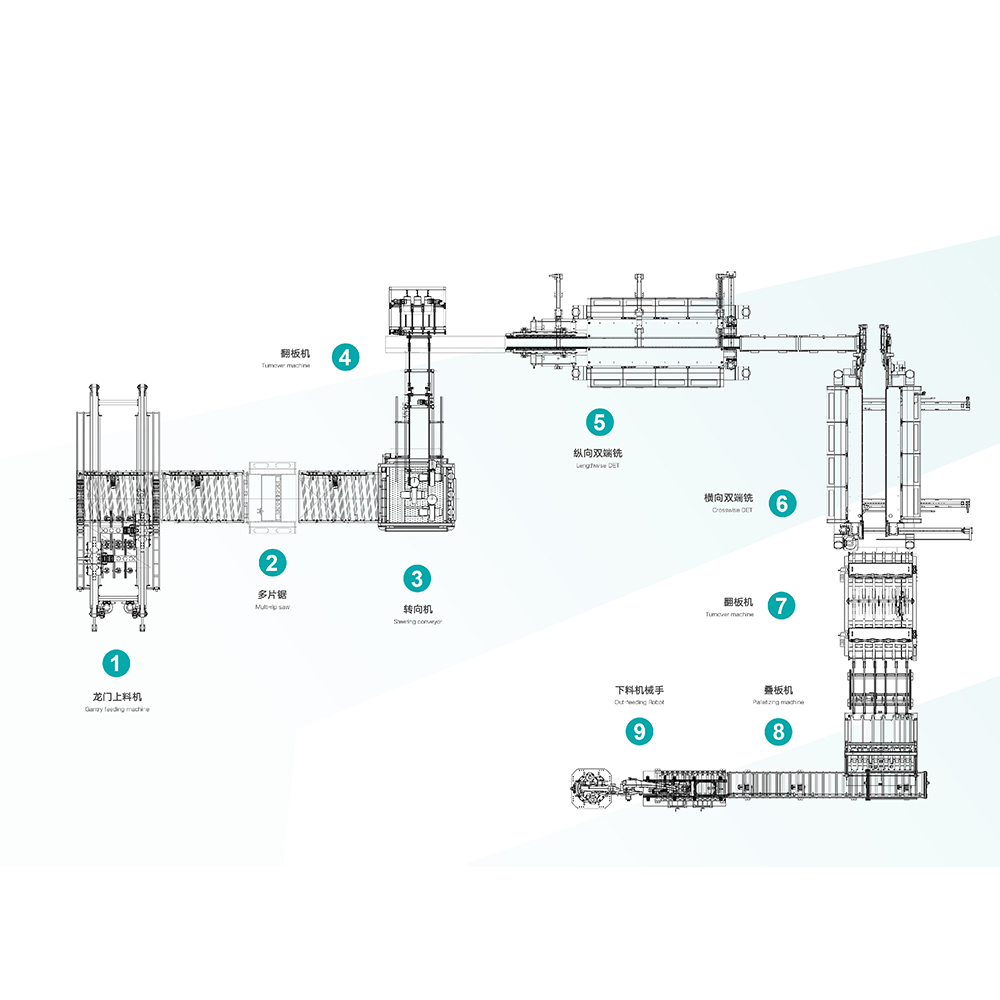 Automatic Floor Production Line for SPC and WPCIntegrated automatic feeding, cutting, and slotting line for SPC, WPC, and PVC floors, showing how groove production fits a broader sequence.View Product →
Consistency comes from small routines. They do not take long, but they protect the finish and the line.
Over time, that log becomes more useful than a manual because it reflects your line, your water, your coating, and your people. A machine that is easy to clean and easy to check is usually the one that stays accurate.
A laminate floor V-groove painting machine is a detail-focused piece of equipment. It does not need to be complicated, but it does need to be set up for the material and the line it serves. When the groove is clean, the color matches, the coating stays where it belongs, and the cure is complete, the floor looks better and the production team has fewer surprises. That is a small win at the groove and a large one for the whole line. If you are reviewing a current process or planning a new one, we are happy to talk through the practical details with you.
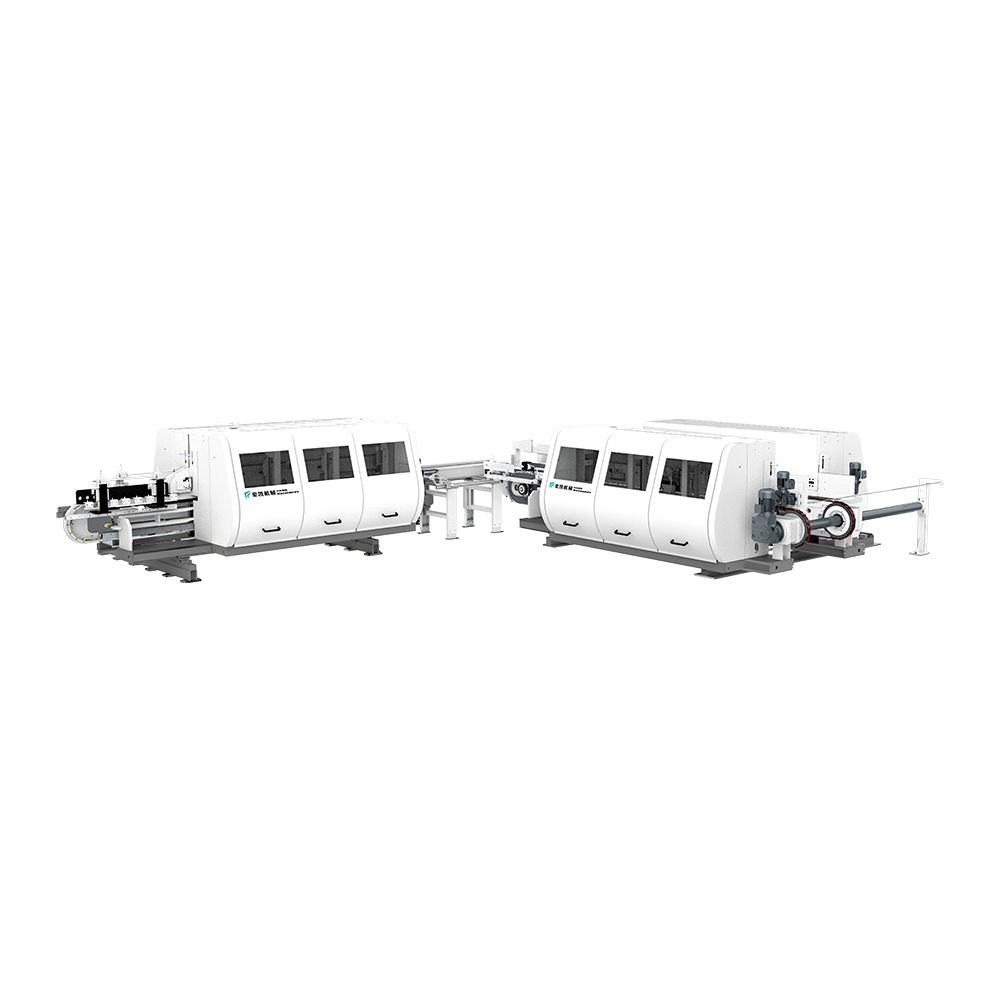
The product can slot the floor vertically and horizontally. The machine series c...
See Details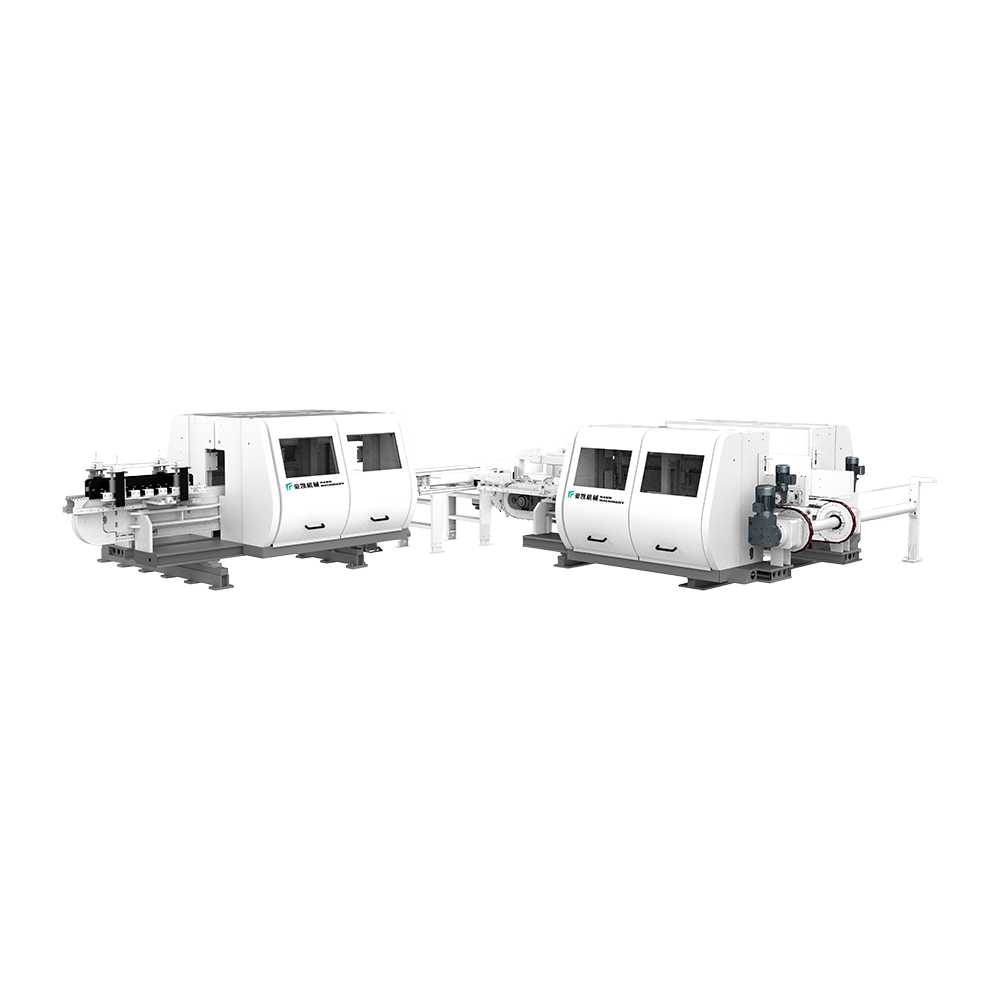
This equipment is suitable for trimming and chamfering LVT flooring. Equipped wi...
See Details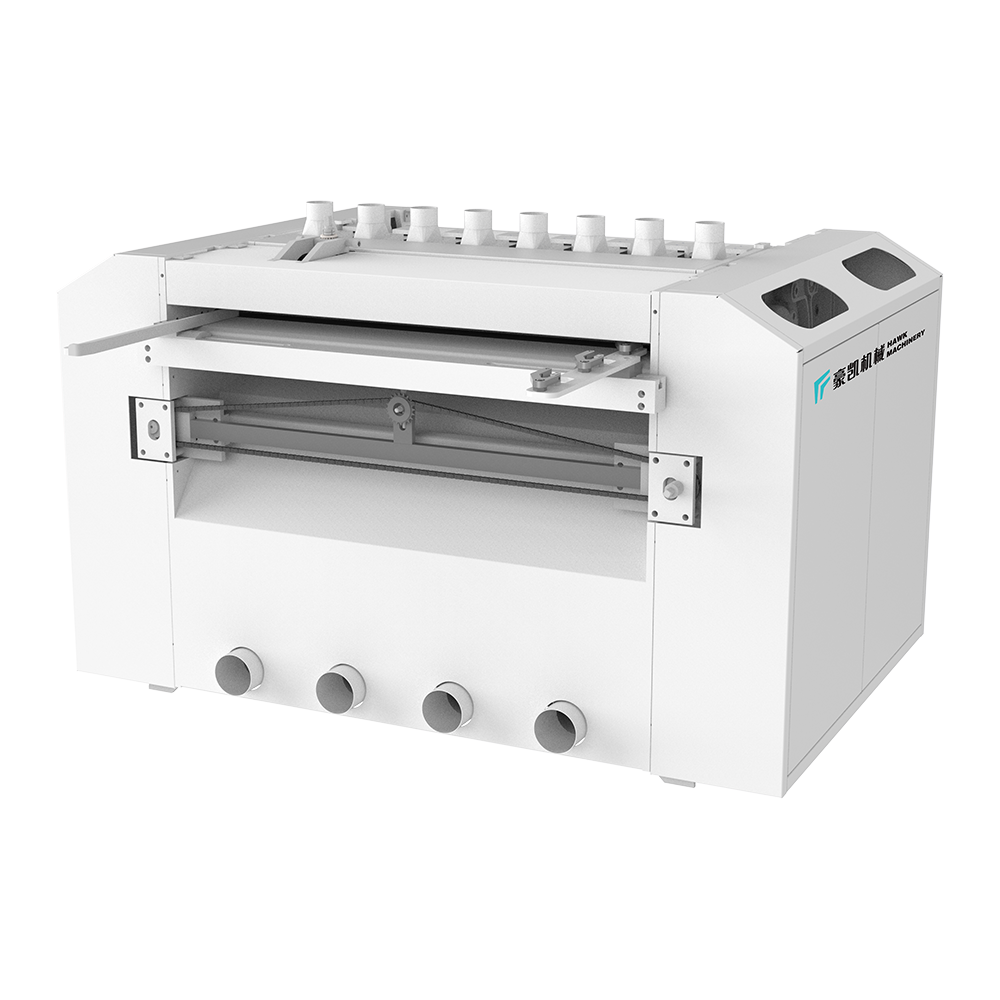
Different transmission sawing methods are suitable for different board processin...
See Details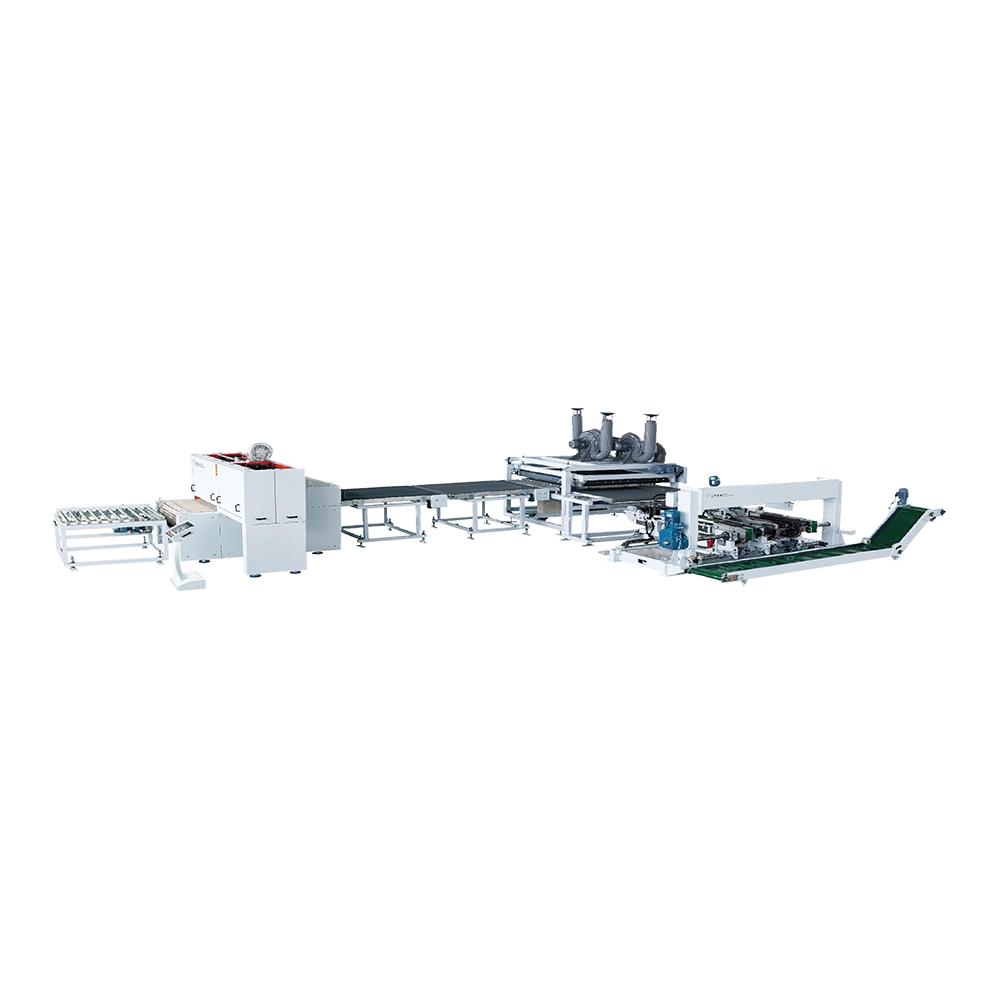
The feed speed of this equipment can reach 40 meters per minute, the whole frame...
See Details
Suitable for edge coating of laminated, PVC, and WPC. Using water-based paint is...
See Details
Hawk Machinery automatic feeding, cutting & slotting line, suitable for SPC,...
See Details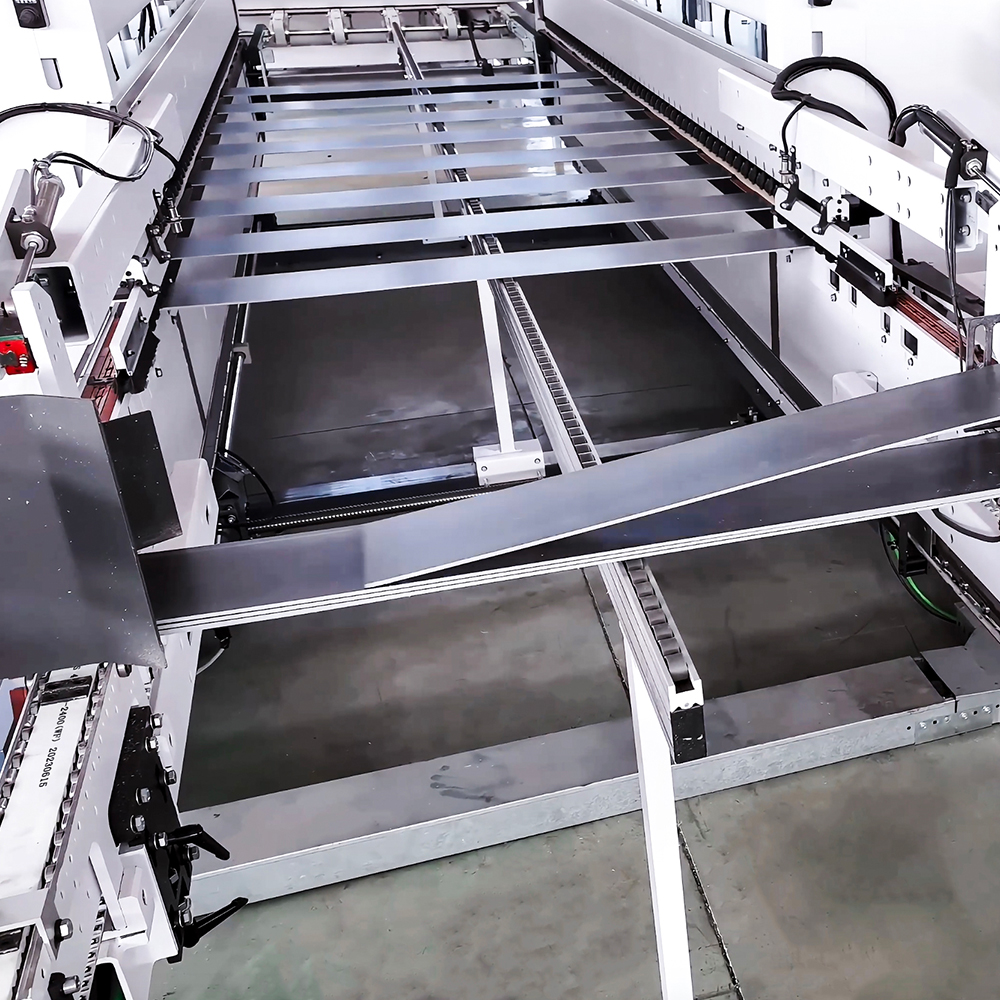
Integrated intelligent equipment integrates industrial intelligent Internet of g...
See Details
Contact info.
Boyi development area, changzhou city, jiangsu province, P. R. China
+86-0519-83319988
Don't hesitate to contact when you need us!
 Custom Floor Extrusion Machine Manufacturers