
 English
 русский
 Español

Floor slotting line (double end tenoner)
The product can slot the floor vertically and horizontally. The machine series c...
See DetailsWalk onto almost any SPC, WPC, LVT or laminate flooring line and you will hear the same rhythm: panels moving through a series of stations, each one taking the board a little closer to a finished plank. Somewhere in that sequence is a lengthwise DET machine. The name sounds technical, but the job is straightforward. A double-end tenoner set up for lengthwise feed machines both long edges of a panel in a single pass, forming the profile that determines how the floor looks, fits and performs.
For production teams, the lengthwise DET is rarely just another saw. It is a precision profiling station. Width, edge straightness, tongue-and-groove geometry, bevel quality and surface finish all begin here. When the station is set up well, the rest of the line has a stable reference to work from. When it is not, every downstream operation inherits the problem.
Content
In a lengthwise configuration, the plank travels along its length between two tooling heads. The heads work on the left and right long edges at the same time. Depending on the tooling package, the machine can size the panel width, cut a tongue on one edge and a groove on the other, apply a bevel or chamfer, cut relief grooves, or prepare the edge for a later coating step. In flooring production, this is often the station that gives a plank its long-edge profile before end matching takes over.
The “double-end” part of the name refers to simultaneous machining at both ends of the work cycle, not to two separate machines bolted together. That distinction matters because a lengthwise DET relies on a common transport reference, a stable chain or roller bed, and two heads that stay aligned with each other. If one head drifts, the profile on that side changes, and the tongue-and-groove fit will show it. For a broader look at how these machines are built and applied, this guide to industrial double end tenoner technology is a useful starting point.
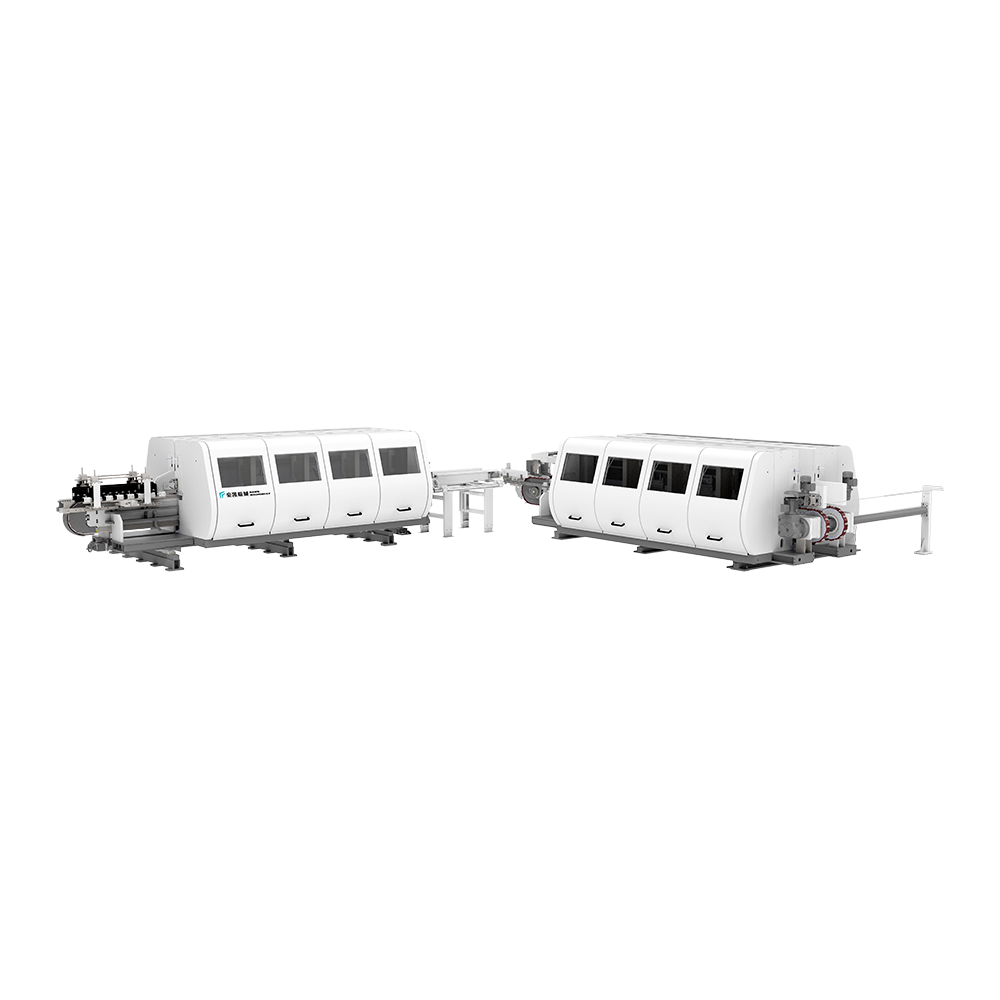 Floor Slotting Line Double End Tenoner SeriesA six-model lengthwise and crosswise DET series for flooring panels, useful when evaluating the complete edge process rather than spindle power alone.View Product →
In many flooring plants, the lengthwise DET is part of a slotting section rather than a stand-alone purchase. It may be paired with a crosswise station, feeding systems, dust collection and edge-coating equipment. That is why the purchase decision should be based on the complete edge process, not only on spindle power or maximum feed speed.
The difference between a lengthwise and a crosswise DET is not simply how the machine is turned. It changes which edges are machined, how the panel is supported, and what the operator must control. A lengthwise station handles the long edges as the board travels lengthwise. A crosswise station handles the short ends after the long-edge profile has been established. The two work as partners, and the first station usually sets the reference for the second.
| Production question | Lengthwise DET | Crosswise DET |
|---|---|---|
| Which edges are machined? | Both long edges | Both short ends |
| How does the panel travel? | Along its length | Across its width |
| Typical role | Width sizing, long-edge tongue and groove, beveling | End matching, short-end tenon and groove |
| Usual position in the line | Before end matching | After long-edge profiling |
| What to verify first | Straightness, width consistency and profile depth | Squareness, end tolerance and fit with the long edge |
A lengthwise DET can look simple from the operator side: feed the board, hold it against the guides, let the heads do the work. In practice, the machine is managing several variables at once. Board width variation, edge squareness, feed speed, tool wear and chip evacuation all affect the final edge.
Most lengthwise DET machines share a common architecture, although the details vary by manufacturer and application. The important question is not whether a machine has these parts, but whether they are built and adjusted in a way that suits your material and tolerance target.
Setup discipline matters as much as machine hardware. A lengthwise DET is only as stable as its reference surfaces. If the chain is worn, the guides are loose or the hold-down pressure is uneven, the cutter can produce a clean-looking edge that still fails a dry-fit check. Operators should be able to verify width, profile depth and edge straightness with simple gauges before a production run begins.
A lengthwise DET may be asked to run several families of material in the same plant. Each one behaves differently at the cutting edge. SPC is rigid and abrasive, so tool life and dust control usually receive more attention. WPC is softer and can be more sensitive to heat and support pressure. LVT is flexible and may need careful infeed guidance to avoid distortion. Laminate brings a hard wear layer and a risk of chipping. Multilayer engineered flooring calls for clean shearing of wood fibers, while fiber cement and wall panels place a premium on abrasion resistance and stable clamping.
The practical lesson is that no single setup should be assumed to run every product well. A profile that works on a thick SPC plank may need different support, feed speed and tooling on a thin LVT tile. Before accepting a machine, run the materials you actually produce. Check the dry fit, not just the cut. Look at the tongue and groove under good light, measure groove depth and width across a run of boards, and inspect the bevel for chips or tear-out. A short test cut is more useful than a long specification sheet.
In a typical flooring line, the lengthwise DET sits after the panel has been cut to a manageable size and before end matching, coating or packing. The exact sequence depends on the product. An SPC line may combine extrusion, annealing, cutting, slotting and coating. A laminate line may start from a press and move through trimming and profiling. In both cases, the lengthwise station has to deliver a consistent long edge so that the crosswise station can produce a square, well-fitting end.
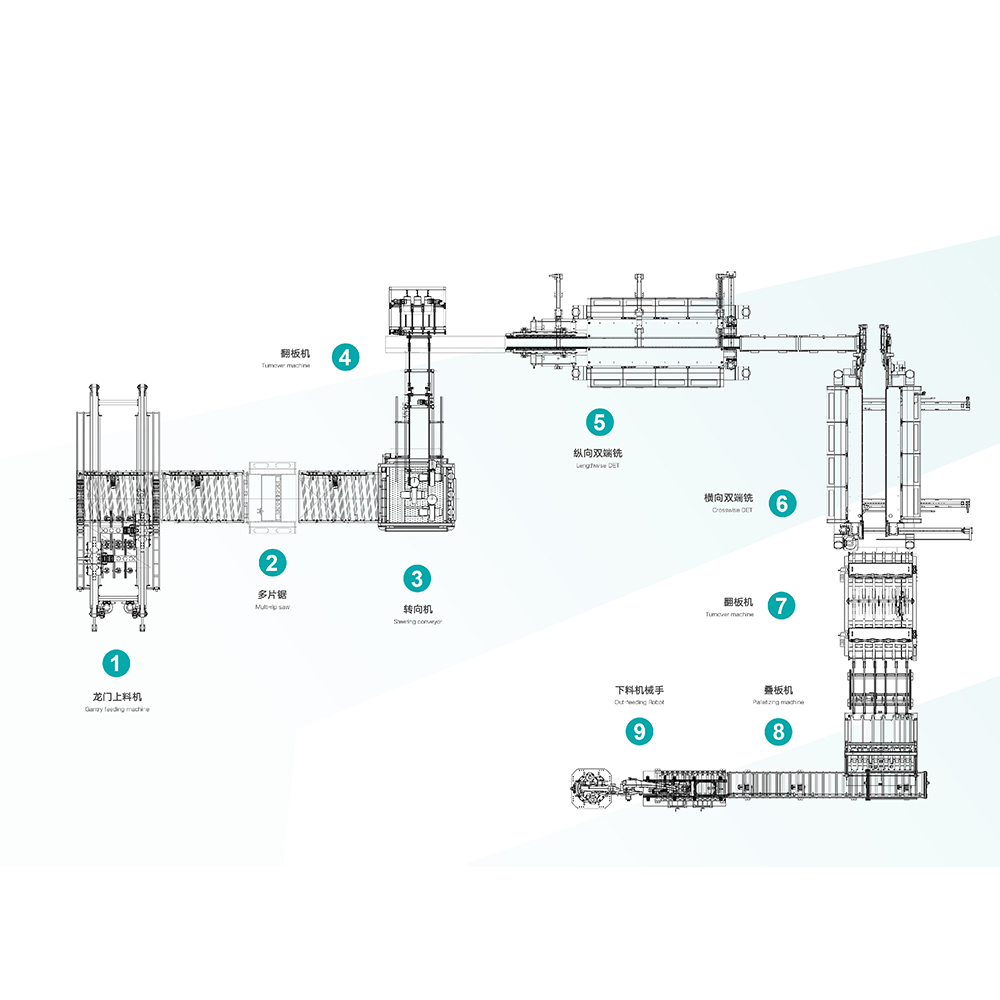 Automatic SPC and PVC Floor Production LineAn integrated feeding, cutting and slotting line for SPC, WPC and PVC floors, relevant when assessing infeed, transfer and outfeed as one process.View Product →
When the lengthwise DET is integrated into an automatic line, the infeed, transfer and outfeed sections matter as much as the tenoner itself. A machine that performs well in a standalone test can behave differently when it is asked to follow a faster upstream saw or feed a crosswise station without buffer. Line speed, accumulation and board spacing should be reviewed together.
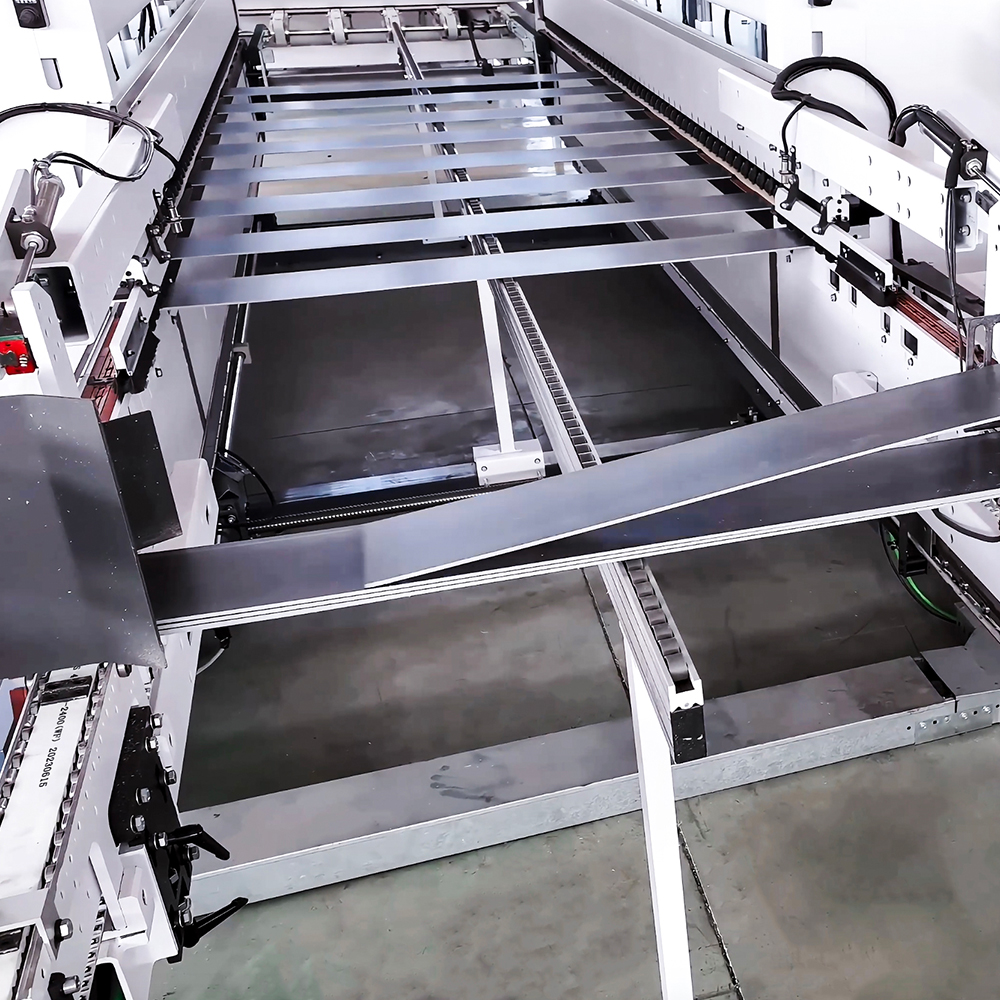 Smart Floor Production Line MES SystemAn MES platform with connected devices for digital floor production management, supporting task display, labeling, counting, RFID identification and secure access.View Product →
For plants producing several profiles or running multiple shifts, production data becomes part of the quality story. Setup records, tool-life tracking, downtime reasons and first-pass yield help teams see whether an edge problem is caused by tooling, material, changeover or transport. That is where a management system can support the DET operator, rather than replace the operator’s judgment.
A lengthwise DET machine is a long-term production asset. The buying conversation should move quickly from headline speed to the details that determine day-to-day performance.
A lengthwise DET machine earns its place in a flooring plant when it makes the long edge predictable. That means stable transport, repeatable head settings, suitable tooling and a setup routine that operators trust. The machine does not need to be the most complicated item on the line. It needs to hold its reference, clear its chips, protect the panel surface and make the dry fit come together without repeated adjustment.
At HAWK Machinery, we have worked with floor and wall panel producers since 2005, and the most useful conversations usually start with a sample board and a profile drawing rather than a specification sheet. If you are planning a new slotting section or replacing an existing lengthwise station, bring the material, the profile and the tolerance you need. That is the practical basis for choosing a machine that fits the line, the product and the people who run it.
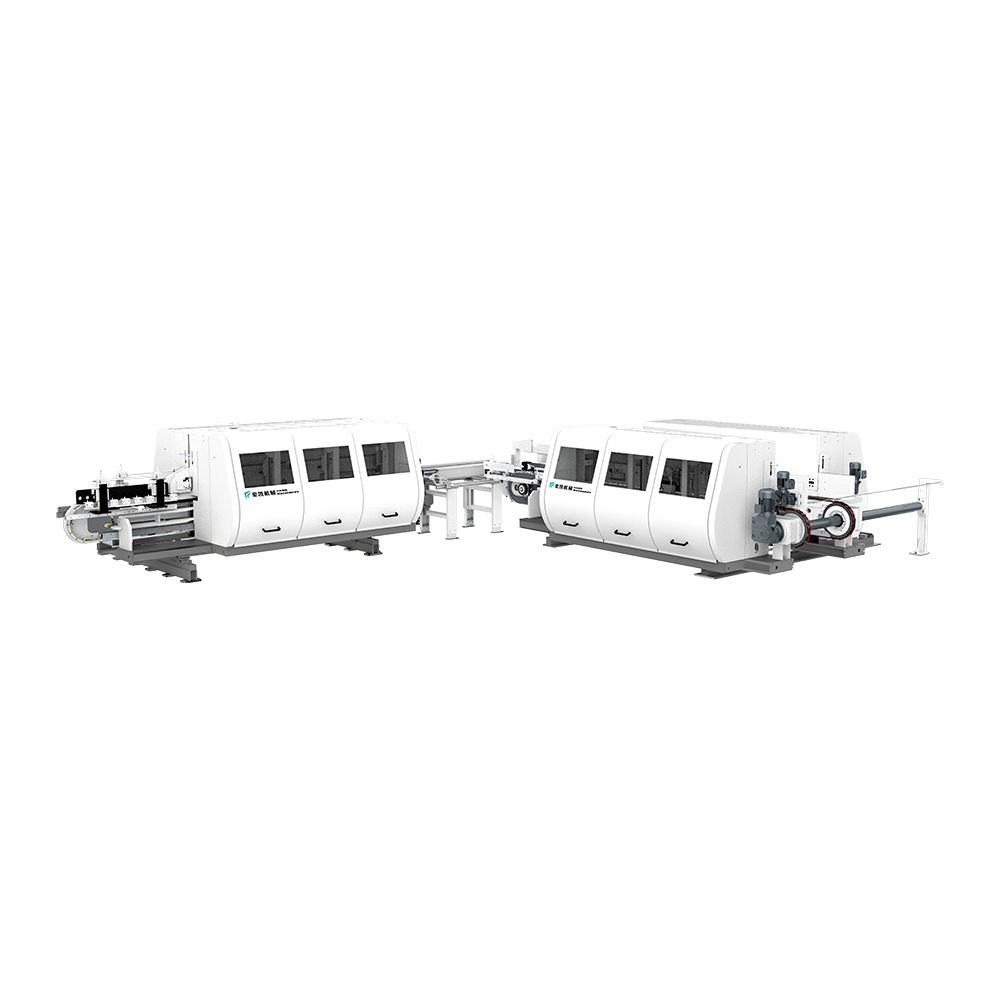
The product can slot the floor vertically and horizontally. The machine series c...
See Details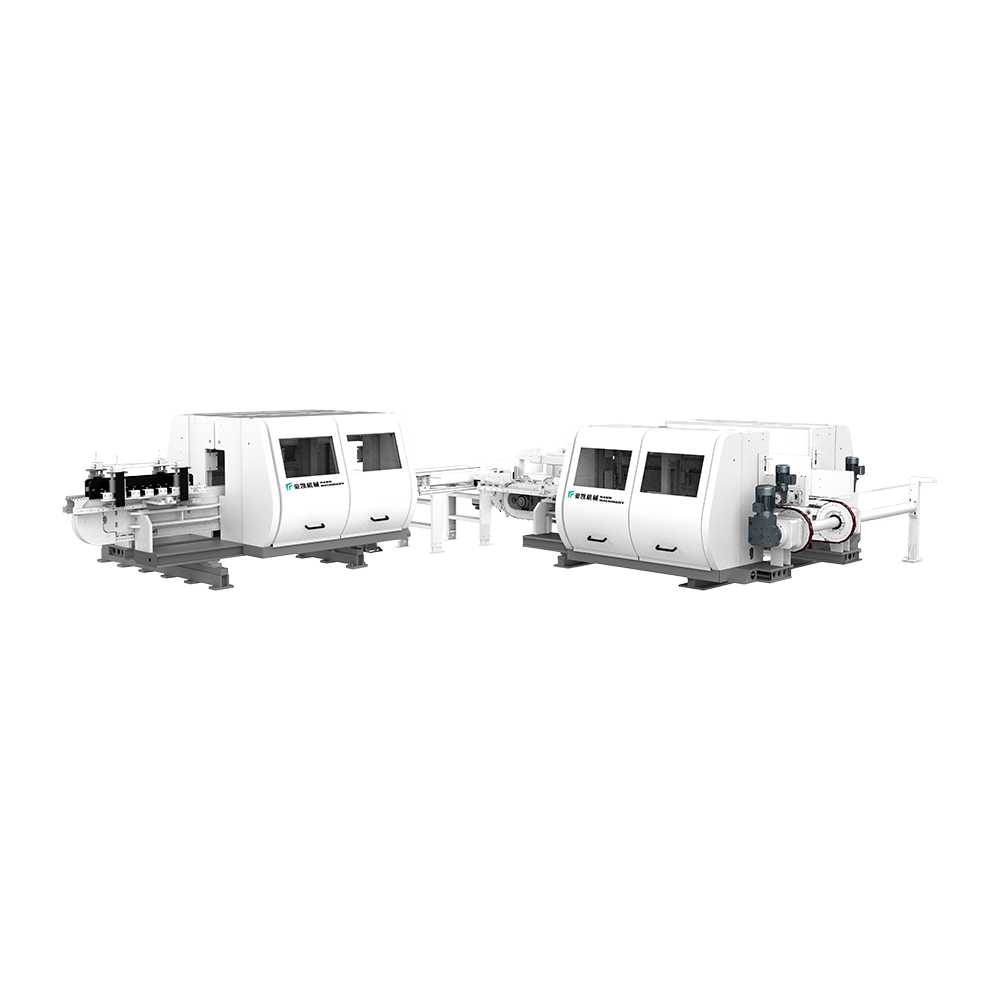
This equipment is suitable for trimming and chamfering LVT flooring. Equipped wi...
See Details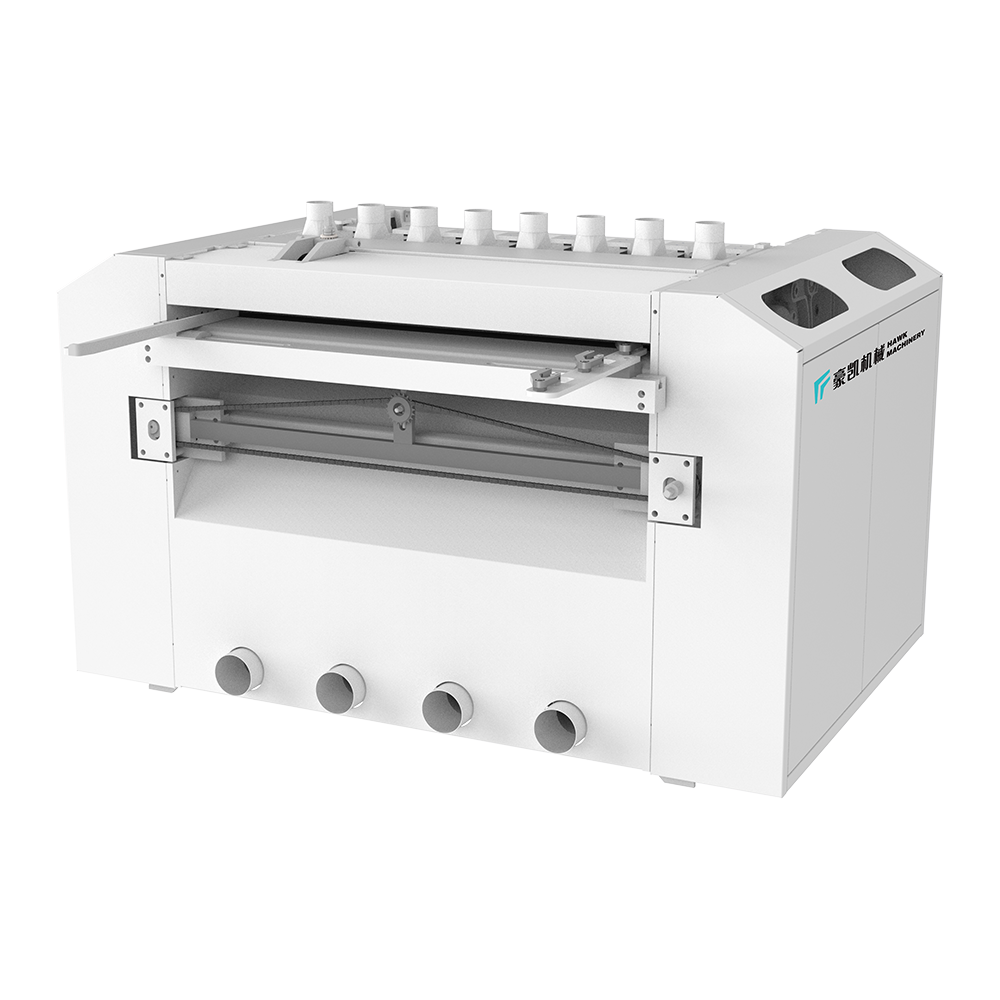
Different transmission sawing methods are suitable for different board processin...
See Details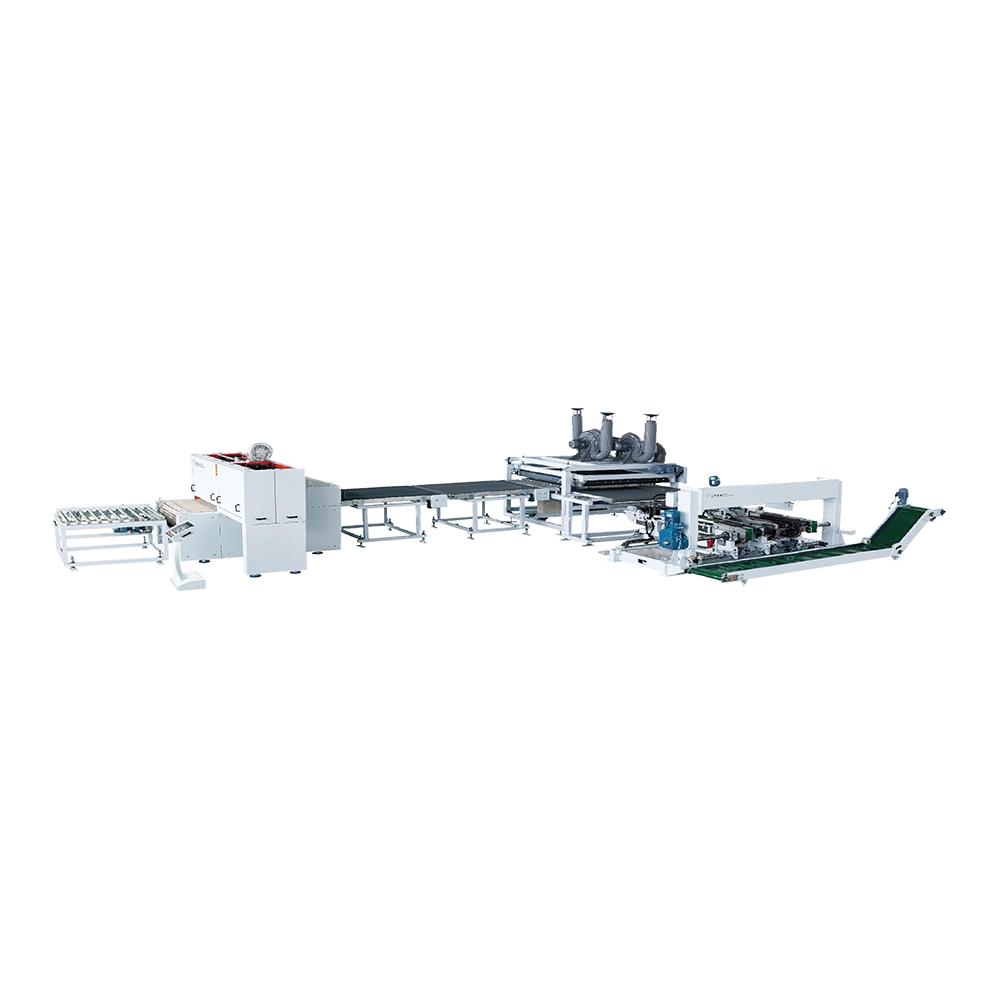
The feed speed of this equipment can reach 40 meters per minute, the whole frame...
See Details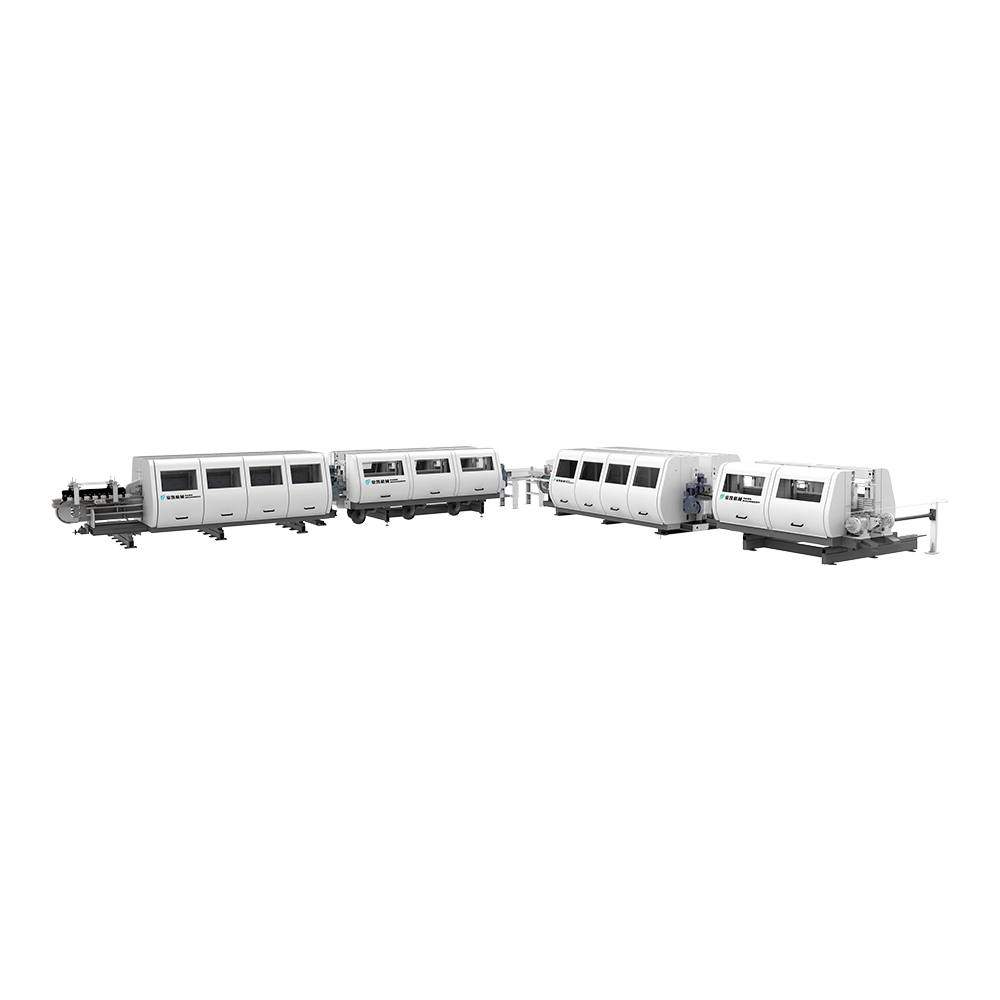
Suitable for edge coating of laminated, PVC, and WPC. Using water-based paint is...
See Details
Hawk Machinery automatic feeding, cutting & slotting line, suitable for SPC,...
See Details
Integrated intelligent equipment integrates industrial intelligent Internet of g...
See Details
Contact info.
Boyi development area, changzhou city, jiangsu province, P. R. China
+86-0519-83319988
Don't hesitate to contact when you need us!
 Custom Floor Extrusion Machine Manufacturers