
 English
 русский
 Español

Floor slotting line (double end tenoner)
The product can slot the floor vertically and horizontally. The machine series c...
See DetailsContent
A wall panel saw, often referred to as a vertical panel saw, is a precision-engineered stationary machine designed to cut large sheets of material into smaller, manageable pieces. Unlike traditional table saws where the operator moves the material through a spinning blade, a wall panel saw allows the material to remain stationary against a vertical frame while the saw head travels along a guided track. This design is specifically engineered to maximize floor space in woodshops and industrial facilities, as the machine stands upright against a wall. The gravity-assisted loading process reduces the physical strain on operators, making it a safer and more ergonomic choice for processing heavy sheets of plywood, MDF, or plastic composites.
The machine typically consists of a sturdy steel frame with a series of rollers at the base to allow for easy lateral movement of the panels. The cutting head is mounted on a carriage that can move both vertically and horizontally, allowing for both rip cuts and cross cuts without needing to rotate the panel itself. This dual-axis movement is the hallmark of a high-quality wall panel saw, providing consistent accuracy within fractions of a millimeter, which is essential for professional cabinetry and furniture manufacturing.
The accuracy of a wall panel saw machine depends heavily on its guidance system. Most professional-grade machines utilize hardened steel shafts or linear guide rails. These components ensure that the saw carriage moves without vibration or lateral play. A high-quality guide system prevents "blade lead," where the saw blade drifts away from the intended line, ensuring that every cut is perfectly square. This is particularly important when preparing panels for edge-banding, where even a slight deviation can result in visible gaps in the finished product.
Because vertical saws generate a significant amount of sawdust in a concentrated area, integrated dust collection is a critical component. Most modern machines feature a dust shroud that moves with the saw blade, connected to a flexible hose system. This setup captures fine particles at the source before they can become airborne. Effective dust extraction not only maintains a clean workspace but also extends the life of the saw motor and improves the visibility of the cut line for the operator.
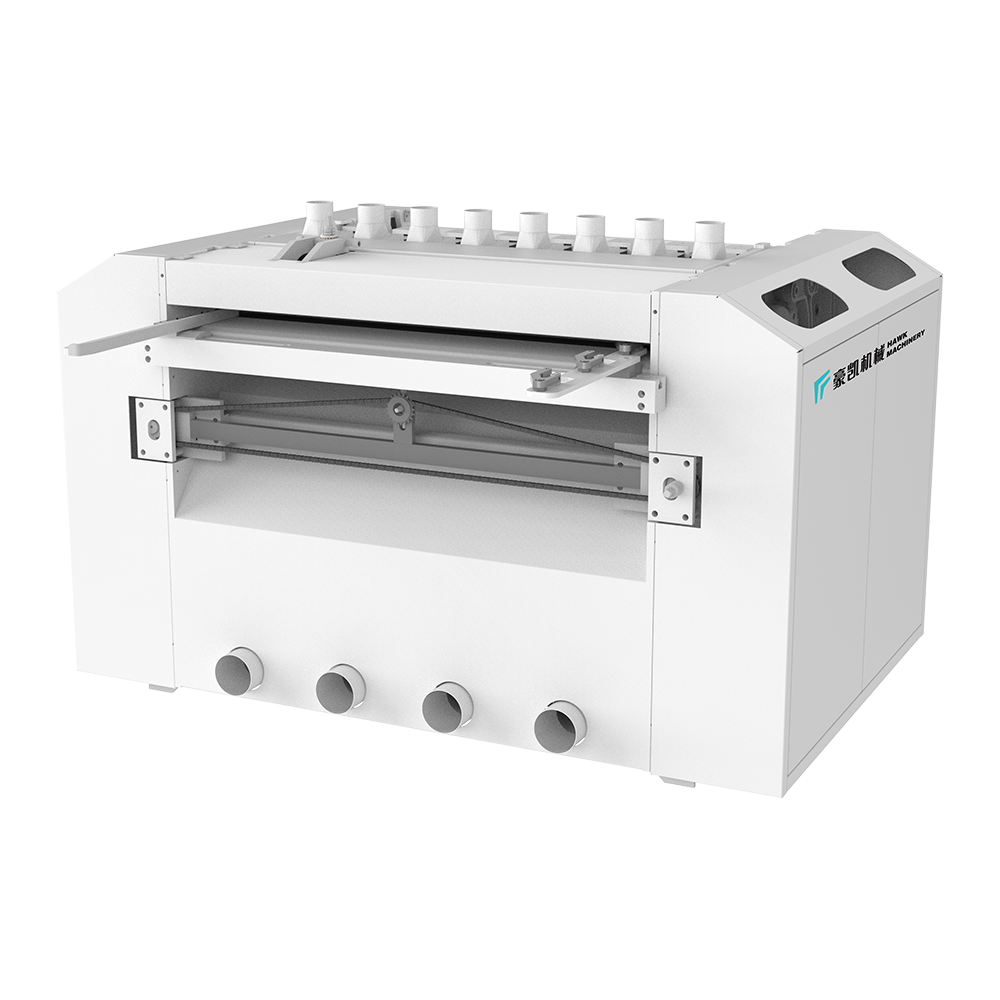
Choosing the right machine depends on the volume of production and the complexity of the cuts required. The following table highlights the primary differences between manual entry-level models and fully automated industrial systems.
| Feature | Manual Panel Saw | Automatic/CNC Panel Saw |
| Operation | Operator pushes the saw head manually | Motorized travel and programmed cuts |
| Precision | High (dependent on operator skill) | Extreme (computer-controlled) |
| Production Volume | Low to Moderate | High Continuous Output |
| Price Point | Affordable for small shops | High capital investment |
To achieve the best results with a wall panel saw, operators should follow a standardized workflow that prioritizes both safety and accuracy. Proper material handling and machine calibration are the foundations of professional panel processing. Implementing the following steps will ensure the longevity of the machine and the quality of the output:
Safety is paramount when operating any large machinery. The wall panel saw is inherently safer than a table saw because the blade is largely enclosed within the carriage and the operator's hands remain away from the cutting zone. However, maintenance is required to keep these safety features functional. Operators should inspect the riving knife—the component that prevents the material from pinching the blade—to ensure it is properly aligned. Additionally, the counterweight or spring-return system that holds the saw head at the top of the frame must be checked periodically to prevent the carriage from falling unexpectedly.
Monthly maintenance should include lubricating the guide bearings and checking the tension on the drive belts. If the machine uses a scoring blade—a smaller blade that pre-cuts the surface of the panel to prevent tear-out—it must be perfectly aligned with the main blade. Neglecting this alignment will result in a "stepped" edge on the panel, which is difficult to fix during the assembly phase. By adhering to a strict maintenance schedule, shops can ensure their wall panel saw remains a reliable asset for decades.
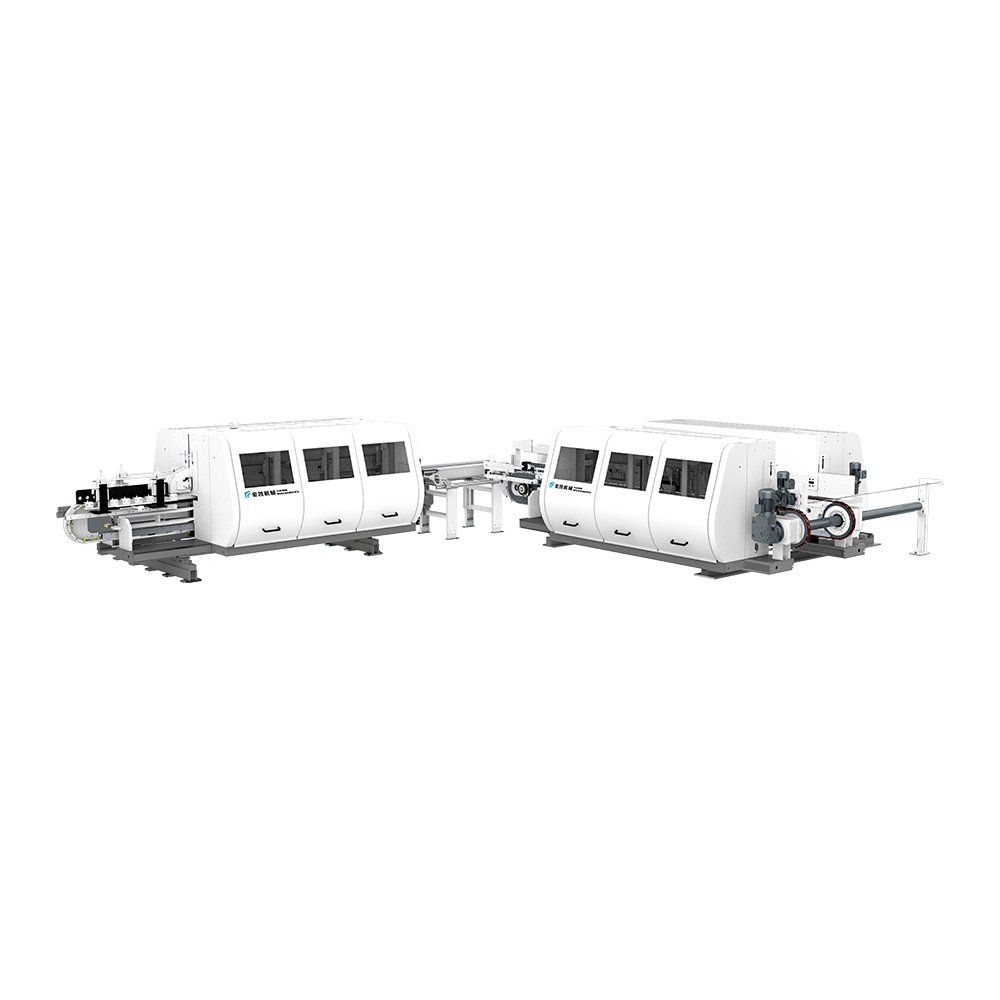
The product can slot the floor vertically and horizontally. The machine series c...
See Details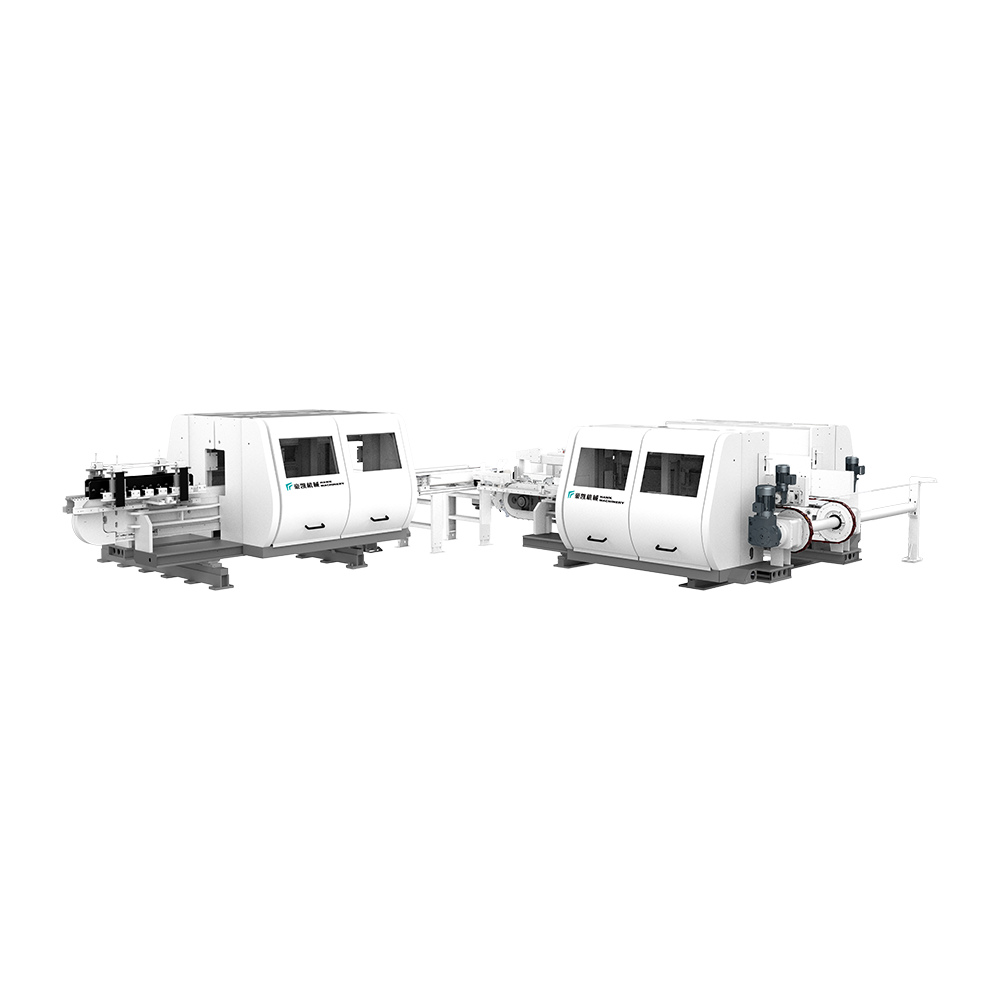
This equipment is suitable for trimming and chamfering LVT flooring. Equipped wi...
See Details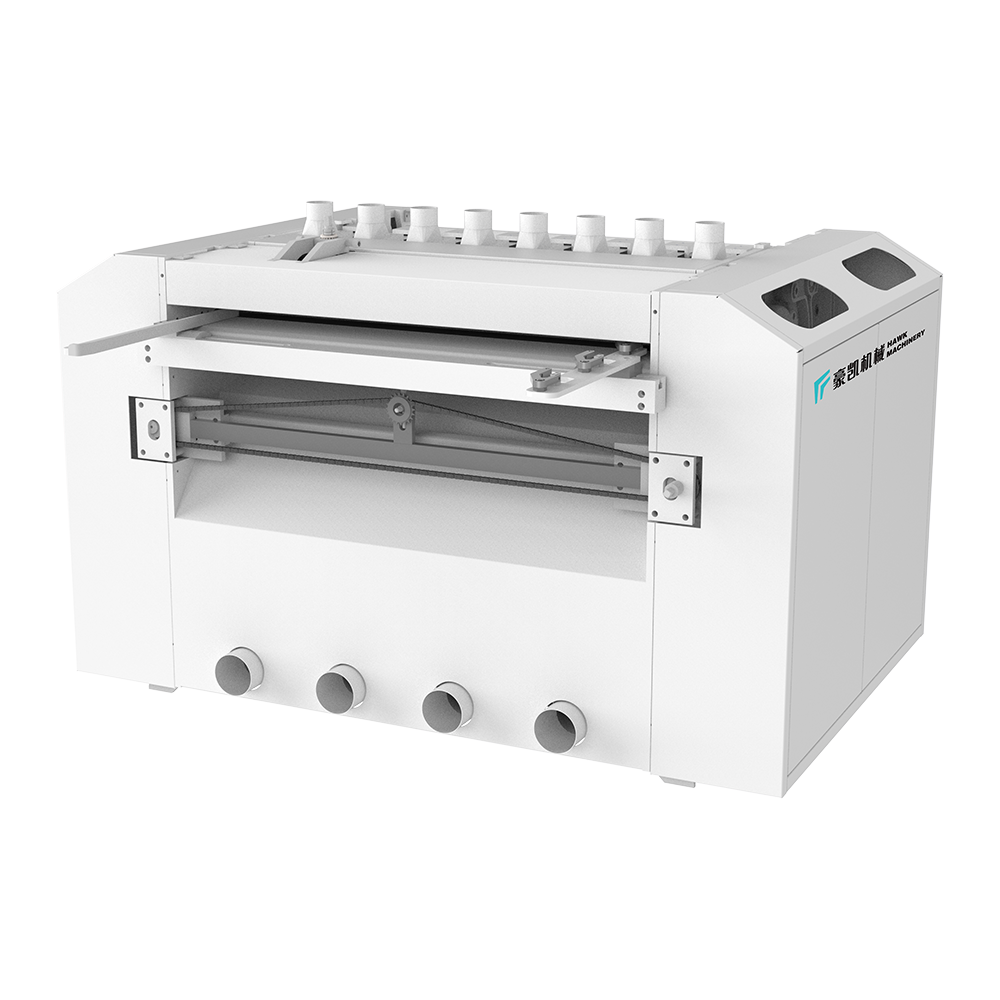
Different transmission sawing methods are suitable for different board processin...
See Details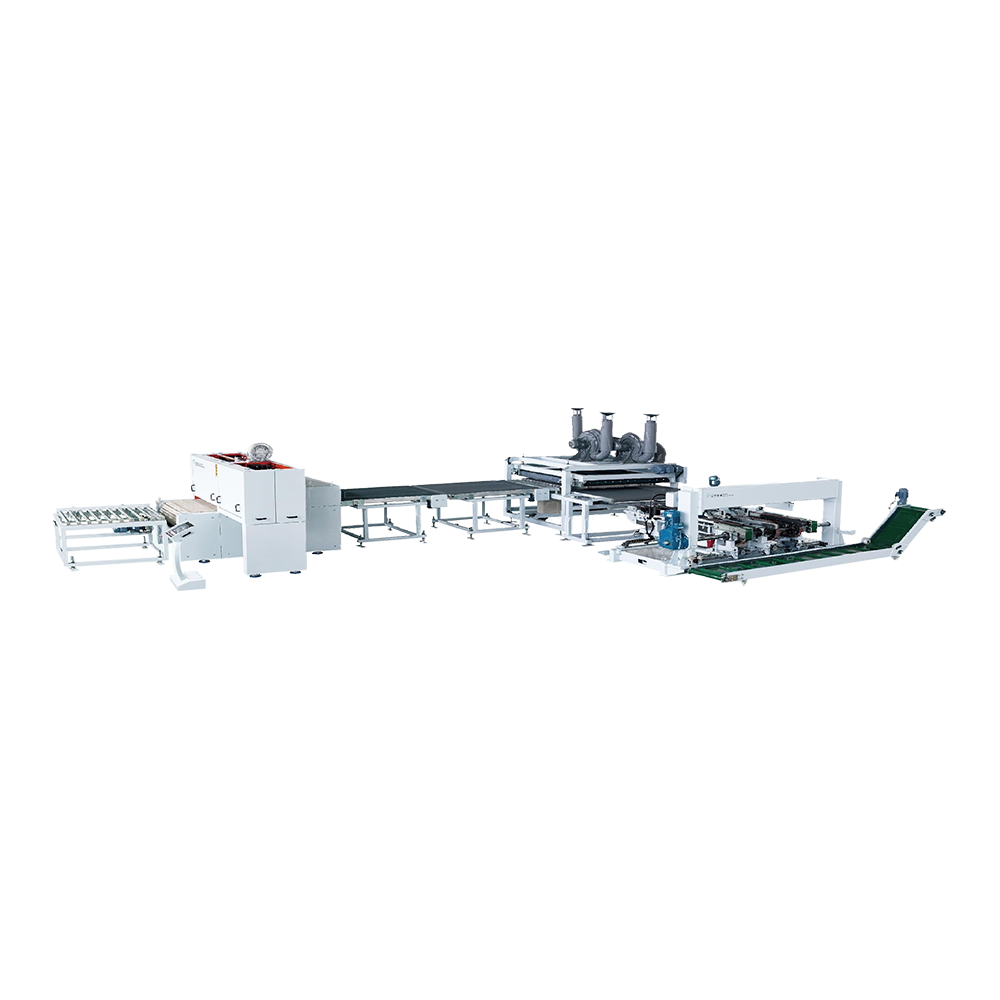
The feed speed of this equipment can reach 40 meters per minute, the whole frame...
See Details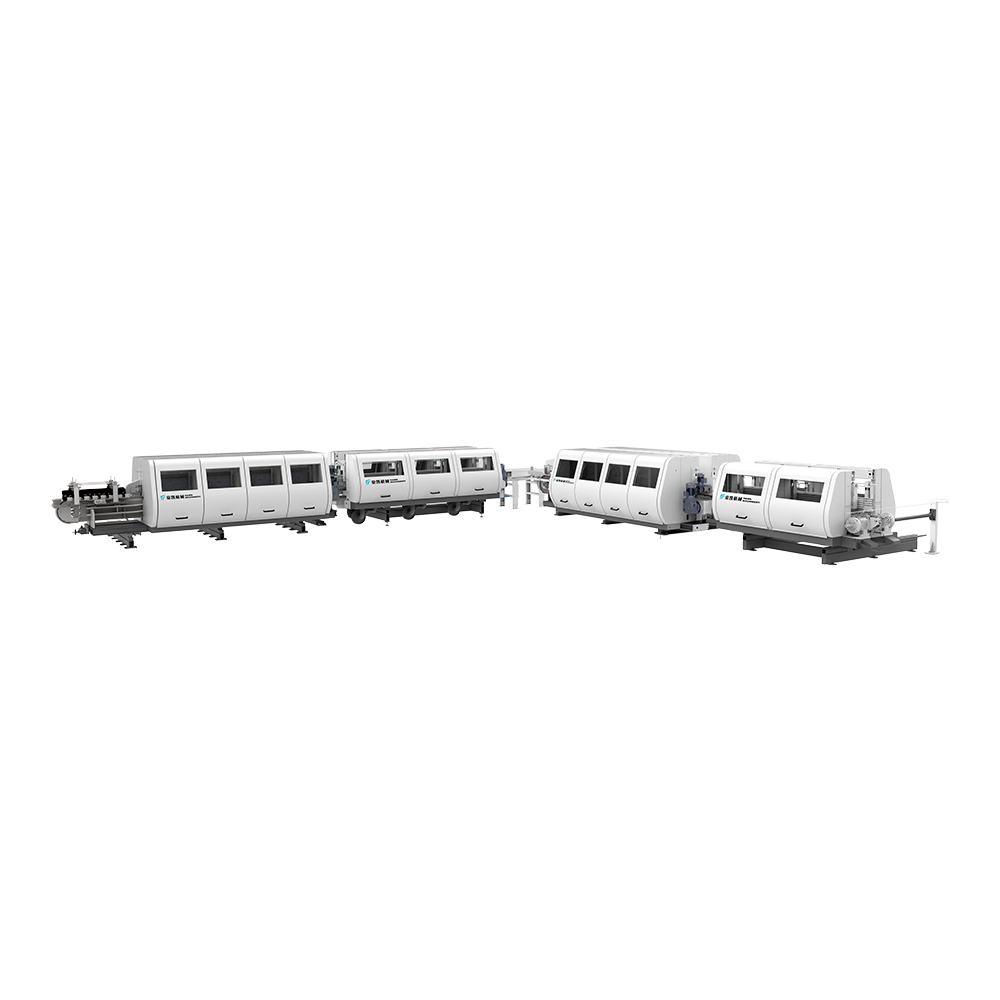
Suitable for edge coating of laminated, PVC, and WPC. Using water-based paint is...
See Details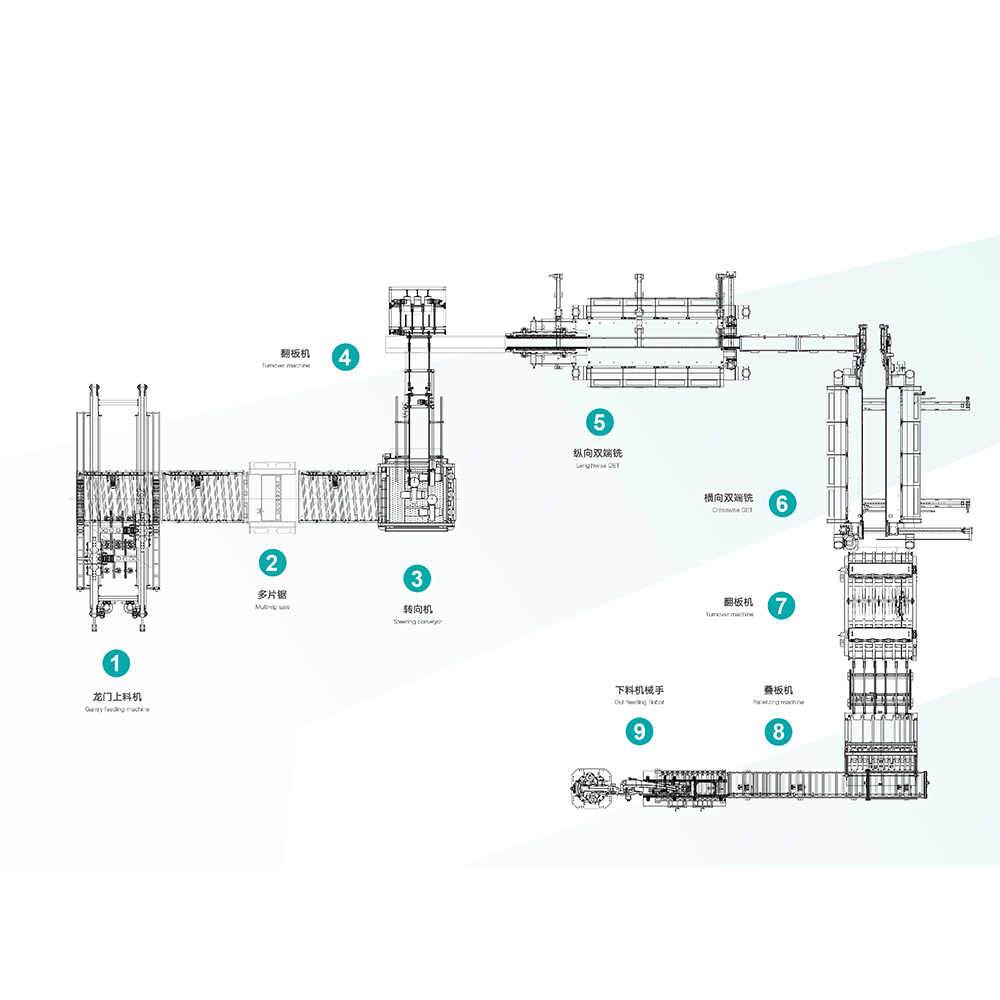
Hawk Machinery automatic feeding, cutting & slotting line, suitable for SPC,...
See Details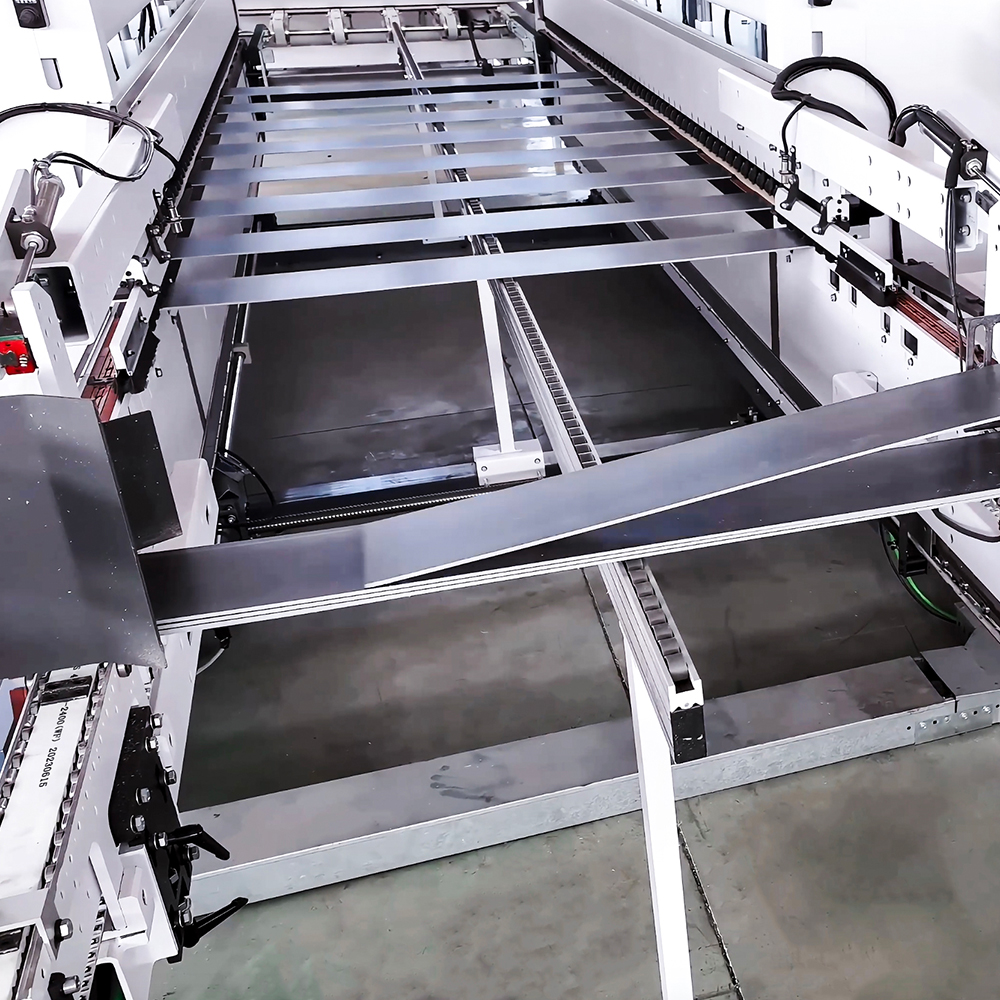
Integrated intelligent equipment integrates industrial intelligent Internet of g...
See Details
Contact info.
Boyi development area, changzhou city, jiangsu province, P. R. China
+86-0519-83319988
Don't hesitate to contact when you need us!
 Custom Floor Extrusion Machine Manufacturers