
 English
 русский
 Español

Floor slotting line (double end tenoner)
The product can slot the floor vertically and horizontally. The machine series c...
See DetailsContent
A 3-blade rip saw machine is a specialized woodworking tool designed to streamline the process of converting wide timber planks into multiple narrower strips in a single pass. Unlike a standard single-blade rip saw, which requires multiple feeds to achieve the same result, this machine utilizes three precisely aligned circular saw blades mounted on a common arbor. This configuration is particularly effective for small to medium-sized workshops that need to balance high-volume production with physical space constraints. The machine operates by feeding a workpiece through a powered conveyor system or rollers, ensuring that the wood remains stable as it encounters the high-speed rotating blades.
The "3-rip" setup typically involves two fixed outer blades and one adjustable inner blade, or a fully customizable spacing arrangement depending on the specific model. This allows operators to set specific widths for the resulting slats, which is essential for manufacturing flooring, furniture components, and pallet stock. By reducing the number of passes required to process a board, the 3-blade rip saw significantly lowers labor costs and minimizes the margin of error associated with manual re-feeding.
The heart of the 3 rip saw machine is the arbor assembly, which must be engineered for extreme rigidity to prevent blade flutter. High-grade alloy steel is commonly used for the spindle to withstand the heat and rotational forces generated during continuous operation. The blades are separated by precision-ground spacers, which determine the exact width of the cut. In more advanced models, a digital control interface may allow for the rapid adjustment of the middle blade to accommodate different cutting lists without a full mechanical teardown.
Processing three cuts simultaneously requires a robust motor, typically ranging from 15HP to 30HP, to maintain constant torque. The feed rate is often variable, allowing the operator to slow down for dense hardwoods like oak or maple and speed up for softer woods like pine or cedar. A consistent feed speed is vital for achieving a "glue-joint" quality finish, which eliminates the need for secondary planing or sanding before the assembly stage.
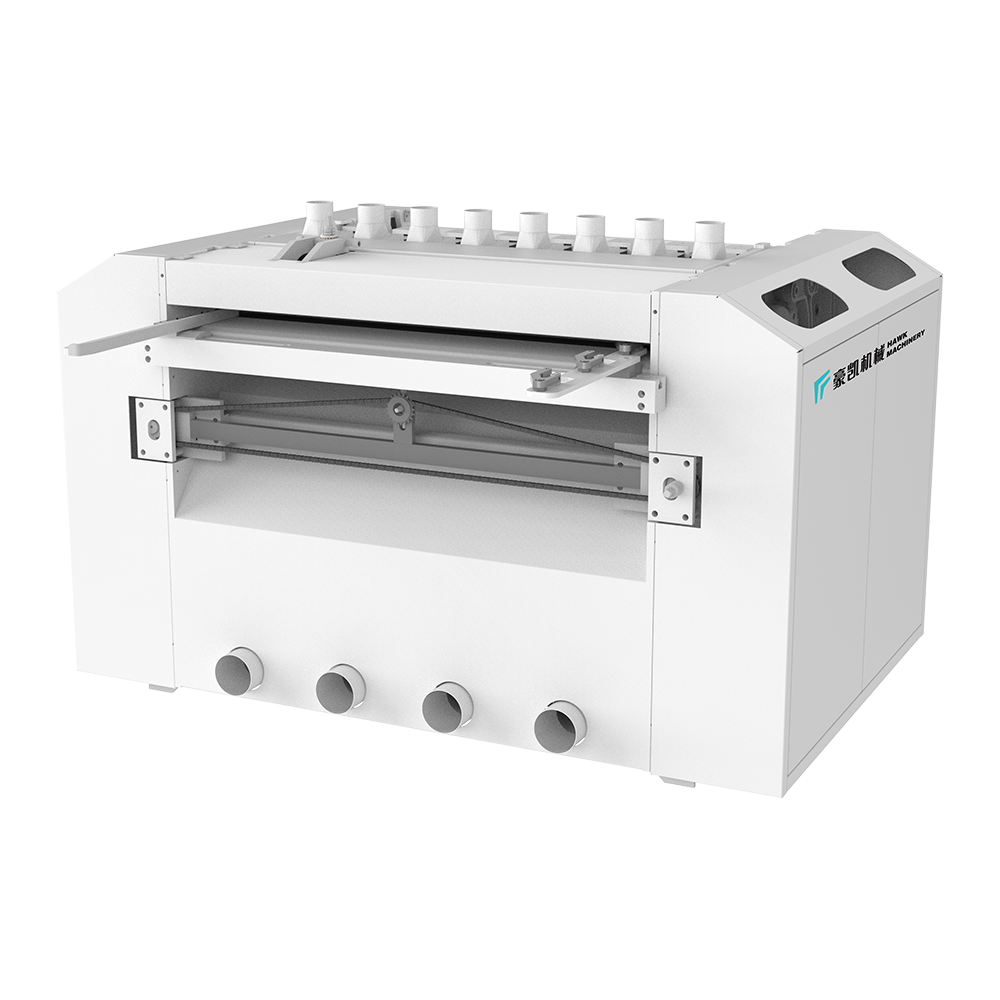
When evaluating a 3-blade rip saw against other industrial cutting solutions, several efficiency metrics stand out. The primary benefit is the dramatic increase in board-foot processing per hour. Below is a comparison of how the 3-blade system stacks up against traditional methods:
| Feature | Single Blade Rip Saw | 3-Blade Multi-Rip Saw |
| Passes Required | 3 Passes | 1 Pass |
| Labor Intensity | High (Manual return) | Low (Continuous feed) |
| Accuracy | Variable per pass | Fixed and Synchronized |
| Material Waste | Higher (re-alignment) | Minimized (Single path) |
Safety is paramount when operating machinery that utilizes multiple high-speed blades. Modern 3-blade rip saws are equipped with several layers of protection to safeguard the operator and the equipment. Understanding these features is critical for any industrial woodworking environment:
To maintain the accuracy of a 3-blade rip saw, a strict maintenance schedule must be followed. Because the machine handles triple the cutting load of a standard saw, blade wear occurs more rapidly. Dull blades increase friction, which can lead to timber scorching and unnecessary strain on the motor. Operators should inspect blade sharpness daily and ensure that the arbor remains free of resin buildup.
Furthermore, the alignment between the feed chain and the saw blades must be checked weekly. Even a slight deviation can cause "burning" on one side of the timber or lead to "wandering" cuts. Proper lubrication of the feed track and the arbor bearings is also essential to prevent premature mechanical failure. By investing time in these routine checks, facilities can ensure their 3-blade rip saw remains a reliable cornerstone of their production line for years.
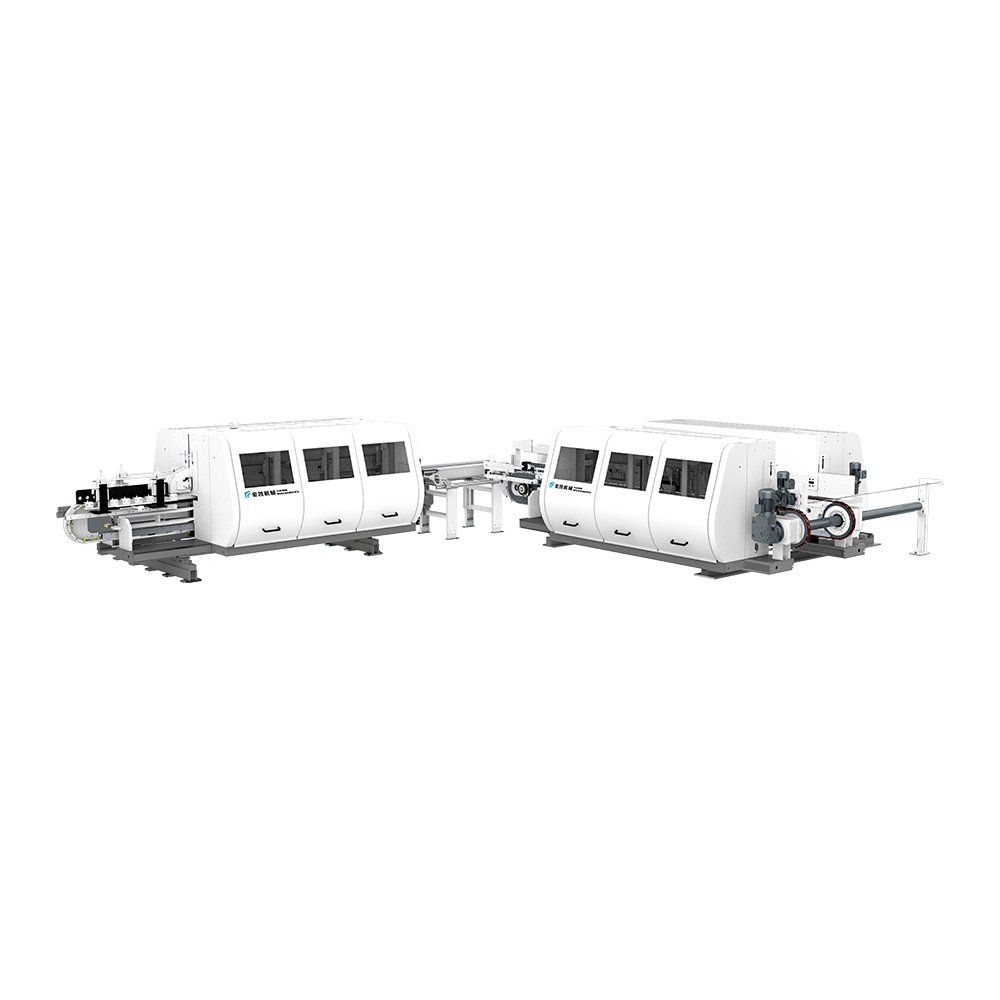
The product can slot the floor vertically and horizontally. The machine series c...
See Details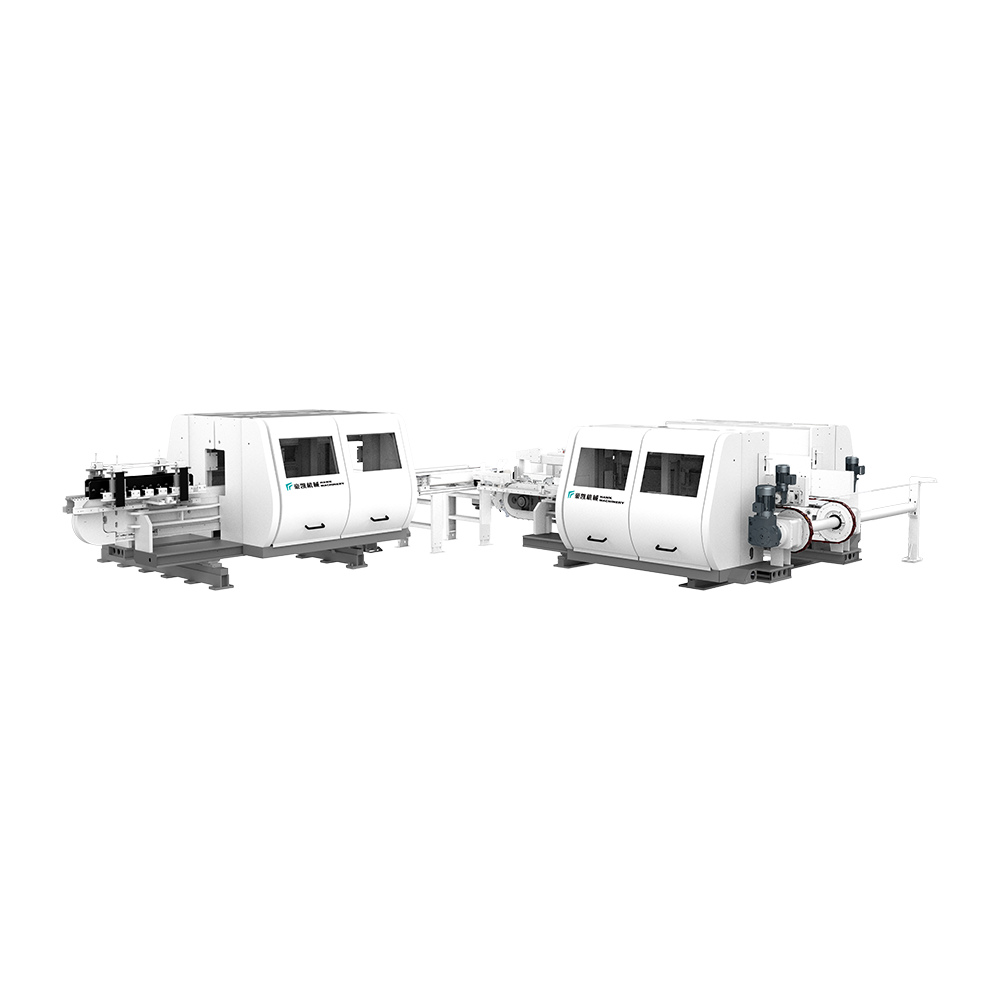
This equipment is suitable for trimming and chamfering LVT flooring. Equipped wi...
See Details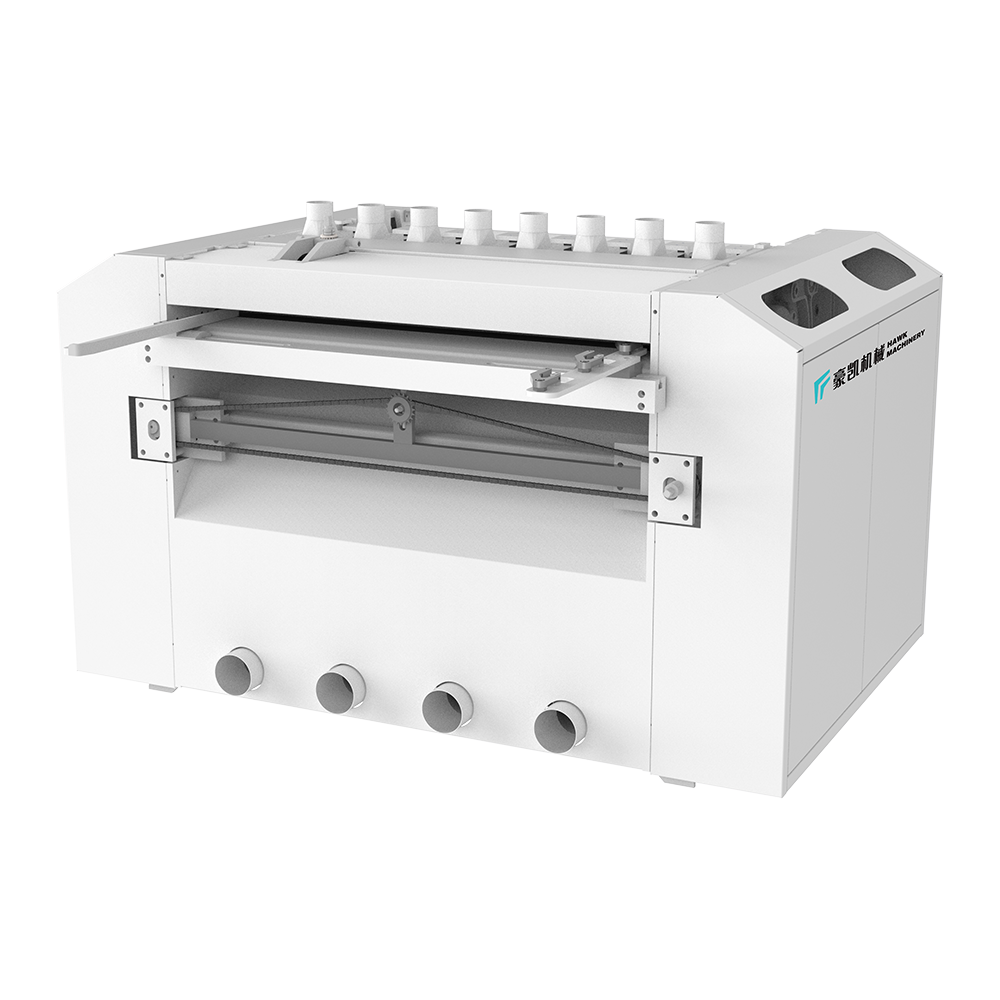
Different transmission sawing methods are suitable for different board processin...
See Details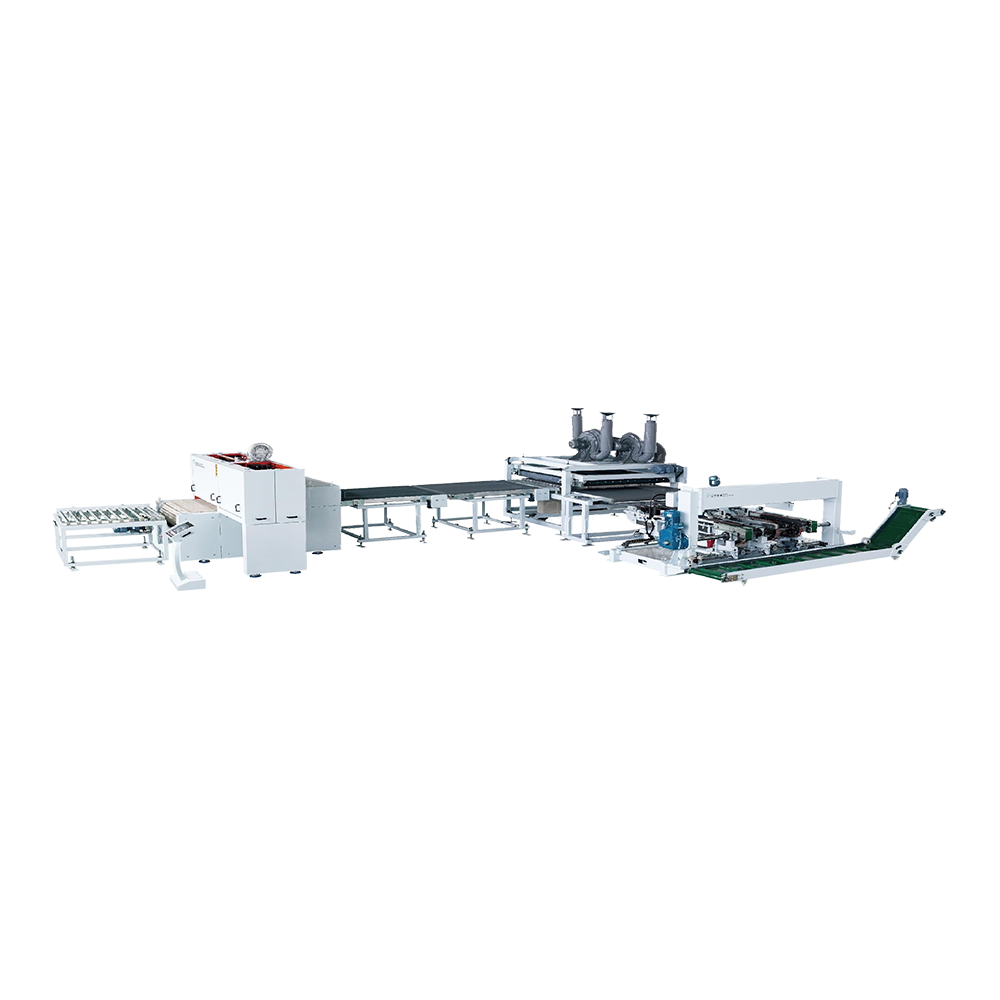
The feed speed of this equipment can reach 40 meters per minute, the whole frame...
See Details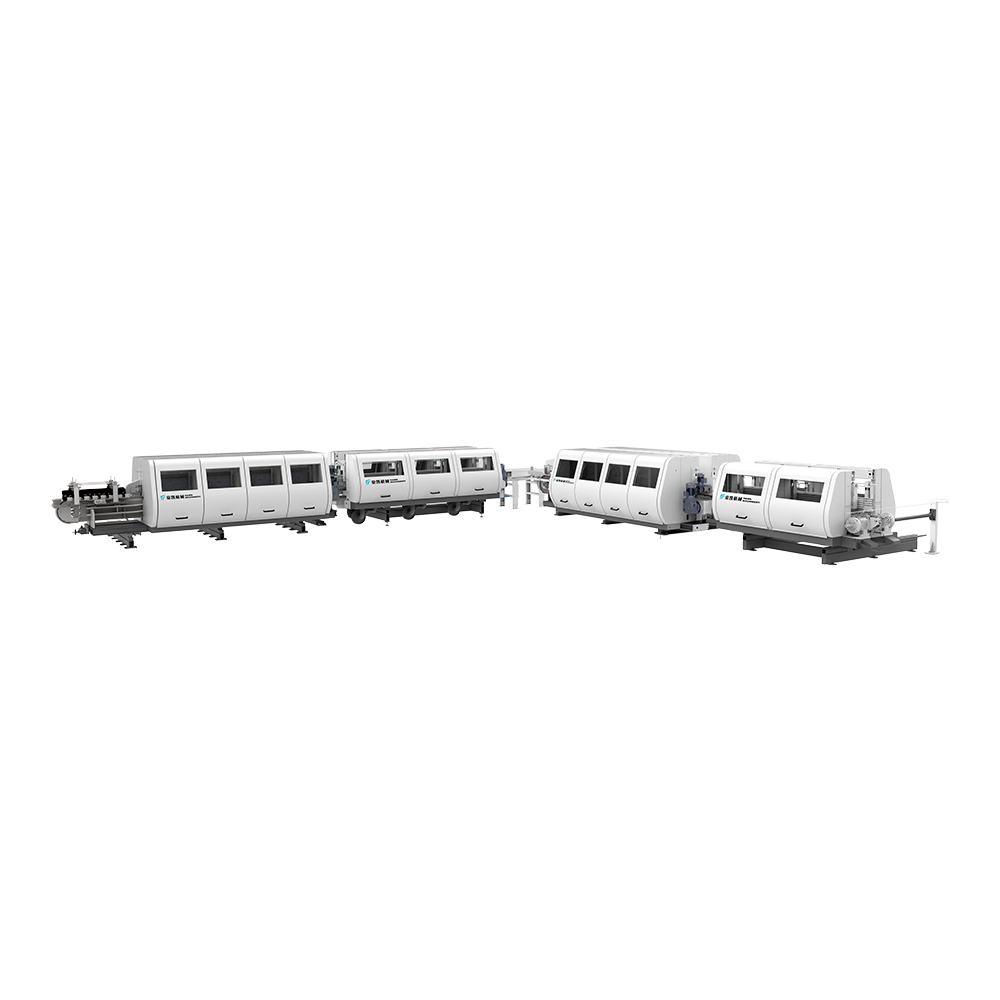
Suitable for edge coating of laminated, PVC, and WPC. Using water-based paint is...
See Details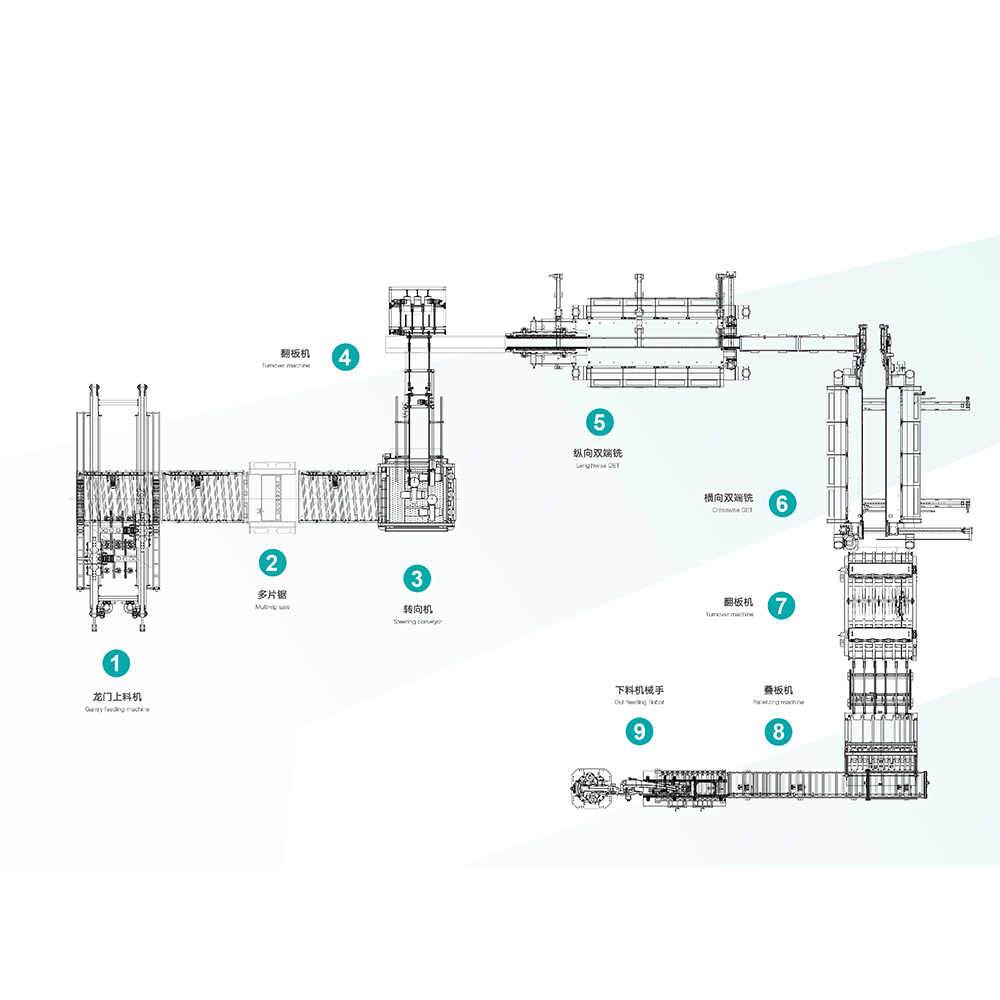
Hawk Machinery automatic feeding, cutting & slotting line, suitable for SPC,...
See Details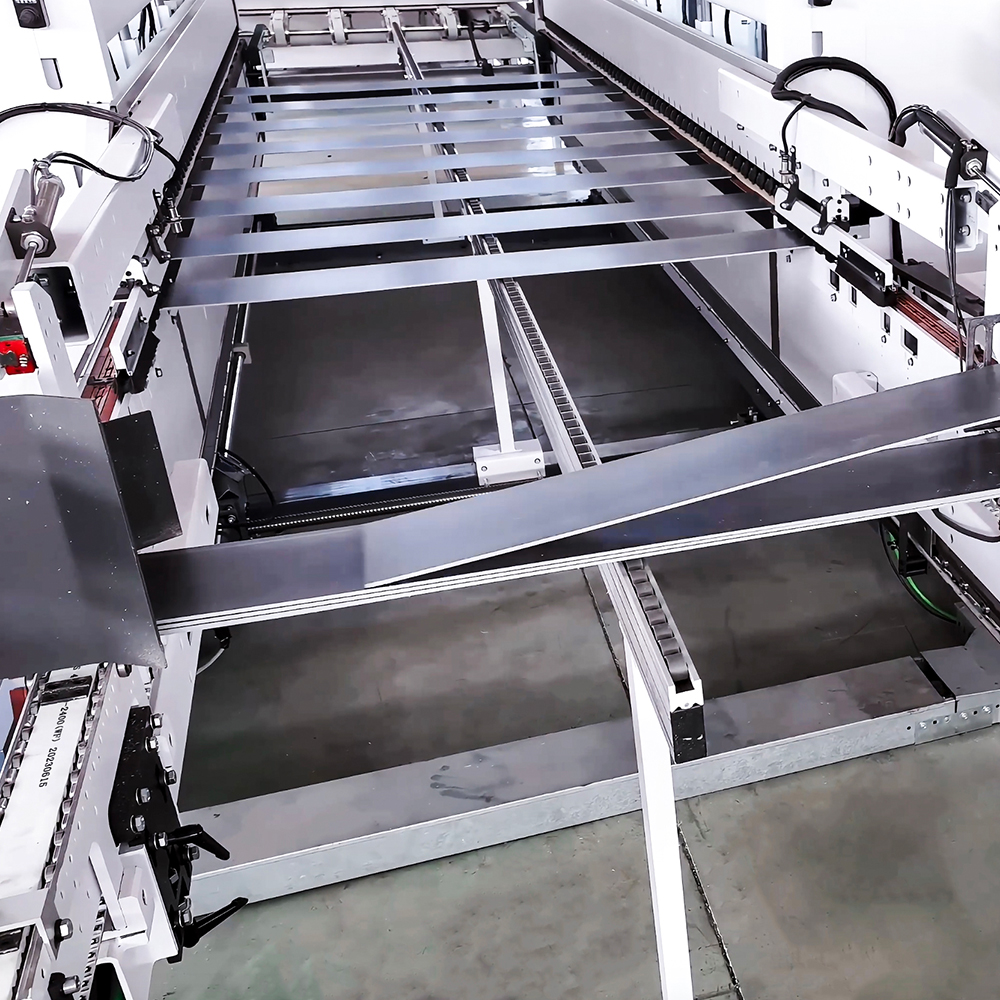
Integrated intelligent equipment integrates industrial intelligent Internet of g...
See Details
Contact info.
Boyi development area, changzhou city, jiangsu province, P. R. China
+86-0519-83319988
Don't hesitate to contact when you need us!
 Custom Floor Extrusion Machine Manufacturers