
 English
 русский
 Español

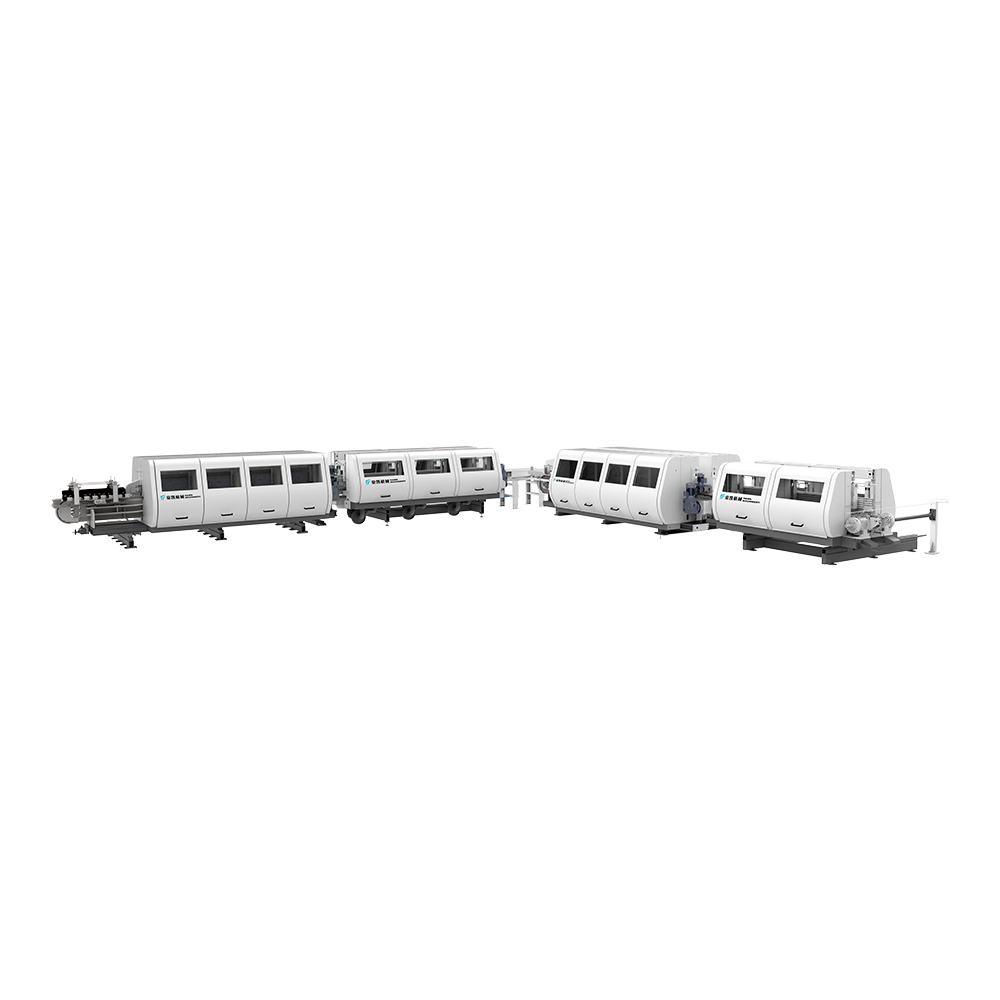
Floor slotting line (double end tenoner)
The product can slot the floor vertically and horizontally. The machine series c...
See DetailsEvery finished flooring plank owes part of its appearance to a machine that most installers never think about. A floor beveling machine cuts the small angled edge along the sides of a board, turning a sharp square corner into a clean, defined V-shaped line. That single detail decides how the finished floor looks once it is installed, how tightly the panels lock together, and how well the exposed core resists dirt, moisture and daily wear.
At HAWK Machinery China Co., Ltd., edge processing has been our focus since 2005. From our base in Jiangsu Province, we design and build flooring and wall panel processing equipment for plants producing SPC, WPC, LVT, laminate and multi-layer engineered flooring. This article shares what we have learned on the factory floor: what a beveling machine does, how it works, which materials it handles, and the details that separate a clean cut from a costly one.
Content
Beveling is often confused with chamfering, and in everyday workshop talk the two words overlap. In flooring production, beveling usually means cutting a shallow angled face on the top edge of a plank, most often between 30 and 45 degrees, so that the joint between two installed boards forms a visible V-groove. A micro-bevel is a much smaller version of the same idea, typically only a fraction of a millimeter deep, used to protect the edge of a click system without drawing attention to the joint.
The purpose is not only visual. Once a saw or tenoner has sized a panel, the core of the board is exposed at both edges. A bevel gives that edge a defined shape, removes small chips left by earlier cutting, and creates a surface that paint or a protective coating can grip properly. On dark SPC and WPC floors, a well-formed bevel also keeps the printed decor line visible right up to the joint, which is exactly what buyers check when they compare samples in a showroom.
Because beveling and edge painting belong together, many producers now run them as one continuous process rather than two separate jobs.
 Floor V-groove painting lineSuitable for edge coating of laminated, PVC, and WPC. Using water-based paint is more environmentally friendly. The combination of far-infrared heating with energy-gat...View Product →
Connecting the two stages back to back lets the paint enter a freshly cut groove in the same pass, which improves adhesion and removes a handling step between machines.
At its core, a beveling machine holds a panel square while two or more rotating cutter heads shave a precise angle from the edge. Panels travel on a driven conveyor, are pressed against a reference rail, and pass between top and bottom heads that machine both edges in a single pass.
Most designs share the same basic parts:
A panel enters the machine, is aligned against the reference edge, and is held down by pressure rollers. The cutters remove a controlled amount of material from both edges while the dust is pulled away before it can scratch the surface. When both edges are machined at the same time, the machine is called a double-end beveler, and that is the standard configuration in high-output flooring plants.
If you want a more detailed walkthrough of cutter geometry and setup, our floor beveling machine 101 guide explains the process step by step.
The right machine depends on your material, your panel width and the output you need each shift.
These small units serve installation sites and repair shops. They are handy for touch-ups, but they cannot hold the consistent angle, depth and feed rate that a production line requires.
These process one edge at a time. They suit low-volume workshops or special products such as wide wall panels, but for standard planks they double the handling time per board.
A double-end machine cuts both edges at once, keeps them parallel, and can be linked to a slotting or painting station. For plants running several thousand square meters a day, a high-speed line with a heavy frame and a stable feed system is the practical choice.
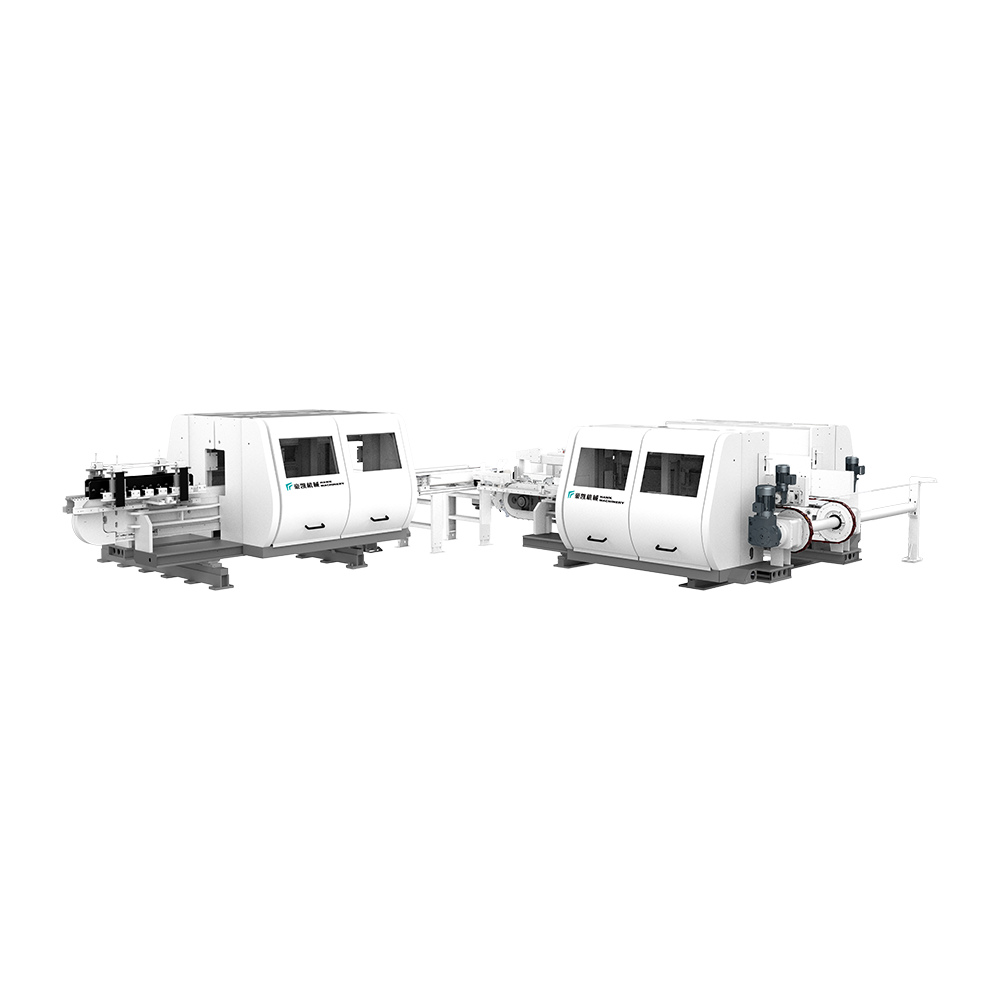 2 Doors high speed floor beveling lineThis equipment is suitable for trimming and chamfering LVT flooring. Equipped with up and downside-plates, it has the characteristics of fast production speed, simple ...View Product →
On a high-speed beveling line, panel width changes are handled by motorized adjustment, so a shift can move from one product to the next without hours of manual resetting.
Modern beveling machines handle far more than solid timber. The same edge treatment is applied across rigid and flexible composite floors, and each substrate behaves differently under the cutter.
| Substrate | Typical Beveling Goal | What to Watch |
|---|---|---|
| SPC | Sharp, paint-ready V-groove | Dense core wears tooling quickly; keep cutters sharp |
| WPC | Clean edge without melting | Softer and heat sensitive; control cutter speed |
| LVT | Light micro-bevel | Thin and flexible; full support prevents distortion |
| Laminate | Chip-free decorative edge | Hard melamine surface tends to flake |
| Engineered wood | Accurate bevel on the veneer face | Cut with the grain to avoid tear-out |
| Fiber cement silicate | Dimensional edge for special projects | Highly abrasive; diamond tooling is recommended |
| Wall panels | Matching edge treatment | Wider boards need steady feeding and strong extraction |
As long as the tooling and parameters match the substrate, one well-configured line can run several of these materials in the same week, which is exactly the flexibility producers ask for when they add a new product to their catalogue.
Two plants can cut the same board with the same cutter and still ship very different edges. The gap usually comes down to a handful of settings.
Recording these values for every product is one of the simplest quality tools available, because a good edge can always be repeated once it has been written down.
Buying a beveler is a long-term decision, so it pays to work through the questions in order.
Our machines carry CE and ETL certification for that reason, and every unit is backed by the same service commitment our customers have relied on for two decades.
In a modern plant, beveling rarely stands alone. A typical sequence runs from a multi-rip saw or double-end tenoner, through slotting and beveling, into V-groove painting, then on to inspection and packing. Each stage depends on the one before it, and an unstable bevel ruins whatever the painting station does next.
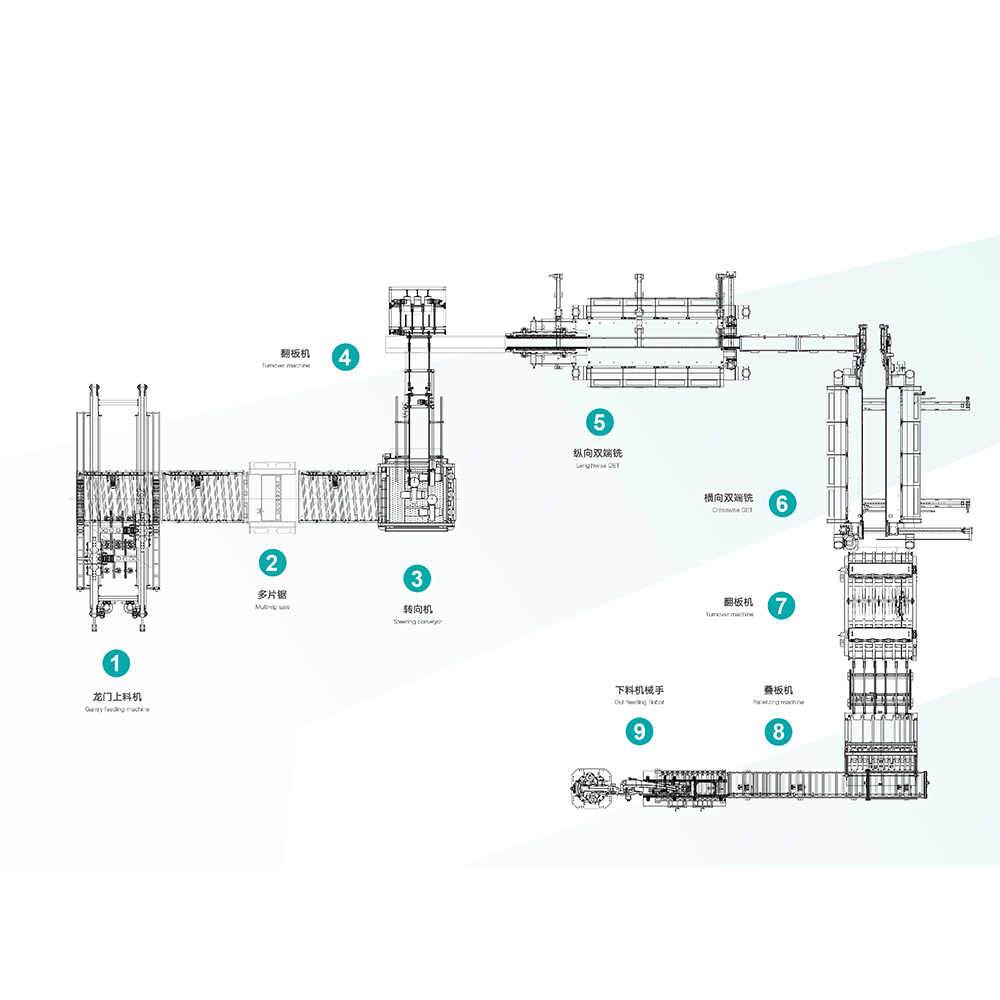 Automatic floor production lineHawk Machinery automatic feeding, cutting slotting line, suitable for SPC, WPC and a series of PVC plastic floor. Hawk Machinery automatic feeding, cutting slotting li...View Product →
Linking these stages into one automatic line reduces manual handling, keeps panels aligned between machines, and makes output far more predictable. Adding a production management system on top lets supervisors see real-time status, trace batches and plan maintenance around actual machine data instead of a calendar.
Bevel quality falls long before a machine stops running, which is why daily habits matter as much as any specification.
None of these tasks takes long, but together they protect the tolerance that makes a finished floor look professional.
A bevel a few tenths of a millimeter deep is a small detail on a large panel, yet it is the detail customers see first when they open a box and lay two boards side by side. Getting it right comes down to matching the machine, the tooling and the settings to the material in front of you.
With more than 20 years of experience, a team of over 200 professionals, and more than 50 self-developed patents, HAWK Machinery builds beveling equipment for producers of SPC, WPC, LVT, laminate, engineered wood and wall panels. If you are planning a new line or upgrading an existing beveling station, we are glad to share our experience and help you choose a setup that fits your product mix.
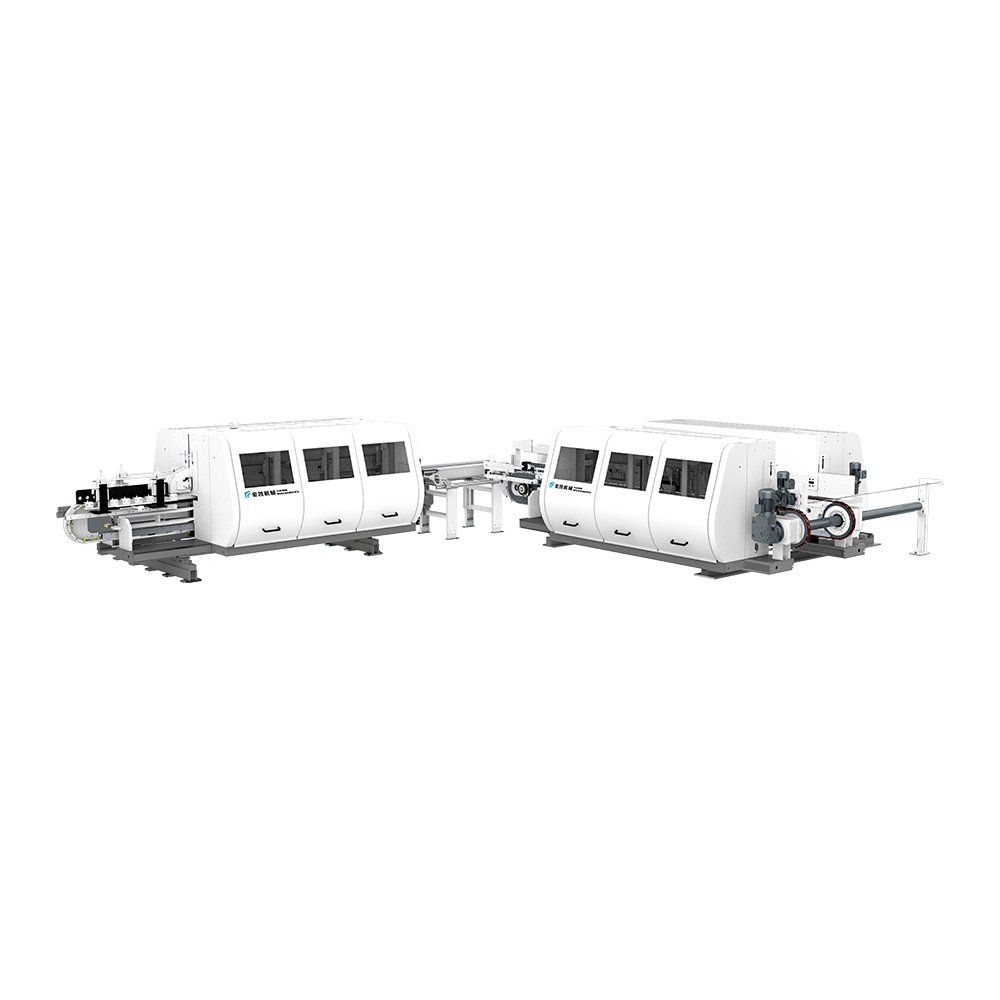
The product can slot the floor vertically and horizontally. The machine series c...
See Details
This equipment is suitable for trimming and chamfering LVT flooring. Equipped wi...
See Details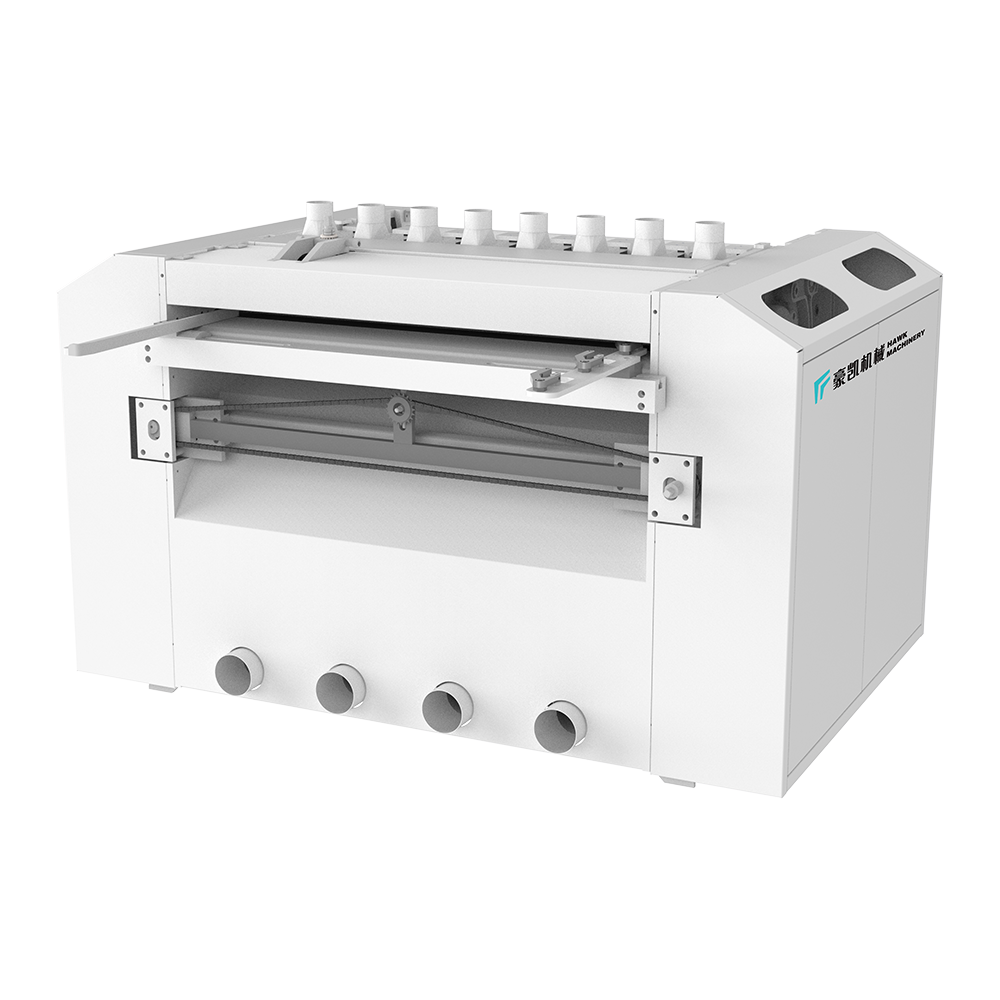
Different transmission sawing methods are suitable for different board processin...
See Details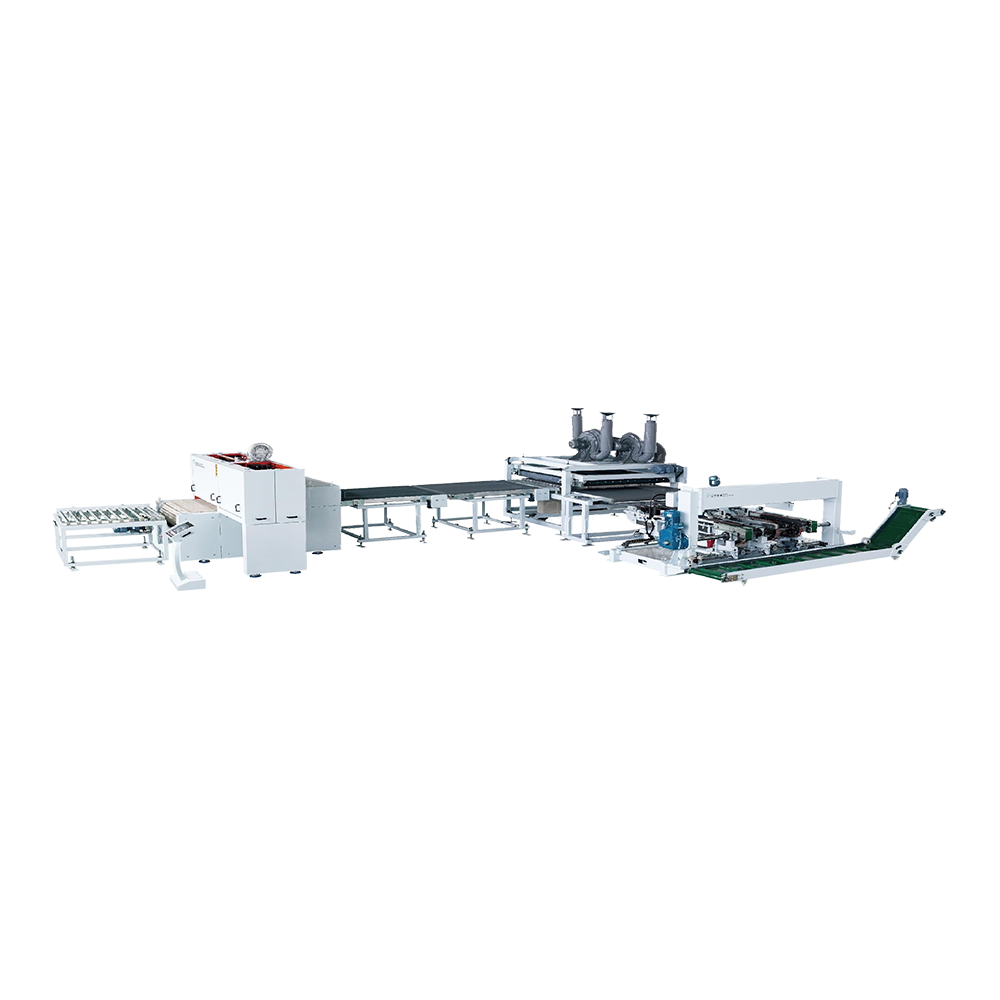
The feed speed of this equipment can reach 40 meters per minute, the whole frame...
See Details
Suitable for edge coating of laminated, PVC, and WPC. Using water-based paint is...
See Details
Hawk Machinery automatic feeding, cutting & slotting line, suitable for SPC,...
See Details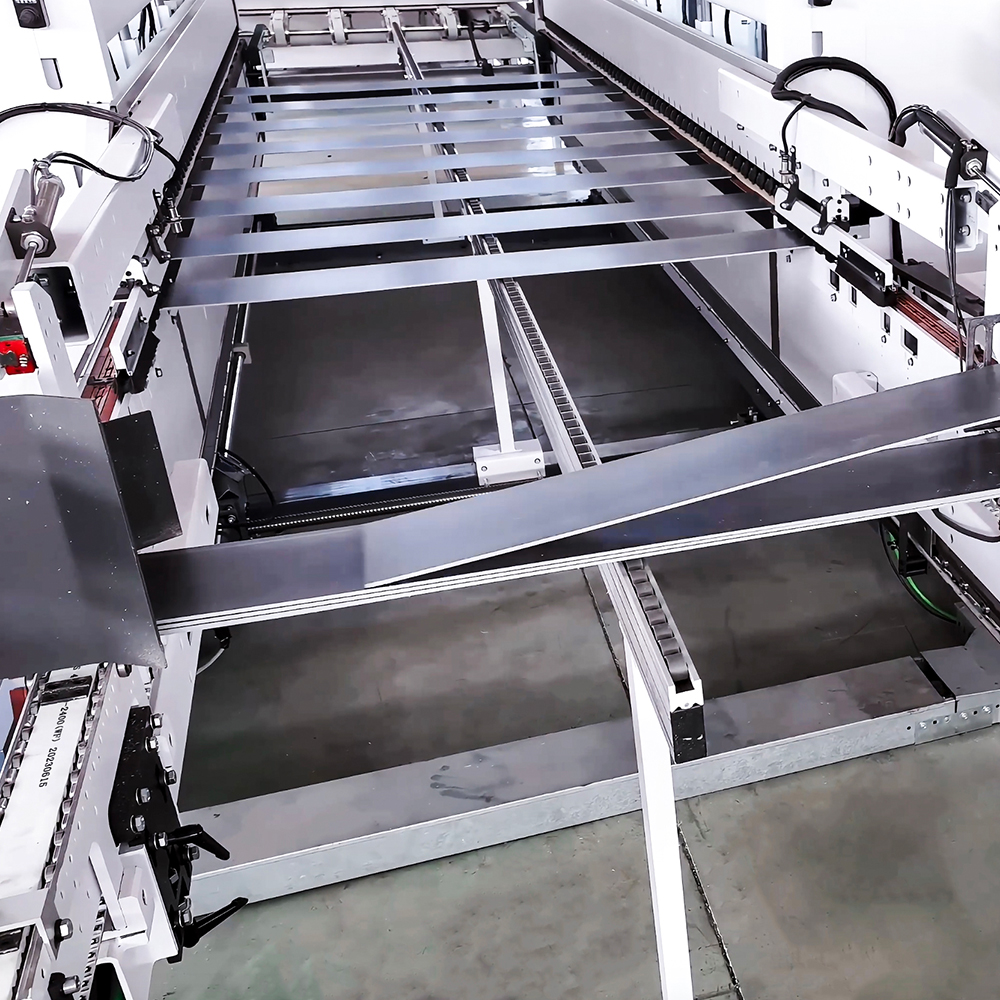
Integrated intelligent equipment integrates industrial intelligent Internet of g...
See Details
Contact info.
Boyi development area, changzhou city, jiangsu province, P. R. China
+86-0519-83319988
Don't hesitate to contact when you need us!
 Custom Floor Extrusion Machine Manufacturers