
 English
 русский
 Español

Floor slotting line (double end tenoner)
The product can slot the floor vertically and horizontally. The machine series c...
See DetailsA floor extrusion machine is where every rigid vinyl plank begins its life. Long before a single click-lock edge is milled, before a bevel is cut or a V-groove is painted, the extruder has already decided the density, flatness and internal stress of the core that everything else will be built on.
At HAWK Machinery China Co., Ltd. we have been building floor processing equipment since 2005, and we spend most of our working days with flooring producers who want their lines to run faster, tighter and more predictably. That view from the finishing end of the factory shapes how we read every extrusion decision. This guide covers what a floor extrusion machine does, how a line is configured, and what to check before you buy one.
Content
A floor extrusion machine is a continuous manufacturing system that melts a polymer compound and forces it through a shaping die to create a flooring core in sheet form. On a real production floor it is one module inside a longer extrusion line: feeding and mixing equipment, the extruder unit, a calibration and cooling section, a haul-off, and a cutting unit.
The compound is the heart of the process. A typical SPC formulation blends PVC resin with a heavy loading of calcium carbonate, plus stabilizers, lubricants, processing aids and impact modifiers. WPC recipes add wood flour, which changes melt behaviour and makes temperature control far less forgiving. We went deeper into formulation in our article on the materials a floor extrusion machine can run.
What leaves the die is not a finished floor. It is a rigid or semi-rigid core sheet, usually somewhere between 900 mm and 1,300 mm wide, which is cooled, cut to length and then sent downstream for annealing, lamination or coating, and finally for the machining steps that turn it into a usable plank.
Lines differ in details, but the sequence is remarkably consistent across SPC, WPC and PVC plank production.
The machine you need follows the product you sell. The table below maps the most common flooring families to the extrusion setups that suit them.
| Flooring product | Core composition | Typical extruder setup | Downstream focus |
|---|---|---|---|
| SPC rigid core plank | PVC with high calcium carbonate loading | Conical twin screw with wide sheet die | Thickness tolerance, then slotting and beveling |
| WPC plank | PVC with wood flour | Parallel or conical twin screw | Foaming control, then edge profiling |
| PVC dry-back plank | PVC with lower filler content | Single or twin screw | Dimensional stability and accurate cutting |
| PVC foam board and wall panel core | PVC with foaming agents | Twin screw with foam die | Flatness, then trimming and coating |
A single screw machine is the simplest and least expensive option. It handles low filler loadings well and is often found on PVC dry-back products or small-capacity lines. Its weakness is mixing: with a very high filler content, dispersion becomes difficult and output per hour drops.
This is the workhorse of SPC production. The conical design offers a large feed area at the back and a smaller, high-pressure section at the front, which suits rigid core formulations. Temperature control is stable and the screw treats the compound gently.
Parallel screws deliver higher throughput and better mixing per revolution, which is why they are common on high-output WPC and foam lines. They demand more careful maintenance and a larger spare-parts budget, but on a 24-hour operation the output gain usually justifies it.
An extruded core sheet has no value until it becomes a plank a customer can install. Between the extruder and the pallet there is a second production chain, and it is the one we know best.
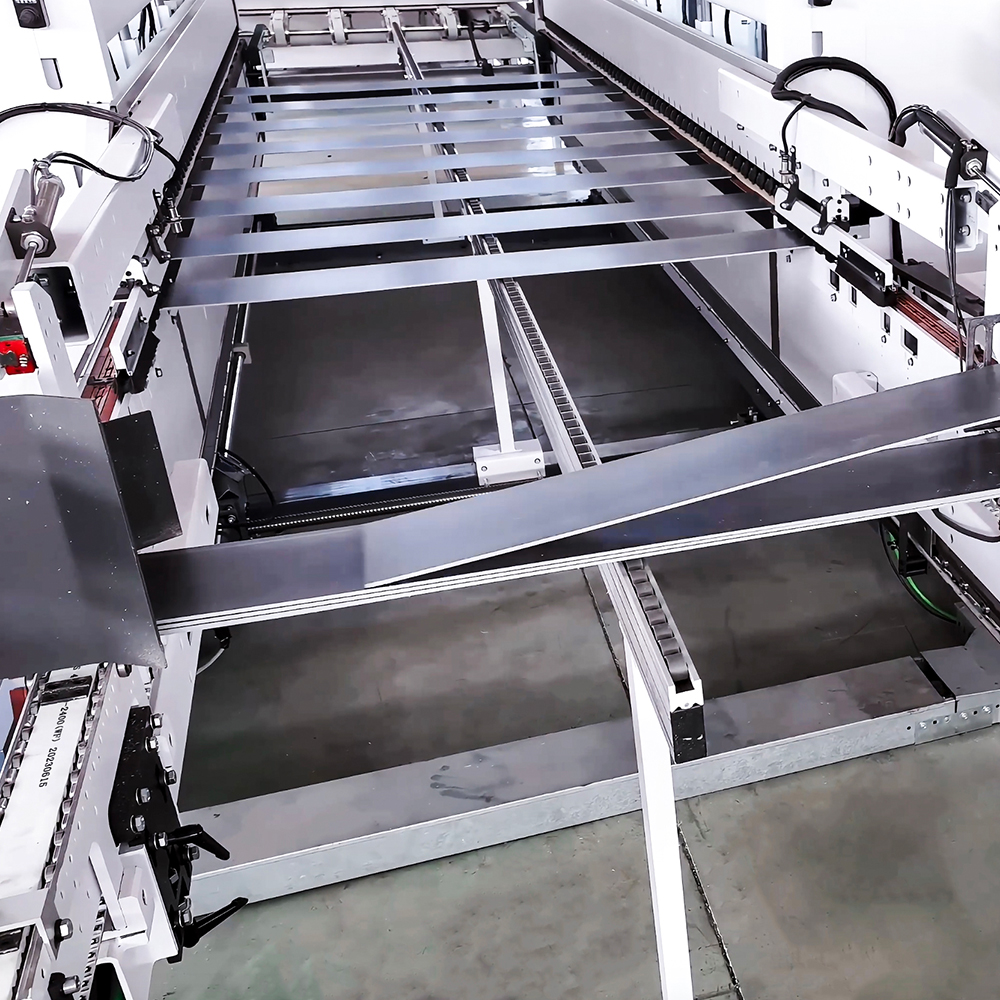
Once the sheet is cooled and annealed, it is cut to the blank size of the finished plank. That cutting step decides how much material you waste and how square every blank is before machining.
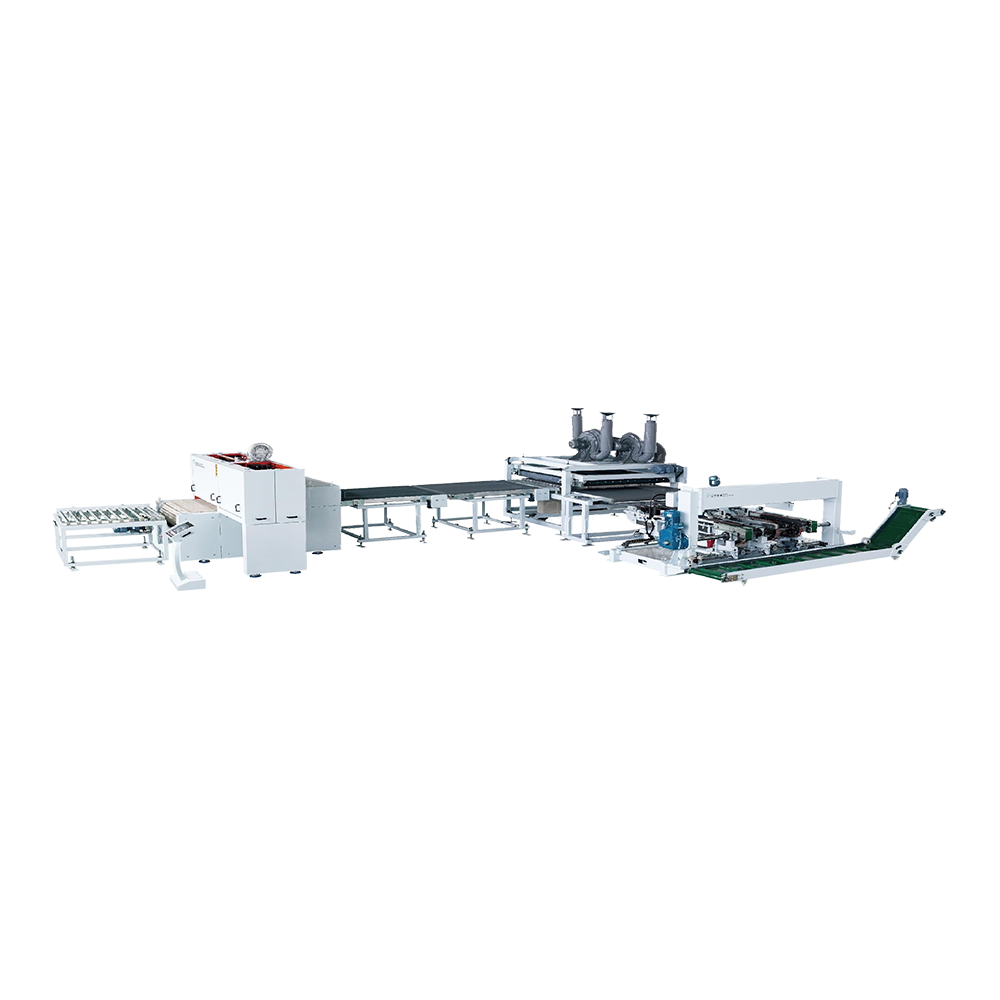 PVC floor CNC cutting production lineThe feed speed of this equipment can reach 40 meters per minute, the whole frame, the saw blade can be independently CNC controlled, and the crawler transmission mode.View Product →
Then the plank needs its edges. A floor slotting line with a double end tenoner cuts the click profile on both ends in one pass, and a beveling line softens the long edges so the joints close cleanly. Producers who run several of these operations in sequence often prefer to integrate them rather than move blanks between standalone machines.
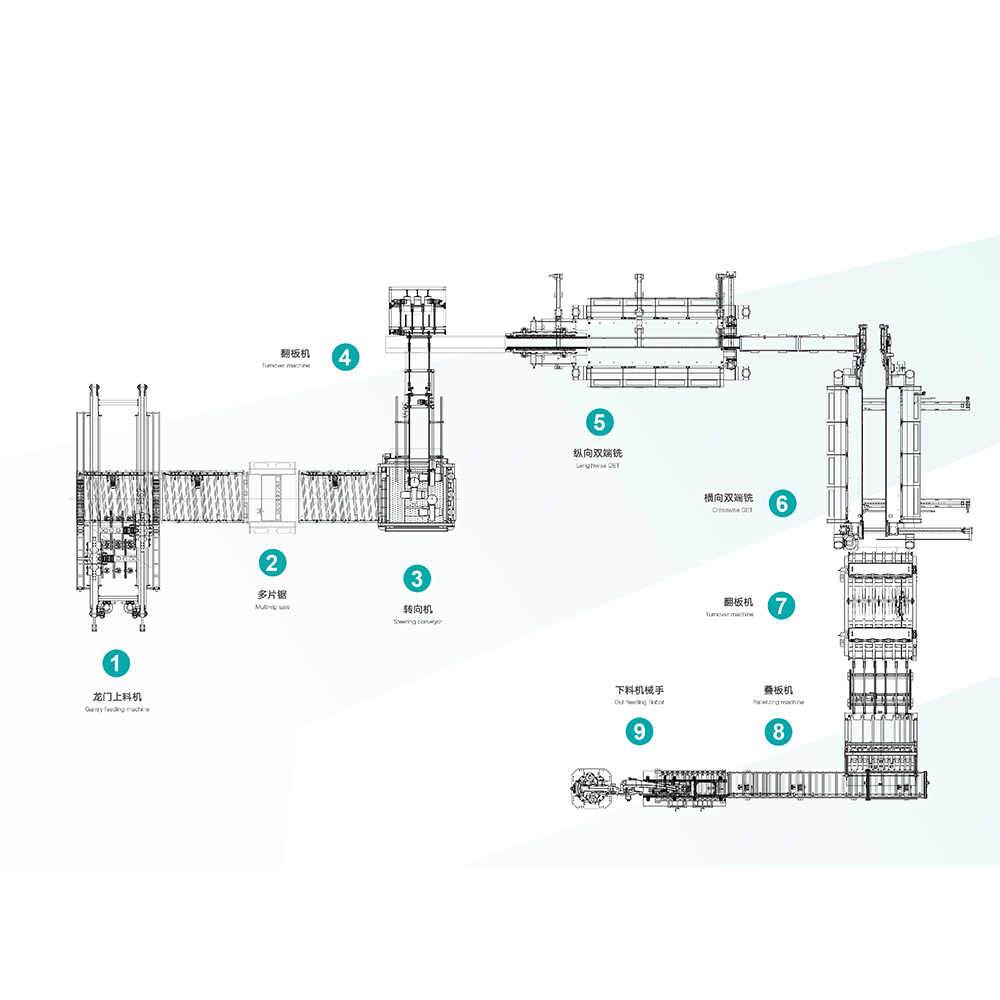 Automatic floor production lineHawk Machinery automatic feeding, cutting slotting line, suitable for SPC, WPC and a series of PVC plastic floor. Hawk Machinery automatic feeding, cutting slotting li...View Product →
Surface finishing comes last: V-groove painting to fill the joints, UV coating for wear resistance, then inspection and packing. Every one of these steps inherits the quality that the extruder produced, which is why a tolerance problem at the die rarely stays at the die.
Machine specifications tell you half the story. The other half is who stands behind the equipment after it is installed.
Digital control deserves the same attention. Modern flooring factories track output, scrap rate and machine status across the whole line, not just the extruder, and a management layer above the machines makes that possible without manual reporting.
 Smart floor production line MES systemIntegrated intelligent equipment integrates industrial intelligent Internet of gateway, machine task signage, label printer, counter sensor, RFID card reader, barcode ...View Product →
Our own credentials include national high-tech enterprise status, Jiangsu specialised and innovative enterprise recognition, more than 50 self-developed patents, and CE and ETL certification for our equipment. Around 200 employees work across development, manufacturing and service.
A floor extrusion machine decides the core; the machines after it decide whether that core becomes a product people are willing to pay for. If you are planning a new line or upgrading an existing one, we are glad to walk through your product mix, your target output and your current finishing equipment, and tell you honestly where the bottleneck is likely to appear. Reach out to our team and we will help you match the extruder you choose with the downstream line that has to keep up with it.
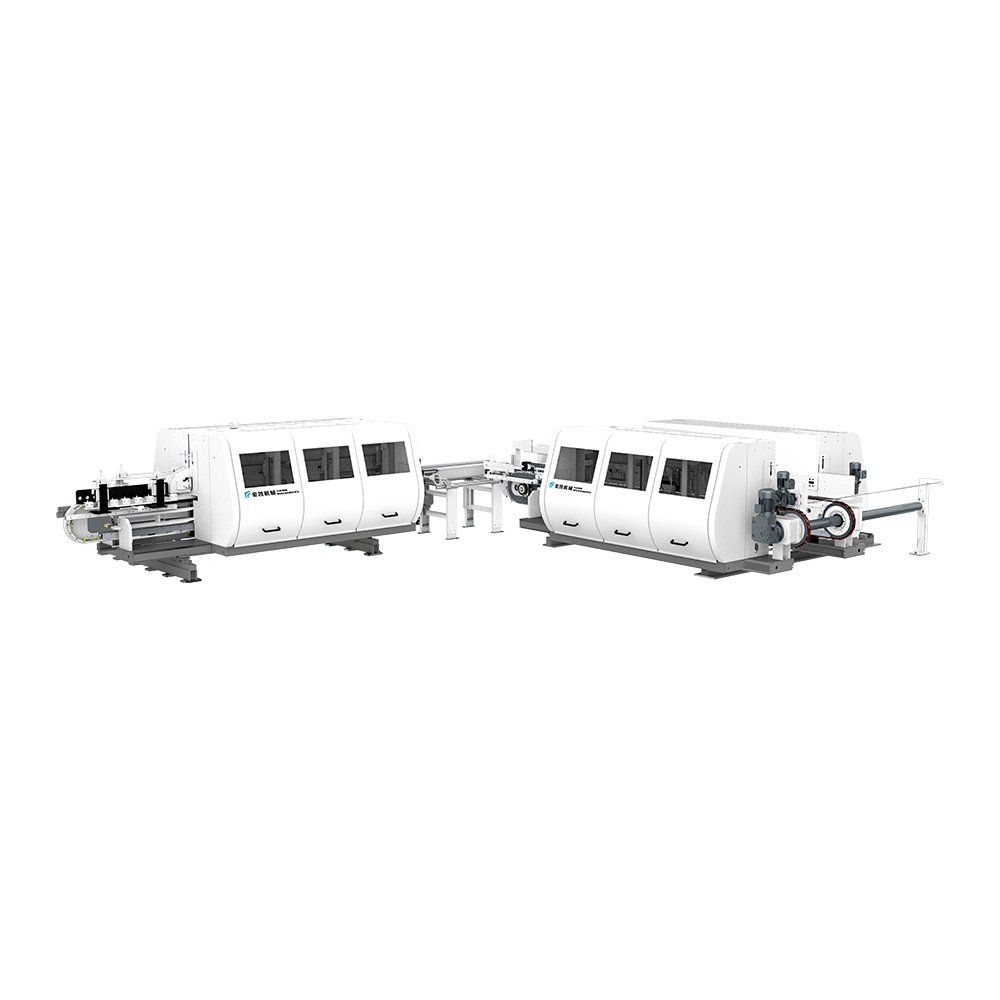
The product can slot the floor vertically and horizontally. The machine series c...
See Details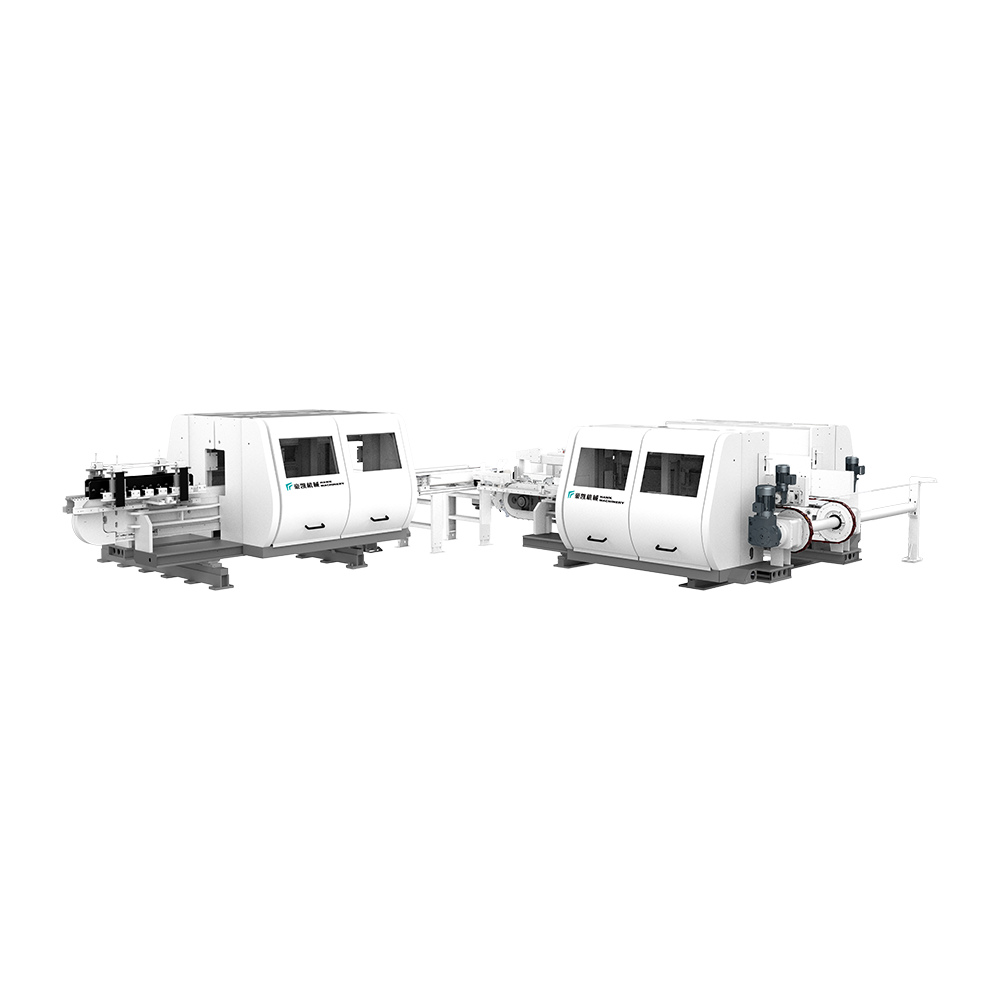
This equipment is suitable for trimming and chamfering LVT flooring. Equipped wi...
See Details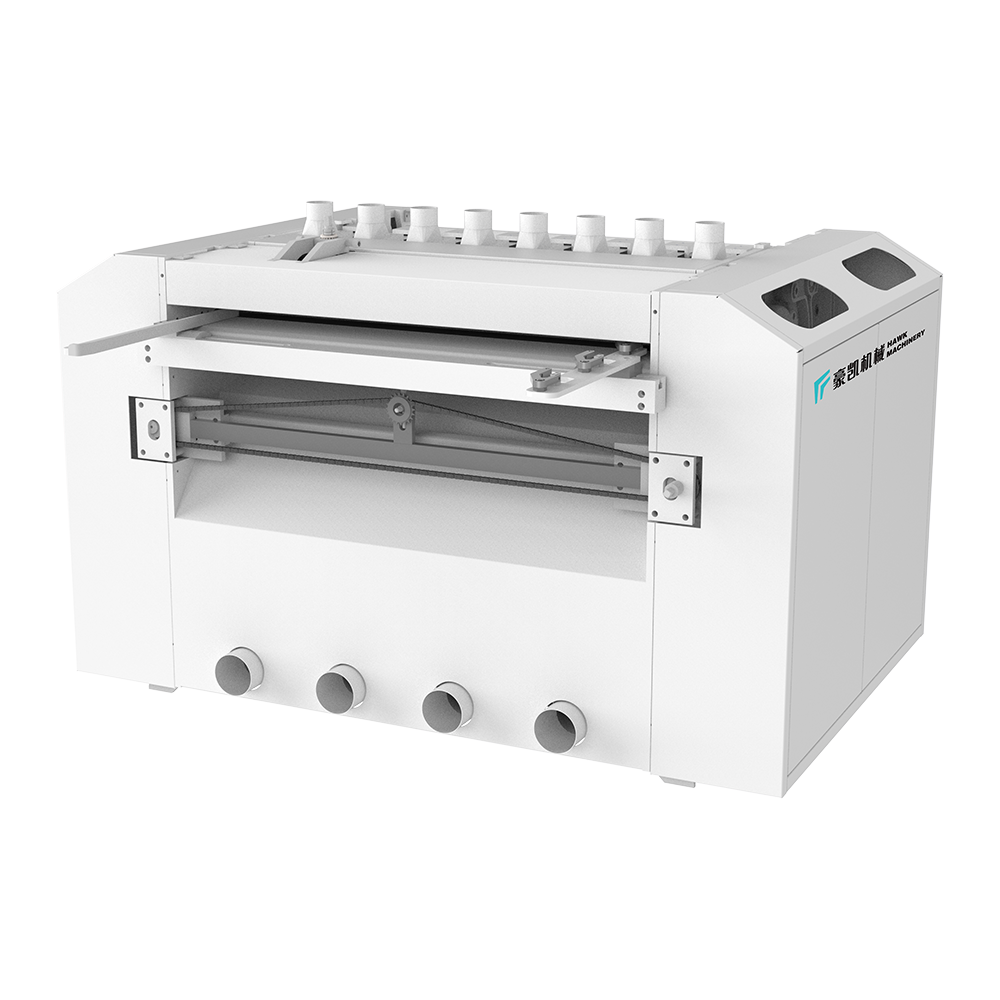
Different transmission sawing methods are suitable for different board processin...
See Details
The feed speed of this equipment can reach 40 meters per minute, the whole frame...
See Details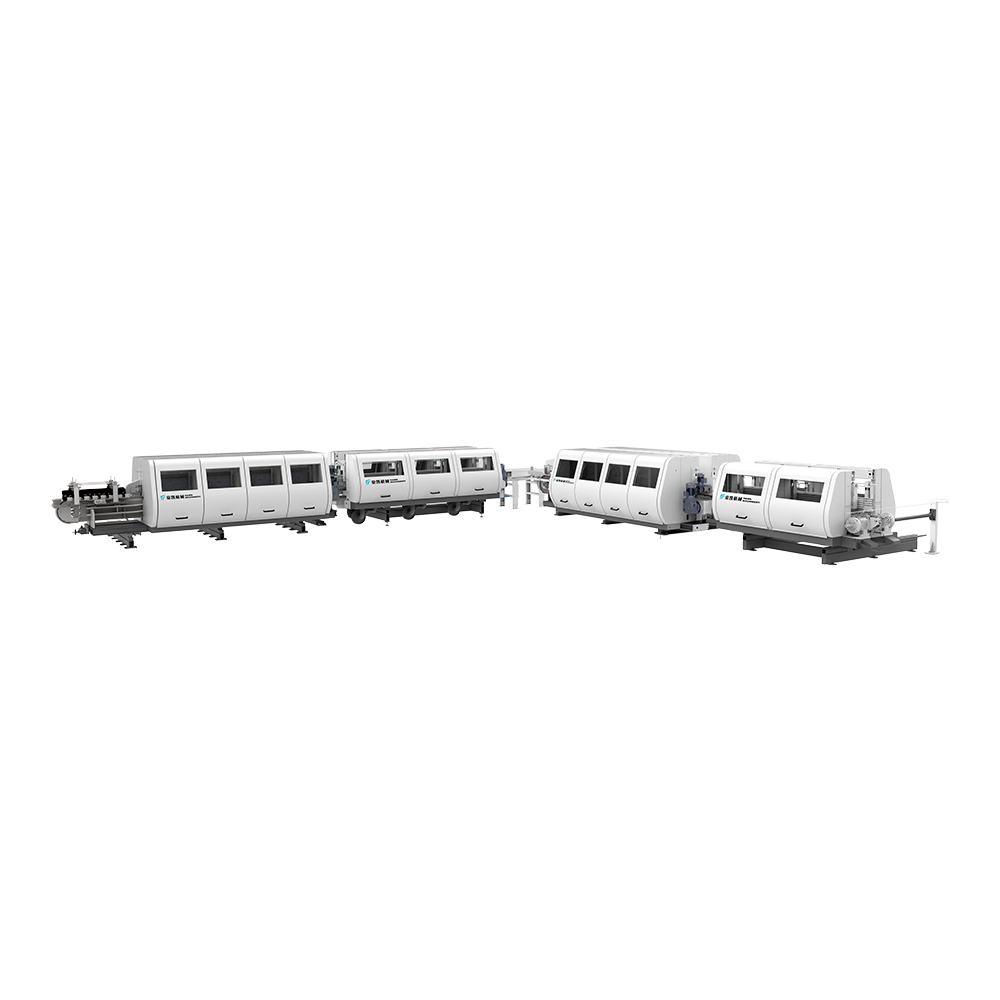
Suitable for edge coating of laminated, PVC, and WPC. Using water-based paint is...
See Details
Hawk Machinery automatic feeding, cutting & slotting line, suitable for SPC,...
See Details
Integrated intelligent equipment integrates industrial intelligent Internet of g...
See Details
Contact info.
Boyi development area, changzhou city, jiangsu province, P. R. China
+86-0519-83319988
Don't hesitate to contact when you need us!
 Custom Floor Extrusion Machine Manufacturers